Close
Digital Health & Ai Innovation summit 2026
Medical Taiwan 2026

Contact lens technology: 4 of the latest innovations

Contact lenses were first created to offer relief to those that needed glasses from having to wear their spectacles every day. Since their initial creation, lenses have developed ten-fold thanks to pioneering technology that aims to offer wearers even more from their lenses. Since choosing the correct contact lenses for you is important, keeping up to date with the latest contact lens technology can be extremely beneficial.

Corrective technologyย 

Thereโ€™s a big focus on lenses not only being a great replacement for glasses wearers but also improving eyesight as they are being worn. Orthokeratology (Ortho K) or overnight vision correction, is a form of corrective technology that uses specially designed overnight lenses to alter the shape of your eye while sleeping. The main advantage of overnight vision correction is that you donโ€™t need to wear lenses (or glasses) during the day so everyday activities are a lot easier – especially sports.

Dissolving โ€˜Nanowaferโ€™ contact lenses

Using eye drops to deliver medicine to the eye can be tricky and attempting to give eye drops to children is especially difficult. To combat the eye reflexively wiping or washing away most medicines, researchers at the Baylor College of Medicine in Dallas developed an ultra-thin contact lens that delivers medicines to the eye over an elongated period. These โ€˜Nanowafersโ€™ dissolve slowly and release tiny amounts of drugs into the eye – offering a more reliable and steady dosage of medicine than regular eye drops you normally administer.

Overnight contact lenses for dry eyesย 

Multiple new lenses are launched regularly to improve comfort, including for those who suffer from dry eyes. Overnight contact lenses can be worn for fewer hours so leave your eyes free to oxygenate for the whole day – increasing lubrication of the eye and reducing dryness.

Glucose monitoring lensesย 

Studies show that 4.9 million people in the UK are currently living with diabetes, with 90 per cent of those living with type 2. For people living with the condition, constantly checking blood sugar levels is disruptive – especially since it requires constant monitoring. Thatโ€™s why Googleโ€™s latest lens innovation is particularly remarkable. By forming a contact lens from a small chip and glucose sensor embedded within two layers, tiny LEDs will be displayed when blood sugar levels become too high or low. While these lenses are still very much in the design stage, the companyโ€™s aim to improve the lives of diabetes sufferers with these lenses could completely change the lives of millions in the country.

Thanks to exciting developments in contact lens technology, lenses are offering wearers more than just improving their sight. Whether itโ€™s correcting vision overnight, administering medicine, or even monitoring glucose levels, the limits of what contact lenses can do is growing by the day.

The Different Types of Respite Care: Explained

Respite care is a vital service that helps families care for their loved ones. It provides relief for caregivers, giving them time to take a break and recharge. There are many different types of respite care, each catering to the specific needs of the individual. In this blog post, we will explore the different types of respite care and what they offer.

1. Short-term care

Short-term care is one of the most common types of respite care. This type of care typically lasts for a few days or weeks, depending on the individual’s needs and preferences. Short-term respite care can be provided in many different settings, such as nursing homes, assisted living facilities, and even at home with home health aides. The respite services offered in these settings are designed to help individuals continue with their daily routines and maintain their independence for as long as possible. One benefit of short-term respite care is that it allows caregivers to take a temporary break from their responsibilities without leaving their loved ones unattended for too long. Additionally, this type of respite care is often more affordable than other forms, making it an ideal option for families on a budget.

2. Respite care for children

Another type of respite care is specialized services that are designed specifically for children. This can include programs and activities that are tailored to the needs and interests of young people, such as camps or after-school programs. These types of respite services provide a supportive environment where children can engage with others and grow physically, socially, emotionally, and cognitively. They also help kids maintain their connections with family members or caregivers who cannot always be there to spend time with them due to work obligations or other responsibilities. Overall, respite care for children provides much-needed support for families who may be struggling to balance the demands of caring for a child with other commitments in their lives.

3. Respite care for individuals with disabilities

Next, respite care can also be tailored to the specific needs of individuals with disabilities. This may include a range of services and supports, such as physical therapy or occupational therapy, that are designed to help people with disabilities live more independently and overcome challenges in their daily lives. These types of respite services are especially important for caregivers who often face significant physical and emotional burdens while caring for a loved one with special needs. By providing relief from these responsibilities, respite care can help families better manage the demands of caring for someone with a disability.

4. Long-term care

Next, long-term respite care is another option for families who need support. This type of care typically involves a more permanent arrangement, such as placement in a nursing home or assisted living facility. Long-term respite services can help individuals maintain their quality of life even as their health and functional abilities decline over time. They also offer caregivers much-needed relief from the day-to-day tasks of caring for a loved one with serious medical needs or disabilities. Overall, long-term respite care provides flexibility and peace of mind to both caregivers and individuals in need of assistance. Whether you are looking for short-term or long-term respite services, there are many options available to meet your needs and preferences.

Is respite care expensive?

Respite care can be an expensive option, depending on the type of services that are needed and the settings where they are provided. Generally speaking, short-term respite care tends to be more affordable than long-term care or specialized services for children or individuals with disabilities. However, there may also be financial assistance options available to help cover the costs of respite care, especially if it is being used as a form of medical treatment for someone with special needs.

Can anyone get respite care?

Anyone who needs respite care may be able to access this type of support, regardless of their age or the nature of their needs. While long-term and specialized respite services tend to be more expensive than short-term care options, there may also be financial assistance available for those who require these types of services. Additionally, many communities offer free or low-cost respite programs that can help people get the support they need without breaking the bank. Ultimately, anyone who feels like they could benefit from some relief and support should consider exploring the different options available for respite care in their area.

Ultimately, whether or not respite care is right for you will depend on your individual needs and preferences as well as your budget. If you are considering this option, it is important to do your research and explore all of your options to find a solution that works for you. So if you are looking to get some much-needed relief from your responsibilities, consider exploring respite services as an option for your family. You won’t regret it!โ€‹

NSW Ambulance Uses Mobile Emergency Alert App For Response

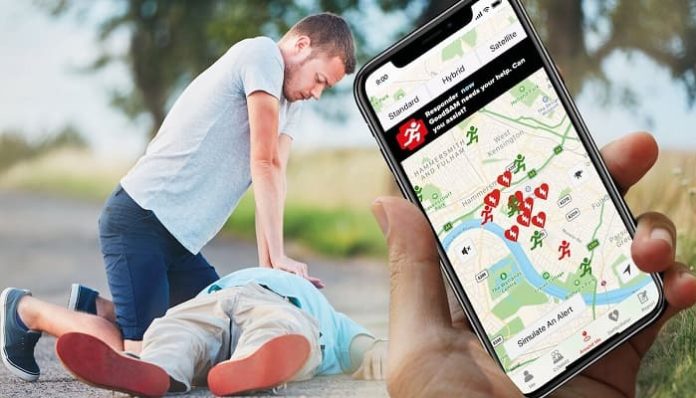
By providing voluntary rescuers with a mobile emergency alert and delivery software created in the United Kingdom, NSW Ambulance is encouraging community emergency response.

The free programme, known as GoodSAM (Good Smartphone Activated Medics), alerts a responder to people in cardiac arrest who are within 1,000 metres of them. This enables them to administer CPR or utilise an AED prior to the arrival of paramedics. The emergency services and GoodSAM agreed to a four-year, A$2.5 million ($1.5 million) relationship so that the app could be integrated with ambulance dispatch and a community register for locating defibrillators nearby. Through the aforementioned registration, residents will be able to record defibrillator locations that can later be retrieved by emergency personnel.

In the upcoming months, registrations for voluntary responders will start in stages, according to a press release.

Over 10,000 cardiac arrests were responded to by NSW Ambulance in the past year, many of which did not get CPR or defibrillation from nearby bystanders before paramedics arrived.

According to executive director of Clinical Systems and senior assistant commissioner of NSW Ambulance, Clare Beech, when someone is in cardiac arrest, every minute without CPR or defibrillation diminishes their chance of survival by 10%. The commissioner noted that while the emergency services would always dispatch the nearest paramedic when necessary, the GoodSAM app will enable speedy involvement by the population, which could save a life.

Many emergency agencies around the world, notably New Zealand organisations like the National Cardiac Network and Wellington Free Ambulance, have adopted the GoodSAM app.

The state government has donated more than A$55 million ($38 million) in new equipment and technology to NSW Ambulance to improve their delivery of cardiac care. A cardiac notification tool is part of the package, which enhances communication between ambulances and hospitals.

The service granted Vertel a contract last year to modernise its Far West Project 25 radio network in order to expand its coverage and enhance crucial communications operations. On each ambulance, the provider has installed a distress button for paramedics and GPS tracking. To guarantee that paramedics stay on the appropriate channel, an additional channel has also been put up.

4 Types of Lawsuit That Healthcare Individuals and Institutions Might Face

Irrespective of who you are or where you work, there is always a chance that you could face a criminal or civil lawsuit. Different industries present different situations to people working in them, with institutions that have close contact with people having higher chances of facing lawsuits. 

One such industry is healthcare. If you are a worker or an investor in the healthcare sector, it is vital to identify some of the areas that could result in lawsuits so that you can be careful to avoid them. 

This post highlights those areas and what you should do in the event of a lawsuit.

   1. Medical Malpractice Lawsuits

Medical errors do occur from time to time. When they happen, they can cause serious harm to patients. The good news is that the affected party can sue their treating doctor, the medical facility, or both for medical malpractice if the medical errors result from negligence. If successful, the complainant can receive huge sums of money as compensation. 

As a medical practitioner or an entrepreneur in the medical field, it is vital to carry a medical malpractice cover to shield yourself or your hospital from such liability.

Often victims of medical malpractice will have a medical malpractice lawyer representing them in their case. While your insurer could have a lawyer, it would help to hire a medical malpractice lawyer to look into your interest in the case.

   2. Workersโ€™ Compensation Lawsuits

To run a healthcare facility, you will need to hire front desk assistants, nurses, doctors, and janitors. Having employees means the chance of an employee suffering injuries in the workplace is always present. 

Under tort law, employers are responsible for the safety of their employees while on the job. If any staff member suffers an injury on the clock, they could work with a workplace compensation lawyer to file a lawsuit against you. 

Most states require all employers to carry workersโ€™ compensation insurance to shield themselves from liability and ensure that their employees are guaranteed to receive compensation if they suffer harm while at work. 

   3. Sex Crime Lawsuits

Unfortunately, some medical practitioners break ethical codes and assault the patients they are supposed to protect. Sex abuse by a medical practitioner is among the highest levels of violation of a patientโ€™s trust and the doctorโ€™s code of ethics, and it is a crime. 

But there are also situations where you could face a fabricated sex crime lawsuit or a patient could misconstrue a medical examination as sexual assault, especially where there is an examination of the patientโ€™s private parts.

As a medical practitioner, it is essential to communicate every necessary step in such examinations to ensure you and the patient are on the same page. Alternatively, you could ask them to have someone come with them into the examination room.

But you could do your best but still face sex crime lawsuits. Under such circumstances, you will need to work with accomplished sex crime lawyers for help fighting your charges.

Sex crime convictions for a medical practitioner can be especially dangerous as they can cause you to lose your practice license, so you want to ensure you only work with the best lawyers.

   4. Elder Abuse Lawsuits

If you run a facility that caters to older adults, there is a chance that one or some of your patients or residents could suffer harm at your facility. If the harm is medical or as a result of negligence from a medical professional or the management, they could file a medical malpractice lawsuit. 

But there are situations when the abuse is not medical such as assault or even financial abuse. Under such circumstances, an employee could face criminal charges for the abuse. If you or your employee is facing elder abuse charges, you will need to work with a lawyer specializing in the type of criminal offense you are accused of.

Australia Unveils Early Dementia, Cancer Detection Tools

In Australia, a comprehensive cancer website created by and for indigenous people has just gone live. Our Mob and Cancer is an online resource that offers patients, their families, communities, and medical professionalsโ€™ information and assistance that is safe for their culture.

It contains details on how cancer impacts indigenous people, how to prevent cancer, the different types of cancer, how to diagnose and treat them, and how to live with cancer. It also lists resources for help and support.

Malarndirri McCarthy, the assistant minister for indigenous health and a senator, said more ethnically appropriate and secure information about prevention, early detection, screening, treatment, and assistance can directly result in better Aboriginal, Torres Strait Islander outcomes.

Over the past ten years, it has been discovered that Australians of Aboriginal and Torres Strait Islander descent have a 1.4 times higher risk of dying from cancer than non-indigenous Australians. Additionally, they had lower participation rates and higher incidence rates for cancer community routine screening.

Launch of a free mobile app to aid in the early identification of dementia

To aid in the early detection of dementia, a smartphone app has been released with funding from the federal government.

The free mobile software, BrainTrack, enables users to keep track of and better comprehend the variations in their thinking over time. The software, which is accessible on both iOS and Android smartphones, also offers knowledge on brain health through games with a travel theme that have been modified from rigorous cognitive tests.

In collaboration with the Applied Artificial Intelligence Institute and Deakin University, Dementia Australia created the app. Additionally, it is supported by a study grant from the Medical Research Future Fund’s project on dementia, ageing, and aged care.

Website for those who have had miscarriage

A website that offers people affected by miscarriage proof information and research is being launched by Miscarriage Australia. The website is being created, according to a press release, in response to research that revealed individuals desire a single, reliable source of resources and information concerning miscarriage.

The web gateway will provide details on miscarriage symptoms, frequency, and causes, as well as information on how to prepare for a future pregnancy, the most recent miscarriage research, how to deal with loss, and how to help people who have experienced a miscarriage. The website, which is still in the early stages of construction, will also provide materials to address the needs of LGBTIQA+ couples and male partners.

On October 15, which is International Pregnancy and Infant Loss Awareness Day, the website will go live.

The Pros And Cons Of Subscription-Based Healthcare

Over the past few years, there have been numerous trends in the health industry. One trend that doesn’t seem to be getting as much attention is the shift in the healthcare payment models.

Traditional practices that used to be dominant, like the fee-for-service, are now becoming less prominent. After all, this payment model incentivizes the strategy of boosting a patientโ€™s medical bills by increasing the number of visits. Simply put, it’s a model that doesn’t have the patient’s needs in mind. Naturally, consumers will look for other payment models that can solve this issue, and subscription-based healthcare seems to be the best possible answer at the moment.

A Breakdown Of Subscription-Based Healthcare

Subscription-based healthcare is basically a healthcare model where patients must pay a fixed amount every month, quarter, or year. That payment will cover all the services the medical practitioner may have to render. These include tests, visits, and other more intensive services and offerings. There are several ways to opt for this payment model, but the most common approach is to find physicians with the help of Community Healthcare Partners (CHPs).

Right away, you can imagine the potential benefits this can bring to consumers such as yourself, and it indeed has numerous benefits. With that said, let’s take a look at some of these benefits.

Pros Of Subscription-Based Healthcare

  1. The Services Are More Accessible

Perhaps the most apparent benefit of subscription-based healthcare is that you’re able to visit your provider at your own convenience. That means no more waiting in line at the office for several hours or waiting for weeks to receive a response to your appointment. That’s because primary care physicians in traditional practices often handle 1,200 to 2,000 patients. Meanwhile, a direct care physician (those assigned to subscription-based healthcare) handles 200 to 600 patients.

That means they receive fewer calls, so they’re more likely to answer your calls promptly. In addition, direct care physicians (DCPs) tend to give their telephone line number to patients.

If you have their phone number, you can easily contact them to ask questions about your health. These calls or consultations may help increase your knowledge of common medical issues.

It’s also particularly useful to people who have trouble visiting the doctor, like elderly people. You can also schedule visits quickly, though you must keep in mind that there’s a limit to the number of visits per month. It depends entirely on the provider or your subscription, but this limit mostly prevents patients from scheduling visits for even the most minor health issues.

  1. You Can Finally Pay Attention To Preventive Care

Not many people are willing to schedule an appointment with a doctor and pay hundreds of dollars for an illness they may not have. However, that doesn’t mean it’s not an important practice. It’s what experts call preventive care, and it’s when you take steps to prevent or detect a major medical problem before it becomes severe. Examples of preventive care services include annual checkups, mammograms for women, colonoscopies, vaccination, and flu shots.

Granted that some of these are not available for free if you opt for subscription-based healthcare, but your payments should cover checkups and monitoring. Not to mention, your insurance provider is more likely to cover preventive services like colonoscopy if your DCP is in-network.

For your reference, when a healthcare provider is in-network, that means they accept payments from insurance. So, they may charge you less and get the remaining payment for the specialized services (services not covered in the subscription payments) from the insurance company. To sum it up, with subscription-based healthcare, you have more access to preventive care services.

  1. Patient Care Tends To Be Higher Quality

One of the bad habits of healthcare providers is focusing on quantity over quality. As stated earlier, in a fee-for-service model, medical practitioners receive payment for every service they render to patients. That’s why they tend to render as many services to as many patients. They do this since they won’t have a constant stream of income to maintain their annual salary.

Hence, popular medical practitioners tend to have a lot of patients in line, and they only spend a couple of minutes with each one. The most you can spend with them is 15 minutes.

For most people, that’s not enough time to discuss the details of your medical concern. The good news is that it only applies to fee-for-service and similar payment models. Thatโ€™s not the case with subscription-based healthcare. Since they receive payments from patients monthly, the healthcare provider doesn’t have to worry about having a stable source of income.

As a result, they become more eager to spend time actually caring about the patient’s health needs. But as always, it depends on the provider, but that’s where another pro comes into play.

Having a reliable healthcare provider can also help you better navigate financial challenges related to medical expenses. For instance, understanding the average workers’ compensation settlement can inform your decisions about financial planning and insurance coverage, ensuring that you’re prepared for potential workplace injuries and associated costs.

  1. It’s Easy To Opt In Or Opt Out

You could always opt out if you didn’t like your first few months or weeks with the DCP. It’s as easy as how you opted in. Of course, you wouldn’t need to do that if you took your time looking for the best DCP in the first place. Still, it helps since it would also encourage the provider to ensure the best quality service and care. After all, since opting out is rather quick and easy, they can lose patients as quickly as they got them, so they have more reasons to step up their game.

  1. You’ll Often Need Specialist Referrals From Your Direct Care Provider

Though it’s not common, it’s also not impossible to receive a diagnosis from your DCP that you have a serious illness. If you have yet to receive a diagnosis, then perhaps you just suspect it.

Either way, if the illness is outside of your provider’s expertise, you’ll need the help of a specialist. In that case, you need a referralโ€”a letter from a doctor that asks for a specialist’s treatment or diagnosis. The issue here is that not every doctor can and would give you a referral.

They must either know enough about your condition or they have a close doctor-patient relationship with you. Thankfully, that’s exactly what subscription-based healthcare is all about.

If you have a DCP, you wouldn’t have to worry about getting a specialist referral. It becomes even more appealing once you realize that most insurance companies won’t cover specialist services unless you get a referral first. Simply put, subscription-based healthcare can help you get specialist referrals more easily, making it easier to get your insurance provider to cover the service. The DCP can also help coordinate your visit to the specialist.

  1. It’s Generally More Cost-Efficient

The monthly fee for subscription-based healthcare is typically around USD$100. That covers all or most of the services of the direct care provider. These include routine monitoring, regular checkups, comprehensive care, consultations, and tests. urgent care clinic and specialized services are often not included, but those are things most people rarely need. The lower costs are often associated with the lack of insurance from this payment model, which takes us to the next section.

Cons Of Subscription-Based Healthcare

  1. There’s A Lack Of Insurance Coverage

Health insurance typically covers urgent care for catastrophic events like car accidents and specialized treatments for major medical problems. That’s why it makes sense for subscription-based payment healthcare services from direct care providers to lack insurance coverage. The payment model only covers minor issues like consultations, tests, and checkups.

For this reason, experts would often advise patients of DCPs to pair their medical subscriptions with either a health savings account (HSA) or a high deductible health plan (HDHP).

  1. You Must Have A Constant Stream Of Income

Since you’ll have to pay premiums on your insurance monthly, you must have a constant stream of income if you want to add another monthly expense. This applies to you even if you’re not particularly prone to medical issues. You still need to make the monthly payments even if you haven’t made a call with your direct care provider. That’s perhaps one of the biggest advantages of fee-for-service over the subscription-based healthcare payment model.

  1. It’s Not Suitable For People With Major Health Issues

As stated earlier, subscription-based healthcare models with direct care providers mainly consist of routine monitoring and checkups. That means if you’re someone with major or complex health issues, you won’t benefit as much. The services you most likely need are probably not covered by the subscription payments. The subscription-based healthcare payment model is catered specifically to those who are generally healthy with only minor health issues.

Closing Thoughts

The subscription-based healthcare payment model definitely has better fanfare than traditional payment models like fee-for-service. Hence, it makes sense why you’d prefer it over others.

However, one must keep in mind that there are numerous payment models for a reasonโ€”every model caters to different healthcare needs. Just because subscription-based healthcare worked for others doesn’t mean it’ll work for you. That’s why it goes a long way to know the pros and cons of subscription-based healthcare so you can make your own decision, hence this guide.


3.2mn UK Birds Killed As Avian Flu Cases Hit Record Levels

With 1,727 cases of avian flu already discovered in the UK’s wild bird population, this outbreak of the disease is the country’s greatest ever. Furthermore, tests for the H5N1 strain have shown that 161 captive birds are carriers. In order to curb its proliferation, 3.2 million birds have been killed across Britain.

The British people must be extremely cautious, according to a top testing specialist. One of just two western European nations where individuals have already been exposed to the potentially fatal H5N1 virus is the United Kingdom.

Obviously, this is a possible tragedy for Britain’s bird breeders, said chief scientific officer at London Medical Laboratory, Dr. Quinton Fivelman, who is also a top testing specialist. Due to the rapid spread of the virus, the government has only this week mandated that all poultry in Norfolk, Suffolk, and portions of Essex be kept indoors. However, it might potentially pose a serious threat to people.

It can be contracted through coming into contact with diseased birds, their droppings, or bedding, as well as by killing or cooking sick poultry. Although it’s believed to be difficult for humans to contract avian flu from birds, there have been a handful of fatalities when it has, he continued. The COVID-19 virus may have been transmitted from bats to humans because more cases increase the possibility of mutation.

Although there is currently no proof that the strain found in the UK can spread from person to person, chief scientific officer at the UK Health Security Agency, Professor Isabel Oliver, added that they are continuing to closely monitor the situation because they are aware that viruses are constantly evolving.

In the UK, scientists and health officials are concerned that this year’s outbreak has remained all year long and spread more readily, in contrast to past years when the virus largely died out during the summer season. As migratory birds return to the UK this fall to spend the winter there, they could help spread the disease further.

Within three to five days of infection, the primary signs and symptoms of avian flu can appear. These can include a cough or shortness of breath, a high body temperature, achy muscles, or a headache.

NHS Proposes Greater Regulation of Transgender Youth Care

According to a copy of the guidelines seen by Reuters, England’s National Health Service has drawn up proposed rules for treating transgender youth that would mandate alerting local authorities in some situations where young people have purchased puberty blockers and hormone therapies on the black market.

The recommendations are a part of a comprehensive evaluation of the care given to young transgender patients who seek NHS care. The present strategy, which may involve medical treatments, has come under fire from both practitioners, who claim it has a tendency to push patients into taking medicine too quickly, and from families who claim the service is unable to keep up with the rapidly expanding demand.

The NHS refused to comment on the draft’s contents when contacted by Reuters about it. The agency has previously stated that it will shortly release its draught policies for public comment and possible amendment. It claims that the adjustments are required to ensure that the system is strong and that therapies are safe while also guaranteeing that young individuals who seek medical attention receive timely care.

The NHS England document that Reuters obtained emphasised the urgency to as swiftly as possible finalise the recommendations and assist in the establishment of new facilities for transgender youngsters. With the intention of a 45-day public comment period, it was briefly put on the NHS England site at the end of September before being taken off. A representative for the NHS declined to explain why or when a complete and finalised version would be released.

Some young people in England who have waited years for gender treatment are now seeking medication through unlicensed online pharmacies or privately. These include treatments that delay puberty or hormone therapies for adults that aid in the development of secondary sexual traits that are consistent with the gender identity of transgender youth. Hundreds of young people have received these prescriptions from GenderGP, a private provider of therapies for transgender patients, according to Reuters.

According to the draught guidelines, NHS personnel can encourage the patient’s primary care physician to start safeguarding practises if they determine that a patient shouldn’t be taking hormone therapy or puberty blockers bought privately. The proposal leaves unclear why or what would be involved in taking safeguarding measures. However, safeguarding teams comprised of police, medical, and social services personnel are in charge of guaranteeing a child’s safety and wellbeing under NHS guidelines.

The NHS has previously stated that it highly discourages people from purchasing gender-affirming drugs from internet vendors who are not subject to UK regulation.

In a statement earlier this week, Dr. Stephen Powis, the medical director of NHS England, said that nobody ought to be buying illicit, unknown, and potentially lethal medications online. Gendered Intelligence, a national transgender-led NGO that offers training, support, and policy advice, declined to directly comment on the draught text, according to Cleo Madeleine, a spokesman for the organisation. The current system has so many administrative hurdles and capacity concerns that it has become untenable, she said, adding that any new regulations must prevent a retread of it.

It is essential, she said, that the new services concentrate on really facilitating access to therapy and assistance as opposed to abandoning children and their families in limbo. The draught guidelines also propose teams with broader professional competence within the clinics, enabling only NHS doctors to recommend young people for gender care and mandate discussions between referral staff and a clinic to determine whether gender clinics are the appropriate course of treatment.

The Tavistock and Portman NHS Foundation Trust in London, the only gender-care clinic for children in England, refuses to comment on the proposed modifications. According to NHS figures, referrals to Tavistock increased from 210 patients a decade ago to more than 5,000 individuals in the most recent fiscal year. Currently, there is a three-year wait time to visit a gender care specialist.

The NHS announced in July that, as a first step, it would relocate gender treatment away from Tavistock to two clinics in London and north-west England to operate under the new rules after an independent review urged England to offer regional services. Social transitioning, which acknowledges a child’s preferred name, pronouns, and attire, is a type of gender-affirming treatment. A Reuters analysis of U.S. data revealed that an increasing number of young adolescents are also looking for hormone therapy and puberty blockers.

Drugs are prescribed off-label in the UK, which implies they are not authorised for gender treatment. In many nations, the issue of how to support transgender adolescents has become extremely politicised due to a lack of long-term scientific evidence. Prime Minister Liz Truss has argued numerous times that gender identification issues should not be left up to young people under the age of 18.

NICE Collaborates With Health Technology Evaluation Groups

In order to address issues including collaborating with regulators and assessing digital health technologies, the National Institute for Health and Care Excellence (NICE) will collaborate with five health technology assessment (HTA) organisations such as Canadian Agency for Drugs and Technologies in Health (CADTH), All Wales Therapeutics & Toxicology Centre, Australian Government Department of Health and Aged Care, Health Technology Wales, Healthcare Improvement Scotland.

The management of COVID-19-related tasks, including interactions with regulators, issue prioritisation, management of medications without a marketing authorization, preparation for HTAs, and economic modelling techniques, will be improved as the first area of focus.

Before an HTA is completed, the groups will explore how HTA methods could improve how existing technological and methodological issues are managed. To deal with these issues, the bodies will collaborate on methodological and scientific issues. Collaborations in the regulatory field will also receive attention. Agencies from the UK, Canada, and Australia will look for chances to strengthen their connections with regulatory and HTA bodies.

The parties will evaluate if exchanging HTA data is advantageous and look into whether conducting a pilot for a combined clinical assessment will be fruitful.

The organisations will also exchange data on developments in assessing digital health technologies like AI. The groups will meet four times a year to discuss how their activities are progressing. All members will also be present at an annual meeting to discuss accomplishments and set goals for the following quarter and beyond.

Meindert Boysen, head of international affairs at NICE, said that by collaborating, the HTA community and NICE can more effectively foresee, recognise, and address the key opportunities and challenges posed by advances in science and healthcare.

After years of productive informal cooperation, Boysen continued, he is thrilled that they have now formalised the partnership with important members of the international HTA community.

Dementia Centres In South Korea Use Location-Tracking Tech

To stop older patients with dementia from getting lost when wandering, the South Korean government is giving more than 2,500 location trackers to dementia care facilities around the nation.

The project is a result of an ongoing public-private collaboration between the Ministry of Health and Welfare (MOHW), the National Police Agency (NPA), as well as the local chip manufacturer, SK Hynix. From 2021 through 2024, SK Hynix will fund the initiative with 400 million won (roughly $250,000) per year.

Through a connected smartphone app, the wrist-worn device enables caregivers to monitor the patient’s mobility and whereabouts. It will notify them if the wearer leaves a predetermined region or make an emergency call if necessary. In the event that patients wander off, the NPA can track them using the app.

The deployment of the GPS trackers will be prioritised for senior patients whose biometric information is already on file at dementia care facilities, according to a media statement.

The population of South Korea is ageing quickly, with 8.6 million people in that age group (16% of the total) last year. As the population ages, dementia cases rise as well; from 2015 to 2019, the percentage of seniors who were officially diagnosed with the condition increased from 5.9% to 7.3%, or nearly 588,000 seniors.

In order to help patients with dementia, the Myongji Hospital in Gyeonggi Province recently developed PIO, an AI-driven care robot. The robotic parrot-like creature can recognise its owner’s face and facial expressions via a camera, and it can convey feelings through its LED pupils and body movements.

One of the many initiatives being undertaken in South Korea to reduce loneliness and the signs of mental illness is the construction of this robot. For instance, a neighbourhood in the Korean city of Seoul recently introduced an AI robot named Channy to act as a personal friend for adults who live alone.

Through this public-private partnership for dementia awareness and improved dementia prevention programmes, they will try their best to establish a society that is dementia-friendly so that dementia patients and their families can live with peace of mind, according to Kim Hye-young, chief of the Dementia Policy Department at MOHW.

Translate ยป