









Close
Digital Health & Ai Innovation summit 2026
Medical Taiwan 2026

These 6 Tips Will Help You Nurture Your Skin Perfectly

These 6 Tips Will Help You Nurture Your Skin Perfectly

Your skin is the foundation of your appearance. It’s the first thing people see when they look at you, and it can make or break your look. If you want to have perfect skin, then you need to nurture it correctly. In this blog post, we shall be discussing six of the best possible tips that will help you maintain healthy skin.

Nurturing skin – 6 tips to do it perfectly

A lot of people do not know this, but our skin is actually the biggest organ in/on our bodies. Consequently, it is also the most visible one and the first thing people see when they look at us. That is why taking care of our skin is so important if we want to look good and feel confident. Now, the condition of our skin depends on many factors, such as genes, climate, nutrition, sleep, stress levels, etc. We cannot change some of them, but we can definitely influence others. On the other hand, experts from exposedskincare.com say that there are some basic rules of skin care that everyone should follow regardless of their skin type, age, or gender. So, if you want to have healthy and beautiful skin, make sure to do the following:

1. Drink plenty of water

Hydration is key to healthy skin and there is no way around it. Make sure to drink at least eight glasses of water a day to keep your skin cells plump and hydrated. This will also help flush out toxins from your body and improve your complexion. In addition, you can also eat foods that are high in water content, such as cucumbers, melons, and tomatoes. Water is the essence of life and that definitely applies to our skin as well!

2. Eat a healthy diet

What we eat shows on our skin, so make sure to include plenty of fruits, vegetables, and healthy fats in your diet. These foods are packed with nutrients that are essential for healthy skin. For example, omega-three fatty acids can help reduce inflammation and keep the skin hydrated. On the other hand, antioxidants protect the skin from damage caused by free radicals. So, make sure to eat a balanced diet if you want to have healthy skin.

3. Get enough sleep

Sleep is important for our overall health, including the condition of our skin. When we sleep, our body gets a chance to repair damage and regenerate cells. Therefore, make sure to get at least seven hours of sleep every night to keep your skin looking its best. In addition, avoid working or using electronic devices in bed as the blue light emitted from them can disrupt our sleep cycle. Good night’s sleep can do wonders for our skin!

4. Maintain a skincare routine

Cleansing, toning, and moisturizing โ€“ are the three steps of every skincare routine. However, you might need to add or remove steps depending on your skin type. For example, people with dry skin should use a hydrating cleanser and a rich moisturizer. On the other hand, those with oily skin should use a gentle cleanser and oil-free products. When trying to establish and maintain a skincare routine, you will want to make sure that, regardless of what it constitutes, you choose products that actually help you and your skin. A consistent skincare routine is essential for healthy skin.

5. Use a high-quality moisturizer

A good moisturizer can help hydrate the skin, reduce inflammation, and protect against damage. Make sure to choose a moisturizer that is suitable for your skin type and use it every day. You can also use a face oil or serum to give your skin an extra boost of hydration. Just remember to apply them after your moisturizer to lock in the moisture. On the other hand, make sure you choose a moisturizer that is actually beneficial for your skin and not just another price tag you can flaunt.

6. Avoid excessive sun exposure and use sunscreen

We all love spending time in the sun, but too much sun exposure can damage our skin. UV rays can cause premature aging, wrinkles, and even skin cancer. Therefore, make sure to limit your time in the sun and always wear sunscreen with an SPF of 30 or higher. You should also avoid tanning beds as they emit harmful UV rays as well. If you want to enjoy the sun safely, make sure to take these precautions.

In conclusion, following these tips can help you nurture your skin perfectly. So, make sure to do them if you want to have healthy and beautiful skin. Devote attention to it on a daily basis and you will definitely see results. Protect your skin from damage and give it the care it deserves. After all, our skin is the largest organ in our body and it deserves to be treated well!

US Health Providers Seek HHS To Defer Data Block For A Year

GE Healthcare and Minerva Imaging sign strategic partnership to accelerate precision medicine and targeted radionuclide therapy

Ten hospital and medical associations in the US have requested that the information blocking deadline of October 6 be extended by one year to Secretary Xavier Becerra of Health and Human Services. The organisations wrote to Becerra on September 26th that despite the best efforts to educate their members, there are still major knowledge gaps and confusion within the provider and vendor sectors with regard to the administration and enforcement of information blocking legislation.

The associations also want HHS to notify doctors and providers of corrective actions before enacting any financial penalties or starting a formal investigation.

According to regulations set by the Office of the National Coordinator for Health Information Technology as well as the Centers for Medicare and Medicaid Services, stakeholders are required to begin sharing electronic health information on October 6. Information blocking tactics were outlawed by the ONC Final Rule for providers, health IT developers, health information exchanges, and health information networks.

It included specifications for the use of Fast Healthcare Interoperability Resources (FHIR) and Application Programming Interfaces (API) capabilities. Later, the regulation was broadened to call for information exchange with eight exceptions.

The organisations stated that their members have been working hard to fulfil the imminent and impending information blocking deadline of October 6th with the extended electronic health information (EHI) definition. The pervasive inability to support access, sharing, and use of electronic health information, according to the groups, is a major problem affecting compliance readiness. They said that EHI is not well defined and that there is no technical platform that supports its secure exchange.

Additionally, each healthcare stakeholder has a very different understanding of what constitutes electronic protected health information, a data repository service, and electronic health information. They stated that consistency in EHI interpretation is essential because the organisations are responsible for EHI interoperability.

Furthermore, there is still a lot of ambiguity regarding how the eight information blocking instances should be used while exchanging EHI, they added. When test results and reports are made public in cases of life-threatening or life-limiting illnesses, there are worries about the harm that may result. Additionally, there aren’t enough technical and regulatory manuals to support healthcare professionals in safeguarding private health information, such as reproductive, mental health, and substance use disorder data for adolescents and adults.

They stated that they continue to evaluate and monitor ONC’s frequently asked questions, but many of the questions that are raised are not satisfactorily addressed. In the letter, the provider organisations expressed their appreciation for HHS’s ongoing efforts to expand health data transfer and interoperability while progressing health equity for all, but noted that it was clear that vendors as well as healthcare providers, clinicians, and other professionals were not completely ready for the October 6 deadline.

The interoperability and information-blocking requirements of the 21st Century Cures Act were to be fulfilled by the ONC and CMS regulations.

Patients now have online access to their protected health information according to the CMS Interoperability and Patient Access Rule, which was published in 2020. In order for patients to readily obtain their claims and encounter information, comprising cost, as well as personal clinical information through third-party apps of their choice, it was necessary for payers to establish and sustain a secure, standards-based HL7 FHIR API. Payers also had to use a standards-based API to make provider directory data accessible to the general public.

Starting and Sticking to a Healthier Lifestyle

Starting and Sticking to a Healthier Lifestyle

Adopting a healthy lifestyle is crucial to your growth and development. You cannot improve your life if you do not prioritize maintaining health. A comfortable lifestyle is made possible by good health; without it, not even affluence can bring happiness.

Tips for Starting (and Sticking to) a Healthy Lifestyle  

Dealing with various ailments is a weighty obstacle, but it should not stop you from being as healthy as possible. To accomplish this objective, you may have to make significant changes to your current way of life, which is challenging but ultimately rewarding. This article discusses how you can start and stick to a healthy lifestyle.

Set Clear and Achievable Goals  

First, you must decide what you want to accomplish in the days, weeks, and months ahead. Your health goals need not be monumental; you should shoot for something attainable and practical. If you want to run a marathon in six months, you should aim for the more reasonable goal of completing the Couch to 5K program.

The SMART method of goal setting is crucial in achieving a healthy lifestyle. You need your goals to be specific, measurable, achievable, realistic, and timely. For example, instead of “do more exercise,” you can aim to “walk for half an hour five days a week.”

Start Exercising  

If you have not been working out, getting started can be intimidating. Every little bit counts in the first stages of exercising. Ensure you get some physical activity every day, even if it is only a stroll around the block.

Instead of taking the elevator, walk up the flight of steps, and start doing more home improvement projects like gardening. It is also a good idea to get up and move around every 30 minutes instead of sitting for hours. The experts suggest that people between 19 and 64 need 150 minutes of moderate-intensity exercise per week. Strength training, such as weightlifting or yoga, should be done at least twice weekly.

Incorporate a Balanced Diet Into Your Routine

Improving your diet is an excellent first step toward a healthy lifestyle. Most of us eat too many calories daily and excessive amounts of sugar, saturated fat, and salt. We also have a hard time eating the recommended amount of vegetables, fruits, and other foods rich in essential nutrients.

Fruits and vegetables (at least five servings daily) and starchy carbohydrates (bread, rice, potatoes, and pasta from whole grains) should form the backbone of our diets. A diet rich in protein is also crucial. Protein-rich foods, including seafood, beans, eggs, and lean meat, are preferable to red and processed meats. Dairy products that are low in fat and sugar are recommended since they provide calcium and other nutrients. In addition, you might also want to check out PureHealth Research for all-natural supplements.

Try to Quit Smoking  

For your health, you should try to break the habit of smoking cigarettes. Many smokers lose up on their attempts to quit because nicotine is so addictive. Do not lose hope if you have been attempting to stop before and failed. You can certainly overcome your addiction with the assistance of a trained professional. Nicotine replacement medication (such as patches, nicotine gum, and sprays,) in conjunction with professional help, is the most effective method for quitting smoking.

Seek Mental Health Assistance Whenever Needed  

Preserving a healthy mind is just as paramount as maintaining a healthy body. You must seek assistance if you feel anxious, sad, stressed, or display any other concerning signs. Your primary care physician (PCP) is an excellent starting point, but friends and services like crisis hotlines can also be helpful. You can get counseling, treatment referrals, and suggestions for self-help materials. Your general practitioner may also recommend medication if necessary.

Monitor Your Progress  

To maintain a healthy lifestyle, it is a good idea to document your initial point of reference. If you want to lose weight, keeping track of your progress weekly can be helpful. It’s always a good idea to track your successes and failures as you adjust your strategy. This way, you know what works and what doesn’t.

Set Clear and Realistic Goals  

A specific target will keep you motivated as you strive toward positive improvements. Set goals that can be quantified to stay motivated and informed of your advancement. It is never too late to begin a healthy routine that you can maintain with only a few simple adjustments.

Track and Eliminate Unhealthy Habits  

Decide which aspect of your life you want to change the most and focus on it. Improving your health is a holistic process that includes more than just diet or sleeping schedule changes. You may have realized that certain aspects of your life could use some revision.

If you want to start living healthier and keep it up, you should focus on changing only one aspect of your life at a time. Your mental, social, and professional well-being contributes to your total health. So, figure out what seems off-kilter and work on that first.

Create an Accountable System  

You have initiated different routines, eating habits, and fitness plans over the years. How many would you say you have kept, if you had to guess? Most of us have little trouble getting started; the problem is maintaining our momentum.

You will need some method of self-motivation and accountability if you are serious about adopting a healthy lifestyle and seeing it through to completion. Do you feel like you could benefit from some external encouragement and monitoring of your progress? A superior “report” may motivate you to work more. You can get support from those close to you, such as family and friends, or an outside source like a professional coach.

Final Thoughts  

A long-term strategy for a healthy lifestyle requires more than just a few fluffy objectives. To succeed, you need to dig deeper into your motivations, adopt a realistic perspective, anticipate potential problems, and devise strategies for overcoming them. It is advisable to have a clear plan and path to achieve a healthy lifestyle, which will require effort to maintain. If you want to discover how supplements can help you live better, check out the products from PureHealth Research. Remember: natural solutions are always superior!

US Health Providers Seek HHS To Defer Data Block For A Year

Ten hospital and medical associations in the US have requested that the information blocking deadline of October 6 be extended by one year to Secretary Xavier Becerra of Health and Human Services. The organisations wrote to Becerra on September 26th that despite the best efforts to educate their members, there are still major knowledge gaps and confusion within the provider and vendor sectors with regard to the administration and enforcement of information blocking legislation.

The associations also want HHS to notify doctors and providers of corrective actions before enacting any financial penalties or starting a formal investigation.

According to regulations set by the Office of the National Coordinator for Health Information Technology as well as the Centers for Medicare and Medicaid Services, stakeholders are required to begin sharing electronic health information on October 6. Information blocking tactics were outlawed by the ONC Final Rule for providers, health IT developers, health information exchanges, and health information networks.

It included specifications for the use of Fast Healthcare Interoperability Resources (FHIR) and Application Programming Interfaces (API) capabilities. Later, the regulation was broadened to call for information exchange with eight exceptions.

The organisations stated that their members have been working hard to fulfil the imminent and impending information blocking deadline of October 6th with the extended electronic health information (EHI) definition. The pervasive inability to support access, sharing, and use of electronic health information, according to the groups, is a major problem affecting compliance readiness. They said that EHI is not well defined and that there is no technical platform that supports its secure exchange.

Additionally, each healthcare stakeholder has a very different understanding of what constitutes electronic protected health information, a data repository service, and electronic health information. They stated that consistency in EHI interpretation is essential because the organisations are responsible for EHI interoperability.

Furthermore, there is still a lot of ambiguity regarding how the eight information blocking instances should be used while exchanging EHI, they added. When test results and reports are made public in cases of life-threatening or life-limiting illnesses, there are worries about the harm that may result. Additionally, there aren’t enough technical and regulatory manuals to support healthcare professionals in safeguarding private health information, such as reproductive, mental health, and substance use disorder data for adolescents and adults.

They stated that they continue to evaluate and monitor ONC’s frequently asked questions, but many of the questions that are raised are not satisfactorily addressed. In the letter, the provider organisations expressed their appreciation for HHS’s ongoing efforts to expand health data transfer and interoperability while progressing health equity for all, but noted that it was clear that vendors as well as healthcare providers, clinicians, and other professionals were not completely ready for the October 6 deadline.

The interoperability and information-blocking requirements of the 21st Century Cures Act were to be fulfilled by the ONC and CMS regulations.

Patients now have online access to their protected health information according to the CMS Interoperability and Patient Access Rule, which was published in 2020. In order for patients to readily obtain their claims and encounter information, comprising cost, as well as personal clinical information through third-party apps of their choice, it was necessary for payers to establish and sustain a secure, standards-based HL7 FHIR API. Payers also had to use a standards-based API to make provider directory data accessible to the general public.

What Does Science Really Know About Anti-Aging?

What Does Science Really Know About Anti-Aging?

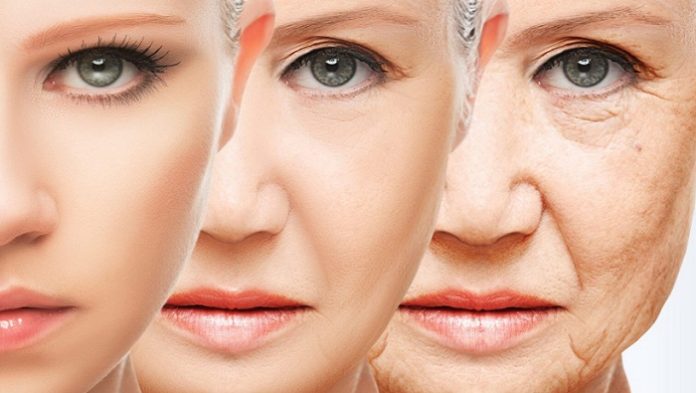
Scientists still debate whether aging can be considered a disease. Although there is no consensus, there are so many efforts to cure this natural process. Today, researchers claim that aging can be stopped because of anti-aging measures. Keeping that in mind, we will explore new scientific findings and know more about anti-aging.

Science Really Know: People Can Live Up to 150 Years

Science is constantly moving forward. Scientists are trying to beat aging, but no one knows if the elixir of immortality will appear in our lifetime. People have been searching for a special cure for death for hundreds of years. Our understanding is much better now – but immortality will not be achieved anytime soon.

Scientists carefully studied various indicators of aging to find out the natural rate of human aging. It is, of course, increased by various factors, including our own decisions. However, it would still be interesting to know the maximum age a person could reach. According to scientists, this age is 150 years. Scientists have developed a dynamic indicator of the state of the body, DOSI, which includes various factors that indicate aging, including the number of blood cells. With age, the quality of a person’s blood decreases, and this is a good reflection of the state of the whole body. This allows scientists to take a different look at the average progression of aging and find the point at which the amount of accumulating age-associated diseases and DNA defects becomes too big. This limit is 150 years.

Science Proves: Nutrition Is a Key to Long Life

Nutrition is the main factor that ensures a healthy and long life. The most important thing is to include plant-based food in our diet. For instance, in one study, researchers analyzed gut bacteria samples from 612 people aged 65 to 79. Some of the study participants then followed a Mediterranean diet for a year, a diet high in green vegetables, fruit, fish, olive oil, and nuts, but low in red meat and saturated fat. After 12 months, the researchers examined the gut bacteria of these people again. The researchers observed that those people who ate a diet typical of the Mediterranean region retained a greater diversity of gut bacteria. This is an indicator of good health. Scientists also noticed an increase in bacteria that produce short-chain fatty acids, which are beneficial for health. Finally, the intestinal microflora has become more stable and healthier, which helps prevent physical weakness in old age. Scientists attribute these changes to vitamins C, B6, and B9, magnesium, potassium, copper, iron, and manganese found in food. The benefits of the Mediterranean diet were felt by all study participants, regardless of their age or body mass index. Best of all, this diet is not only healthy, but it also is delicious and it is linked to longevity.

Also, there are various scientific articles related to anti-aging diets. One of them is Dr. David Sinclairโ€™s diet. Also, according to scientific findings, good eating habits are also important for health. If you want to live a long life, eat like David Sinclair. Today, many doctors recommend practicing intermittent fasting. It is also recommended to include NMN-rich foods in your daily diet, for instance, kale, spinach, shrimp, blueberries, and red beet. NMN is a precursor for NAD+. It is a known fact that the NAD+ molecule is related to DNA protection and age-related inflammatory process reduction.

Scientists Confirm the Anti-Aging Effect of Physical Activity

While the world’s elderly population and life expectancy are constantly increasing, it is very important not to lose independence and quality of life for as long as possible. To achieve this, one of the main conditions is physical activity. In recent years, the World Health Organization and many other healthy lifestyle organizations have been increasingly encouraging people to move more. Whether you like running, cycling, swimming or walking with walking sticks, etc. This is indeed a welcome initiative. The modern world is too sedentary. This is a huge problem. Statistics show that about 25 percent of non-infectious chronic diseases are caused precisely by a sedentary lifestyle. Movement strengthens our health, increases endurance, balances the energy level, and helps produce endorphins that are able to cope with pain and stress. Exercise also reduces the risk of some diseases, such as type 2 diabetes, cancer, and heart disease.

WelbeHealth Modesto Center Opens to Serve Medically Frail Seniors

WelbeHealth Modesto Center Opens to Serve Medically Frail Seniors

Physician-led healthcare organization WelbeHealth and Northern California-based healthcare network Sutter Health have opened a new center in Modesto that serves medically frail seniors.

Located at 1224 Scenic Drive, the center is designated a Program of All-Inclusive Care for the Elderly (PACE) alternative care setting. Integrated with WelbeHealth and Sutterโ€™s PACE center in Stockton, the new Modesto location provides day services to PACE-eligible medically frail seniors age 55 and over. The center, which will employ more than 100 full- and part-time employees when at capacity, features:

  • Physical and occupational therapy

  • Personal care and supportive services

  • Meals and nutritional counseling

  • Recreational therapy

  • Access to in-home care and mobile clinic

The new Modesto center addresses a community need, since only a fraction of the over 3,000 PACE-eligible seniors in Stanislaus county are receiving PACE services, according to a WelbeHealth analysis of U.S. Census data and the Medi-Cal Managed Care Enrollment Report.

โ€œWelbeHealth was built on the mission of serving our most vulnerable seniors with greater quality and compassion in underserved communities,โ€ said WelbeHealth CEO Si France, M.D, โ€œAs the first provider of PACE services in Modesto since 2019, we are proud to complement our care with a beautiful facility.โ€

PACE is a national Medicare and Medicaid program that helps keep seniors living in their own homes instead of nursing homes. PACE programs are proven to reduce depression, lower hospitalizations, decrease rehospitalizations, reduce nursing home admissions and improve preventive care, according to recent data from the National PACE Association.

โ€œWe are proud to partner with WelbeHealth to enrich the lives of seniors, their caregivers and the broader community,โ€ said Christopher Stanley, M.D., Sutter Healthโ€™s chief population health officer. โ€œWelbeHealth shares our commitment to high-quality, community-based healthcare services that help frail older adults anticipate problems and prevent hospitalization or early entry into a nursing home.โ€

Todd Smith, M.D., foundation area CEO for Sutter Health in the South Valley, said that the importance of good health for aging seniors canโ€™t be underestimated.

โ€œCreating greater access to comprehensive home and community-based healthcare services helps seniors achieve their best health and maintain their independence,โ€ Dr. Smith said.

In addition to the new Modesto center, WelbeHealth has locations in Stockton, Pasadena, Long Beach and Fresno. More than 1,500 seniors were served in 2021. Sutter Health is a not-for-profit integrated health network that serves more than 3 million people in 22 California counties.


Ways Australia Can Be Best Ready For The Next Pandemic

To better prepare for the next pandemic, a new paper in Australiaย suggests expanding vaccine production options, diversifying virus knowledge, and creating national data standards.

Strengthening Australia’s Pandemic Preparedness, a new report from the CSIRO, an Australian agencyย evaluated a number of scientific and technological fields. It was created after extensive system-wide consultation and input from more than 140 experts from business, academia, and government. Over 13,000 Australians have already lost their lives as a result of the COVID pandemic, resulting in reduced Australia’s expected economic output by $144 billion.

The research gives Australia credit for keeping COVID-19 infections lower than in other nations due to travel restrictions and quarantine, but claims that increased and centrally coordinated investment in science and technology can help the country better prepare for the next pandemic.

According to the paper, most viruses with pandemic potential have little worldwide understanding, making it challenging to respond quickly with medical countermeasures. It states that Australia would benefit from concentrating its preclinical efforts on virus families that pose a high risk of human pandemics given its limited resources.

Additionally, it suggests collaborating with international networks during preclinical studies, enhancing research capacities in animal models and other models, and bridging the gaps between science, business, and the healthcare system. As other nations limit their use to only specific uses due to moral considerations and public pressure, the research states that there is governmental reluctance to increase non-human primate capabilities.

The report alsoย suggests broadening onshore production of various vaccine kinds and increasing contract manufacturing and development capabilities to assist vaccine trials in terms of immunisation as a defence against pandemics. Because of high input costs and a relatively small population to enable trial patient enrolments, fewer vaccine concepts undergo Phase II and III clinical trials in Australia, which results in the loss of intellectual property (IP) value.

Among the recommendations were to conduct early antiviral development studies and to increase research on medicines repurposing. The paper also suggests expanding the workforce in genetic epidemiology and related sectors, as well as creating a national genomic analytic authority and platform.

According to the research, Australia’s genomic response early in the COVID-19 pandemic was one of the finest globally, primarily facilitated by the initial low levels of cases. Because the genomic systems were unable to keep up with the rise in cases, Australia was not able to maintain this rate of testing.

Creating national pandemic data standards, enhancing the ability to combine health data with unrelated data, and creating analytics that can exchange and analyse data on a national scale are the final recommendations. Based on the report and recommendation of CSIRO, the appearance of widespread viral outbreaks is inevitable, and pandemics will continue to have a substantial direct and indirect influence on Australia.

The opportunity to improve Australia’s capacity to lessen the effects of upcoming pandemics is provided by the present worldwide emphasis on and investments in pandemic preparedness.

Bring Patient Voice Into Care To Improve Results, Cut Costs

Specialty pharmaceuticals, such as those for cancer, rheumatoid arthritis, and multiple sclerosis, are among the priciest drugs available and frequently used to treat the most difficult chronic diseases. In addition to patients having to make lifestyle changes, routinely monitor their activity, receive routine lab tests, or undergo examinations to follow their progress and determine whether the therapy is helpful, therapies themselves can be complex and have serious adverse effects.

This routine and monitoring a patient’s progress can be difficult, especially in between rare doctor appointments. While prescription and medical claims are common traditional indicators of efficacy, they do not provide a complete picture of a patient’s health and condition. They don’t provide information on a person’s day-to-day performance, such as whether their symptoms are worse some days than others, whether they are having side effects, or whether they are meeting important condition management measures.

Because of this, it is crucial to incorporate the patient’s voice into their own care. In order to capture not only whether a patient’s medication is working for them but also how they are controlling their general health, patient-reported outcome measures, or PROMs are used.ย 

PROMs can be securely collected with the aid of digital solutions including SMS, symptom-tracking applications, and wearable technology. Additionally, they provide patients an opportunity to speak with and ask questions of their care staff in person. All of this data contributes to the continual and real-time development of a tailored snapshot that enables more in-depth clinical discussions between patient and physician.

A person with MS, for instance, can utilise a smartwatch app to monitor their daily activity level, record any symptoms, get medication reminders, and share information on whether they are reaching important condition-management criteria like balance and walking distance. The app allows caregivers to establish medication reminders and receive missed-dose alerts. Patients can share this information with their care team, giving professionals a more comprehensive understanding of their activities and the effectiveness with which their diseases are being handled.

Patients commonly use these apps when they are available. For instance, 90% of MS patients who participated in a wristwatch pilot programme actively used the gadget, 86% of whom used it to record symptoms, and 96% of whom uploaded health information regularly.

Oncology treatment is another excellent illustration of the efficacy of PROMs. Cancer treatments frequently have serious side effects, which cause patients to stop receiving them. Patients can select the symptoms they want to follow with just an oncology symptom tracker and communicate live with their clinical medical team. As a result, a nurse or other clinician can evaluate the intensity of their symptoms or adverse reactions, establish whether a therapy is effective, spot any gaps in care, decide whether to consult the primary doctor, and, if necessary, propose a prescription adjustment. It is obvious that implementing PROMs will enable patients to take better control of their own care, enhancing health outcomes.

Data from PROMs can enhance care for people with the same illness as well as help individual patients live healthier lives. One can discover insights that help forecast comorbidities, gaps in care, typical side effects, and probable adverse events by applying information machine learning and analytics to the PROMs collected, which can improve the condition journey for other people with the same disease.

It can take some time and some trial and error for patients with rheumatoid arthritis, one of the disorders that leads to the highest spending among specialty conditions, to find the right medication at the proper dosage. However, people frequently stop attending therapy.

One now understands, however, that this isn’t necessarily because the medication isn’t working thanks to PROMs. On the basis of PROMs gathered from a large group of people with the disease, one can know that depression is frequently a comorbidity of people with rheumatoid arthritis. They may provide prescribers with this knowledge and advise them to evaluate patients for depression after they receive a rheumatoid arthritis diagnosis in order to keep them on therapy. Similarly, experts are aware that an oncology patient is more likely to stop taking their medication if they experience fatigue and nausea as adverse effects of their treatment. When necessary, a member of their care team may advise a therapy modification to the physician after discussing this information.

The reduction of overall healthcare costs is another advantage of adopting PROMs to enhance condition management. For patients already on a treatment plan, the majority of the costs for treating speciality illnesses are incurred during continuous therapy. However, stopping therapy because of side effects or a worsening of one’s condition is not unusual, especially for people with complex chronic diseases. This can occur in between specialist visits, which could be months apart, and results in a waste of the money spent filling a prescription, costing both the patient and the healthcare system as a whole money that is not necessary.

Utilizing PROMs for medication monitoring is one approach to stop this from happening. One can reduce waste and provide reduced costs by closely monitoring every stage of a patient’s therapy to make sure they are taking the appropriate medication at the right dosage and that the treatment is effective. Tailored clinical interventions based on continuous monitoring caused more than 20% of patients to stop taking a certain drug or switch to another, saving each targeted patient almost $2,000 in the first 90 days.

The patient experience doesn’t have to be challenging despite the complexity of specialty disorders. In the end, PROM usage goes beyond simple transactions. They are a means to offer all-encompassing support to those managing difficult disorders, assisting patients in understanding their condition, overcoming any obstacles, and managing their general health to the best of their ability.

As the present system is frequently fragmented, encouraging increased use of PROMs by patients and clinicians alike can help fill gaps, improve care outcomes, and cut total costs.

NIH Study Links COVID Immunisation To Longer Menstrual Cycle

IHH Healthcare partners Bharat Biotech to provide Covaxin at Gleneagles Global Hospitals

An extensive worldwide study supported by the National Institutes of Health found a modest increase in the length of a woman’s menstrual cycle after receiving the COVID-19 vaccine, which delayed the onset of bleeding by a few hours.

The NIH’s child health and human development institute’s director, Dr. Diana Bianchi, stated that the alterations brought on by vaccination seem minor, transient, and within the usual range. According to the health service, the extended menstrual cycle, which is generally approximately a month long, did not exactly raise the number of days of bleeding.

According to the NIH, a change in menstrual cycle duration of eight days or less is seen as falling within the normal range of variation. The study’s results showed that participants’ menstrual cycles lengthened on average by.71 days, or even less than 24 hours, after the first vaccine dosage and by a little over half a day after the second dose. When both vaccine doses were given to a woman at once, her cycle lengthened by 3.91 days.

But more than 1,300 women, or 6.2% of the study’s vaccinated subjects and 5% of the unvaccinated, experienced a period lengthening of eight days or more. A larger delay in the start of periods was more likely to be observed among younger women who experienced a longer cycle prior to immunisation.

For women who got one dosage per menstrual cycle and within roughly 20 hours for those who got both doses in a single period, cycle duration had mostly reverted to normal following the immunisation series. The study included around 20,000 participants from Canada, the U.K., the U.S., Europe, and other countries. Moderna, Pfizer-BioNTech,ย Johnson & Johnson, AstraZeneca, Sputnik, Covishield,ย Covaxin, Sinopharm, and Sinovac were among the nine vaccinations administered to participants.

The length of the menstrual cycle did not change differently between vaccinations.

The researchers used information from the Natural Cycles fertility tracking app. Women gave the app data about their body temperature and menstrual length. Users of the app have the choice to opt-out of their personally identifying information being used to identify them when they contribute their data for research.

The study presented this week validated the preliminary findings that had been published in January, revealing a connection between COVID immunisation and lengthened menstrual cycles. Five research organisations received $1.67 million from the NIH to study the problem.

The Surprising Effects of Workplace Accidents On Healthcare Workers

The Surprising Effects of Workplace Accidents On Healthcare Workers

Employers, including those from the healthcare industry, should put forth all possible efforts to ensure employee safety. Unfortunately, avoiding workplace accidents completely is impossible, even with the best safety protocols and training. The aftermath of workplace accidents, be it injuries or death, have long-lasting effects on the affected party and other employees.

The accident can traumatize or scare the injured worker. They also incur medical expenses and lose income, though these can be mitigated with injury lawyers, which you can learn more about here. Fortunately, businesses can avoid these costs and the possibility of a lawsuit by taking workerโ€™s compensation insurance. Below, weโ€™ve listed a few things to be on the lookout for after an accident:

The Aftermath of Workplace Accidents

The period after the incident is incredibly scary, stressful, and costly for the affected employee and their families. The injured worker will struggle with medical expenses, lost wages, recovery time, and emotional trauma. They should also deal with the complications of obtaining insurance compensation through personal injury lawsuits, workerโ€™s compensation, or any other insurance cover available.

Increasing expenses and the inability to resume work during recovery take a serious financial toll on the affected employee. While the employee can benefit from workerโ€™s compensation if the healthcare institution subscribes to workerโ€™s compensation, most insurance companies strive to pay the bare minimum, typically compensating only for the injury and lost time. This leaves the affected workers in difficult financial positions, especially if they canโ€™t resume work immediately.

The Iceberg Effect

It is typical for employers to start investigations into the cause of the accident immediately after the incident. Most employers even form commissions of inquiry to identify the root cause, impact, and preventable costs associated with the incident. Unfortunately, most people think that workplace incidents and associated costs can be recovered through insurance.

Unfortunately, this isnโ€™t always the case. The costs associated with ill-health, life-long injuries and death caused by workplace injuries are called the โ€œiceberg effect.โ€ While visible costs can be recovered, there are hidden costs that canโ€™t be recovered, even through insurance. According to the Health and Safety Executive, these costs are ten times more than insured costs. The hidden costs associated with workplace accidents include:

  • Loss of production time
  • Investigation time
  • Extra wages, temporary labor, and overtime pay to cover for the missing employees
  • Legal costs in case of lawsuits
  • Prosecution time
  • Sick pay
  • Damaged reputation

Since these costs arenโ€™t covered by insurance, it takes up a significant amount of the employerโ€™s revenue and profits.

Psychological Effects

Workplace accidents, especially in the healthcare environment, have significant psychological effects, including depression and anxiety, further reducing productivity. A study found that more than half of previously injured employees have anxiety while a quarter have benign depressive symptoms. These effects extend beyond the workplace, often affecting individual hobbies and families.

Endnote

Serious workplace accidents affect employees, regardless of whether they shared an office, had close relationships with the affected employee, or witnessed the accident. Besides the direct effects on the injured employee, accidents also affect the morale of your entire workforce. Healthcare institutions should adhere to various safety protocols that ensure maximum employee safety.

Translate ยป