








Close
Digital Health & Ai Innovation summit 2026
Medical Taiwan 2026

Understanding the Purpose of Biocontainment Facilities

A biocontainment facility is a place where scientists and researchers can study deadly diseases in a controlled environment. These facilities are essential for protecting the public from potential pandemics. In this blog post, we will discuss the purpose of biocontainment facilities and how they help keep us safe!

First We Have To Know They Are Hard To Commission

The process of commissioning a biocontainment facility is no easy feat. It requires the approval of various government agencies, as well as a rigorous review process by an independent group of experts. This ensures that the facility meets all the necessary safety and security requirements. Once a facility is up and running, it must adhere to strict protocols to maintain its biocontainment status. These protocols include regular testing and inspections by government agencies.

While the commissioning process is lengthy and complicated, it is essential in ensuring that biocontainment facilities are safe for both the workers and the general public. This is why some people turn to a laboratory commissioning solution company. As a way to speed up the process and ensure that all safety protocols are met, these companies provide a number of services including project management, construction management, and quality control.

They Are Used After Terrorist Attacks

Biocontainment facilities are used to protect people from deadly diseases. They were first used after the terrorist attacks of September 11, 2001. After the attacks, many people were worried that there could be a biological weapon attack. The government set up biocontainment facilities to protect people from these weapons.

Their importance was felt again during the Ebola outbreak in 2014. The CDC set up a biocontainment facility to help treat patients with the disease. These facilities are important because they help to keep people safe from deadly diseases.

They Are Used In Times Of A Pandemic

It is important to have biocontainment facilities in times of a pandemic. These facilities are used to help contain the spread of disease. They are also used to protect healthcare workers and patients from exposure to a disease. Biocontainment facilities can be found in hospitals, clinics, and other healthcare settings. 
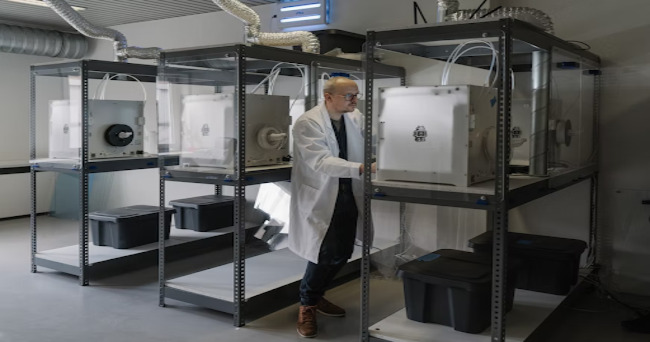
They are usually made up of negative pressure rooms. These rooms are designed to keep the air inside the room from spreading to other parts of the facility. This helps to prevent the spread of disease. Biocontainment facilities also have special ventilation systems. This helps to remove any contaminated air from the facility. 

The staff who work in these facilities must wear special protective clothing. This clothing helps to protect them from exposure to a disease. Biocontainment facilities are important in times of a pandemic. They help to contain the spread of disease and protect healthcare workers and patients from exposure.

They Can Be Utilized For Research And Development

Biocontainment facilities are designed to protect both the people working inside of them and the general public from exposure to harmful pathogens. These facilities can be used for a variety of purposes, including research and development. Biocontainment labs are classified into three levels, with level three being the most stringent in terms of safety protocols. 

Working in a biocontainment facility requires specialized training and a high level of attention to detail. All workers must follow strict safety protocols to minimize the risk of exposure to hazardous materials.

Biocontainment facilities play an important role in protecting the public from dangerous pathogens. They also provide a safe environment for researchers to work with potentially hazardous materials. By understanding the purpose of these facilities, we can better protect ourselves and others from exposure to harmful substances.
So How Is Research Performed Inside One Of These?

So how is research performed inside one of these biocontainment facilities? Well, it depends on the type of research being conducted. If it’s a study involving infectious diseases, for example, scientists may work with samples taken from patients. They’ll wear protective gear to avoid coming into contact with the disease themselves. In other cases, they may work with animals that have been infected with a disease. Again, they’ll take precautions to avoid getting sick themselves.

There are all sorts of different research projects going on inside biocontainment facilities. But one thing they all have in common is the need to protect scientists and others from coming into contact with dangerous diseases. These facilities play a vital role in keeping us safe from the many threats that exist out there.

In conclusion, biocontainment facilities serve an important purpose. They help to keep people safe from deadly diseases. They are used in times of a pandemic to help contain the spread of disease. And they can be utilized for research and development. By understanding the purpose of these facilities, we can better protect ourselves and others from exposure to harmful substances.
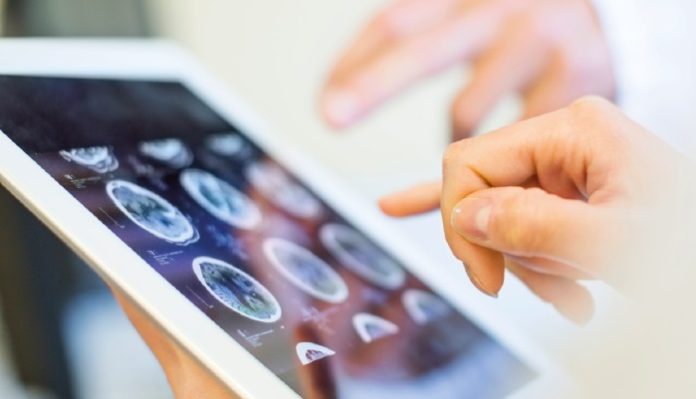
The Singapore Health Ministry Increases Virtual Ward Pilots

The three public healthcare clusters in Singapore have partnered with its Office of Healthcare Transformation to scale up their trial home hospitalisation programmes.

These programs, namely, National University Health System’s NUHS@Home, Yishun Health Medical Home, and Singapore General Hospital’s SGH@Home, now give qualified patients with common medical conditions like skin infections, uti, and COVID-19 the option to be hospitalised in a virtual ward. The trial programmes, which are supported by the MOH, are being put into place as part of a financial and regulatory sandbox that offers patients discounts akin to healthcare finance coverage for regular hospital stays.

The sandbox pilots, which were soft launched in April, will be finished by March 2024. Patients are given the option of the Mobile Inpatient Care@Home programme rather than being admitted to the hospital. A nurse visits a patient at home and sets up medication, medical supplies, and tools for remote access and teleconsultation. A member of the care staff visits their homes or conducts teleconsultations to remotely monitor them each day. They can also be reached 24/7 for critical medical needs via teleconsultation.

Additionally, nurses can visit patients up to multiple times each day to give drip-based medication or take blood samples for analysis. If necessary, physiotherapists can also visit patients at home. If a patient’s condition worsens, care escalation processes, such as hospital transfer, may be initiated.

Patients will be assessed throughout the course of their treatment for their knowledge of their ailment, medications, and living situation. A care team will prepare a follow-up for post-discharge care for them. They will not be discharged until their condition has improved and they are no longer in need of daily care.

A variety of health technology products will be used by MIC@Home for this new trial, comprising smart medical apps and devices for vital sign monitoring and teleconsultations. The assistant chief executive for platform services at the Integrated Health Information Systems, Alan Goh, stated that the solutions would feature smart dashboards with decision support for the care providers and deliver alerts on abnormal health indicators.

The MIC@Home Sandbox is designed to offer care with comparable and greater resource utilisation relative to regular inpatient treatment without sacrificing safety, according to a news release. Additionally, it plans to set pertinent regulatory standards for the services and find appropriate medical disorders that could be covered by the programme. According to recent findings, the programme provides superior patient-centered care, clinical outcomes that are comparable to those of inpatient hospitalisation, and adaptable hospital bed availability.

In SGH’s pilot programme, they were successful in locating qualified patients from their emergency department and inpatient wards who could be securely looked after at home. The ability for patients to rehabilitate in the comfort of their own homes while still having access to the SGH team, according to director of SGH’s Population Health and Integrated Care Office,  Dr. Low Lian Leng, results in high patient satisfaction.

He continued, MIC@Home has reduced hospital bed stays and allowed the hospital to treat sicker patients. Participating institutions will also be able to test, deploy, and integrate new care models with their current procedures thanks to the sandbox.

Following feasibility studies conducted by NUHS and Yishun Health Medical Home that concluded the MIC@Home was effective and safe for a group of patients, especially those with low to moderate clinical acuity, the Office of Healthcare Transformation made the decision to endorse the three home hospitalisation programmes. The investigations, which were conducted between 2019 and 2021, also discovered that both patients and staff at Alexandra Hospital and National University Hospital were quite receptive to the programme.

The Khoo Teck Puat Hospital in Yishun, SGH, and NUH were able to immediately set up their separate virtual wards to treat patients with COVID-19 at home during the Delta and Omicron surges last year. Due to their earlier testing of the MIC@Home idea, they were able to jointly avoid almost 5,000 bed days during the most recent waves of illnesses.

Wellpath, HI-BRIDGE HIE Engage On Georgia Corrections EHRs

Through a new partnership, Wellpath, the Morehouse School of Medicine, and the HI-BRIDGE Health Information Exchange in the US shall share real-time correctional patient health data to enhance the provision of inmate patient care across 70 Georgia correctional facilities.

By facilitating access to health information, the HI-BRIDGE HIE, a regional information exchange established by the National Center for Primary Care at Morehouse School of Medicine and linked to the Georgia Health Information Network, supports care coordination and the achievement of optimal health outcomes. The information includes past medical diagnoses, allergies, medication histories, and lab results from any of the numerous sources that contributed.

According to Jorge Dominicis, CEO of Wellpath, Health Information Exchanges are a crucial component in the delivery of great healthcare, and they feel that patients are best served when they give them the most informed care available. When a custodial patient seeks medical attention after being released, Wellpath’s clinical services can be added to their electronic health records and shared with other regional and national healthcare organisations thanks to ERMA’s bidirectional data flow.

The patient can receive the best care possible when one of the healthcare experts sees them for the first time and has quick access to all of their medical history, which is always their goal, he said. Wellpath, which is based in Nashville and provides medical and mental health services to vulnerable individuals in tough healthcare situations in 36 states and Australia, used to connect the HI-BRIDGE HIE in order to share patient health information with a network of nearby county jails.

According to Timothy Ward, Commissioner of the Georgia Department of Corrections, communication is vital as it relates to healthcare services in the facilities, and implementing this model will help assure that data is being shared effectively and in real-time.

Additionally, through a partnership with Morehouse School of Medicine and a health equity certificate programme, Wellpath physicians can support initiatives that target social determinants of health for those involved in the justice system and promote the use of resources to remove obstacles to care.

According to Dr. Dominic Mack, MBA, executive medical director of HI-BRIDGE HIE, director of the National Center for Primary Care, and faculty member of family medicine at Morehouse School of Medicine, this special relationship in schooling between Wellpath and Morehouse began in November 2021 when the two organisations recognised the need for medical programmes focused on incarcerated patients. A new Colorado law passed in 2017 requires improving medical care in county and municipal jails and partnering with HIEs to give prisoners access to clinical data, making the state a national leader in the sharing of patient health information related to criminal justice.

Neither the diseases they were presenting with nor the medicines they were taking were known to the providers. They were unaware of the appropriate medications or their dosages. There was no uniform screening process or method of information sharing during her digital HIMSS20 presentation, the chief operating officer of the Colorado Regional Health Information Organization, Kate Horle, said.

Pilot testing immediately yielded promising benefits, like better care coordination, better health outcomes, and better health upon return to the community, as well as increased transparency and lower costs for county jails’ psychiatric medicine.

According to Danielle Culp, Office of Behavioral Health IT exchange coordinator, in 2020, how an inmate receives mental health treatment while incarcerated also directly affects both the quality and cost of their care once they are released. Institutions are progressively becoming the first point of intake for people experiencing mental health crises.

The accessibility of patient data has many benefits for ensuring the consistency of mental healthcare. For instance, she explained, if a patient with a mental health problem ends up in the Denver County Jail, clinicians are able to access the long-term record, know the mental health history, and mimic that treatment when the person is in care.

According to Carmen Hughes, MBA, executive director of HI-BRIDGE HIE, this is a unique look at data transfer partners covering public, private, and academic specialists. She stated that for continuity of patient care, Wellpath practitioners will have access to patient clinical records through collaboration at the point of service or in a healthcare crisis.

IoT in Healthcare: How IoMT Connectivity Is Revolutionizing Medicine

Increasingly, healthcare providers and consumers rely on the Internet of Things to ensure critical health data gets collected faster, more efficiently, and in more useful ways. This growing branch of IoTโ€”IoMT, the Internet of Medical Thingsโ€”digitizes data that was previously collected manually, and enables hospitals, doctors, administrators, and even consumers to remotely monitor that data in real-time.

Health-related data informs personal and professional healthcare decisions and can even trigger emergency services. In many cases, receiving healthcare data in a timely manner is a matter of life and death.

With the help of IoT devices, e.g. neonatal infant care units can actively monitor premature babiesโ€™ temperatures, heart rates, breaths per minute, oxygen levels, and other vital information. All that, without disturbing their patients or physically checking each monitor.

Healthcare administrators can also use IoT asset-tracking devices to ensure nurses and other professionals can quickly find the medical equipment they need.

Nursing homes and long-term care facilities may use IoT bracelets, necklaces, and other wearables for fall detection, so caretakers can respond faster and residents can get help regardless of the time of day or their location.

Healthcare IoT goes beyond hospitals and healthcare facilities as well. Consumers use wearable IoT devices to monitor their heart rate, physical activity, and glucose levels throughout the day. Pools may use IoT devices for things like drowning detection, using sensors to monitor when someone has been underwater for too long and alert staff if someone may be in danger.

For IoT manufacturers, the healthcare industry is ripe with opportunities for further digitization and optimization. But the stakes are also incredibly high, and many of the typical IoT security and IoT connectivity challenges become more critical when dealing with personal health data and life-or-death situations.

In this article, Knud Kegel, VP Product, EMnify, will look at the key factors you need to consider when developing healthcare-related IoT applications, and the five most common connectivity solutions for IoMT devices.

Houston Methodist enters the metaverse with launch of new MITIEverseโ„ข app

Exploring the heart from the inside out is now possible with a new app from Houston Methodist.

Medical and scientific learners can access hands-on practice, remote assistance from experienced clinicians and more within the MITIEverseโ„ข, a new app devoted to health care education, training and innovation. Built in partnership with FundamentalVR, the app transports the user into customizable showcase rooms, surgical simulations and lectures from Houston Methodist faculty and collaborators from across the world.

Houston Methodist Institute for Technology, Innovation and Education (MITIEโ„ ) is a hands-on clinical training facility for health care professionals seeking to maintain excellent procedural skills and acquire new proficiencies.ย โ€œThis new app brings the hands-on education and training MITIEโ„  is known for to a new virtual audience. It could be a first step toward building out a medical metaverse,โ€ said Stuart Corr, Ph.D, inventor of the MITIEverseโ„ข and director of innovation systems engineering at Houston Methodist.

Within the DeBakey Heart and Vascular Centerโ€™s showcase room, users can view Houston Methodist faculty performing actual surgeries and then interact with 3D human models. โ€œWe view the MITIEverseโ„ข as a paradigm-shifting platform that will offer new experiences in how we educate, train, and interact with the health community,โ€ said Alan Lumsden, M.D., medical director of Houston Methodist DeBakey Heart and Vascular Center.

โ€œIt essentially democratizes access to health care educators and innovators by breaking down physical barriers. Thereโ€™s no need to travel thousands of miles to attend a conference when you can patch into the MITIEverseโ„ข,โ€ added Lumsden.

The platform also offers a virtual auditorium where medical professionals from around the world can give presentations with the capability for unlimited live viewing. Virtual study spaces allow for global multi-user experiences with interactive models, whiteboards and other tools.

MITIEverseโ„ข also allows collaborators like medical device and digital health companies to have a virtual presence where users can test their digital assets and 3D content.


CMS Announces 2023 Medicare Advantage Premium Reductions

Medicare Advantage and Part D prescription medication plan rates will be reduced for beneficiaries in 2023. The average price for Medicare Advantage plans in 2023 is anticipated to be $18, a drop of over 8% from the average premium of $19.52 in 2022.

The median basic monthly premium for typical Part D prescription coverage is anticipated to be $31.50, down from $32.08 in 2022, as was previously indicated. As a result of the Inflation Reduction Act, prescription drug coverage will also now cover adult immunizations that are advised by the Advisory Committee on Immunization Practices at no additional cost, with a $35 cost-sharing cap on a month’s supply of approved insulin.

Prior to the next Medicare Open Enrollment, which starts on October 15, the Centers for Medicare and Medicaid Services has provided information on lower rates in Medicare Advantage plans as well as cheaper deductibles and premiums for beneficiaries who have normal Medicare coverage.

According to CMS, Medicare Advantage enrollment is still rising. According to projections, 31.8 million more people are expected to have private health insurance in 2023 than in 2026.

All Medicare Parts A and B benefits are covered by Medicare Advantage health plans, and these plans frequently include extra benefits like eyeglasses, hearing aids, preventive and complete dental care, access to meals for a limited time, over-the-counter medicines, and fitness benefits.

Additionally, more than 1,200 Medicare Advantage plans will take part in the Medicare Advantage Value-Based Insurance Design (VBID) Model of the CMS Innovation Center in 2023, which examines the impact of individualised benefits created to better manage diseases and address a variety of health-related social needs, such as food insecurity and social isolation. Six million people are expected to receive the advantages under this plan.

In addition, 119 Medicare Advantage plans in parts of 24 states and U.S. territories will offer the Hospice Benefit Component of the VBID Model, which is now in its third year and gives participants enhanced access to palliative and integrated intensive care.

It is anticipated that new cost-sharing regulations will result in higher payments from MA plans to service providers for Medicaid and Medicare beneficiaries who incur high expenditures. All Medicare Advantage dual eligible special needs plans (D-SNPs) will be required by CMS to create enrollee advisory committees and confer with those committees on a variety of concerns, including enhancing health equality for marginalised groups, starting in 2023.

CMS published the fee-for-service Medicare Part A and Part B premiums, deductibles, and coinsurance levels for 2023 earlier this week. They also published the 2023 Medicare Part D revenue monthly adjustment amounts. It is possible to enrol in Medicare from October 15 until December 7. People who qualify for Medicare at this time can evaluate their 2023 insurance options on Medicare.gov.

On October 1, information on the 2023 Medicare health and prescription drug plans will be updated in the Medicare Plan Finder. Additionally, assistance is available in both English and Spanish as well as linguistic support in over 200 languages by calling 1-800-MEDICARE, which is open twenty-four hours a day, seven days a week.

People do not need to re-enroll if they want to preserve their present Medicare coverage. Low-income seniors and people with disabilities may be eligible to receive financial aid from the Medicare Savings Programs to help with their Medicare expenses.

According to CMS Administrator Chiquita Brooks-LaSure, the Inflation Reduction Act will bring much-needed financial relief and expand access to cheap pharmaceuticals. This year’s Open Enrollment is a critical time for consumers to check their health insurance and learn about their Medicare options.

U.S Will Commit $266mn To Support Public Health Programmes

Using money from the American Rescue Plan, the U.S. government will put $266 million into strengthening the community and public health staff.

Prior to the announcement last week, CNN reported that 83 grantees would get about $225.5 million to help with the training and apprenticeship of 13,000 new community health professionals. These professionals focus on assisting people in finding care and functioning as a liaison between providers and patients.

According to Carole Johnson, administrator of the Health Resources and Services Administration of the U.S. Department of Health and Human Services, which is overseeing the grants, thirty million Americans get their health care via community health centres that help patients regardless of their ability to pay. Johnson told CNN that time and again, they have seen community health professionals make the difference when it involves reaching out to local populations, enlisting their participation in healthcare, and assisting them in maintaining that connection.

The rescue plan will provide community health, outreach, and health educators with a total of $1.1 billion in funding. Thirty of the 83 recipients will each receive a grant worth $3 million.

California’s El Sol Neighborhood Education Center is one of the recipients.

Project director for the centre, Alexander Fajardo, told CNN that as a community-based group, they have had obstacles to really being able to achieve this federal financing for years. It is difficult for them to compete with the big entities like colleges. Upwards of 250 community health workers will receive basic and advanced training at the centre thanks to the financing.

Johnson emphasised the importance of having healthcare professionals who can communicate and establish trust.

She said it may be very, very hard to accomplish what is ordinary for a lot of other people when they live a really tough life and have to take 3 buses to get to a doctor’s visit and one has to take time off work.

So, whether it’s for the treatment of mental health and substance use problems, managing chronic diseases, or maternity care, Johnson said, community health workers can be that crucial bridge that can assist in making sure individuals remain connected to their health care provider. Promotores, also known as community health workers, were mentioned by Fajardo as being essential to a community’s transformation.

They are members of the neighbourhood. They have similar struggles and speak the same language, said Fajardo. They are more productive when working in the community because of these traits. Because they can relate to it while discussing COVID-19, diabetes, or any other problem. As part of the Public Health Scholarship Program, an additional $40.7 million will be distributed to 29 colleges in order to promote public health education and employment.

The financing is essential since staff have departed due to frustration and fatigue brought on by the COVID-19 pandemic and other public health events, such as the breakout of monkeypox, record-high drug overdose deaths, and the recent resurgence of polio, according to the news agency.

Without a doubt, the public health staff has long been underfunded at the state and municipal levels, according to Johnson. Funding for community health is one of the American Rescue Plan’s crown jewels, according to Gene Sperling, the plan’s coordinator and a top adviser to President Joe Biden.

According to Sperling, the government wants to use these forms of money to establish careers, to provide people a chance to serve their country during this epidemic while also building a public health career and to be professional community aid workers that might make a tremendous difference.

Is Your Hormone Health in Balance? 5 Supplements To Consider

Are you feeling run down and like your energy levels are never consistent? You may be dealing with hormone imbalance. Luckily, there are a few supplements that can help to bring your hormones back into balance. Keep reading to learn more about these supplements and how they can help you feel better.

A hormone imbalance can cause a variety of unpleasant symptoms. For example, someone with too much estrogen may experience weight gain, bloating, breast tenderness, and mood swings. Conversely, someone with too little estrogen may have trouble sleeping, have hot flashes, and have vaginal dryness. An imbalance of testosterone can cause erectile dysfunction, low libido, fatigue, and depression in men, while women may experience irregular periods, acne, and increased body hair growth. Imbalances of other hormones, such as thyroid hormones and adrenal hormones, can also cause a wide range of symptoms.

Hormone imbalances can be caused by a variety of factors, including stress, Poor diet, certain medications, and changes in hormone levels due to aging. Fortunately, there are many ways to treat hormone imbalances, including lifestyle changes, supplements, and bioidentical hormone replacement therapy.

Hormone balance supplements are designed to help the body maintain a healthy hormonal balance. There are many different hormones involved in regulating the body’s systems, and when one or more of these hormones becomes imbalanced, it can cause a variety of symptoms. Hormone balance supplements provide the body with the nutrients it needs to produce healthy levels of all the different hormones. In addition, they often contain herbs and other ingredients that help to support the body’s natural hormone-regulating systems. As a result, taking a hormone balance supplement can help to reduce or eliminate many of the symptoms associated with hormone imbalances.

Magnesium

Magnesium is an essential mineral for overall health and well-being, but it’s especially important for hormone health. This mineral is involved in over 300 biochemical reactions in the body, including those related to the production and regulation of hormones. Magnesium deficiency can lead to hormonal imbalances, including PMS, menopause symptoms, PCOS, and thyroid problems.

Supplementing with magnesium can help to restore balance and improve symptoms. There are many different magnesium supplements available, so it’s important to choose one that is right for you. If you’re struggling with hormone-related issues, talk to a Phoenix naturopathic doctor about whether magnesium supplementation might be right for you.

Vitamins B and D

B vitamins are a good place to start. B vitamins are water-soluble and play an important role in metabolism, energy production, and nervous system function. They can also help to reduce stress levels and promote healthy skin and hair. If you’re feeling run down or your skin is looking dull, try adding a B-complex supplement to your diet.

You may also want to consider taking a vitamin D supplement. Vitamin D is important for bone health and immune function, but it can also help to regulate mood and reduce stress levels. If you’re struggling with hormone imbalance, talk to your healthcare provider about which supplements may be right for you.

Omega-3 fatty acids

Omega-3s are a type of healthy fat that helps to reduce inflammation and balances hormone levels. They can be found in foods like salmon, flaxseeds, and chia seeds or in supplement form. If you’re considering taking an omega-3 supplement, look for one that contains both EPA and DHA. EPA is more effective at reducing inflammation, while DHA supports brain health and protects against cognitive decline.

Iodine

Iodine is one key nutrient that’s essential for hormone health. It helps to regulate thyroid function, which can impact everything from your weight to your mood. If you think you might be deficient in iodine, you can talk to your doctor about taking a supplement. Getting your hormone health in balance is an important step towards feeling your best. With the right supplements, you can help get your hormones back on track.

50% Patient Notes Duplicated, According To University Study

Clinical care recording resulted in a high prevalence of text duplication, according to a recent health informatics study, and systemic hazards need systemic interventions to be fixed. An artificial intelligence-based analysis of all inpatient and outpatient notes created within the UPenn Health System from January 1, 2015, through December 31, 2020 was conducted earlier this year by a team of researchers led by academics from the University of Pennsylvania Perelman School of Medicine in Philadelphia.

To determine how much repetition is present in the electronic health record and why, the researchers measured text copied from the same author versus text copied from a different author. 50.1% of the words in the total notes for more than 1.96 million distinct patients were repeated from previous notes made about the same patient.

The incidence of duplication climbed year over year, from 33% for notes taken in 2015 to 54.2% for notes produced in 2020, according to the researchers’ findings. Additionally, out of the total amount of duplicate material discovered in the study, 54.1% of copied notes were authored by the same author and 45.9% by a different author. Additionally, a record’s duplication rate increased with note count, reaching around 60%.

The researchers from Penn Medicine wrote in the investigation abstract for Prevalence and Sources of Duplicate Information in the Electronic Medical Record, which was published in JAMA on September 26, that duplicate text raises questions about the factuality of all information in the health record, making it challenging to locate and verify the data in day-to-day clinical work.

They collaborated with TrekIT Health, Inc., CareAlign, a Philadelphia start-up with a medical workflow system that interacts with any EHR, and River Records, an automated information processing company based in Jamaica Plain, Massachusetts, on the cross-sectional analysis.

River Records, founded and run by four residents, attempts to use deep learning and natural language processing to tackle the historically unchallenged notions of patient records. According to the company’s website, their AI model streamlines the process of gathering and processing data into a few simple steps, and its software may provide a user-friendly interface for interacting with the results.

The AI analysis employed a moving window of 10 neighbouring words to find sections of copied text. The algorithm was unable to detect duplicate information that was summarised or paraphrased, so if anything, the study understates the amount of duplication. The researchers recommend that scatter be used to better analyse the note model for documentation. Hundreds of different notes may contain varying amounts of patient information.

The number of words per note was used by the researchers to quantify scatter, which they then plotted against duplication values. They discovered that whereas operative notes had low scatter and low duplication, progress and assessment notes showed very high duplication.

For example, telephone occurrence notes have, on average, 42 words of novel text for every note; it would imply that a physician trying to read the record might have to view roughly 10 different notes to get 500 words of novel text, an extremely disorganised set of notations requiring many clicks to navigate, they said.

Overall, the researchers found that the challenge of finding clinical information for people who live in many places results in wasted time retrieving data or, worse, missed information since doctors do not have the time to thoroughly explore the EHR.

However, clinical note writers must constantly make copies of earlier notes and add to them rather than just updating older papers. This is a habit modified by contemporary EHRs. The researchers found that any unilateral ban on copying and pasting information in EHRs will increase scatter. The study comes to the conclusion that the way modern EHRs are set up based on time and author makes it more likely for notes to be duplicated.

When physicians make decisions about patient care without having access to updated data, such as recent lab results or new drugs, duplicate records may contain missing or obsolete information that can negatively impact the quality of care. The Sioux Falls, South Dakota-based Sanford Health system, which operates more than 46 hospitals, developed a standardised note template for use in its Epic electronic health record system to combat note bloat. As per Dr. Roxana Lupu, CMO of Sanford Health, the form encourages clinicians to write everything they need to and nothing they don’t.

It was crucial to remember that providers weren’t only writing the message for themselvesโ€”they were also writing it for other people. Because that was the purpose of reviewing notes, they wanted the evaluation and strategy to take centre stage, she said. The ability to access data more easily, enhance patient care, boost community health, and even lessen physician fatigue may be made possible through using natural language recognition and supervised learning to derive clinical insights from free text notes.

According to Gregg Church, president of 4medica, the use of AI to resolve duplicate patient records may improve real-time interoperability. He mentioned that up to 30% of the provider groups he has dealt with duplicate patient records often.

Using the COVID-19 pandemic as an example, Church stated earlier this year that the quick rise in clinical labs was partly caused by paper requisitions, which were as high as 50% for some labs. As a result, there could be three or four records for one person, increasing clinical risk and hindering billing.

However, data is standardised and balanced while systems are still live by using machine learning prediction skills, for instance, to identify and resolve records. He claimed that the Idaho Health Data Exchange now utilises such an AI model to integrate data automatically, reducing the proportion of duplicate patient records from 30% to 1%.

The researchers came to the conclusion that the note model for documenting should be further explored as a primary cause of redundancy and dispersion, and other paradigms should be evaluated.

Logistical Issues Hospitals Face And How To Solve Them

Logistical Issues Hospitals Face And How To Solve Them

In any given year, hospital staff deal with various logistical issues. From managing patient flow to dealing with medical waste, there is always something that needs to be sorted out. While some of these issues are more pressing than others, they all have the potential to cause disruptions in care if not properly managed. This article will look at some of the most common logistical issues hospitals faces and offer tips on solving them.

Managing Patient Flow

One of the most common logistical issues hospitals face is managing patient flow. This can be a challenge for even the best-run facilities, as it is often difficult to predict how many patients will need care at any given time. When patient numbers exceed capacity, it can lead to long wait times, overcrowding, and, ultimately, a deterioration in the quality of care.

There are a few key ways to manage patient flow more effectively:

  • Streamlining the registration process: Making sure that the registration process is quick and easy will help to get patients through the door faster. This can be done by having staff pre-fill out forms where possible and providing clear instructions on what needs to be done.
  • Using technology: Several software solutions can help manage patient flow. By tracking patients from admission to discharge, these systems can help to identify bottlenecks and areas for improvement.
  • Communicating with patients: Keeping patients informed of their status and estimated wait times is crucial for managing patient flow. This can be done through signage, pagers, or other notification systems.

Dealing with Medical Waste

Another common issue faced by hospitals is the proper disposal of medical waste. This can include anything from used needles to expired medication. If not properly managed, medical waste can seriously threaten the health and safety of patients and staff.

Implementing a segregation policy is one effective way of dealing with medical waste. By segregating medical waste into different categories, it will be easier to dispose of it properly. This can help to avoid cross-contamination and ensure that all waste is properly disposed of.

Utilizing autoclaves is another way to deal with medical waste. Autoclaves are devices that use steam to sterilize medical waste. This is an effective way to kill any harmful bacteria or viruses that may be present.

A convenient and efficient way of solving the medical waste dilemma is by working with medical waste disposal companies. These companies have experience in medical waste management and specialize in properly disposing of medical waste. By working with one of these companies, hospitals can be sure that their waste will be appropriately handled. Additionally, partnering with a reliableย forklift retailerย can streamline the transportation of medical waste within hospital premises. This ensures that even the logistical aspects of waste management are efficient and safe.

Managing Supplies

Another logistical issue faced by hospitals is the management of supplies. This includes everything from surgical instruments to linen. Ensuring that adequate supplies are on hand can be challenging, as there is often a fine line between having too much and not enough.

There are a few key ways to manage hospital supplies more effectively:

  • Developing a par level system: A par level is the minimum amount of a given item that should be on hand at all times. By developing a par-level system, hospitals can ensure they always have the supplies they need without having too much on hand.
  • Utilizing inventory management software: Several software solutions can help manage hospital supplies. These systems can track inventory levels, expiration dates, and reordering information.
  • Working with vendors: Hospital supply vendors can be valuable for keeping track of supplies. By developing relationships with vendors, hospitals can ensure they always have the supplies they need.

Handling Hazardous Materials

Another common issue faced by hospitals is the proper handling of hazardous materials. This can include everything from cleaning chemicals to medical waste. If not properly managed, hazardous materials can pose a serious threat to the health and safety of both patients and staff.

There are a few key ways to deal with hazardous materials more effectively:

  • Establishing a hierarchy: When dealing with hazardous materials, it is essential to establish a control hierarchy. This means that the most dangerous materials should be controlled first, followed by less dangerous materials.
  • Utilizing engineering controls: Engineering controls are devices or systems that help to reduce exposure to hazardous materials. This can include ventilation systems, enclosures, and barriers.
  • Implementing administrative controls: Administrative controls are policies and procedures that help to reduce exposure to hazardous materials. This includes work schedules, training programs, and personal protective equipment.

Keeping Patients Safe

One of the most important logistical issues hospitals face is keeping patients safe. This includes everything from preventing falls to ensuring that medications are properly administered. There are several different ways to keep patients safe, but some of the most effective are listed below:

  • Implementing fall prevention protocols: Falls are one of the leading causes of injury in hospitals. To help prevent falls, hospitals should implement protocols such as bed alarms and fall risk assessments.
  • Medication management: Medication errors are a leading cause of hospital patient harm. To help prevent these errors, hospitals should implement systems such as barcoding and computerized physician order entry.
  • Patient identification: Another way to keep patients safe is to ensure they are properly identified. This can include things like wristbands and ID badges.

Following the tips above, hospitals can effectively deal with the logistical issues they face. Doing so can create a safer environment for both patients and staff.

Translate ยป