










Close
Digital Health & Ai Innovation summit 2026
Medical Taiwan 2026

UPS to Acquire Multinational Healthcare Logistics Provider Bomi Group

UPS Healthcare Continues Global Facility Expansion To Meet Growing Demands In Key Markets

UPS announced plans to acquire Bomi Group, an industry-leading multinational healthcare logistics provider. The transaction will add temperature-controlled facilities in 14 countries and nearly 3,000 highly-skilled Bomi Group team members to the UPS Healthcare network in Europe and Latin America.

“As a leading global healthcare logistics company, Bomi enhances our portfolio of services and accelerates our journey to become the number one provider of complex healthcare logistics,” said EVP and President of UPS International, Healthcare and Supply Chain Solutions Kate Gutmann. “UPS Healthcare and Bomi Group employees share similar values and our cultures are firmly rooted in a relentless focus on quality. The combination of our two teams will significantly improve our healthcare customers’ ability to continue to develop and deliver life-saving innovations.”

Since 1985, Bomi Group has provided high value-added services for the Medtech and Pharma sectors with a customized and tailored approach. It is a quality-focused company devoted to healthcare that has built solid and long-lasting business relationships with more than 150 multinational customers worldwide.

Key Bomi Group leaders, including CEO Marco Ruini, will continue in their roles to provide seamless service to Bomi Group customers after the transaction closes. Bomi Group’s employees will also continue to play vital roles in the combined organization.

“With over 35 years in the healthcare logistics industry, our team has developed best-in-class services designed to meet and exceed the needs of our medical technology and pharmaceutical customers,” said Ruini. “Joining the UPS team will expand those capabilities and create an even more integrated and powerful global network for our customers.”

The acquisition will add more than 350 temperature-controlled vehicles and four million square feet (391k m2) to the UPS Healthcare global footprint, offering customers access to faster shipping times, greater production flexibility, and offerings to help them attract new business. The acquisition will play a key role in the delivery of next-generation pharmaceutical and biologic treatments that increasingly require time-critical and temperature-sensitive logistics.

“We are focused on building healthcare logistics capabilities and services that allow our customers to deliver the newest healthcare innovations,” said UPS Healthcare President Wes Wheeler. “We are excited to combine Bomi’s talent, expertise and capabilities with UPS Healthcare – together, we will provide unmatched solutions to our customers, powered by UPS’s integrated, global smart logistics network.”

The acquisition of Bomi is part of UPS Healthcare’s continued expansion of its network and services to meet growing demand – including Bomi, UPS Healthcare has doubled its global footprint since 2020. Recent expansions include newly constructed and soon-to-be-opened dedicated state-of-the-art healthcare logistics facilities in Germany and Australia, and expanded campuses in Hungary and the Netherlands.

UPS Healthcare also recently enhanced UPS Premier, a technology-led service that can prioritize and track critical shipments within 10 feet (about 3 meters) of their location anywhere in UPS’s global network. UPS Premier brings worldwide visibility, control, reliability and product recovery capabilities to UPS Healthcare customers.

These expansions and new services meet the complex and varied needs of UPS Healthcare’s customers, helping them turn logistics into a competitive advantage.

The transaction is expected to close by the end of the year, subject to customary regulatory review and approval. The value and terms of the transaction are not being disclosed at this time. J.P. Morgan Securities LLC served as the financial advisor to UPS.

About UPS
UPS is one of the world’s largest companies, with 2021 revenue of $97.3 billion, and provides a broad range of integrated logistics solutions for customers in more than 220 countries and territories. Focused on its purpose statement, “Moving our world forward by delivering what matters,” the company’s more than 500,000 employees embrace a strategy that is simply stated and powerfully executed: Customer First. People Led. Innovation Driven. UPS is committed to reducing its impact on the environment and supporting the communities we serve around the world. UPS also takes an unwavering stance in support of diversity, equity and inclusion.

About UPS Healthcare
UPS Healthcare delivers unparalleled healthcare logistics expertise to its customers around the world. UPS Healthcare has 11+ million square feet of cGMP and GDP-compliant healthcare distribution space globally. Services include inventory management, cold chain packaging and shipping, storage and fulfillment of medical devices, and lab and clinical trial logistics. UPS Healthcare’s global infrastructure, its UPS® Premier visibility service, its track and trace technology, and its global quality system are well-suited to meet today’s complex logistics demands for the pharmaceutical, medical device, and laboratory diagnostic industries.

About Bomi Group

BOMI GROUP is a leading Italian multinational company in the field of integrated logistics serving the Healthcare sector. Bomi is the logistics partner of more than 150 customers worldwide, including major players in the medical device, in vitro diagnostics, biomedical and pharmaceutical sectors. The Group is present through its subsidiaries and affiliates in 14 countries worldwide, with a particular focus on Europe and South America, employs over 3,000 people and has its own fleet of vehicles for daily deliveries to hospitals, clinics, laboratories, pharmacies and home patients.


How to Recover Your Fitness After an Injury

The first few days or months after a severe injury, perhaps at work, in the gym, or on someone else’s property can be traumatizing. Not being able to do the things you love doing most, not being able to fully interact with family and friends at full capacity, and really not enjoying life to the fullest. 

All these can put a big toll on your overall wellness, not to mention that you might have incurred some financial losses in facilitating treatment as well. 

However long your physician or doctor recommends you take off the tracks or your favorite fitness activity, it is paramount to adhere to their instructions. And the tough reality is, that getting back to your routine is probably not going to be easy. 

At this point, it becomes really crucial to dedicate much of your focus to recovering from your injury and restoring your overall wellness. 

With this having been said, this piece will cover a few pointers that can help you get fit and back on your feet after suffering an injury. 

Consider Whether You Should Sue for Compensation

If you’ve been injured while on the job, in a slip-and-fall, or in a road accident, there’s a big chance the negligence of another person is to blame. And in this case, your road to recovery might involve fighting for your rights legally. 

As vividly explained at https://www.wieandlaw.com/, skilled legal counsel and representation by a good injury attorney could be all you need to obtain the financial compensation you deserve. Besides lessening your mental anguish, it can help take care of financial obligations such as treatment costs, medical expenses, rehabilitation needs, lost income, and more. 

And since choosing an attorney for your injury case can be as tough as finding a needle in a haystack. 

Below are qualities to be on the lookout for when choosing one: 

  • They should be experienced
  • They need to have a good reputation
  • They must be accessible
  • They should be compassionate

Check What You Eat

The pain from an injury – coupled with the need to be out there – can send a person into a spiraling limbo. 

In most cases, being confined to a wheelchair or onto a sickbed can make a person’s eating habits change. However, it is incredibly important that you stick to a diet that supports your recovery. Unhealthy eating habits might derail your plans to get back in shape. 

Getting Your Strength Back

As earlier iterated, concentrating on your recovery should be at the top of your priorities. Depending on the nature and extent of your injuries, it’s important to give yourself ample time to fully recover. But as your health practitioner will advise you, it might take some exercise and light activities at some point during your recovery journey to regain your strength after an injury. 

Soft exercises, for instance, and ones that are geared towards improving mobility, strength, and balance can work towards helping you recover your fitness. It is also advisable to avoid High-Intensity Interval Training or Crossfit-style exercises until you’re completely healed and have regained your original strength. 

Find a Gym Partner

If you feel like you are ready to hit the gym, you can also consider partnering up with a workout buddy. As long as they understand your training needs, an exercise buddy can be beneficial in helping you get your fitness back on track. Nonetheless, it pays to ensure they know what you’ve been through before they get to work with you. 

The journey to recovery, especially after a traumatic ordeal, can in so many ways prove to be draining. You’ll need all your strength, both emotionally and physically. If you have your fitness goals and are in dire need to get back in shape, then the above pointers are for you!

FundamentalVR Raises $20 Million to Accelerate the Growth of its Surgical Simulation Platform

FundamentalVR has raised an additional $20 million to significantly accelerate medical skill-transfer and increase surgical proficiency through its world-leading medical simulation platform, Fundamental Surgery.

The transaction was led by EQT Life Sciences investing from the LSP Health Economics Fund 2 and joined by prior investors Downing Ventures. The new investments follow a Series A round in October 2019 and bring the company’s total funding to over $30 million.

FundamentalVR is the world’s first scalable medical simulation platform to combine virtual reality and haptics through data, artificial intelligence, and multimodal learning. FundamentalVR’s patented HapticVRTM technology mimics the physical touch of surgical actions which allows users to experience the sights, sounds, and physical sensations of real-life surgery. Scalable and hardware agnostic, the platform immerses users in a controlled training environment that lowers the surgical risk to patients.

Deployed in over 30 countries, FundamentalVR’s high-fidelity simulations help life science, pharmaceutical, and med-device companies deploy medical innovations in disciplines from ophthalmology to robotics, gene therapy, and more. The growth investment will enable further development of HapticVRTM, the machine learning data insights product, and geographic expansion throughout the US. FundamentalVR’s multiuser platform enables medical institutions, hospitals, and surgical educators, to scale professionally accredited surgical training throughout their organizations. Partnerships with hospital groups, including flagship clients and investors Mayo Clinic and Sana Kliniken, will drive further growth.

“Our platform can conduct a walkthrough of a procedure through to a full operation, facilitating surgical skills transfer – which is why we have been enthusiastically embraced throughout the medical industry, from med-device manufacturers to pharmaceuticals” says co-Founder and Chief Executive Richard Vincent. “Our immersive environments transform surgical skills acquisition in a scalable, low-cost, multiuser way. We are excited to scale our vision of creating a medical education environment unhindered by borders.”

“With increasingly complex surgical procedures, it is important to provide medical professionals with new methods for surgical skills transfer and continued training and education while managing both the cost and time burden associated with these activities,” said Drew Burdon, Partner at EQT Life Sciences. “HapticVRTM, is a differentiated approach which has already been adopted by a number of high-quality customers, in a short period of time, demonstrating the value that this system can add today”.

As part of the transactions, Drew Burdon of EQT Life Sciences will join the Board of Directors.

6 Key Considerations When Investing in Design Software for Medical Devices

Investing in design software for medical services is not a walk in the park. With modern technology and trends such as artificial intelligence (AI) and automation as well as other disrupting technologies, it is now common to see companies with amazing dreams to develop medical applications that improve the operations of medical providers.

Even though these dreams are great and should be pursued, all the companies working on these projects find out that a lot is going on in the medical field than just coming up with a software application that meets their requirements.

There are a couple of key considerations that companies need to look at when designing software for medical devices. These considerations are vital when it comes to the success of any medical device software. 

They include;

Security

Security is one of the most important considerations when investing in design software for medical devices. Cybersecurity in medical devices, as well as data privacy regulations, have left healthcare organizations with no option but to design their software applications with security in mind.

Looking at it from the side of patients and other consumers, security is supposed to build trust. This ensures that they are comfortable when it comes to providing healthcare organizations with their (the patients and consumers) personal information.

To start with, healthcare software applications are supposed to follow regulations such as GDPR (General Data Protection Regulation) for European operations and HIPAA (Health Insurance Portability and Accountability Act) for American operations.

For instance, healthcare organizations are required to obtain consent from their patients before processing personal data. Patients can also seek to find out about their data held by these applications or even have the data completely deleted from the applications.

Can Your IT Team Support the Software?

This is one of the most crucial things that you need to consider when investing in design software for medical services. Just like any other software application, your medical software application is vulnerable to failures and other forms of attacks.

What do you do when this happens? Do you have an IT team that can support the software immediately? 

Does this mean that your operations are affected and you cannot attend to patients until you get the required support?

Well, you can invest in ITSM (Information Technology Service Management) – a collection of IT services that allow organizations to design, deliver, support, and manage their technological services.

ITSM solutions can help you ensure that your healthcare operational needs are aligned with your IT services. These solutions are also important when it comes to providing value to your staff and patients. With support, you will ensure that your operations are not interrupted by a system failure.

Scalability of the Design Software

When thinking about investing in design software for medical services, you need to first come up with the problems that you need to solve and the users who will benefit from the design software. Your first release should meet all these requirements.

However, you should not invest in design software that will remain in the first version throughout. What will you do when there are changes in requirements and the product needs to be changed to meet those requirements?

Well, every design software you invest in should be scalable from the very first release. If your first release brings value to your targeted users, then you should be ready for an expansion in use cases as well as the targeted users.

When this happens, you should not start designing a new software from scratch. Instead, you need to build on the existing design software and release another version. Scalability helps your patient services align with your commercial objectives.

Target Group for the Design Software

Even though the COVID-19 pandemic stretched the operations of healthcare providers, it also forced them to collaborate and work with each other. It opened new avenues for their operations driven by online and digital tools.

However, this came with new risks. Today, healthcare providers might design, build, or outsource software applications that address the needs of many stakeholders with the expectation that everyone will adopt and benefit from the applications.

This is wrong. When investing in design software for medical devices, you need to consider the group that will be using the software. You need to define what the software should accomplish and for who in your organization.

In addition, you should understand the things that the software will change in the operations of your healthcare organization, the medical staff that will be using the software, and how the software will affect how the staff engages with patients. This way, you will not only come up with a software application that meets your needs but also the needs of all the stakeholders.

User Experience (UX)

User experience (UX) comes with a host of challenges when designing software for medical services. To start with, you should make sure that you have a good user experience that allows your practitioners and clinicians to focus on patient engagement and care.

It gets more challenging when designing patient and consumer-facing software for medical devices. 

Since healthcare services are associated with financial, emotional, and physical distress, you need to ensure that you have considered the personas of your target users, determining outcomes and their satisfactory experiences.

Data Processing is Vital

When investing in design software for medical devices, you should make sure that your staff does not take data processing, collection, and management as an administrative task. They should use it to not only enhance patient adherence but also engagement.

To start with, they should ensure that all patients understand how their data is used in the software applications. This is vital in increasing patient knowledge – especially treatment plans, diagnoses, and medical requirements – and improving their willingness to get treated.

For example, you can build a software application that streamlines the communication between your doctors and patients. However, you have to make sure that this application makes the diagnosis process easier and draws data from different sources.

This provides your staff with quick access to all patient health and treatment history making the treatment process easier.

Design software for medical devices is supposed to meet the requirements of its users – both the healthcare providers and other stakeholders including patients. Following the considerations discussed above, you will easily come up with a software application that does what it is supposed to do.

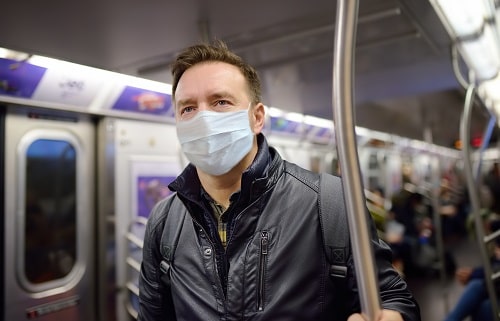
3 Pros And Cons Of Disposable Face Masks

With the recent phenomenon that the whole world is facing, numerous products have been incorporated into our daily lives to help us manage the said pandemic. With this said, the usage of alcohol, medicines, and even face masks heightened like no other. In an article published by the OECD, it was stated that China produced 20 million masks per day in January 2020, which wasn’t enough to fulfill the 240 million masks per day expected daily demand for employees in the industrial, transportation, and healthcare industries. People in business and innovators rose and saw the need for these necessities as an opportunity despite the dreadful times that had taken place. It is noted that face masks are one of the most prominent and have developed a great variety throughout this time of the pandemic. Innovators find ways to keep our face masks timely and handful. You may check out credible sources where they explain the differences and proper usage of specific masks – what they are for and what kind of environment they are perfect to use. For a better understanding, let’s dig deeper and identify the pros and cons of disposable face masks.

The Pros of Disposable Face Masks

  1. They Are Easy To Obtain
Everywhere you go, anyone can buy face masks. Because of their importance and being part of our regular lives during the pandemic, disposable masks are now one of the necessities an individual must have. They are accessible and also disposable at the same time. You do not need to stress yourself whenever you forget to bring a face mask with you because of its availability, even in small stores in the area.
  1. Disposable Face Masks Are Convenient
People complain when they need to take things with them because they may be heavy, space-consuming, or even because they do not match their get-up. It is good that disposable masks now come in different styles, colors, and patterns that can easily match up to the look you are aiming for. Aside from that, it is also very convenient because it is neither heavy nor takes up a lot of space, and people can wear it casually.
  1. They Are Effective
Disposable masks, such as surgical masks, are considered one of the most efficient ways of protecting oneself from the viruses around us. Aside from shielding us from different molecules or other particles, disposable masks also help stop the uncontrollable respiratory secretions from spreading to others that might soon inflict the other party. According to research done by Ming Hui Chua et al. (2020), disposable masks have been found to reduce the amount of virus that infected people emit, and they also protect the person who has been in contact with someone infected. So, it is best to always have one with you, whether you’re protecting yourself from getting sick or keeping others safe from you when you’re sick.

The Cons of Disposable Face Masks

  1. They Are Consumable
As the word suggests, disposable face masks are bound to be consumable. Some people find it disadvantageous because consumables mean they need to save extra money to acquire them again. As the demand for disposable face masks increases, the higher the prices will be—just the typical rule of demand and supply. It also means people must replace them regularly because they wear out or are used up. This mechanism might not be favorable for people with fewer privileges than others. We can observe in our daily lives that some keep reusing their disposable face masks because they can’t afford to buy them repeatedly. It increases our risk of getting viral infections more than it protects us.
  1. Great Contributor To Waste
It was never a new thing that the world is experiencing an environmental crisis for numerous reasons like climate change, pollution, and man-made disasters, which should never be normalized. With this said, as the world enters a new phenomenological predicament, we also heightened the possibility of experiencing another setback concerning our habitat. As mentioned earlier, the demand for face masks is increasing. However, the repercussions of this demand take a toll on our environment. In an article made by Anne Trafton (2021), she stated that it is estimated that the COVID-19 pandemic is expected to produce up to 7,200 tons of medical waste per day, the majority of which will be disposable masks. Healthcare professionals are anticipated to continue using masks most of the time, even as the pandemic declines in some regions of the world.
  1. It Can Cause Skin Problems
Since face masks are now considered a necessity for our daily lives, one should not forget to wear theirs whenever they are socializing or even just going out of the house. It may look simple and just right, but some people are experiencing skin problems because of disposable face masks. Some skin problems that we can observe because of face masks are:
  • Red rashes: It usually happens because of mask reactions, which are irritation from the friction, and not because of an allergic reaction to the mask components.
  • Acne: Some may develop acne on their faces because of the friction from contact with face masks or humidity.
  • Facial itch: We usually find face masks itchy when used. Some are not comfortable wearing it because they sweat a lot, causing an irritated reaction on their faces.
All things considered, one should note what kind of reaction they are experiencing when they wear face masks. Remember that they are for protection, not the other way around.

Conclusion

With the uproaring pandemic that our world is dealing with, taking care of ourselves should be our utmost priority. And as citizens of this society, we must follow the rules necessary for our country’s betterment. Face masks, in general, whatever kind, style, pattern, or design they may be, as long as they are doing what they are for, anyone is free to choose what face masks they want. Although they help us suppress the spread of the virus in this pandemic, they also come with disadvantages. However, people must learn to maximize its use while minimizing its unfavorable effects on our health and the environment. Overall, all we need to understand is that face masks are essential for developing better health communication strategies during and beyond a pandemic.

3 Viruses The Pharmaceutical Sector Needs To Get Ready For

More than half of the known infectious diseases are getting worse due to climate change. Monkeypox is expanding, and recently, news of an outbreak of the Langya henipavirus in China also leaked. Researchers and public health officials are looking toward the future in an effort to predict what might trigger the next outbreak, even though COVID-19 is unlikely to be eradicated and the pandemic itself is not gone.

The main focus is on zoonotic viruses, including COVID-19’s causative agent, SARS-CoV-2. Zoonotic viruses start out in animals and then spread to humans through contact or mutation. Ebola, Zika, and West Nile viruses are a few examples. Around 10,000 viruses have the potential to infect people, according to a study published in April, and the majority are circulating stealthily in wild mammals. Cross-species viral transmission is more likely as a result of changing land use and climate.

All To Keep A Close Eye On: Coronaviruses, Filoviruses, And Flaviviruses

Three general categories of viruses are being closely examined by researchers. Coronaviruses come first. These include the SARS-CoV-2 virus as well as the SARS and MERS-causing viruses. The last two moved from animals to people, and SARS-CoV-2 most certainly did as well. Typically, coronaviruses in humans cause mild to severe upper respiratory tract illnesses, but as COVID-19, SARS, and MERS have shown, they are also capable of becoming fatal.

The second is Ebola, a virus in the filovirus family. Ebola, another zoonotic illness, is most likely spread by bats or monkeys to people. Hemorrhagic fevers are brought on by it, which can result in catastrophic internal bleeding. The Marburg virus is an additional member of this class.

The third is virus transmission by mosquitoes, particularly flaviviruses. These are additionally spread via ticks. They include ailments including yellow fever, dengue, and West Nile. Because they don’t travel from person to person, the possibility of a pandemic is reduced. They are only transferred by mosquitoes, and sadly, as the temperature rises, their range is expanding.

Seven ways to improve care for your employees’ health

One of the main ways in which companies can save money within their business is by improving employees’ attendance records. Of course, you will get some members of staff who rock up at work come rain or shine whether they are really fit to work or not. However, you may also find that you have some staff members with persistent absence records. Sure, you get some people who are in between as well, and this tends to be the group who need more support when it comes to their health.

Here are seven ways to improve care within your company for your employees’ health, thus having a huge benefit on the efficiency of your operations.

  1. Offer more flexibility

If the global pandemic has taught us anything, it is probably that most workers can do more than we ever thought from home, even juggling home education alongside their paid employment in many cases. Flexibility when it comes to working location and hours could be key to improving some of your staff members’ mental health and wellbeing. Sometimes, having the opportunity to work from home when a child is sick or waiting for a plumber to fix a leak could improve someone’s life significantly.

Likewise, being able to start a little later one morning a week, allowing the staff member to take a child to work or visit an elderly relative in a care home could help ease the pressure, too. As long as the employees complete their work and do the right amount of hours, employers should be far more flexible and support this new way of working.

  1. Offer more praise

When it comes to feedback, some employers can find it far easier to reprimand a colleague for something they have not done or something they have not successfully completed rather than praising efforts for a job well done or a satisfied customer. Actually, both aspects are important and valuable.

However, if a member of staff feels bombarded with criticism, they are likely to feel downhearted about the situation and perhaps even start to struggle with their mental health. Praise staff members on a regular basis. It doesn’t matter how big or small the success is, sharing it with them and perhaps others can reinforce their value within your company. A boost to one’s self-esteem can work wonders for someone’s mental health and wellbeing, too.

  1. Encourage more healthy food and drink

Most bosses have been guilty of rewarding staff performance or celebrating occasions by bringing cake or donuts into the office to share around. This is great and no doubt makes people feel grateful and appreciated. However, for some people, this may be reinforcing the negative relationship they have with food. Supplying a fruit basket, for example, could be a better option.

Similarly, consider installing a water dispenser rather than a coffee machine. Of course, helping staff members with their healthy eating and drinking is not something that is an easy subject to broach and it is imperative to tread carefully. Never ever ever should it be mentioned to someone that you brought fruit instead of cake because of Fiona’s weight problem, for example.

  1. Be more open

Things go wrong in the workplace. It is impossible to avoid, though of course there are measures that can be taken to minimize the risk of something terrible happening. Unfortunately, it is just the way of the world and can often be out of our hands that accidents and incidents happen.

Being open and transparent with your workers as soon as you discover that something has gone wrong is imperative to keeping them up to date with any developments that could impact their health. The CPAP lawsuit, where people’s health has been severely impacted by a product used within ventilator machines, is one such example of where it is essential for the people at the top of the company to share concerns with its staff in order for them to be able to take the necessary steps as early as possible.

  1. Be more social

Many businesses are keen to encourage their staff members to mix with one another to improve teamwork and wellbeing. Often, social opportunities could consist of a meal out in a restaurant or some drinks after work. Instead, consider setting up a social soccer team or a walking club for anyone who’d like to join. This could take place after work or perhaps during a lunch break. Social opportunities mixed with increased activity levels are win-win for companies and their employees. You may even wish to enter team events, such as charity runs, swims or obstacle courses.

  1. Know more about your employees

Getting to know your employees and their individual needs can be highly impactful when it comes to improving health and wellbeing in your company. Being aware of any potential conflict between members of staff and any challenging situations that your staff may be facing at home can change the way in which you deal with any conversations you may need to have with these people.

Understanding what is happening can certainly influence the amount of empathy you demonstrate and employees could, as a result, feel far more important to the company, thus showing more loyalty in future. Likewise, if a member of staff has shared that they are autistic, it would be worth learning more about how to be an inclusive workplace as well as helping all employees to understand and adapt their practices, communication included, to help.

  1. Offer more benefits

The best businesses to work for are the ones who support workers’ health by offering decent benefits. The worry for so many people across the country surrounding having to pay medical bills is huge and can impact the work your workers are able to carry out.

Rather than adding to their concern, ensure that they have health insurance as standard when they have worked for you for a set period of time. Not only will your employees be appreciative of this, but they will also be less likely to take large amounts of time off work due to being able to have treatment earlier without fear of huge debts. Again, this can help employee retention, too.

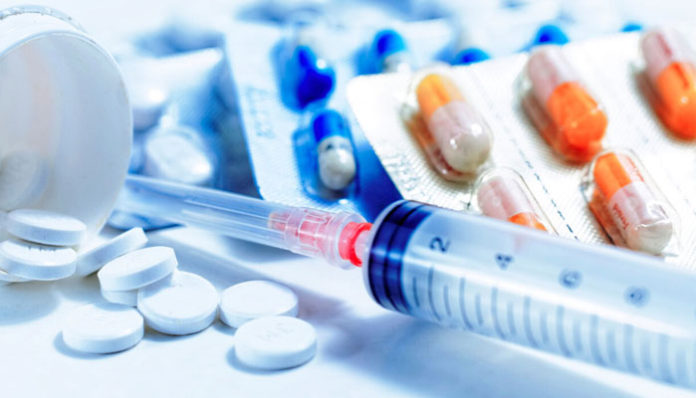
How Supplements Can Improve Your Overall Health

How Supplements Can Improve Your Overall Health

There are a lot of supplements on the market that promise to improve your health, but it can be hard to know which ones are worth taking. In this article, we will discuss how supplements can improve your overall health and help you live a healthier life. We will also provide tips for choosing the right supplements for you. So if you’re looking for ways to improve your health, read on!

How are supplements used to improve overall health?

Supplements are often used to improve overall health by providing nutrients that the body needs but might not be getting enough of. For example, if you’re deficient in vitamin C, taking a supplement can help your body get the vitamin C it needs. Additionally, supplements can be used to treat specific conditions or illnesses. For example, omega-three supplements are often used to treat heart disease. This is because omega-three fatty acids are beneficial for heart health.

What are some tips for choosing the right supplements?

When choosing supplements, it’s important to consider your individual needs. For example, if you have a specific condition or illness that you’re trying to treat, you’ll want to choose a supplement that is known to be effective for that condition. Additionally, it’s important to choose supplements that are high quality and from a reputable source. You can speak with your doctor or a registered dietitian to get recommendations for good-quality supplements.

Moreover, be sure to follow the instructions on the supplement label. Taking too much of a supplement can be harmful, so it’s important to only take the recommended amount.

Vitamins and minerals

These two are essential nutrients that our bodies need to function properly. They help us to maintain strong bones and teeth, healthy skin and hair, and proper muscle function. Unfortunately, most of us don’t get enough of these nutrients from our diet alone. This is where supplements come in.

Supplements can help to fill in the gaps in our diet and ensure that we are getting the nutrients we need. They can also help to improve our overall health by providing us with additional vitamins and minerals that we may be lacking. A good idea is to take a daily multivitamin and mineral supplement to ensure that you’re getting all the nutrients you need. You can easily find these supplements at your local drugstore or grocery store.

Omega-three fatty acids

Omega-three fatty acids are a type of healthy fat that is beneficial for heart health. They can help to lower blood pressure and LDL (bad) cholesterol levels and reduce the risk of heart disease. Salmon, tuna, and other fatty fish are good sources of omega-three fatty acids. However, most people don’t eat enough fish to get the omega-three fatty acids they need. This is where supplements come in.

Fish oil supplements are a great way to get your omega-three fatty acids. They are easy to find and relatively affordable. Be sure to choose a high-quality fish oil supplement that has been purified to remove any toxins. You can find these supplements at your local drugstore or online.

Probiotics

Probiotics are live bacteria that are found in fermented foods like yogurt, sauerkraut, and kimchi. They are also available in supplement form. Probiotics are beneficial for gut health and can help to improve digestion, boost immunity, and reduce the risk of some diseases.

If you’re looking to improve your gut health, probiotic supplements may be a good option for you. Be sure to choose a high-quality supplement that contains live and active cultures. You can find these supplements at your local drugstore or online.

Antioxidants

Antioxidants are another important aspect of good health. These substances help to protect our cells from damage caused by free radicals. Free radicals are harmful molecules that can contribute to the development of chronic diseases such as cancer. Antioxidants help to neutralize these free radicals and protect our cells.

Namely, when you have enough antioxidants in your system, they will scavenge the free radicals and get rid of them before they can cause any damage. This is why it’s important to include foods that are high in antioxidants in your diet. Some examples of antioxidant-rich foods include berries, dark leafy greens, and tomatoes. You can also get antioxidants from supplements.

There are many different antioxidants, but some of the most important ones include vitamins A, C, and E. You can get these antioxidants from foods like fruits and vegetables, but you can also take supplements. Be sure to choose a high-quality supplement that contains all three of these vitamins. You can find these supplements at your local drugstore or online.

Supplements can be a great way to improve your overall health. They can help to fill in the gaps in your diet and provide you with additional nutrients that you may be lacking. Be sure to choose high-quality supplements and talk to your doctor before taking any supplements.

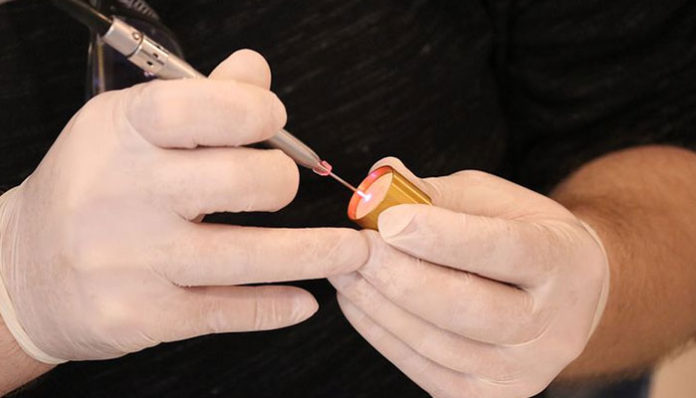
How To Find The Top Aesthetic Lasers

How To Find The Top Aesthetic Lasers

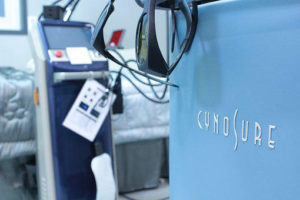
Aesthetic lasers are becoming increasingly popular as people look for ways to improve their appearance. They can treat various concerns, including wrinkles, fine lines, age spots, sun damage, and more. The type of laser used will depend on the specific condition being treated. If you are considering doing some work, finding the top aesthetic lasers is crucial. Here are a few things to keep in mind when looking for the best lasers:

1. Make Sure the Laser is FDA Approved

It is vital to ensure that any laser you are considering for aesthetic purposes is FDA-approved. The Food and Drug Administration is in charge of regulating medical devices, including lasers. It may not be safe if the FDA has not approved a laser. A number of safety features must be met for a laser to receive FDA approval, so you can be sure that any laser with this approval has been tested and found to be safe for use.

The FDA has several guidelines governing the use of lasers for aesthetic purposes. These guidelines are designed to protect patients from potential harm. Some things that must be considered include the type of laser used, how it is used, who is using it, and what kind of results patients can expect. If you think having work done with a laser, ensure that the clinic you visit follows all FDA guidelines.

2. Consider the Cost

Laser procedures can be costly. The price will depend on several factors, including the type of laser used, the area being treated, the number of sessions required, and the experience of the surgeon or clinician performing the procedure.

Before making a decision, consider buying used lasers from a reputable source. Folks from TheLaserWarehouse.com have used cosmetic and medical lasers for sale. They offer a wide variety of lasers at a fraction of the cost of purchasing new equipment. This can be a great way to save money, as long as you are sure that the laser is safe and effective.

3. Make Sure the Laser Is Safe and Effective

Not all lasers are created equal – some are safer and more effective than others. It is essential to do your research before choosing a clinic or surgeon. Ask around and read reviews online to determine which clinics offer the best results. It is also a good idea to ask your friends or family if they know anyone who has had work done with a particular laser.

There are several things that you should take into account when considering the safety and effectiveness of a laser. One is the wavelength of the laser. Different lasers emit different wavelengths of light. Some lasers, such as those used for hair removal, emit shorter wavelengths that are less likely to cause damage to the skin. Others, such as those used for wrinkle reduction, emit longer wavelengths that can penetrate deeper into the skin. Make sure you understand the risks and benefits of each type of laser before deciding.

4. Choose a Clinic with Experience

When it comes to having work done with lasers, experience matters. Clinics that have been performing laser procedures for many years are more likely to be familiar with a broader range of lasers and better understand how to use them safely and effectively.

If you are considering having work done with a laser, choose a clinic with plenty of experience. Ask to see before and after photos of previous patients. And, if possible, try to find someone who has had work done with the same laser you are considering. This way, you can get first-hand information about the results that can be achieved.

5. Understand the Risks

As with any medical procedure, there are risks associated with laser procedures. These risks will vary depending on the procedure type and the surgeon’s experience or clinician performing the procedure. Discuss these risks in detail with your doctor before deciding whether or not to have work done.

In general, laser procedures are safe when performed by a qualified professional. However, as with any medical procedure, there are always risks involved. Discuss these risks with your doctor before having any work done.

6. Follow all Post-operative Instructions

After having laser surgery, it is essential to follow all of your surgeon or clinician’s post-operative instructions. These will help to ensure that you heal correctly and minimize the risk of complications.

Some standard post-operative instructions include avoiding sun exposure, using a topical antibiotic ointment, and keeping the area clean and dry. Be sure to ask your surgeon or clinician about anything you should or should not do after your procedure.

If you are considering having work done with a laser, be sure to do your research. Choose a clinic with experience and ask about the risks and complications. And, be sure to follow all of your post-operative instructions. By taking these precautions, you can help to ensure that your experience is a positive one.

Often Overlooked- Adult Autistic Signs Present For A While

Often Overlooked- Adult Autistic Signs Present For A While

Autism spectrum disorder (ASD) patients may interact and behave differently than normal people. They frequently exhibit repetitive behaviour, have trouble speaking, and have great or intense interests in particular subjects or things.

The fact that someone has autism does not necessarily make them disabled or prevent them from leading an independent life. The term spectrum refers to the fact that there is not a single set of symptoms, abilities, or degrees of functioning that characterises all individuals with autism.

Autism typically manifests before the age of three, but some individuals may not receive a diagnosis until they are adults, making it difficult for them to receive the necessary support.

ASD affects more than 5 million adults in the US today. According to medical director of The Center for Autism Services and Transition (CAST) at The Ohio State University Wexner Medical Center, Dr. Christopher Hanks, it is difficult to determine how many persons with autism matured without receiving a diagnosis.

Here are the symptoms of adult autism and how doctors typically identify it:

Adult autism symptoms

  • Among the adult, symptoms of autism are:
  • Having trouble comprehending what other people are feeling or thinking
  • Possessing highly ritualised behavioural habits and becoming nervous if these are disturbed
  • Not recognising social cues and coming off as harsh or rude
  • Having trouble making friends
  • Preferring solitude
  • Having intense concentration or enthusiasm in particular subjects or pursuits
  • Lacking the ability to express oneself
  • A social anxiety disorder

Why some individuals aren’t diagnosed until they’re adults?

Autism is typically identified in childhood. However, for a variety of reasons, some people do not receive a diagnosis until they are adults.

1. No behavioural warning indicators were present

When certain demands develop much later in infancy or maturity, the symptoms of autism may not always become immediately apparent.

For instance, Hanks adds, if you have trouble understanding nuanced communication cues, the condition may only become more apparent later in life in contexts like work or dating.

2. Autism in girls frequently goes unrecognised

Both males and females meet the same diagnostic standards for autism.

However, much of the knowledge and conceptualization of autistic features came from male samples, which might lead to a skewed picture of the autism spectrum.

When compared to men, women with autism typically have the following symptoms-

  • Lower propensity for externalising behaviours like violating the law, interfering with others’ lives, or interrupting others’ activities
  • Higher social drive means that, at times, their social interactions resemble those of people without autism rather than those of autistic men.
  • Increased capacity for long-term relationships
  • Less persistent levels of conduct
  • more effective nonverbal communication
  • In other words, women may present with various signs of autism and fall short of the diagnostic standards. This may help to explain why females are underdiagnosed for the condition and are more likely to be ignored altogether or to receive an incorrect diagnosis.

3. Having trouble accessing healthcare services

Hanks claims that individuals from racial or ethnic minorities and those with poor socio-economic position are underrecognized for having autistic symptoms in the United States.

The following factors could prevent these individuals from receiving an autism diagnosis:

  • Having no access to healthcare because they are not a citizen
  • Due to poor income, there is a lack of access to healthcare

In remote locations without easy access to autistic specialists, Fisher notes that she has encountered more adults who are undiagnosed with ASD.

How to identify adult autism

According to Fisher, individuals will frequently be interviewed by a psychologist or psychiatrist to find out more about the origins of their autistic features and to see how they react. They will inquire about their interpersonal communication style and any strong, particular interests, repeated activities, or sensory challenges one may have. They can determine if they meet the requirements for ASD by using these questions.

Fsiher says, the examination is frequently organised and guided by screening methods like the Autism Diagnostic Observation Schedule, which is used to diagnose ASD in adults and is regarded as the gold standard in the field. It takes between 40 to 60 minutes to give this diagnostic test.

Hanks advises the diagnostician to ask questions of the relatives to gain more context for the early life.

The choice to get diagnosed ultimately rests with oneself. The right treatment, assistance, and facilities may be available to anyone if they are concerned about some parts of their behaviour and wonder if they could have ASD, according to Fisher. Many adults with autism diagnoses believe that it has aided in their self-understanding and increased self-awareness of their areas of difficulty, according to Hanks.

Adult autism treatment options

Due to the variety of experiences that persons with autism have, there is no one-size-fits-all treatment strategy. Treatments frequently try to lessen difficulties that affect a patient’s quality of life or ability to carry out everyday tasks.

Hanks suggests that the following treatments could be beneficial for individuals with autism:

Speech Therapy- For people who struggle to interact or communicate with others

Psychotherapy- is used to treat problems with mental health.

Occupational Therapy- For those who struggle with independence or who have trouble processing sensory information like noises and textures.

Fisher notes that compared to children, people with ASD have significantly fewer access points to care, support, and assistance.

There are many interventions available for children with autism since, in comparison to later ages, their brains are still developing, increasing the likelihood that treatments will be successful. The situation is improving, but much more work needs to be done, according to Fisher. The field has grown increasingly cognizant of the need to extend and strengthen adult autism services, she says.

Insider’s conclusion

The symptoms of autism are the same in both children and adults, however some people may experience a prolonged diagnosis because they lacked access to medical treatment or because their autistic characteristics were not acknowledged.

Receiving a diagnosis for autism may help a person better understand oneself and have easier access to different therapies.

There is still a lot researchers don’t know about people with adult diagnoses. This group is not well-studied, says Hanks.

Translate »