Close
Digital Health & Ai Innovation summit 2026
Medical Taiwan 2026

Australia Confirms $23 Million In Health Reforms At Victoria

Australia Confirms $23 Million In Health Reforms At Victoria

The Scott Morrison government of Australia has decided to invest $23 million across three health projects in the state of Victoria. These projects will primarily be responsible for curtailing chronic diseases and also enhancing the well-being of Australians.

The state government partnership will help promote the health projects that aim to curb chronic diseases, obesity, etc., and also decrease the number of hospitalizations that could be avoided related to cardiovascular treatment and care. Greg Hunt, minister for health and aged care, said in a statement that chronic conditions are a leading cause when it comes to catching illness and even death in the country, accounting for a whopping 87%. He added that each year sees one Australian dying of a cardiovascular issue every twelve minutes.

A sum of $3.5 million will be paid to the Enduring Data Linkage Strategy to work on positive outcomes for the state’s public with cardiovascular diseases through identifying patients in routine who may be at high risk as far as hospitalisation and even re-hospitalisation go. The projects that they are going to be initiating take into account a range of shortcomings as well as building a scenario that will push the government to invest more in such offerings to not only save lives but also improve them.

A funding of $8.5 million will help in a range of initiatives, primarily with a view to reducing readmissions into hospitals, including the cardiovascular ambassador nurse programme and the Health Helper Program. These two initiatives will ensure citizens get all the follow-up they need after experiencing heart failure.

Besides this, $3 million will be funded for the speedy identification of patterns of illness that look unusual and may give a signal of risk to public health. This software, apparently, will be shared with the emergency departments across Victoria.

Another $8 million will be granted to the Healthy Kids Advisors Initiative to boost healthy eating habits among the young so as to avoid chronic diseases such as obesity. A dedicated team of individuals will be deployed across thirteen targeted government areas to provide information on healthy eating habits in places where children and their families come for an outing. It was only in 2020 that the Morrison Government stepped up a 10-year plan for a National Preventive Health Strategy aimed at improving Australian citizens’ well-being across all age groups.

According to a letter addressed to the general public, the honourable minister, Greg Hunt, confirmed that the Australian Government had already invested $1.9 million in 2021-22 so as to build a strong foundation for the current strategy and that the first steps towards implementation are already in the offing.

Siemens Healthineers introduces Artis icono biplane with detectors specially designed for cardiovascular care

Siemens Healthineers introduces Artis icono biplane with detectors specially designed for cardiovascular care

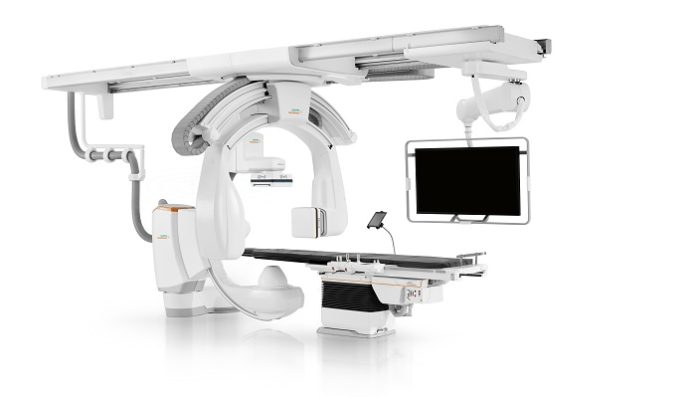
Cardiovascular diseases continue to be the most common cause of death worldwide. Consequently, Siemens Healthineers is constantly working to expand its cardiology portfolio with the latest innovation being Artis icono biplane, an angiography system with detectors optimized in size for integrated use in the cath lab. The system offers new features for diagnosing and treating cardiac arrhythmia, coronary heart disease, and structural heart disease that simplify clinical workflows and provides excellent image quality at a low radiation dose.

For complex cardiovascular diseases and their interventional treatment, Artis icono biplane allows for simple positioning of the C-arm โ€“ particularly for displaying images at steep angulations. In addition, images can be acquired simultaneously from different angles. This helps saving time and for patients has the potential to result in a lower contrast agent dose. Artis icono biplane provides a unique type of X-ray exposure regulation that considers contrast-to-noise ratios to maintain the same high level of image quality, regardless of patient size and angulation1. The result is excellent image quality at a low radiation dose for physicians and patients.

Treatment of patients with cardiac arrhythmia requires electromapping of the heart to help the electrophysiologist identify the source of the arrhythmia and treat it through an ablation. Artis icono biplane will be compatible with mapping systems of other manufacturers, resulting in artifact-free images and the possibility to further reduce radiation exposure. Mapping systems typically use an electromagnetic field used for navigation, which usually leads to image artifacts on the angiography image. Instead of a clear map of the heart, images are then overlaid with stripes. Artis icono biplane will provide system measures that may be able to reduce these image artifacts and allow for good visualization of the devices being used, such as diagnostic catheters or ablation catheters.

In the case of coronary heart diseases, an integrated quantification feature of Artis icono biplane does away with the need for a preliminary examination with a pressure wire to determine stenosis relevance and subsequently, if a stent has to be placed. Thanks to the new feature โ€œangio-derived vFFRโ€2 (Fractional Flow Reserve), only two images are needed to provide three-dimensional visualization of the affected vessel and to obtain the necessary information instead. This image-guided method offers a couple of advantages: Even though using a pressure wire for diagnosis is a routine intervention, patients are still at risk for vascular injury. Furthermore, the administration of medications needed for the procedure can make patients feel unwell and also requires a certain amount of time to induce cardiac stress which is needed for the pressure wire examination.

For interventions in patients with structural heart disease, e.g. transcatheter aortic valve implantation (TAVI), closure of the left atrial appendage (LAA closure), or transcatheter mitral valve implantation (TMViV), Artis icono biplane provides the option of performing fusion imaging. Angiography images can be overlaid with live ultrasound images These fused images help to ensure effective communication among treating interventional cardiologists and ecocardiographer.

โ€œLack of time and cost pressure also affect the field of cardiology. With Artis icono biplane we are taking these two ongoing trends into account and are providing our customers with a feature-rich system for performing minimally invasive interventions that facilitates individual workflows and improves image quality in accordance with the ALARA principle,โ€ says Doris Pommi, Head of Cardiovascular Solutions at Siemens Healthineers.

Artis icono biplane can be adjusted to the individual user. As such, the userโ€™s own established workflows can be defined, standardized, and stored to save valuable preparation time. If complications occur during vascular access, for example, one single click allows to select from as many as nine different automated system settings.

Since February 2022, the new system has been in pilot operation at the University Hospital of Innsbruck, Austria.

About Siemens Healthineers AG
Siemens Healthineers AG pioneers breakthroughs in healthcare. For everyone. Everywhere. As a leading medical technology company headquartered in Erlangen, Germany, Siemens Healthineers and its regional companies is continuously developing its product and service portfolio, with AI-supported applications and digital offerings that play an increasingly important role in the next generation of medical technology. These new applications will enhance the companyโ€™s foundation in in-vitro diagnostics, image-guided therapy, in-vivo diagnostics, and innovative cancer care. Siemens Healthineers also provides a range of services and solutions to enhance healthcare providersโ€™ ability to provide high-quality, efficient care. In fiscal 2021, which ended on September 30, 2021, Siemens Healthineers, which has approximately 66,000 employees worldwide, generated revenue of โ‚ฌ18.0 billion and adjusted EBIT of โ‚ฌ3.1 billion.

CCT Research Announces New Partnership with BEKHealth

CCT Research Announces New Partnership with BEKHealth

CCT Research has announced an exciting partnership with BEKHealth. The collaboration streamlines access to electronic medical records (EMR) data, across CCT sites and drives a data-driven approach to trial execution and management.

CCT has established itself as an innovator in conducting clinical trials. Using BEKHealth, a provider of software solutions for enhancing clinical research processes, will enable CCT to more accurately identify and fit studies to its sites. The deep commitment by both companies to improving the outcomes of clinical trials made the relationship a natural fit.

โ€œOne of CCTโ€™s driving forces is to promote an environment of innovation and continuous improvement,โ€ said Jennifer Kocour, President, CCT Research. โ€œOur partnership with BEKHealth strengthens our ability to identify potential research participants, ultimately creating greater accessibility to clinical trials.โ€

More than just a โ€œtechnologyโ€ partnership, this collaboration with BEKHealth is also patient-centricโ€“ which remains a top priority for CCT. Once studies are awarded, it will power onsite research by identifying patients who fit studies best, saving sites, patients, and staff time and hassle.

โ€œAt the individual site level, our goal is to optimize research to be as beneficial to the practice and its patients as possible with minimal disruption to the clinics day-to-day operations. We view data and technology as central to that strategy and couldnโ€™t be more excited to work with BEKHealth,โ€ said Kyle McAllister, Vice President, Data & Analytics, CCT Research.

โ€œThe breadth and depth of CCTs network was an exciting opportunity. The ability to leverage technology to centralize key drivers of success such as feasibility, site selection, patient recruitment and analytics drives a new paradigm in clinical research,โ€ said Jason Baumgartner, CEO and Founder, BEKHealth. โ€œOur platform is secure and activation creates a minimal burden on IT teams. What this means for the provider and patient is our collaboration will have a major impact quickly.โ€

โ€œWe provide an integrated clinical operating platform that enables companies to streamline research across multiple key processes,โ€ said Josh Ransom, PhD, Vice President, Customer Experience, BEKHealth. โ€œUltimately this means our partners can scale their businesses faster by improving operational efficiency while taking out manual and inefficient steps.โ€

About CCT Research

CCT Research is a network of clinical research sites embedded in the offices of skilled physicians conducting clinical trials to offer patients with innovative medical treatments and safe, effective care options.

CCT Research was founded in 2017 and has more than 20 locations across Arizona, Georgia, Kentucky, Nebraska, Nevada, and Utah. The sites are located within physiciansโ€™ offices, within ACO networks, and several dedicated research centers.

CCT supports research in Neurology, Family Practice, and Dermatology, with plans to include additional therapy areas soon. The company’s unique model simplifies the process for trial participants and provides pharmaceutical sponsors with high-quality data.

Does the Rift Between Dentistry and Medicine Make Any Sense in Modern Medical Science?

Does the Rift Between Dentistry and Medicine Make Any Sense in Modern Medical Science?

Ever since its formal inception in 1840, dentistry has come a very long way. In its early days, dentistry was only about tooth extraction and closing tooth cavities. In its modern form, dentistry can reshape the way your smile and your jawline looks. It can pinpoint oral cancers with laser accuracy and fix tooth decay without using a single mechanical tool.

This space is indeed far too limited to list out all how modern dentistry has advanced. Have a look at DGY Dentistry and you will get a fair idea of the innumerable sophisticated new procedures and services that are available today. What is even more heartening is this. There is wide acknowledgment in the medical world today about the link between oral health and overall health.

So Why Does the Rift Exist?

The reason behind this is entirely historical in nature. And it all began in the United States. When the first medical schools were founded in the 18th century, they did not include dentistry in their curriculum. This was even though many physicians at the time practiced dentistry and medicine simultaneously. Due to this, dental schools evolved separately, with a different curriculum.

The result of this is that today dentists have a thorough understanding of the oral health of a patient. However, their understanding of the patients’ overall health is limited. When assessing a patient’s dental health, they are unable to take a big picture view. They cannot evaluate whether the dental conditions are due to poor mental health nor can they look for evidence of drug abuse. They cannot check a patientโ€™s risk for stroke or heart attack.

As for the patient, this means that standard medical insurance does not include any kind of dental care. In the United States, Medicare has no dental coverage. As a result, 130 million Americans do not have any access to regular dental care.

The Close Connection Between Oral Health and Overall Health

Poor oral health has rippling psychological effects on a patient. The pain from a tooth infection can cause an individual to miss school or work. Dental problems whether visual or sensory can severely lower a personโ€™s self-esteem. The center for disease control or CDC has estimated that in the US, $6 Billion in industrial productivity is lost every year due to dental health problems. Oral pain resulting in emergency room visits cost another $2 Billion.

Gum diseases and oral inflammation increase the chances for diabetes, cardiac, and other chronic diseases. For example, diabetes reduces the bodyโ€™s ability to fight off infections which results in gum disease. AIDS which also causes a personโ€™s immunity to start failing results in painful lesions inside the mouth. Dental infection can transmit to a life-threatening blood infection called sepsis. Deamonte Driver, a 12-year-old boy from Prince Georgeโ€™s County, died in 2007 since he could not get a tooth extracted on time.

These facts have been well documented and proven time and again. Yet, dentists and physicians treat oral and other bodily conditions separately. As if the mouth is a separate entity from the body altogether. So I ask you again, does this rift make any sense?

How Can We Combine These Two Fields?

At the educational level itself, the curriculum should be merged. In a system like this, all students are taught the same course till the time specialization is to be made. This initiative has already been started by Harvard, where they have established an oral physician program.

Clinical establishments need to also take the step in merging these two practices. It makes no sense that there is a medical center and a dental center operating side by side but in separate buildings. These new business models need to be created at the corporate level.

Since these two practices never operated under the same umbrella, they never kept records in the same format. Patient information and future record keeping need to be merged for better analysis by doctors.

And finally, payment and insurance systems need to be integrated as well. Governments need to include dental care in their social welfare plans. And insurance providers need to acknowledge the importance of dental health and make it a part of their insurance programs.

Each of these points needs political backing in the administration. For that, it is the dental profession that needs to take the lead in creating public awareness about the issues. Only then will there be a collective sentiment for change.

NHS Waiting List Records New High As More Patients Queue Up

The number of patients waiting in queue to start their respective routine hospital treatments has surged to a record high. Besides this, the wait for accident and emergency, cancer care, and even an ambulance to arrive is worsening by the day. If we take a figure into account, by December last year, around 6 million people were waiting for their turn to get operated, a figure which was the highest since records started in 2007.

Not only that, the number of people having no option but to wait for more than a year to begin their non-urgent treatment was around 3,11,000, which was an increase from the preceding month, which captured almost 3,07,000 waiting patients. The figure seemed more steep when the increase was recorded at 39% as compared to December 2020. Apart from this, almost 20,000 patients had waited more than a couple of years to get their treatment done. Apparently, a total of 92% of patients are those who should have been treated within 18 weeks and not beyond that.

According to Sarah Scobie, the Nuffield Trustโ€™s Deputy Director of Research, the figures are a reflection of the millions of patients who will await their turn for treatment or a planned surgery for some more time to come. These NHS England figures came out few days after its elective recovery plan was published, which mapped out how the waiting times would be cut.

The recovery plan in particular talked about how the backlog through community diagnostic centres, which provide scans and are also surgical hubs, would prove to be a way out to fight the piling list of patients. The health secretary of the UK, Sajid Javid, told the MPs that the NHS has put into place plans that would treat everyone awaiting surgery for more than two years by the end of July and also eradicate all 18-month backlogs by April 2023, 65-week and one-year waitlists by March 2024 and March 2025, respectively.

However, he also opined that the waiting list would keep growing by March 2024 since more than 10 million people who did not pursue any medical help during the pandemic are now stepping in to get themselves treated. This has indeed led to a growing sense of unease in 10 Downing Street as this list could prove to be a big issue in the run up to the May 2024 elections. By the spring of 2024, ministers have been given an estimation of 10.7 million people on a waiting list, or in a best-case scenario, not less than 9.2 million.

According to the Guardian, the first seven months of 2021-22 have already seen around 2,90,000 people in England who have had a possible cancer symptom and have not seen a specialist within two weeks of being referred by a general practitioner.This figure could hit almost 5,00,000 patients by the end of next month. As per the latest monthly figures, more than 400,000 patients had to wait more than a couple of weeks in 2021 to see a specialist, while around 33% were kept waiting for more than 62 days to initiate treatment. As per Minesh Patel, Macmillan Cancer Support Head, the current situation is going from bad to worse.

When it comes to heart ailments, 300,000 patients are awaiting their turn for surgery, like getting a stent fitted. According to Sonya Babu-Narayan, who is a cardiologist with the British Heart Foundation, thousands of patients are at risk of premature death as they are experiencing dangerous delays.

EIB Pledges Five Hundred Million Euros In Alliance With WHO

Dr. Tedros Adhanom Ghebreyesus from WHO and Werner Hoyer, President of the European Investment Bank, met recently to discuss their collaborative initiative, which aims to promote innovative impact investment which will go on to support health system strengthening across Africa, with a prime focus on primary healthcare. It was indeed a meeting that had many eyes glued to it.

Apparently, WHO has welcomed the fresh commitments made by the European Investment Bank, which are particularly relevant in the context of the tripartite initiative and focus of WHO, the European Commision, and the EIB. The idea is to provide help to the countries spread across the African continent so that the health funding gap can be closed and also a resilient health system can be built on a strong foundation of primary health care, or PHC, as it is referred to as. Werner Hoyer has already announced a โ‚ฌ500 million fund to help mobilise the โ‚ฌ1 billion investment in a resilient health system.

Significantly, WHO is joining hands with the EIB, EU and other African partners to take care of this significant investment, tagged along with its own experience of building health systems that are resilient. With financing schemes that are innovative, such as this one, it would bring together the WHO and EIBโ€™s work under systematic partnership grants.

When we specifically talk about the European Investment Bank, it is owned by the EU member states. The beginning of this year saw the EIB set up EIB Global so as to develop sustainable living, innovative investment, a strengthened EU neighbourhood and work upon climate actions as well.

To scale up public health, investing in countries which are the most vulnerable to COVID-19 and also supplying essential equipment, 2020 saw the EIB and WHO sign a MoU, the main actions under which included-

  • Improving the local health scenario to get rid of the coronavirus
  • Establishing a resilient health system in vulnerable African countries.
  • Long-term collaboration to overcome market failures, particularly in global health
  • Enhancing investment to take care of anti-microbial resistance.
  • Treating malaria with improved effectiveness.

The EIB has undoubtedly given its immense contribution to the response to the pandemic, particularly when we talk of investment in vaccine development or supporting local manufacturing.

4 Tips On How To Work On Your Fitness At Home

4 Tips On How To Work On Your Fitness At Home

If you’re looking for a way to get fit that doesn’t involve leaving the comfort of your home, you’re in luck. There are plenty of ways to work on your fitness from the comfort of your living room or basement. In this article, you will get four tips on how to make the most out of home fitness.

Get Good Equipment

No exercise can be effective without the right equipment. When you’re working on your cardio, doing some research to find a good treadmill is a necessity. You will have to make a list of things you need in order to exercise safely and effectively. Once you’ve made your list, getting the right equipment should be easy, as long as you know what to look for.

For good results, you should get some of the following:

  • a good treadmill;
  • some dumbbells to weight train with;
  • high-quality resistance bands;
  • a pull-up bar;
  • an exercise mat;
  • a stability ball;
  • a medicine ball.

Once you have all of your workout gear ready to go, getting started is simple. Start by doing some research on what type of programs will suit your needs best. Consider researching different types of exercises that can help boost metabolism as well as increase cardiovascular endurance and strength training routines that help tone up muscles without bulking them up too much. Researching these practice routines before getting into a routine will ensure you’re getting everything out of it possible in order to maximize results from each session that takes place at home or in any other gym setting!

Take Advantage Of Your Environment

Look around your home and see what objects there are that can be used as workout tools. For example, you can use a chair to do dips, or your staircase to do some step-ups. If you have stairs in your house, taking the extra time each day to walk up and down them instead of taking the elevator is another great way to get more exercise every day.

You might also want to consider taking advantage of the nice weather if itโ€™s available where you live by going out for a walk around your neighborhood or heading over to a local park so that you can go for a jog on the jogging trails there.

If you have stairs in your house, taking the extra time each day to walk up and down them instead of taking the elevator is another great way to get more exercise every day.

Look around your yard and see what you can do in terms of taking advantage of the environment. For example, this could mean taking a walk around your property or even taking the time to mow your lawn or weed your garden by hand instead of using a gas-powered mower.

If you are lucky enough to have an outdoor swimming pool on your property, consider taking some time out each day for a swim as well if temperatures permit. Swimming is an excellent way to get fit because it allows you to exercise all muscle groups at once while simultaneously improving flexibility and endurance capacity.

Find Home-workout Tutorials

It’s always more fun to have someone beside you when working out. If you find tutorials online, it can be more difficult to stay on track. However, with the right resources, you can still get an excellent workout in your own home.

There are a variety of different types of workouts that you can do at home: cardio, strength training, Pilates, yoga… the list goes on and on. You don’t need any fancy equipment, just some space in your living room or bedroom and maybe a few weights or resistance bands. If you’re looking for ideas, there are plenty of online resources to help get you started.

One great way to find workouts is to search YouTube for “home workoutโ€. This will give you a range of options from short ten-minute routines to longer thirty or forty-minute sessions.

Focus On Bodyweight Movement

Bodyweight exercises are a great way to get in shape and work on your fitness at home. They are simple, effective, and can be done anywhere. Here are four tips for focusing on bodyweight movement:

Start with the basics

Before you try any advanced exercises, make sure you can do the basic ones correctly. This includes squats, lunges, push-ups, and crunches. Practice these regularly until you have them mastered.

Use progressive overload

Once you have the basics down, start adding weight or difficulty to your exercises gradually over time. This will help ensure that you continue making progress and getting stronger.

Vary your routine often

Your body needs to be challenged in different ways. A good way to do this is by focusing on bodyweight movement and varying your routine often. This will help prevent injury, as well as boredom from doing the same exercises over again.

You have to stay active even when not leaving your home so make sure you get some good equipment in the house. Also, you need to look around your home and take advantage of everything that can be used for staying fit. Find home workout tutorials for help and focus on bodyweight exercises. Just be careful and do everything correctly. Your body will be thankful!

How To Determine If You Should Have Bariatric Surgery

How To Determine If You Should Have Bariatric Surgery

There is a remedy that many people are eager to try out since it has the possibility to change oneโ€™s life in many immeasurable ways. Bariatric surgery has helped so many people get control of their health and life. It is a literal lifesaver for those people that qualify for the surgery.

Therein lies part of the problem. Not everybody qualifies. There are various reasons why this surgery is not available for some while others are able to have it and transform their lives. If you are thinking of getting the surgery then you are probably wondering if you qualify. In fact, it is an important question on many fronts since you might have to pay out of pocket and need to understand the gastric bypass surgery cost without insurance.

In this article, we will go over what you need to know to be able to understand if you should or even can have gastric bypass surgery.

Your BMI

BMI or Body Mass Index is a formula that uses weight and height to estimate body fat and is an essential factor in determining if a person is even able to qualify for the surgery. Those with a BMI over 40 are going to move to the front of the line and will likely pass some of the other requirements that are in place besides BMI.

However, those with a BMI under that will need to also have an obesity-related medical condition that makes the surgery very important. Even those with a BMI over 40 will also have to have an evaluation done to determine if they still qualify but they are usually going to make it work.

If the person is under 35 then they will have to have weight loss attempts supervised for about 6 months to determine if they are going to have the surgery. If they are able to follow all of the dietary guidelines and exercise regime but are still unable to lose weight then they may be considered for the surgery.

Medical concerns

Although bariatric surgery is very routine at this point, it is still surgery and complications can be quite serious. There will be a determination made if you are healthy enough to have the surgery and if it seems that your medical conditions pose enough of a risk that surgery could be dangerous then you will be disqualified.

Some of the most common medical conditions that disqualify you from having the surgery are heart disease that wonโ€™t allow you to undergo anesthesia, blood clotting disorders, and any other condition which doesnโ€™t allow for anesthesia.

Mental healthย 

Post-surgery recovery is very difficult for a lot of people. It requires a lifelong change to lifestyle and diet to keep the weight off. This means that mental health is important to be able to get through the struggle.

Those with a history of depression and drug and alcohol abuse will also need to have their mental health dealt with and treated before they can have the surgery to make sure it is successful for the long term.

France & WHO Sign Up New Agreement To Fight Out COVID-19

Community Wellness Announces COVID Home Management Program

WHO and the French government have collaboratively announced a fresh โ‚ฌ50 million contribution which will help the healthcare system in France dwarf the bottlenecks in response to COVID-19 and also enhance access to testing, vaccines, and overall treatments. The agreement was put into force on the sidelines of the foreign and health ministers’ ministerial conference, which took place in Franceโ€™s Lyon. The idea is to support the work accomplished by WHO and also co-convenors’ work as far as health systems go in alliance with the global bodyโ€™s response plans as well as its preparedness to fight out the pandemic. Speaking on the occasion, WHO Director General, Tedros Adhanom Ghebreyesus, said that the world health body is very grateful to Franceโ€™s consistent commitment to unity towards the pandemicโ€™s response.

The Health System and Response Connectors work to make sure that the countries have the technical, financial, as well as operational capabilities and resources to acquire and use vaccines efficiently, along with other COVID-19 tools. It is assumed that the contribution of France will help in speeding up equitable access to all the pandemic tools by way of looking at each countryโ€™s health systemsโ€™ issues and also identifying the right responses and answers to them. Apparently, the involvement will work through HSRC to ensure that mere vaccines turn into well-thought-about vaccination campaigns and also pursue community-based testing platforms in order to help public health measures and disease surveillance as well. All this would lead to a robust national response output while also re-establishing life in the health systems.

Jean-Yves Le Drian, who happens to be the Foreign Minister of France, opines that the French presidency of the EU gives global health unparalleled importance. With this kind of support to WHO, additional help shall be given to the countries’ health systems, which will also, in a way, strengthen the cooperation between actors, increase the possibility of fruitful dialogues between stakeholders, and thereby speed up the COVID-19 tools and ensure their availability across the length and breadth of the regions to save millions of lives reeling under the threat.

It goes without saying that France shares significant health priorities with WHO and has always put forth a cross-cutting way of also giving equal importance to health coverage as a part of its sustainable development agenda, which keeps an eye on 2030. Just prior to when the pandemic struck, sometime in January 2020, France and WHO put on paper a new framework for five years that confirmed the countryโ€™s role as a key contributor to global health while at the same time giving unrelenting support to WHO’s General Programme of Work that takes into account the well-being of citizens of all ages.

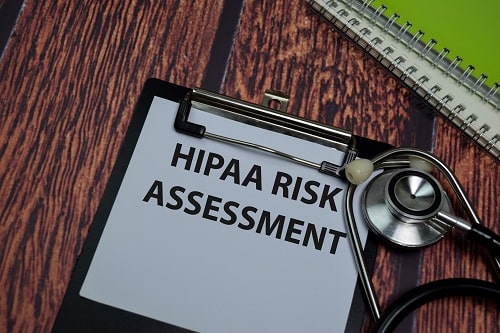
The Ultimate Guide To Performing A HIPAA Risk Assessment

The Ultimate Guide To Performing A HIPAA Risk Assessment

The Health Insurance Portability and Accountability Act (HIPAA), requires healthcare entities to implement procedures and policies to ensure and safeguard the security and privacy of the Protected Health Information (PHI) of patients.

Breach of data is nothing new. They’ve become considerably more common since the introduction of electronic medical records. A risk analysis is not only helpful in identifying dangers, but it is also required. In order to help preserve PHI, the HIPAA Security Rule requires Covered Entities and their Business Associates to complete an annual HIPAA risk assessment and adopt security measures with one such being a HIPAA Compliant Cloud Storage. In light of this, a security assessment is a critical tool for identifying risks and vulnerabilities to Protected Healthcare Information (PHI).

The effectiveness of HIPAA Compliant Cloud Storage is undeniable. HIPAA compliant storage must respond to specific requirements regarding patient records security. We can single out five reliable HIPAA vendors: AWS Cloud, Dropbox, Google Cloud, Microsoft OneDrive, Carbonite.

And one of the core HIPAA requirements is to perform regular risk assessments. This article provides in-depth detail on specific steps to perform a successful risk assessment that ensures solid compliance with HIPAA rules. Here are the steps to follow:

  1. Identify Scope of Analysis

Like any other assessment project, the first thing you need to do for a HIPAA audit and risk assessment is to define the scope.

A HIPAA risk analysis includes all PHI and electronic PHI (ePHI), regardless of its location or source and the electronic media used to create, maintain, transmit or receive it.

The assessment should also cover all reasonable vulnerabilities and risks to the integrity, availability, and confidentiality of that information.

  1. Gather Relevant Data

This step requires you to gather and review all documentation for projects in the past and present. In this case, you need to define the following:

  • What PHI your organization has access to
  • How is it collected and managed?
  • Where is it stored?
  • Who has access to it?
  • How is it accessed?
  • How is it transmitted?

If youโ€™re HIPAA compliant, you should have already finished this step. For subsequent risk assessments, you can use the data gathered in this step as your starting point.

  1. Assess Current Security Measures

Next, you need to assess your existing security measures. You can start by documenting all security measures you currently have in place to protect PHIs. It should include both non-technical and technical controls.

  • Technical controls include software and hardware functions such as authentication, access control, encryption, auditing, automatic log-off.
  • Non-technical controls include management and operational functions such as procedures, policies, and environment or physical security measures.

Analyze the use and configuration of each security measure in order to determine its effectiveness and appropriateness in meeting the requirements under the HIPAA rules.

  1. Define And Identify Vulnerabilities And Threats

With all the information youโ€™ve gathered from the previous steps, you should be able to identify if there are any threats or vulnerabilities in your security system.

In addition, you should also have knowledge of potential threats to the integrity and security of the PHI maintained by your organization. Some of the common vulnerabilities and threats include:

  • Deliberate Technical: Ransomware, computer theft, insider threat, phishing, trojan, and keyloggers.
  • Unintentional Technical: Stolen computer, unintended email transfer of sensitive data, and lost USB storage device containing sensitive data
  • Technical Failure: Weak passwords, lack of encryption, unpatched systems, lack of file permission, lack of malware protection, and improper disposal of media.
  • Physical Security: building alarms, access badges, security cameras, security guards, and building access controls
  • Disaster Events: hurricanes, floods, earthquakes, tornados, and typhoons
  1. Determine Risk Probability And Risk Levels

After defining and identifying possible healthcare privacy threats against your security measures, you want to determine the probability of the threat occurring.

To arrive at a risk score, you can attach numeric values ranging from 5 for โ€œvery likely to occurโ€ to 0 for โ€œnot likely to occurโ€. Similarly, you can determine the impact of each vulnerability and threat to your organization and attach numerical values ranging from 5 for โ€œ very high impactโ€ to 0 for โ€œno impactโ€.

And then, for each vulnerability or threat, you can assess their corresponding likelihood and impact scores to get the risk score.

Based on your risk score, you can assign the appropriate risk levels to the vulnerabilities and threats. This allows you to create a risk-level matrix and an effective risk classification system.
  1. Develop Control Recommendations

Once the risk levels are assigned to specific vulnerabilities and threats, you can now identify suitable security measures and create a list of corrective actions. These actions can help in mitigating the risks or reducing them to a reasonable level to remain compliant with HIPAA rules.

For each security measure, you need to consider the following:

  • Internal policy requirements
  • The effectiveness of the action
  • Regulatory requirements for its implementation
  1. Proper Documentation

The last step in your HIPAA risk assessment is ensuring proper documentation. You need to document and record all your findings, clearly outlining what PHI you work with, the vulnerabilities and threats you found despite your existing security measures, and the solutions youโ€™ll use to mitigate the identified threats and vulnerabilities to the integrity and security of PHI.

Take note that documentation is a mandatory requirement and critical for HIPAA compliance audits. On top of that, your assessment documentation can also serve as an insight into your progress and preparedness with respect to your organizationโ€™s data security and proper management of patientsโ€™ data.

Take Away

A risk assessment is a critical step towards safeguarding your patientโ€™s PHI and remaining compliant with the HIPAA rules. Failure to do so can open your organization to staggeringly huge penalties.

So, make sure to follow the above steps in order to demonstrate your organizationโ€™s commitment to protecting and managing your patientโ€™s data and overall business reputation.

Translate ยป