












Close
Digital Health & Ai Innovation summit 2026
Medical Taiwan 2026

4 Features To Look For When Choosing Surgical Headlights

4 Features To Look For When Choosing Surgical Headlights

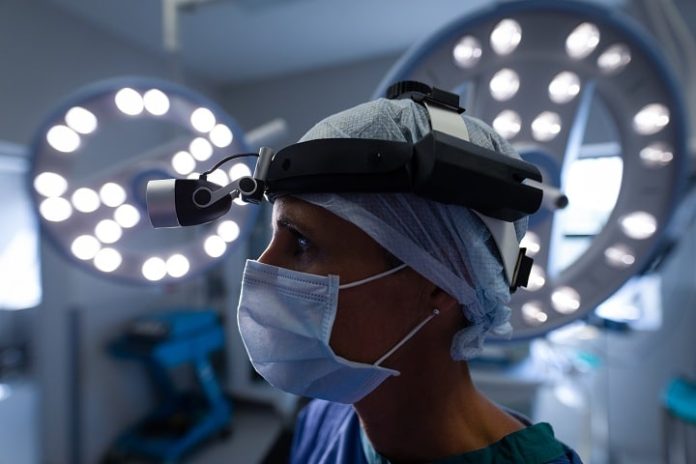
Ever wondered what that light and telescoping apparatus is that doctors wear during a surgical procedure? Normally, you’ll see lights mounted on the ceiling or on a fixed arm when you enter the operating room but many doctors are already using a type of lighting equipment called a surgical headlight.

What Are Surgical Headlights

Surgical headlights or portable headlamps are a type of equipment that doctors and surgeons wear on their head during a surgical procedure. Some surgical headlights come with a battery pack to power its light bulb while there are surgical headlights that are powered using a fiber cord.

Compared to the traditional lighting equipment, using a cordless headlight during an operation can be an advantage due to its portability. Doctors and surgeons can move around during the procedure without worrying about tripping on wires or having to unplug wires while they’re moving around.

Another advantage when using a surgical headlight during a procedure is the doctor or the surgeon can concentrate the light on the surgical site without worrying about casting shadows. When using a mounted lighting equipment, shadows can be a problem due to the number of hands involved during an operation. According to a study published in the journal Minimally Invasive Therapy & Allied Technologies, surgeons adjust their light equipment every 7.5 minutes and affects 64% of their productivity.

How to Choose Surgical Headlights

If you’re thinking about using or purchasing a surgical headlight, here are some of the features that you need to consider:

  1. Illumination

It can be a challenge to look for a headlight with the right illumination since the bulbs are configured with the battery pack it came with. Most headlights nowadays use the Light Emitting Diode or LED, although there are headlights that use Xenon or halogen bulbs.

Bulbs are measured using its lux value. Although the higher lux value, the brighter the bulb illuminates, you’ll still need to consider the consequences of using it especially for longer procedures. Eye strain can happen if you stare at the bright light for longer periods of time.

  1. Durability And Comfort

Find a surgeon headlight company that manufactures surgical headlights that are durable and comfortable. However, with so many in the market, you might get confused about which brand to pick. You will have to do more research of different brands and the different features they have.

If possible, you can visit a retailer and inquire if they have surgical headlights. This way, you can try the headlight on and check if it’s comfortable to wear or if it suffices your needs. You can also inquire with the staff about which brands most doctors or surgeons tend to purchase.

  1. Battery Life

Surgical headlights come in two forms: cord or cordless. The cordless ones have a built-in battery pack. It’s crucial for a headlight to have longer battery life since it’ll be an inconvenience to you if you need to constantly charge during an operation.

  1. Price

Another feature you need to consider is the cost. Getting surgical headlights shouldn’t break the bank. With so many surgical headlights in the market today, you need to weigh in both its features and its price.

You also need to consider the warranty of your surgical headlights. Warranties can help you save on maintenance costs, so find out how long you’re covered and what your warranty covers.

Surgical Headlights Vs Traditional Lights

Both lighting equipment have their advantages and disadvantages. One notable disadvantage when using a surgical headlight is when a doctor or a staff member forgets that they’re using a surgical headlight with a cord, they may unintentionally unplug it while they’re moving around. Operating rooms tend to get busy and people are moving so fast that accidental unplugging can happen.

For traditional lighting equipment, one of its notable advantages is illumination. Traditional lighting equipment comes in different configurations and different mount types. Therefore, different light bulbs can be used. The most common ones in the market today are LED, tungsten-halogen, among others.

One notable disadvantage when using the traditional equipment, however, is it needs backup power in case of a power outage. Since this type of equipment relies on electricity, one should prepare a backup to power the lights. Another disadvantage is the maintenance cost. You can save on the cost if the lighting system can be modularly replaced compared to replacing the entire system.

Wrapping Up

Always remember that adequate lighting is important for a successful operation. Portability and comfort are a few reasons why doctors prefer to use the surgical headlights rather than the traditional one. When looking for the right surgical headlight, make sure to check its illumination level, durability, battery life, and price. These features will help you determine whether or not the surgical headlight is the right fit for your needs.


Transperineal Method Easing Prostate Cancer Detection

  1. Tell us something more about the Transperineal path and how effectively can it take samples from even the most difficult regions of the prostate?

There are two ways to reach the prostate when performing a prostate cancer biopsy: the transrectal and the transperineal approach. A transrectal biopsy, which has been the standard of care for several decades, involves passing a needle through a patient’s rectum to access the prostate to take tissue samples. But due to anatomical limitations with a transrectal biopsy it is often difficult to reach all areas of the prostate, especially the anterior portion where aggressive cancer often resides. A transperineal biopsy involves passing a needle through the perineum, which is the area of skin between the rectum and scrotum. By entering the prostate via the perineum, clinicians can access and thoroughly sample the entire prostate including harder-to-reach areas such as the anterior portion.

  1. What are the advancements taking place medically and technologically on the Transperineal approach?

Several decades ago, there was no effective technology available to facilitate performing a transperineal biopsy. In the early 2000s, urologists retrofitted a brachytherapy grid-stepper and instead of using this to deposit radioactive seeds into the prostate, a biopsy needle was inserted to gather tissue samples using the transperineal approach. The grid-stepper dramatically improved biopsy accuracy but presented several drawbacks. It required clinicians to puncture a patient’s perineum up to 60 times, presenting a number of complications such as urinary retention. It also makes the biopsy procedure long (up to an hour) and requires use of an operating room or ambulatory surgery center and general anesthesia.

In the last few years, advancements in technology have resulted in a new device and surgical method that enables a transperineal biopsy but only requires two punctures in the perineum to thoroughly sample the prostate. It can be performed under local anesthesia in an office setting in a brief procedure. This new device works by passing a needle vertically through the perineum, allowing clinicians to reach all areas of the prostate including the anterior portion where more aggressive cancerous lesions often reside.

  1. Why is the Transperineal access also called a freehand approach?

Performing a transperineal biopsy freehand means urologists hold an ultrasound probe in one hand and pass a biopsy needle through a guiding needle inserted into the perineum with the other hand. Using a guiding needle allows for multiple passes of the biopsy needle through only a few skin puncture sites while maintaining the ability to sample most of the prostate gland. But having the ultrasound probe untethered to the biopsy needle means that tissue sampling using this freehand method is often inaccurate and cannot be standardized. This method also results in a significant learning curve for clinicians who perform the procedure. The newly available device described previously offers a solution – it still allows urologists to perform a biopsy freehand, but they can manipulate the biopsy needle in symphony with the ultrasound probe and have full control of the process. Urologists can target the desired locations with certainty in a strategic and parallel direction. The free-handed technique with this new device also employs hand-eye skills intuitive to urologists already performing transrectal biopsies, which often results in a short learning curve.

  1. What is the percentage of its success in detecting prostate cancer as compared to the erstwhile transrectal approach?

Given the limitations in sampling the entire prostate with the transrectal approach, up to 30% of cancer is either not identified or mis-classified.1 But research shows that performing the transperineal approach with the new device results in about 30% better prostate cancer detection rates as it allows clinicians to access all areas of the prostate including often hard-to-reach areas. 2

  1. How can sepsis, which is a common cause of concern in detecting prostate cancer, be taken care of through the Transperineal method?

Infections including sepsis, which is potentially fatal, are a common concern when using the transrectal method because a biopsy needle must be inserted into a patient’s rectum multiple times (typically about 12) to access the prostate gland to take tissue samples. This method can introduce fecal matter and bacteria into the prostate with each pass of the needle, putting patients at risk of infection. The transrectal approach is associated with about a 5-7% infection rate. 3 On the other hand, the transperineal method significantly reduces the risk of infection by inserting a biopsy needle through the perineum instead of the rectum. Transperineal biopsies performed with the new device result in a nearly 0% infection rate. 4

  1. Currently, what are the regions of the world where the Transperineal path is being administered and how and when can the developing markets be benefited out of it?

The transperineal approach to prostate biopsy with the new device is currently being used in 13 countries around the world. Use of the transperineal method presents several advantages for patients as well as healthcare systems worldwide. By significantly reducing the risk of infection, a transperineal biopsy may decrease costs associated with treating infections, especially those resulting in hospitalizations and sepsis, which can be substantial for both healthcare providers and patients. Healthcare systems also benefit because the transperineal approach with the new device can potentially detect cancer earlier and more accurately, allowing more patients who are under active surveillance to seek potentially life-saving treatment.

  1. It is said the risk of infection through the Transperineal method is 0%. What have the authorities done to ensure a quick adoption of this method than using the age-old Transrectal detection?

There are many regions around the world where transrectal biopsies are being actively phased out and steps are being taken to shift the standard of care to transperineal biopsies. For example, the European Association of Urologists has changed their guidelines, recommending that a transperineal biopsy be offered unless it cannot be performed for certain reasons. In Australia, reimbursement for prostate cancer biopsies has been reduced for clinicians who use the transrectal approach. As a fierce advocate for the transperineal biopsy, I am dedicated to building broader awareness of the benefits this approach presents to clinicians, patients and healthcare systems. I will continue to work tirelessly to educate the medical community including highlighting new advancements in technology that enable a safer and more precise biopsy with the transperineal approach. I am confident that more clinicians will recognize the significant advantages of this approach and it will become standard of care in urology in the years ahead.

  1. Are the medical staff and doctors being given specific training on the proper usage of Transperineal method for prostate cancer detection?

The transperineal method can be performed under nearly the same parameters as the transrectal approach that many clinicians are familiar with, meaning there is often a quick learning curve. As mentioned previously, there is a new device available that allows clinicians to perform a transperineal biopsy and several training sessions are offered including in-person demonstrations to help them learn how to use the device appropriately before it is put into practice.

References

[1] Szabo, R. (2021). “Free-Hand” Transperineal Biopsy Under Local Anesthesia: Review of Literature. Journal of Endourology, 35(4). https://doi.org/10.1089/end.2020.1093

[2] Ristau, B., et al. (2018). Free-Hand Transperineal Prostate Biopsy Provides Acceptable Cancer Detection and a Minimum Risk of Infection: Evolving Experience with a 10-Sector Template. Urologic Oncology: Seminars and Original Investigations, 36; 528. https://doi.org/10.1016/j.urolonc.2018.09.013

[3] The Prevention and Treatment of the More Common Complications Related to Prostate Biopsy Update. (2012, updated 2016). American Urological Association. https://www.auanet.org/guidelines/guidelines/prostate-needle-biopsy-complications

[4] Lopez, J., et al. (2021). Local Anesthesia Transperineal (LATP) Prostate Biopsy Using a Probe-Mounted Transperineal Access System: A Multicentre Prospective Outcome Analysis. BJU International, 128(3); 311-18. https://doi.org/10.1111/bju.15337

Can You Enlarge Breasts Without Surgery?

Can You Enlarge Breasts Without Surgery?

Many women consider getting bigger breasts at least once in their life. Some due to the aesthetics and some due to comfort. If you’re one of them, you’re probably wondering what can be done to achieve this goal. The solutions are numerous, but which one would be the best for you? And where should you get the operation so that it’s the best both when it comes to quality and cost-effectiveness? Check out breast enlargement options in Poland.

Breast Enlargement Options Other than Surgery

There have been some treatments and medicine developed to achieve the goal of larger breasts without having to undergo surgery. The results of some of them have been quite positive, but there’s no denying that nothing compares to a surgical procedure.

So there are some other ways, but the only method that has a high chance of bringing serious changes is ultimately surgery. Luckily, breast enlargement is a procedure that’s been performed for many years now, so the doctors have a lot of experience. Not only is this option guaranteeing success, but it’s also ultimately more economical.

Getting surgery once is easier and more effective than trying to get bigger breasts by daily pill consumption or other similar methods. Also, no matter the type, any pills you take can really damage your liver, so it’s better not to depend on an excessive amount of them.

Breast Augmentation

How does breast enlargement work exactly? Is it safe? Most of the time the procedure goes well, and the client is satisfied with the results. There are however some things that could go wrong, and it’s better to be aware of that. The most common risk is visible scarring.

Others are problems with breastfeeding and general discomfort. But then again, it’s not likely to happen. The vast majority of the patients get results that are not only satisfactory when it comes to appearance but also give the clients a confidence boost. it’s a great act of self-care.

Different Breast Surgery Options

But what are the options for this method? There are two types of surgery that are commonly used. One procedure consists of filling your breasts with silicone to create the desired shape (round or teardrop). The other method fills your breasts with B-Lite gel. That makes them a lot lighter than they would be if they were naturally that size.

Generally, the size is picked based on the size of your natural breasts, so it ends up looking natural and not obviously fake. The recovery after the procedure isn’t a lengthy process and will be unproblematic as long as you follow your doctor’s orders. You should avoid heavy lifting and give yourself sufficient time for rest – don’t come back to work right after the surgery.

Final Words

Although there are some ways in which you can try to enlarge your breasts other than surgery, it’s really a better decision to just get the procedure done. It has a higher success rate, therefore with this option you can get real results, and it’s not so sure with any other method. So if you’re considering getting a breast augmentation – don’t hesitate, it’s a great choice.

New Healthcare Business Venture? 7 Excellent Tips to Get You Started

If you dream of running a profitable healthcare business, you’re not alone. The healthcare sector is the largest industry in the US, but it’s also rapidly growing—making now the perfect time to get into the market.

However, it’s not always smooth sailing to open a healthcare venture, as a lot of work and planning is required. From hiring the right staff to knowing your niche, there are lots of things to think about!

Ready to learn more? If you’re planning to start a healthcare business, here are seven key tips you need to know.

  1. Create a Business Plan

Before you open a healthcare business, you need to plan—with a business plan! Just like with any other new business venture, you need to be prepared and have clear goals and aims for your new business.

A business plan is an overarching document that outlines what your business will do, how it will achieve its goals, and all of your financial targets.

However, a key part of this plan is also market research. No matter where you’re opening up your new healthcare business, there’s likely to be plenty of competition in the area.

So, try to work out if there are any gaps in the market. What can you offer that the other medical businesses can’t? For your business to succeed, it needs to have a unique selling proposition that will make patients choose it over the competition.

  1. Have the Right Intentions

Many investors or doctors go into healthcare ventures with the sole aim of making money. Yes, of course you want your new company to be profitable!

But it’s important to remember that healthcare isn’t just about money—it’s about helping patients, saving lives, and improving the wellbeing of your community. So, as part of your business plan, think about this—what can your new business do to give back?

For example, if you can partner with a charity to raise awareness of a certain health issue or occasionally donate time or resources for low-income patients, it’s an amazing way to help others.

  1. Hire the Right Staff

When you start a healthcare business, one of our biggest tips is to hire the right staff. Your admin team, nurses, doctors, or health professionals are your biggest asset!

They’ll provide care to patients, keep the practice running smoothly, and build the business up. Without caring, experienced staff, you’re going to struggle to attract repeat patients and your business may suffer.

If your team shares the same goals and values for building the business, it’s more likely to find success. They also need to understand patient rights and HIPAA clearly, ensuring that your business is legally compliant.

  1. Invest in the Right Healthcare Tools

Healthcare technology is rapidly changing and improving. To stay competitive, you’ll need to invest in the right tools.

This includes machinery, diagnostic tools, and also software. For example, having the right allied health practice software means you can run your business more efficiently and safely, ensuring patient confidentiality is respected.

Integrated software can also make it easier for clients to make online appointments or get help from online chat support, which busy patients are sure to appreciate.

  1. Don’t Neglect the Importance of Marketing

Because there’s so much competition in the healthcare space, you need to start off with a solid marketing plan. This should outline all of the ways you’ll market and promote your new business.

Often, a mix of traditional and digital marketing works well. Online, you’ll need an SEO-optimized website, a link-building strategy, social media accounts, and online ad campaigns.

Traditional marketing can work well too, so consider placing ads in your local community paper, an effective way to let everyone know that your business is open and ready to welcome new patients.

  1. Sort Out Your Financing

A new healthcare business can be an expensive investment, so one of your initial steps is to organize financing.

Think about expenses like refitting office space, hiring staff, purchasing insurance, and buying equipment—there’s a lot to consider! Make sure you can qualify for a business loan that’s large enough to cover all of your costs.

Due to the large expenses in healthcare, it’s a good idea to start small! Then, as your business grows, you can scale up in a few years.

That way, you aren’t left with a huge loan in the early days that you’ll struggle to pay back.

  1. Make Client Care Your Biggest Priority

A final point—as a healthcare business, remember that patient care should always be your reason for operating. If you look after patients like family and treat them well, they’ll come back again and again. Plus, they’ll tell their friends and family!

However, if patients don’t feel cared for or valued, they’re likely to go elsewhere.

Your New Healthcare Business Is Sure to Succeed With These Tips

While it may not be easy to start a new healthcare business, it can definitely be rewarding! If you’re just starting out, use the guide above to ensure your business has every advantage it needs.

It may take some time, but you’ll soon start attracting new patients and getting positive reviews for your service. Your investment will definitely pay off, but it also feels incredible to own a business where you get to help people every day!

Did you find this article helpful? If so, please read on to find out more.

Top Tips for Medical Students

Crowdfunding supports medical students amid a nationwide doctor shortage

Getting into medical school isn’t easy. There are limited spaces that millions of students are working hard to fill.

Once you’ve been successful in gaining space at a reputable medical school, the hard work doesn’t stop there!

Being a medical student requires a fine balance between studying and socializing. But this balance can be difficult to find when you have a timetable that is packed full of classes and several exams coming up.

As a medical student, how can you avoid getting burnt out? How can you study hard but also find time to relax and have a social life?

Here are some top tips to help you stay afloat during your medical studies.

Stay Organized

Organization is one of the most important skills for any student, but particularly for those who are in medical school.

You will have several different classes and workshops to attend or placements to complete. Staying on top of your schedule is key to being on time for your sessions and hitting your deadlines.

Use a calendar or diary to keep track of your upcoming sessions. Make sure your women’s medical scrubs are washed and ready to use during your placements. Buy the best textbooks to supplement your learning.

Stay in Touch With Your Loved Ones

Staying in touch with your friends and family is important to maintain your emotional and social health throughout your studies.

It’s important to socialize with those who are on your course, but you shouldn’t neglect your relationships outside of medical school. You need to spend time with people who have different interests and hobbies to keep things varied!

If you have moved far away from your family home, make sure to check in with your family. Let them know how you are doing and catch up over a video call.

If you’ve got the time in your busy schedule, arrange to travel back home every few months to spend some quality time with your loved ones. This gives you a chance to escape the world of medicine for a few days to keep your mental health in check and prevents you from feeling homesick

Don’t Be Afraid to Get Stuck In During Placements

As a medical student, you are thrown right into the deep end with placements from year one. It might only be a day or two a week for the first couple of years, but as you progress through medical school, your placements form a significant part of your studies.

During your placements, you will get paired up with qualified doctors in local hospitals. They will expect you to know what you’re doing while also learning more on the job.

It can be intimidating when you’re paired up with a doctor who knows exactly what they’re doing and has been working for years. You might feel like you’re getting things wrong or asking too many questions. But this is all part of the learning process!

S’pore’s health science innovations get AI boost in SingHealth, SGInnovate tie-up

S'pore's health science innovations get AI boost in SingHealth, SGInnovate tie-up

A three-year partnership between SingHealth and SGInnovate to build and scale up health science innovations with artificial intelligence (AI) was announced. The partnership seeks to advance the development and adoption of AI as well as other emerging technologies to improve diagnostics and treatment, and enhance healthcare delivery and clinical outcomes in Singapore.

Health Minister Ong Ye Kung witnessed the virtual inking of the memorandum of understanding by both parties on Tuesday.

SGInnovate – a private organisation owned by the Government – translates scientific research into technology-intensive applications, while SingHealth has under its wings Singapore’s oldest healthcare institution, Singapore General Hospital, said Mr Ong in his opening address at the event.

One local example of AI in healthcare is the chatbot Doctor Covid. The chatbot is able to speak to migrant workers infected with Covid-19 in their languages and enables healthcare teams to better monitor the workers’ clinical and mental wellness at community care facilities, Mr Ong said.

SingHealth’s extensive clinical and research capabilities and pool of clinicians and healthcare innovators, together with SGInnovate’s deep tech expertise and diverse community of corporations, start-ups and innovators, will maximise the potential of health science innovation.

The first area of focus is AI.

“We look forward to more AI projects in areas involving big data machine learning, analytics and risk prediction models that can improve diagnostic accuracy and speed personalised treatment protocols and optimise manpower resources,” Professor Ivy Ng, group chief executive of SingHealth, said in her address at the event.

For a patient, an AI solution when compared with the current standard model of care should produce comparable or superior results in terms of performance, and be of comparable or lower cost, Dr Lim Jui, chief executive of SGInnovate, said to reporters.

Calling this tie-up a “big step forward” as there has not been such relationships inked at this level, Dr Lim said: “Previously, things were very informal. When a start-up company needed an opinion, it will go and get one from a doctor in a public hospital and it was very hard to get a paid pilot because medicine is inherently and almost necessarily conservative as there are some risks involved to patients’ lives.”

He added: “But, of course, it is not opening the gates for everyone. If an idea is not well worked out, it should be rejected. Only the best proposals must go through.”

The partnership will focus on three main areas – first, advancing AI thought leadership in healthcare and innovation communities.

The two partners will regularly bring together SingHealth’s clinicians and innovators, as well as SGInnovate’s public and private sector partners in the health science and innovation communities.

These efforts include quarterly AI and digital innovation journal clubs to generate awareness in AI and digital innovation, as well as an annual AI In Health workshop to educate industry partners, healthcare professionals and the public on regulations, research findings and the adoption of various AI systems in healthcare.

The partnership will also provide start-ups with the resources they need to develop and grow.

Mr Ong said that SingHealth and SGInnovate will connect innovators to potential investors, and support start-ups in developing business plans, go-to-market strategies and commercial networking.

Start-ups with capabilities in big data analytics and AI model development could collaborate with SingHealth to co-develop an AI-based solution that provides personalised medication recommendations, and subsequently test it in a clinical setting.

The third area is developing talent through real-world training opportunities and exchanges.

The tie-up will tap venture capitalists and multinational companies for on-the-job training opportunities to help local talent develop innovation and enterprise capabilities, Mr Ong said.

Above all, despite the numerous ways that technology can mimic intelligence, it can never replicate the love, care and empathy of a good doctor, the minister added.

“Healthcare is an industry with high compassion and empathy. In our quest to raise capability and deliver better care, let’s make sure AI works alongside us, not as artificial intelligence, but as augmented intelligence that empowers our healthcare workers to have a greater capacity to bring more love, care and compassion to our patients,” said Mr Ong.

Caption Health and Ultromics Partner to Wide Availability of AI-enabled Cardiac Ultrasound Tools

Caption Health and Ultromics Partner to Wide Availability of AI-enabled Cardiac Ultrasound Tools

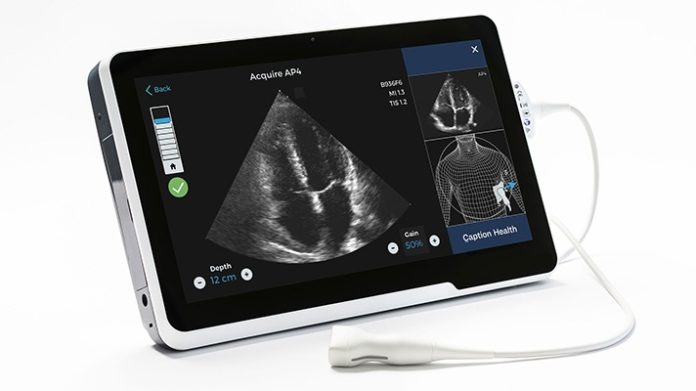
Caption Health and Ultromics, developers of artificial intelligence (AI) to improve cardiac ultrasound diagnostics, announced a strategic partnership to accelerate cardiovascular disease detection and treatment for more patients in more accessible care settings. Together, the companies will jointly offer the Caption AI software platform alongside Ultromics’ EchoGo deep ultrasound analytics.

The vendors said this will allow a broader set of providers the ability to perform ultrasounds and automatically calculate key indicators of heart function, which drive earlier and more accurate disease diagnosis.

Access to proper cardiac healthcare is a global problem, leading to countless preventable deaths. A limited number of specialists are available to perform and analyze cardiac ultrasounds – a key diagnostic procedure for identifying the beginning or progression of heart failure, valve disease, and coronary artery disease.

According to a recent study, 46% of patients in the U.S. diagnosed with heart failure in acute care settings had potential symptoms at primary care clinic visits in the previous six months – these issues were also more prevalent among women and Black patients. Meanwhile in the U.K., the National Health Service announced it is receiving £5.9 billion to clear treatment backlogs and improve diagnostic services, reflecting the great need exacerbated by recent global events.

These AI platforms have hope to change this landscape. Caption Guidance, which received Breakthrough Device Designation from the FDA, is the leading AI acquisition and guidance software for cardiac ultrasound. Ultromics’ EchoGo has dramatically eased the burden on experts by delivering automated analysis of left ventricular volumes, ejection fraction, cardiac strain, and diagnostic support of heart failure and coronary artery disease. This saves significant time for users and improves outcomes by reducing variability between operators and equipment. Now, by linking these platforms, images acquired using Caption AI can be analyzed through Ultromics’ EchoGo platform, making advanced diagnostic capabilities that had been limited to experts in specialty care settings and expanding their access to more doctors and patients in more places. In the new year, these integrated capabilities are expected to be available on the Butterfly iQ+ platform, as part of Butterfly Network Inc. and Caption Health’s strategic partnership.

“More efficiently delivered and robust patient care is a necessity for the healthcare system to really improve. This means empowering the entire care team and making diagnostics a key part of care that’s more accessible to patients,” said Steve Cashman, president and CEO of Caption Health. “With the combination of Ultromics’ enhanced analysis and Caption AI, providers will be able to capture images earlier and get more out of those images, maximizing benefits for patients. Together, we’ll help drive the move to earlier detection and diagnosis of cardiac disease in patients – enabling proper management alongside more cost-efficient and timely care.”

“EchoGo is already delivering to experts an expansive set of fully automated, advanced clinical analysis and diagnostic support modules,” said Ross Upton, founder and CEO of Ultromics. “This joint agreement will carry our platform beyond the walls of the imaging lab, allowing new providers with less experience the ability to perform diagnostic ultrasounds and gain advanced measurements of cardiac function and diagnostic support, for earlier and more accessible detection of cardiovascular disease.”

The partnership between Caption Health and Ultromics aligns well with Butterfly’s ambition to empower clinicians to make easier, better, and more informed clinical decisions by leveraging the power of AI to reduce the complexities burdening traditional ultrasound, said Dr. Todd Fruchterman, president and CEO of Butterfly Network. “The advanced assessment capabilities highlighted by Caption, Ultromics, and Butterfly will strengthen the capabilities of more clinicians, not just sonographers,” he explained.

Altus Inc and Intelligent Locations Announce Partnership

Altus Inc and Intelligent Locations Announce Partnership

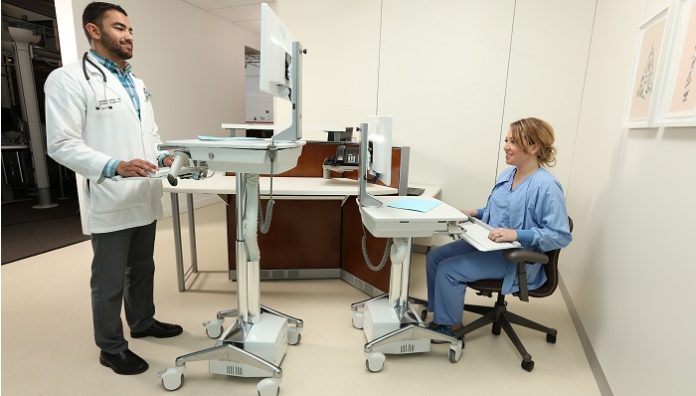
Altus Industries Inc, a west Michigan designer, manufacturer, assembler and marketer of mobile computer workstations for the healthcare industry, announced the strategic partnership with Intelligent Locations to deliver leading asset tracking technology for hospital systems and medical offices.

Intelligent Locations has been delivering a cost-effective, robust RTLS/IoT software to digitize hospital operations and monitor assets since 2015. Combining Bluetooth Low Energy with advanced AI analytics, their INTRAX™ solution is a comprehensive & complete cloud-based solution for asset tracking, patient tracking, staff safety and environmental monitoring. The software is disrupting the healthcare industry by helping hospitals digitize their operations and turn data into actionable intelligence to increase ROI, drive out capital expense & waste, manage equipment utilization rates, optimize workflows, improve the patient experience and unplug the bottlenecks that delay care.

“We were immediately impressed by Intelligent Location’s successful healthcare environment deployments, especially their implementation speed and minimal internal IT department resources required,” said Craig VanderHeide, CEO for Altus. “Both of our organizations have a customer-first foundation, so our partnership is a natural fit.”

Precise room-level location of computer carts is needed more than ever during this unprecedented time of stress experienced by both healthcare systems and clinicians. Altus and Intelligent Locations will be working closely in the coming months to optimize mobile workstation tracking in hospitals, along with continuing to uncover opportunities for the tracking of other mobile equipment such as IV pumps, imaging equipment, crash carts, and more.

“Computer carts and other expensive equipment in hospitals are a major investment for IT departments that can often be misplaced or just difficult to track down,” said Jake Bartnicki, Senior Vice President of Sales for Intelligent Locations. “Altus leads these problem-solving conversations daily with their customer base. We are very excited about entering into this partnership with the Altus team who are also advocates for streamlining hospital operations.”

ABOUT ALTUS, INC.

Altus, Inc. builds durable, ergonomic, and stylish technology workstation solutions to improve the lives of healthcare workers. Since 2001, Altus has studied how real people work to enhance their workflow. Altus technology workstations offer optimized mobility, adjustability, access to patient data, and improved clinician well-being. Altus is based in Walker, Mich. and is one of the only U.S.-based technology workstation companies, with more than 80 percent of its product components manufactured in the United States.

ABOUT INTELLIGENT LOCATIONS

Intelligent Locations provides healthcare organizations with tracking technology and artificial intelligence to digitize hospital operations, drive out waste and optimize processes so providers can succeed in an era of value-based payment, consumer choice and new competition.

Tenet and USPI to Acquire SurgCenter Development and Establish Long-Term Development Partnership

Tenet Healthcare Corporation, and its subsidiary United Surgical Partners International (USPI), announced that they have entered into a definitive agreement with the principals of SurgCenter Development (SCD) to acquire SCD. Under the terms of the agreement, Tenet/USPI will acquire SCD’s ownership interests in 92 ambulatory surgery centers (ASCs) and other related ambulatory support services.

USPI and SCD’s principals will also enter into a five-year partnership and development agreement designed to provide seamless continuity and support for SCD’s facilities and physician partners over the coming years. Going forward, USPI also has the exclusive option to partner with SCD on de novo development projects over the life of the agreement.

The transaction follows USPI’s successful acquisition of 67 SCD centers since 2009.

“We are extremely pleased to announce this transformative transaction and partnership, which builds upon USPI’s position as a premier growth partner and SCD’s track record of developing high-quality centers with leading physicians,” said Saum Sutaria, M.D., CEO of Tenet Healthcare. “By welcoming these centers into our company, USPI will maintain its reach as the largest ambulatory platform for musculoskeletal services, a high-growth service line. We are also creating a pathway for further expansion through a partnership that pairs the expert development and operational capabilities of our two organizations.”

“SurgCenter was founded on a commitment to empower leading physicians by developing highly efficient facilities – for three decades, we have not wavered from that commitment and plan to continue to do the same long into the future,” said Gregory George, M.D., Ph.D., Co-Founder of SCD. “Our relationship with USPI is now well into its second decade. The partnership that we announced today extends that relationship and allows us to continue to support our current physician partners by leveraging the best aspects of both USPI and SCD, while we remain committed to developing de novo centers which put physicians, safety and high-quality care at the center of the patient experience.”

“We are looking forward to adding another portfolio of high-quality, well-established SCD centers, as well as those in various stages of development,” said Brett Brodnax, President and CEO of USPI. “This transaction came together because of our shared commitment to quality, safety and delivering an industry-leading experience for our patients and physicians alike. We are excited to continue our longstanding relationship in partnership with the SCD principals, who have an extremely effective development engine to expand our network of care.”

Acquiring ownership in MSK-focused ASC portfolio

Tenet/USPI will acquire SCD’s ownership interests in 92 ASCs and related ambulatory support services for approximately $1.2 billion. SCD owns a minority interest of approximately 39 percent on average in 86 of the ASCs and a majority interest of approximately 55 percent on average in six of the ASCs. Tenet plans to finance the transaction through the issuance of first-lien secured notes. The transaction is expected to close in the fourth quarter of 2021, subject to customary approvals and closing conditions.

Additionally, in the coming months, USPI plans to offer to acquire a portion of equity interests in the ASCs from physician owners for incremental consideration of up to approximately $250 million. Assuming successful completion of the acquisition of physician interests, Tenet will consolidate the results of the centers in which USPI holds a majority ownership position in its financial statements.

The centers to be acquired are located in 21 states, offering USPI expansion into high-growth regions in Arizona, Florida and Texas; adding density in relatively newer markets in Ohio, Indiana, Wisconsin and Maryland; and providing a scalable entry point in Michigan. The Portfolio includes 65 mature centers, as well as 27 that have either opened within the last year or will start to perform their first cases in 2022.

The case mix of the centers has an attractive distribution among several service lines where USPI has demonstrated expertise, including approximately 80 percent in musculoskeletal care, such as total joint and spine procedures. This complements a robust service offering within USPI’s broader platform in the areas of gastroenterology, ophthalmology, ENT, general surgery and other specialized procedures.

Following the addition of the Portfolio, USPI will have more than 440 facilities in 35 states.

Continuation of relationship with SCD through new ASC development partnership

With the development of more than 200 centers since its formation in 1993, SCD expects to build on that trajectory with de novo ASCs and this new partnership with USPI.

The terms of the transaction include entry into a new development agreement under which USPI will partner with SCD on the future development of a minimum target of at least 50 centers over a period of five years. The development of these new centers will generally be led by the same group of SCD principals responsible for the growth and success of the Portfolio to date. With each center, USPI will have the exclusive option to obtain an immediate ownership position at the time of development with an additional option to purchase SCD’s ownership stake 18 months after the opening of such facilities.

In addition to the partnership between SCD and USPI for future de novo facilities, USPI anticipates continuing to execute additional acquisitions and de novo developments in partnership with physicians and health systems, while consistently delivering attractive organic growth.


Self Care Catalysts & IQVIA Announce a Global Digital Real-world Evidence Platform Agreement

Self Care Catalysts & IQVIA Announce a Global Digital Real-world Evidence Platform Agreement

Self Care Catalysts announced it has partnered with IQVIA to provide a fully customizable Decentralized Clinical Trial (DCT) platform. “We are so pleased to be working with IQVIA as a partner. Working on a global level across all Therapeutic Areas with IQVIA has been a pleasure and we are looking forward to a synergistic approach to Decentralized Clinical Trials especially in the Real World Evidence space, where longitudinal patient-driven data, combined with clinical and medical data supports drug development, market access and most importantly patient care are the premium value we are building” stated Grace Almendras-Castillo, Founder & CEO of Self-Care Catalysts.

About Self Care Catalysts

Self Care Catalysts offers a truly global end-to-end disease agnostic, fully customizable, patient-centric DCT platform. The Self Care Catalysts platform includes the Health Storylines Creator clinical interface, which allows for real-world data collection, patient monitoring, patient engagement, and expanding opportunities for collaboration within and between stakeholder organizations. Capabilities of this platform include complete EMR and third-party data integration as well as seamless device and wearable integration, data management, and full synchronous and asynchronous e-Consent abilities used in regulatory settings in North America and Europe. Self Care Catalysts also offers direct and indirect access to patients for virtual recruiting, configuration-driven App development, and App hosting.

About IQVIA

IQVIA’s investment strategy for accelerating innovation has been to bring together deep scientific expertise and an expanding technology portfolio to disrupt clinical development and real-world evidence generation models through the use of predictive analytic algorithms, artificial intelligence (AI) tools, and integrated technology architecture. The result is a more human, and more humane, approach to research that can now be designed to proactively address common issues from the beginning while also achieving the two critical objectives of maintaining the scientific rigor required to meet regulatory and compliance requirements, and avoiding costly delays.

Translate »