










Close
Digital Health & Ai Innovation summit 2026
Medical Taiwan 2026

Baxter and bioMerieux Announce CE Mark for NEPHROCLEAR CCL14 Test to Predict Persistent Severe Acute Kidney Injury

Baxter International Inc., a global leader in acute care, and bioMérieux, a global leader in in vitro diagnostics, today announced the CE marking of the NEPHROCLEAR™ CCL14 Test. The NEPHROCLEAR™ CCL14 Test is designed to predict persistent severe acute kidney injury (PS-AKI) and can be used to support timely clinical decision-making and care pathways. The companies intend to commercially launch the NEPHROCLEAR™ CCL14 Test in western Europe in 2022.

“Baxter is proud to partner with bioMérieux to offer the NEPHROCLEAR™ CCL14 Test as an important new diagnostic option to support individualized AKI management that gives every patient the greatest opportunity for recovery,” said Reaz Rasul, general manager of Baxter’s Acute Therapies business. “We remain committed to advancing purposeful innovation across the care continuum to help reduce complexity and enable efficiencies in critical care, especially as hospitals continue to feel the impact of the COVID-19 pandemic.”

“This new step in our collaboration with Baxter further strengthens our innovative diagnostics solutions portfolio for the management of AKI,” said Pierre Boulud, chief operating officer, clinical operations, bioMérieux. “True to our public health mission, we bring to the medical community this high-medical-value immunoassay that has the potential to change the current strategy of care for patients suffering from AKI.”

AKI is a sudden decrease in kidney function over a period of hours to days, often as a result of illness, trauma or infection. The sudden loss of kidney function leads to the accumulation of toxins and fluid in the blood that, if left untreated, may lead to death. Baxter recently collaborated with bioMérieux and Premier Applied Sciences® (PAS) to conduct a study assessing the economic and clinical impact of PS-AKI. Data from this study presented at the International Symposium on Intensive Care and Emergency Medicine (ISICEM) showed that PS-AKI (stage 3 AKI lasting ≥ 3 days) is independently associated with a longer length of stay and higher costs during index hospitalization and 30-day follow-up compared to non-persistent AKI. Additional data from this study, presented at the European Society of Intensive Care Medicine (ESICM) LIVES congress, showed that PS-AKI is prevalent among hospitalized adults in the U.S. and is associated with a significantly higher risk of death during hospitalization, as well as readmissions, dialysis and death during 30-day follow-up, compared to patients without PS-AKI.

A consensus statement from the Acute Disease Quality Initiative Consensus Conference underscores the importance of new biomarkers like CCL14 (C–C motif chemokine ligand 14), the biomarker measured by the NEPHROCLEAR™ CCL14 Test, in helping to manage AKI by identifying high-risk patient groups, guiding therapy and improving care pathways.1 Recent studies published in Intensive Care Medicine,2 Critical Care3 and Journal of Thoracic and Cardiovascular Surgery4 suggest that CCL14 is the most predictive biomarker of PS-AKI when compared with other AKI biomarkers, including NGAL, CHI3L1, L-FABP, Cystatin C, Proenkephalin, and KIM-1.

The NEPHROCLEAR™ CCL14 Test provides a reliable and precise measurement to help clinicians assess an individual patient’s risk for developing PS-AKI. The test’s area under the receiver operating characteristic curve (AUC), which is an indicator of the overall accuracy of a diagnostic test, is 0.82, illustrating the CCL14 biomarker’s ability to distinguish patients who will likely develop PS-AKI from those who will not.2, 5 The test results can help clinicians determine personalized treatment approaches for each patient, including level of care and the need for appropriate interventions, based on KDIGO (Kidney Disease Improving Global Outcomes) clinical practice guidelines.3, 5, 6 When test results show a patient is at increased risk for PS-AKI, they may be triaged to a higher level of care to help mitigate potential complications of AKI.

Baxter and bioMérieux previously announced an agreement to develop and distribute this novel AKI biomarker test to assess the risk of PS-AKI and support clinical decision-making in AKI management. Both companies will provide support at the customer site for the NEPHROCLEAR™ CCL14 Test, while bioMérieux retains control over the regulatory approval process and Baxter retains control over the commercialization strategy. Baxter is bioMérieux’s exclusive distributor of the NEPHROCLEAR™ CCL14 Test in Europe and will also be the exclusive distributor in the U.S. pending clearance from the U.S. Food and Drug Administration (FDA).

CE-Marked Intended Purpose/Important Safety Information for the NEPHROCLEAR™ CCL14 Test

The NEPHROCLEAR™ CCL14 Test is an automated immunofluorescence assay for use on the ASTUTE140® Meter for the quantitative measurement of CCL14 (C-C motif chemokine ligand 14) in human urine.

The NEPHROCLEAR™ CCL14 Test is intended to be used in conjunction with clinical evaluation in adult patients who are in the hospital for an acute illness or condition and have moderate or severe (Stage 2 or 3) acute kidney injury (AKI) as an aid in the risk assessment for developing persistent severe AKI (Stage 3 AKI lasting ≥ 72 hours) within 48 hours of patient assessment.

Rx Only. For safe and proper use of the products mentioned herein, please refer to the Operator’s Manual or Instruction for Use.

About Baxter

Every day, millions of patients and caregivers rely on Baxter’s leading portfolio of critical care, nutrition, renal, hospital and surgical products. For 90 years, we’ve been operating at the critical intersection where innovations that save and sustain lives meet the healthcare providers that make it happen. With products, technologies and therapies available in more than 100 countries, Baxter’s employees worldwide are now building upon the company’s rich heritage of medical breakthroughs to advance the next generation of transformative healthcare innovations.

About bioMérieux

Pioneering Diagnostics

A world leader in the field of in vitro diagnostics for over 55 years, bioMérieux is present in 44 countries and serves more than 160 countries with the support of a large network of distributors. In 2020, revenues reached €3.1 billion, with over 90% of international sales (outside of France).
Oak Street Health Acquires Virtual Specialty Care Provider RubiconMD

CVS Health launches first nationwide virtual primary care solution

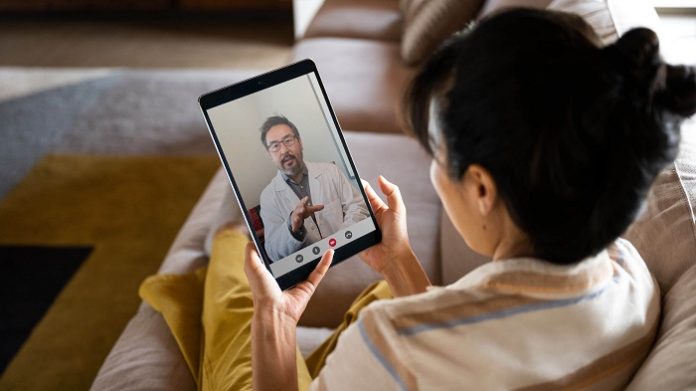
Oak Street Health, Inc., a network of value-based primary care centers for adults on Medicare, today announced it has acquired RubiconMD, the leading technology platform providing access to specialist expertise. The deal enables Oak Street Health to integrate virtual specialty care into its existing care model, which significantly streamlines the referral process and better manages costs, enhances patient experience, and provides comprehensive care far beyond traditional primary care.

RubiconMD’s specialist network of over 230 specialists covers all major specialties, including Cardiology, Nephrology and Pulmonology. RubiconMD provides clinical insights from specialists on specific patient cases, enabling primary care providers to directly manage and coordinate more of a patient’s care needs.

“Oak Street Health is on a mission to rebuild healthcare as it should be, which we are doing by focusing on preventive care and driving more resources into the primary care setting,” said Mike Pykosz, Chief Executive Officer of Oak Street Health. “Like traditional primary care, specialty care is broken for older adults, but together with RubiconMD, we can rebuild it into a model that meets patient needs. Integrating and virtualizing specialty care into Oak Street Health’s innovative model enables us to improve access, experience and coordination for patients while substantially lowering costs. RubiconMD’s technology platform and national footprint allows us to scale the model across our current and future markets to further our mission.”

“Carlos Reines and I founded RubiconMD to democratize medical expertise so that primary care providers can offer all patients the care they deserve, and we are thrilled for this next step with Oak Street Health,” said Gil Addo, co-founder and Chief Executive Officer of RubiconMD. “We share similar cultures and values, as well as a commitment to delivering high-quality patient care and lowering costs, and we look forward to continuing to innovate together.”

Kirkland & Ellis LLP acted as legal counsel to Oak Street Health, Inc. Gunderson Dettmer Stough Villeneuve Franklin & Hachigian, LLP acted as legal counsel and Cantor Fitzgerald & Co. acted as exclusive financial advisor to RubiconMD in connection with the transaction.

Kindred Healthcare and El Camino Health Announce Plans for Inpatient Rehabilitation Hospital

Kindred Healthcare and El Camino Health Announce Plans for Inpatient Rehabilitation Hospital

Kindred Healthcare, LLC announced that it has signed a definitive agreement with El Camino Health to create a joint venture to construct and operate a 52-bed inpatient rehabilitation hospital in Sunnyvale, California, a city in northwest Santa Clara County. The parties have identified a potential site and are working to finalize the details.

“With the continued growth in the area, there is an increased need for local access to inpatient rehabilitation services, especially for patients who have suffered a traumatic illness and injury, which makes travel difficult,” said Dan Woods, chief executive officer of El Camino Health. “This joint venture with Kindred provides Santa Clara County and the surrounding areas local access to high-quality, innovative, and cost-effective inpatient rehab services close to home.”

The new inpatient rehabilitation hospital will provide care for adult patients in Santa Clara County and the greater San Jose / Silicon Valley area with impairments including those resulting from a traumatic medical situation such as stroke or orthopedic injury, and deconditioning after surgery or illness.

Long Time Coming
For 11 years, El Camino Health and Kindred have worked together in providing acute rehabilitation at El Camino Health’s Los Gatos hospital campus to help patients recover and rejoin the community after traumatic illness or injury. Both organizations have shared the vision of expanding access to high-quality inpatient rehab care in cost-effective ways which led to the plans for the new joint venture.

Kindred will manage the day-to-day operations of the new rehabilitation hospital. A board of directors with representatives from both entities will provide oversight.

“For more than a decade, the dedicated professionals of both El Camino and Kindred have provided outstanding rehabilitative care to El Camino Health’s patients and thanks to their proven success in improving health outcomes, we are excited to expand our relationship with El Camino Health,” said Russ Bailey, president, Kindred Rehabilitation Services. “Through this new joint venture partnership we are confident that Kindred’s experience operating freestanding inpatient rehabilitation hospitals ­– in collaboration with the highly regarded patient care services that El Camino Health provides – will improve the community’s access to high-quality, post-acute care.”

Facility Design
The 70,000-square-foot standalone rehabilitation hospital will feature private rooms and bathrooms, with designated wings for patients with orthopedic issues and stroke and other neurological conditions. The main therapy suite will be located on the first floor, complete with a therapy gym, rooms for multiple therapy protocols, private therapy rooms, cooking therapy room, and an “Activities of Daily Living” therapy suite. Additional therapy rooms will be located on the second floor for convenient access to therapy for the entire patient population. The all-private-room facility configuration will allow space for the patients’ privacy, comfort and treatment needs. The room design will enable nurses and therapists sufficient space for treatment and equipment while also providing space for the patient’s family to be present. Rooms are designed to optimally meet the needs of each patient and enhance their quality of care.

The design has been implemented at several Kindred rehabilitation hospitals throughout the country with significant success in enhancing patient outcomes and improving their quality of life and opportunity to return home or to a lower level of care after treatment.

Understanding the Importance of MSLs In Clinical Studies

The disparity between the knowledge handled by researchers of new drugs and that possessed by stakeholders in local regulatory agencies continues to widen in the modern pharmaceutical industry.

The importance of Medical Science Liaisons (MSL) in addressing in bridging the above-mentioned gap cannot be underrated, and sponsors and CROs are actively recruiting such talents. The roles and significance of MSLs continue to expand as the need for their services surges.

The function of a Medical Science Liaison

As therapeutic experts, MSLs help communicate complex scientific knowledge to other medical professionals to accomplish the R&D process. Not only have the MSLs begun to convey drug-based scientific outcomes to the public, but also engage the regulatory officials productively. Also, they participate in the hiring of key opinion leaders (KOLs). Thus, MSLs link clinicians, R&D, and the marketing team.

Strength of a successful Medical Science Liaison

Technical and interpersonal skills are key attributes that underpin the functions of an MSL. They work with various experts daily, who have different depths and breadth of knowledge in their specialties.

MSLs liaise with other professionals and patient advocacy groups, collecting invaluable information for future business. In doing so, their demand is skyrocketing.

Role of a Medical Science Liaison

MSL’s functions are often customer-oriented and may traverse the following areas:

  • Engage with KOLs, and facilitate their participation in corporate medical activities
  • Help the marketing team in positioning the product within the research community.
  • Disseminate information about a new development within the medical community
  • Offer scientific and medical education to key stakeholders
  • Facilitate local HTA process to increase patients’ access to drugs after launch.2

Medical Science Liaisons During the Product Development Lifecycle

MSLs often liaise with regulatory bodies to retrieve essential scientific information; thus, they have been considered part of the post-clinical trial phase. However, MSL can provide valuable insights during the drug development cycle and may be essential in formulating a comprehensive medical strategy.

Early Research and Development

MSL can influence the KOLs’ interest in the future product before the onset of a clinical trial. They can convey valuable production information, such as the anticipated strengths and the mode of action. Such an initiative can help the MSL collect essential data for strategic planning and the response of patients/clinicians towards the new product.

MSL can be essential in three stages of a product development cycle.

They can uphold the pre-established relationships with KOLs and collaborate to enhance their grasp of the product. Moreover, they can bridge any existing pre-launch information gap.

MSL can share vital information with the KOLs at the launch stage, including the dosages and indications of the drug. Being part of the medical planning stage helps steer the drug to market success.

Lastly, MSL plays a critical role in the implementation of investigator-led research plans during the post-launch stage. Here, they can create product awareness and inform the public about the related publications.

Advantages of an MSL in Clinical Trial Process

Although MSLs may be expensive and sponsors prefer to operate within their budget, such staff present enormous benefits to the clinical trial process. Some of the advantages include strategic flexibility through timely deployment of medical resources and increasing overall public effect. They are receptive to new ideas and prioritize a firm’s core portfolio.

MSLs can also be important in marketing the product; thus, ensuring efficient resource use. They reinforce the operations of medical affairs by adapting to the shifting market conditions. MSLs can create a significant impact on the functions of a firm and subsequent marketing of the drug.

Lastly, MSLs can enforce compliance with the relevant legislations due to their broad knowledge. There is a need for all the staff to understand their roles and collaborate to register optimum results.

The Role of Dokumeds

Dokumeds has enormous experience in clinical operations services and provides quality services irrespective of the treatment niche. We take pride in clinical operations staff with broad knowledge and experience in clinical trial design. Therefore, Dokumeds will help you manage your clinical operations in a professional way. Indeed, we help you select the most suitable MSLs, tailor services to your needs, and choose the best model for optimum results. Outsource your clinical operations with us as your ultimate trusting partner.

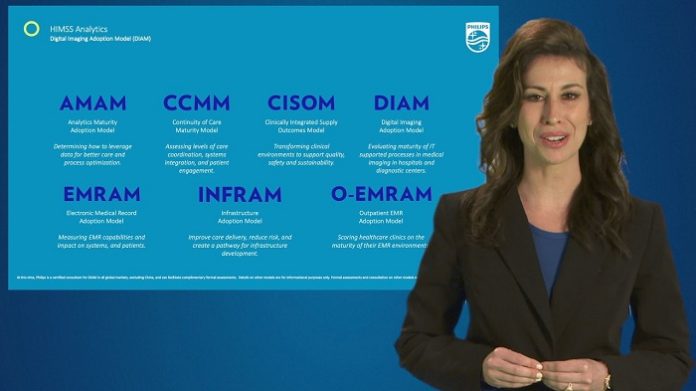
Philips: HIMSS Analytics Digital Imaging Adoption Model (DIAM)

DIAM: A strategic roadmap to digital imaging maturity

DIAM, and other HIMSS Analytics Maturity Model frameworks were built to assist organizations around the globe to efficiently and effectively adopt and get the most out of their technology. To guide organizations along the way, HIMSS Analytics Certified Organizations have been professionally trained on the maturity model(s) and are able to effectively educate and guide you as you progress through the maturity model stages.

Philips is a certified organization for the HIMSS Analytics DIAM

DIAM provides specific guidance and orientation for IT-related challenges in medical imaging, and an excellent tool to measure the healthcare system’s progress in adopting technology for medical imaging. Philips is the first major imaging informatics provider certified by HIMSS Analytics to support you in achieving your DIAM goals.

Watch a 2-minute demo of HIMSS Analytics: DIAM, and learn how Philips can help you begin an individualized DIAM assessment.


Healthcare informatics – Illuminate a new path through the care continuum


Learn how Philips helps healthcare IT leaders bring to life their vision of precision care.
For more information, Click Here

Data Discussions: Is the National Practitioner Data Bank Real?

Data Discussions: Is the National Practitioner Data Bank Real?

Hiring high-quality medical professionals can be a daunting task. How do you know if this person was driven out of another state? Background checks and references only tell a small part of the story.

You’ve heard rumors of a National Practitioner Data Bank that can help organizations make hiring decisions. Is such a database real?

The data bank is real and available to practitioners as well as medical organizations. This guide will give you an overview of the data bank and how it is used.

What Is the National Practitioner Data Bank?

Congress established the National Practitioner Data Bank (“the NPDB”) in 1986. It currently operates as a web-based tool and is intended to protect the health of the public.

The NPDB collects information on medical malpractice payments. You can also find information about adverse actions taken against medical professionals.

The creators of the NPDB intended to provide a way to flag incompetence. The hope was that it would reduce fraud and abuse, by preventing people from jumping state lines if they could no longer practice in one place. This meant that the quality of healthcare would improve.

The national practitioner data is only available to practitioners and organizations. The general public cannot search the data bank.

Issues With the NPDB

The collection of this data comes with problems. At the first glance of the statistics, it seems that most malpractice occurs in a small portion of practitioners. But this might not be accurate.

Medical malpractice payments do not indicate a doctor’s competence. In fact, many lawsuits seem to be linked to the quality of a provider’s bedside manner.

Additionally, there are many doctors that would never appear in the NPDB. Federally employed doctors, researchers, and professionals shielded by hospitals may never be reported, even if they behave negligently.

Even with the NPDB, only 2% of matched reports influenced hospital decisions. Professionals who appear in the NPDB do have the option to respond to their report, but the process does take time and could damage their practice in the meantime.

Despite these problems, a repository of information like the NPDB is important to ensure that hospitals and organizations make good hiring decisions. One alternative option is the MedProID® practitioner database. This database focuses on the licensing status of professionals.

Rather than relying on flawed information about malpractice payouts, you can find out whether a provider’s license has been suspended. You can also find out if a state took action against the license. The database also includes information about veterinarians, dentists, and more.

While the NPDB can offer valuable information about a provider, it is worth exploring other options.

Get Information You Can Trust

The U.S. government created the National Practitioner Data Bank as a way to protect its citizens. However, it is not a perfect system and should not be the only tool used when making hiring decisions. Other data banks may have better information for your organization.

Be sure to check out our articles for more advice on managing your healthcare facility.

With All the Snoring Solutions on the Market, Which One Should You Choose?

With All the Snoring Solutions on the Market, Which One Should You Choose?

You find yourself waking up tired and cranky for no good reason. You become irritable with your loved ones and snap at them for merely asking if you’re okay. When someone does ask what’s wrong, all you can say is that you yawn throughout the night and wake up feeling exhausted. What they don’t know is that you were not only wide awake but also miserable because of your snoring bedmate! You need a solution to this problem, and fast! Luckily, new technology means there are now more options than ever before for those who want a peaceful sleep again. Here are some of the most popular products on the market.

SnoreMender

SnoreMender is a snoring mouthpiece that is different from all the others in that it doesn’t go in your mouth but instead wraps around your chin. It works by holding the lower jaw in place and pulling forward to keep your airway open. What’s great about this product is that many of its users report that it’s more comfortable than traditional mouthpieces because there isn’t anything inside their mouths and it doesn’t require any molding. The only downside is that, like every other snoring solution on the market, you can still hear yourself snore while using it. In fact, there are numerous products to stop snoring available online to help you. This might not be such a big deal if you’re the one who’s suffering from apnea; but if your partner is, they might want to think twice before purchasing this particular snoring mouthpiece.

Snore No More

Snore No More is another popular anti-snoring solution that works in the same way as SnoreMender; but instead of simply holding your lower jaw forward, it has two straps that attach to either side of your headboard, so both arms are forced upwards. While many people prefer this design because they say it makes them feel more secure than other solutions. One consumer said she “felt like she was being choked” every time her husband moved while wearing one of these devices. Others complain about how tight they are and how difficult it can be to get them to fit properly. While it might be more effective than SnoreMender, many users report that they still managed to sleep through the night while using this product. Though its official price hasn’t been released to the public, some customers have mentioned receiving it for free with their purchase of a new bed.

Zyppah RX

Zyppah RX is a revolutionary new anti-snoring device that combines 3 powerful ingredients into one, affordable solution to stop snoring: zinc, natural herbal oils, and thermo-gel. The makers claim it to be the first snore solution that reduces both snoring and jaw clenching. This multi-award-winning product is commonly found in dentists’ offices, but you can purchase it directly online. The retail price is $84.95 (plus shipping), however, they offer a buy one, get one free deal here that makes each of these fantastic products just $44.98 each!

Slim Sleep

Snoring generally becomes worse as people age, yet many individuals continue to avoid treatment for fear of embarrassment or simply because they believe there are no solutions available. Well, look again! The SlimSleep is an FDA-cleared anti-snoring device that was developed by Dr. Nir Maimon MSc DMD  to help people overcome snoring safely and effectively. Good Morning Snore Solution is a comfortable plastic device that fits inside your mouth and holds the lower jaw slightly forward while you sleep, just like The SnoreDoc does. However, unlike The SnoreDoc, there’s no bulky piece you have to hold between your teeth, so it’s very discreet and doesn’t alter the fit of your dentures! Best of all, this product has been proven effective in a clinical study! You can order yours for just $39.95, which makes it the cheapest solution of all those I’ve recommended.

ZQuiet

ZQuiet is another anti-snoring mouthpiece that works by holding the jaw forward to keep the tongue from slipping back and blocking the throat. It’s fitted with an occlusal guard on top to protect against tooth damage as well, making it one of the best on the market today. Consumers have described this product as “comfortable” and provide great feedback overall about its performance over time. SnoreRX is also a sleek, compact mouthpiece that fits any size of mouth comfortably while gently holding the lower jaw forward to open up the airway and provide you with a quiet night’s sleep. Due to its unique design, this snoring solution has been called “revolutionary” by users who are thrilled with their improved sleeping experience after trying it!

No matter which snoring solution you choose, all of these products are sure to give you a restful night’s sleep. But no matter what mouthpiece you end up buying, be sure to consult your doctor first to make sure they’re right for your situation. You can also surf the net for more reviews on each of these products to find what others are saying about them. Good luck on your journey to stop snoring!

Scalp Micropigmentation: Illusion of Hair

Scalp Micropigmentation: Illusion of Hair

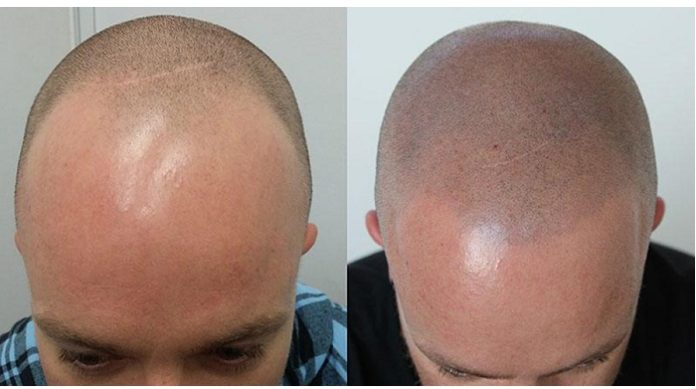
Scalp micropigmentation (SMP), informally known as a hair tattoo, is a non-surgical alternative to hair transplant surgery. It is not exactly like a tattoo, though. In scalp micropigmentation, the practitioner makes sure to prepare the pigment in a way that matches the existing hair colour. This tattoo doesn’t get discoloured, unlike traditional tattoos taking on blue/green hues. It is meant to be a permanent solution for those who’re suffering from hair loss problems.

In an SMP procedure, the practitioner adjusts the angles and depth of the needle differently across different areas of the scalp (like whorls on the head) to mimic the appearance of the “black dots” of natural hair follicles. But that’s exactly what you’ll end up with. Scalp micropigmentation on the entire scalp gives the appearance of a fresh buzzcut. However, let’s find out what it is exactly and who can benefit from it.

What Is Scalp Micropigmentation?

In scalp micropigmentation, the practitioner begins by taking a pigment and mixing different solutions into it to prepare a shade that matches your skin tone and hair colour. This is filled up in a medical-grade tattoo machine and then injected into the uppermost layer of the dermis, about 1-2mm deep.

Usually, the treatment requires three sessions. It may be more depending on the size of the balding region. First, the practitioner will spread the microdots in the balding regions, with spaces in between (so that there’s no risk of tattoo blowout). You then return for your second appointment a week after the first one, and the spaces in between are filled out. A month after the last session takes place, which basically involves making final touches to the scalp.

Of course, during the recovery process, you have to make sure that you’re following the washing instructions. Importantly, you need to keep in mind that direct, prolonged exposure to the sun can result in the fading of the pigment. So, make sure to wear a hat when going out and apply sunscreen that’s at least SPF 30.

When Do I Make A Good Candidate for Scalp Micropigmentation?

There are more than a few instances in which you’re recommended this procedure.

You Cannot Have A Hair Transplant

To perform a successful hair transplant surgery, you need to have a high hair density on the sides and back of the scalp (above the nape). If you don’t have sufficient hair in this “donor” area, the surgeon cannot extract hair. If s/he does so, you’ll end up with permanent bald patches on the sides/back. In addition to that, you won’t have proper scalp coverage. So, in this case, you may be advised against hair transplant surgery, however scalp micropigmentation can help.

Of course, there are two ways to go about it. You either shave your scalp completely or get the SMP procedure for the whole scalp or if you have enough hair in the balding region, you can camouflage the scalp that’s showing through by filling it with the SMP pigment. In any case, it is a suitable alternative for individuals who cannot get hair restoration surgery.

You Have An Overall Low Hair Density

This can happen to women who’re experiencing diffuse hair loss due to androgenetic alopecia. They can’t get a hair transplant because they don’t have a stable donor area. However, they’re losing density all over the scalp, even if they aren’t going bald completely. In that case, they can get scalp micropigmentation.

Other than that, males who have low hair density can give the illusion of thicker hair through this procedure. Scalp micropigmentation can also be done after a hair transplant surgery to improve the results.

You Have Surgical Scars

A lot of people choose to get a scalp micropigmentation procedure just because it can hide scars on their scalp. Before the follicular unit extraction (FUE) hair transplant technique became popular and more common, follicular unit transplant (FUT) was the norm. Its results were more natural-looking, but it left a prominent scar at the back, from where a strip of skin was removed for extracting individual follicles of hair. Hair may not grow out of the surgical scars, so it is left noticeably exposed. A scalp micropigmentation can fill it up to give the illusion of hair.

An SMP procedure can also hide surgical scars from a facelift. In this, the surgeon makes incisions along the hairline and the temple. And a patient may not have any hair growth in the sideburns and in front of the hairline after the surgery. In this case, too, they can get scalp micropigmentation.

You Want Quicker Results

With a hair transplant, you have to wait for 3-4 months before starting to see any hair growth. You may have to wait for 1-2 years to see the final results. An SMP procedure will give you results immediately (after the second session). So, if you have a big event coming up pretty soon, you can consider temporarily getting this treatment to fill out any bald spots. You can get hair transplant surgery after an SMP procedure, so you can get the surgery in your own time.

Are the Results from SMP Natural-Looking?

A good practitioner will do their best to achieve natural-looking results. The technique and the preparation of the pigment can make or break the results of this treatment. If done well, you can get natural-looking results. The microdots will look like your natural hair follicles; no one will be able to differentiate them from your actual follicles. However, you need to have realistic expectations from the treatment since it is not a hair transplant surgery. If you’re getting SMP on the entire scalp, you’ll have to shave any hair that grows out.

Conclusion

If you’re unable to have a hair transplant, struggle with low hair density or want to hide surgical scars on the scalp, you can consider getting a scalp micropigmentation procedure. The inked microdots are meant to look like your natural follicles with the same colour as them so that you don’t have anything to worry about.

Plastic Surgery: Common Misconceptions

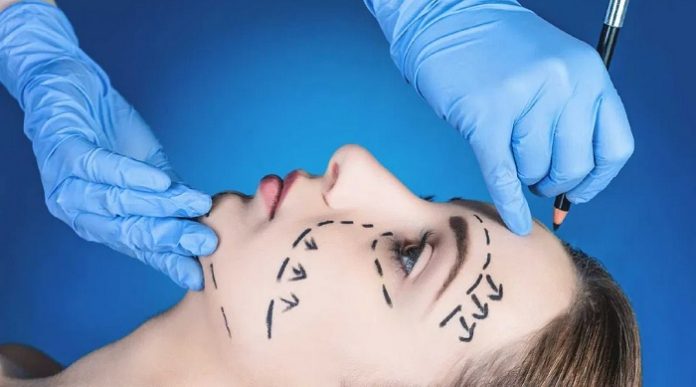
Plastic surgery is more popular now than it has ever been before and much of this has come about as a result of breaking the taboos which used to exist. With this being said however there are still a great number of misconceptions about plastic surgery which we are going to look to dispel today. Clinics like Absolute Cosmetic Medicine Albany are always being asked questions from patients which are based in these misconceptions and myths which exist around a number of plastic surgery treatments. If this is something which you have considered but aren’t sure about, here is the truth and what you should know about plastic surgery.

Vanity project

One of the most common misconceptions when it comes to plastic surgery is that this is nothing more than a vanity move. The reality is that there are certainly some people who get plastic surgery for vanity reasons, but these are very much in the minority. Most people who get these procedures do so because they have a certain issue with how their body looks and they wish to improve themselves, for themselves only. Getting surgery to fit in with a latest fashion trend or to look better for others is certainly a wrong move.

Rich Only

Many years ago it was true that the only people who could afford the high costs of plastic surgery were the rich. This however is no longer the case and these procedures are lower in cost and more accessible than they have ever been before. The increased popularity of plastic surgery procedures has created more supply and that has helped to bring costs down greatly. Additionally we have faster and better techniques than ever before which has further contributed to lower costs.

Danger, Danger

The reason why we have the myth about plastic surgery being dangerous is that magazines used to love to jump on these stories where people had ops that went wrong. In most cases however they were carried out by untrained people or in some cases they were DIY procedures, which are incredibly unsafe. The reality of cosmetic surgery however is that this is very safe and heavily regulated to ensure that it stays that way. Surgeons will manage expectations of the patient before they proceed, and the risks involved are no higher than in any other type of surgery.

Women Only

Whilst women do certainly make up the largest percentage of clients for plastic surgery, this is not something that is exclusively for females. In fact there are a number of treatments which men can receive in order to fix issues or change their appearance. Increasingly we are seeing men look to go for rhinoplasty, facelifts and even skin removal following weight loss. If you are a man then it is important that you do not feel excluded here, because these procedures are every bit as available to you as they are anyone else.

If you have any further questions about plastic surgery don’t hesitate to get in touch.

Top Ways To Boost Human Growth Hormone Levels

Top Ways To Boost Human Growth Hormone Levels

Human growth hormone (HGH) is naturally produced in the body and stimulates cell reproduction and regeneration. As we age, however, our body produces less and less of this vital hormone, which can lead to multiple signs of aging such as wrinkles and decreased muscle mass. Boosting HGH levels naturally has quickly become a popular pursuit for those who want to look and feel younger without resorting to expensive synthetic hormones or prescription drugs. This article will discuss how you can boost your own HGH levels naturally through dietary changes, exercise routines, and supplements.

Hormonal Injections

Human growth hormone is produced in the pituitary gland and regulates cellular metabolism throughout the body. While side effects of HGH injections which are illegal without a prescription can be dangerous, they may offer short-term benefits for young adults who suffer from growth disorders or want to treat aging skin. HGH injections can help increase muscle mass, reduce wrinkles, improve energy levels, enhance memory function, and slow down the aging process by improving sleep quality. According to research, it’s clinically safe to administer synthetic growth hormones like Humatrope through HGH Service for patients who need it. There are few synthetic human growth hormones that can help increase muscle mass, reduce wrinkles, improve energy levels, enhance memory function, slow down the aging process by improving sleep quality, and make skin look younger. However, only short-term effects have been studied on this form of treatment because it has not been approved for long-term use due to certain safety concerns.

HGH Supplements

Smaller companies have begun selling synthetic human growth hormone supplements that mimic natural HGH, which can potentially help improve sleep patterns and increase energy levels. While these products do not require a prescription, it is important to note that they may cause dependency issues after long-term use. Even though many of these supplements are advertised as “testosterone enhancers,” men in their 20s with healthy hormone levels should avoid using them in order to prevent possible health issues later in life. Because the FDA does not regulate herbal supplements, some manufacturers have been known to include different types of medication that can be dangerous when taken outside the suggested dosage range so always consult a doctor before taking any type of supplement.

Exercise

Physical activity is one of the easiest ways to stimulate HGH levels naturally. Exercising for at least 30 minutes a day can help burn fat, build muscle tissue, improve body tone, slow down bone loss, and boost energy levels. Resistance training is especially effective at stimulating human growth hormone release because it causes many micro-tears in muscle fibers that are then healed by the body which makes them stronger. Moderate intensity exercises like running or elliptical workouts can also increase HGH levels but are less effective than resistance training routines. Yoga has also been shown to increase HGH through consistent practice while low-impact activities like swimming do not boost natural secretion nearly as much.

Proper Nutrition

Decreasing sugar intake can increase HGH by up to 400% within two hours after ingestion. A diet high in lean proteins that mimic Human Growth Factor 1 can also help increase muscle mass, reduce wrinkles, improve energy levels, enhance memory function, slow down the aging process by improving sleep quality and make skin look younger. Consuming foods rich in zinc like chicken liver, beef tenderloin, shrimp, crab meat, pork loin, and lentils can also help increase HGH levels naturally by up to 100%.

Relaxation

Relaxing activities like deep breathing, meditation, yoga, or tai chi may be able to decrease stress which in turn reduces the risk of heart disease and obesity. Stress can also lead to reduced cognitive function, poor memory recall, decreased mental sharpness, anxiety disorders, depression symptoms, blood sugar problems, high cholesterol levels, low libido levels, fatigue both mentally and physically, increased cortisol production, (cortisol is a metabolic hormone that breaks down protein for energy use), an imbalance in the hypothalamic-pituitary axis that causes decreased secretion of growth hormone, and insomnia or sleep disturbances. Regular practice of these activities can also help reduce blood pressure, heart rate, cholesterol levels, stress levels, anxiety, depression symptoms, body fat levels, libido problems, cortisol production disorders, chronic fatigue problems, metabolism imbalances during the nighttime hours when HGH is usually released for repair and healing purposes.

Healthy Lifestyle

Your overall lifestyle can have a huge impact on HGH secretion. Sleeping well for at least 6 to 8 hours every night will keep your body in an optimal state for natural rejuvenation. Consuming less caffeine may help prevent insulin resistance which causes lower energy release after eating sugary foods that would normally boost hormones naturally if your blood sugar levels are normal. Drinking alcohol in moderation can also help reduce cortisol production during the evening time hours when HGH is usually released.

Stimulating healthy levels of Human Growth Hormone naturally by exercising, eating smart, and leading a stress-free lifestyle can greatly improve your overall quality of life if you are suffering from ailments that may be attributed to low or decreased levels of this vital metabolic hormone. Remember that it’s never too late to start changing old habits into healthier ones as a minimum 30-minute daily workout with a balanced diet rich in proteins and essential fats will surely improve body composition and promote weight loss if necessary!

Translate »