









Close
Digital Health & Ai Innovation summit 2026
Medical Taiwan 2026

Supplements Are An Expensive Necessity: Use Discount Codes To Improve Your Health

We all know that supplements are expensive. They’re not the type of thing you can just buy on a whim, but they are necessary for good health. If you want to save money and improve your health at the same time, then what you need is discount codes! This blog post will teach you how to use them so that you can spend less without sacrificing quality.

Use A Supplement Discount Code

When you are buying expensive supplements, it can be so easy to just give up on taking them. Whether this is because there isnโ€™t the money or time available in your day for them, they arenโ€™t effective enough and you donโ€™t feel like it, there are many reasons why people stop using their supplement programs. This means that instead of getting all the health benefits promised by these products, you might not get any at all! One way around this problem is to find a supplement discount code like the muscle nation discount code that will make supplements more affordable for you. Then if they still seem too costly or difficult to fit into your schedule go back looking for more deals.

There are many companies out there that offer these kinds of codes, and it is worth the time to investigate which ones they are before you start spending money on supplements in an attempt to improve your health. Most supplement discount code websites will be able to tell you what products their coupon works with; this means that if you want a particular product then you can find out whether or not the company offers any kind of deal for it. It might even be possible to get multiple discounts by using various manufacturersโ€™ coupons! This way, every time you need another type of nutritional help from one brand or another, there should always be some savings available for buying them through the right supplier – don’t forget that discount codes exist!

Donโ€™t Be Afraid To Look Around

Some of these supplement discount coupons are limited to one manufacturer. This means that you might find a coupon code for your favorite brand, but then there wonโ€™t be any savings on other brands or types of supplements that you use. The best way around this problem is just to look everywhere! If the company doesn’t offer anything in particular for what it is you need, try another supplier and see if they have any vouchers – remember, every dollar counts when trying to make up for all those expensive health products out there! And bear in mind that while shopping online can take some time, many companies will also give discounts over the phone too so donโ€™t feel like you always have to do it all from your computer.

If you canโ€™t find one that works then just keep looking! It might seem like these types of deals are rare or hard to come by but they aren’t as uncommon as many people think – and there could even be some right under your nose without you knowing about them! So donโ€™t be afraid to spend hours talking on the phone with customer service representatives, checking online forums, doing research into other companies that offer discounts, asking friends whether anyone knows anything useful.

Use Coupons To Make Your Supplements Cheaper

When you are buying expensive supplements, it can be so easy to just give up on taking them. Whether this is because there isnโ€™t the money or time available in your day for them, they arenโ€™t effective enough and you donโ€™t feel like it, there are many reasons why people stop using their supplement programs. This means that instead of getting all the health benefits promised by these products, you might not get any at all! One way around this problem is to find a coupon code that will make supplements more affordable for you. Then if they still seem too costly or difficult to fit into your schedule go back looking for more deals.

Tost supplement coupon websites will be able to tell you what products their voucher works with, this means that if you want a particular product then you can find out whether or not the company offers any kind of deal for it. It might even be possible to get multiple discounts by using various manufacturersโ€™ vouchers!

Many Supplements Can Help

People have been using nutritional supplements for thousands of years. It is thought that the first humans to use them were those who hunted and gathered their food as a way of helping themselves survive more easily in their environment! Of course today we can buy these types of products from companies that will deliver them right to our door but there are still many benefits to be had by taking advantage of discounts on supplements wherever you can find them. This applies no matter what your age or health situation is – whether you need help with stress management, improving your immune system, having stronger bones, reducing anxiety, depression, or insomnia, managing diabetes better. building muscle mass – there are so many different kinds of supplements that can help you to feel better and live a happier life.

The most important reason why it is best to use discount codes when shopping for supplements online is that you can get your hands on the products that will help with improving your health without having to spend too much money. Scour through all of these supplement-specific deals and discounts, because they could allow you to make considerable savings if applied correctly.


The Importance Of Having Field Hospitals Today

The Importance Of Having Field Hospitals Today

Hospitals are medical institutions that treat a wide range of mild and severe diseases, illnesses, and bodily function concerns. They also provide therapeutic care, sickness prevention information, and promote the overall well-being of people.

The rise of the coronavirus pandemic has heightened the importance of healthcare and changed the way hospitals are run. Governments worldwide are turning to a military-style field hospital setting to help medical institutions deal with the inflow of COVID-19 patients. These improvised infirmaries may be seen in several locations, including stadiums, open areas around prominent institutions, and parking lots.

What Is A Field Hospital?

A field hospital is a temporary or mobile medical unit that treats casualties on the spot until they can be safely moved to more permanent health centers. This concept, which originated from military medicine, has been expanded to disasters and other emergencies (for example, the Mobile Army Surgical Hospital, or MASH). It has a medical team equipped with mobile medical equipment and, in contemporary times, a large shelter that can be quickly installed near the source of casualties.

In a city, the field hospital is usually located in a prominent and easily accessible structure. The mobile medical equipment is frequently placed in a standardized container in the case of an airborne building, and the container is then utilized as shelter. A field hospital is more significant than a temporary aid station but less extensive than a permanent military hospital.

There are three kinds of field hospitals that are commonly used today, these are:

  1. Internal Care Units (ICU) for Patients with Severe Cases of Covid-19

In some locations, the ability to swiftly develop extra critical care capacity has been significant. Especially in the first and most impacted areas, there was little time to prepare, and ICU capacity was soon exceeded (or expected). For example, the military field hospital in Mulhouse, France, and the Fiera Hospital in Milan, Italy, have helped ensure patients receive the treatment they require.

  1. Post-Covid Patient Shelters

These institutions are for Covid-19 patients who no longer require critical care but are unable to return home. These facilities are more adaptable than hospitals intended to offer urgent care. They help avoid some ICU field hospitals problems, like higher staff needs and risk transfers. They also aid in the alleviation of discharge bottlenecks, allowing current hospitals to free up space.

  1. Quarantine Facilities

It was first done in China, where hospitals have isolated all mild to moderate cases of Covid-19 in separate facilities. It helps to distinguish those individuals who tested positive from those who didnโ€™t. If patientsโ€™ health worsened, the facilities employed regular monitoring and quick referral processes to move them to existing hospitals.

How Does It Work?

To monitor the health of COVID-19 patients and assess those who are showing symptoms of the virus, field hospitals are set up in specific locations near hospitals. Theyโ€™re outdoor structures similar to tents that provide extra space for patients and hospital staff. Most of the time, theyโ€™re set up to give space for healthcare units such as:

  • Operating rooms
  • Prep units
  • Admissions or triage rooms
  • Patient wards
  • Laboratories
  • Pharmacies
  • CT scan and radiology units
  • Sterilization Unit
  • Emergency rooms

The primary characteristic of these buildings is to provide quick deployment and urgent medical treatment for medical, private organizations, and the military. However, the quality of care varies depending on the role.

Benefits Of Field Hospitals Today

Field hospitals are life-saving innovations that have increased importance, especially today. They have helped healthcare providers in many ways, including:

  • Providing Fast and Proper Patient Isolation

    Field hospitals can easily set partitions that can be used in healthcare systems to separate patients with coronavirus and prevent the virus from spreading to healthy people and front-line medical personnel. It can also be set up within time, an excellent asset for the increased number of individuals who require medical attention.

  • Giving Additional Space for Patients and Healthcare Providers.

    They provide additional field space to hospitals currently overwhelmed with coronavirus patients, allowing them to avoid overcrowding. It also permits the medical institution to recruit more staff to deal with the COVID-19 outbreak more effectively. It can also add additional space for medical equipment like stethoscopes, syringes, microscopes, and personal protective equipment (PPE). Since healthcare providers may sometimes do longer working hours, it can give them quiet rooms for their lunch and nap breaks.

  • Helps Maintain the High Standards of Medical Care for Patients.

    With the ongoing fight against the COVID-19 virus, field hospitals provide an excellent support experience for suffering and recovering patients. Itโ€™s crucial as it allows them to get similar medical treatment with those admitted to permanent medical institutions. Itโ€™s also a big help for rural areas without large hospitals, as patient isolation can take up larger spaces.

The Takeaway

Field hospitals are essential structures for the โ€˜new normalโ€™ of society after the onset of the coronavirus. It plays a vital role in patient and staff housing, medical care units, isolation units, etc. The availability of easy-to-set-up buildings can be crucial as far-flung areas would need access to proper medical care. Overall, the existence of field hospitals has been essential towards providing universal healthcare for today’s society.

NDD Welcomes Michael Bencak as New CEO

NDD Welcomes Michael Bencak as New CEO

NDD Medical Technologies (NDD), a global leader and innovator of diagnostic devices for the early detection of COPD and other chronic lung diseases, is pleased to announce the appointment of Michael Bencak as Chief Executive Officer. Michael has two decades of experience in the medical device and biotechnology industry, including most recently at BEKA Scientific GmbH and Zinsser Analytic GmbH as Chief Executive Officer, where he repeatedly produced sustained revenue and Earnings Before Interest and Taxes (EBIT) growth in dynamic and evolving markets. Michael joins NDD at an exciting time, with the company exhibiting rapid growth due to the increasing demand for spirometry and DLCO devices.

NDD was founded by Professor Karl Harnoncourt and Dr. Christian Buess, now Chief Technology Officer, after identifying an urgent need for advancements in pulmonary testing. With consistent growth throughout their 25-year history, NDD is the global leader in lung function testing and pulmonary function test devices, with innovative devices such as the EasyOneยฎ product line providing much-needed point-of-care solutions. Committed to improving the lives of patients with the early detection and diagnosis of COPD and other chronic lung diseases, at a time of accelerating demand for additional lung testing due to long-Covid, NDD prides itself on the development of new and innovative solutions.

Former CEO and now Chief Strategy Officer, Georg Harnoncourt, said โ€œNDD has provided innovative lung function testing devices since 1996, with the mission of helping physicians around the world to rapidly identify and diagnose respiratory disease. We are excited to welcome Michael to the NDD family. His exemplary leadership track record, a wealth of medical technology experience and proven ability to drive results, makes him the right leader to build on NDDโ€™s heritage and steer our future development at this pivotal time of expanding innovation.โ€

Commenting on his new appointment as CEO, Michael Bencak says โ€œI am delighted to join NDD. The business has a fantastic team and I feel honored to be able to build on the great foundations and innovative culture fostered by Georg and Christian. I am committed to the core values of our company and look forward to working closely with our exceptional team to accelerate innovation at this critical phase. Though global healthcare has always focused on the problem of emerging infections, the last 18 months have demonstrated that companies like NDD, who strive to not only be proactive but also reactive, are crucial to help build a better, more patient-oriented world.โ€

EKF Diagnostics to showcase at Medica 2021 STAT-Site WB B-ketone and glucose handheld analyzer live & in person

EKF Diagnostics to showcase at Medica 2021 STAT-Site WB ?-ketone and glucose handheld analyzer live & in person

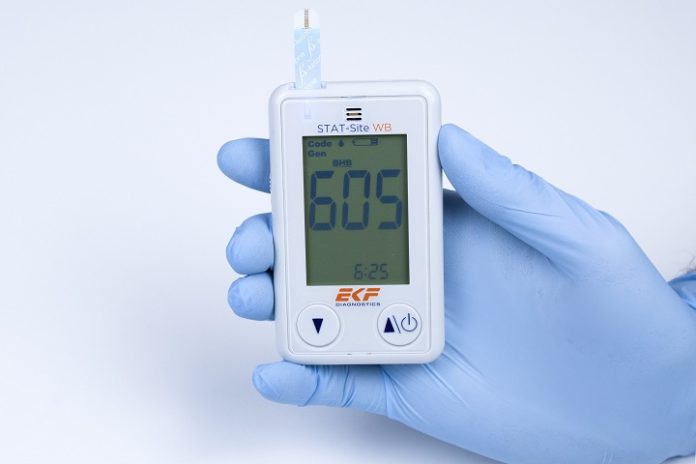
EKF Diagnostics, the global in vitro diagnostics company, announces that it will be exhibiting live & in person at Medica 2021 (Hall 3 Stand B71) for the first time in mainland Europe in two years. EKFโ€™s presence at this show will give visitors the opportunity to catch up with its industry specialists face-to-face and see the recently launched STAT-Siteยฎ WB ฮฒ-ketone and glucose handheld analyzer on its first public viewing in Europe since its global launch earlier this year.

In Medicaโ€™s Hall 3, EKF will provide expert point of care diagnostics knowledge and advice. It will also demonstrate the globally successful PrimeStore MTM novel viral transport media alongside the COVID-SeroKlir SARS-CoV-2 IgG antibody IVD kit, as well as showcase further new product innovations relating to the future control of COVID-19.

One of the worldโ€™s largest medical trade fairs, Medica will return to Dรผsseldorf on 15-18th November 2021 to highlight the best new and upcoming technologies in various sectors relating to clinical healthcare. To ensure the safety of visitors, there will be a plethora of COVID-19 safety measures in place, including proof of vaccination/recovery/negative test, ventilation, and sanitization points.

As the first live exhibition attended by EKF Diagnostics in mainland Europe in two years, it will be a perfect opportunity to display the newly released STAT-Siteยฎ WB. The dual-compound analyzer allows for easy and quick (5-10 seconds respectively) glucose and ฮฒ-ketone measurement from whole blood samples. This delivers clear and rapid analysis for diabetic patients displaying ketosis symptoms, thus enabling their rapid treatment.

Other EKF diabetes care products to be exhibited will be the Biosen C-Line Glucose & Lactate analyzer. The device, which allows for the precise and efficient measurement of glucose and lactate in the blood, can measure the analytes individually or together depending on the model. Also on show will be EKFโ€™s highly regarded Quo-Lab and Quo-Test HbA1c analyzers for the point-of-care measurement of glycated hemoglobin to support immediate monitoring and management of diabetes patients.

Members of the EKFโ€™s growing Contract Manufacturing team will also be on-hand in Dรผsseldorf to offer tailored advice and discuss how EKF can help with kitting projects or bespoke fermentation requirements. From raw material sourcing to final packaging EKF can provide the full wing to wing contract manufacturing service.

About EKF Diagnostics

EKF Diagnostics Holdings plc, which includes the EKF Diagnostics, Stanbio Laboratory and DiaSpect brands, specializes in the development, production and worldwide distribution of point-of-care analyzers for use in the detection and management of diabetes and anemia, and also in sports and maternal medicine. EKF products are sold in more than 100 countries around the globe, through a network of specialist distributors.

Point-of-care diagnostics: EKF Diagnostics designs and manufactures world-class diagnostic devices, as well as distributing rapid test kits for infectious diseases and pregnancy. The EKF analyzer range is used widely in GP surgeries, pharmacies, blood banks, sports clinics, hospitals and laboratories for glucose, lactate, hemoglobin, hematocrit and HbA1c measurement.

Central laboratory: EKF, through its wholly owned subsidiary, Stanbio Laboratory (Boerne, Texas, USA), manufactures a comprehensive range of clinical chemistry reagents, as well as associated analyzers. In addition, EKF Life Sciences (Elkhart, Indiana, USA) manufactures enzymes used in reagent development and also provides contract fermentation facilities.

COVID-19 testing: EKF also sells a range of COVID-19 testing products, including: PrimeStore MTM, an FDA-approved and CE marked sample containment device that allows the safe handling, transportation and analysis of test swabs and samples, which it manufactures under license; and COVID-SeroKlir, a leading ELISA-based antibody test from Kantaro Biosciences that provides a precise quantitative measurement of COVID-19 IgG antibodies.

Maturity models: the CIO’s guide to a successful enterprise imaging strategy

 Maturity models: the CIO's guide to a successful enterprise imaging strategy

Enterprise imaging continues to evolve with more capabilities than ever before as imaging departments strive to deliver medical imaging securely, with the right tools at the right time to the right patient. While these imaging advancements provide many more opportunities, it is also growing increasingly complex with even more disparate processes that must be maintained, supported and standardized across an entire enterprise environment.

Many of these inefficient processes can be avoided by improving workflows or leveraging technology โ€“ although that can be easier said than done. One approach that is helping healthcare executives and department heads move their organizations forward through technology is the use of adoption and maturity models, which are designed to help organizations progressively measure and advance analytics capabilities to improve healthcare delivery. More specifically, the Digital Imaging Adoption Model (DIAM) provides guidance for imaging and IT experts to identify and adopt the right digital strategy to improve health outcomes for patients.  

First launched in 2016 for radiology, the original DIAM framework assessed radiology imaging-related IT capabilities. DIAM for enterprise imaging was introduced early last year and was updated to assess the maturity of all IT-supported processes and support multiple imaging services across the enterprise, guiding healthcare organizations towards a fully digitized imaging IT environment. DIAM offers a framework to support an organizationโ€™s existing strategic plan by identifying the strengths and weaknesses of its tools and processes and determining the overall approach to help them get where they want to be. It identifies seven development stages, from limited electronic image management to sophisticated, enterprise-wide imaging solutions. DIAM also provides a common language that healthcare leaders can use with vendors to clarify their needs and expectations and offers an effective way for users to recognize gaps in their systems and overall strategy.

The importance of maturity models โ€“ what CIOs need to know

As they work to fulfill healthcareโ€™s Quadruple Aim of enhancing health outcomes, improving patient and staff experiences, and reducing the cost of healthcare, it is important that a hospitalโ€™s C-suite, especially the CIO, has a clear picture of their current informatics maturity across their systems and can align investment priorities with a clear set of objectives. While this may seem like a given, obtaining this clear picture can be complex. 

Models like DIAM provide CIOs with a strategic roadmap, whether they are just starting their enterprise imaging journey or looking to make further improvements. It allows them to better understand how to improve upon their current imaging capabilities and further develop an organization-wide digital imaging strategy. By using these models, healthcare organizations can not only lower risk, but also lower costs and take a more efficient approach to their investments. 

But, to identify the right technological capabilities to deliver on the organizationโ€™s business strategy, CIOs must be able to evaluate where their organization is today. Questions they should ask themselves and their fellow stakeholders include: What do we need to achieve our goals? What are we doing well? Are we equipped to make these changes? DIAM enables CIOs to see exactly where their organization currently stands, outline their goals, and then map out a path to achieve those goals. It also allows stakeholders to have effective discussions about their goals and approach to reach them, find the right partners, and identify the right investments. 

By starting with a benchmark of where their organization falls within the stages of DIAM, CIOs will have a much better understanding of the current status of their operations and can begin to identify the areas of opportunity in terms of growth and efficiency. For example, a patient may present multiple different scans and multi-dimensional data after requiring care from various specialty consultations, including neurology and cardiology. If an organization is able to understand that their current process for viewing this patientโ€™s information across specialties is inefficient and disconnected, it can begin the process of identifying a solution that combines high quality images, advanced analysis and workflow efficiency tools into a single unified view of the patient’s condition.

Embracing maturity models to realize precision diagnosis

The informatics revolution has helped place patients where they belong: at the heart of the healthcare system. Health systems are increasingly seeing the shift from systems of record โ€“ a static file of patient information, to systems of engagement โ€“ in which the patient, and all the staff they interact with, are supported to play a greater role in managing the care experience. 

DIAM, and maturity models in general, can continue to support this transition by helping organizations set benchmarks. Healthcare organizations using maturity models have insight on where their organization is today and establish a clear baseline of their enterpriseโ€™s performance. From there, organizations can set goals and objective benchmarks that ladder up to their larger precision diagnosis goals. In doing so, organizations will be able to make links between their investments and ROI and better identify progress towards their KPIs. 

The process of improving diagnosis and treatment depends heavily on the technology that supports care teams. With enterprise imaging specifically, accessing advanced visualization tools from the same workspace where images are reviewed can allow providers to better understand the diagnosis and treatment options throughout the patient’s care continuum. By investing in combined solutions, organizations can help bring images from multiple modalities together โ€“ along with other critical information โ€“ in a patient-centric environment to help facilitate a more efficient and confident diagnosis.

Reaching organizational goals with maturity models

By using maturity models like DIAM, health systems can further develop their organization-wide imaging strategy and take steps towards making precision diagnosis a reality. With a framework guiding health systems to think through all their dimensions and providing a more efficient road to the right investments in the right order, DIAM supports healthcare organizations in becoming fully digitized imaging IT environments, maximizing efficiency and effectiveness across the enterprise.

Author: Calum Cunningham, Business Leader Enterprise Diagnostic Informatics, Philips

Healthcare informatics โ€“ Illuminate a new path through the care continuum


Learn how Philips helps healthcare IT leaders bring to life their vision of precision care.
For more information,
Click Here

Why Digital Twins are a Critical Part of Digital Healthcare

Introduction:

Digital twins are often applied to industrial assets, but the healthcare industry can leverage the concept of living model and apply it to patient wellness. This article discusses how the data we generate is a critical part of digital healthcare.

As the connected society continues to be the platform on which we work, rest and play, there is a defined need for every industry to not only leverage the digital engineering tools available but also use them to their best advantage. The convergence of the physical and digital worlds in differing business sectors has been inevitable for quite some time, but the shift from a reactive attitude to a proactive stance is now becoming commonplace.

We are all too familiar with how traditional industries such as banking and finance, manufacturing, the supply chain and retail have all benefited from increased digitalization, but the requirement for data-driven and digital insights has made waves in the healthcare and life sciences sector. Nowhere is this more evident than in the adoption of digital twins in patient care and wellness.

For anyone who is unfamiliar with the concept, a digital twin is a virtual real-time representation of a physical asset or process. A cloud-based solution, the digital version of a physical element utilizes the millions of data points being generated by said assets or processes and allows for the creation of what can be seen as living model of what is happening in real-time.

To date, digital twins have been used primarily for industrial assets or machinery, but the possibilities in terms of digital healthcare solutions go beyond simply knowing when a generator will fail. If we are being more specific, a digital twin of a human being could literally be the difference between life and death.

The digitalization of patient care

The question that needs to be asked, therefore, is how a virtual version of a living person can accurately provide the actionable insights that a medical professional will need to effectively administer care. And, if data is the key to patient wellness, can healthcare providers both treat and (in theory) cure diseases before they become a problem.

The healthcare industry is not a newcomer to the benefits of digital information or algorithm-centered insights. Real-world digital applications such as internet-connected medical devices, wearables and implantables have been available for some time, but the digital twin raises the bar on several levels. Importantly, the digitalization of care is now increasingly cloud-based, with providers using software to validate the situations that are part of their day job.

In fact, researchers and providers have seen the value of a healthcare data analytics platform rise in recent years, driven (in part) by the fact that patients have so many data points to study. What has become clearer to clinicians is that disease can not only be treated with the right information at the right time (often using sensors), but also prevented from becoming a life-threatening event.

If we think about a condition such as, say Chronic Obstructive Pulmonary Disease (COPD), then the use of digital twins to treat the patient becomes a game-changer. According to the World Health Organization, COPD is the third leading cause of death worldwide and responsible for the deaths of around three million people every year.

The key point to remember here is that COPD is not curable per se, but treatable. That means that a patientโ€™s suffering can be alleviated by the application of antibiotics, steroids or nebulized medicine. By integrating a digital twin into the wellness assessment and subsequent preventative processes, a doctor or physical care provider can see where the lung disease has taken hold and act accordingly.

This can be demonstrated in the following scenario:

A person suffering from shortness of breath (a classic symptom of COPD) is admitted to a hospital for diagnosis. Before that patient even gets seen by a doctor, data relating to the condition of that individual is entered as an electronic health record (EHR). High-quality sensors that monitor the state and health vitals are then attached โ€“ ECG, air quality, breath straps, temperature and spirometer, for example. The system then pulls data from other life events relating to the personโ€™s medical history into the EHR, generating a digital twin from the historical and real-time data.

The patient is now transmitting data that can be studied, analyzed and acted upon. The digital twin is providing all the information that is required and, in many cases, can accurately predict the results of the various medications administered or even draw on very granular information such as food allergies or similar.

Without the information being provided by the virtual version of the person in front of them, doctors are relying on their expertise to make the right decisions, a situation that is not always possible when time is of the essence.

Digital Twin = Actionable Health Insights

As we have noted above, the digital twin is a living model of a physical object. For the twin to be successful, it must work with that object in such a way that the virtual and real-world versions exhibit perfect synchronicity.

When you apply the concept to โ€œdumbโ€ assets such as machinery, planes, trains and automobiles, then the value of the data generated prevents unintended down time, costly repairs and, importantly, the need to find a replacement. For the record, NASA was responsible for the first practical application of a digital twin back in 2010, when the agency demonstrated how the life support issues with Apollo 13 could have been solved on the ground.

Flip the advantages of a digital twin to a human being and the benefits of knowing exactly what is going on at any one time become a critical part of both ongoing treatment and preventative care. A recent study by researchers at Cambridge University is doing exactly that, using AI and mathematical modelling to โ€œprovide a panoramic view over current and future pathophysiological conditionsโ€ โ€“ in other words, both predicting health issues over time and personalizing healthcare in a digital space.

Data is a commodity that is used by many companies to understand what the customer wants and when they want it, so it follows that the use of these zeros and ones to save lives โ€“ or, at the very least, alleviate suffering โ€“ will go a long way towards cementing the future of digital healthcare.

Medical professionals have always used data to understand, prevent and cure disease, but that often relies on the combination of learned knowledge and being able to assess the physical state of a patient. A digital twin augments that knowledge and allows for better decision-making. Digital healthcare is both our present and the future, so being able to see the full patient picture is going to be both a logical step forward and, importantly, a literal life saver.

7 Effective Tips That Will Help You When You Get Involved In An Accident

7 Effective Tips That Will Help You When You Get Involved In An Accident

Every year, millions of car accidents are reported. When involved in a car wreck, one of the most difficult things to do is to have a clear mind enough to know your next move. Some are so traumatized when an accident happens that they forget everything. This usually results in serious legal problems because there are some very important things you need to consider after an automobile collision takes place.

Therefore, here are 7 effective tips that can ease your mind and help you make some very important decisions.

Call the police to file a report

The number one thing that you should do after any type of car wreck is to call the police. The only exception to this rule is if your injuries are very serious; then calling 911 would be your priority. If you have been involved in a minor fender bender, then you should call the police to file a report for documentation purposes. In case of any dispute as to what caused the accident, this unbiased third party will be able to give an objective view as to who was responsible for the collision.

Notify your lawyer

After calling the police, it is also a good idea to call your car accident attorney as well. Even though you file a claim with the insurance company, this does not mean that they will be unbiased in their judgment of who was at fault for causing the accident. As explained by Waldorf car accident lawyers, this is why it’s important to have an experienced attorney review your case so. They can help you figure out what happened and how much liability should fall on each driver involved. This may determine not just which insurance company should compensate you for your car repairs and medical bills, but also the severity of the case and what amount is to be sought.

Be Careful With Your Words

When it comes to car accidents, there are three things you should never say: “I’m sorry”, “It’s ok” and “No problem”. These words can be used against you if ever there is a trial or court hearing, and not just by the defendant, but also by your own insurance company. Even though they may seem like harmless statements, they could easily be taken as an admission of guilt, which is exactly what the opposing attorney wants.

See A Doctor Immediately

The next thing you should do after an accident is to see a doctor for your injuries. After the police and your lawyer, you must take care of your health as soon as possible because if you don’t, then things could get worse in the long run. If you have not been released from the emergency room, then keep your appointments with the physician’s office until they give you the go signal to stop treating. In addition, it may also help as well if one speaks to a therapist, so they can discuss how best to deal with their current situation.

Preserveย  Evidence

There are some very important items that you need to keep for safekeeping after an accident, even if they were not in use during the actual collision. This includes taking photos of the damaged vehicles, making detailed diagrams of how everything happened, and keeping all repair records for your car. If there is video surveillance on the street, parking lot, or highway where the accident took place, then it would be wise to get a copy of that as well. These will prove invaluable when building your case.

Keep Track Of Everything

Compile all the medical reports, bills, receipts, photos, and other pertinent information in a binder or file. This will make it easier for your insurance adjuster to see what you have been doing since the accident took place. For instance, if you were sent by your doctor to physical therapy, then get copies of all the relevant paperwork, including any notes that might have been taken during the sessions. The more information you have on hand about how much treatment has cost so far, where it was done and who performed it will be very useful when negotiating with your insurer regarding compensation.

Be Patient

Finally, one very important thing you have to remember is to stay patient. Even if the other driver was clearly at fault for causing the accident, it’s still going to take a lot of time before you can receive compensation from an insurance company. In some states, this means that your case may need to be heard in court or through arbitration, but most likely there will be a lengthy investigation done on both sides which could mean several months’ worth of waiting before anything is decided upon. This is why it’s important not just with how you deal with the adjuster, but also how you manage your expectations concerning a favorable outcome.

If you want to win your case then you must follow all of these tips as they will help keep your stress levels low while also allowing for a speedy settlement. The last thing anyone needs when dealing with an insurance company is unnecessary headaches, so use this advice and get back on track to having a normal life again after an unfortunate incident like this one.

Build Your Own Workout Routine With The Help Of This Guide

Build Your Own Workout Routine With The Help Of This Guide

There are countless workout routines out there, each with pros and cons. Some are better for burning fat, some are better for gaining muscle, some are just silly workouts that don’t do anything at all, but one thing is certain: there isn’t a single perfect workout routine that works best for everyone. Therefore, the best thing you can do is to build your workout routine. In this article, we will explain the ways to build your workout routine to perfectly suit your needs.

Get Familiar With The theย  Muscle Groups

As a beginner, working out single muscle groups can be pretty tedious. Your biceps need rest just as much as your deltoids do and working them both on the same day would just tire you out before having a chance to work each muscle. To avoid this dilemma, it’s important to get familiar with each muscle group and know which ones are working together in exercises so that you can adjust your workout accordingly. If you are working your gluteus muscles then you should also include working on your quadriceps and abdominals. Additionally, always try to work your larger muscles before working the smaller ones because working small muscles tires you out more. Within a week, try working out each muscle group once and see if working them together in some exercises would be more efficient.

Determine Your Goals

The first step towards designing a personalized workout routine is to determine your goals. There are three main ones, namely gaining muscle mass, losing fat, or gaining general strength. Let’s look at these three in detail so you can better determine which one applies to you.

Gaining Muscle Mass

Many people who want to get stronger and build muscles usually hit the gym hard by following some sort of heavyweight training that includes 4-5 exercises per body part twice a week (e.g. Monday and Thursday). This is what most fitness magazines recommend but this isn’t always enough for beginners. Your muscles will only grow as much as your body is capable of recovering from. So you either keep working out with very little volume (which leaves no room for growth) or do too much volume (which makes it impossible to recover). Therefore it is best to try working out three times per week on non-consecutive days of the week. That way you’ll get enough volume while still allowing enough time for recovery between workouts.

Losing Fat

For everyone who wants to lose weight or gain muscle while burning fat at the same time, several things play an important role. But first things first: what about cardio? Cardio works well for lowering your body fat percentage if done properly, however, it’s not necessary if you already eat healthily. You need to stay away from all processed and fried foods, eat lots of leafy greens and drink a couple of glasses of water every day. It is also important to take your time when working out! Rushing from one exercise to another won’t do you any good. You can lift weights for an hour if that’s what it takes!

General Strength

If working out for general strength is what you’re aiming at, then working out just once or twice a week should be enough. There may be some muscle groups that need more attention than others and it would only make sense to work those out more frequently. The best way to determine which muscles these are is by working them first. It doesn’t matter how many sets you do for working out a muscle group, as long as working it is first on your list.

Keep A Record Of Progress And Adjustments

Keeping a workout journal is important because it shows you what works and what doesn’t. But more importantly, working out without recording your progress will make your workouts less efficient as time goes by. That’s why it is recommended to take notes during and after every exercise and/or weight change (i.e. increase or decrease). This way you can track how far you’ve come and adjust your workout accordingly if need be.

Don’t Forget To Rest And Recover

Last but not least we want to emphasize the importance of recovery. For muscle fibers to grow bigger they first have to heal from the damage caused by working out so although working out 3 times a week might seem optimal at first glance, keep in mind that your muscles will only grow as fast as your body is capable of recovering! Rest periods play a crucial role in working out because working out with full intensity for more than an hour without proper rest periods between sets can cause you to lose muscle mass.

Making your workout routine doesn’t have to be a hard task. All you have to do is decide what your goal is and then follow our guidelines. Don’t be afraid to experiment and try working out different days until you find what works the best for you. Once you’ve found what you like, working out will soon become second nature to you. And when working out becomes a habit, you’ll love the changes working out brings in your life!

Launch of world-first expert resource to foster best practice osteoporosis care in the Asia Pacific

Launch of world-first expert resource to foster best practice osteoporosis care in the Asia Pacific

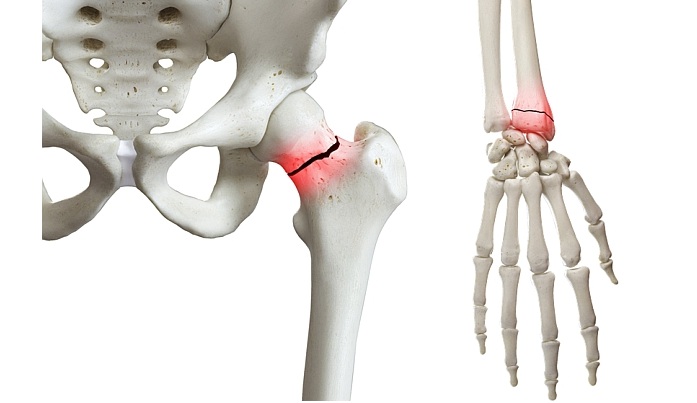
More than 50 per cent of the world’s hip fractures are expected to occur in the Asia Pacific by the year 2050. In a strong effort to stem the tide, and to promote quality care in osteoporosis, the Asia Pacific Consortium on Osteoporosis (APCO) has launched a world-first, interactive, educational osteoporosis resource โ€“ the APCO Health Care Professional (HCP) Peer to Peer Educational Modules โ€“ today, to mark World Osteoporosis Day.

The survival of those who sustain an osteoporotic fragility fracture is significantly compromised for up to six years, with patients facing twice the risk of death within the first year. Furthermore, a prior fracture at any site doubles a person’s risk of refracture. Yet despite these alarming statistics, more than 80 per cent of fragility fracture patients are neither assessed, nor treated, placing a substantial, but importantly, preventable burden on already strained healthcare systems. This is despite the extensive availability of safe and effective osteoporosis management strategies.

Minimum clinical standards for the assessment and management of osteoporosis are therefore urgently required in the Asia Pacific, to inform clinical practice guidelines, and improve osteoporosis care. It was with this aim in mind that APCO launched โ€˜The APCO Framework’ in January, 2021. โ€˜The Framework’ comprises 16 minimum clinical standards that serve as a benchmark for the provision of best practice osteoporosis care in the Asia Pacific.

The APCO HCP Peer to Peer Education Modules will offer physicians a comprehensive, evidence-based resource encouraging widescale implementation of the minimum clinical standards of care for osteoporosis advocated in The APCO Framework. This will enable the delivery of best practice osteoporosis care throughout the Asia Pacific โ€“ the world’s fastest ageing region.

According to APCO Chairperson, and Director of the Osteoporosis and Bone Metabolism Unit, Singapore General Hospital, Dr Manju Chandran, Singapore, there are significant inconsistencies in clinical practice guidelines in the Asia Pacific for the management and prevention of osteoporosis and fragility fractures. These guidelines vary extensively in scope and recommendations. There is also a lack of information available on adherence to national guidelines in daily clinical practice.

“It is to address this care gap, that APCO has developed an interactive, 17-module educational series today, to arm osteoporosis champions in the Asia Pacific, with information, supporting data, topical literature summaries, and best practice examples that support and emphasise each of The APCO Framework’s 16 minimum clinical standards and emerging themes in osteoporosis care.

“Increasing awareness and education among healthcare professionals in the Asia Pacific is imperative to bringing change to the real-world clinical practice of osteoporosis care and fracture prevention,” said Dr Chandran.

“The Asia Pacific is home to 4.5 billion people, rapidly ageing populations, and vastly different healthcare systems.

“An overwhelming 319 million people aged 50 years and over from the Asia Pacific are projected to be at high risk of osteoporotic fracture over the next two decades, while more than half of the world’s hip fractures are expected to occur in the region by 2050,” Dr Chandran said.

“Singapore, where I live, for instance, has one of the highest hip fracture rates in the world, with a four-to-five-fold increase in incidence noted over a recent 30-year period.

“The incidence of osteoporotic fractures in Singapore is projected to rise from more than 15,000 in 2017, to 24,100 by 2035, an increase of 57.9 per cent. The total economic burden (including both direct and indirect costs) associated with these fractures is projected to grow from SGD 183.5 million (USD 214 million) in 2017, to SGD 289.6 million (USD 136 million) by 2035.”

After one year, two in five people who sustain a hip fracture will be unable to walk independently, while two-thirds will encounter difficulty performing at least one essential daily task.

“Economically, the burden of current treatment of a single hip fracture in the Asia Pacific is extremely high, equating to approximately 19 per cent of our region’s per-head gross domestic product (GDP),” said APCO member, Consultant Endocrinologist at P. D. Hinduja National Hospital and Medical Research Centre and Hope & Care Centre, Dr Manoj Chadha, Mumbai, India.

In India alone, the direct medical costs of hip fractures was an estimated USD 256 million in 2018, the costs for which are projected to increase to USD 612 million by 2050.

“In 2013, 50 million people in India were either osteoporotic, or considered to be living with low bone mass. The 2018 AFOS study predicted the number of hip fractures in India would more than double from approximately 332,000 in 2018 to 792,000 in 2050,” Dr Chadha said.

“Given the anticipated exponential growth in fragility fractures due to the Asia Pacific region’s rapidly ageing population, mass urbanisation, and our increasingly sedentary lifestyles, we must act now.

“Osteoporosis experts can use the new APCO HCP Education Modules either in full, or in part, to inspire and further inform their peers and professional communities on those at high-risk for fracture who require identification and assessment, based on their medical and fracture history, risk factors, co-occurring diseases, country-specific osteoporosis screening tool results, and falls risk.

“Supporting data on the administration, duration, monitoring of, and adherence to, various treatment interventions and their associated side-effects, as well as the critical need for long-term management plans, also feature in the APCO modules,” said Dr Chadha.

Osteoporosis is vastly under-diagnosed and under-treated. Disturbingly, millions of people worldwide at high risk of fracture remain unaware of this underlying, silent disease. Championed by the International Osteoporosis Foundation (IOF), World Osteoporosis Day is dedicated to raising global awareness of the importance of prevention, diagnosis and treatment of osteoporosis and musculoskeletal diseases.

“This World Osteoporosis Day, we encourage healthcare providers, policy makers, patients, members of the public, and the media on a global, regional and national stage, to recognise the monumental human and socio-economic burden of osteoporosis, and the severe impact of fractures on a patient’s independence and quality of life,”

IOF Chief Executive Officer, and APCO Executive Committee member, Dr Philippe Halbout, Switzerland said.

“One of the emerging osteoporosis themes outlined in the APCO HCP Education Modules, is the importance of Asia Pacific-wide systemic integration of case identification and management at all levels of health systems, including acute care services, when patients present with fractures through Post Fracture Care Coordination Programs, such as Fracture Liaison Services (FLS).

“These coordinated systems of care aim to identify, treat and monitor patients presenting with a fragility fracture. Intervention can reduce fractures by up to 50 per cent, deliver substantial financial savings, and ultimately, save lives,” said Dr Halbout.

“Today’s launch of the APCO Education Modules demonstrates the organisation’s ongoing commitment to achieving greater consistency in national and regional clinical practice guidelines for the screening, diagnosis, and management of osteoporosis in the Asia Pacific.”

About APCO
The Asia Pacific Consortium on Osteoporosis (APCO) comprises osteoporosis experts from 19 countries in the Asia Pacific, charged with developing tangible solutions to the substantive challenges involving osteoporosis management and fracture prevention in this most populated and fastest growing part of the world. APCO’s mission is to engage with relevant stakeholders, including healthcare providers, policy makers and the public, to help develop and implement country and region-specific programs for the prevention and treatment of osteoporosis, and its complication of fragility fractures, in the Asia Pacific.

About osteoporosis in India
– Between 2025 and 2050, the population of India is projected to grow from 1.4 billion to 1.88 billion, with those aged over 50 more susceptible to osteoporosis, expected to constitute 33 per cent of the population by the middle of the century.
– Compared to Western populations, hip fractures occur a decade earlier in the Indian population.
– Estimates show that approximately 80 per cent of the urban Indian population and 9 in 10 hip fracture patients are vitamin D deficient.

About World Osteoporosis Day
Falling each year on October 20, World Osteoporosis Day raises awareness of bone health and osteoporosis prevention. This year’s campaign, under the banner of โ€˜Take Action for Bone Health’, calls for global action to fight osteoporosis and related fractures.

Herpes: Causes, Symptoms, And Treatment

Herpes: Causes, Symptoms, And Treatment

Herpes is a contagious viral infection, which is due to the herpes simplex virus (HSV). There are two types of HSV: HSV-1 and HSV-2.

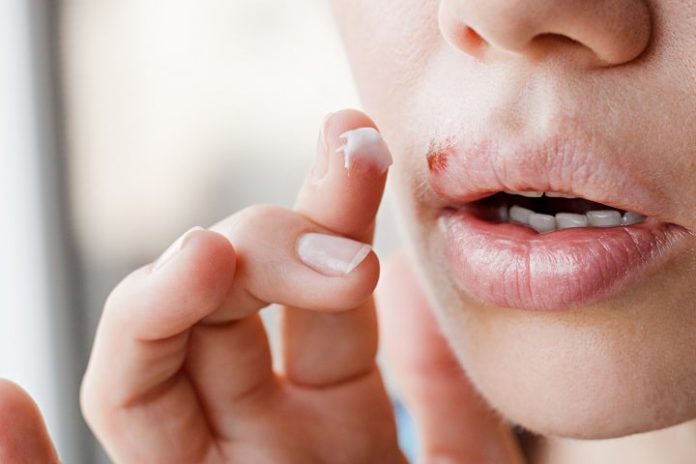
Also referred to as oral herpes, HSV-1 can cause blisters and cold sores around the mouth and face. HSV-2, on the other hand, may result in genital herpes outbreaks.

Even if herpes is a mild infection, it can lead to painful and itchy blisters that recur periodically, which can affect your daily activities. The infection may also result in fatal complications for pregnant women, newborns, and people with weak immune systems. To learn more about herpes, read below or check out this informative post.

Causes Of Herpes

When a person has herpes, it can quickly pass from one person to another through contact with the moist skin of the mouth and genitals like the anus. It may also spread through contact with some areas of the eyes and skin. However, a person canโ€™t get herpes by touching a surface or an objective.

More often than not, the infection may occur in several ways, including:

  • Having any other genital or oral contact with another person with herpes
  • Sharing sex toys
  • Having anal or vaginal sex without using a condom

Herpes is most contagious when the symptoms start to appear or when they start healing. Less commonly, a person may transmit the virus when the symptoms arenโ€™t present. If a pregnant woman has herpes while giving birth, the baby can be infected by the virus.

Symptoms Of Herpes

Usually, oral herpes manifests as blisters or cold sores on the lip, on the genitals, or inside the mouth. The nervous system and eyes can be affected as well. Such blisters and sores may develop into painful ulcers. Some common symptoms of oral herpes include:

  • Muscle aches
  • Fever
  • Swollen neck glands
  • White coating on the tongue
  • Swollen gums

Like STD symptoms, the symptoms of herpes may not appear immediately and could occur after youโ€™ve been infected with herpes for days, weeks, or years.

In terms of HSV-2, which often leads to genital herpes, it can affect the scrotum, penis, or vagina as well as the rectal area and the buttocks. It may also infect the mouth when a person performs oral sex.

Other symptoms associated with genital herpes are as follows:

  • Fever
  • Swollen lymph nodes
  • Pain during urination
  • Oozing and painful sores
  • Painful or itching sensation around your anal region or genitals

When compared to other viruses, herpes canโ€™t be permanently removed from the body and may continue to reside in oneโ€™s nerves. With this in mind, thereโ€™s a possibility that the symptoms may surface again. It happens when the body is under mental or physical stress. Hormonal changes due to body changes, including menstruation and pregnancy may also cause such symptoms to flare up.

Treatment

As of the moment, thereโ€™s still no cure for herpes. However, you can take medications to make the outbreaks less painful and to prevent possible outbreaks in the future. Depending on your case, your doctor will give you the best treatment options.

For example, if youโ€™re having an outbreak, doctors may prescribe a medication to help you heal the symptoms faster. Some of the medications for managing herpes are:

  • Famciclovir โ€“ Itโ€™s a prescription drug for genital and oral herpes, which is often recommended for those who have strong immune systems. Itโ€™s not suitable for people with weak immune systems and works by reducing the length and severity of herpes outbreaks.
  • Acyclovir โ€“ Itโ€™s another prescription drug that can be applied topically or taken orally that treats the symptoms of HSV-2. It can help reduce the pain of outbreaks and heal them faster. Ideal for people with weak immune systems, acyclovir may also help avoid the risk of the virus spreading to other body parts.
  • Valacyclovir โ€“ Itโ€™s a prescription antiviral drug that comes in tablet form taken by mouth. It helps prevent flare-ups and treat the symptoms of genital and oral herpes. People who suffer from frequent outbreaks may take valacyclovir daily as suppressive therapy to avoid future infections and minimize the risk of possible transmission to sexual partners.

Aside from medications, you can also help ease the symptoms with the following home remedies:

  • Put an ice pack on your cold sores or blisters
  • Wear loose and softer clothes
  • Keep your genital area dry because moisture makes your sores last longer
  • Consider taking a warm bath regularly

Taking advantage of OTC medications like topical creams to experience pain relief from herpes outbreaks is also an excellent idea. Just donโ€™t forget to consult your doctor first before you try any treatment for herpes. Itโ€™s because even if herpes isnโ€™t deadly as most people think, you need the right treatment option to manage the outbreaks effectively.

Conclusion

While herpes isnโ€™t curable yet, there are ways to manage its symptoms, such as cold sores on the mouth and blisters on the genitals. There are home remedies, prescription medications, and over-the-counter (OTC) medications. If you think you have herpes, never treat it on your own and consult your doctor immediately to get tested and know the right treatment options suited for you.

Translate ยป