












Close
Digital Health & Ai Innovation summit 2026
LiGHT26

US Healthcare Providers to Benefit from Minimum Nurse Staffing Rule Repeal

Nurse Staffing Rule Repeal

The federal government has formally withdrawn the Biden-era minimum staffing mandates for nursing homes and long-term care operators, marking a significant repeal that reshapes workforce expectations across the sector.

The nurse staffing rule repeal removes federally defined staffing thresholds that operators argued were financially unsustainable and operationally unworkable amid prolonged labor shortages. The decision carries direct implications for facility budgets, workforce planning, compliance strategies and the continuity of care delivery, particularly in rural markets where hiring challenges remain acute.

The Department of Health & Human Services (HHS) confirmed earlier this week that it has revoked the staffing standards originally designed to set minimum coverage levels for registered nurses and nursing assistants in nursing homes and long-term care facilities. Operators had maintained that such requirements imposed disproportional cost pressures and could not be met in a constrained labor environment.

According to HHS, rural providers would have faced the greatest burden under the rule, which the agency acknowledged positioned many facilities at risk of noncompliance or reduced service availability. Health systems and facility operators had consistently pushed back on the regulation, noting that mandatory staffing ratios could force reductions in operational capacity or lead to facility closures if workforce supply remained insufficient.

The provisions set aside under the repeal would have required a registered nurse on-site 24 hours a day, along with an average of 0.55 hours of daily registered nurse care and 2.45 hours of daily nurse aide care per resident. These thresholds were intended to strengthen care protections but were criticized by operators as unattainable given national workforce constraints.

Industry groups representing nursing homes and long-term care facilities, including the American Health Care Association and the National Center for Assisted Living, had campaigned extensively against the rule. They described the standards as unrealistic and argued that facilities would be unable to maintain operations without substantial increases in staffing supply or government subsidies.

Health & Human Services Secretary Robert F. Kennedy Jr. stated, โ€œRigid, one-size-fits-all mandates fail patients.โ€
โ€œThis Administration will safeguard access to care by removing federal barriersโ€”not by imposing requirements that limit patient choice,โ€ he said in a statement.

Charlene MacDonald, executive vice president of public affairs for the Federation of American Hospitals, supported the decision. โ€œThis repeal rightfully reflects the reality that long-term care facilities are facing challenging workforce shortages,โ€ MacDonald said in a statement. โ€œRolling back this regulatory burden recognizes flexible staffing coupled with innovation improves the quality of care, reduces staff burnout, and keeps facilities’ doors open so patients can access the care they need when they need it.”

Stacey Hughes, executive vice president of government relations and public policy for the American Hospital Association, echoed concerns about operational feasibility. โ€œThe AHA has repeatedly raised concerns that the requirements could exacerbate workforce shortages, lead to facility closures and jeopardize access to care, especially in rural and underserved communities that often do not have the workforce levels to support these requirements,โ€ Hughes said in a statement.

The American Health Care Association earlier stated that the Biden-era regulation represented โ€œan unreasonable standardโ€ that โ€œcreates an impossible task for providersโ€ during a nationwide workforce shortage.

Advocacy groups for seniors sharply criticized the nurse staffing rule repeal decision, noting that the staffing standards, considered by some the most significant care protections in decades, were estimated to save thousands of lives annually. The National Consumer Voice for Quality Long-Term Care said it โ€œstrongly condemnsโ€ the rollback, arguing the rule would have materially improved resident safety. The AARP, which had previously opposed proposals to delay implementation to 2035, reiterated that the standards were โ€œlong-overdue.โ€

With the federal standards rescinded, nursing home and long-term care operators will revert to state-defined staffing frameworks while advocacy groups continue pressing for federally enforced protections.

Digital Burnout vs. Depression: How to Tell the Difference

digital burnout vs depression difference

Technology keeps us connected, informed, and efficientโ€”but it can also leave us feeling drained and disconnected. As digital demands grow, many people find themselves struggling with fatigue, low motivation, and emotional exhaustion. But is it digital burnout, or could it be something deeperโ€”like depression?

While the two can look similar, understanding the difference is essential for taking the right steps toward healing. This guide will help you recognize the signs of each, know when to seek help, and find practical ways to regain balance.

What Is Digital Burnout?

Digital burnout is a form of mental and physical fatigue caused by excessive screen time. Constant emails, endless video calls, and social media scrolling can overload the brain, leaving you feeling foggy, irritable, and depleted.

๐Ÿ“Š According to Microsoftโ€™s 2021 Work Trend Index, 54% of remote workers reported feeling โ€œdigitally exhausted.โ€
๐Ÿ“Š A survey by the American Psychological Association found nearly 60% of adults felt daily stress due to device overuse.

Key signs of digital burnout include:

  • Feeling mentally drained after online interactions
  • Trouble focusing during or after screen use
  • Avoiding emails or virtual meetings
  • Eye strain, headaches, or poor sleep
  • Relief when spending time offline

Digital burnout is typically tied to external factors like work pressure or screen overload, and symptoms often improve with rest and healthy boundaries.

What Is Depression?

Depression is a clinical mental health condition that impacts mood, thoughts, energy levels, and daily functioning. Unlike burnout, depression can arise from internal and external factors and tends to persist even with rest or lifestyle changes.

๐ŸŒ The World Health Organization reports that over 280 million people globally live with depression.

Common symptoms of depression include:

  • Persistent sadness or emptiness
  • Loss of interest in activities once enjoyed
  • Changes in sleep or appetite
  • Difficulty concentrating or making decisions
  • Feelings of hopelessness or worthlessness
  • Thoughts of self-harm or withdrawal

Depression is not just a bad mood or stressโ€”itโ€™s a medical condition that requires professional support.

Key Differences Between Digital Burnout and Depression

While symptoms like fatigue, lack of focus, and low motivation overlap, the root causes and recovery paths are different.

Symptom Area Digital Burnout Depression
Cause Technology overload (emails, meetings, screens) May arise without clear external cause
Duration Improves with screen breaks and rest Persists for weeks or longer despite rest
Mood Irritability, overwhelm tied to digital tasks Deep sadness, emptiness across all areas of life
Energy Levels Drained by digital tasks, better offline Constant fatigue, even with rest
Enjoyment Interest in offline activities may remain Disinterest in almost all activities

Can They Overlap?

Yes. Prolonged burnout, especially when unaddressed, can evolve into depression. Likewise, someone with depression might spend excessive time online, worsening their emotional state.

This overlap makes it important to pay attention to patterns, duration, and how symptoms respond to change.

When Itโ€™s Likely Digital Burnout

You may be experiencing digital burnout if you notice:

  • Brain fog after screen-heavy days
  • Dread around virtual meetings or notifications
  • Feeling better after stepping away from screens
  • Continued interest in offline activities like nature walks, cooking, or connecting with loved ones

If symptoms improve after digital detox or lifestyle changes, burnout is the likely cause.

When It Could Be Depression

Consider speaking with a professional if you experience:

  • Persistent sadness or emotional numbness for two weeks or more
  • Loss of interest in both online and offline activities
  • Significant changes in eating or sleeping habits
  • Difficulty functioning in everyday life
  • Feelings of hopelessness or thoughts of self-harm

Depression needs compassionate, professional careโ€”donโ€™t try to push through it alone.

How to Manage Digital Burnout

If your symptoms stem from screen overload, these simple strategies can help:

โœ… Set Boundaries โ€“ Limit non-essential screen time, especially before bed
โœ… Take Breaks โ€“ Follow the 20-20-20 rule: every 20 minutes, look at something 20 feet away for 20 seconds
โœ… Batch Tasks โ€“ Check email or messages at set intervals
โœ… Reclaim Offline Joy โ€“ Replace scrolling with hobbies like journaling, cooking, or outdoor time

Getting Support for Depression

When symptoms go deeper, itโ€™s time to seek support. Options may include:

๐Ÿง  Therapy โ€“ Cognitive Behavioral Therapy (CBT), talk therapy, or trauma-informed care
๐Ÿ’Š Medication โ€“ Antidepressants may be prescribed by your healthcare provider
๐Ÿ’ฌ Peer Support โ€“ Recovery groups or safe conversations with trusted friends
๐Ÿ’ช Lifestyle Care โ€“ Balanced nutrition, movement, and structured routines

๐Ÿ“ž If you or someone you know has thoughts of self-harm, call a crisis helpline or mental health professional immediately. In the U.S., dial 988 for the Suicide & Crisis Lifeline.

When to Seek Professional Help

If your symptoms:

  • Persist beyond two weeks
  • Affect work, relationships, or daily functioning
  • Include intense emotional distress or hopelessness

โ€ฆitโ€™s time to speak to a mental health professional. Whether itโ€™s burnout, depression, or both, you deserve care and healing.

Final Thoughts

Digital burnout and depression share some signs, but they are not the same. Burnout typically improves with unplugging and rest. Depression runs deeper and requires clinical attention.

If youโ€™re unsure, donโ€™t self-diagnoseโ€”reach out. Taking care of your mental health is not weakness; itโ€™s wisdom.

Whether you need more sleep, fewer screens, or deeper emotional support, your healing matters. Help is availableโ€”and youโ€™re never alone.

Chiropractic Adjustment: Everything you need to know about pain relief and your spine

Chiropractic Adjustment Pain Relief Spine Health

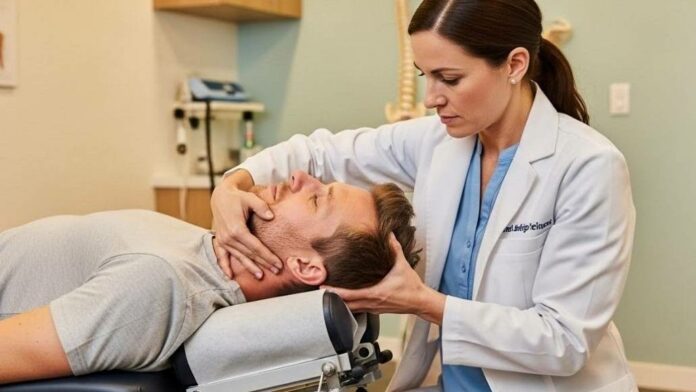
Backache, neck ache, and joint pains are some of the frequent problems among people of all ages. Chiropractic Adjustment is a drug-free method of long-term relief that most people resort to. This therapy is aimed at correcting the spine and providing general body functionality. Chiropractic care has gained popularity among people who want to achieve holistic care with the help of trained professionals and individualised care.

Knowing the Mission of Chiropractic Care

The chiropractors strive to restore the spine misalignments, also referred to as subluxations, which can interfere with the communication of nerves, resulting in pain. Chiropractors use an accurate manual procedure to restore normalcy and decrease swelling. However, the process not only relieves discomfort but also improves mobility. The adjustment performed correctly can give many patients an immediate feeling of relief that is felt after their session.

Diseases that can be treated using chiropractic care

Individuals visit chiropractic hospitals to treat different ailments such as chronic chest aches, headaches, sciatica, and poor posture. A lot of them also do it to handle the pain associated with sports injuries or everyday stress. The modification is aimed at eliminating causes and not just the symptoms. With an increased population seeking natural healing options, more people are opting to use Chiropractic Adjustment, thus attracting more people of various ages.

Significance of Spinal Health in Daily Life

The spine is the main component of the body’s support. Even the most common things in life are uncomfortable when not in place. When the spine is aligned properly, the person will move better, the coordination will be better, and the muscles and joints will be less strained. Proper posture, good ergonomic practices, and frequent chiropractic adjustments will help to ensure long-term good health of the spine and a pain-free existence.

Benefits Beyond Pain Relief

Chiropractic care not only provides relief of symptoms. Most of the patients have noted improvement in the quality of their sleep, increased flexibility, and a boost in their energy levels. Proper positioning will enable the nervous system to work more effectively, which favors general well-being. Other people also experience fewer headaches as well as tension in their shoulders and neck. These advantages render chiropractic services important ingredients of holistic health.

Chiropractic Care among the Office Workers

Office employees often have problems with their backs and necks because they spend many hours sitting and watching screens. The chiropractors are used in the correction of posture, alleviation of muscle tension, and restoration of the natural spinal curve. Poor ergonomics can result in chronic pain, which can be avoided by regular adjustments. A lot of workers also use the sessions with chiropractors to remain comfortable, productive, and active in their everyday lives.

The Chiro Practice on Athlete Care

Sportsmen put their bodies under great pressure, and spinal alignment is necessary to help them perform optimally. Chiropractic care promotes a quick healing process, reduces the risk of injuries, and increases joint mobility. Flexibility and health of joints are maintained through frequent adjustments, which aid the athletes to perform with confidence. A lot of sports players have been implementing chiropractic treatment in their personal training programmes to maintain physical stability in the long run.

Before you visit the second time, what to expect on the first visit.

A chiropractic session normally incorporates the first visit, physical examination, and symptom discussion. The chiropractor can take X-rays in order to know the spinal alignment better. The evaluation of the condition then realizes a personalised treatment plan. This thoughtful and detailed patient-centred practice is valuable to many patients as it fosters trust and safety and achieves effective care.

Effectiveness and Safety of Chiropractic Adjustments

Adjustments are considered to be safe for the majority of people when administered by a trained chiropractor. There is slight pain and weakness that may be experienced following treatment, just like in post-exercise pain, although this is short-lived and disappears after a day. Many of the patients have expressed consistency in their relief from the chiropractic care, and this has helped in the effectiveness of the latter. Nevertheless, it is significant to have a licensed professional who will make sure that it is done properly.

Occurrence of Treatment and Maintenance Care

The number of sessions depends on the condition of individuals and their objectives. Others might need frequent visits in the early stages of treatment, whereas others might just need them every now and then. Maintenance care assists in avoiding future pain and contributes to spinal health in the long term. Lifestyle practices with chiropractic care tend to yield maximum outcomes in terms of sustained health.

In case of the unsuitability of Chiropractic Care

Even though chiropractic treatment is beneficial to most people, it is not encouraged among people with other conditions, such as severe osteoporosis, spinal infections, or fractures. Chiropractors examine a patient to make sure that no harm is done during adjustments. They can also make referrals to other medical workers, should the need arise. This team-based model guarantees accountable, holistic healthcare.

Improving the everyday with the Good

Proper spine position helps to maintain physical comfort, clarity of mind, and general mobility. A healthy body is performing well, and this means that people are free to carry out their daily tasks easily and comfortably. Chiropractic care promotes better postures that prevent later injuries. With the alignment that is realized with the help of Chiropractic Adjustment, most people live more active and more rewarding lives.

FAQs

Do you find chiropractic care painful?

The majority of the adjustments do not hurt and offer instant relief. Afterward, some patients can experience some pressure or minor soreness.

What is the average duration of a chiropractic visit?

An average session takes between fifteen and thirty minutes. This time can take different periods according to the condition of the patient and his/her treatment plan.

Is chiropractic treatment effective in the management of headaches?

A lot of headaches indeed have to do with tension or neck dysalignment. The chiropractic techniques tend to decrease the frequency and intensity over time.

Is the referral to a chiropractor requiring a doctor’s referral?

Most people do not need any referral. It is possible to book an appointment with a licensed chiropractor.

What will be the time before I start experiencing the results of adjustments?

Most individuals are relieved instantly, and others improve gradually with time, through sessions. Stability is a significant factor in the long-term outcomes.

Conclusion

Chiropractic services are effective and natural in the relief of pain and enhancing long-term spinal health. With close evaluation and individual care, the chiropractors can increase mobility, decrease pain, and improve the quality of life. Through proper posture and frequent repairs, they will have a chance to have an enhanced posture, more energy, and a better life. Chiropractic Adjustment provides an effective, holistic method of restoring comfort and promoting lifelong physical well-being.

Purehealth, Dorchester Partner to Bring Luxury Hospitality in Healthcare

Luxury Hospitality in Healthcare

PureHealth has gone on to announce a first-of-its-kind partnership in the Middle East, joining forces with the Dorchester Collection Academy in order to bring luxury hospitality in healthcare delivery. The partnership looks forward to transforming how patients go on to experience care throughout Abu Dhabi, mixing advanced medicine along with the warmth, attentiveness, and customization that are found across the leading hotels in the world.

The Chief Patient Experience Officer with PureHealth, Alejandro Helbling, said that this step goes on to mark a prominent shift in how the healthcare sector approaches service. He added that this is indeed the very first time that healthcare and hospitality are getting integrated at this scale across the region. They are not just borrowing ideas from hotels, but they are redesigning care all across attentiveness and anticipation as well as authenticity, which are the same principles that go on to define luxury hospitality in healthcare; however, in a way that helps with healing.

Apparently, the partnership goes on to introduce a new philosophy to the healthcare ecosystem of the UAE, one that goes on to place empathy at the epicenter of the patient journey. By way of what PureHealth goes on to call its Signature Patient Experience, the organization is going ahead and embedding compassion and respect, along with emotional support, through every stage of care, be it the first appointment or recovery.

Helbling went on to note that emotional well-being is indeed quite closely tied to the clinical results. He said that when patients feel safe as well as heard, their anxiety apparently goes down, their faith increases, and hence their recovery is enhanced, and according to him, this is exactly what real innovation looks like.

As part of the setup, PureHealth, along with Dorchester Collection Academy, would be launching a leadership development programme for certain senior executives, which would include the likes of certain patient experience directors as well as chief patient officers. By way of hands-on workshops as well as real-time scenarios, leaders are going to learn how to go ahead and model empathy, make their communication strong, and also promote patient-centered thinking within their teams.

It is well to be noted that these are behaviors that go on to turn empathy from one idea into a culture, said Helbling, who further added that change starts when leaders practice what they anticipate from others.

Notably, the first phase of the programme is going to focus on the leadership of PureHealth before expanding to over 400 employees throughout the hospitals as well as clinics. The idea is to create a consistent environment wherein the patients feel cared for right from the moment they arrive.

Apart from training, this collaboration is also going to go ahead and explore how hospitality principles can actually influence the design as well as the feel of healthcare spaces. Helbling went on to note that the elements like lighting and sound, along with scent, play a very important role when it comes to shaping how patients feel. ย He added that they are indeed studying how these sensory elements can actually go on to make the clinical environments much more calming as well as restorative.

Interestingly, nutrition is also going to be a future area of development, as they are looking at how food can go ahead and support healing not only as nourishment but also as comfort.

This initiative reflects the continued push by the UAE so as to be a global leader when it comes to healthcare innovation, thereby setting new benchmarks not only by way of technology but also through human connection. The UAE is indeed showing the world what future-ready healthcare actually looks like, said Helbling. The technology along with humanity are not opposites, but they work at their very best when they are together. This partnership indeed proves that empathy can also scale.

In order to make sure that emotional care is indeed a part of measurable progress, PureHealth is also going ahead and developing new tools in order to track patient sentiment, real-time experience data, and staff well-being. These indicators are going to sit alongside the traditional clinical metrics in order to make sure that care is both effective and compassionate.

As the new framework gets introduced throughout its network, PureHealth anticipates the patients to see a clear difference between how they get welcomed, how their concerns are being addressed, and how support consistently takes place even after they have left the hospital.

Helbling opines that this isnโ€™t just a campaign, but it is a cultural evolution. They are creating a new language of care, which is one that is human and heartfelt as well as pretty ready for the future.

GE HealthCare, Mayo Clinic Partner for Customized Radiation Therapy

Customized Radiation Therapy

GE HealthCare and Mayo Clinic have recently announced aย strategic initiative so as to offer customized radiation therapy. The partnership, which is called the GEMINI-RT, looks forward to improving cancer care through integrating imaging and patient monitoring as well as artificial intelligence.

The global head of oncology for GE HealthCare, Ben Newton, said that the customized radiation therapy indeed marks a shift from a one-size-fits-all approach. Traditionally, radiation therapy makes use of standardized protocols, which might not completely account for variability when it comes to individual patients, wrote Newton in an email that was sent to MedTech Dive.

The collaboration is indeed going to build on a radiology research agreement that GE HealthCare as well as Mayo Clinicย struck in 2023. It is well to be noted that the present term is for five years, wrote Newton. Any research as well as related activities are going to take place at the campus of Mayo Clinic located at Rochester, Minnesota.

The companies are looking out for concepts that span a cancer care journey of a patient. At the start, treatment planning would go ahead and incorporate a full clinical history as well as the medical record of the patient, says Newton. Through pulling information from thousands of similar cases, data can get used to make the utmost use of the radiation dose for the best result for an individual.

At the time and after the treatment, connected care tools, which go on to track heart rhythm as well as other metrics, can be made use of so as to detect any early signs of potential side effects, like cardiotoxicity, thereby enabling the clinicians to intervene much sooner.

Newton further wrote that the benefits of this approach could as well offer the means to target tumors, decrease any sort of risk to healthy tissue, and enhance the long-term outcomes in a more precise way.

The collaboration goes on to include approaches that would go ahead and combine radiation along with emerging treatments like targeted drugs as well as precision heating.

It is worth noting that in the early stages of the partnership, GE HealthCare, along with Mayo Clinic, is going to explore alternatives such as clinical trials, assessment of new solutions, and also retrospective trials, wrote Newton.

If the companies go on to run clinical trials, the eligible patients are going to be able to choose to opt in. When it comes to the long term, Newton further said that innovations discovered by way of the partnership may as well get integrated into the product portfolio and clinical practices of GE HealthCare, which could as well be accessible to patients throughout the world.

Lunit Aims FDA Nod for Breast Cancer Risk Prediction Model

Breast Cancer Risk Prediction Model

Lunit has gone ahead and announced the submission of a 510(k) premarket notification looking out for clearance from the US Food and Drug Administration โ€“ FDA for its breast cancer risk prediction model called the Lunit INSIGHT Risk.

Notably, the model is designed so as to estimate a five-year risk of developing breast cancer in women based upon screening mammograms, either by way of digital or synthetic, without needing the patient questionnaires.

Lunit went on to acquire the technology, which was developed originally by Dr. Graham Colditz as well as Dr. Shu (Joy) Jiang at the Washington University School of Medicine located in St. Louis, US.

As per the company, it is the inaugural AI solution that offers surveillance, epidemiology, and end results โ€“ SEER-calibrated five-year absolute risk estimates for women across the US.

Lunit expects that the potential clearance of the model is going to take place in 2026.

It is well to be noted that the performance of the model is said to have been validated in a couple of peer-reviewed studies that show a five-year area under the curve -AUC values of almost 0.80 across the diverse screening populations throughout Canada as well as the US.

These trials also go ahead and point out a consistent performance in spite of the race, age, or breast density, therefore supporting the potential of the model when it comes to equitable adoption within clinical settings.

Notably, Lunit INSIGHT Risk, the much anticipated breast cancer risk prediction model has received breakthrough device designation from the US regulator.

Brandon Suh, the Lunit CEO, said that through delivering absolute, guideline-aligned five-year risk estimates directly from the routine screening images, Lunit INSIGHT Risk looks forward to supporting earlier and more informed decisions in terms of preventive care. They also believe that this approach can go ahead and enable the health systems to execute practical risk-stratified strategies as the screening recommendations go on to evolve.

He added that as the screening programs increasingly transition from a one-size-fits-all approach to more customized and risk-informed pathways, they go on to see this submission not just as a scientific landmark but also as a strategic step that positions Lunit so as to meet the changing requirements of health systems as well as patients.

The model is going to function with an intent to work alongside the breast health portfolio of Lunit, including the likes of Lunit INSIGHT MMG as well as DBT detection models, along with the Volpara RiskPathways.

This integration looks forward to supporting the risk-based workflows throughout the process of evaluation, imaging, and reporting, as well as ongoing follow-up.

In September 2025, apparently, Lunitย went on to enter into a partnershipย with CellCarta, a Canada-based research organization, in order to integrate digital pathology AI within clinical trials.

FDA Clears Upgrade of Omnipod 5 Algorithm from Insulet

Omnipod 5 Algorithm

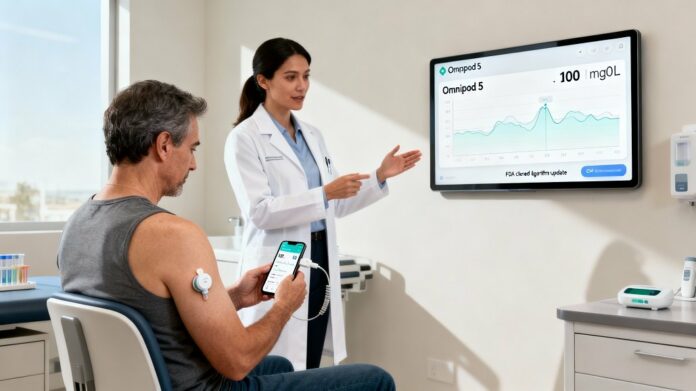
Insulet has gone ahead and secured the clearance from the US Food and Drug Administration – FDA for an algorithm advancement in its Omnipod 5 automated insulin delivery – AID system, thereby setting users up with much tighter insulin management.

Omnipod 5 goes on to integrate with consistent glucose monitoring – CGM systems, including flagship products from Dexcom as well as Abbott, to continuously roll out insulin for three days automatically, thereby regulating insulin and also preventing certain abrupt changes within the glucose levels.

The new algorithm change hence means that Omnipod 5 users are going to soon be able to shift their insulin target range from 100 mg/dl to 150 mg/dl within the 10 mg increments, a lowering of the previous 110 mg/dl to 150 mg/dl range.

It is worth noting that Insulet expects that the Omnipod 5 algorithm update is going to launch in the US in the first half of 2026. The company underscored that the new insulin target range looks to allow the healthcare providers to customize the insulin delivery more accurately so as to support either the AID users who are looking out for tighter glucose management or the ones who are looking to meet certain specific glucose objectives.

This algorithm update also goes on to mean that the users will be able to stay within automated mode, having many fewer interruptions, and that too even at the time of prolonged high glucose events. As per Insulet, this advancement is going to deliver much more robust clinical outcomes and also an increased agility for users, with fewer interruptions hurting their daily life.

Eric Benjamin, executive VP and COO of Insulet, went on to call the algorithm update the most significant advancement that has happened for the Omnipod 5 algorithm ever since the launch of the system in 2022.

He went on to add these new features go on to address the two most desired enhancements and reflect their relentless commitment when it comes to offering meaningful innovation for people living with diabetes and also the healthcare providers who go on to support them.

RENOLIT carves out healthcare market unit as independent company

RENOLIT Healthcare spinoff 2027

RENOLIT Healthcare to be gradually spun off by the end of 2027

The RENOLIT Group is setting the course for the future: the RENOLIT Healthcare market unit will be spun off from RENOLIT SE and gradually established as an independent company from 2026 onwards. With this strategic decision, RENOLIT is giving both divisions the opportunity to develop in a targeted manner. In future, RENOLIT SE will concentrate on its core industrial businesses, while RENOLIT Healthcare will focus entirely on the healthcare industry. Due to differences in markets, technologies and regulations, this specialisation is a logical step.

โ€˜This decision provides clarity and focus,โ€™ explains Karsten Jรคnicke, Chief Executive Officer of RENOLIT. โ€˜RENOLIT SE can continue to develop its core industrial markets in a targeted manner, while RENOLIT Healthcare positions itself as a specialist partner for the healthcare industry. This creates double growth potential.โ€™

Andreas Lang, Chairman of the Supervisory Board and co-owner of RENOLIT, adds: โ€˜RENOLIT Healthcare is ready to go its own way. One thing is particularly important to us: as owners, we stand for continuity and stability. RENOLIT Healthcare will therefore remain part of the RENOLIT family, with all the values and culture that characterise us as a family-owned business.โ€™

Gradual carve-out by the end of 2027

The transition will take place in two phases. In 2026, the so-called virtual carve-out will begin, in which RENOLIT Healthcare will be managed independently in operational terms but will remain part of RENOLIT SE in legal terms. At the end of 2027, the legal spin-off into the new company RENOLIT Healthcare B.V., headquartered in the Netherlands, will follow.

Until then, all decisions regarding the market units will remain within the remit of the current four-member Executive Board.

โ€˜This is an extraordinary step,โ€™ says Thomas Sampers, Executive Board Member of RENOLIT SE and designated Chief Executive Officer of RENOLIT Healthcare. โ€˜A family-owned business is investing in the future by giving a successful business division the freedom to operate independently. We are ready to go our own way โ€“ together with our customers, partners and employees.โ€™

RENOLIT Healthcare is a leading provider of polymer solutions for applications in the healthcare industry. Among other things, the market unit produces materials for infusion, transfusion and dialysis systems as well as biotechnological applications. Under the motto โ€˜Together Towards Healthโ€™, RENOLIT Healthcare works with customers worldwide on innovations for a healthy future.

FDA Gives Clearance to Hugo RAS System, Confirms Medtronic

Clearance to Hugo RAS System

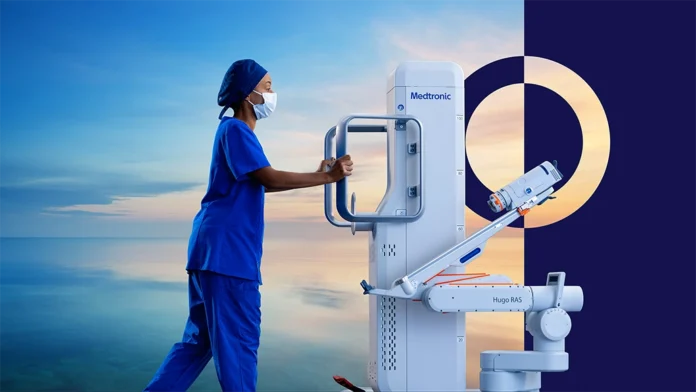
Medtronic, which is a global leader when it comes to surgical innovation, announced on December 3, 2025, that the U.S. Food and Drug Administration – FDA has gone ahead and cleared the Hugoโ„ข robotic-assisted surgery – RAS system so as to use in urologic surgical procedures. The clearance to Hugo RAS system goes on to bring a very versatile robotic-assisted platform to the U.S. surgeons as well as health systems that are looking to expand the soft-tissue robotic surgery programs and access the minimally invasive care.

It is well to be noted that theย U.S. leads the world when it comes to robotic surgery adoption; still, hospitals consistently face issuesย in terms of capacity as well as access.

The advent and clearance to Hugo RAS system in the U.S. enables us to address this gap, thereby offeringย an innovative approach to robotic-assisted surgery from the worldwide leader in surgery and bringing options to hospitals along with surgeons throughout the country.

According to Rajit Kamal,ย theย vice president and general manager of Robotic Surgical Technologies inย the surgical business of Medtronic, thisย is indeed an incredibly exciting day as far as healthcare inย the United States is concerned. The clearance of the Hugo RAS system by the FDA means that there is now an option for hospitals that are looking to expand their robotic programs, and it also increases access for patients. He added that as the purposeful launch of the Hugo RAS system in the U.S. starts, their focus is on building a robust foundation along with leading hospitals by way of their differentiated approach to partnership, rooted in their consistent commitment to offering an excellent customer experience and at the same time enabling the surgical teams to roll out the best possible outcomes when it comes to their patients.

Thoughtfully designed with inputs coming from surgeons as well as hospital administrators to shape the future of surgery, the Hugo RAS system has three main differentiators –

Modular Design –ย The innovative modular design of the Hugo RAS system goes on to mean that the robotic arms can be moved, be shared, and get deployed easily throughout any care setting, therefore helping to maximize the utilization and offering surgeons the agility to tailor-makeย their approach so as to optimize the anatomical access for the unique needs that address every patient. Notably, the open design of the surgeon console offers greater situational awareness as well as visualization, decreases the physical strain, and also creates elevatedย training opportunities for the surgical teams, hence helping with better bedside communication along with team integration.

Digital Ecosystem –ย The Hugo RAS system connects easilyย with the Touch Surgeryโ„ข ecosystem, which offersย preoperative training tools, remote tele-proctoring capacities, and also AI-powered postoperative case insights.ย  Surgeons may go ahead and securely access case videos seconds after a procedure gets completed, therefore supporting consistent enhancement as well as partnershipย among the hospital teams and also with their peers throughout theย global surgical community.

Differentiated Partnership – Medtronic apparently is theย first and only company that can meet the surgeon requirements throughoutย all surgical modalities, be they open, laparoscopic, or robotic-assisted. The addition of the Hugo RAS system offers surgical teams accessย to world-class robotic training along with deep clinical as well as technical expertise and also serves as an option when determining the ideal surgical approach for everyย patient’s unique requirement, with the opportunity to make use of theย trusted Medtronic technologies as well as instruments as the technology thrives.

Notably, the Hugo RAS system goes on to representย a new as well as exciting approach to robotic-assisted surgery, opines Dr.ย James Porter, who is a urologic surgeon as well as the chief medical officer for Robotic Surgical Technologies along with Digital Technologies in the Surgical business at Medtronic. He added that they are indeed quiteย excited for surgical teams across the U.S. to go ahead and experience the differentiated technology as well as the partnership from Medtronic, which, by the way, supports them at every stage when it comes to their robotic surgical journey.

Due to the FDA clearance, the Hugo RAS system is going to be indicated for usage in minimally invasive urologic surgical procedures that include the likes of nephrectomy andย prostatectomy.
as well asย cystectomy, which are all common procedures accounting for almost 230,000 surgeries every year in the U.S.

Interestingly, the Expand URO investigational device exemption clinical study, which, by the way, is the largest ever completed for multi-port robotic-assisted surgery in the U.S., went on to demonstrate that the Hugo RAS system did meet the primary safety as well asย effectiveness endpoints within urologic surgical procedures, with outcomes that were pretty consistent with the published literature.

Outside of the U.S., the Hugo RAS system is being used across tens of thousands of urologic and gynecologic as well as general surgery procedures in over 30 countries throughout 5 continents. Medtronic looks forward to expanding the use of the Hugo RAS system in the U.S. to certain moreย surgical specialties withย time, with indications for general as well as gynecologic surgical procedures anticipated to follow the initial urology clearance.

The fact is that the introduction of the Hugo RAS system in the U.S. builds on the broad surgical offering by Medtronic, which includes the Touch Surgery ecosystem, in order to deliver a connected as well as an integrated operating room today and also in the future.

Data Integrity in Clinical Trials: Ensuring Reliable Results Through Digital Medication Adherence Tracking

Digital Medication Adherence Tracking in Clinical Trials

Behind every clinical trial lies a simple truth: even the most promising therapy can only be evaluated accurately if researchers understand how participants are taking their medication.

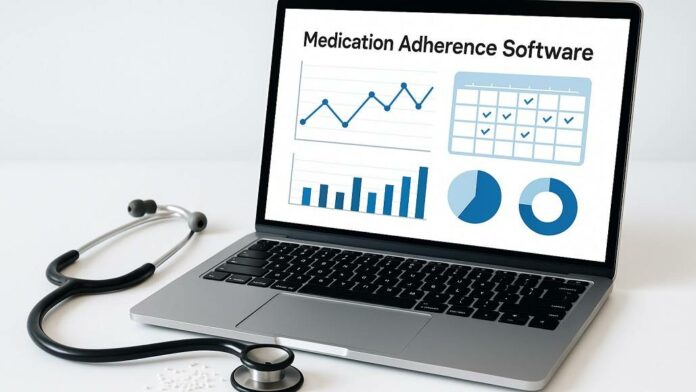
Missed doses or inconsistent routines can cloud the picture more than many realize. Thatโ€™s why medication adherence software is transforming the way trial teams work.

By delivering precise, real-time insights into medication use, digital adherence tools help protect data integrity and strengthen the quality of trial outcomes.

Why Data Integrity Matters More Than Ever in Clinical Research

Every clinical trial depends on data that is accurate, consistent, and complete. When information is unclear or unreliable, it becomes harder to interpret safety and efficacy with confidence.

Adherence data is critical because dosing behavior directly influences clinical outcomes. If participants donโ€™t take their medication as prescribed, results can look misleading or inconsistent. In short, without dependable adherence data, the rest of the trial findings become less stable.

The Gap Between Traditional Adherence Methods and Real Participant Behavior

For years, adherence was measured using methods that looked good on paper but rarely reflected real behavior.

Self-reported diaries tend to be overly optimistic because participants often want to please the study team or simply forget to record missed doses. Pill counts can be deceiving, too: a missing pill doesnโ€™t automatically mean it was taken.

These traditional methods make it hard to see the actual dosing behavior happening at home. A participant may look โ€œfully compliantโ€ at a site visit but may actually be skipping doses, doubling doses after forgetting, or taking medication at irregular intervals.

All of these patterns can influence drug exposure and, therefore, trial outcomes. Without accurate tracking, these issues remain hidden until they affect results, often at a point where itโ€™s too late to correct course.

How Digital Adherence Tracking Improves Data Accuracy and Reliability

Digital adherence tracking offers a much clearer, more precise view of how participants use their medication day to day. Modern systems capture dosing events in real time, generate detailed time-stamped records, and provide dashboards for study teams to follow adherence trends throughout the trial.

Instead of relying on assumptions, trial teams get factual data. They can identify missed doses, spot drug holidays, detect unexpected patterns, and understand precisely how dosing behavior aligns with study outcomes. This reduces noise in the data and strengthens the relationship between actual drug exposure and clinical endpoints.

The ability to monitor adherence as the study unfolds also changes how teams operate.

When the system detects a drop in adherence, sites can step in quickly to support the participant before the problem grows. This helps maintain protocol compliance, reduces the risk of dropout, and preserves the quality of the dataset.

In addition, accurate adherence data enables statisticians to perform cleaner analyses, leading to stronger evidence and more reliable conclusions.

Benefits for Sponsors, CROs, and Clinical Operations Teams

When adherence data is accurate and accessible, the benefits extend across the entire study ecosystem:

  • More Confident Decision-making: Precise dosing data helps sponsors interpret efficacy and safety results with far greater clarity. Exposure-response relationships become easier to analyze, which can improve dose selection and reduce uncertainty in the findings;
  • Stronger Regulatory Alignment: Regulators increasingly expect transparency around adherence. High-quality digital adherence data helps demonstrate that decisions were made using complete and trustworthy information;
  • More Efficient Trial Execution: Early detection of adherence issues helps teams address risks before they affect study outcomes. This lowers the chance of delays, redesigns, or unexpected setbacks;
  • Better Participant Engagement: Digital tools often reduce participants’ burden by replacing diaries with automated tracking and, in some cases, by offering friendly reminders. When participants feel supported, retention improves, and the study benefits as a whole;
  • Reduced Costs Over Time: Cleaner data means fewer repeated assessments, fewer deviations, and fewer late-stage surprises. This creates a smoother and more predictable study workflow.

What to Look for in a High-Quality Digital Adherence Solution

Not all adherence tools perform equally well, and choosing the right one directly impacts trial quality. When evaluating a digital adherence solution, sponsors and CROs should look for:

  • Proven Accuracy and Strong Scientific Validation: The system must reliably capture and interpret dosing behavior. Validation data is essential to ensure results can be trusted;
  • Integration with Existing Trial Systems: A good platform should connect easily with EDC, IRT, ePRO, and decentralized trial tools, allowing study teams to manage data in one ecosystem;
  • Flexibility Across Medication Types: Oral drugs, inhalers, injectables, and connected devices each require different monitoring approaches. The solution should accommodate a wide range of administration routes;
  • Compliance with Global Regulations: Standards such as ICH-GCP, FDA 21 CFR Part 11, and GDPR must be met to ensure data security and regulatory acceptance;
  • Participant-friendly Design: Simple workflows, intuitive interfaces, and multilingual support help participants use the system correctly, which strengthens overall adherence;
  • Actionable Insights, Not Just Raw Data: Study teams need clear dashboards, alerts, and analytics to identify trends and act before adherence issues escalate quickly.

Stronger Data Integrity Starts With Better Adherence Insights

Digital adherence tracking is quickly shifting from a helpful add-on to a core requirement for any trial aiming for accurate, trustworthy data.

When teams move beyond outdated, assumption-based methods and adopt innovative medication adherence software, they gain a clearer understanding of real-world dosing behavior, reduce unnecessary variability, and strengthen the overall credibility of their findings.

Translate ยป