














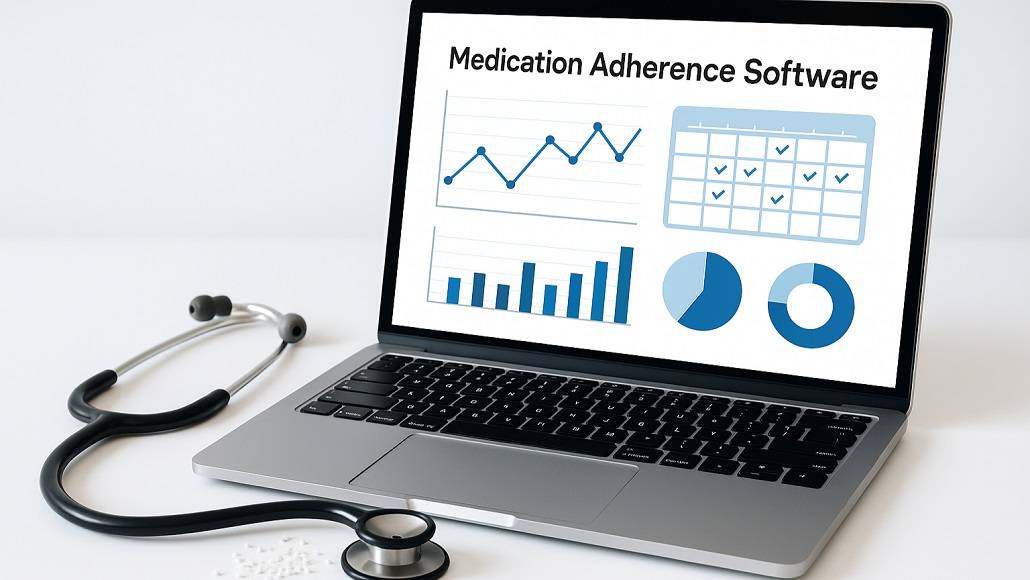
Behind every clinical trial lies a simple truth: even the most promising therapy can only be evaluated accurately if researchers understand how participants are taking their medication.
Missed doses or inconsistent routines can cloud the picture more than many realize. That’s why medication adherence software is transforming the way trial teams work.
By delivering precise, real-time insights into medication use, digital adherence tools help protect data integrity and strengthen the quality of trial outcomes.
Why Data Integrity Matters More Than Ever in Clinical Research
Every clinical trial depends on data that is accurate, consistent, and complete. When information is unclear or unreliable, it becomes harder to interpret safety and efficacy with confidence.
Adherence data is critical because dosing behavior directly influences clinical outcomes. If participants don’t take their medication as prescribed, results can look misleading or inconsistent. In short, without dependable adherence data, the rest of the trial findings become less stable.
The Gap Between Traditional Adherence Methods and Real Participant Behavior
For years, adherence was measured using methods that looked good on paper but rarely reflected real behavior.
Self-reported diaries tend to be overly optimistic because participants often want to please the study team or simply forget to record missed doses. Pill counts can be deceiving, too: a missing pill doesn’t automatically mean it was taken.
These traditional methods make it hard to see the actual dosing behavior happening at home. A participant may look “fully compliant” at a site visit but may actually be skipping doses, doubling doses after forgetting, or taking medication at irregular intervals.
All of these patterns can influence drug exposure and, therefore, trial outcomes. Without accurate tracking, these issues remain hidden until they affect results, often at a point where it’s too late to correct course.
How Digital Adherence Tracking Improves Data Accuracy and Reliability
Digital adherence tracking offers a much clearer, more precise view of how participants use their medication day to day. Modern systems capture dosing events in real time, generate detailed time-stamped records, and provide dashboards for study teams to follow adherence trends throughout the trial.
Instead of relying on assumptions, trial teams get factual data. They can identify missed doses, spot drug holidays, detect unexpected patterns, and understand precisely how dosing behavior aligns with study outcomes. This reduces noise in the data and strengthens the relationship between actual drug exposure and clinical endpoints.
The ability to monitor adherence as the study unfolds also changes how teams operate.
When the system detects a drop in adherence, sites can step in quickly to support the participant before the problem grows. This helps maintain protocol compliance, reduces the risk of dropout, and preserves the quality of the dataset.
In addition, accurate adherence data enables statisticians to perform cleaner analyses, leading to stronger evidence and more reliable conclusions.
Benefits for Sponsors, CROs, and Clinical Operations Teams
When adherence data is accurate and accessible, the benefits extend across the entire study ecosystem:
- More Confident Decision-making: Precise dosing data helps sponsors interpret efficacy and safety results with far greater clarity. Exposure-response relationships become easier to analyze, which can improve dose selection and reduce uncertainty in the findings;
- Stronger Regulatory Alignment: Regulators increasingly expect transparency around adherence. High-quality digital adherence data helps demonstrate that decisions were made using complete and trustworthy information;
- More Efficient Trial Execution: Early detection of adherence issues helps teams address risks before they affect study outcomes. This lowers the chance of delays, redesigns, or unexpected setbacks;
- Better Participant Engagement: Digital tools often reduce participants’ burden by replacing diaries with automated tracking and, in some cases, by offering friendly reminders. When participants feel supported, retention improves, and the study benefits as a whole;
- Reduced Costs Over Time: Cleaner data means fewer repeated assessments, fewer deviations, and fewer late-stage surprises. This creates a smoother and more predictable study workflow.
What to Look for in a High-Quality Digital Adherence Solution
Not all adherence tools perform equally well, and choosing the right one directly impacts trial quality. When evaluating a digital adherence solution, sponsors and CROs should look for:
- Proven Accuracy and Strong Scientific Validation: The system must reliably capture and interpret dosing behavior. Validation data is essential to ensure results can be trusted;
- Integration with Existing Trial Systems: A good platform should connect easily with EDC, IRT, ePRO, and decentralized trial tools, allowing study teams to manage data in one ecosystem;
- Flexibility Across Medication Types: Oral drugs, inhalers, injectables, and connected devices each require different monitoring approaches. The solution should accommodate a wide range of administration routes;
- Compliance with Global Regulations: Standards such as ICH-GCP, FDA 21 CFR Part 11, and GDPR must be met to ensure data security and regulatory acceptance;
- Participant-friendly Design: Simple workflows, intuitive interfaces, and multilingual support help participants use the system correctly, which strengthens overall adherence;
- Actionable Insights, Not Just Raw Data: Study teams need clear dashboards, alerts, and analytics to identify trends and act before adherence issues escalate quickly.
Stronger Data Integrity Starts With Better Adherence Insights
Digital adherence tracking is quickly shifting from a helpful add-on to a core requirement for any trial aiming for accurate, trustworthy data.
When teams move beyond outdated, assumption-based methods and adopt innovative medication adherence software, they gain a clearer understanding of real-world dosing behavior, reduce unnecessary variability, and strengthen the overall credibility of their findings.