








Close
Digital Health & Ai Innovation summit 2026
Medical Taiwan 2026

How ePrescribing Has Changed The Health Industry

ePrescribing

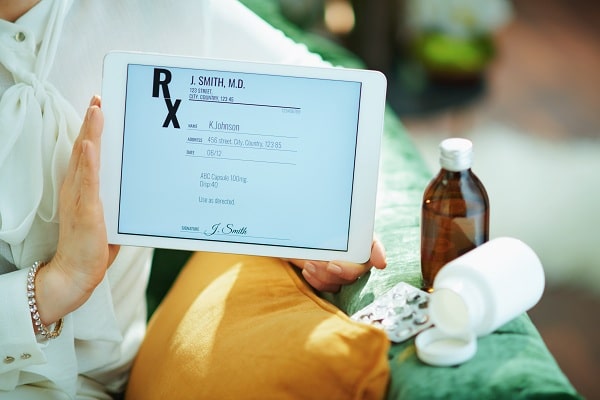
Prescription drugs aim to improve patient well-being. Medications help manage lifetime conditions, prevent complications and promote quality-of-life when taken with the correct dosage, at the right time, and regular intervals. The process of obtaining a prescription often entails a visit to a doctor who puts into writing the required medicine, intended dosage, and intake frequency. Patients then take this to a local pharmacy where a pharmacist reads the paper prescription and dispenses the required drugs.

In an ideal situation, patients obtain medication easily. However, there are instances when it becomes time-consuming. Undecipherable handwriting requires pharmacists to call physicians to verify information written on paper prescriptions or faxed instructions. It may even entail further discussion between prescriber and pharmacist when multiple medications can produce adverse drug effects. Aside from these, patients may even encounter difficulty securing refills, which can pose serious risks such as hospitalization or even death.

What is ePrescribing?

Electronic prescribing or e-prescribing (EP) serves to address these concerns. E-prescribing entails the use of software that allows medical practitioners to issue electronic prescriptions and directly send them to an accredited pharmacy. It allows prescribers to manage new and refill medications and integrate them into existing patient records. It does away with handwritten prescriptions and aims to resolve medication errors associated with them.

In several areas of the world, such as the US, UK, and Australia, e-prescribing is gaining wide acceptance due to government-issued incentives of implementing the paperless prescription process. Its continued adoption can positively impact patients, prescribers, dispensing facilities, and the entire health industry.
Impacts On The Healthcare Industry

E-prescribing impacts the healthcare industry in several ways. It is an advantage for the following:

  • Prescribers

Electronic prescriptions provide clinicians with a streamlined process of ordering prescriptions. The system also counterchecks potential allergic reactions and informs medical practitioners of generic alternatives. Aside from this, EP also ensures adherence in medication intake, as it automates refills that are crucial for patient well-being.

Government incentives likewise encourage medical practitioners to implement e-prescribing systems as they issue prescription orders for their patients. In the United States, medical practices that use e-prescribing tools are eligible for a 2% reimbursement for Medicare B charges. To date, 70% of American physicians are using electronic prescription services. In the United Kingdom, hospitals implement EP for in-patients. Australia is also gearing up for the adoption of EP systems in various territories. Prescribers are advised to read more about its March 2021 implementation to embrace the use of EP services in giving appropriate medication for patients.

  • Pharmacies

Pharmacists in the past struggled in deciphering handwritten and faxed subscriptions. This drawback makes the process rather time-consuming, as it compels dispensers to contact physicians for clarification.ย  E-prescribing lightens the pharmacistโ€™s role by ensuring readable data is transmitted electronically. It also automates verification of conflicting medications and drug allergies to ensure patients receive medicines that have little or no adverse effects. Pharmacies also benefit from increased revenue with the use of EP systems through prescription refills.

  • Healthcare Systems

E-prescription is one aspect of health IT to improve patient outcomes. Widespread implementation of this technology can help reduce healthcare burn out as it lessens the burden of issuing and dispensing prescriptions. Aside from this, EP systems also allow coordination among various patient care settings through accessible patient data. Integrating information from multiple sources allows practitioners to address patient health concerns and deliver expected care levels.

  • Patients

Patients are the ultimate beneficiaries of an e-prescribing system. They no longer need to worry if their prescriptions get lost or if they do not have one to request for a refill. Patients can also have peace of mind knowing that their medicines can manage or improve their symptoms. Electronic prescriptions are also convenient, as they can be sent either through email or SMS that they can show to pharmacists or send to allow home delivery.

Need For Enhanced Data Security

Prescription information issued through EP systems become part of a patient’s record. Ensuring that authorized persons can access this information to promote patient outcomes is a paramount concern for the entire industry. Medical information requires reliable data storage and secure networks to maintain the privacy of such sensitive information. EP providers need to ensure that their systems can handle sensitive data and transmit it only to those with authorized access.

Conclusion

E-prescribing impacts the healthcare industry in several ways. It lessens healthcare provider burnout by automating prescription and dispensing. At the same time, EP systems ensure medicines are safe and multiple prescriptions work together to manage and improve patient conditions. It can even boost medicine adherence in patients.

Electronic prescriptions also allow medical practitioners to perform coordinated care by providing access to a single patient information platform.

While EP systems provide advantages for healthcare personnel, their use challenges the healthcare industry’s ability to store and secure data. Its implementation then requires rigid structures and robust networks that guarantee prescriptions are solely used to promote patient well-being.

How E-Learning Is Transforming The Way Students Learn

How E-Learning Is Transforming The Way Students Learn

Over the course of the past few years, the education sector has evolved like never before. With the advancements in technology and development of ed-strategies, education has become more encompassing as well widely accessible. Aside from that, it is now way more convenient for both teachers to deliver and students to receive lessons. The courses have evolved to include more subjects that are related to practical life such as cultural education and languages, etc. In addition to that, the thrust of ed-systems has changed from helping a learner make a great career to training them for a better and more productive life.

What Is E-Learning

One of the most important results of recent developments has been the inception of e-learning. For the benefit of those who do not know, e-learning is nothing but education that is conducted via electronic media – especially the internet. Across the bulk of the globe, there is a new wave of e-learning that is helping both teachers and students in a number of ways.

How Is E-Learning Influencing Students

There are a number of ways in which online education has impacted learners and is continuing to do so. Students find it much more convenient to study over the internet as they can adjust their timings, plan their schedules, and get a lot of useful study material in no time. In addition to that, e-learning has also led to the formation of more and more accredited online colleges that have come to be really useful to students with responsibilities or lack of time. To understand it better, let us have a look at the major ways e-learning is making a place for itself:

  • E-learning has widened the horizon of learning. In todayโ€™s world, lessons are accessible to everybody everywhere in the world.
  • Online education eliminated the restrictions to learning. A student can learn anything he/she wants to without even leaving the house. For example, a boy sitting in the small hamlet of Bhutan can learn advanced mathematics that is taught in the developed western countries by experienced professors. Isnโ€™t it great?
  • One important advantage of e-learning is that it is cheaper as compared to traditional learning. Students can save costs on a number of things such as conveyance, residence, and food, etc.
  • Internet education has unlocked new possibilities for learners by allowing them to interact with the greatest brains from across the world.
  • Students can find accredited online colleges that offer top-notch education services and a globally recognized and respected degree.

Online education is not a system that is here to replace classic methods. In fact, it is here to co-exist and complement traditional education. There are several aspects of online learning that can be perfected to turn into a more dependable education system. The advantages of e-learning are such that almost every student can take great benefits out of it.

Every student has a certain kind of aspiration related to life or career. In order to make the best pathway to achieving such dreams, it is imperative for them to make good use of resources around them. Online learning is one such resource that you should not miss out on.

Urgent Care vs Doctor: Which is the Right One for You?

Urgent Care vs Doctor: Which is the Right One for You?

Health is a critical factor in every personโ€™s life. With the ongoing COVID-19 pandemic, everybody must be extra conscious about their health and safety. As such, everyone is taking advantage of their local healthcare services more frequently than they have previously. Healthcare services come in different forms and levels, including urgent care and primary care services. But what are the differences between the two? And how do you know what is best for you?

What is Urgent Care?

Urgent care refers to the delivery of walk-in or ambulatory medical care services outside of a hospitalโ€™s emergency department. It is different from emergency care because urgent care patients only require minor medical emergency services, such as outpatient treatment of acute or chronic illness or injury that is not life-threatening.

Find out more about urgent care services at https://www.oswegohealth.org/.

What is Primary Care?

Primary care pertains to the day-to-day healthcare services given by a physician, specifically those trained in providing comprehensive initial contact and continuing care. Patients who seek the help of primary care physicians are usually experiencing undiagnosed signs and symptoms of disease or other medical conditions.

Urgent Care vs. Doctor Services

Primary healthcare services include health promotion, health maintenance, disease prevention, patient education, counseling, and diagnosis and treatment illnesses, in the following health care settings:

  • Offices
  • Longterm care
  • Inpatient
  • Home care
  • Day care

Urgent care services include treatment of various health conditions that need prompt treatment but not life-threatening that would require emergency care at dedicated clinics. When primary care practices are closed, urgent care facilities are the next best option.

Medical Situations

Urgent care clinics are usually walk-ins, but they also accept appointments. It is worth noting that urgent care should not be a substitute for emergency medical careโ€”if a patientโ€™s condition is life-threatening, bring them to the nearest emergency room of a hospital or medical center.

Some examples of medical conditions handled in urgent care facilities include the following:

  • Fever
  • Eye irritation or redness
  • Sprains and strains
  • Severe sore throat or cough
  • Minor cuts or bleeding requiring stitches
  • Urinary tract infections
  • Skin rashes
  • Nausea and vomiting
  • Diarrhea
  • Minor fractures or broken bones

In a study, the most common causes of patients visiting primacy care facilities were identified in twelve scientific databases searched up to January 2016. The most common patient-reported reasons for visit include cough, abdominal symptoms, back pain, fever, pharyngitis, headache, dermatitis, leg symptoms, fatigue, and unspecified respiratory concerns.

Important Things to Know Before Visiting Primary Care

One way to determine which facility to visit if you or a family member is sick is to equip yourself with the right information about primary care services.

  1. Choose Your Primary Care Physician

A primary care physician is highly knowledgeable, skilled, and able to provide comprehensive primary healthcare services through residency or fellowship training in acute and chronic care settings. Choose a doctor that youโ€™re comfortable with in order to establish a good long-term relationship to help maintain your health.

  1. Referral

Primary care physicians may refer you to emergency care and hospitals depending on the severity of your medical condition. You might be asked to undergo laboratory tests, scan studies, and other diagnostic procedures that are not offered in primary care clinics. Once you have the results, youโ€™ll be asked to come back so that the primary care doctor can interpret the results.

If youโ€™re visiting a doctor who is specialized in internal medicine, you might be referred to other specialists. For instance, if your condition is beyond their scope of practice, such as a neurologic or reproductive health problem, you will be referred to the appropriate specialist, in this case a neurologist or a gynecologist.

  1. Hours of Operations

Many primary care clinics follow normal business hours. It means that they are closed at nighttime, holidays, and weekends. When doctorโ€™s clinics are closed, your next best option is to visit an urgent care clinic.

Important Things to Know Before Visiting Urgent Care

Itโ€™s important to prepare before visiting any healthcare facility to ensure the smoothest experience possible. Knowing what to expect and do will help you choose between urgent care and seeking a primary physicianโ€™s help.

Here are the important things you need to know before visiting an urgent care facility:

  1. Choose the Right Urgent Care Center

You should start searching for an urgent care facility that is right for your healthcare needs. Do you know an urgent care clinic near you? Does the center accept your health insurance plan? What does the facility specialize in? Is your primary care physician affiliated with the urgent care center? Be familiar with the healthcare services that the urgent care clinic provides and their operating hours.

Some urgent care centers specialize in womenโ€™s health, diabetic care, pediatric care, cardiovascular care, and geriatric care, which make these clinics a great choice if your family members have special or specific needs.

  1. Reserve to Shorten Wait Time

Some urgent care centers allow appointments. You can contact an urgent care center ahead of time to check if they accept reservations. If they do, you can reserve a time slot to shorten your wait time. Itโ€™s also possible to go online check-in by visiting the urgent care centerโ€™s website to help you save a slot and see a healthcare provider sooner. Provide relevant initial data online so the staff can prepare for your arrival.

  1. Know When to Visit

Urgent care clinics are usually open when many physicianโ€™s offices are closed, such as during holidays, nights, and weekends. Expect to wait a little bit longer if you see patients ahead of you in line. You can call the urgent care center to inquire about the estimated waiting time and visit the clinic if it is not too busy.

  1. Bring the Things You Need

Because urgent care clinics donโ€™t keep an extensive record of patientsโ€™ medical history, bring any necessary medical documentation. These things include prescription medications, laboratory and scan study results, and recent health insurance information.

If you work as a nanny, babysitter, or general caretaker for children, prepare a parental authorization form if youโ€™re bringing a child who is not related to you. Also, make sure to bring an ID with you to verify your identity. Be prepared to pay for copays and other payments at the time of urgent care appointment.

  1. Healthcare Professional

In urgent care clinics, the person who will treat you might not be a doctor. Trained nurses and physician assistants can also diagnose and prescribe treatment under the doctorโ€™s indirect supervision. These professionals offer initial treatment and recommend patients to follow up with their primary care physician or regular doctor.

Healthcare Costs

People are becoming increasingly unhealthy, which results in an increased disease burden on healthcare systems and may give you a sense of where healthcare is headed. So, how much does it cost to seek treatment in a primary care or an urgent care setting?

  • Primary Care Costs

How much does a primary care visit cost? Typical co-pays for a primary care visit range from $15โ€“25 USD. For a specialist, co-pays are between $30โ€“50. Most health insurance plans require the insured to pay a deductible before taking over payments to a primary care physician.

Like urgent care clinics, primary care physicians charge uninsured patients for additional services. In a study, the average cost quoted was lower than the actual total costs paid for privately insured new patients in the same states at an average of $200. The average out of pocket healthcare cost was $49 for primary insured patients.

  • Urgent Care Costs

Urgent care centers have higher operating costs as compared to primary care settings. For this reason, the nature and scope of an urgent care operation requires a greater operating investment. Urgent care centers need to sustain their operation and stay profitable by contracting higher reimbursement.

Primary care doctor appointments accept insurance. Hence, they are more affordable than urgent care centers. However, as compared to emergency room visits, urgent care co-pays are lesser. Some urgent care clinics bill for ER services, so it pays to ask if the facility also bills as an ER to avoid paying more.

Why Choose Primary Care?

Choose primary care or a doctorโ€™s consultation if:

  • It is your first time to seek medical consultation.
  • You suspect you may have a disease without obvious signs and symptoms.
  • You want to have a regular doctor to see you and your family whenever you need one.
  • You prefer appointment setting than walk-in to avoid wait times.

Why Choose Urgent Care?

Choose urgent care if:

  • Your doctorโ€™s office is closed.
  • Have a minor medical emergency.
  • You need to undergo a laboratory or scans studies.
  • Your medical condition would require prompt and invasive treatment but isnโ€™t life-threatening.

Conclusion

As you can see, there are many differences between urgent care and primary care when it comes to type of healthcare services, medical conditions being treated, and healthcare cost, among others. Choosing the right one for your needs would involve knowing what things to expect from these healthcare facilities.

While urgent care services provide prompt treatment to various medical conditions, they should not be substituted for emergency care services for life-threatening cases. Urgent care facilities are considered your on-the-go option when doctorโ€™s offices are closed during weekends and holidays. On the other hand, primary care services are managed by specialized doctors, who are the initial point of contact of locals and establish longlasting patient-doctor relationship.

AARDEX Group and Pill Connect Ltd Partner to Empower Patient Adherence

AARDEX Group and Pill Connect Ltd Partner to Empower Patient Adherence

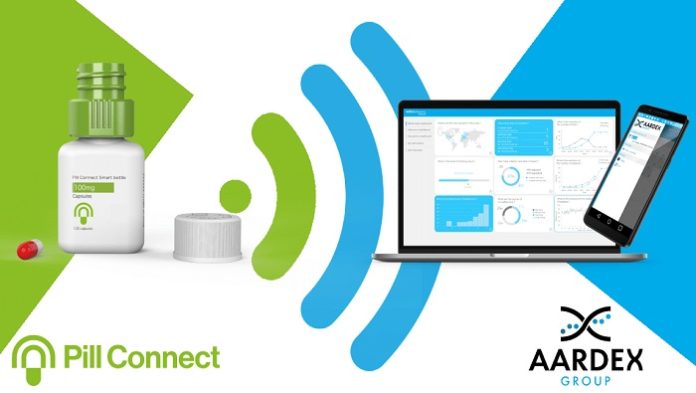
Belgium-based AARDEX Group, the world leader in medication adherence solutions, announced a strategic partnership with Pill Connect Ltd, an English company specializing in the design, development and manufacture of innovative medical devices for dispensing solid oral dose medication. The collaboration will link AARDEXโ€™s proprietary Medication Event Monitoring System (MEMSยฎ) with Pill Connectโ€™s add-on solutions for drug delivery devices. The combined system has significant potential to radically influence patientsโ€™ adherence performance.

Through this strategic alliance, AARDEX will reinforce its comprehensive portfolio of smart solutions and connected devices available to effectively measure and manage medication adherence for patients and healthcare providers. There are significant benefits to be gained from ecosystems that seamlessly measure and analyze patient adherence to medications in clinical trials. The successful management of this is supported by research settings and professional healthcare systems. The first initiative will integrate Pill Connectโ€™s smart dosing system with AARDEXโ€™s MEMS Adherence Software (MEMS ASยฎ) for medicines delivered in solid oral dose form. The collaboration will start in academic research, followed by drug development clinical trials, and then extended to commercialized drugs and real-life conditions.

David Dalla Vecchia, CEO and Financial Lead of AARDEX Group, commented, โ€œSmart packaging is one of the most reliable ways to accurately measure, describe, manage and influence patient adherence in relation to medication. It highly correlates with patient behaviour, making the results highly valuable. It is a proven way to minimize risk while being a seamless experience for patients. The objective is to support an unbiased and precise measure of medication adherence in key therapy areas, not only for commercialized drugs and real-life conditions, but also clinical trials and drug efficacy. This partnership will also be pivotal in enhancing the impact of academic research findings.โ€

James Burnstone, CEO of Pill Connect Ltd commented, โ€œManaging patient compliance can make the difference between failed and successful clinical trials. The combination of Pill Connectโ€™s smart dosing systems with the AARDEX MEMS ASยฎ system ensures the precise capture and analysis of data for clinical trials and adherence monitoring. We are delighted to be collaborating to bring these solutions to our customers. For clinical trials, the integration of this kind of tool will improve the speed and accuracy of medication adherence assessment and intervention efficacy and potentially decrease the rate of unnecessary mediation, bolstering success at every level.โ€

AARDEX is passionate about continuously innovating data-driven medication adherence solutions to enhance digital therapeutics and patient empowerment. Evidence-based digital adherence monitoring systems can help improve clinical results and conclusions, maximizing the chances of success in clinical trials. Sponsors can improve drug efficacy by managing patient adherence to the study medications and pharma companies can reliably and seamlessly monitor and address patient medication adherence, minimizing risks of trial failure or costly adjustments.

About AARDEX Group

AARDEX Group is the world leader in digital solutions to measure and manage medication adherence. With operations in Belgium, Switzerland and the U.S., AARDEX develops and markets digital solutions for adherence-enhancing strategies in clinical trials, research settings, and professional healthcare systems. AARDEX is the central actor of a complete ecosystem that combines its MEMSยฎ Adherence Software with a wide range of smart packages and devices that measure patient adherence across all routes of drug administration. AARDEXโ€™ vision is to continuously innovate in data-driven medication adherence solutions to enhance digital therapeutics and patient empowerment.

About Pill Connect Ltd

Pill Connect Ltd is a health technology company based in Manchester, UK developing smart solutions to improve patient care. Pill Connectโ€™s smart dispensing system which aims to improve and monitor patient adherence, concluded its first clinical trials in 2019.

Kindred Healthcare and Baptist Health South Florida Announce Plans for Inpatient Rehabilitation Hospital

Kindred Healthcare and Baptist Health South Florida Announce Plans for Inpatient Rehabilitation Hospital

Kindred Healthcare, LLC and Baptist Health South Florida announced a joint venture to build and operate a 60-bed inpatient rehabilitation hospital in the Miami-Dade County metro area.

The new hospital, to be called Baptist Health Rehabilitation Hospital, will have all private rooms and focus on acute rehabilitation for patients who suffer from stroke, traumatic brain injury, spinal cord injury, complex neurological disorders, orthopedic conditions, multiple trauma, amputation and other injuries or disorders. The rehabilitation facility will also feature multidisciplinary therapy gymnasiums outfitted with the latest therapeutic technologies, including augmented reality balance training, therapy bionics and a full body exoskeleton. Additionally, it will include a therapeutic courtyard with exterior amenities to support patient care and help patients return to daily living activities.

โ€œWe are excited to work with Baptist Health โ€“ one of Floridaโ€™s leading healthcare providers โ€“ to increase access to high-quality inpatient rehabilitation services in South Florida,โ€ said Russ Bailey, President, Kindred Rehabilitation Services. โ€œAs with our existing rehabilitation hospitals across the country, this new hospital will be dedicated to passionately advocating for and providing hope, healing and recovery to patients in its care.โ€

โ€œFor years, Baptist Health has cared for patients facing acute or disabling injuries and illnesses to help improve their functional and cognitive level of independence,โ€ said Ana Lopez-Blazquez, executive vice president and chief strategy officer, Baptist Health. โ€œTogether with Kindred, we look forward to growing our rehabilitation program and to expanding access to inpatient rehab services in our community.โ€

The hospital is expected to open in early 2023. It comes in addition to the current Baptist Health Rehabilitation at Homestead Hospital, which offers a full-range of inpatient rehabilitation services.

About Kindred Healthcare

Kindred Healthcare, LLC is the nationโ€™s leading specialty hospital company delivering acute health services in its long-term acute care hospitals, inpatient rehabilitation hospitals, acute rehabilitation units, and behavioral health line of business, all specializing in treating the most medically complex patients. Based in Louisville, Kentucky, and ranked as one of Fortune magazineโ€™s Most Admired Healthcare Companies for nine years, Kindredโ€™s mission is to help our patients reach their highest potential for health and healing with intensive medical and rehabilitative care through a compassionate patient experience.

About Baptist Health South Florida

Baptist Health South Florida is the largest healthcare organization in the region, with 11 hospitals, more than 23,000 employees, 4,000 physicians and 100 outpatient centers, urgent care facilities and physician practices spanning across Miami-Dade, Monroe, Broward and Palm Beach counties. Baptist Health has internationally renowned centers of excellence in cancer, cardiovascular care, orthopedics and sports medicine, and neurosciences. In addition, it includes Baptist Health Medical Group; Baptist Health Quality Network; and Baptist Health Care On Demand, a virtual health platform. A not-for-profit organization supported by philanthropy and committed to its faith-based charitable mission of medical excellence,Baptist Health has been recognized by Fortune as one of the 100 Best Companies to Work For in America and by Ethisphere as one of the Worldโ€™s Most Ethical Companies.

Olympus Supports Dissemination of Endoscopic Procedures for Colorectal Cancer in Russia

Olympus to Support Endoscopic AI Diagnosis Education for Doctors in India and to Launch AI Diagnostic Support Application

Olympus Corporation (Director, Representative Executive Officer, President and CEO: Yasuo Takeuchi) announced that it has been selected(1) by Japan’s Ministry of Health, Labour and Welfare (MHLW) to implement the Japan-Russia Medical Cooperation Promotion Project in the field of endoscopy for the fiscal year ending March, 2021. Under the project, Olympus will promulgate gastrointestinal endoscopic/laparoscopic techniques in support of a five-year oncology plan launched by the Russian government in 2019.(2)

As part of the project, Olympus will facilitate online training programs for gastrointestinal endoscopic/laparoscopic techniques taught by Japanese oncology specialists for Russian endoscopists and oncologists. The bilateral project is being carried out in cooperation with Russia’s two premier cancer centers, the N. N. Blokhin Cancer Research Center and the P. Hertsen Moscow Oncology Research Institute branch of the Russian National Medical Research Radiological Centre (NMRRC) as well as Asian Medical Education and Training Support (AMETS).(3) As part of the project’s initiatives, Olympus commits to disseminate Japan’s world-leading technologies for early diagnosis and treatment in Russia, contributing to the improvement of oncology treatment and research in the region.

Objectives of the MHLW’s Japan-Russia Medical Cooperation Promotion Project in the Field of Endoscopy (April 2020 – March 2021):

1. To help advance the Russian government’s oncology plan by implementing cancer educational activities for facilities and doctors specializing in that branch of medicine. These activities will take place primarily at Russia’s two premier cancer centers, the N. N. Blokhin Cancer Research Center and the P. Hertsen Moscow Oncology Research Institute within the NMRRC.

2. To provide opportunities for training and knowledge sharing on the latest medical technologies by Japanese physicians, contributing to the improvement of gastrointestinal cancer measures, from diagnosis to treatment, particula
rly for colorectal cancer.

Program activities were unveiled at the Japan-Russia Symposium on Colorectal Cancer Management and at the Signing Ceremony of the Memorandum of Cooperation among AMETS and the two Russian cancer centers, which were held on January 19. The signing ceremony was attended by Japanese and Russian government officials, including Mr. Sergey Muraviev, Director-General, International Cooperation and Public Relations Bureau, Ministry of Health of the Russian Federation, Dr. Teiji Takei, MHLW Assistant Minister for Global Health and Welfare, and Mr. Takeshi Matsunaga, Embassy of Japan in Russia. In addition, 1167 healthcare professionals from all over Russia attended the symposium virtually.

Supported by the MHLW since 2017, Olympus has provided its endoscopic systems for the Endoscopic Training Center at Pirogov Russian National Research Medical University, in addition to supporting training activities with Japanese physicians serving as instructors. The Japan-Russia Medical Cooperation Promotion Project is one of such initiatives by Olympus that MHLW has supported. Moving forward, Olympus will continue to assist with the training of Russian endoscopists, aiming to spread the application of endoscopic diagnosis, treatment and surgery.

Launch of UK’s first PharmacyFirst digital health service

The UK will see the launch of its first ever pharmacy-first digital health service in a partnership between Well Pharmacy and Push Doctor.

Well Pharmacy and digital health company, Push Doctor, are to launch the countryโ€™s first pharmacy-first digital service pilot scheme that will provide over 50,000 patients with direct access to local community pharmacists via the Push Doctor platform.

The pilot, which initially ran at a single GP practice for four weeks, has now been extended to a further three GP practices across Plymouth Sound primary care network and is currently available to over 50,000 patients living in the local area. If the pilot is successful Push Doctor and Well Pharmacy will be increasing the number of surgeries offering digital pharmacist consultations, with Well Pharmacy looking to recruit more clinical pharmacists as the partnership expands.
Improving care in the UK

It is estimated that one-third of GP appointments nationally could be treated by pharmacists who are clinically trained to treat minor ailments. By adopting a pharmacy-first approach, patients who access the Push Doctor platform with such concerns will be directed to a pharmacist who will be able to offer quick and effective treatment online.

The move will free up GP appointments for those with serious or chronic health conditions, easing the burden on the local NHS at a time of unprecedented demand.

Wais Shaifta, Chief Executive, Push Doctor, said: โ€œWe are delighted to be partnering with Well Pharmacy to provide the residents of Plymouth with better access to primary care. By directing patients to the most appropriate clinician in the first instance we can treat them faster and more effectively, delivering better health outcomes across the local area.

โ€œBy fully utilising the skill and expertise of pharmacists, we will remove non-essential footfall for GP practices, freeing up more time for GPs to see patients with more serious medical issues. We hope this will be the start of a new pharmacy-first delivery model that will set up a future digital NHS across the country.โ€

Patients will be able to access a highly trained Well Pharmacist flexibly at a time that suits them.

Seb Hobbs, CEO, Well Pharmacy, said: โ€œThrough this partnership with Push Doctor we will demonstrate the central role pharmacists can play in providing primary care, prompting a shift towards a pharmacy-first patient mindset. The partnership provides an amazing opportunity for us to increase patient access to pharmacy services and ensure that they can fully leverage the expertise of these highly trained clinicians.โ€

KLAS Research honours InterSystems TrakCare and HealthShare Unified Care Record for exceptional work and customer satisfaction

KLAS Research honours InterSystems TrakCare and HealthShare Unified Care Record for exceptional work and customer satisfaction

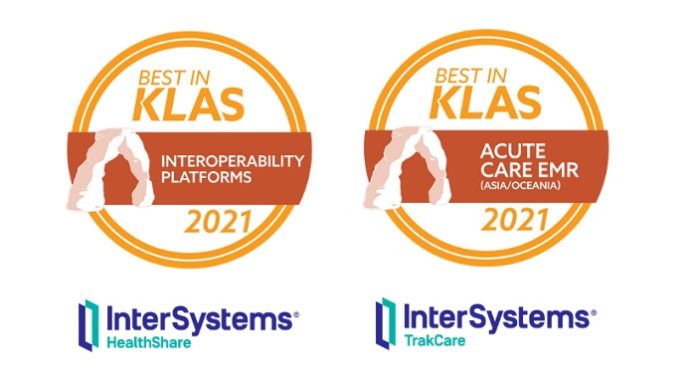
InterSystems, a global leader in information technology platforms for health, business and government applications, announced that KLAS Research has named the InterSystems TrakCareยฎ unified healthcare information system as the 2021 Best in KLAS award winner in the Asia/Oceania Region for Acute Care EMR, and InterSystems HealthShareยฎ Unified Care Record as a Best in KLAS award winner for Interoperability Platforms.

โ€œEach year, thousands of healthcare professionals across the globe take the time to share their voice with KLAS,โ€ said Adam Gale, President of KLAS Research. They know that sharing their perspective helps vendors to improve and helps their peers make better decisions. These conversations are a constant reminder to me of how necessary accurate, honest and impartial reporting is in the healthcare industry. The Best in KLAS report and the awards it contains set the standard of excellence for software and services firms. Vendors who win the title of โ€œBest in KLASโ€ should celebrate and remember that providers now accept only the best from their products and services. The Best in KLAS award serves as a signal to provider and payer organisations that they should expect excellence from the winning vendors.โ€

KLAS Research polls healthcare providers each year to best understand the impact technology vendors have on the healthcare industry and honestly, accurately and impartially report on those findings. The Best in KLAS awards are presented to vendors viewed as leaders in the space and those that help healthcare professionals deliver better patient care. The โ€œ2021 Best in KLAS Global Software Servicesโ€ report is based on satisfaction ratings gathered in 2020 from thousands of healthcare providers in two areas: Acute Care Electronic Medical Records (EMRs) and Interoperability Platforms.

TrakCare has been recognised seven times with a Best in KLAS Global (Non-US) award in the Patient Administration System and Acute Care EMR categories. This is the fourth year TrakCare has been recognised with the Global Acute Care EMR award for the Asia/Oceania Region, and it was additionally rated as a top solution in Latin America. TrakCare is trusted by leading healthcare providers in 27 countries around the globe and allows healthcare providers to deliver safer, more efficient and better coordinated care.

HealthShare Unified Care Record ensure providers, payers, consumers, social care and wellness services, researchers, and solution developers have the tools to overcome the challenges of decentralised data by creating a shared, comprehensive and unified care record. Its agility empowers healthcare organisations to adapt quickly amidst the volatility of the COVID-19 pandemic.

โ€œWe are always pleased to gain recognition โ€“ but ones from our customers such as Best in KLAS mean the most,โ€ said Don Woodlock, vice president of Healthcare Solutions at InterSystems. โ€œWe have continually adapted our technology to help our customers meet the novel challenges they face, and we are grateful that our customer focus and commitment to excellence ring true.โ€

About InterSystems

Established in 1978, InterSystems is the leading provider of technology for extremely critical data in the healthcare, finance, and manufacturing and supply chain sectors. Its cloud-first data platforms solve interoperability, speed and scalability problems for large organisations around the globe. InterSystems also develops and supports unique managed services for hospital EMRs, unified care records for communities and nations, and laboratory information management systems. InterSystems is committed to excellence through its award-winning, 24ร—7 support for customers and partners in more than 80 countries. Privately held and headquartered in Cambridge, Massachusetts, InterSystems has 25 offices worldwide.

About KLAS

KLAS is a data-driven company on a mission to improve the worldโ€™s healthcare by enabling provider and payer voices to be heard and counted. Working with thousands of healthcare professionals, KLAS collects insights on software, services and medical equipment to deliver reports, trending data and statistical overviews. KLAS data is accurate, honest and impartial. The research directly reflects the voice of healthcare professionals and acts as a catalyst for improving vendor performance.

Scotland’s first digital hospital will boast realtime operational command centre

Scotland's first digital hospital will boast realtime operational command centre

Scotlandโ€™s โ€˜first digital hospitalโ€™ will feature an operational command centre to help clinicians understand in realtime when patients are deteriorating.

The state-of the-art University Hospital Monklands will be furnished with sophisticated touchscreens to help patients navigate their way through the site and clinicians will be able to continuously monitor online feedback from patientsโ€™ families to improve care.

NHS Lanarkshire has approved a business case for the new hospital, which will occupy a site of 40 acres at the minimum and will replace the existing Monklands Hospital in Airdrie that was built in the 1970s and has been deemed โ€˜no longer fit for purposeโ€™.

The new development, which is at the very earliest of design stages, is expected to be built within the next seven years from an as yet undisclosed capital budget and has been conceptualised based on consultations with local people in the area; the estimated cost will be released during the site selection process. Inspiration for the digital hospital approach has been found within advanced hospital projects in the US and Canada; Humber River Hospital, Toronto, and Johns Hopkins Hospital, Baltimore, are two examples the Monklands Replacement Project team have discussed as โ€˜exemplar hospitalsโ€™ in exploring the opportunities of digital technology.

The hospital will be delivered according to a new clinical model which requires particular departments and services to be located close together. The proposed layout will see the departments interconnected on a ground floor level, allowing for ease of communication between relevant specialisms.

There is an ambition within the local health boardโ€™s strategy to shift care away from inpatient treatment to day case, day treatment, outpatient and community care, to develop โ€˜pan-Lanarkshire hospital centres of excellenceโ€™ and support the healthcare needs of the wider West of Scotland. NHS Lanarkshire is developing a digital strategy will see the implementation of a range of digital technology to support patients and staff from the acute hospital to care in the home. The new University Hospital Monklands will be at the forefront of this move to revolutionise the way healthcare is delivered.

Video and still images show the exciting design concept for how the hospital could look when it is relocated to a new site that will offer the opportunity to deliver the most modern healthcare, designed to ensure that the huge advances in digital technology are central to an improved experience for patients and help staff carry out their work.

Monklands Replacement Project (MRP) clinical lead Dr Jim Ruddy said: โ€œRelocating to a spacious new site gives us the opportunity to create a hospital that can deliver our โ€˜clinical modelโ€™ โ€“ the blueprint for providing future healthcare that has been developed by our clinicians and other colleagues.

โ€œWith NHS Lanarkshireโ€™s patients becoming older and increasingly suffering from a number of complex conditions, the use of digital technology is key to this clinical model. A hospital built with digital technology at its core will free up cliniciansโ€™ time, allowing even more time to be spent looking after patients.โ€

University Hospital Monklands chief of nursing services Karen Goudie added: โ€œOur ambition for the new Monklands to be Scotlandโ€™s first digital hospital will greatly benefit patients, visitors and staff.

โ€œThere will also be an operational command centre at the heart of the development, providing the most modern of healthcare with real-time information to make staff instantly aware of patients whose condition is deteriorating, helping to maximise patient safety and patient flow, and to address any capacity issues in the safest way possible. The centre will even monitor online feedback from patientsโ€™ families to help improve care.โ€

MRP director Graeme Reid said: โ€œWeโ€™re delighted to share this inspirational vision for Scotlandโ€™s first digital hospital, a world-class hospital for the communities of Lanarkshire who will be served by it in years to come.

โ€œThe design was created with the valued input of patient and public representatives and staff, who provided feedback at a series of workshops last year.

โ€œIt illustrates the exciting future for patients and staff of the proposed hospital, with further feedback being sought from the public during the planning process once a site is confirmed.

โ€œA location for the new hospital will be confirmed this spring from the three shortlisted potential sites โ€“ Gartcosh, Glenmavis and Wester Moffat โ€“ following a public engagement process and a site scoring exercise.โ€

There is an ambition within the local health boardโ€™s strategy to shift care away from inpatient treatment to day case, day treatment, outpatient and community care, to develop โ€˜pan-Lanarkshire hospital centres of excellenceโ€™ and support the healthcare needs of the wider West of Scotland. NHS Lanarkshire is developing a digital strategy will see the implementation of a range of digital technology to support patients and staff from the acute hospital to care in the home. The new University Hospital Monklands will be at the forefront of this move to revolutionise the way healthcare is delivered.

Video and still images show the exciting design concept for how the hospital could look when it is relocated to a new site that will offer the opportunity to deliver the most modern healthcare, designed to ensure that the huge advances in digital technology are central to an improved experience for patients and help staff carry out their work.

Monklands Replacement Project (MRP) clinical lead Dr Jim Ruddy said: โ€œRelocating to a spacious new site gives us the opportunity to create a hospital that can deliver our โ€˜clinical modelโ€™ โ€“ the blueprint for providing future healthcare that has been developed by our clinicians and other colleagues.

โ€œWith NHS Lanarkshireโ€™s patients becoming older and increasingly suffering from a number of complex conditions, the use of digital technology is key to this clinical model. A hospital built with digital technology at its core will free up cliniciansโ€™ time, allowing even more time to be spent looking after patients.โ€

University Hospital Monklands chief of nursing services Karen Goudie added: โ€œOur ambition for the new Monklands to be Scotlandโ€™s first digital hospital will greatly benefit patients, visitors and staff.

โ€œThere will also be an operational command centre at the heart of the development, providing the most modern of healthcare with real-time information to make staff instantly aware of patients whose condition is deteriorating, helping to maximise patient safety and patient flow, and to address any capacity issues in the safest way possible. The centre will even monitor online feedback from patientsโ€™ families to help improve care.โ€

MRP director Graeme Reid said: โ€œWeโ€™re delighted to share this inspirational vision for Scotlandโ€™s first digital hospital, a world-class hospital for the communities of Lanarkshire who will be served by it in years to come.

โ€œThe design was created with the valued input of patient and public representatives and staff, who provided feedback at a series of workshops last year.

โ€œIt illustrates the exciting future for patients and staff of the proposed hospital, with further feedback being sought from the public during the planning process once a site is confirmed.

โ€œA location for the new hospital will be confirmed this spring from the three shortlisted potential sites โ€“ Gartcosh, Glenmavis and Wester Moffat โ€“ following a public engagement process and a site scoring exercise.โ€

Lilly, Life for a Child and Beyond Type 1 advance partnership to improve diabetes care in resource-limited countries

Instrument-free Molecular Diagnostic Tests

To address inequity in access to quality diabetes care for many children and young adults around the world, Eli Lilly and Company and Life for a Child (LFAC) are significantly expanding their long-term partnership and shared mission to provide free immediate care as well as build sustainable diabetes care models for vulnerable populations. Additionally, Life for a Child announced a new strategic partnership with Beyond Type 1, a global diabetes nonprofit focused on changing what it means to live with chronic illness.

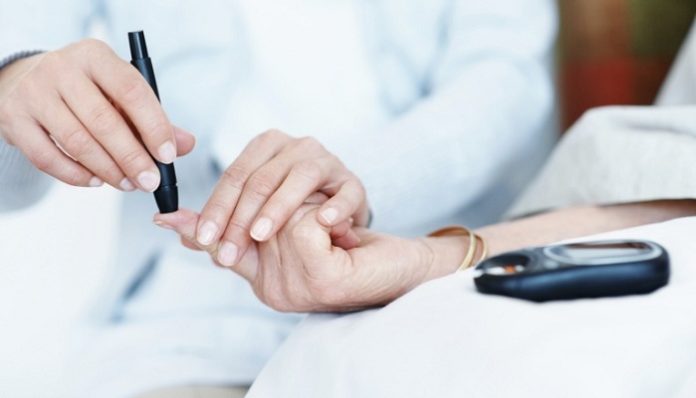
Starting in February 2021, the partners will expand access to care for youth with diabetes from approximately 23,000 in 2020 to approximately 150,000 in 65 countries over the next 10 years. The program also strives to improve outcomes in all countries that receive support. Type 1 diabetes management support includes access to mealtime and basal insulins, reusable pens, blood glucose monitoring, A1C testing and diabetes education.

“Insulin has improved dramatically since it was first discovered a century ago, but there is still much work to be done to ensure equitable access to quality diabetes care, medicines, and support programs across the globe,” said Mike Mason, president, Lilly Diabetes. “Lilly and Life for a Child have been collaborating for years to develop solutions, and we are excited to strengthen this critical work with Beyond Type 1.”

Since 2009, Lilly has donated 2.4 million vials of insulin to LFAC, which provides access to care, education, and lifesaving medicines and supplies to children and young people with type 1 diabetes in developing countries. As part of the partnership, Lilly will provide mealtime and basal insulins and reusable pens as well as covering the costs associated with arranging, packing, and shipping to countries in conjunction with Direct Relief. The expanded partnership will enable Life for a Child to reach children and young people in more than 60 countries, including India, Pakistan, Ethiopia, Tanzania, and Bolivia.

“Insulin is essential for survival in type 1 diabetes, but it is not enough โ€“ blood glucose monitoring, medical care, and diabetes education are just as important. Lilly’s very generous and extensive support of this expansion will enable Life for a Child to greatly increase provision of all these components of care, in many countries across the globe,” said Dr. Graham Ogle, General Manager of Life for a Child. “Together, we aim to build a healthier world, where children with diabetes thrive no matter what country or situation they are born into.”

Global diabetes nonprofit Beyond Type 1 will further support the expansion of Life for a Child’s programming by providing educational resource development alongside strategic communications support to amplify their critically important work.

“Over the next ten years, with this new support, Life for a Child’s footprint will expand to serve 150,000 children with life-sustaining diabetes care around the globe. Beyond Type 1 is thrilled to be joining the LFAC Steering Committee and working to magnify and support this work through community building, communication efforts and resource development,” said Beyond Type 1 CEO Thom Scher.

The expansion of the Life for a Child program is part of Lilly’s social impact efforts and supports Lilly 30×30, the company’s goal to improve access to quality health care for 30 million people living in settings with limited resources, each year, by 2030. The expansion builds on decades of Lilly’s global health work to improve equitable access to diabetes care and medicines, including in Kenya, Mexico, South Africa, and the U.S.

About Eli Lilly and Company
Lilly is a global health care leader that unites caring with discovery to create medicines that make life better for people around the world. We were founded more than a century ago by a man committed to creating high-quality medicines that meet real needs, and today we remain true to that mission in all our work. Across the globe, Lilly employees work to discover and bring life-changing medicines to those who need them, improve the understanding and management of disease, and give back to communities through philanthropy and volunteerism.

Translate ยป