Close
Digital Health & Ai Innovation summit 2026
Medical Taiwan 2026

Smart Hospital Bed Options with Controlled Functioning Ensure Better Care for Patients

Scientific advancements and technological revolution have introduced many new improved medical devices with more controlled functioning as well as interactivity. One such category in this context is smart hospital beds that are available in different forms. Due to the availability of many smart electrical hospital bed options, it is quite easier for hospital staff to provide improved care to patients.

Adjusting a manual hospital bed is very difficult for a patient if he wants to change his position on the bed. But with the inclusion of many functional, aesthetic, and interactive features in medical electrical beds, it is quite easier for patients as well as hospital staff to manage a hospital bed.

The requirement for smart hospital beds has increased a lot during the coronavirus pandemic. Many hospital bed suppliers are laying their focus to provide electrical beds to satisfy the need for an electrical ICU bed for every patient affected due to the Covid-19 or any other ailment.

The availability of electrical hospital beds at different online medical bed suppliers has allowed patients at home, hospitals, or nursing homes to get improved care in the treatment of their ailments. Electrical hospital beds do not require any effort to handle the crank for the purpose of backrest, knee, and integral up and time.

Smart electric hospital beds comprise of electric powered motor controls that ensure the elevation of the head, foot, and the height of the bed frame with just a push of a button. Electrical motored hospital beds adds flexibility, comfort, and mobility in a patientโ€™s care at any health facility.

HHS Taps CVS Health for Pilot to Administer COVID-19 Therapy to Patients At Home & Long-Term Care Facilities

HHS Taps CVS Health for Pilot to Administer COVID-19 Therapy to Patients At Home & Long-Term Care Facilities

CVS Health was selectedย  by the U.S. Department of Health and Human Services (HHS), as part of Operation Warp Speed, to pilot the administration of a limited supply of bamlanivimab, a monoclonal antibody therapy, with eligible COVID-19 patients at risk of severe infection or complications resulting from the virus. The selection underscores the role of CVS Health as a diversified health services company and expands work underway with HHS and Operation Warp Speed as CVS Health also prepares to administer COVID-19 vaccines

COVID-19 Therapy Pilot Details

Under this pilot, Coram, the specialty pharmacy and infusion care business of CVS Health, will administer the intravenous therapy in patientsโ€™ homes or long-term care facilities to help meet the growing demand for these new treatments. Coram and its more than 800 certified and highly trained nurses across the country are a prime example of how CVS Health offers diversified health services to transform health and meet people where they are โ€“ whether in normal times or during the ongoing pandemic.

Details of the pilot include:

โ€“ Coram will begin administering 1,000 doses of monoclonal antibody therapies for the treatment of COVID-19.

โ€“ The pilot will be available in Boston, Chicago, Cleveland, Los Angeles, Milwaukee, Minneapolis and Tampa, and their surrounding communities starting Thursday, December 3. Following the pilot, Coram will scale this solution to additional markets in areas of greatest need.

โ€“ To be eligible, and in accordance with the therapyโ€™s Emergency Use Authorization (EUA), patients must not be hospitalized, be within 10 days of symptom onset, at least 12 years of age or older, weighing at least 40 kilograms (or 88.2 pounds), and at high risk for progressing to severe disease and/or hospitalization.

โ€“ There is no out-of-pocket cost to the patient for this care.

Why It Matters

As COVID-19 rates surge in many parts of the country, Coram also has worked to help keep patients out of inpatient and hospital settings altogether, alleviating pressure on the health care system and preserving important hospital resources for the most critical patients. Since early in the pandemic, Coram has partnered with hospitals to safely transition eligible infusion patients home to help ensure hospital bed capacity to treat COVID-19 patients. Importantly, todayโ€™s announcement also expands the integral role of CVS Health on the front lines in the fight against COVID-19. This includes work underway with HHS and Operation Warp Speed to administer COVID-19 vaccines when available, as well as a national COVID-19 testing infrastructure, which has enabled the company to perform more than eight million tests across more than 4,300 retail testing locations and onsite at workplaces and campuses around the country since the start of the pandemic.

โ€œPatients can rest assured they are receiving the best care possible through Coram in the safety and comfort of their own home or long-term care facility, and Coram is poised to continue to meet shifting health care demands as the importance and value of home-based care will undoubtedly outlive the pandemic,โ€ added Prem Shah, Pharm.D., Executive Vice President of CVS Specialty and Product Innovation. โ€œThis established and experienced clinical service further demonstrates CVS Healthโ€™s unique ability to touch all aspects of a personโ€™s health to make their experience more accessible and affordable.โ€

Lake of the Woods District Hospital Prepares for Future Smart Hospital with Vocera Solutions

Lake of the Woods District Hospital Prepares for Future Smart Hospital with Vocera Solutions

Vocera Communications, Inc., a recognized leader in clinical communication and workflow solutions, announced that Lake of the Woods District Hospital (LWDH) in Kenora, Ontario is deploying intelligent communication solutions from Vocera to help protect and connect care teams now and beyond COVID-19. LWDH is in the midst of redevelopment (the All Nations Hospital Project) with planning partner Kenora Chiefs Advisory, which will serve residents of Kenora and a large surrounding area that includes several First Nations communities. This new hospital will be built on a strong digital foundation.

Strategic planning for the new facility includes hardwiring best practices and proven technologies in the existing hospital to ensure the planned smart hospital has the best services and solutions when the doors open in a few years. Among those solutions are the wearable, voice-controlled Vocera Smartbadge and the Vocera Vina smartphone application. Powered by the Vocera Platform, these mobile solutions enable healthcare workers to connect and communicate with simple voice commands, send and receive secure messages, and manage patient-centric alert notifications.

โ€œAs we look forward to building a new hospital, we want to make sure we already have a reliable and secure communication system embedded into our clinical workflows and ecosystem. We are installing the Vocera Platform in our current operations so when we move to the new building, we are ready to go from day one,โ€ said Cheryl Oโ€™Flaherty, Chief Financial Officer at LWDH, which has been caring for people for more than 120 years. โ€œWe need a smart, future-proof communication system that can improve operational efficiencies, elevate patient care and safety, and help protect clinician and staff well-being.โ€

With the Vocera communication and collaboration platform, care team members can choose the right device for their role or task. When it comes to caring for patients with COVID-19, hands-free communication is essential. The Smartbadge can be worn and used under personal protective equipment (PPE), empowering clinicians to connect quickly and safely. Additionally, the dedicated panic button on the device makes it easy to get help fast and discreetly.

โ€œWithout the Smartbadge, a nurse working in an isolation room needing supplies or assistance would have to leave the patient, go to an ante room, remove PPE, wash her hands, get the needed help or resources, return to the ante room, and don more PPE,โ€ said Chantal Tycholiz, Manager of the Emergency Department at LWDH. โ€œThe Vocera solution saves valuable time and resources, enables clinicians to stay close to the bedside, and helps reduce their risk of self-contamination.โ€

A future integration between the Vocera solutions and the hospitalโ€™s nurse call system will enable patients to connect directly with their care team members, helping improve staff response times, patient safety and satisfaction. The Vocera Platform integrates with more than 150 clinical and operational systems, including electronic health records, (EHRs), physiologic monitors, ventilators, and real-time location systems.

โ€œVocera is proud to support Lake of the Woods District Hospital and its mission to build a fully-integrated smart hospital of the future,โ€ said Brent Lang, President and CEO of Vocera. โ€œWe hope our recent partnership with the Northern Supply Chain procurement group will help pave the way for other hospitals in the province to secure communication solutions that can help improve the lives of patient, families and front-line healthcare workers.โ€

About Vocera

The mission of Vocera Communications, Inc. is to simplify and improve the lives of healthcare professionals, patients, and families while enabling hospitals to enhance quality of care and operational efficiency and humanize the healthcare experience. In 2000, when the company was founded, we began to forever change the way care teams communicate. Today, Vocera offers the leading platform for improving clinical communication and workflow. More than 2,100 facilities worldwide, including nearly 1,700 hospitals and healthcare facilities, have selected our solutions. Care team members use our solutions to communicate and collaborate with co-workers by securely texting or calling, and to be notified of important alerts and alarms. They can choose the right device for their role or task, including smartphones or our hands-free, wearable Vocera Smartbadge and Vocera Badge. They can create a richer, more human connection for patients and their loved ones before, during, and after care using Vocera Ease applications. Interoperability between the Vocera Platform and more than 150 clinical and operational systems helps reduce alarm fatigue; speed up staff response times; and improve patient care, safety, and experience. In addition to healthcare, Vocera solutions are found in luxury hotels, aged care facilities, retail stores, schools, power facilities, libraries, and more. Vocera solutions make mobile workers safer and more effective by enabling them to connect instantly with other people and access resources or information quickly. Vocera has made the list of Forbes 100 Most Trustworthy Companies in America, and the Vocera Smartbadge was named to TIMEโ€™s list of the 100 Best Inventions of 2020.

Chronic Disease Prevention Linked To Patient Engagement, Counseling

Patient engagement in the form of behavioral counseling sessions about healthy behavior change aided in chronic disease prevention, according to a new evidence report published in JAMA.

CVD is the leading cause of death in the country, killing over 650,000 Americans each year. The report shows that counseling to encourage a healthy diet and physical activity in populations with CVD risk factors such as high blood pressure, cholesterol, and lipid levels improves patient outcomes.

Observational evidence shows associations between lower levels of CVD risk factors and lower cardiovascular-related mortality rates, however little research had been done on how effective behavioral counseling is at reducing CVD events and mortality until now.

The report, which analyzed 94 randomized clinical trials (RCTs), found that patient engagement in behavioral counseling sessions resulted in a 20 percent lower risk of cardiovascular disease (CVD) events for at-risk adults.

The interventions involved an average of six contact hours and 12 sessions over the course of a year. The sessions varied in format and recommendations, but 95 percent addressed both physical activity and diet.

Both reviews showed that behavioral counseling in people at risk for CVD was associated with improvements in intermediate outcomes such as blood pressure, lipid levels, glucose levels, and adiposity as well as behavioral outcome improvements such as dietary intake and physical activity.

However, the finding that behavioral counseling interventions are associated with a lower risk of CVD events is new.

โ€œA wide range of behavioral counseling approaches improved health profiles. Similar effect sizes were found for most outcomes, compared with the previous review,โ€ the researchers noted. โ€œThis was observed despite the inclusion of weight loss studies in adults with relevant CVD risk factors and the exclusion of studies conducted predominantly in adults with prediabetes or diabetes.โ€

The largest study included in the literature review, Prevenciรณn con Dieta Mediterrรกnea [PREDIMED], accounted for half of the participants. Patients who received behavioral counseling in this study had a 3.6 percent rate of CVD events, compared to the control group that had a 4.4 percent rate of CVD events.

However, the PREDIMED study did not produce consistent evidence that supported physical activity as a predictor for positive CVD health outcomes.

โ€œThe finding of no consistent evidence of benefit for physical activity outcomes is surprising and may reflect limitations in the evidence,โ€ the researchers explained.

โ€œThe difference in results between continuous outcomes showing no benefit and dichotomous outcomes showing marked improvement suggests that physical activity reporting is not representative in this body of literature, which included few trials exclusively addressing physical activity,โ€ they continued.

One to two years after the behavioral counseling interventions, the researchers saw statistically significant reductions in continuous measures of blood pressure, fasting glucose levels, low-density lipoprotein cholesterol levels, and adiposity.

This report, conducted in conjunction with a review addressing abnormal blood glucose levels, provides evidence on the positive effect behavioral counseling in adults with CVD risk factors has on chronic disease prevention.

However, the researchers noted that further understanding is needed regarding how weight loss in the context of behavioral interventions can affect risk factors of CVD.

โ€œRobust analyses of the importance of weight loss on intermediate outcomes are best provided by individual patientโ€“level data and direct within-study comparisons of interventions with and without weight loss goals, both of which are sparse,โ€ according to the review.

Many interventions included weight loss goals for participants, but some within-study comparisons show that CVD risk reduction can occur in the absence of weight loss. Therefore, among overweight people, especially those who have a history of unhealthy or unsuccessful weight loss attempts, promoting diet and physical activity goals without targeting weight loss is likely to improve health.

โ€œThe Nursesโ€™ Health Study and the Health Professionals Follow-up Study revealed that all-cause mortality was lower in people with BMIs of 30.0 to 39.9 who had engaged in at least 3 healthy behaviors (including healthy diet, physical activity, moderate alcohol consumption, and not smoking) than in people of healthy weight who reported only 1 of these behaviors,โ€ the researchers noted.

These findings could be used to update the prior review that informed a 2014 US Preventive Services Task Force (USPSTF) recommendation for providers to offer behavioral counseling to patients at risk for CVD, the researchers concluded.

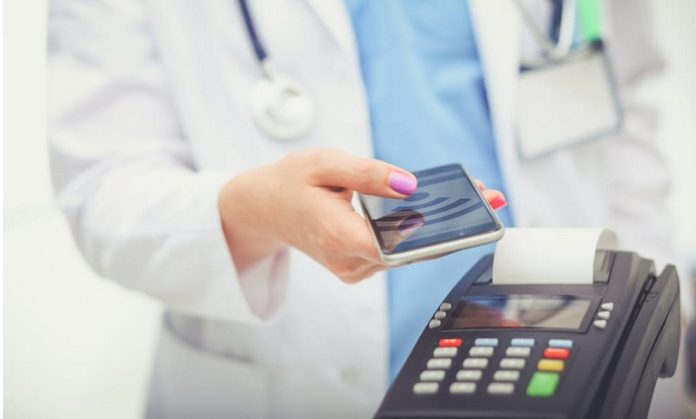
COVID-19 Causes Healthcare To Adopt More Touchless Payments

Having a customerโ€™s credit card on file or being able to take payments online is a common practice for many retailers. But increased adoption by healthcare providers of such basic processes during the pandemic has marked a huge step forward for an industry thatโ€™s focused on delivering care, Rectangle Health Chief Technology Officer Mike Peluso told PYMNTS recently.

โ€œFrom a digital payment perspective, [COVID-19] has almost helped healthcare in that it’s allowed them to incorporate new payment methods [and] new collection methods that occur outside of the office,โ€ Peluso said in an interview.

Like most businesses, healthcare payments came to a screeching halt in March โ€” but they have since bounced back. Peluso noted that the pandemic โ€œhas not only given birth to something like telehealth, but it also gave birth to payment optionsโ€ like enabling patients to pay outside of the office, pay digitally via text, leave a card on file or adopt payment plans.

The pandemic has changed the way patients think, too. Peluso said that patientsโ€™ primary concern these days is: โ€œIs it safe to visit the doctorโ€™s office?โ€ Because practices have reduced person-to-person contact, collecting a patientโ€™s payment within the office, whether itโ€™s a copay or a deductible, becomes even more of a challenge.

A Long Struggle To Modernize

U.S. patients have historically paid at least part of their medical bills within the office at the point of care, and Peluso said the industry has struggled to move past that model.

But even though the pandemic has caused sharply higher U.S. unemployment rates and economic uncertainty, he said those factors havenโ€™t really changed things within the practices and providers that Rectangle Health serves.

โ€œWhether it’s a good or a bad economy, whether unemployment is high or low, patient out-of-pocket costs for medical and dental services have gone up every year for easily the past 20 [to] 30 years,โ€ he noted.

But one thing that hasnโ€™t increased commensurately is providersโ€™ abilities to collect the money thatโ€™s due to them.

โ€œThe amount of money that patients are paying for services continues to go up, and the ability of providers to collect that money needs to keep pace,โ€ Peluso explained. โ€œIt can’t just be payment at the point of care, or โ€˜we’ll send you a bill and you can pay later.โ€™ The payment capability โ€” and the payment technology โ€” has to keep pace.โ€

While the broad U.S. healthcare system accounts for one-quarter of the total economy and is the source of much debate and concern, medical providers are actually only a small part of that much larger pie. Peluso said theyโ€™re best served by focusing on what they can control.

โ€œProviders can’t solve the $4 trillion healthcare expenditure problem,โ€ he said. โ€œBut providers can solve their own patient payment-collection problem by utilizing [modern payment] tools.โ€

Consumer-Friendly Tools Improve The Patient Experience

Peluso said that healthcare organizations must leverage technology โ€” for both their own sake and their patientsโ€™ sake โ€” in a world where itโ€™s easy to buy things on Amazon or connect with a nearby driver via Uber.

โ€œHealthcare providers need to be using that type of technology,โ€ he said. โ€œIf they do, they’ll generally create better patient care.โ€

Healthcare Is a Different Model

But unlike retail businesses that focus on getting paid and generating revenue, Peluso noted that healthcare providers are a different animal. Unlike retail stores, they focus on providing quality care and keeping patients alive and well.

Offering credit or other consumption drivers like buy now, pay later (BNPL) might resonate with certain elective surgical and cosmetic dental procedures. However, these do not apply to standard healthcare services, such as routine dental cleanings, annual check-ups or preventative screenings.

As providers continue to deliver high-quality care, making it easier to pay for services enhances the overall patient experience. Peluso believes providers could benefit by offering patients digital options like card on file, recurring payments or online payments, rather than trying to embrace payment models that are suited for retail or eCommerce transactions.

Headwinds And Tailwinds

As much as COVID-19 has driven all forms of digital commerce forward, that momentum will likely continue in the healthcare industry next year and beyond, even if the pandemic wanes. Contactless solutions โ€” from remote patient engagements to touchless digital payments โ€” are here to stay. But at the same time, Peluso said the biggest industry obstacle will continue to be getting providers to embrace something different.

โ€œIt’s a big switch for a provider, a medical office, a dental office or even a hospital,โ€ Peluso said. โ€œSo, working through that switch will be the big challenge over the next 12 months โ€” and even longer.โ€

Healthcare Consumerism Rises with Emphasis on Patient Experience

Blockchain-enabled hospital can provide real-world data to understand drug outcomes

Almost two-thirds (64%) of patients are expected to change healthcare providers if their current provider fails to meet their expectations for COVID-19 management, demonstrating the impact the pandemic has had on healthcare consumerism, according to a new Accenture report.

Patients are seeking healthcare that includes strict sanitary and safety protocols in addition to virtual care alternatives, leading to an uptick in healthcare consumerism, the report, based on a survey of over 4,600 respondents, found.

โ€œOur research clearly shows that the patient experience matters now more than ever,โ€ said Jean-Pierre Stephan, managing director of Accenture Health. โ€œThis should be interpreted as positive news because it means the future is in the hands of healthcare providers to embrace change and provide better healthcare experiences.โ€

โ€œWeโ€™re advising providers take this opportunity to offer a holistic, digital approach that centers on the patientโ€™s access to quality care and post-care services,โ€ Pierre continued. โ€œThis will better position healthcare providers for long-term growth.โ€

Additionally, the survey found that patients who were not satisfied with their healthcare providerโ€™s handling of COVID-19 were three times more likely to delay care for at least a year or never return to that provider when compared to satisfied patients.

Health systems have the opportunity to capture patients from competitors by evolving to meet new patient experience needs. The report noted that revenues could increase by five to 10 percent from pre-COVID levels for organizations that improve the patient experience within a year.

โ€œWhile many health systems have improved safety protocols in light of COVID-19, they must also make the patient experience a top priority, not just to convince people to return, but also to lead the way in re-imagining the future of healthcare,โ€ Stephan said.

โ€œIn this new future of care, health systems need to provide effective, trusted, reliable care โ€” both in person and virtually โ€” while instilling confidence and demonstrating safety and respect,โ€ Stephan continued. โ€œOtherwise, patients are likely to switch to other providers who are reinventing how healthcare services are delivered.โ€

First, the report suggested addressing patient concerns in a personalized manner. By letting patients know what safety measures are in place, like contactless payment, online paperwork, separate entrances to the building, and advanced personal protective equipment worn by staff, patients may feel more at ease. If possible, physicians should deliver these messages directly to the patient.

Next, the report recommended meeting patients at the front door to address COVID-19 concerns before they step foot in the building or enter a virtual waiting room. The survey found that 74 percent of patients are likely to use online chat or texting to provide check-in information if such a service is available. By integrating safety protocols into every interaction, providers can relieve patient concerns.

Third, the report calls for the development of new virtual care models so that patients can seek care if they do not feel comfortable going to an in-person appointment.

In a separate Accenture survey conducted in May, 60 percent of the 2,700 patients polled said that based on their experience using virtual care and devices during COVID-19, they want to utilize technology more to communicate with healthcare providers and manage their healthcare.

Lastly, this most recent report suggestedthat providers stay informed on consumer needs by monitoring local and national social channels. Listening in on consumersโ€™ perceptions allows up-to-date insights on patient experience, giving providers the opportunity to quickly address these preferences and make positive operational changes.

The report notedhat while consumer expectations were on the rise prior to COVID-19, the pandemic has amplified the need to zero in on patient experience.

โ€œCOVID-19 has increased the stakes and heightened urgency surrounding these efforts,โ€ the report asserted. โ€œThe pandemic has led to new standards for consumer needs that may remain long after the crisis has passed.โ€

Health Canada approves Abbott’s sensor-based glucose monitoring technology, FreeStyle Libre 2 for adults and children with diabetes

Health Canada approves Abbott's sensor-based glucose monitoring technology, FreeStyle Libre 2 for adults and children with diabetes

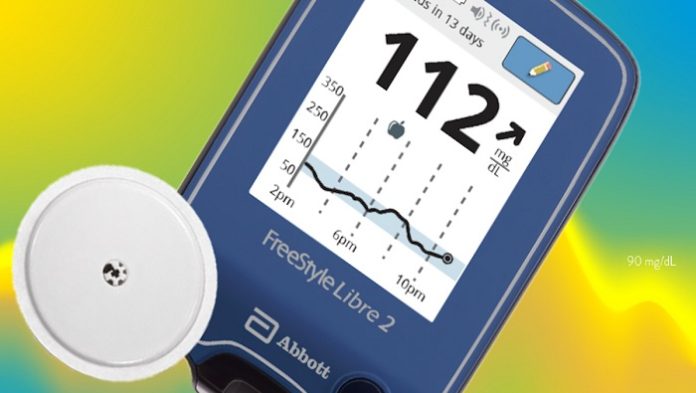
Abbott announced its next-generation, sensor-based glucose monitoring technology, FreeStyle Libre 2, received approval fromHealth Canada for adults and children (4 and older) with diabetes. With new features such as optional, real-time alarms that measure glucose levels every minute, FreeStyle Libre 2 gives users the option to be alerted in real-time of critical events such as hypoglycemia (low glucose levels) or hyperglycemia (high glucose levels).

The wearable technology, which eliminates the need for painful fingersticks, also provides people with diabetes with excellent accuracy and actionable information to better manage their condition, and will be priced at the same cost as the current FreeStyle Libre system.

“For the millions of Canadians with diabetes, Abbott’s next-generation FreeStyle Libre 2 system expands on the life-changing capabilities of our original FreeStyle Libre system with enhanced accuracy, optional alarms and now available for children,” said Marie-Flore Nabor, general manager of Abbott’s diabetes care business in Canada. “This latest technology will transform the way diabetes is currently managed. The FreeStyle Libre 2 is designed to simplify this often complicated-to-manage condition and is accessible and affordable to people with diabetes in Canada.”

As the world leader in sensor-based glucose monitoring, Abbott continues to transform how people with diabetes test their glucose levels. Using Bluetooth technology, the FreeStyle Libre 2 system automatically alerts users when their glucose is high or low without needing to scan the sensor.

The FreeStyle Libre 2 sensor is worn on the back of the upper arm for up to 14 days and measures glucose every minute to help users and their healthcare providers make informed treatment decisions. With a one-second scan using FreeStyle LibreLink, a smartphone app,8 or handheld reader, users can see their glucose reading, trend arrow and eight-hour history. Users can also share data with their physicians or family members via the LibreLinkUp mobile app.

Abbott’s FreeStyle Libre 2 system utilizes the same proprietary wired enzyme technology as the FreeStyle Libre system, which was the first to remove painful fingersticks and is associated with better glucose control, decreased time in hypoglycemia and hyperglycemia, more time in optimal glucose range, and improved HbA1C11.

“Adding an alarm to this glucose sensing technology is definitely a major step to help people with diabetes live more confidently with less fear of high or low glucose levels,” said Dr. Bruce Perkins, M.D., director, Leadership Sinai Centre for Diabetes and Clinician-Scientist, University of Toronto. “We have seen from research with similar technologies that this kind of innovation can improve glucose level control, and even prevent emergency room visits and hospitalizations. For kids and adults alike, it means less pain from fingersticks, much greater insight into patterns, and much more reassurance.”

ShiftMed Launches Guaranteed Shifts with Skilled Nursing Providers

ShiftMed Launches Guaranteed Shifts with Skilled Nursing Providers

ShiftMed, LLC, an industry leader in on-demand health care staffing platforms, partnered with leading skilled nursing providers to offer Guaranteed Shiftsโ„ข to workers using the ShiftMed Mobile App. Guaranteed Shiftsโ„ข gives ShiftMed employees peace of mind, knowing they still get paid if a shift is canceled. Employee trust and confidence help skilled nursing providers fill more shifts while reducing reliance on surge pricing or a last-minute bonus. These positions include Certified Nursing Assistants (CNAs), Licensed Practical Nurses (LPNs), and Registered Nurses (RNs).

ShiftMedโ€™s skilled nursing partner client companies care for a variable number of patients, especially during this pandemic. The certainty of a Guaranteed Shiftโ„ข increases clientsโ€™ โ€œfillโ€ and โ€œshowโ€ rates without adding expensive bonuses. During COVID-19, other staffing agencies increased prices to health care companies to capitalize on shortages.

โ€œOur front-line employees do their best to manage during the COVID-19 Pandemic, which involves stressful coordination of childcare and transportation,โ€ says Todd Walrath, CEO of ShiftMed. โ€œBefore Guaranteed Shiftsโ„ข, one of our employeesโ€™ biggest risks was the possibility of a shift cancelation. We eliminated this risk to reduce the anxiety of our clinical team.โ€

The goodwill from Guaranteed Shiftsโ„ข yields tangible cost savings for ShiftMed customers; skilled nursing partners have seen cost per shift reduced by over 11%, an average savings of $3.30 per hour.

The app lists the Guaranteed Shiftsโ„ข requested locally, in real-time. Premier Healthcare Management is an early innovator by offering Guaranteed Shiftsโ„ข. Employee response to Guaranteed Shiftsโ„ข is overwhelming:

  • 20% more likely to pick up shifts.
  • Commit to shifts 14 hours earlier.
  • More reliably show up with a 10% increase in show rate.

โ€œWe work hard with ShiftMed to break the cycle where workers would delay scheduling their hours. In the past, workers waited for surged rates or bonuses or the end of the week before committing to a shift,โ€ declares Jan Ricchio, COO of Premier Healthcare Management. โ€œOur guarantee of shifts through ShiftMed was strategic, exclusive, and reaped immediate rewards. By promising not to cancel shifts, we broke the cycle of offering bonuses to fill schedules while improving staffing reliability. The guarantee gives us better access to ShiftMedโ€™s large pool of staff.โ€

State of Artificial Intelligence in the Healthcare Industry revealed through a new IDC White Paper

State of Artificial Intelligence in the Healthcare Industry revealed through a new IDC White Paper

Healthcare organisations seeking to implement and extend their artificial intelligence (AI) capabilities struggle with finding skilled personnel and sufficient, high quality data, according to a new IDC White Paper, sponsored by InterSystems, AI In Healthcare: Early Stage with Steady March to Maturity.

The study amassed insights from more than 200 hospitals in the U.S., UK, and Germany. The survey explores the delay in AI adoption in the healthcare industry compared to other industries, the breadth of use cases of interest to healthcare providers, as well as the role data quality plays as a primary barrier for adoption.

Key findings from the study include:

  • Half (50%) of respondents have an AI framework in place; the remaining respondents will be online within 24 months.
  • 46 percent of respondents reported that data volume and confidence in the data are critical success factors in AI adoption.
  • Applying AI to improve data quality is among the top three reasons 35 percent of organisations plan to adopt it.
  • Only 21 percent of organisations intend to build AI algorithms in-house in 2020; declining to 18 percent by 2023.
  • AI deemed more important to healthcare providers: 38 percent of healthcare organisations indicated that AI is a corporate priority, compared to 33 percent of respondents in a global, multisector survey.

โ€œWith a heightened focus on quality data and models that can be used by both developers and data scientists, healthcare organisations can accelerate and leverage the true power of AI,โ€ said Cynthia Burghard, IDC Research Director for Value-based Healthcare IT Transformation Strategies. โ€œHealthcare leaders must invest now in their data quality and push for clean, harmonised data in order to implement and get the most out of their AI tools.โ€

Current use cases in the healthcare industry range from improving data quality (35 percent), reading images to assist in diagnosis (30 percent), and early identification of hospital acquired infections (30 percent).

Click hear to get the full white paper


About the Methodology

The AI in Healthcare survey was fielded in May 2020. A total of 210 hospitals were surveyed across three countries: United States (105 respondents), Germany (54 respondents), and the United Kingdom (51 respondents).

Lumeon Virtual Care and Telehealth Solution Now Available in the Epic App Orchard

Lumeon Virtual Care and Telehealth Solution Now Available in the Epic App Orchard

Lumeon, the leader in care automation, announced that two of its solutions โ€“ its Patient Appointment Reminders and its Virtual Care and Telehealth Solutions โ€“ are available in the Epic App Orchard. Health systems utilizing Epic can seamlessly connect, coordinate, and automate patient journeys extending the workflow to wherever the patient is located.

As todayโ€™s new normal pushes health systems everywhere to transform their care delivery models, Lumeonโ€™s Virtual Care and Telehealth Solution, now available in the App Orchard, enables providers to quickly configure and deploy virtual care experiences focused on surgery, patient access and population health. It delivers a remote-first care experience, orchestrating tasks and activities across patients and care teams, ensuring timely decisions, coordinated care journeys, and increased team capacity.

Lumeonโ€™s powerful automation engine retrieves patient operational and clinical data from Epic ensuring that everyone involved in patient care is not only informed, but actively involved in the same process โ€“ from the delivery of digital pre-operative assessments, patient-specific education and instructions, to post-discharge care coordination, remote home monitoring, and more.

This complements Lumeonโ€™s automated patient appointment reminders solution, already available in the App Orchard, increasing appointment attendance and reducing no-shows. It does this by providing real-time, personalized, and interactive reminders via SMS text message, voice, or email, taking into consideration each patientโ€™s consent, language, and communication preferences. The solution escalates non-responding patients or patients who cancel to the contact center, while capturing detailed analysis of appointment status to allow the Epic scheduling system to be updated in real time.

โ€œTodayโ€™s health systems are aiming to streamline their care delivery processes and create new, hybrid care delivery models, where patients are more engaged in their care, while care teams are optimized for productivity and responsiveness,โ€ said Robbie Hughes, Lumeon founder and CEO. โ€œLumeon extends beyond the health system, to wherever the patient is, so that providers can predictably operationalize plans of care that guide patients and care teams down the most efficient path to the best outcome.โ€

Hughes continued, โ€œBy bringing our solutions to App Orchard and making them more accessible to many health systems, we are another step closer toward Lumeonโ€™s vision of becoming the agility layer around EHR systems, connecting and coordinating personalized patient experiences across care settings.โ€

Translate ยป