












Close
Digital Health & Ai Innovation summit 2026
Medical Taiwan 2026

MyPorter software enhancement improves patient flow in Emergency Departments to help Trusts cope with winter pressures

MyPorter software

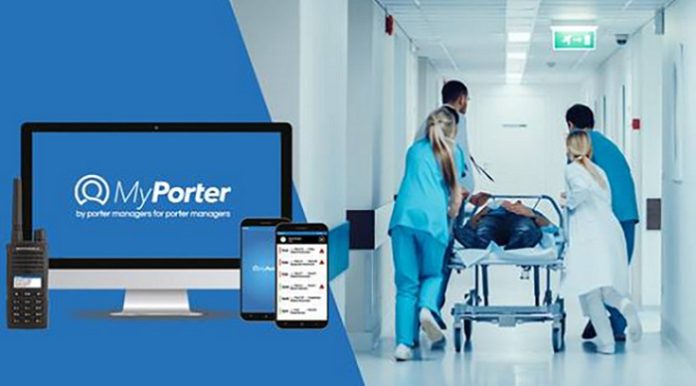
Following the Governmentโ€™s acknowledgment of the need to invest in Emergency Departments and improved patient flow during annual winter pressures coinciding with the COVID-19 pandemic, a ยฃ300m capital fund has been introduced, which will be shared amongst 117 Trusts and must be utilised by the end of the year. In light of this, GlobalView Systems has introduced a new ED functionality bespoke to its rapid and reactive nature within its innovative MyPorter porter task management system, specifically designed to help Trusts increase the efficiency of their ED portering during the winter months and beyond.

MyPorter was developed following extensive consultation with portering teams in over 100 NHS Trusts, and has been designed to meet the particular needs of the porters and managers. The specialist software uses data insight and effective reporting to clearly identify and predict peaks in demand, and enable resource to be planned accordingly. Its latest enhancement has been specifically developed in recognition of the challenges faced by EDs to deliver rapid responses.

The fast-paced nature of EDs often means that action is prioritised over recording information. Portering tasks can be managed using radio, phone or whiteboards rather than software to save valuable time. However, the resulting inability to track, review and analyse activity makes it difficult to assess patterns in demand, and where and when resources can be best deployed. The MyPorter ED Tool provides a fast track dashboard to enable portering requests to be created within seconds, linking to the MyPorter software to allow for management reporting and trend analysis.
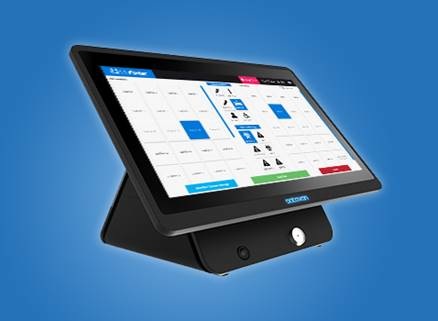
Tasks are distributed via text message to radio handsets or android devices, which means no patient information can be overheard, enhancing patient dignity and reducing noise in the hospital environment. The system also records paused events, the reason, their duration and location, making it easy to identify and address delays and pinch points. A full audit trail can be accessed if needed, and any service queries easily resolved. MyPorter also features the KPI Settings Report Tool which enables specific Key Performance Indicators to be interrogated and bespoke reports to be produced.

Matt Wright, CEO at GlobalView Systems said: โ€œPortering is an essential function within hospitals, with many other departments and services reliant on its effective operation. With Emergency Departments under immense pressure to deliver time critical treatments, the efficient movement of patients and equipment is crucial. We developed the ED tool to support Trusts in planning to ensure the right levels of resource are in the right place at the right time. This new feature will be available as a free upgrade to all existing MyPorter users, and included for any new customers. The Government funding requires projects to be operational by 2021, so GlobalView is here to work in partnership with Trusts to secure funds before they are no longer available. Our team can be contacted for advice on how they can maximise this urgent opportunity to increase capacity in Emergency Departments as they face one of the toughest winters known to the NHS.โ€

About GlobalView Systems

GlobalView is a UK based software development company, operating across a wide range of verticals including luxury marine, manufacturing, energy and with a specialism in healthcare. Established in 2003, GlobalView takes a highly consultative, collaborative approach, working to understand its customers key challenges and requirements before creating groundbreaking solutions to meet their needs.

Its mission is to create smarter solutions through enhanced communication and an emphasis on data insights and informed decision making.ย  The MyPorter porter management software is an example of this philosophy, providing โ€˜usefulโ€™ data insight and trend analysis to help improve hospital support services; those that form a vital part of the smooth running of an effective hospital and underpin effective clinical care.

Praram 9 Hospital Achieves GHA’s COVID-19 Certification of Conformance for Medical Travel

Praram 9 Hospital Achieves GHA's COVID-19 Certification of Conformance for Medical Travel

Praram 9 Hospital, a state-of-the-art facility located in Bangkok, Thailand, was awarded Global Healthcare Accreditation’s Certification of Conformance with COVID-19 Guidelines for Medical Travel Programs.

The Global Healthcare Accreditation (GHA) Program for Medical Travel Services issued the COVID-19 Guidelines earlier this year to assist organizations in the medical and health tourism industries seeking to mitigate the risk of coronavirus infection for both domestic and international traveling patients and their companions. The guidelines are unique in that they focus on the entire care continuum, including interactions with the healthcare organization, hotel, and ground transportation.

According to Dr. Piyaratt Sumritpradit, Praram 9 Hospital’s Assistant Director, Total Quality Center, “The preparation process for the Certification of Conformance with GHA COVID-19 Guidelines gave our team a great opportunity to self-assess and identify gaps for improvement to mitigate COVID-19 risks for traveling patients. I believe this certification is very practical and truly benefits both our clients in terms of safety and convenience, and for our hospital in terms of safety and process optimization. Praram 9 Hospital is committed to continually seeking quality improvement initiatives that benefit the health and wellbeing of our patients and staff.”

The Certification of Conformance for hospitals and ambulatory centers is a three-year certification with annual reviews, which signals to medical travelers, referrers, and other payers that the organization has implemented the recommendations in the guidelines as a proactive risk mitigation strategy to ensure patient safety and well-being during and post-COVID-19. Embedded within the Certification process is an online training for staff to familiarize themselves with the Guidelines and Certification process.

According to Karen Timmons, Chief Executive Officer, Global Healthcare Accreditation (GHA), “The COVID-19 Certification of Conformance helps increase patient trust in an organization by demonstrating that a medical travel program has implemented operational protocols, practices, and procedures that have undergone an external review and reflect international best practices designed to keep traveling patients safe. We congratulate Praram 9 Hospital on achieving GHA’s Certification of Conformance and for its strong focus on patient safety and patient experience.”

The Global Healthcare Accreditation (GHA) COVID-19 Program for Medical Travel Services Guidelines are free and the Certification of Conformance is a process that is accomplished virtually and within a relatively short period of time.

About GHA

Founded in 2016, the Global Healthcare Accreditation for Medical Travel Services is the only accrediting body focused solely on medical travel services. GHA’s international standards and professional norms for medical travel were developed in consultation with leading global experts in the industry, including providers, insurers and employers committed to establish best practices in medical tourism and health tourism, which support healthcare providers in validating quality and patient experience, increasing visibility, and implementing a sustainable business model for providers along the entire medical travel care continuum. GHA received ISQua’s International Society for Quality in Health Care External Evaluation Association (IEEA) accreditation in 2019.

About Praram 9 Hospital

Praram 9 Hospital was originally established by a group of professional and specialized physicians from all medical spheres. The hospital was constructed with the objective of providing a wide range of reliable medical services of the highest quality standards. And today, there are more than 300 professional physicians offering a comprehensive range of specialized medical practices. The hospital has achieved Joint Commission International (JCI) accreditation, further reflecting its commitment to Ongoing improvement and putting it on par with some of the most respected facilities in the world. Since it first opened on 19 July 1992, Praram 9 Hospital has achieved distinguished international recognition, elevating its status to that of a leader in medical technology.

Integrating Patient Photos into the EHR Increases Patient Safety

Integrating Patient Photos into the EHR Increases Patient Safety

Integrating patient headshots into the EHR decreased wrong-patient order entry by roughly 35 percent, increased patient identification, and boosted patient safety in the emergency department, according to a study published in JAMA Network Open.

On a yearly basis, clinicians at Brigham and Womenโ€™s Hospital in Boston, MA place over a million orders through the EHR system. While past studies have shown clinicians place the correct order 99.9 percent of the time, an error rate of less than one in 1,000 orders would result in roughly 600,000 wrong-patient orders.

Patient safety is an ongoing epidemic that healthcare organizations, stakeholders, and EHR vendors are trying to fix.

โ€œThere’s one specific solution to mitigating wrong-patient errors that turned out to be really effective: displaying patient’s photos in their electronic chart. As a provider, these are patients that you know personallyโ€”you’ve cared for them and you’re going to quickly recognize that face,โ€ Hojjat Salmasian, MD, Department of Quality and Safety at the Brigham, said in a statement.

Prior to this study, Brigham and Womenโ€™s Hospital researchers integrated EHR alerts to decrease the number of wrong-patient errors. However, those alerts interrupted the user and resulted in burden, according to Salmasian. Additionally, EHR alerts still fail to detect up to 33 percent of medication errors.

In an effort to cut down on interrupted EHR navigation, Salmasian and his research team looked at past positive study results of integrating patient photos into the EHR. The research team also realized humans are good at recognizing facial features and familiar faces.

According to the study, wrong-patient order entry happens more often in the emergency department (ED), up to two per 1,000 orders, mostly due to the fast-paced ED environment and a need to multitask.

Over a two-year time period, researchers took headshots of nearly 72,000 participating patients, integrated the photo into the EHR, and analyzed over 2.5 million orders for errors.

There was a 35 percent decrease in errors. Salmasian said this significant error decrease shows the high volume of errors made per year at the Brigham and he agreed that two out of every 1,000 orders in the ED could be incorrect without a photo.

The research team noted decreased error risk in white patients. Salmasian said this could result from treatment inequities, implicit bias, and the mostly white patient population at the Brigham.

Researchers said these headshots will remain in the individualโ€™s EHR moving forward but because of COVID-19, Brigham and other hospitals across the country may have to wait to take photos in the hospital until the current mask restrictions are lifted. However, one way around this is for individuals to take a headshot at home and upload it into their patient portal.

This study was relatively inexpensive compared to most other studies because researchers only had to train the staff on taking photographs and researchers bought six cameras totaling less than $2,000. The boost in patient safety will far exceed the minimal costs, said the research team.

โ€œIt’s important for all of us to realize that there are things that we can do as patients that directly impact the appropriateness and safety of care that we receive,โ€ said Salmasian. โ€œIf more patients engage in the care they receive, our health care system improves in both safety and quality.โ€

Mantra Health tackles college mental healthcare with ‘closed-loop’ virtual care

It’s little exaggeration to say that the college experience of 2020 is unrecognizable from that of years past. With the COVID-19 pandemic refusing to dissipate, many students are earning their credits through their computers. Those who are attending classes on campus are navigating social distancing requirements and frequent testing protocols.

All of this comes with the normal stressors young adults may face during their college years: academic performance, financial strain, relationship navigation or the death of a loved one. Each of these individual issues is potentially amplified by the pandemic, leading to a greater need โ€“ and demand โ€“ for effective mental healthcare delivery within this population.

“There was a CDC report that came out that [said that more than] one out of four young adults contemplated suicide during the lockdown and the pandemic, which is astronomical,” Edouard Gaussen, cofounder and CEO of Mantra Health, a startup partnering with upper education institutions to deliver virtual mental health services, told MobiHealthNews.

“The necessity for virtual care on campus has become tremendous overnight, because the status quo of walking to the counseling center and seeing a provider on campus is unfortunately no longer the normal. They’ve had to adapt … and so as a result what we saw was a 360% increase in inbound leads from the spring semester to the fall semester implementation season.”

Mantra first launched in 2018, and last year raised an unannounced $3.2 million seed funding round led by Global Founders Capital, with support from Hof Capital, Western Technology Investment and a syndicate of angel investors.

Today, the startup went public with news of major client partnerships with Pennsylvania State University, St. John’s University and Moravian College. Each of these schools is bolstering its on-campus resources with the virtual care, patient referral and EHR offerings of Mantra’s newly unveiled Managed Care Program.

This new model is “not too dissimilar,” from the company’s initial offering, Gaussen said, but hones in on the startup’s pitch of a closed-loop telehealth platform. It consists of three major components: a telehealth app for students, a collaboration portal used by campus counselors to monitor patients and refer them to Mantra providers, and a proprietary EHR system that follows cases across the closed ecosystem.

This design allows schools to more promptly connect their students with outside mental healthcare services, explained cofounder and COO Matt Kennedy.

“Where we started out was stepping back and diagnosing all these problems that were going on with university mental health: Why is there a three-month wait-list to get into the counseling center? When you translate that to school years, that’s a semester,” he said. “That’s why you’re having folks drop out or have worse school outcomes as well as mental health outcomes.”

Once referred through the system, students can schedule live video calls with psychiatry or therapy providers that Mantra exclusively staffs through a “Friendly PC” model. These providers are able to provide care across state lines, which Kennedy noted as a major selling point for universities with students living at home through holidays or quarantines.

The app supports 24/7 asynchronous messaging, “reducing the need for these 30-minute, costly appointments” and “reducing drop off because a lot these questions don’t need to wait three weeks,” he said.

While these types of services are also available from competing virtual mental health vendors, Gaussen and Kennedy stressed the data flow and referral tools for campus care teams as the primary advantage of Mantra’s approach.

Many behavioral care providers don’t use any form of EHR in their practice, Kennedy said, so keeping the referrals and case records in network (so to speak) prevents schools from losing track of a student’s progress as soon as care moves off the campus.

“What really makes us different is … we are keeping the school in the loop, and the school is typically still seeing that patient when they’re working with us,” Kennedy said. “The school is collaborating and seeing the patient, and then you have a Mantra provider who’s also seeing the patient.”

The cofounders said that this design has so far been well received by their partners. In addition to the inbound lead increase, more than half of Mantra’s partner schools have already hit their case referral goals, and one university has been seeing “upwards of 20 messages between collaborating providers” within the first couple months of deployment, Kennedy said.

Meanwhile, Gaussen said that the startup is benefitting due to the current landscape of virtual and behavioral care. Along with a few more partner schools that Mantra isn’t yet able to disclose, he said that an upcoming funding round is picking up much more attention than it would have back in 2016 or 2017, when he was a VC seeking to invest in mental health startups.

“Telemedicine has really become the new buzzword in the wider tech world โ€“ not [just] digital health-focused investors,” he said. “We’ve really seen an increased level of interest from investors realizing we’re seeing a paradigm shift with COVID and the need for virtual care specifically. I think it’s also represented in some of the public stocks that are out there. Look at Teladoc, Livongo and some other digital health companies that have been trading at a real strong level of interest.


Opening of state-of-the-art Vaughan hospital to help with surgical backlog caused by coronavirus

Summit BHC acquires West Virginias Highland Hospital

At the northwest corner of Jane Street and Major Mackenzie Drive in Vaughan is a mammoth medical facility years in the making, but the Cortellucci Vaughan Hospital is now just months away from opening.

At a time when hospitals across Canada are being overwhelmed by capacity issues brought on by the COVID-19 pandemic, the new hospital is expected to alleviate some of that pressure.

Altaf Stationwala, president and CEO of Mackenzie Health, told Global News they were approached by Ontarioโ€™s minister of health several months ago to assist with surgical backlogs.

Stationwala said they will not only be addressing Mackenzie Healthโ€™s own backlog, but will be providing assistance to William Osler Health System and Southlake Regional Health Centre.

โ€œWhen we open, we will be providing them access to some additional ORs so they can actually deal with some of the patients that have been delayed in their care,โ€ he explained. The project received government approval in July 2011 and the groundbreaking took place in October 2016.

At 1.2 million square feet, the new hospital sits on land formerly owned by Canadaโ€™s Wonderland. โ€œIโ€™ve been a resident of Vaughan for 16, 17 years and it is the largest city in the country without its own dedicated hospital,โ€ said Stationwala.

โ€œItโ€™s not just growing in the traditional sense of a suburban community, but itโ€™s actually an urban community. We see the Vaughan Metropolitan Centre, so we see a thriving growing city.โ€ With a population of 335,000 people, Vaughan has been one of the fastest growing cities in Canada.

Cortellucci Vaughan Hospital is being billed as the first smart hospital in the country. โ€œThe technology is integrated and speaks to each other,โ€ explained Mary-Agnes Wilson, chief operating officer and chief nurse executive.

For those contemplating the value of the technology to their quality of care, Wilson pointed to the type of access they will have to their medical information, which is updated in real time. MyCare bedside tablets will be available in all inpatient units. Whenever a care provider walks into the room, their photograph and name appear on the television screen as well as the tablet.

They can also access information about medications they have been prescribed, order meals, adjust the temperature in their rooms, and the beds automatically gauge a patientโ€™s weight, which is updated in their electronic medical record.

โ€œWeโ€™re not closing down a hospital and opening a new hospital. Weโ€™re actually opening a new hospital,โ€ said Wilson. โ€œThe capacity weโ€™re creating by doing that is certainly going to have an effect in western York Region and in York Region altogether, and for our partner hospitals who are feeling burdened with their capacity issues.โ€

The Ontario government invested $1.3 billion in the project, which represents the lionโ€™s share of the funding. However, a considerable portion of construction costs and medical equipment was funded by donations.

The Ultimate Suits You campaign, chaired by Vaughan Mayor Maurizio Bevilacqua, has a goal of $250 million. To date, more than $178 million has been raised. Bevilacqua credited perseverance and tenacity with getting them to this point.

Canon Medical Provides Resource Guide for Using Ultrasound to Manage COVID-19 Patients

To support customers and clinicians and provide solutions for managing patients during the current global pandemic, Canon Medical Systems USA, Inc. is offering a resource to help them more effectively use Canon Medical ultrasound systems for assessing and managing patients diagnosed with COVID-19.

Canon Medical has released these two resource documents โ€“ โ€œLung Ultrasound for COVID-19โ€ and โ€œCardiac Ultrasound for COVID-19โ€ โ€“ as a response to the World Health Organizationโ€™s (WHO) recent guidance that suggests that chest imaging, including lung and cardiac ultrasound, may be helpful for management of COVID-19 patients. Both documents provide clinical examples, specific protocols and recommended settings for how to use Canon Medicalโ€™s ultrasound product line effectively for each procedure.

โ€œHealthcare providers are challenged to find effective strategies to manage patients with COVID-19 during the global pandemic โ€“ and as their partner, Canon Medical has made a commitment to providing them with the solutions they need,โ€ said Dan Skyba, managing director, Ultrasound Business Unit, Canon Medical Systems USA, Inc. โ€œThis means not only the ideal ultrasound equipment, but also the guidance and support on how best to use it to support patient management decisions quickly.โ€

About Canon Medical Systems USA, Inc.

Canon Medical Systems USA, Inc., headquartered in Tustin, Calif., markets, sells, distributes and services radiology and cardiovascular systems, including CT, MR, ultrasound, X-ray and interventional X-ray equipment. For more information, visit Canon Medical Systemsโ€™ website at https://us.medical.canon.

About Canon Medical Systems Corporation

Canon Medical Systems Corporation develops and manufactures diagnostic imaging systems including CT, MRI, ultrasound, X-ray systems and clinical laboratory systems and provides them to around 140 countries and regions around the world, offering technology that provides faster diagnosis and early treatment. Under the slogan โ€œMade for Lifeโ€ (Made for Partnerships, Made for Patients, Made for You.), Canon Medical Systems is making positive contributions toward hospital management, and provides a range of patient-friendly healthcare systems and services, continuing its long tradition of contributing to healthcare.

HonorHealth and Twistle work together to expand digital care to patients

HonorHealth contracted with Twistle, an automated digital communication platform that supports patients undergoing surgical procedures, managing acute and chronic conditions, and navigating other healthcare journeys, to efficiently activate patients in their care and overcome patient adoption and engagement challenges with portal and app based tools.

HonorHealth initially deployed Twistle’s remote COVID-19 patient monitoring to support patients during this unprecedented time. Once enrolled in the COVID-19 monitoring pathway, patients received daily text messages that check-in on how they’re feeling, gather assessment data and provide access to educational materials. Care coordinators monitor progress digitally and follow-up with those exhibiting symptoms to discuss additional care measures. HonorHealth is expanding its engagement to deploy Twistle’s technology to engage patients for vaccination programs, surgical procedures and obstetrical deliveries.

“The safety of our patients remains our top priority,” said Craig Kartchner, AVP, marketing and customer experience at HonorHealth. “We were able to go live with Twistle’s technology within a week of project kick-off, and we have seen great engagement with our COVID-19 monitoring pathways.”

“Twistle’s patient engagement rates are consistently much higher than patient portals because we remove barriers and deliver meaningful support. We meet patients where they live their digital lives as opposed to forcing them into our digital world,” noted Kulmeet Singh, CEO of Twistle, “HonorHealth is leveraging our technology to keep patients on track with their care plan and ensure employee and patient safety during the pandemic. We’re proud to work with the team as they expand their digital patient engagement program using our rich library of clinical content to support procedures, surgeries, chronic conditions and population health.”

Siemens Healthineers moves into new clinical fields with its smallest and most lightweight whole-body MRI

 Siemens Healthineers moves into new clinical fields with its smallest and most lightweight whole-body MRI

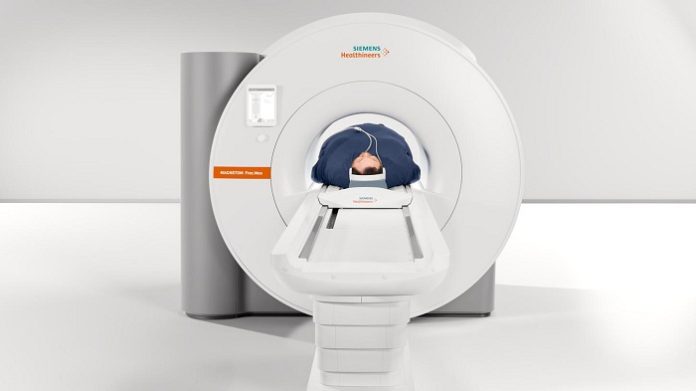
Siemens Healthineers is presenting a new class of magnetic resonance imaging (MRI) systems that the company calls โ€œHigh-V MRI.โ€ The scannerโ€™s unique combination of digital technologies and the new field strength of 0.55 tesla broadens the range of clinical applications for MRI systems. Magnetom Free.Max considerably improves pulmonary imaging with MRI and allows patients with implants to be scanned much more accurately.

Siemens Healthineers has also enlarged the bore size to 80 cm, making the experience more comfortable for patients. The 80 cm opening is considerably larger than that of a conventional scanner and at the same time the biggest whole-body MRI bore available on the market. โ€œThanks to innovative digital solutions, such as the new Deep Resolve, Magnetom Free.Max can deliver image quality that used to be possible only at higher field strengths,โ€ says Arthur Kaindl, Head of Magnetic Resonance Imaging at Siemens Healthineers. โ€œDeep Resolve uses neural networks to generate high-resolution images from a lower input signal, which provides excellent diagnostic images and speeds up the scanning process.โ€

โ€œIn recent weeks, we already saw the full potential of the new scanner in clinical routine and, in addition to its wide application range, we were particularly excited about its capabilities for pulmonary imaging, which had not been a domain of MRI until now. With more than 70 lung patients examined so far, we have already been able to achieve very promising results. We also see great potential in terms of Covid-19 patients,โ€ says Dr. Rafael Heiss of Erlangen University Hospital, where the first Magnetom Free.Max is located.

Magnetom Free.Max can be installed in places where MRI used to be impossible. At just over three metric tons in weight and just below two meters in transportation height, the machine is the most lightweight as well as the most compact whole-body scanner Siemens Healthineers has ever built. The company developed a new magnet for this purpose with the so-called DryCool technology, which requires less than one liter of liquid helium for cooling and no quench pipe. Such machines used to require several hundred liters of helium and a costly quench pipe. To install the new scanner, rooms no longer have to be opened or converted at great cost. As a result, it can be easily installed for instance in locations previously not suitable for MRI. โ€œI see great benefit in, for example, bringing MRI directly to the intensive care unit, as patient transport of critically ill patients to the central radiology department today is risky and cumbersome,โ€ says Prof. Elmar Merkle, University Hospital Basel. โ€œIn addition, I believe MRI can significantly improve patient care directly at the frontline of diagnostics, in outpatient centers or even the emergency room, and could be implemented in spoke locations where today only CT or X-ray systems are available.โ€

myExam Companion for MRI scanners
With Magnetom Free.Max, Siemens Healthineers introduces myExam Companion to the field of MRI. myExam Companion is an artificial intelligence (AI)-based user guidance system which is already successfully used in modalities such as CT and X-ray imaging. It enables routine examinations to be automated, eliminating repetitive tasks and allows even novice technologists to operate the MR with ease. All users can obtain consistent and excellent image quality with each examination. Despite the high degree of automation, experienced users can fully configure the scanner at any time. As a result, they can meet even the most complex scanning requirements without problems. Magnetom Free.Max is also fully connected for continuous and remote monitoring. This shortens service intervals and helps to quickly transmit system diagnosis. Remote access by a service technician is often sufficient to detect and correct a defect, thus considerably improving system uptime further.

Why Women Need to Prioritize Their Health During COVID

Why Women Need to Prioritize Their Health During COVID

Health has become a popular and necessary obsession, even more so as the whole world is now grappling with the effects of the pandemic. The pandemic has affected everyone in one way or another but in this article weโ€™ll focus on the effect on women specifically.

The infection risk may be higher for women who work in people-oriented professions such as teachers and carers. Sometimes the risk is higher again due to a pre-existing health condition that can make the Covid symptoms more severe. Read on for more reasons why women need to prioritize their health during Covid.

Increased stress and anxiety

Are women lowering the priority of their health during covid? The increase of stress due to this global pandemic has profoundly affected women, especially working mothers. As a woman, you have every reason to be anxious, especially when your health and that of your family is at risk.

Whether it be ignoring the doctor for a check-up, not performing self-health checks, or not getting outside for exercise, women may be putting their health in the backseat for faux importantย  issues. Melbourne University in Australia is performing a survey on Work and Care in Covid to understand better how Covid affects home life; we recommend taking some time to fill it out.

We also recommend you check up on your health insurance to ensure you aren’t vulnerable in a time when itโ€™s most needed. We found this site for an in-depth look at coverage plans in the US and this one for our Australian readers. Now, with so many insurance plans out there, it can be overwhelming to decide on the right coverage. Hereโ€™s what you need to know before considering a health insurance policy:

  • Consider health insurance plans that can accommodate your specific needs, such as a comprehensive health insurance plan.
  • Consider policies that provide you with cashless treatment options.
  • Consider an all-inclusive health insurance plan. This type of plan takes care of your outpatient and inpatient needs. The plan also needs to include emergency medical services.
  • Most importantly, your budget will determine the type of health insurance plan you invest in, even though you still need to prioritize health expenses over many others.

Stay Away from Misinformation

Social media has proved to be a useful tool for information sharing, but itโ€™s also brought up issues with misinformation we havenโ€™t encountered before. Unfortunately, not everything you hear about this pandemic is true, nor are all sources equally reliable. Fact-checking and relying on the official sources of information on epidemics can help calm down the fears many social media posts tend to spark.

The Basics of Self-Care

Self-care begins with the basics. Let’s not forget that personal hygiene, social distancing, and a good diet that builds a strong immunity are the critical components for preventing Covid infection. Anyone with an underlying medical condition should ensure that their medical appointments are timely. Finally, self-care includes prioritizing your mental well-being. Even though this might be challenging to achieve, for example, if you work from home and schools are closed, take just half an hour a day for yourself.

There has never been a better time than now for women to prioritize their health. Building healthy habits could play a significant role in safeguarding future generations. You need to take action and necessary precautions to ensure that you are not left vulnerable.

How To Sleep Peacefully With Bronchitis

How To Sleep Peacefully With Bronchitis

One of the most common respiratory conditions a person develops is bronchitis. This happens when the lining of the lungs’ bronchial tubes has become swollen or inflamed. There are two types of bronchitis: acute or chronic. In most cases acute bronchitis eventually clears up without requiring treatment. As for chronic bronchitis, this is more severe and harder to manage.

Some symptoms of bronchitis can be annoying during the day, such as coughing, wheezing, a sore throat, chest tenderness while coughing, and fatigue. These can also prevent you from getting a good night’s sleep.

If youโ€™re suffering from bronchitis, letโ€™s take a look at the ways you can get a good night’s sleep despite your condition:

Stick To A Nutritious Diet

One way to help you get enough sleep is by maintaining a nutritious diet. The ideal diet should include vegetables, fruits, whole grains, poultry, lean meats, beans, fish, nuts, and eggs. Donโ€™t forget to include low-fat dairy and fat-free products while limiting food items that contain saturated and trans-fat, salt, cholesterol, and added sugars.

The role of a healthy diet is to boost your immune system, which can aid the body in having a better chance to overcome bronchitis in no time.

Elevate Your Head

The coughing caused by bronchitis can disrupt your sleep at night. Sleeping flat on your side or back causes mucus to build up in your throat, which triggers a cough. The ideal way to prevent this is to raise the level of your head by using more pillows. Another option is to utilize a wedge that will raise both your head and neck. Just remember to avoid elevating excessively since this could result in neck pains.

Use A BiPAP Machine

Similar to other lung diseases, bronchitis causes breathing difficulties, particularly wheezing. A device that can ease breathing issues is a bi-level positive airway pressure (BiPAP) machine. It helps a person with bronchitis breathe with the delivery of pressurized air via a face mask. This device works by supplying varying air pressure levels during inhalation and exhalation, helping soothe the lungs and muscles of the chest wall.

A BiPAP machine is typically recommended for nighttime use since breathing is significantly impaired during this time, and it will allow the person to sleep peacefully. You can use the machine at home or in a hospital setting.

When using a BiPAP machine, position the mask over your nose or mouth. Make sure that the edges of the mask fit your face securely. The machine will deliver one pressure level while you inhale, and a lower pressure as you exhale.

Use Steam

Before heading to bed, go for a warm shower or bath. You can even consider steaming your face over a bowl or basin that contains warm water for 10 to 15 minutes. The steam produced by the warm water can help loosen up the mucus in your sinuses and chest. This can help clear your airways, lessening the symptoms of bronchitis as you sleep. With the help of steam, you have a higher chance of experiencing a good night’s rest.

Increase Your Intake Of Fluids

Since bronchitis is a lower respiratory tract infection, a person with this condition must drink more fluids, as this can help with the following:

  • Loosening up and reducing the thickness of mucus
  • Moistening the throat
  • Lowering the risk for dehydration

Aside from water, you should consume soup, juice, and herbal tea. A cup of hot tea will also work wonders, providing the same effect as steam. Go for an herbal tea blend without caffeine. Variants that contain eucalyptus, chamomile, and other soothing herbsย that can often be found inย sleep apnea supplementsย are good choices that can help you sleep well at night.

Use A Humidifier

A humidifier increases the level of moisture in a room by releasing steam or water vapor. When humidity is low, itโ€™s likely to irritate the throat and nasal passages, thus aggravating the symptoms of bronchitis.

A humidifier releases heated and humidified air to loosen and promote better mucus drainage. When using a humidifier, make sure that itโ€™s well-maintained. Moreover, always monitor the humidity levels. Once the device is not maintained or regularly cleaned, it becomes a breeding ground for bacteria or mold as the leftover water gets contaminated and solidifies over time.

Soothe Your Sore Throat

If you canโ€™t sleep well due to a sore throat caused by bronchitis, there are various ways you can soothe this condition. Letโ€™s take a look at ways to soothe a sore throat so you can get a good night’s rest:

  • Gargle saltwater
  • Drink warm or cool fluids
  • Take an over-the-counter pain medication
  • Use over-the-counter lozenges and sprays

Get Rid Of Irritants

If you want to lessen the symptoms of bronchitis during nighttime, itโ€™s vital to eliminate all potential irritants in your bedroom. In case you have pets, donโ€™t allow them inside your bedroom since animal dander can aggravate these symptoms as well.

Itโ€™s also vital to avoid exposure to other irritants that can trigger bronchitis symptoms, such as air pollution, dust, and chemicals in household products. Additionally, avoid using any scented candles, perfumes, cleaning agents, or products that can irritate the respiratory system. Also make sure to regularly change the filters in the heating and air conditioning systems at home.

Take Pain Medications

Before using any pain medication, itโ€™s best to first consult your doctor about your symptoms, especially if they disrupt your sleep at night. Some over-the-counter pain medications that can lessen your discomfort include ibuprofen (Motrin, Advil), aspirin, or naproxen (Aleve). Talk to your doctor about which pain medication is suited to you and your condition.

Quit Smoking

Similar to chronic obstructive pulmonary disease or COPD, one of the main causes of chronic bronchitis is smoking. If you want to sleep peacefully at night, your best course of action would be to stop smoking and avoid exposure to secondhand smoke. This move can make a big difference in the overall quality of your life.

Smoking impairs the bronchial tubes and lowers the body’s defense system against potential infection. Exposure to smoke can stimulate coughing episodes if a person has bronchitis.

Quitting cold turkey or limiting the habit reduces potential damage to the bronchial tubes and promotes faster healing. A person who quits smoking early is less likely to end up with acute bronchitis in the future.

sleep pictures by Depositphotos

Final Thoughts

If youโ€™ve been diagnosed with bronchitis, getting enough sleep at night is vital to promote your recovery. Since the symptoms can be quite troublesome, especially if they disrupt your sleep, you can try out the tips above to reduce the symptoms so you can get have a restful night.

Translate ยป