Close
Digital Health & Ai Innovation summit 2026
Medical Taiwan 2026

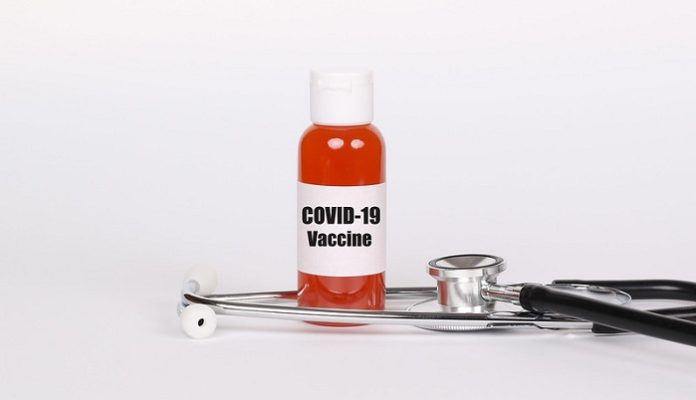
Moderna & Pfizer – Podium Finishers or Not!!!

Moderna & Pfizer - Podium Finishers or Not!!!

That there is a thin line between eagerness and desperation, we are aware. The COVID-19 pandemic has made us witness both. With so much taking place in the medical & the health fraternity across the globe,ย  we are all awaiting the good news to roll-out, more sooner than later. The fortnight which has gone by has indeed given us all that much-required ray of hope; the hope of a COVID vaccination soon turning out to be a reality. We are looking forward to being back on track and the news of a vaccination holding good has surely raised our hopes to no end.

The results that have come by from Moderna Inc. & Pfizer Inc. are very encouraging, to say the least, but what is extraordinary about them is the percentage of the effectiveness that they have. Besides, both these percentages have been encountered in the late-stage trial results. Not only has this effectively addressed the inquisitiveness of getting a vaccine shot within the time frame, but what more it has done is raise the bar for other competitors such as AstraZeneca to catch up in no time.

The Comparison

Moderna Inc. on Monday declared that its vaccine was 94.5% effective. This came just after a week when Pfizer & its partner BioNTech SE had gone public to state that their vaccine is more than 90% effective. The data given by Moderna shows that the side effects of the dose were short-lived & hence did not have any safety concerns. The high percentage of effectiveness of both these vaccines surpasses U.S regulatorsโ€™ released guidelines that the vaccine must be at least 50% effective.

The Common Elements

Both the vaccines are based on a technology called messenger RNA. This technology type has never ever been used in developing an approved vaccine. The approach encapsulates transforming the bodyโ€™s own cells into vaccine making factories. The vaccine would instruct cells to make copies of the spike protein of Coronavirus resulting in the creation of protective antibodies that could suppress the disease.

The Modalities

As per the reports coming in, Moderna Inc. received $995 million from the U.S operation warp seed program, however, Pfizer has stated that it did not receive any assistance from the U.S. Although, its partner BioNTech got a sum of 375 million euros from the German Government. That said, there is a U.S. supply agreement in place by Pfizer amounting to $2 billion. The U.S has also agreed to pay $1.53 billion for the Moderna vaccination.

Storage & Distribution

Once the vaccination is approved, making it reach hundreds of millions of people would be an uphill task. Moreover, storage of the vaccine is again pretty peculiar with Pfizer Inc. already pointing out that its vaccine must be stored ultra-cold until a few days before it is used. It can be kept in refrigerator temperature for not more than 5 days. Moderna, on the other hand, has confirmed that its vaccine is stable at refrigerator temperature for a period of 30 days, which is much longer than the estimated 7 days. It can be stored in the freezer for longer durations and doesnโ€™t require any special facilities like the Pfizerโ€™s dosage shot.

Who will get them first

A ramped up production is not going to essentially mean that the world-over demand shall be fulfilled. Moderna will supply 100 million doses in the U.S & 80 million to the European Union, among others. ย The U.K. is also negotiating with Moderna Inc. for their own supplies.

When are they expected to be deployed?

Once the USFDA approves the emergency use authorization after giving clearance that the vaccines are safe, Moderna shall seek clearance from the regulators in the coming weeks. Pfizer is also awaiting the two months of safety follow up data in the 3rd week of November and if that goes well, they shall apply for authorization in the U.S this month itself.

All you need to know about Moderna and Pfizer COVID Vaccines

Oxford University's Covid-19 vaccine shows promise in animal study

The COVID-19 pandemic has made us witness both. With so much taking place in the medical & the health fraternity across the globe,ย  we are all awaiting the good news to roll-out, more sooner than later. The fortnight which has gone by has indeed given us all that much-required ray of hope; the hope of a COVID vaccination soon turning out to be a reality. We are looking forward to being back on track and the news of a vaccination holding good has surely raised our hopes to no end.

The results that have come by from Moderna Inc. & Pfizer Inc. are very encouraging, to say the least, but what is extraordinary about them is the percentage of the effectiveness that they have. Besides, both these percentages have been encountered in the late-stage trial results. Not only has this effectively addressed the inquisitiveness of getting a vaccine shot within the time frame, but what more it has done is raise the bar for other competitors such as AstraZeneca to catch up in no time.

The Common Elements

Both the vaccines are based on a technology called messenger RNA. This technology type has never ever been used in developing an approved vaccine. The approach encapsulates transforming the bodyโ€™s own cells into vaccine making factories. The vaccine would instruct cells to make copies of the spike protein of Coronavirus resulting in the creation of protective antibodies that could suppress the disease.

The Comparison

Moderna Inc. on Monday declared that its vaccine was 94.5% effective. This came just after a week when Pfizer & its partner BioNTech SE had gone public to state that their vaccine is more than 90% effective. The data given by Moderna shows that the side effects of the dose were short-lived & hence did not have any safety concerns. The high percentage of effectiveness of both these vaccines surpasses U.S regulatorsโ€™ released guidelines that the vaccine must be at least 50% effective.

The Modalities

As per the reports coming in, Moderna Inc. received $995 million from the U.S operation warp seed program, however, Pfizer has stated that it did not receive any assistance from the U.S. Although, its partner BioNTech got a sum of 375 million euros from the German Government. That said, there is a U.S. supply agreement in place by Pfizer amounting to $2 billion. The U.S has also agreed to pay $1.53 billion for the Moderna vaccination.

Storage & Distribution

Once the vaccination is approved, making it reach hundreds of millions of people would be an uphill task. Moreover, storage of the vaccine is again pretty peculiar with Pfizer Inc. already pointing out that its vaccine must be stored ultra-cold until a few days before it is used. It can be kept in refrigerator temperature for not more than 5 days. Moderna, on the other hand, has confirmed that its vaccine is stable at refrigerator temperature for a period of 30 days, which is much longer than the estimated 7 days. It can be stored in the freezer for longer durations and doesnโ€™t require any special facilities like the Pfizerโ€™s dosage shot.

Who will get them first

A ramped up production is not going to essentially mean that the world-over demand shall be fulfilled. Moderna will supply 100 million doses in the U.S & 80 million to the European Union, among others. ย The U.K. is also negotiating with Moderna Inc. for their own supplies.

When are they expected to be deployed?

Once the USFDA approves the emergency use authorization after giving clearance that the vaccines are safe, Moderna shall seek clearance from the regulators in the coming weeks. Pfizer is also awaiting the two months of safety follow up data in the 3rd week of November and if that goes well, they shall apply for authorization in the U.S this month itself.

The role of technology in rebuilding US healthcare

Hospital & Healthcare Management Interview: Virtual Hospitals & VitalTech

The U.S. healthcare system is in trouble. Although the COVID-19 pandemic drew national attention to healthcare in America and helped people see the value in the systems put in place, it also caused dramatic setbacks and losses.

Closed clinics, cancelled elective surgeries and an overall lower patient volume resulted in $202.6 billion in revenue losses between March and June, with an additional $120.5 billion in losses expected until the end of 2020. This brings the expected total of lost revenue in 2020 to $323.1 billion.

These figures are staggering, and they could dramatically impact access to, and quality of, care for individuals across the U.S. Unfortunately, as the country experiences a secondโ€”and largerโ€”surge in COVID-19 cases, more healthcare appointments could be cancelled, leading to an erosion of public trust in the healthcare system. In order to increase the quality of patient care, healthcare providers must regain lost revenue with creative, technology-driven solutions.
Decrease missed appointments

One of the biggest factors in healthcare losses are missed appointment times. Appointment no-shows cost the U.S. healthcare system more than $150 billion a year, and can cost individual providers $200โ€”and 60 minutesโ€”per unused time slot. In an effort to make up for lost revenue, ensuring that patients show up for scheduled appointments will be essential for healthcare providers. A simple way to do this is to meet a patient on their terms.

Typically, appointment reminders come in the form of emails or phone calls to patients. If a patient is away from their home, these reminders can be difficult to access. Switching to services that allow for text message reminders can increase the rates at which people will actually read those reminders.

Surveys have shown that SMS text message open rates are as high as 98 percent, whereas email open rates are around 20 percent. They are also more convenient, as they can be accessed and read anywhere. By switching to text messages, appointment reminders are less likely to be missed, reducing the rate of no-shows and increasing revenues.

Unfortunately, reminders may not work for everyone; there could be last minute changes, causing a patient to miss their appointments. Thatโ€™s why itโ€™s important to plan accordingly. This can be done by integrating walk-in appointments with regularly scheduled appointments. Most consultations are scheduled for around 30 to 60 minutes, yet many issues can be solved in less time. These extra minutes, along with the extra time from no-shows, can be used to take walk-in patients. Scheduled appointments remain a priority, but time and money can be made up by accepting walk-ins as well.
Expand access

Unfortunately, access to healthcare services still remains a barrier across the country. According to a study, 3.6 million people in the U.S. cannot obtain medical care due to transportation barriers. During the height of the pandemic, these issues were addressed with telehealth and virtual appointments. To increase revenues, expand access to healthcare and improve patient care, doctors need to consider continuing these services even after the pandemic is under control.

By integrating video conferencing tools and increasing patient satisfaction by using video call-back queues, patients can receive the same quality care no matter where they are. Video call-back queues allow individuals to join virtual waiting lines for their appointments. After joining, they can hang up to complete their own tasks or enjoy their day.

They receive timely text updates about their place in line and expected wait time. Once itโ€™s their turn to be served, they can go online to see the doctor. This reduces the barriers caused by lack of access or transportation issues, and it can improve patient care and satisfaction by allowing for timely appointments.
Improve service

People donโ€™t enjoy waiting in lines, especially for scheduled appointments. Unfortunately, this has become a common occurrence for patients. Typically, people need healthcare because they are sick, and sitting in a crowded waiting room can heighten anxiety, especially during a pandemic. Virtual queue management systems can help mitigate these problems.

Queue management systems allow patients to wait for care from the comfort of their own homeโ€”or while they go about their dayโ€”instead of staying in a waiting room. They receive updates on wait times and will be notified when itโ€™s their turn to see a doctor. If they are delayed, they can move back in the line for a little extra time, instead of losing their place entirely. It also allows healthcare providers to manage lines and redirect patients to nearby locations where wait times are shorter. By decreasing wait times and improving the waiting experience, crowded waiting rooms can be avoided and patient satisfaction can be increased.

Another simple way to improve service is to provide flexible scheduling options. Although 77 percent of patients think that the ability to book, change or cancel appointments online is important, only 2.4 percent of appointments are self-scheduled by patients. By giving the power of scheduling to the patient through online services and flexible scheduling apps, people will be empowered to take control of their health. It can also help to decrease missed appointments as they can choose and change their appointment times.
Recovering from the pandemic

Patient care should always be a priority for healthcare providers. But with high revenue losses, the healthcare system may be forced to close clinics or reduce availability of appointments. This will increase barriers for access and decrease patient care, which could have a dramatic impact on human health.

Technology and data-driven solutions can help hospitals and clinics begin to recover by allowing for safe and accessible healthcare. Not only is this important to help recover from the pandemic, but it will be important for improving public trust in the U.S. healthcare system.

DarwinAI and Red Hat Team Up to Bring COVID-Net Radiography Screening AI to Hospitals

DarwinAI and Red Hat Team Up to Bring COVID-Net Radiography Screening AI to Hospitals

DarwinAI, the explainable artificial intelligence (XAI) company, and Red Hat, the worldโ€™s leading provider of open source solutions, announced a collaboration to accelerate the deployment of COVID-Netโ€”a suite of deep neural networks for COVID-19 detection and risk stratification via chest radiographyโ€”to hospitals and other healthcare facilities. DarwinAI and Red Hat are also leveraging the expertise of a computation research group, the Fetal Neonatal Neuroimaging and Developmental Science Center (FNNDSC) at Boston Children’s Hospital to better focus the software for real world clinical and research use.

Since the launch of COVID-Net by DarwinAI and the University of Waterlooโ€™s Vision and Imaging Processing (VIP) Lab, the project has continued to evolve with assistance, participation and collaboration from researchers and clinicians around the world. The initiative eventually led to a collaboration between DarwinAI and Red Hat, using underlying technology from Boston Childrenโ€™s, the number one pediatric hospital in the nation.

The goal of this collaboration is to make it easier for clinicians to use COVID-Net in hospitals by means of a web-based graphical user interface (GUI) that sits atop Boston Childrenโ€™s ChRIS framework using Red Hat OpenShift โ€” the industryโ€™s leading enterprise Kubernetes platform that supports deployments across complex hybrid and multicloud infrastructures.

โ€œImproving clinical care and outcomes through cutting edge computational research is core to the mission of Boston Childrenโ€™s FNNDSC. Our open source ChRIS platform allows for the rapid development and deployment of novel AI solutions in practically any setting,โ€ said Boston Childrenโ€™s Scientist Rudolph Pienaar, Ph.D., lead Technical Architect of ChRIS and Assistant Professor in Radiology at Harvard Medical School. โ€œWe are thrilled to help deploy COVID-Net on ChRIS with DarwinAI and leverage Red Hat OpenShift. We believe this effort can result in screening many cases at tremendous scale and help focus healthcare where it is most needed as quickly as possible.โ€

โ€œOur mission is to help people build AI they can trust, and the development of COVID-Net is a topical and timely manifestation of that goal,โ€ said Sheldon Fernandez, DarwinAIโ€™s CEO. โ€œThe COVID-Net system is a promising tool, but needs to be coupled with a compelling GUI to be effective โ€” Boston Childrenโ€™s ChRIS framework and the Red Hat OpenShift platform provides an effective way to get COVID-Net into the hands of health care professionals on the front lines.โ€

โ€œAt Red Hat, we pride ourselves on our open technologies hybrid cloud being used for the greater good,โ€ said Chris Wright, senior vice president and chief technology officer, Red Hat. โ€œCOVID-19 impacts us all, and we are proud to have Red Hat OpenShift be an underlying technology in COVID-Net, a platform designed to better help frontline healthcare workers when it comes to understanding this complex disease.โ€

About COVID-Net

As the first wave of the COVID-19 pandemic took hold, the medical community reported one of the largest bottlenecks in triage and diagnosis was the scarcity and turn around time of the standard RT-PCR viral test. In response, DarwinAI collaborated with researchers at the University of Waterlooโ€™s Vision and Imaging Processing (VIP) Lab to develop COVID-Net as a complementary tool to assist clinicians in rapidly screening for COVID-19 and assessing disease progression and severity.

DarwinAIโ€™s Generative Synthesis platform enabled its team to develop COVID-Net in under a week, and on March 22 it was open-sourced and made publicly available to the research and international clinical community. The COVID-Net initiative has received global support and contribution from around 20 clinical institutes and healthcare providers around the world including Canada, U.S., Spain, India, and Malaysia.

Healthcare efficiency goal of health tech and hospital partnership

Ontario Invests in Telehealth to Gives Seniors Access to Care at Home

Global health tech provider Philips and German hospital Marienhospital Stuttgart have signed a 10-year partnership agreement that will enhance patient care and improve operational efficiency

Philips and Marienhospital Stuttgart signed a 10-year strategic partnership agreement on 21 October 2020, which will see the hospital renew and develop its diagnostic imaging equipment and associated IT systems, digitise its pathology department and enhance its emergency medicine capabilities โ€“ all of which will come together to provide interconnected patient care and optimised efficiency.

Enhanced efficiency equals cost savings

The companies will analyse the hospitalโ€™s current structures, pathways and processes in order to identify potential cost saving solutions โ€“ and by jointly developing needs-based technology solutions, Marienhospital Stuttgart will be able to better plan its costs and ensure investment security in all areas, a press release from Royal Philips says.

Meeting the latest standards of care

Philips DACH Managing Director Peter Vullinghs said that the partnership will help to enhance the quality of medical care for the benefit of patients across the board.

Markus Mord, Managing Director of Marienhospital Stuttgart, also commented: โ€œDue to the long-term nature of our partnership with Philips, our hospital will not only actively participate in future technological advances in healthcare, but also become a leader. It will enable us to offer our patients diagnostic and therapeutic procedures that consistently meet the latest standards.โ€

5 Potential Benefits Of Contacting A Nutritional Coach

5 Potential Benefits Of Contacting A Nutritional Coach

With the growing popularity of diet and fitness in recent years, itโ€™s no surprise that so many people are turning to the services of a qualified and experienced professional to help them lose weight and achieve their body goals.

A nutritional coach helps you improve your overall health and wellbeing through a combination of diet and exercise. Hiring a nutritional coach is a cost-effective investment as they have the training, experience, and tools to help you become healthier and even fitter.

If you want to take your health to the next level, you should definitely contact a nutritional coach for help as they can provide the following benefits:

  1. Adopt A Healthy Diet

    The first benefit of hiring a nutritional coach is that they can help you maintain a healthier lifestyle. Your diet should consist of a wide range of foods that provide the most nourishment for your body. This means that thereโ€™s no need to deprive yourself of food; you just need to consume the right types of foods.

    A nutritional coach from a reliable company, such as Working Against Gravity, will be able to provide you with the correct amount of protein, carbohydrates, and healthy fats that your body needs to ensure that you remain healthy, while being a step closer towards achieving your fitness goals.

  2. Work Out More Effectively

    One of the biggest reasons why itโ€™s so important to hire a nutritional coach is because many people have no idea about how to set up a workout routine that will help them reach their fitness goals. If youโ€™re trying to get in shape, you probably want to achieve it quickly. It can be difficult to do this when you donโ€™t have the proper information. Attempting to follow any workout you see can even lead to injuries.

    A nutritional coach will be able to help you choose an exercise routine thatโ€™s right for you and can get you started on the right foot. They can even assist you to progress to the next level of your fitness goals by adding more strength exercises to your workouts or using a more intense style. This will allow you to reach your fitness goals much faster.

    Most importantly, when you follow a workout routine recommended by a nutritional coach, youโ€™ll have peace of mind, knowing that none of your efforts are wasted. Youโ€™ll also be assisted and monitored when you hire a nutritional coach, decreasing your chances of being injured or getting involved in accidents.

  1. Become More Active And Productive

    Another benefit of hiring a nutritional coach is that youโ€™ll become more active and productive. By eating foods that contain enough calories and nutrients, your body will be able to work out much longer and harder.

    When you eat properly, you’ll be able to burn more calories and gain the necessary energy to perform at your peak throughout the day. Youโ€™ll not only be healthier, but youโ€™ll also be able to do everyday tasks much more efficiently. By hiring a nutritional coach, you can become more productive every single day as youโ€™ll have enough energy to accomplish tasks.

    Moreover, the diet plan provided by your nutritional coach will also help you get rid of fatigue. As long as you follow this diet plan every single day, you no longer have to worry about feeling tired in the middle of the day. Instead, youโ€™ll have more energy to get out of your comfort zone and remain active and productive during the entire day!

  1. Achieve Better Results

    Many people think that hiring a nutritional coach is just a waste of time and money. These people often think that they can create a diet plan or find a workout routine on their own. Sure, this might be true to some extent, but working on your own doesnโ€™t always guarantee the best results. Losing weight, for example, requires a lot of hard work and discipline.

    Working with a nutritional coach can guarantee better results because aside from providing you with an effective diet plan and workout routine, they can also motivate you to continue working on your fitness. You can think of a nutritional coach as a friend whose only focus is to help you stay healthy and attain your fitness goals. Having this kind of support can make a lot of difference, especially if you failed to lose weight or live healthy in the past.

  1. Lose Weight Healthily

    One of the most obvious health benefits of hiring a professional is how they can help you lose weight. The best way to achieve weight loss is by eating more healthy foods, drinking less alcohol, and increasing your physical activityโ€”a nutritional coach can help you with all of these things and even more.

    If you want to lose weight in a healthy manner, then, you should consider using a nutritional coach to help you along the way. The trainer will help you set goals for yourself, assess your progress, and make adjustments if certain strategies donโ€™t work out for the first time. This is a great way to maintain a consistent level of success, without compromising your overall health during the process.

    Although time consuming and taxing, working with a nutritional coach is one of the most effective ways to lose weight because all of your efforts (changing diet and exercising) are guided by a professional.

Make Smart Decisions

Itโ€™ll be very easy for you to find a nutritional coach around you. A lot of people have struggled and continue to struggle to stay healthy, which is why more and more nutritional coaches are offering services to meet such demands.

If youโ€™ve never worked with a nutritional coach in the past, make sure that you choose one who is licensed and experienced for the job. If you want them to address certain health problems, make sure to hire someone who has done the same in the past as well. Keep in mind that the success of your attempts to stay healthy relies on the track record of the nutritional coach, so choose carefully.

How Does A Flu Shot Work?

How Does A Flu Shot Work?

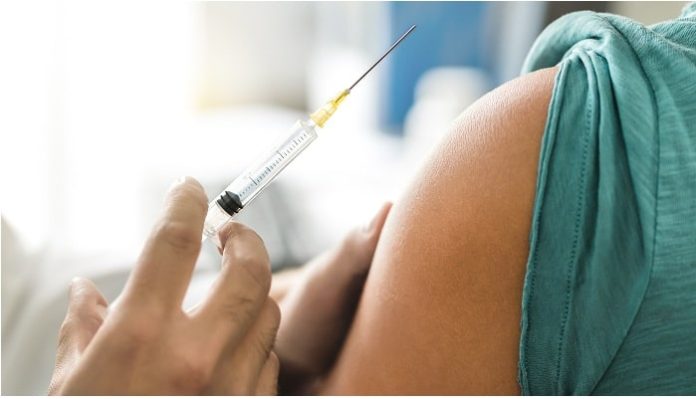
Flu shots are vaccines designed to protect you from infection by the common flu virus. Each year during the flu season, millions of people go to the doctor’s office and receive a flu shot to prevent an outbreak of this contagious and deadly disease. Since itโ€™s one of the most commonly spread viruses in the world, most doctors encourage everyone over six months to receive a flu shot.

There are different types of flu shots available. A flu shot for children is similar to a regular flu shot but is specially designed to protect babies and young children from complications that may arise from the flu. New versions of this flu shot are designed twice a year to help ward off any potential outbreaks that may occur. If you get your flu shot at least six weeks before any possible flu outbreaks, you can significantly reduce the number of flu shots required to ward off a flu epidemic.

But if you donโ€™t get your flu shot within this timeframe before a possible outbreak, thereโ€™s a risk of developing complications and not receiving a shot. This is because the risk of complications increases if you get the flu shot while in the hospital, while traveling, or if your immune system is compromised. You should also talk to your doctor if youโ€™ve recently been exposed to a particular flu strain since these tend to be highly contagious.

How Does The Process Of Vaccination Work?

A flu vaccine can be given as a single dose or as multiple doses over a series of flu shots. Each individual flu shot contains at least one and sometimes more doses of an appropriate influenza vaccine. Many scientists throughout the world continuously work on perfecting the flu vaccine. Each time a new flu shot is created, new strains of the flu virus are discovered. New versions of these flu vaccines are produced twice a year when the seasonal influenza virus evolves. Therefore, it’s essential to get vaccinated periodically to protect against the flu.

The flu shot is designed for adults and children who donโ€™t have immune systems that can protect them from the flu. Children are particularly susceptible because they have weaker immune systems than adults, making them more likely to develop complications. Getting vaccinated each year can help prevent a variety of complications, including pneumonia, fever, and even death. If you have an annual flu vaccination but have never had a breakout in the past, itโ€™s crucial to continue the vaccination each year to provide your body with the best protection. This is especially important if you have a partner or have had close contact to someone who has never received a flu shot before. If youโ€™ve never had a flu shot before or are unsure whether youโ€™re vaccinated, you can speak to your doctor about whether or not you need to get one.

You can purchase a flu shot at any pharmacy. There are several websites that offer information about different flu shot providers and prices. However, itโ€™s important to find the best provider for your particular needs, as well as to shop around. While there may not be many flu shot providers in your local area, or if you live outside of the United States, you may want to consider getting your flu shot online. Many people travel overseas and get the flu shot while away. This is especially true if they live in a country with a widespread transmission of the virus. If you decide to go this route, make sure that the provider youโ€™re considering uses the latest, best version of their flu shot.

When Should You Take Flu Shots?

For many people, getting a flu shot every year is a requirement. It’s important to know the difference between the flu and common cold symptoms since even if you get vaccinated for flu, you still can get symptoms of the common cold.

This doesn’t mean that your vaccine didn’t work. The current annual flu shot will give protection against several of the most common influenza viruses that are expected to be circulating this year. Also, an additional flu shot and a high-dose vaccine will be available for seniors 65 years old and above.

The most common flu symptoms that you may experience include headache, fever, chills, vomiting, diarrhea, and abdominal pain. However, these symptoms should not be a cause for concern, and you should go to the doctor as soon as possible in order to prevent any complications. If youโ€™ve been harmed by the vaccination youโ€™ve received, particularly if the procedure resulted in an infection wherein the immune system attacks the bodyโ€™s central nervous system, you might want to file a Guillain Barre flu shot lawsuit and check out if youโ€™re entitled to compensation.

There are different vaccines available that are part of annual flu shots. The nasal spray vaccine is one that many people have probably heard of. This is especially helpful for those who might have allergies to other things like pollen or dust mites. This can be a good choice because it doesn’t require any needles. Some people have a phobia of needles, and others are just afraid of the possible side effects of vaccination, so the nasal spray vaccine is an excellent choice for them. It also has another option called a live virus shot, which is a vaccine that will help protect people who might be allergic to something else.

When choosing your flu shot this year, consider the fact that you might be able to use your current medicine for flu prevention. Some people are on medications that will help protect them from getting the flu. This is great, especially if your doctor has approved your medication. This is also helpful if youโ€™re unsure which flu shot is best for you because each person will have their own unique situation.

How Safe Is A Flu Shot?

The flu shot is a safe and effective way to get the required amount of vaccination to keep you protected from the flu and other seasonal viral infections. Flu shots have been around for a long time and have helped save many of those suffering from seasonal influenza. Severe side effects of flu vaccines are very rare.

There have been reports of severe allergic reactions to flu vaccines, which is not surprising considering that there are many medications available for treating such allergies. But this doesnโ€™t mean you should be scared of getting vaccinated. Itโ€™s important to know that even in the case of severe side effects, most people will recover after receiving a flu shot.

Some of the most common side effects of the flu shot include fever, nausea, muscle soreness, and headache. These symptoms usually go away on their own days after the shot.

If you suffer from seasonal flu, one of the best ways to get a safe vaccine is through the use of a nasal spray. Itโ€™s an effective way of getting a flu shot, and it can also be used to treat cold sores. There are many flu vaccines available in the market, and they vary according to your needs and preferences. Always consult your physician and go through the different available flu vaccines before choosing the right one.

How Effective Are Flu Shots?

There are various flu shot manufacturers out there, and each of them makes their own claims. Some claim that their flu shot provides a higher rate of protection compared to other types of vaccines.

The truth of the matter is, flu shots are not really designed to be very effective in preventing any kind of infection; theyโ€™re designed to offer some protection against a particular strain of the flu. Because thereโ€™s no cure for the seasonal flu, an excellent way to keep yourself healthy and protected is through getting flu shots. Since the vaccine offers protection against a particular strain, the chances of a child catching the full strain of this disease are slim. The odds are much better when you have the flu shot.

Do a bit of research in order to find a flu shot that will meet your needs. One of the best places to start would be to talk to people you know. Ask if they use a particular brand of flu shot and see if theyโ€™ve had any positive experiences with it. Another way to find out information about a particular flu shot is to search online. There are many different flu shot websites out there that can provide you with the latest news and the newest products.

Many people chose to get their flu shots but this doesnโ€™t mean that you should do the same immediately. Flu shots promise several benefits but keep in mind that your body works differentlyโ€”how these shots benefited many people might not be the same with you. Make sure to thoroughly research so youโ€™ll know what to expect when getting flu shots.

Final Thoughts

Flu vaccines and vaccinations are an essential part of the public health system. They help prevent illness and the spread of diseases that can cause severe complications and death. Although flu shots are very safe, they do have some side effects. If you or a loved one develop a problem from a flu shot, discuss the options with your doctor so they can determine the best course of action.

How Compassionate Care Can Benefit The Patient

How Compassionate Care Can Benefit The Patient

Compassionate care is the holistic approach that nurses take on when handling patients. This type of care deviates from traditional hospital care, the latter of which can be generic and has a one-size-fits-all approach because of the number of patients that need to be attended to.

Compassionate care includes care in the patientโ€™s home environment, making this type of care patient-centered. That said, here are some of the ways that compassionate care can benefit the patient:

  1. Patient-Centered Benefits

When care is patient-centered, it means that the needs of the patient determine the direction of the caregiver. In traditional care setups, the pace of care and attention is determined by the caregiver, who is on a working schedule that endeavors to attend to all the patients that need attention.

When a patient determines the pace and type of care, they can be more vocal about their physical, emotional, and mental needs. For example, a patient may just need some time to discuss the distress they may be experiencing, which is not related to physical distress. A simple discussion with the caregiver can help the patient view their situation from a different angle. These are gestures that may help alleviate the stress, depression, and anxiety that may be a result of being unwell.

In a traditional care set up, the caregiver may not have the time to listen and discuss such situations with patients. This means that while patients may be attended to physically, they may be left with emotional and mental struggles. The home neurological care Omaha provides is the kind of service that offers this holistic approach to patient care.

  1. Patients Are In A Familiar Environment

Compassionate care in the form of home care means that patients can recover in the comfort of their own homes. In some cases, being in an overwhelming environment such as a hospital, where one is surrounded by life-saving gadgets and patients, can cause the patient to become stressed and experience anxiety. Added stress to an illness can only slow down their healing process.

When patients are in the comfort of their homes, they may enjoy the familiar space where they can be themselves. They donโ€™t need to navigate new spaces to gain access to any facility or service they require, as is done in a traditional hospital space.

  1. Families Learn About Home Care

Compassionate care within the patientโ€™s space surrounded by family means that the members can learn how to care for the patient. In the case that compassionate care services arenโ€™t available round the clock, family members can provide some of the care that is required. For example, a family member learns how to empty a catheter bag or how to dress a wound.

  1. The Patient Is Surrounded By Family

Compassionate care from home also means that the patient doesnโ€™t have to be apart from their families. The care comes to the home, meaning they can enjoy the company of the caregiver, as well as constant support from family. When the caregiver leaves, the patient can still enjoy having their family help out in the care, unlike in a hospital setting wherein the patient is left alone when the caregiver has to leave.

  1. Patients Enjoy Company

The visiting hours that are provided by hospitals are probably the highlight of many patients. Being able to see your loved ones for just a few minutes makes a difference in the space that can often become lonely and isolated. The nature of compassionate care is that the patient enjoys the company of the caregiver. The fact that the care is personalized means that the caregiver has dedicated that time to spend with the patient. The caregiver wonโ€™t have several patients to attend to in short intervals, meaning patients can share a laugh, some tea, and candid discussions with their caregivers. Being lonely may also contribute to the deterioration of some patients so enjoying some company from their caregivers may help them keep up their health and spirits.

  1. Immediate Attention

Compassionate care provides immediate attention. When a patient points out that they have concerns, or is struggling with a particular problem, the caregiver can provide immediate attention. In a setting where several patients need attention, they might have to wait their turn. In some cases, waiting to be attended to caused more issues due to the anxiety and fear of the experience. Providing immediate attention eliminates this period of uncertainty for the patient.

  1. Anomalies Are Quickly Picked Up

Compassionate care requires attention to detail, which makes it possible for a caregiver to pick up any sudden changes in the patientโ€™s health. For example, if a patientโ€™s body part is more swollen than the previous day, a caregiver may pick this up faster than when in a hospital setting. The speed at which such anomalies are detected can make a difference between a patient healing and becoming worse off.

  1. Clear Communication

The personalization that comes with compassionate care makes way for clear communication. Caregivers are in a position to clearly address medical questions that patients may have. In a traditional setup, messages may be relayed in a rushed manner because of the working schedule. In addition, home-care nurses are trained to communicate in a style that doesnโ€™t rely on medical jargon, meaning patients donโ€™t get confused by medical terms.

  1. Patient Receives Encouragement

Patients require encouragement when on the road to recovery. For example, if one is recovering from a physical accident and has to re-learn how to walk, encouragement can be the push that they need. The mind is a powerful tool that can convince someone that they can accomplish a certain task. Left to our mind-space, it can be easy to fall into a negative mindset, which may lead to giving up. The encouragement that patients receive during compassionate care may have just a powerful impact as the medication they will be taking.

  1. Resourceful Strategy

The personalization that comes with compassionate care contributes to the resourcefulness of the system. Instead of spending on transportation that comes with multiple trips to the hospital, the care can travel to you. The pricing design is also not based on the number of nights you spend in a hospital bed, but rather on the time thatโ€™s spent by the caregiver in your home, as well as the equipment you may require. This way, the money you would have spent in the hospital can be channeled to other priorities that will contribute to the process of recovery.

  1. Diet And Nutrition Are Supported

Compassionate care includes the patientโ€™s all-around welfare. The caregiver is trained to make sure that youโ€™re receiving the nutrients that are required for your healing. Aside from simply monitoring the patientโ€™s food intake, family members are also able to include this in their diet for the benefit of the patient.

  1. Get Help With Light House Chores

In the event that a patient doesnโ€™t have help around the house, a part of compassionate care is to help nurture the patientโ€™s environment. A caregiver can help with light chores such as vacuuming, washing the dishes, and keeping the general tidiness of the house. The patient only has to be concerned with healing rather than focusing on external factors that can contribute to stress.

  1. Compassionate Care Is Patient

Some patients have complained that medical staff can become impatient when one is having a particularly tough sick day. The stress that medical professionals can experience as a result of being overwhelmed by work may take a toll on them. The one-on-one approach employed by compassionate care means that the caregiver is more patient when it comes to difficult moments. A patient wonโ€™t have to worry about feeling as if they are a burden or are slowing down the caregiverโ€™s work schedule.

  1. Compassionate Care Provides Space

The dynamics of sharing a room and bathroom or lounge space with other patients can add to the stress of being unwell. When youโ€™re feeling unwell, you might wish for the private space in which you can privately deal with vomiting, being unable to dress, being unable to feed yourself, or needing help to walk. Some patients may become depressed by the thought of being observed by other patients, as well as visitors. Compassionate care in your home means a patient can tackle the nature of the illnesses without an audience. This may alleviate other factors such as anxiety and stress, which may accompany being part of a communal setting.

Conclusion

Compassionate care benefits patients in that it is patient-focused, and they remain in a familiar environment, which can lower the risk of depression. Family members can observe and learn home care, and patients enjoy the company of their caregivers. There is also immediate medical attention, anomalies are quickly flagged, and the communication between caregiver and patient is clear. Patients also receive encouragement, and caregivers are resourceful, support proper diet and nutrition, as well as help with house chores. Compassionate care is also patient, meaning patients can relax knowing that theyโ€™re never inconveniencing a particular work schedule.

Make sure to engage professional compassionate caregivers who handle patients with authentic care.

Centre Court Dental Tips to Help Reduce the Risk of Gingivitis

Gingivitis is a form of gum disease that occurs around the base of your teeth around the gum area. Gingivitis is characterized by a condition where the protective layer of the surface of the gums is inflamed. In severe cases, it leads to bleeding between the gums and the tooth. Gingivitis may lead to tender and swollen red gums, particularly when you brush.

To know if youโ€™re suffering from gingivitis, here are the things that you should be on the lookout for:

  • Consistent bad breath
  • Gums that easily bleed
  • Swollen, red, or tender gums
  • Separating or loose permanent teeth
  • Painful chewing

If youโ€™re suffering from any of the things mentioned above, itโ€™s recommended that you look for a dentist in Bankstown or in your area that can help you recover from gingivitis. In line with this, here are the things that could help you reduce the possibilities of gingivitis:

  1. Brush Twice a Day

Itโ€™s a basic necessity that you brush your teeth at least twice a dayโ€”once as you wake up and once before you fall asleep. If you could, it’s recommended to brush your teeth after eating lunch as well to keep your teeth healthier and stronger.

You might be wondering why brushing your teeth is involved with your gumsโ€™ health. Plaque usually forms on the base of your teeth where they touch your gums. While your teeth are exterior bones and might take a while to experience harm, your gums arenโ€™tโ€”plaque contains millions of bacteria that will cause damage to your gums when not removed immediately.

Aside from removing plaque buildup, regular brushing of your teeth also helps in reducing your toothaches. Toothaches happen when thereโ€™s an inflammation on the central portion of the tooth called pulp. Pulp is what connects your tooth to your gums and has nerve endings making it sensitive to pain. When not being cared for by brushing your teeth regularly, youโ€™re more likely to develop toothaches.

  1. Floss

While it may seem like a superfluous add-on to brushing your teeth, flossing is an important part of your daily oral hygiene routines. If you brush your teeth but do not floss to get in between them, then you will be leaving food particles on your teeth. Food particles build up on your teeth over time, and they will create more plaque and decay.

Dentists have recommended everyone to floss at least once a day. Thereโ€™s a proper way of flossing your teeth which allows you to not harm your gums which might lead to bleeding.

Flossing helps to remove the food in between your tooth that cannot be removed with the use of a toothbrush alone. You must try to remove any plaque build-up as itโ€™s the number one cause of gingivitis. Aside from developing gingivitis, having a plaque build-up also results in developing tartar on your teeth, which is difficult to remove on your own and requires a dentistโ€™s intervention.

Flossing helps you keep a healthy set of teeth and healthy gums. People often forget to take care of their gums and focus on the appearance of their teeth instead. As much as pearly whites are amazing to look at, healthy gums are amazing as well for keeping your teeth healthy and strong.

  1. Use Fluoride

You should be using fluoride-rich toothpaste and mouthwash. Fluoride is known to help prevent the formation of cavities and strengthen your teeth. Along with this, fluoride is also helpful in preventing the growth of any harmful oral bacteria that might cause tooth decay and other oral diseases.

Brushing your teeth with fluoride toothpaste goes hand in hand as it helps to remove plaque with the brush and protect it with your fluoride toothpaste. When purchasing toothpaste, you must choose a toothpaste that has fluoride and has the ADA seal of acceptance to ensure its authenticity. This will guarantee that itโ€™ll help you have a healthier set of teeth and gums that you will greatly thank for in the long run. Plus, youโ€™ll be getting compliments from your dentist!

  1. Regular Dental Cleanings

If youโ€™re just visiting your dentist when something goes wrong, you should consider visiting your dentist more often for regular cleanings. Dental cleaning helps to improve your oral hygiene by cleaning out any plaques that you have missedโ€”even with regular flossing and brushing your teeth. Along with this, it helps to brighten your smile because it reduces built-up stains on your teeth. Please note that this is not an alternative to teeth whitening as it does not whiten your teeth but brightens it. Along with brightening your teeth, dental cleaning helps to reduce your bad breath by maintaining proper oral hygiene and prevent or reduce the chances of getting cavities.

Dental cleanings should be done twice a year, so itโ€™s fairly low maintenance as far as healthcare treatment goes.

  1. Quit Smoking

Aside from keeping your lungs healthy and strong, quitting smoking also helps to keep your gums healthy as well.

Smoking causes you to develop more plaque and tartar on your teeth, making you more prone to gingivitis and other diseases of the mouth. Along with this, smoking also causes bad breath and yellowed teeth, which can not only be unattractive to look at but it can also lead to poor oral health. In line with this, smoking also takes a great part in leading you to oral cancer and interferes with your blood circulation.

Smoking also delays the healing of your mouth from any oral surgery and gum treatments that you have done, making the recovery process difficult and potentially leading to infection if they are treated without sufficient and proper care.

Not only your gums are harmed when you smokeโ€”it also harms your lungs and the people around you by inhaling secondhand smoke. When you quit smoking, youโ€™ll be able to improve your health and reduce your possibilities of any diseases in the long run.

  1. Use Mouthwash

Aside from brushing and flossing your teeth regularly, you should also consider using mouthwash as it helps to improve your overall health.

The use of mouthwash helps to give you fresh breath, avoid plaque, remove any particles that you were not able to remove with brushing and flossing your teeth, and prevent cavities from forming, especially if the mouthwash is infused with fluoride. It has been recommended that the use of a therapeutic mouthwash helps to slow down the development of tartar and prevent or reduce you from having gingivitis.

If you know that youโ€™re prone to having gingivitis, there is a ton of mouthwash available on the market that is targeted to protect you from gingivitis and that would be your best option.

  1. Use Soft Bristles

As much as you want to brush all of the plaques away from your teeth, itโ€™s highly recommended that you use soft bristles, especially if your gums bleed easily when you brush your teeth. Bleeding happens because your gums are more sensitive and fragileโ€”thus, the bleeding occurs.

At all costs, preventing your gums from bleeding should be prioritized to keep them healthy and strong. When your gums bleed and there are a ton of plaque build-up around your toothโ€™s base, it can be more prone to a bacterial infection that might lead to gingivitis.

If youโ€™re too worried that soft bristles may not clean your teeth well enough, studies have shown that soft bristles do a great job at cleaning your teeth similarly to medium bristles and they cause less damage making it a great way to go.

Conclusion

Taking care of your oral hygiene is a must as it helps to keep your teeth and gums healthy and strong. If you suspect that you are infected with gingivitis, you should contact your dentist immediately to have it cured and do necessary procedures as well. This can include tooth extraction as it can be a solution for your gum disease. Leaving gingivitis untreated will cause more harm and will probably not heal on its own. That is the main reason why you should always maintain proper hygiene by brushing and flossing your teeth twice a day and you can accompany it with the use of mouthwash.

The use of dental floss and mouthwash alone will never be a substitute for brushing your teeth. Theyโ€™re used as an additive in protecting your teeth that helps to remove plaque build-up.

Many people have considered that using dental floss and mouthwash every time that you finish brushing your teeth is unnecessary and just an added waste. While they are not required, they are considered as an added protection for your oral health. Itโ€™s not required to floss, but itโ€™s highly encouraged as it gives a ton of benefits for your teeth that you will surely thank for in the long run.

No matter how tiring it is to maintain your pearly whites, it would never hurt to keep your teeth and gums healthy and strong that can help you be free from any diseases in the future.

Podiatry Clinic Tips to Help Reduce Ankle Pain

Mostly caused by an injury, sprain, or arthritis, ankle pain is pretty common and, depending on the intensity of your pain, it can severely affect your daily activities. But, if you treat the problem early on, you can get relief from the pain and keep focused on getting your foot back in shape.

One of the most common reasons for ankle pain is an ankle sprain. A sprain is caused when your ligaments tear. There are several other reasons also that can lead to ankle pain like gout, arthritis, sciatica, or infection in the joint.

The first thing you need to do when it comes to treating your ankle pain is to see a doctor. Your doctor can run tests to figure out what the problem is. Resting your foot is important because it allows your body to heal and it can also help to increase the effectiveness of the treatments. Make sure that you also give your feet a thorough cleaning so that the inflammation doesn’t make itself worse.

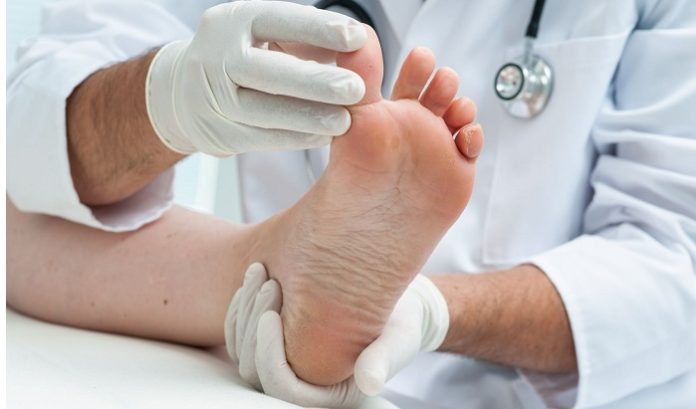
As you are healing, you can begin to use some of the other methods of pain relief that are available. However, if you are experiencing severe pain or persistent pain despite these tips, please visit experts like Footsure Podiatry, your local podiatrist, or a physical therapist to get your ankle checked out and be sure there is not something more severe going on.

Below are some effective tips to help reduce ankle pain at home:

  • Compression

Compression provides pain relief and prevents fluid from collecting in the ankles, thus preventing swelling. You can either use an elastic bandage like an ACE bandage to wrap around your ankles or opt for compression socks.

Compression socks come in heavy, medium, and light weights. When buying compression socks, make sure to find a size that fits you well. It shouldnโ€™t be too tight as that can lead to numbness or overly restrict blood circulation.

You can also opt for compression shoes. These orthopedic shoes have been designed specifically to reduce or eliminate foot pain. The sole of the shoes is shock-absorbing and conformable, making it very comfortable for the wearer. The elastic orthotic heel support provides arch support and compression for an ankle sprain, fractured toes, and pulled tendons. It is recommended that you wear them for at least an hour at a time three times a day while you work on your ankle healing.

  • Ice Treatments

Ice treatments are commonly used for injuries like ankle pains and sprains. Since ice packs are very effective in reducing the swelling around the injured areas, they are used widely for ankle pain. Ice packs also help reduce the bleeding in the tissues and also help reduce muscle spasm.

Using icepacks within the first 48 hours of the injury will help reduce the swelling considerably and also reduce the pain. Ice packs can also be used for chronic conditions. However, it’s important to note that your ankle injury should never be iced before an activity.

Ice packs for the ankles are among the most effective and least invasive treatments available. Using ice packs can help reduce inflammation, and reducing inflammation around an injured joint will relieve the pain. Ice packs can also be applied for mild to moderate cases, including overuse conditions in athletes.

There are many ways you can begin using ice to treat your ankle pain. You may want to visit your doctor first. They may recommend that you use an ice pack on your ankle whenever possible. This will be done for a minimum of four to five days. When you have been prescribed an ice pack, it is important to follow the directions precisely to avoid over-icing an area and damaging the nerves. Always check with your doctor before using any ice treatment for back pain or anything else.

  • Use Elevation

Elevation for ankle pain is a method of reducing pain and stiffness in the ankle. The best thing about this is that it can be done anytime, anywhere. It is not only safe to use but it is also free. You don’t have to spend money on a doctor’s visit or to buy expensive medical equipment. Elevating your ankle is the easiest way to ease the pain without using any medical device.

There are many different ways to elevate your ankle. Ideally, youโ€™d be lifting your injured ankle up above your heart, but that isnโ€™t really convenient for most day-to-day activities, so elevating it into at least a fully horizontal position will still help with swelling. You can raise your ankle from an elevated surface like a table. You can also just hold onto something while you are sitting and elevate your ankle in an up and down motion. If you have trouble raising your ankle, then you can make a splint by placing a blanket or towel under your knee so that you can elevate your ankle in this way. There are also plenty of ankle brace models that are designed to help you do the same thing as elevating your ankle. Keeping your foot raised on a platform when you have ankle pain can help reduce the swelling and pain.

  • Rest

One of the simplestโ€”and bestโ€”ways to heal your ankle pain quickly and effectively is to avoid putting much weight on your ankles. In the initial days of your injury, try to do as little as possible and use crutches to walk. This will help you avoid unnecessary strain on your ankles. Sufficient rest will help protect the injured area and avoid any further damage. The body will heal itself when it has had enough rest.

You can also consult a doctor if you have an extremely low threshold for pain. If you are unable to rest for ankle pain because you simply cannot afford it, then you should consult a physical therapist as well. A physical therapist will help you determine the type of rest you need for the pain. If you have an acute problem, then they may prescribe cortisone injections. If you are dealing with chronic pain, then the goal is to try to restore mobility to the joint, which may be accomplished with a program of exercises and stretches.

Resting helps the body to recover and heal itself. If you have a problem with your ankle the therapist may suggest rest for ankle pain. This can help with the long-term condition and give you the chance to rest, and also get to the root cause of the pain.

  • Regular Exercise

When you have ankle pain, sitting or standing for too long can cause discomfort and swelling. Rehabilitation exercises are necessary to ensure that your ankle heals optimally.

If your pain is caused by some type of overuse or stress on one of your ankles, you need to start getting plenty of exercises and rest to relieve your symptoms. However, if your pain is caused by a specific injury, you may have to start with a lower amount of activity and gradually increase it until the pain goes away. Adding stretching exercises to your daily routine can help you maintain a good range of motion in your joints.

If you are unsure about the best way to proceed, there is a lot of advice available for those suffering from this condition and other forms of ankle pain. Many medical professionals will have several patients with the same type of problem and can give you valuable advice. If you think you are experiencing a problem with your ankle, talk to your doctor to see what the best course of action is.

  • Take Magnesium Supplements

Magnesium is a mineral that is known to be effective in reducing water retention and pain. Low magnesium intake may lead to the development of osteoarthritis and inflammation. Taking 200โ€“400 mg of magnesium with your daily nutritional plan can help you relieve ankle pain and swelling.

However, itโ€™s best to go to see your doctor before you start taking any type of magnesium supplement for ankle pain. This is especially important for those with kidney and heart conditions as magnesium supplements should be avoided if youโ€™re suffering from a heart or kidney condition. A doctor will ensure that you are doing the right thing for your needs. They may be able to suggest a different supplement that will help to speed up the healing process.

Conclusion

If you are looking for ways to relieve ankle pain, you should start by taking a look at your medical history. You may have an injury that is causing the pain in the first place, or arthritis may be present. Topical pain killers can also be used for temporary pain relief and can help with arthritis pain as well.

If you are experiencing pain in your ankle you should seek treatment as soon as possible. In the meanwhile, you can treat your ankle pain with simple and effective methods like ice treatment, uses of compression, and use of elevation. One of the most effective ways to treat ankle pain is to give your feet ample rest time. When thereโ€™s not much load on your feet, they will heal faster.

Regular exercise and stretches are also essential to relieve ankle pain and strengthen your ankles to avoid further injuries. You may also take magnesium supplements to prevent swelling and pain. However, make sure to consult your doctor immediately for your ankle pain so that you can get an optimal diagnosis and effective treatment.


Translate ยป