











Close
Digital Health & Ai Innovation summit 2026
Medical Taiwan 2026

Veterans Health Administration to 3D print medical devices

Veterans Health Administration to 3D print medical devices

The Veterans Health Administration has entered into a contract with South Carolina-based 3D Systems to establish manufacturing facilities within their hospitals for the production of medical devices.

3D Systems announced in a press release this week that the partnership will allow the VA network to streamline its supply chain and enhance personalized care for their patients.

“Through this collaboration, 3D Systems will not only be installing 3D printers at the VHA sites, but weโ€™ll also be helping them install a quality management system that includes the processes, documentation, and training required to be compliant as a medical device manufacturer,” said Ben Johnson, director product development, healthcare, at 3D Systems, in a statement.

According to the company, 3D Systems will collaborate with the VA to design medical devices and usher them through the U.S. Food and Drug Administration clearance process. At first, 3D Systems will manage the regulatory paperwork and development of a quality management system at VHA facilities.

“In a highly regulated environment like healthcare, the technology is only a small part of the solution,โ€ said Johnson. Regulatory adherence, he said, is also vital.

Early on in the COVID-19 pandemic, 3D Systems collaborated with the VHA to develop face masks and nasopharyngeal swabs that could be printed on production-level equipment. This latest move is an expansion of that collaboration.

“What began during the pandemic in response to a critical need has expanded to change the way healthcare is delivered,โ€ said Menno Ellis, 3D Systems executive vice president for healthcare solutions, in a statement.

Other health systems also turned to 3D printing earlier this year in response to the supply chain issues presented by the COVID-19 crisis.

Duke University researchers partnered with the nearby University of North Carolina Chapel Hill to print reusable face shields, to be distributed at both Duke and UNC Health Systems.

But even before the pandemic, leaders at the VA expressed optimism for the potential of 3D printing. VA Chief Modernization Officer Surafeal Asgedom wrote in a piece for Healthcare IT News that “this burgeoning technology is improving pre-surgery planning, tailoring custom prostheses, designing tools for those with disabilities, even building organs and bones.

“By testing and implementing emerging technologies, VA is ensuring that veterans receive the care they deserve,” added Asgedom.

“This is a one-of-a-kind collaboration between an additive manufacturing-solutions provider and one of the worldโ€™s largest integrated health care systems to accelerate innovation in the medical device production and deployment arena,” said Ellis.

Radiologists turn to new AI tool to improve breast cancer detection on screening mammograms

Radiologists turn to new AI tool to improve breast cancer detection on screening mammograms

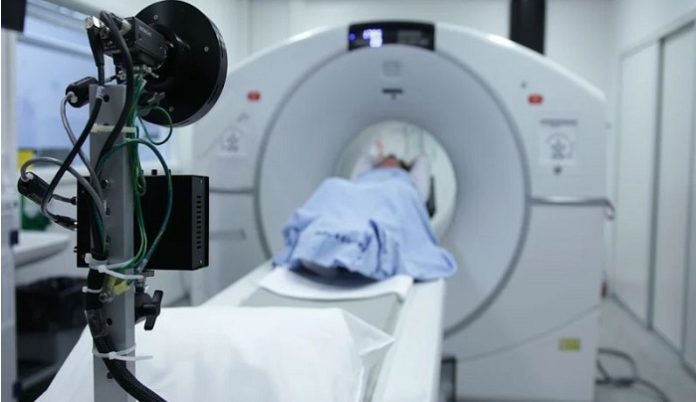
Artificial intelligence continues to deliver on its promise to improve patient care with a new tool that helps radiologists better spot breast cancers on mammograms, a study published Wednesday demonstrates.

Screening mammography is a well-trusted exam thatโ€™s proven to detect disease before it spreads, improving prognosis and reducing mortality. At the same time, many cancers are overlooked in the process and others turn out to be benign, researchers explained Nov. 4 in Radiology: Artificial Intelligence.

A new device, known as MammoScreen, however, boosted radiologists’ average sensitivity for spotting breast cancers and also decreased their rate of false negatives, said Serena Pacilรจ, PhD, clinical research manager at Therapixel, a Valbonne, France-based company that developed the software.

To arrive at their conclusions, the team, which included imaging experts at Hoag Memorial Hospital Presbyterian in California, had 14 radiologists assess scans with and without the help of AI. In total, they analyzed 240 two-dimensional digital mammo images performed between 2013 and 2016.

After review, AI increased radiologistsโ€™ area under the operating-characteristic curve score for detecting cancer by 0.033, on average. This improved performance did not hamper physiciansโ€™ efficiency, decreasing second reading sessions in cases with a low likelihood of malignancy, the authors noted.

Imaging experts may be able to use this time saved to focus their energy on malignant cases, the authors explained.

And given that the U.S. Food and Drug Administration in March cleared MammoScreen for clinical use, the platform may offer a more standardized, independent result, Pacilรจ et al. noted.

โ€œThe overall conclusion of this clinical investigation was that the concurrent use of this AI tool improved the diagnostic performance of radiologists in the mammographic detection of breast cancer,โ€ the authors explained. โ€œIn addition, the use of AI was shown to reduce false negatives without affecting the specificity.โ€

Dynamic contrast-enhanced MRI helps clinicians diagnose Bell’s palsy

Axonics Receives FDA Approval for 3T Full-Body MRI Scans

Dynamic contrast-enhanced MRI can help physicians detect facial nerve abnormalities commonly seen in people with Bellโ€™s palsy, researchers reported. In patients with BP, facial nerves become inflamed or swollen causing temporary weakness or partial paralysis of facial muscles, Chinese researchers explained in Clinical Radiology.

And while DCE has been proven to enhance traditional MR imaging, due to inherent limitations with MRI, specialists have tried to use a number of different sequences to accurately spot facial features consistent with BP.

โ€œOn the one hand, some segments of the facial nerve are too small to be assessed on conventional MRI,โ€ Y. Wang, a radiologistย with Shanghai Ninth Peopleโ€™s Hospital, and colleagues commented. โ€œOn the other hand, a normal facial nerve has a certain probability of presenting enhancement on conventional MRI.โ€

The authors sought to test if DCE-MRI could do the job, retrospectively analyzing 13 patients with surgically confirmed Bellโ€™s palsy. Exams were completed using a T1-weighted volumetric interpolated breath-hold examination (VIBE) sequence between January 2015 and July 2019.

They determined that DCE-MRI was more accurate at imaging the involved segments of BP-affected facial nerves than conventional MR imaging (92.3% vs. 38.5%).

Additionally, Wang and colleagues found the VIBE sequence produced images with better contrast, higher signal-to-noise ratios, and a shorter exam time.

While DCE-MRI proved valuable, the approach should still be considered a complementary tool to morphological imaging, the researchers noted.

โ€œIn conclusion, conventional MRI combined with DCE-MRI is a useful way to diagnose the involved segments of the affected facial nerves accurately with a shorter acquisition time compared to conventional MRI.

This approach has advantages both for the patient, in terms of safety, and for the physician, in terms of the accuracy of the diagnosis,โ€ the group concluded.

University of Oregon partnering with mental health specialist PeaceHealth on schizophrenia imaging project

University of Oregon partnering with mental health specialist PeaceHealth on schizophrenia imaging project

University of Oregon researchers are teaming up with mental health providers at Vancouver, Washington-based PeaceHealth as part of a massive project addressing schizophrenia outcomes.

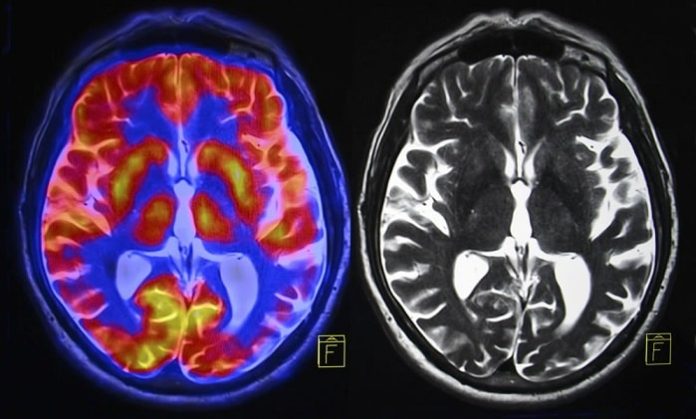
The partnership will utilize MRI and electroencephalography to pinpoint brain changes in adolescents at-risk for the neurological disorder and develop potential treatments.

The pairing is one of 27 teams participating in a new consortium, the Psychosis Risk Outcomes Network, or ProNET. Yale Universityโ€™s Department of Psychiatry is leading the effort,ย backed by a $52 million grant from the National Institutes of Health.

โ€œBeing able to be a part of a consortium this large to harmonize measures and collaborate with researchers around the world represents a unique opportunity to study this at a scale that has not been done before,โ€ Fred Sabb, principal investigator for the Oregon site, said on Friday. โ€œOur hope is that this study could lead to more directed, more personalized treatment of schizophrenia.โ€

PeaceHealthโ€™s mental health specialists will identify patients to take part in the study. And the UO Lewis Center for NeuroImagingโ€™s recently acquired Siemens Prisma brain scanner will help to study brain activity and changes in those with the disorder.

The NIH places schizophrenia as one of the top 15 causes of disability worldwide. And if left untreated, individuals face an increased risk of premature death. This newly announced project hopes to reverse this trend.

โ€œThey [MRI and EEG] really complement each other well and together they can provide us with a more complete picture,โ€ Nicki Swann, an assistant professor in the Department of Human Physiology at OU, who will oversee the EEG recordings conducted during the study. โ€œThis project has the potential to do some real good and Iโ€™m excited to be a part of it.โ€

Claritas HealthTech partners with Google Cloud for new teleradiology platform

Claritas HealthTech partners with Google Cloud for new teleradiogy platform

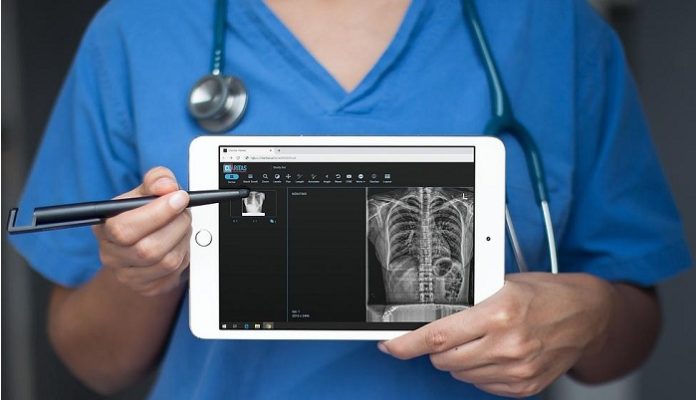
Singapore-based startup Claritas HealthTech has partnered with Google Cloud to launch a new radiology product called tRAD. The tele-radiology solution is a medical imaging and collaborative platform for patients and physicians.

tRAD has been developed as a response to the boom in telehealth, as online communication between clinicians and patients has become the norm since the COVID-19 pandemic began.

The platform lets patients have online access to their radiology images and clinical reports, while allowing them to communicate with their doctors through the same portal.

Dr Vas Metupalle, Head of Business Development of Claritas, explains the reasoning behind creating tRad: โ€œPhysicians today are frustrated by limited access to medical images when they are off-site. They receive text-based reports and low-resolution snapshots of images, instead of full access to their electronic medical records.

“If they require similar access to images that the radiologists have, there will be licencing and technical challenges when it concerns the distribution of images from the radiology department. With tRAD, the platform brings a powerful solution to radiology imaging, with an enhanced image viewer and multiple integrated AI tools, accessible to all physicians and patients.”

The platform runs entirely on the cloud, and provides patients and physicians with access to radiology images that could previously only be retrieved when they were both on-site. This also enables research organisations to use advanced image enhancement technology, with a growing number of AI tools.

Built with enterprise clients in mind, tRAD has been designed so that any existing telehealth company can add the platform to their workflow. It uses Google Cloud Health’s Application Programming Interface (API) for ease of use, and is HIPAA compliant.

Palvinder Chahil, Head of Google Cloud in Singapore and Malaysia, commented: โ€œClaritasโ€™ work with tRAD demonstrates how Google Cloud can help healthcare organisations leverage cutting-edge technology to gain better insights from their data, and ultimately to effect positive outcomes for patients and providers alike.โ€

tRAD is in use in Singapore and Indonesia; next it will be rolled out across North America and the United Kingdom.

Are We Ready To Ship Billions of COVID Vaccines Worldwide?

Are We Ready To Ship Billions of COVID Vaccines Worldwide?

What does it take to ship a crucial vaccine to stop a global pandemic? The healthcare industry is facing an enormous logistical challenge โ€“ and FedEx is at the front line, ready to deliver.

Thereโ€™s no denying it. 2020 has been a year of immense difficulty and disruption. Many now look forward to 2021 and the much-anticipated prospect of COVID-19 vaccines as the gateway to global recovery. Naturally as one of the the worldโ€™s leading logistics companies, FedEx has an important role to play in vaccine shipment.

We recognize that shipping COVID-19 vaccines will be complex and critical work with many moving parts. This vaccine will aid not only economic and business recovery, but also rebuilding communities and societal recovery globally. We as a logistics provider are keen to make a defined contribution at a human level, as people look to heal mentally and physically and emerge stronger from the pandemic. But as we prepare to meet that challenge, weโ€™re left in no doubt of the immense complexity of the undertaking – in scale and in the technical and administrative (read customs) requirements to ship billions of vaccine doses across continents. โ€˜

Global scale for vaccine delivery will challenge us

Finding a vaccine, then, is merely the first step. Next comes the task of building and managing a global supply chain that will transport vaccine doses from laboratory to end user; in short: the largest vaccination program in history. More than 150 COVID-19 vaccines are currently in development and an estimated 10 billion vaccine doses must eventually be delivered around the globe. And all this needs to be done at extremely exacting temperature requirements from start to the very end.

On the most basic level, it will put significant pressure on transportation resources. With our extensively connected network, technology and healthcare expertise, FedEx is in a strong position to help alleviate some of that pressure. But we recognize that transportation is just one link in a complex logistics chain. Responding to the scale of the challenge will also require innovative storage and data management solutions.

Like many companies that have transformed parts of their business in response to COVID-19, FedEx has been quick to invest in digital transformation and enhance technologies and our network is well positioned to ship vaccines with our temperature-control solutions in our cold chain, real-time tracking capabilities โ€“ supported at all times by a dedicated healthcare team.

We have been transporting and handling vaccine shipments for a long time. After all, for over a decade we have shipped flu vaccines each flu season.

Temperature control will be central to successful delivery

Not only will there be billions of vaccines in global circulation, but each and every one will need strict temperature control protocols.

The COVID-19 vaccines currently being tested need to be kept at temperatures as low as minus 80 degrees Celsius from the moment they are bottled until the time they are administered to patients. There is a high risk of spoilage if vaccines fall outside of the prescribed ranges for even a brief period of time. A World Health Organization (WHO) study estimates that up to 50% of vaccines are wasted globally each year, in large because of lack of temperature control and the logistics to support an unbroken cold chain.

In the past three years, FedEx has added ten cold chain facilities throughout our global network. We now have more than 90 such facilities across the world, with more to come in the near future. To complement our cold chain capabilities in support of the vaccine distribution, we are exploring a combination of cold storage solutions.

At the same time, we have significantly increased our capability to carry dry ice aboard cargo aircraft, allowing us to service more healthcare shippers. On average, we now transport approximately 500,000 dry ice shipments a month, which allows us to move critical healthcare shipments, like the vaccines, between more than 100 countries.

Just as important is the emergence of new technology, which can help with the shipping of vaccine doses. For instance, we recently launched our next-generation sensor-based proprietary technology in the U.S., FedEx SenseAware ID, which allows near real-time access to shipment data, tracking, light exposure, humidity levels and โ€“ crucially for vaccines – accurate temperature control.

International collaboration is a must

Finally, the vaccine program will need the highest levels of coordination and collaboration across multiple work streams โ€“ plus constant guidance from healthcare experts – to ensure vaccines are able to reach their target markets. Stakeholders include not just traditional players within the logistics industry such as FedEx, but also pharmaceutical companies, governments and healthcare providers โ€“ who will all need to work cohesively toward one common goal.

Prepared for success

The pandemic has given the logistics industry some invaluable lessons in how we move emergency shipments amid a global crisis. FedEx has been an essential service throughout the pandemic. To support recovery, we continue to distribute life-saving equipment critical to COVID-19 relief including ventilators, PPE, testing equipment and essential medical supplies.

Today, FedEx is working closely with governments and our healthcare customers on vaccine distribution plans. We are confident in our strong relationships with our healthcare distribution customers as we work through the preparation and prioritization of these deliveries.

Counting the human cost as well as economic

Weโ€™re under no misapprehension of the scale and complexity of the challenge we will face in 2021 and beyond. We are entering a transportation and distribution environment like no other before. But with the planning and resources we have in place, as well as our massive network and deep vaccine distribution experience, we will not go into the challenge unprepared.

And itโ€™s important to keep focus on the why as well as the how: we want to contribute not only to global economic recovery, but seek near-term benefits for struggling communities and societies across Asia and worldwide.

The logistics industry has an important part to play in the fight against COVID-19 and the road to economic and human recovery. We are ready to dive in โ€“ it is who we are and what we do.

Performance Anxiety and How to Deal with It

Performance Anxiety and How to Deal with It

Did you know anxiety can engulf you at any point in life? Some people think they are only nervous, but the nervousness can also be mild anxiety. There is no specific way to fully get over anxiety, but you can control it by incorporating a few measures. Performance anxiety is a type of anxiety that most of us go through.

You can experience performance anxiety at work, performance anxiety in sports, and at the stage, etc. People search for the best ed medicines for performance anxiety. However, you have to treat anxiety yourself by being mindful and controlling your conscious mindย 

Signs of performance anxiety

At some point or the other, we all have faced performance anxiety. There are a few signs that are most evident when your performance anxiety kicks in. Our body has a mechanism called fight or flight. When we are incredibly nervous, our bodies react in different ways to cope with anxiety. Here are a few signs that you may experience when you are extremely tense and anxious:

  • Your knees start to shake, and you have a hard time walking steadily.
  • You feel tightness in your throat and feel like having water.
  • You can notice your heart beating rapidly and your pulse increasing.
  • You feel bile rising in your throat and suddenly experience an urge to vomit.
  • You have cold hands and feet along with cold sweat.
  • In extreme cases, your vision gets blurry, and your head starts to spin.

How to control performance anxiety

We all have some kind of performance anxiety or stage fear. There can be a variety of reasons for us feeling performance pressure. Sometimes, we burden ourselves with our expectations. The excessive burden can cause mental stress and induces negative thoughts. However, there are a few tips that you can practice when feeling extreme performance anxiety.

1.ย ย ย ย  Put in hard work

The key to feeling less performance anxiety is to prepare and work seamlessly on the back end. When you are ready, you feel confident and motivated to showcase your talent. If you have a class presentation, you should put in your maximum effort.

When you prepare seamlessly for a big day or your performance on the stage, you can assure yourself. Self-assurance is only possible if you know you have prepared. You can also practice in front of your parents and friends to shake off the hesitation.

2.ย ย ย ย  Do not let your mind wander.

It takes a lot of practice to control your mind and stop it from wandering. However, you can do so by concentrating on the present. Performance anxiety engulfs you because you only think about negatives rather than positives. We are guilty of thinking about all the things that can go wrong rather than right.

If you fall into the same category; then, you are probably overthinking. You should take a few deep breaths and focus on your performance. If you have performance pressure at work, you should remind yourself of the efforts you are making.

3.ย ย ย ย  Focus on yourself only

Most people do not even know the performance anxiety definition before they experience it. You can go through a lot of emotions when you are under pressure and feeling sensitive. The worst thing you can do is compare yourself with the people around you.

We are our most prominent critics when it comes to our weaknesses. While it is vital to give yourself a reality check, it is also essential to take it easy. To keep performance anxiety at bay, you must try focusing on yourself only. When you focus on yourself, you tend to perform better and more vigilantly.

4.ย ย ย  Caffeine boost

If you do not feel anxious often, but you feel it on a specific occasion, a caffeine boost can fix it. You can add kratom powder to your coffee or make a matcha tea to pick up your mood.

โ—ย ย ย ย ย  Matcha tea

Matcha is an alternative to caffeine, but it has the same effects as coffee. Matcha tea is rich in antioxidants and has a variety of different plant-based compounds. These plant-based compounds are significant in maximizing gut health and boosting brain function. The main reason this tea will attract you the most is that it can also help you lose weight.

โ—ย ย ย ย ย  Kratom

If you have no idea what kratom is, then you are missing out big time. Kratom is a gift sent from heaven as it naturally boosts brain function and cures mental illnesses. Red Vietnam Kratom Powder is one of the best kratom strains availa. You can have it with any drink you have in the morning. It will provide you a caffeine kick as well as promote mental stability.

Besides using your conscious mind to treat anxiety you can try natural remedies such as the best kratom for anxiety.

5.ย ย  Do a quick workout

If you already workout, then you probably know the good benefits of doing it every day. When you move your body and do some sort of exercise, all the negative energy burns off. On the day of your performance, try to burn off all the negative energy. You will feel light, and all your negative energy will transform into positive.

How Primary Care Providers Can Safeguard Against Infectious Diseases

How Primary Care Providers Can Safeguard Against Infectious Diseases

2020 has been an exhausting year for doctors and healthcare providers, to say the least. With the impact of COVID-19 restricting or even shutting healthcare providers down, many are looking for viable strategies to both avoid the spread of infectious diseases while also efficiently treating patients.

Taking appropriate measures immediately to stop any spread is crucial, but long-term procedures need to be implemented as well. Even without a pandemic in the future, there are viable strategies healthcare providers can utilize to safeguard staff and patients alike from the spread of diseases.

What are some strategies that should be considered?

Hire an Infection Control Specialist

Standard hygiene procedures are well-known by primary care providers. Likewise, the adaptations due to COVID-19 have led to greater awareness among patients and staff alike. However, there are many nuanced elements involved in preventing infectious diseases from spreading in a healthcare setting. For this reason, infection control should be a top priority.

Infection control specialists can assist in crafting plans for your establishment in a number of ways. Not only can these individuals help reduce potential infection liabilities, but they can also provide a comprehensive understanding of subtle factors that may contribute to additional infectious disease spread (such as ventilation systems and climate control issues).

For those not sure where to begin in terms of planning, an infection control specialist is the best course of initial action.

Develop Visitor Access Protocols

The restrictions put in place due to COVID are frustrating for everybody involved โ€“ but there is much to learn going forward from these procedures. Visitor access and movement ultimately can be the single-biggest factor in reducing the spread of infectious diseases.

By eliminating the flow of unnecessary individuals through the facility, the likelihood of infectious transmission โ€“ whether it be to or from these individuals โ€“ is greatly diminished. Patients in particular should also be kept apart from one another whenever possible, as depending on the exact healthcare provider and specialty, there may be a naturally elevated number of people with colds, flu variants or other infectious illnesses that could easily spread to others.

Gear Up and Design Solutions

The natural equipment and setup of a healthcare providerโ€™s office can make a huge difference in how effective the control of infectious disease spread is during an outbreak. As most have learned throughout 2020, personal protective equipment is an essential component that should continue to be used where necessary. This includes face masks, gloves, sanitizer stations throughout the facility, face shields and physical barriers (whether transparent or opaque).

Likewise, in conjunction with consultation with an infection control specialist, consider various engineering and design solutions that can further reduce the spread. The National Institutes of Health recommends high ventilation in places where natural disease concentration due to patients can occur.

It is possible to treat patients without sacrificing in-person care and a desire to reduce infectious spread. Ultimately, primary care providers can seamlessly make improvements to their day-to-day operations on a permanent basis that will reduce the likelihood of patients and staff members alike becoming sick from infectious disease. For more information on how primary care practices are adapting to ensure patient safety and well-being, visit the website here.

How Concussions Are Diagnosed And Treated

How Concussions Are Diagnosed And Treated

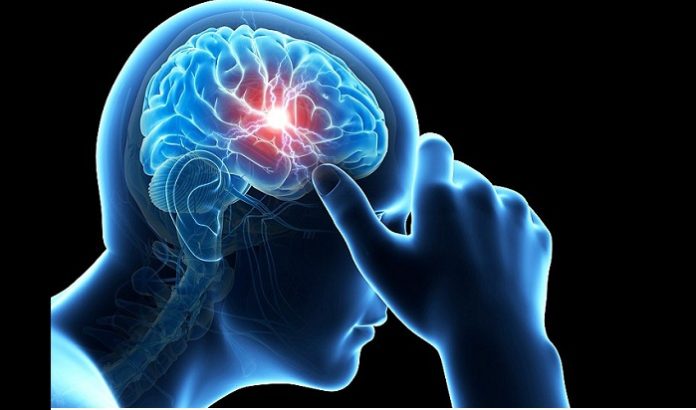
Concussions can be some of the most damaging injuries a person can incur, and millions of them happen each and every year. They can range in severity from mild to extreme, but even the most basic of concussions must be treated with respect and can lead to long-term issues. For this reason, any head injury, whether it occurs on the sports field, at home, in an auto accident, or somewhere else, should be reported and checked by a medical professional.

Diagnosis of Concussions

A concussion is a kind of brain injury that occurs when someone suffers a bump or knock to the head or some other kind of jolt or physical sensation that leads to their brain being disturbed or harmed in some way.

These kinds of injuries can be quite complicated, and the diagnosis process can be equally complicated, as doctors need to carefully analyze and evaluate the potential signs and symptoms, with some symptoms not necessarily appearing right away in the immediate aftermath of the accident or incident.

Here are some methods a doctor may use to diagnose a concussion:

  • Interview – To begin, doctors will simply speak with their patient to find out more about the nature of their injury, how it occurred, and what kinds of symptoms the patient may be experiencing. This then leads to the next steps.
  • Neurological Test – The doctor may next perform a neurological examination, which will usually involve checking the patient’s vision, hearing, sensations, hand-eye coordination, and reflexes. If any brain damage has occurred, the patient may show some irregularities in their vision or senses.
  • Cognitive Tests – The next step of diagnosis may take the form of different cognitive tests to evaluate a patient’s brain function. This may include memory or concentration tests, as it’s often the case that those suffering from concussions struggle to remember information or concentration correctly.
  • CT or CAT Scans – If a doctor discerns that a patient is showing signs or symptoms of some kind of brain injury, they may recommend CAT/CT scans to be carried out. These scans involve the use of X-rays to take photos of the skull and brain in order to visually identify any injuries.

Treatment

If a patient is diagnosed with a concussion, various treatment options can be used to help them recover. The course of treatment may differ greatly from one patient to the next, depending on the nature of their injury and the symptoms or side effects they have. Here are some possible treatment options that may be used:

  • Rest – The most common course of treatment in the immediate aftermath of a concussion is for the patient to get some rest, which includes both physical and mental rest.
  • Physical Rest – Physical rest involves taking some time off work, avoiding strenuous physical activities that could put the brain in further danger, and generally relaxing at home.
  • Mental Rest – Mental rest includes avoiding challenging mental activities like work, reading books, and using technological devices. These kinds of activities exercise the brain, which might lead to symptoms becoming worse, as the brain needs to heal, so it’s generally recommended for patients to simply relax and enjoy some very basic activities, mostly sleeping or listening to relaxing music or sounds.
  • Pain Relief – Many patients with concussions struggle with recurring headaches in the days after their injury, so a doctor may also prescribe some simple painkillers like Tylenol to help deal with this pain.
  • Gradual Return to Activity – Provided the concussion isn’t too serious and hasn’t led to a traumatic brain injury, a patient may be recommended to very gradually return to their usual schedule. They may be advised to spend a few weeks relaxing and then slowly incorporating additional activities into their daily routine before eventually getting back to work.
  • Therapy โ€“ In some cases, if a patient is showing signs of cognitive impairment, additional therapy may be required to help them re-learn different tasks. Therapy may also be recommended for patients who are dealing with PTSD, stress, or anxiety in association with their injury or the accident that caused it to happen in the first place.

Final Word

Concussions can be worrying and panic-inducing for those who experience them, but with swift diagnosis and prompt treatment, it’s very common for patients to recover without any long-lasting damage. If you or someone you know suffers a head injury, be sure to seek medical aid immediately, even if you don’t experience any serious symptoms right away.

Dealing with High Pressure Work Environments

Dealing with High Pressure Work Environments

Although every industry has roles which are considered to be high pressure, some careers are inevitably more stressful than others. Working in the healthcare sector, for example, is routinely considered to be high pressure, regardless of what your role is. When youโ€™re caring for patients, managing healthcare facilities, or training healthcare staff, itโ€™s easy for the pressures of the job to get on top of you.

While some people seek out careers in high pressure environments, this doesnโ€™t mean that they donโ€™t experience negative consequences over time. Working in a high-pressure environment, like an operating theater, can certainly take its toll. However, there are ways you can successfully deal with the challenges youโ€™ll face in a high-pressure career, such as:

1. Cultivate a Support Network

When youโ€™re dealing with a high-pressure working environment, chances are you arenโ€™t the only one affected. By building a professional support network, you can connect with other people who understand exactly what youโ€™re going through. In many instances, this shared experience and camaraderie can help you to process the day-to-day challenges youโ€™re facing.

2. Communicate with Your Employer

Some roles are high pressure by nature, but this doesnโ€™t mean that your employer doesnโ€™t have a duty of care towards you. Often, workplaces can be made healthier when employers take an active interest in reducing stress and providing employees with the practical support they need. By lobbying for better working conditions, more personnel and greater support, you can persuade your employer to make fundamental changes.

3. Talk to Someone

Being able to share your experiences, thoughts, worries and opinions can transform your well-being. By talking to a professional, like a therapist at the Kentucky Counseling Center, you can access the confidential, empathetic environment you need to unburden yourself. Furthermore, a professional therapist can help you to find effective ways to manage stress and reduce the negative impact it has on your well-being.

4. Take Regular Breaks

When youโ€™re in a high-pressure role, you may be expected to work long hours and take on a significant amount of responsibility. However, working an excessive number of hours can have a negative impact on your physical health, your emotional well-being and your professional expertise. To avoid burnout and other potential issues, be sure to take regular breaks, both throughout the working day and vacation time throughout the year.

5. Learn to Recognize Stress

When stress overwhelms us, itโ€™s often because weโ€™ve ignored the tell-tale signs of rising stress levels. By learning to recognize when your stress levels are increasing, you can take action swiftly to bring them down again. This can prevent chronic stress from impacting you and will help you to stay healthy as you climb the corporate ladder.

Choosing a High-Pressure Career

Some people thrive in high pressure environments, while others struggle to deal with the ongoing challenges a stressful career brings. When youโ€™re considering potential promotions or job opportunities, be sure to factor in what level of responsibility is involved. Understanding your own responses to stress will help you to choose a career path that challenges you without having a negative impact on your well-being.

Translate ยป