









Close
Digital Health & Ai Innovation summit 2026
Medical Taiwan 2026

GRAIL Announces Validation of its Multi-Cancer Early Detection Test Published in Annals of Oncology

GRAIL Announces Validation of its Multi-Cancer Early Detection Test Published in Annals of Oncology

GRAIL, Inc., a healthcare company whose mission is to detect cancer early, when it can be cured, announced validation data for its multi-cancer early detection blood test were published in Annals of Oncology. These data demonstrate GRAILโ€™s technology can detect more than 50 cancer types across all stages, with a very low false positive rate of less than one percent, through a single blood draw. When a cancer signal is detected, the test can also identify where the cancer is located in the body (the tissue of origin) with 93% accuracy.

Today, the majority of deadly cancers do not have guideline-recommended screening tests available, and as a result, most cancers are detected too late, after they have progressed to late stages when chances of survival are much lower. When cancer is diagnosed after it has spread, the five-year cancer- specific survival rate is 21%, compared to 89% when the cancer is diagnosed early and still localized.

โ€œAt GRAIL, we believe that multi-cancer early detection has the potential to significantly reduce cancer mortality,โ€ said Alex Aravanis, MD, PhD, Chief Scientific Officer and Head of R&D, and a co-founder of GRAIL. โ€œThis is a seminal moment in the field of cancer detection. Weโ€™ve built what we believe to be one of the largest clinical study programs ever conducted in genomic medicine, and the data published in Annals of Oncology further support GRAILโ€™s approach and commitment to clinical and scientific rigor.โ€

The publication includes data from GRAILโ€™s foundational Circulating Cell-free Genome Atlas (CCGA) study, which included more than 15,000 participants with or without a diagnosis of cancer. In the sub-study reported in todayโ€™s publication (N=6,689), results from the validation set (N=1,969) showed that GRAILโ€™s proprietary targeted methylation technology achieved high specificity (99.3%), or a single low false positive rate of less than 1%, across more than 50 cancer types.

The detection rate for a pre-specified set of 12 deadly cancer types, that together account for approximately 63% of U.S. cancer deaths annually, was 67.3% across stages I-III (95% confidence interval [CI]: 60.7-73.3%). The overall detection rate for all cancer types was 43.9% across stages I-III (95% CI: 39.4-48.5%). When a cancer signal was detected, a tissue of origin result was provided for 96% of the samples, and of these, the test correctly identified the tissue of origin in 93% of cases. Importantly, performance of the test was consistent across training and validation sets.

โ€œThe promising results from this independent validation data set demonstrate the robustness of the test performance, including its ability to detect multiple cancer types, and its generalizability to broader populations due to a low false positive rate,โ€ said Minetta Liu, MD, Research Chair and Professor, Department of Oncology, Mayo Clinic, co-lead author and investigator in the CCGA study. โ€œIn addition, the high accuracy in identifying the anatomic origin of the primary cancer, in conjunction with detection of a positive cancer signal in the blood, will allow providers to efficiently direct next steps for each individualโ€™s diagnostic work-up and subsequent clinical care.โ€

The impact of early detection on cancer mortality can be modeled using data from the National Cancer Institute Surveillance, Epidemiology, and End Results (SEER) Program. Today, GRAIL also published new data modeling the most recent SEER statistics in Cancer Epidemiology, Biomarkers & Prevention, showing that if all cancers currently diagnosed at stage IV could be diagnosed earlier, evenly distributed across stages I-III, cancer deaths could fall by 24%. These findings support the potential significant public health benefit of an accurate and highly specific multi-cancer early detection test.

โ€œThe Human Genome Project ushered in the era of precision medicine, but the benefits have largely impacted patients with specific mutations or genetic diseases. GRAIL has combined the advances in human genomics with machine-learning data science to develop a multi-cancer early detection test that can maximize overall population detection while minimizing potential harms,โ€ said Joshua Ofman, MD, MSHS, Chief Medical Officer and External Affairs at GRAIL. โ€œThese validation data suggest that GRAILโ€™s test could be one of the first examples of a technology derived from insights from the Human Genome Project to have an impact at the broader population level, and could facilitate an important transition from screening for individual cancers, to screening individuals for all cancer types.โ€

The CCGA data from the second sub-study were previously presented at the European Society for Medical Oncology (ESMO) 2019 Congress and American Society of Clinical Oncology (ASCO) 2019 Breakthrough and are available on GRAILโ€™s website. The CCGA study is ongoing, and additional findings will be made publicly available at future medical meetings and/or in peer-reviewed publications.

About CCGA

The Circulating Cell-free Genome Atlas (CCGA) study is a prospectively designed, observational, longitudinal, case-control study that has completed enrollment of approximately 15,000 participants with and without cancer across 142 sites in the United States and Canada. CCGA is designed to characterize the landscape of genomic cancer signals in the blood, and to discover, train, and validate GRAILโ€™s multi-cancer early detection blood test through three pre-planned sub-studies. To learn more about CCGA, please visit www.grail.com.

About GRAILโ€™s Multi-Cancer Early Detection Test

GRAILโ€™s multi-cancer early detection test is designed to detect cancers in early stages, when the chance of survival is higher than if cancer is detected after symptoms appear. Clinical data have shown the ability of this technology to detect more than 50 cancer types with a very low false positive rate of less than one percent. GRAILโ€™s test was designed to minimize false positives in order to limit associated harms, including patient anxiety and unnecessary diagnostic workups. When a cancer signal is detected, the test has been able to identify where in the body the cancer is located with high accuracy, an important step to guiding diagnostic next steps and care.

GRAILโ€™s methylation-based technology preferentially targets the most informative regions of the genome and is designed to use its proprietary database and machine-learning algorithms to both detect the presence of cancer and identify the tumorโ€™s tissue of origin. GRAIL believes itssequencing database of cancer and non-cancer methylation signatures is the largest of its kind.

About GRAIL

GRAIL is a healthcare company whose mission is to detect cancer early, when it can be cured. GRAIL is focused on alleviating the global burden of cancer by developing pioneering technology to detect and identify multiple deadly cancer types early. The company is using the power of next-generation sequencing, population-scale clinical studies, and state-of-the-art computer science and data science to enhance the scientific understanding of cancer biology, and to develop its multi-cancer early detection blood test. GRAIL is located in Menlo Park, California and Washington, D.C. It is supported by leading global investors and pharmaceutical, technology, and healthcare companies.

Ventec Life Systems and GM Partner to Mass Produce Critical Care Ventilators in Response to COVID-19 Pandemic

Ventec Life Systems and GM Partner to Mass Produce Critical Care Ventilators in Response to COVID-19 Pandemic

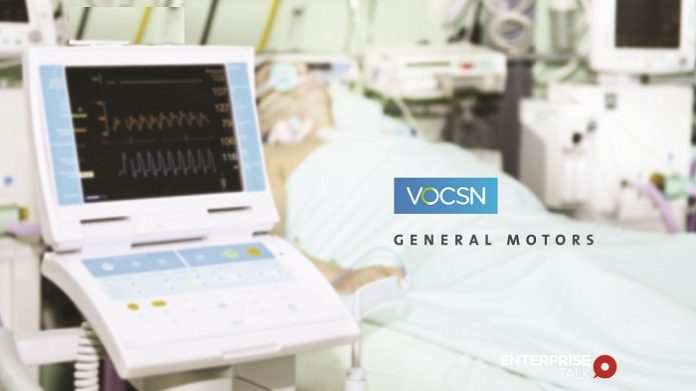
Ventec Life Systems announced General Motors will build VOCSN critical care ventilators at GMโ€™s Kokomo, Indiana manufacturing facility with FDA-cleared ventilators scheduled to ship as soon as next month. This effort is in addition to Ventec taking aggressive steps to ramp up production at their manufacturing facility in Bothell, Washington.

Across all manufacturers, there is a global backorder of critical care ventilators capable of supporting patients fighting COVID-19. The companies are adding thousands of units of new capacity with a significantly expanded supply chain capable of supporting high volume production. GM is donating its resources at cost.

GM will also begin manufacturing FDA-cleared Level 1 surgical masks at its Warren, Michigan manufacturing facility. Production will begin next week and within two weeks ramp up to 50,000 masks per day, with the potential to increase to 100,000 per day.

Critical Care Ventilators

โ€œThis unique partnership combines Ventecโ€™s respiratory care expertise with GMโ€™s manufacturing might to produce sophisticated and high-quality critical care ventilators,โ€ said Chris Kiple, CEO of Ventec Life Systems. โ€œThis pandemic is unprecedented and so is this response, with incredible support from GM and their suppliers. Healthcare professionals on the front lines deserve the best tools to treat patients and precision critical care ventilators like VOCSN are what is necessary to save lives.โ€

Ventec and GM are working around the clock to meet the urgent need for more ventilators. Efforts to set up tooling and manufacturing capacity at the GM Kokomo facility are already underway to produce Ventecโ€™s critical care ventilator, VOCSN. Depending on the needs of the federal government, Ventec and GM are poised to deliver the first ventilators next month and ramp up to a manufacturing capacity of more than 10,000 critical care ventilators per month with the infrastructure and capability to scale further.

โ€œWe are proud to stand with other American companies and our skilled employees to meet the needs of this global pandemic,โ€ said Mary Barra, GM chairman and CEO. โ€œThis partnership has rallied the GM enterprise and our global supply base to support Ventec, and the teams are working together with incredible passion and commitment. I am proud of this partnership as we work together to address urgent and life-saving needs.โ€

GM will deploy an estimated 1,000 American workers to scale production of critical care ventilators immediately. Working with the UAW, GM has brought back employees from GMโ€™s Kokomo and Marion facilities.

Since Friday, March 20, Ventec and GM teams across manufacturing, engineering, purchasing, legal and others have been tirelessly and seamlessly working together to create and implement a plan for immediate, scaled production of critical care ventilators. The Ventec and GM global supply base developed sourcing plans for the more than 700 individual parts that are needed to build up to 200,000 VOCSN.

โ€GM is in the position to help build more ventilators because of the remarkable performance of GM and Ventecโ€™s global supply base,โ€ added Barra. โ€œOur joint teams have moved mountains to find real solutions to save lives and fight the pandemic.โ€

The Ventec Life Systems team has a history of patient-centric design which includes more than 18 care-changing respiratory devices and more than 40 patents. Ventec’s leading product, VOCSN, is the first and only Multi-Function Ventilator and was FDA cleared in 2017. VOCSN seamlessly integrates five separate devices including a critical care ventilator, oxygen concentrator, cough assist, suction and nebulizer into a single portable device. VOCSN provides invasive and non-invasive ventilation across a comprehensive set of modes and settings throughout the care continuum from the hospital to the home.

GMโ€™s Kokomo facility supports the production of precision electrical components and is approximately 2.6 million square feet, located on more than 270 acres.

This partnership combines global expertise in manufacturing quality and a joint commitment to safety to give medical professionals and patients access to life-saving technology as rapidly as possible.

Level 1 Surgical Masks

In a separate effort, GM is expanding its support of medical equipment production by temporarily converting its Warren, Michigan plant to build Level 1 surgical masks. Production will begin next week and within two weeks ramp up to 50,000 masks per day, with the potential to increase to 100,000 per day. Daily mask production will be influenced by the availability of materials to build the masks.

The necessary machinery will be delivered to the Warren plant Friday morning and production of masks will begin next week. This employee-led initiative was created, planned and approved in about 48 hours and involves GMโ€™s traditional supply base as well as new partnerships specific to the medical device industry. GM will be collaborating with governments and local suppliers to distribute the masks.

Ventec Life Systems is redefining respiratory care to improve patient outcomes and reduce caregiver challenges from the hospital to home. Ventec’s leading product, VOCSN, is the first and only Multi-Function Ventilator that seamlessly integrates five devices – a critical care Ventilator, 6 L/min equivalent Oxygen concentrator, touch button Cough assist, hospital grade Suction, and a high-performance Nebulizer – into one integrated respiratory system that is lightweight and mobile. VOCSN is fully customizable to meet patient needs for pediatric and adult patients. Learn more at VentecLife.com and connect with Ventec on Facebook, LinkedIn, YouTube, Twitter, and Instagram.

General Motors is a global company committed to delivering safer, better and more sustainable ways for people to get around. General Motors, its subsidiaries and its joint venture entities sell vehicles under the Chevrolet, Buick, GMC, Cadillac, Holden, Baojun and Wuling brands. More information on the company and its subsidiaries, including OnStar, a global leader in vehicle safety and security services, and Maven, its personal mobility brand, can be found at http://www.gm.com.

ideaPoint and WideTrial Launch Global Expanded Access Platform for COVID-19 Medicines

ideaPoint and WideTrial Launch Global Expanded Access Platform for COVID-19 Medicines

Anaquaโ€™s ideaPoint, a provider of medical affairs and innovation management solutions, announced a strategic partnership with clinical data company WideTrial to facilitate greater access to investigational medicines for physicians and patients dealing with COVID-19 worldwide.

The projectโ€™s objective is to establish a single centralized hub through which creators of potentially effective COVID-19 therapeutics can make their products available to large numbers of people under applicable Expanded Access regulations. Expanded Access Programs (EAPs) are specially authorized clinical trials for the โ€œtreatment-useโ€ of pre-market products by patients and their doctors who cannot participate in research trials. The new platform is designed to allow interested healthcare providers (including non-traditional trial sites, community hospitals, and clinics) to sign up online to participate in the EAPs of their choice.

Supporting the Expanded Access platform is ideaPoint, a leader in web-based inquiry management software for life science and healthcare uses.The company has delivered physician engagement and clinical data collaboration tools in several therapeutic areas including Immuno-Inflammation, Infectious Disease, Oncology, HIV/AIDS, Respiratory, Vaccines and Rare Diseases through global EAPs for large and mid-size pharmaceutical companies.

โ€œWith ourexpertise in providing software to manage and track all aspects of a global EAP andWideTrialโ€™s clinical operations and regulatory expertise, we hope to help and support companies with potentially promising investigational medicinesto fight COVID-19 and make medicinesavailable to large portions of the global patient population as quickly as possible,โ€said Scott Shaunessy, Founder and CEO of ideaPoint.โ€œWe have combined forces to offer a unified resource for rapid deployment of an EAP.โ€

Bob Romeo, CEO of Anaqua, added: โ€œAs a global company, we deeply understand and are committed to supporting initiatives that may alleviate the effect ofthis pandemic worldwide. Putting peopleโ€™s health first, we want to support our global pharmaceutical clients and other pharmaceutical companies in our collective efforts tourgently fightCOVID-19 through supporting this modernized Expanded Access solution.โ€

WideTrial is a specialized clinical trial company created exclusively to sponsor large-cohort EAPs under agreements with the originating life science companies. WideTrialโ€™s innovation includes an in-house clinical operations team, Expanded Access regulatory specialists, a unitized per-patient cost-recovery structure, and CDASH/CDISC compliant data capture tools that help streamline the workflow of busy clinicians.

Commenting on the importance of effective EAPs,Jess Rabourn, CEO of WideTrial said: โ€œApplying traditional clinical trial business models to Expanded Access is a colossal mistake and has served only to frustrate healthcare delivery systems, drug companies, and patients. We built WideTrial to re-arrange that landscape into one that frees Expanded Access to function as it was intended, for the vast numbers of patients and doctors who cannot access a new medicine through its research trials.โ€

About ideaPoint
ideaPoint, an Anaqua product, is dedicated to providing clients with software solutions that help them repeatedly spot and seize the innovation and partnering opportunities that create growth through new products, new services and new business models. Since its launch in 2008, ideaPoint has delivered the software to transform and solidify innovation and strategic growth programs across global companies in science-based industries.

About WideTrial
WideTrial is clinical data company in Silicon Valley serving as a specialist, third-party sponsor of data-generating cohort Expanded Access programs (EAPs).

How RTLS Systems Can Help Hospitals in Chaos

How RTLS Systems Can Help Hospitals in Chaos

The COVID-19 outbreak is threatening to swamp hospitals across the United States. Some hospital systems are already beginning to reach capacity, and these facilities are focusing more and more effort on treating patients sick with the coronavirus.

The crisis is putting a tremendous amount of pressure on hospitals โ€” probably more than what they’ve felt in the last few decades. As a result, doctors, nurses and other hospital staff need all the aid they can get to overcome the challenge this outbreak poses.

New hospital technology โ€” like RTLS systems โ€” can help hospital staff with administrative tasks and patient care, reducing the burden currently placed on medical providers.

What Is an RTLS System?

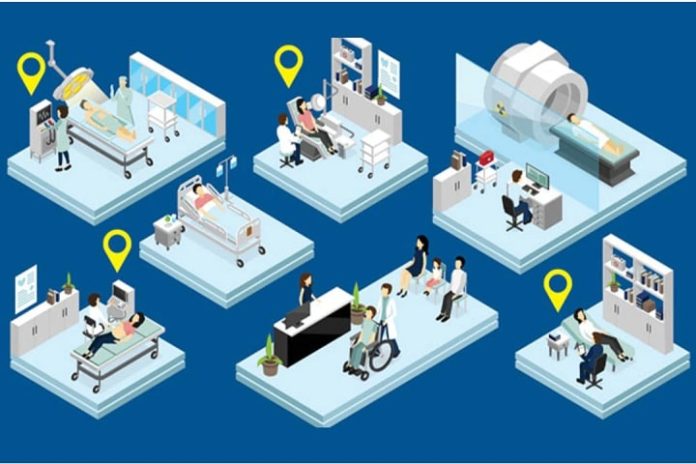
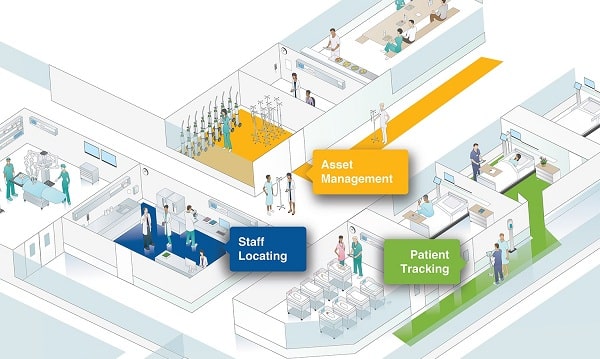
An RTLS is a real-time location system โ€” a program that provides immediate tracking of objects and people in a given area. In a medical environment, this usually means staff, patients and valuable medical equipment โ€” like ventilators and patient monitors.

Depending on a hospital’s need, these systems may cast a wide net or provide fine detail. One RTLS system may use tags installed at hospital entry and exit points to track whether or not a patient or piece of equipment is still in the facility. Another may use specialized GPS or radio-frequency identification (RFID) tags to track and provide the exact location of a piece of equipment on a floorplan.

These tracking features can provide a range of major benefits for hospitals facing shortages of staff, equipment and time as COVID-19 cases rise.

Typically, RLTS can integrate into other hospital systems, like maintenance management and security systems or electronic health records. As a result, they can help hospitals better manage their use of essential medical equipment.

How RTLS Can Improve Hospital Efficiency

With an RTLS, healthcare organizations can effectively reduce administrative workload so that doctors and nurses have the most time available to tend to patients.

RTLS systems are most effective in chaotic situations, where equipment and staff aren’t guaranteed to be where they’re supposed to, and protocol can change from hour to hour. Conditions like this mean the location of critical resources can become hard or impossible to predict.

With one look at the RLTS via a hospital workstation โ€” or, with some systems, via a mobile device โ€” a worker can find the precise location of the team member or machine they need. This process reduces or eliminates the time they would have spent searching.

On average, a nurse walks four to five miles per 12-hour shift. Transit already makes up a significant portion of a nurse’s workload. Searching for necessary equipment that may have been moved around due to rapidly shifting priorities eats up time they could use caring for patients. A lack of time forces nurses to stretch their hours and attention spans even thinner.

RTLS healthcare strategies can also help hospitals boost their bed capacity. The system can automatically alert administrative staff the second a bed becomes available. This ability enables patients who need a bed to receive the quickest possible care, avoiding wait times. Recent research has found that length of stay can decrease by an average of 4 hours with the right solution in place โ€” the equivalent of adding 10 extra beds.

Other Benefits of RTLS

With an RLTS, healthcare providers can also use stocked medical equipment more efficiently. This advantage is essential during a crisis when new devices can be hard to obtain. Texas Health, for example, has been using an RTLS system to manage equipment usage since early last year. The hospital saved more than $400,000 and reduced equipment repairs by 80%, merely by optimizing their use of equipment the hospital already had on hand.

RLTS systems can also help nurses, doctors and other hospital staff track which rooms are currently being used to treat COVID-19 patients. Patients with compromised or weakened immune systems, like those recovering from surgery, can be effectively separated from people who are ill with the coronavirus. That enables hospital staff to reduce the risk of the infection spreading throughout the hospital.

Other features occasionally included in RLTS systems can assist nurses and doctors in calling for help when they need it. In an emergency, hospital staff may need immediate assistance. RTLS systems with panic buttons allow them to signal for help and immediately provide their location to other team members who can offer aid โ€” without stopping what they’re doing.

Improving Capacity for Care With RTLS

The coronavirus outbreak is pushing hospitals to their limits. As numbers of cases continue to rise exponentially, the pressure is likely to grow. Hospital staff will need all the help they can get to keep pace with the growing number of COVID-19 patients.

RTLS healthcare may be able to help hospitals manage some of the chaos they’re currently experiencing. These real-time location systems can assist hospitals and their staff with supervising the location of equipment and team members. In a crisis, this information can be invaluable, ensuring medical personnel have as much time as possible to treat patients in need.

InterSystems TrakCare goes live in Amcare Womens and Childrens Hospital, Baodao, Beijing, China despite coronavirus

InterSystems TrakCare goes live in Amcare Womens and Childrens Hospital, Baodao, Beijing, China despite coronavirus

As China grapples with the spread of COVID-19 many industries have been impacted, but none more so than the medical industry. Hospitals and medical staff are doing their utmost fighting against COVID-19, staying behind and sticking to their posts. It is their dedication that ensures other peopleโ€™s medical needs are met. One hospital delivering such care is the Amcare Womenโ€™s & Childrenโ€™s Hospital.

As a medical information technology provider, InterSystems is committed to helping customers succeed through advanced technology. Throughout the current epidemic, InterSystems has provided a 24/7 technical support hotline, remote coordination, on-site support and other ways to respond to requests from the frontline and meet customer needs.

InterSystems first partnered with Amcare in 2016, and since then the InterSystems TrakCare unified healthcare information system has gone live in three campuses and one clinic in Beijing to support high quality medical care. After the acquisition of Baodao Healthcare in 2019, Amcare planned to deploy TrakCare by February 2020 to ensure that the Baodao campus could provide the same high-quality medical services as the rest of Amcare.


Faced with the sudden epidemic, Amcare decided to stick to the original plan, after careful consideration. As a new member of Amcare, the Baodao campus needed to fully meet the unified requirements of the group in terms of service standards for the patients. This determination to provide the best service to customers is a constant commitment of both Amcare and InterSystems, even under the current severe epidemic.

In order to meet the planned requirements, InterSystems sent six technicians to provide on-site support and another three technicians to provide remote assistance, to effectively ensure a timely response to any unexpected situation and to ensure the successful go-live of the system.

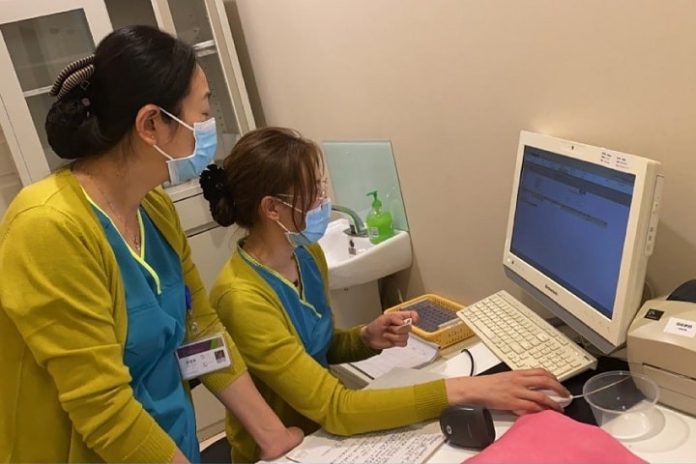
Through the joint effort of Amcare and InterSystems, TrakCare was officially launched on February 24, 2020. Since then, each step in the patient journey, from admission to consultation, diagnosis, treatment and discharge is available in the system, alongside their past history including allergies and medication administration. A unified view of the patient includes all previous prenatal maternal care through to birth, supporting the full cycle of care management.

TrakCareโ€™s clinical decision support and analysis capabilities also provide safety warnings in real time, supporting safe use of medications, managing patient risk, and helping medical workers make quick, efficient, and safe decisions. This both improves the experience of pregnant women and reduces their exposure to the epidemic.

Luciano Brustia, Regional Managing Director, Asia Pacific for InterSystems commented, โ€œWe are proud to stand by Amcare Womenโ€™s and Childrenโ€™s Hospital in this difficult time to help them provide the best medical care for their patients. Supporting our customers is InterSystemsโ€™ constant commitment and it is the responsibility of every member of our staff.โ€

Healthcare 5.0 and the Age of Analytics

Healthcare 5.0 and the Age of Analytics

Data stands at the foundation for the future of healthcare as a valuable resource, with the boundless potential to alter the way healthcare is created, approached and delivered. Experiencing a paradigm shift of rapid change, Asiaโ€™s healthcare is entering a digital healthcare system that will supersede its predecessor of the 4.0 industry. Soon to outpace Europe as the second-largest regional market by 2023, Asia is developing into a major growth engine behind global healthcare, according to a report by McKinsey & Company.

Amid an external environment that is both challenging and complex, the regionโ€™s evolving medical needs stem from its geography and economic climate, a backdrop with the presence of infectious tropical diseases and multiplying chronic ailments. However, supplying adequate healthcare remains a key challenge in this diverse region, with its delivery ranging from world-class hospitals in Singapore and Bangkok, to crowded medical facilities in other less-developed countries. Quality healthcare requires the adoption of modern medical technology, or medtech. As such, optimally designed hospitals need to accommodate the utilisation of complex equipment to address human error and mechanical failure, while also stabilising the overwhelming ratio of patients to medical professionals.

At the forefront of this challenge is the adoption of high-speed data transmission networking via smart intelligent devices, robotics, remote monitoring and other automated tools in healthcare systems, setting a benchmark in the ideology of healthcare 5.0 and empowering both ends of the spectrum.

The Exoskeleton device compensates muscle power of lower limbs according to the wearer

Built for Mobility

Aside from its role in industrial sectors, exoskeletons have grown into its own space in the medical sector, becoming a viable source in both treating and countering conditions such as Parkinsonโ€™s disease, multiple sclerosis, spinal cord injury, and stroke which can hinder mobility among patients. The assistance of medical exoskeletons not only benefits patients, but aids in attending to the unintended strains of such conditions like fatigue and overexertion among healthcare workers as well. Reducing work-related injuries, and its consequential care, the growth of exoskeletons in the medical sector is expected to reach USD 578 million by 2024.

The first of its kind, Japanese robotics and technology company Cyberdyne Incโ€™s wearable Cyborg HALยฎ (Hybrid Assistive Limb) exoskeleton suits cater to the demands and procedures of the medical field. Its HAL Lower Limb Model is a rehabilitation therapy device for patients with damaged brain functions from spinal cord injury,cerebrovascular disease and brain haemorrhage,to increased osteoporosis, pressure sores, and blood clots risks.

Benefiting them with mobility, the device compensates muscle power of lower limbs according to the wearer, allowing them to walk.The companyโ€™s HAL Lumbar Type on the other hand, backs healthcare workers, mimicking and supporting movement after reading bioelectric signals according to their intentions. Reducing the stress applied on the lumbar region when lifting patients, professionals can lower the risks of back injury and also restore and support their mobility.Armed with a detachable controller, mobility-related operations can be monitored and tailored to suit individual patient needs.
Improving independence, medical exoskeletons merge human will with robots, personalising the medical infrastructure with the support of technology to sustain its workforce while attracting the younger generation.

Access to Quality Air

The acute respiratory distress syndrome (ARDS) is common among critically ill patients, closely associated with acute respiratory failure, limited quality of life, and high mortality. ARDS occurs most often in the setting of pneumonia, sepsis, aspiration of gastric contents or severe trauma with an incidence among patients admitted to the intensive care unit (ICU) as high as 10 percent. Out of necessity, hospitals all around the world require mechanical ventilation for its treatment of ARDS, specifically demanding an accurate concentration of purified medical air.

Anticipating a large number global ARDS incidences as a symptom of the on-going COVID-19 pandemic, hospitals depend on medical air compressors for clinical grade air necessary for artificial respiration, medical systems, operating theatres and surgical instruments.

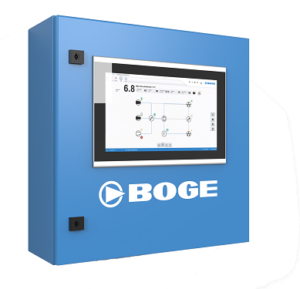
Irrespective of whether on an integrated display, PC, tablet or smartphone โ€“ BOGE is setting new standards for the networked control of air compressors. With the BOGEโ€™s airtelligence provis 3, unlimited compressed air systems can be controlled and proactively managed based on consumption, and machine data can be called up at any moment in real time.Considered a pharmaceutical product and medicine,BOGEโ€™s air compressors aid in the delivery of medical air and the production of breathable gas to patients through devices whether operational or systemic. BOGEโ€™s medical compressors serve as main components of medical air systems and can transform power into potential energy in pressurized air.

The interface on BOGE compressed air systems is sleek and user-friendly, with unique monitoring features, a simulations-software for comparing systems, and a surveillance and alarm function that is easy to understand and operate.Designed for the worst-case scenario, BOGEโ€™s air compressors come with triple and quadruple redundancy, extending the life of the air compressor units and providing backup during demand overload for a guaranteed supply of medically treated air no matter the circumstances.

Wear and Sync Data

There are currently about 800 million people with high blood pressure worldwide. According to the World Health Organisation (WHO), studies indicate that in North America, Western Europe, and the Asia-Pacific region, lowering of systolic blood pressure can reduce the risk of stroke of approximately by one third, in people aged 60 to 79 years. Since the invention of its first blood pressure monitors over 40 years ago, Omron Healthcare has been championing the change in the how blood pressure monitors are perceived with the first wearable oscillometric blood pressure monitor, HeartGuideโ„ข.

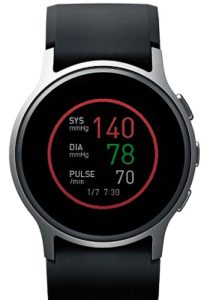
Beneath its compact smartwatch exterior, the HeartGuideโ„ข innovation ties personal heart health and wellness technology into a seamless mode of regular monitoring to manage hypertension. Creating a fuller picture of wellness, it ensures clinically accurate results in under 30 seconds. The HeartGuideโ„ข pairs with a proprietary mobile app, HeartAdvisorโ„ข, an insights-driven digital service designed to play the role of a digital health coach, helping users take vital steps towards managing their heart health. Users can wirelessly transfer data from their blood pressure monitor to a smartphone or any hand-held device, and upload the readings to the app. The wearable-app combination can display previous or current readings for immediate comparison, and comes with hypertension indicators that alert users if systolic and/or diastolic readings are out of range.

The smart-engineered device facilitates dialogues with doctors and provides access to real-time heart health insights, especially for those in the hypertension danger zone and early adopters of health monitoring. As part of their Going for Zero movement to eliminate the risk of heart attacks and strokes, Omron Healthcare aims to shift the behaviour in how heart health is managed for a more proactive and preventative care.

From Application to Assimilation

Bearing the heavy burden of an expanding patient population on a shrinking workforce, Asiaโ€™s healthcare is right on track to eliminate emerging hurdles towards a future spurred by an augmented workforce. The 5.0 revolution in healthcare is ultimately digitally transforming society, reducing the overload on emergency and acute care, and allowing communities to strengthen their resilience and health with a faster response time.

Electronically connecting data, information and knowledge in real time across societal activities, patient touch points with healthcare professionals have evolved to extend beyond the hospital setting. This development of a citizen and consumer-centric approach in the industry enables health providers and its recipients to participate in health diagnoses as a better-equipped generation with greater awareness.

Digital health is the new norm, accessible for practice by individuals of any age, gender, ethnic or genetic background, income, with or without medical conditionsโ€“ assimilating seamlessly into peopleโ€™s lifestyles.

About Nalin Amunugama
Nalin Amunugama is the General Manager of BOGE Kompressoren Asia Pacific with over 26 years of experience in the air compressor business, including its applications in digital healthcare, medical and pharmaceutical sectors.

As a global leader in compressed air systems, BOGEโ€™s focus is on creating seamless, cost-efficient and sustainable energy solutions to benefit customers and the planet.

4 Tips for Dealing With Chronic Pain

4 Tips for Dealing With Chronic Pain

Anyone who has ever had to manage chronic pain can testify as to how tough it can be. Modern medicine can only really offer up powerful painkillers and these arenโ€™t the best solution for everyone. Here are four tips that any chronic pain patient can adopt to help manage their own condition.

Practice Meditation & Mindfulness

Both meditation and mindfulness are potentially very powerful techniques for managing chronic pain. Many people, including a large number of chronic pain patients, underestimate just how significant a role psychology plays in physical pain. However, there is a growing body of evidence that suggests that a significant portion, if not the majority, of chronic pain can be attributed to psychological factors.

The way that you think and feel about pain can affect how it impacts you physically. Meditation and mindfulness both enable practitioners a greater degree of control over how they think and feel. Both of these techniques are useful in producing a better response to stress and worry. For many chronic pain patients, this is hugely beneficial.

Ensure You Get Proper Rest

The links between a good night’s sleep and chronic pain might not be immediately obvious, but they are certainly there. For many chronic pain patients, an uncomfortable and unsuitable bed or mattress will exacerbate their problems. The most obvious example of this is a chronic pain patient who is suffering from back pain. Anyone who has ever tried to spend a few nights on a friend’s old lumpy couch will know just how painful a bad mattress can be.

If you are finding yourself frequently waking up in the night, your chronic pain might not necessarily be to blame. This guide to the best mattresses available right now is a good starting point. You want something that enables you to get a good night’s sleep every single night. A lack of sleep will have numerous knock-on effects for your emotional and physical health, none of which are good.

Join A Support Group

Feeling lonely and isolated is only going to have negative consequences for both your emotional and physical health. Many chronic pain patients needlessly suffer alone, unsure of how to process the current situation. This only adds to the psychological strain that chronic pain patients feel and is a needless source of fear and anxiety.

A support group of other chronic pain sufferers can therefore be a valuable tool. Not only can these groups provide you with a sense of community and a connection with other people, but they are a fantastic way of generally improving your social life and encouraging you to spend more time with other people.

Find Ways of Occupying Yourself

If you are able to distract yourself and take your mind off any pain that you are feeling – even for a few minutes – it can’t make a real difference to the level of pain that you feel. When you have nothing else to focus on, even relatively minor paint can absolutely dominate your consciousness. When that pain is severe and long-lasting, it is all but impossible to ignore it unless you have something else to focus your mind on.

It doesn’t matter what this distraction is, although obviously, you should try to keep it healthy. Some people find that physical activities and sports are helpful in managing their pain, but this depends entirely upon your individual pay levels, the location of your chronic pain, and the underlying cause for it. Other people have found that things like playing video games, reading books, or even just laying back with their MP3 player, can all provide a powerful distraction from their pain.

Managing chronic pain can be a challenge for many people, especially those who are uneasy about taking powerful prescription painkillers. With the techniques outlined above, chronic pain sufferers can reduce their day-to-day pains and regain a degree of control over their lives.

Gap Inc. to make masks, scrubs, gowns for health care workers fighting COVID-19 crisis

Over the past few months, first our China teams and now our employees the world over, have been grappling with the ways in which COVID-19 has affected our business, our customers and each other. In the face of this pandemic, teams across the company have come together in inspiring ways to help each other as well as our customers, families and friends. Through it all, our employees have demonstrated our deeply held values, and we are grateful to them as well as to our suppliers, venders, partners and least of all, our customers who have stepped up in heroic ways.

This escalating health crisis has forever transformed the way we think and work. And, like other companies, we are looking for ways we can support our employees, customers and communities through this.

Here are a few examples of the ways in which we are putting our global operational structure and established ties with partners and organizations around the world to work. Gap Inc. Is Providing Millions of Much Needed Medical Supplies to Hospital Networks

Recently, as a first step, we shared that Gap Inc. has been tapping into our expansive supply chain and long-standing vendor relationships to immediately source PPE for hospitals in need, including millions of masks and protective gowns ready to ship.

A small (but very mighty!) cross-brand and cross-functional team is leveraging relationships across our global supply chain, connecting hospitals with vendors to expedite and meet the greatest needs. These efforts are underway in the Bay Area and weโ€™re actively working with California hospitals. We hope to expand this to other regions where we work. At the same time, we are prototyping and planning to produce additional PPE in our facilities. We are working with our manufacturing partners to quickly explore using our excess garment capacity to produce fabric masks and protective gear.

Also, our U.S. distribution centers have been reaching out to local emergency responders offering free storage space for emergency supplies in our secure warehouses.

Gap Foundation: Making Donations to Support Communities + Families Most Impacted by COVID-19

Today we are sharing that Gap Foundation will be donating over $1 million to local, state, national and international non-profit organizations to aid in the relief and recovery from the impacts of COVID-19. This includes donations to the COVID-19 Solidarity Response Fund created by the UN Foundation to support the World Health Organizationโ€™s global efforts, as well as local COVID-19 response funds in the Bay Area and New York City, where our headquarter offices are located. Weโ€™ll also provide grants to several of our longtime nonprofit partners that are directly supporting families and communities with the greatest needs in the wake of this pandemic. These grants will be unrestricted so that nonprofit partners have maximum flexibility to respond to this crisis.

These are just a few of the examples of the ways we are coming together to respond to the global coronavirus pandemic. We look forward to building on these efforts in the weeks and months ahead.

Abbott Launches Molecular Point-of-Care Test to Detect Novel Coronavirus in as Little as Five Minutes

Abbott Launches Molecular Point-of-Care Test to Detect Novel Coronavirus in as Little as Five Minutes

Abbott announced that the U.S. FDA has issued Emergency Use Authorization (EUA) for the fastest available molecular point-of-care test for the detection of novel coronavirus (COVID-19), delivering positive results in as little as five minutes and negative results in 13 minutes. The test will run on the company’s ID NOWโ„ข platform, providing rapid results in a wide range of healthcare settings such as physicians’ offices, urgent care clinics and hospital emergency departments.

The ID NOW platform is small, lightweight (6.6 pounds) and portable (the size of a small toaster), and uses molecular technology, which is valued by clinicians and the scientific community for its high degree of accuracy. ID NOW is already the most widely available molecular point-of-care testing platform in the U.S. today.

“The COVID-19 pandemic will be fought on multiple fronts, and a portable molecular test that offers results in minutes adds to the broad range of diagnostic solutions needed to combat this virus,” said Robert B. Ford, president and chief operating officer, Abbott. With rapid testing on ID NOW, healthcare providers can perform molecular point-of-care testing outside the traditional four walls of a hospital in outbreak hotspots.

Abbott will be making ID NOW COVID-19 tests available next week to healthcare providers in urgent care settings in the U.S., where the majority of ID NOW instruments are in use today. The company is working with the Administration to deploy tests to areas where they can have the greatest impact.

The arrival of the Abbott ID NOW COVID-19 test comes a week after the company launched its Abbott m2000โ„ข RealTime SARS-CoV-2 EUA test, which runs on the m2000โ„ข RealTime System located in hospital and reference labs around the world. Between the two platforms, Abbott expects to produce about 5 million tests per month.

About the ID NOWโ„ข Molecular Platform
As the world leader in point-of-care diagnostics, Abbott is adding its expertise and scale to help fight the COVID-19 global pandemic. First introduced in 2014, ID NOW is the leading molecular point-of-care platform for Influenza A & B, Strep A and RSV testing in the U.S.

ID NOW is a rapid, instrument-based, isothermal system for the qualitative detection of infectious diseases. Its unique isothermal nucleic acid amplification technology provides molecular results in just minutes, allowing clinicians to make evidence-based clinical decisions during a patient visit.

About Abbott
Abbott is a global healthcare leader that helps people live more fully at all stages of life. Our portfolio of life-changing technologies spans the spectrum of healthcare, with leading businesses and products in diagnostics, medical devices, nutritionals and branded generic medicines. Our 107,000 colleagues serve people in more than 160 countries.

The ID NOW COVID-19 EUA has not been FDA cleared or approved. It has been authorized by the FDA under an emergency use authorization for use by authorized laboratories and patient care settings. The test has been authorized only for the detection of nucleic acid from SARS-CoV-2, not for any other viruses or pathogens, and is only authorized for the duration of the declaration that circumstances exist justifying the authorization of emergency use of in vitro diagnostic tests for detection and/or diagnosis of COVID-19 under Section 564(b)(1) of the Act, 21 U.S.C. ยง 360bbb-3(b)(1), unless the authorization is terminated or revoked sooner.

NetSfere Offers Free Secure Enterprise Messaging Services for Healthcare Providers and First Responders During COVID-19

NetSfere Offers Free Secure Enterprise Messaging Services for Healthcare Providers and First Responders During COVID-19

NetSfere, an award-winning, global secure mobile messaging service and a collaboration platform from Infinite Convergence Solutions, Inc., announced its secure enterprise messaging services are offered free of charge to hospitals, healthcare providers, first responders and government entities world-wide in an effort to offset the impact of COVID-19, effective immediately.

This offer applies to new customers only. Free services will be offered through June 30th, 2020 and this offer is valid globally. To inquire about NetSfereโ€™s offer of free enterprise messaging services contact COVID-19Support@netsfere.com.

NetSfereโ€™s cloud-based platform includes end-to-end encryption that complies with HIPAA and other global regulatory requirements such as GDPR, providing healthcare providers, first responders and government workers with a secure communication option that offers the immediacy of instant messaging across multiple devices. Doctors, nurses and other medical professionals are able to communicate and consult with one another simultaneously regarding patient diagnoses or test results while streamlining communications and operations.

โ€œHealthcare providers and first responders are currently on the front lines protecting the safety of people across the world during the COVID-19 global pandemic and we felt the need to offer them assistance any way we can,โ€ said Anurag Lal, president and CEO of Infinite Convergence. โ€œWe hope that by offering our enterprise messaging services free of charge to these healthcare providers it will help improve internal communications, eliminating any existing pain points and enabling them to perform their jobs more efficiently.โ€

NetSfereโ€™s enterprise messaging plan includes global cloud-based service availability, industry-leading security algorithms that support device-to-device encryption, location-based features, administrative controls and collaboration tools including high definition one-to-one and group voice calling, video streaming and screen sharing.

About NetSfere
NetSfere is a secure enterprise messaging service and collaboration platform from Infinite Convergence Solutions, Inc. NetSfere provides industry-leading security and message delivery capabilities, including global cloud-based service availability, device-to-device encryption, location-based features and administrative controls. The service is also offered in partnership with Duetsche Telekom, one of the worldโ€™s leading integrated telecommunications companies, and with NTT, a global information communications & technology service provider, to jointly offer NetSfere to its worldwide customers. The service leverages Infinite Convergence’s experience in delivering mobility solutions to tier 1 mobile operators globally and technology that supports more than 400 million subscribers and over a trillion messages on an annual basis. NetSfere is also compliant with global regulatory requirements, including GDPR, HIPAA, Sarbanes-Oxley, ISO 27001 and others. Infinite Convergence Solutions has offices in the United States, Germany, India and Singapore.

Translate ยป