















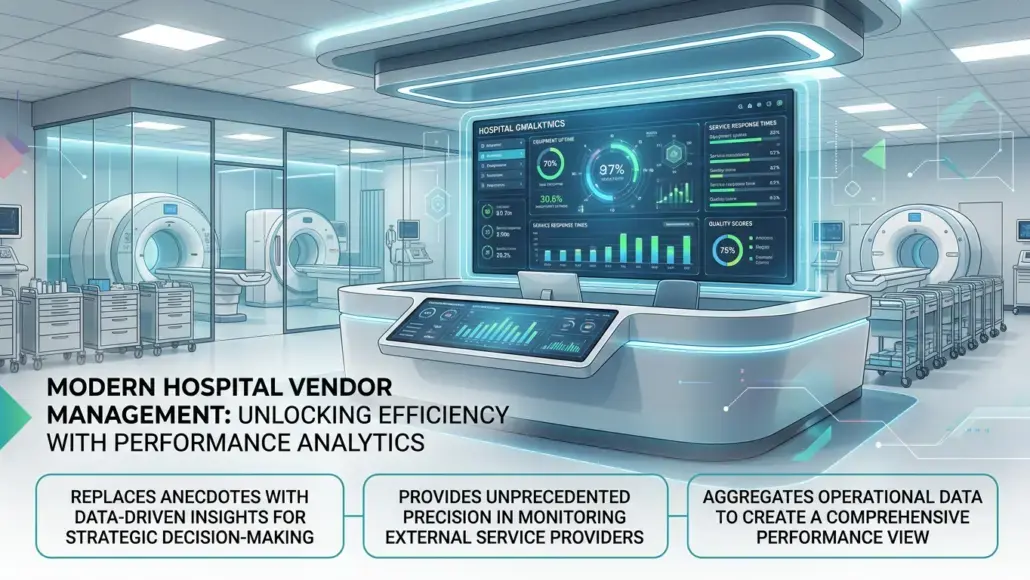

The management of external service providers in a hospital setting has historically relied on a mix of anecdotal evidence and periodic reports that often lacked the depth required for strategic decision-making. However, the rise of performance analytics has fundamentally changed this dynamic, allowing healthcare administrators to monitor vendor activity with unprecedented precision. By aggregating data from various clinical and operational touchpoints, hospitals can now create a comprehensive picture of how each partner contributes to the patient experience. This shift from subjective impressions to objective, data-driven insights is essential for maintaining the high quality of service that modern medicine demands. It ensures that every provider, from the cleaning crew to the specialized laboratory technician, is held to a verifiable standard of excellence.
The first step in implementing a robust analytics program is identifying the right data sources. In a hospital, this information can come from many different systems, including electronic health records, facility management software, and patient satisfaction surveys. By integrating these disparate data streams, the performance analytics team can identify correlations that might otherwise remain hidden. For instance, an analysis might show that delays in medical equipment maintenance are directly linked to increased wait times in the emergency department. Identifying these connections allows administrators to address the root causes of service bottlenecks rather than just treating the symptoms. This holistic view of the hospital’s service ecosystem is what allows for true operational optimization.
Furthermore, the use of analytics facilitates a more proactive approach to vendor management. Instead of waiting for a quarterly review to address an issue, administrators can set up real-time alerts that trigger when a vendor’s performance falls below a certain threshold. For example, if a laundry service provider’s delivery times start to slip, the system can notify the procurement team immediately, allowing them to intervene before the hospital runs low on essential linens. This “early warning system” is vital in a healthcare environment where even a minor delay can have a significant impact on clinical workflows. By staying ahead of potential problems, hospitals can maintain a more stable and predictable environment for their staff and patients.
Enhancing Clinical Outcomes Through Targeted Provider Monitoring
The ultimate measure of any hospital service is its impact on the patient. While operational efficiency is important, it must always be secondary to clinical quality. Performance analytics allows hospitals to track how their external partners influence patient health outcomes in a very granular way. For example, the performance of a vendor providing sterile processing services can be directly linked to the hospital’s post-operative infection rates. By monitoring this data closely, the hospital can ensure that the vendor is adhering to the strictest possible safety protocols. If an analytics report shows a spike in infections related to a specific provider’s work, the hospital can take immediate corrective action, including a full audit of the vendor’s processes.
This level of monitoring is particularly important as hospitals move toward value-based care models, where reimbursement is increasingly tied to the quality of the outcome rather than the quantity of services provided. In this environment, every partner in the care chain must be a contributor to the hospital’s success. Use of performance analytics helps administrators identify which vendors are high-performing assets and which are potential liabilities. This information is critical for making long-term decisions about the hospital’s outsourcing strategy. By focusing on the partners who consistently deliver high clinical value, the hospital can improve its overall standing and ensure its long-term financial health.
To maximize the clinical impact of these analytics, hospitals should focus on several key areas of monitoring:
- Adherence to evidence-based protocols for clinical support services, such as specialized pharmaceutical compounding or laboratory testing.
- The correlation between vendor staffing levels and patient wait times in diagnostic or treatment areas.
- The impact of facility maintenance vendors on the “patient healing environment,” including noise levels, temperature control, and cleanliness.
- The speed and accuracy of outsourced medical transcription or coding services, which affect the timeliness of clinical decision-making.
- The reliability of telehealth platform providers, ensuring that remote consultations are not interrupted by technical failures.
By tracking these metrics, the hospital ensures that its external partners are truly integrated into the clinical mission. The data provides a clear record of how each vendor contributes to the patient journey, from admission to discharge. This transparency not only helps with accountability but also provides the vendor with a clear understanding of their role in the healthcare system. When a provider can see exactly how their work affects patient lives, they are more likely to be motivated and engaged in their service delivery.
Driving Operational Efficiency and Strategic Cost Management
While clinical quality is paramount, hospitals must also manage their resources with extreme care. The healthcare sector faces constant pressure to reduce costs without compromising care, and performance analytics is a powerful tool for achieving this balance. By analyzing the efficiency of outsourced services, administrators can identify areas where resources are being wasted or where processes can be streamlined. For instance, an analytics report might reveal that a hospital is overpaying for a service because it is not utilizing the vendor’s full capacity. Armed with this information, the procurement team can renegotiate the contract to better align with the hospital’s actual needs.
Strategic cost management also involves looking at the “total cost of ownership” for a vendor relationship. A provider who offers a low initial price but has a high rate of service failures can end up being much more expensive in the long run than a higher-priced but more reliable partner. Performance analytics helps administrators see these hidden costs by quantifying the impact of service delays, equipment downtime, and clinical errors. By factoring these elements into their financial analysis, healthcare leaders can make more sustainable decisions that protect the institution’s bottom line. This data-driven approach to procurement is what allows high-performing hospitals to thrive even in a challenging economic environment.
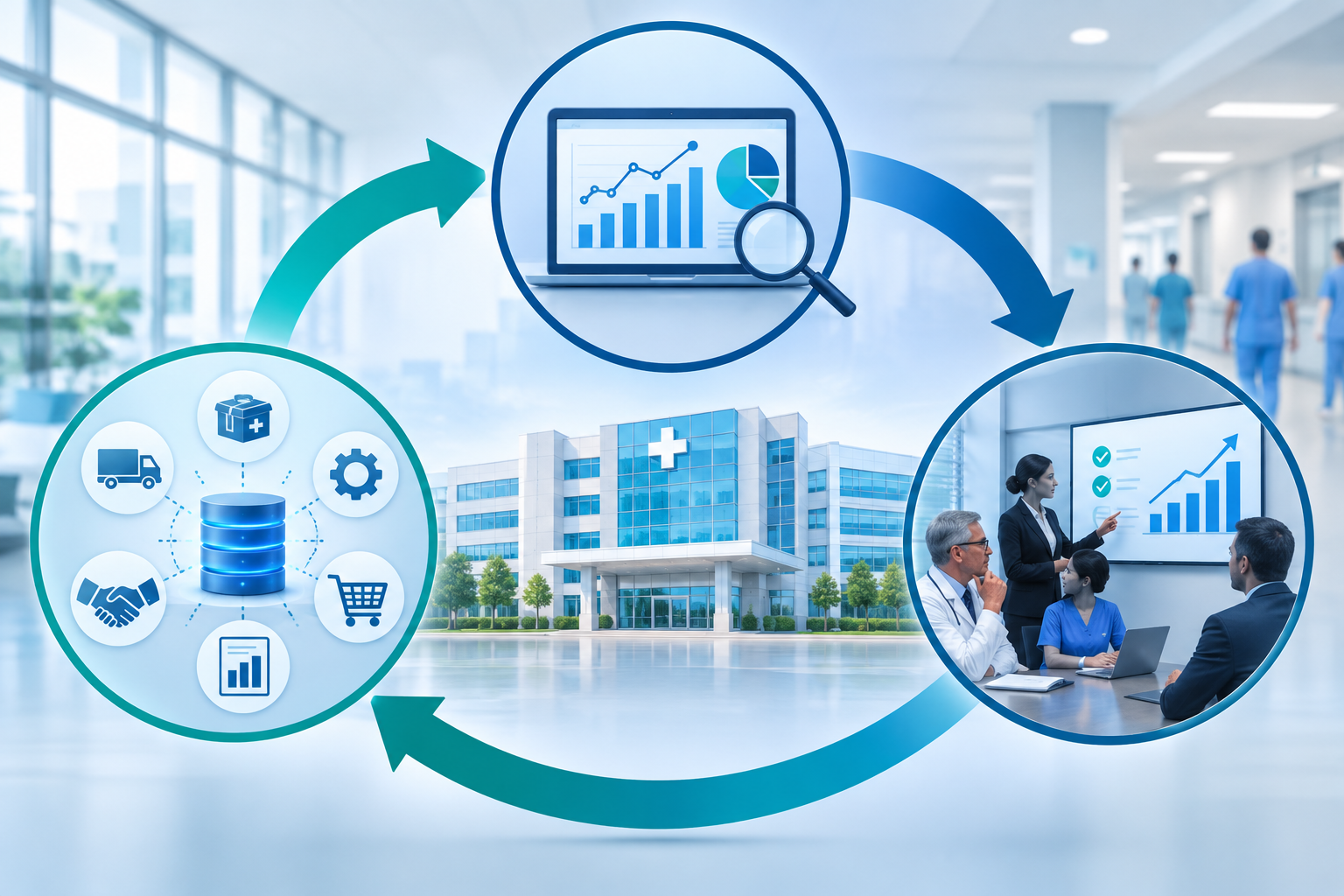
Furthermore, the insights gained from performance analytics can be used to improve the hospital’s internal processes. Often, a vendor’s performance is limited by the hospital’s own inefficient workflows. For example, a courier service might be slow because the hospital’s internal dispatch system is outdated. By analyzing the data from both sides of the relationship, administrators can identify these internal bottlenecks and address them. This collaborative approach to efficiency benefits both the hospital and the vendor, creating a more productive partnership. In this context, the focus is on lifecycle management to ensure that every stage of the vendor relationship is optimized for both cost and quality.
Cultivating a Culture of Continuous Improvement and Innovation
The most profound impact of performance analytics is the shift it creates in the hospital’s culture. When data is used transparently and consistently, it encourages a mindset of continuous improvement among both staff and external partners. Instead of fearing performance reviews, vendors begin to see them as an opportunity to demonstrate their value and to receive feedback on how they can better serve the hospital. This creates a collaborative environment where both parties are working toward the same goal. When the hospital shares its analytics dashboards with its vendors, it provides them with the tools they need to manage their own performance more effectively.
This culture of improvement also fosters innovation. When vendors are measured on outcomes rather than just activities, they are encouraged to find new and better ways of doing things. For instance, a facility management vendor might use predictive analytics to identify when a piece of medical equipment is likely to fail, allowing them to perform maintenance before a problem occurs. This kind of innovation is only possible when there is a clear, data-driven understanding of what success looks like. By providing this clarity, the hospital’s performance analytics program acts as a catalyst for positive change throughout the entire service network.
Finally, the commitment to data-driven management ensures that the hospital remains agile and responsive to the needs of the community. As the healthcare sector continues to evolve, the ability to quickly analyze and act on information will be a defining characteristic of successful organizations. Performance analytics provides the foundation for this agility, allowing healthcare leaders to make informed decisions with confidence. Whether the hospital is responding to a sudden public health crisis or planning for long-term growth, the insights provided by its vendor data will be an essential part of its strategic toolkit. By investing in these analytical capabilities, hospitals are not just managing their vendors more effectively: they are building a stronger and more capable healthcare system for the future.