















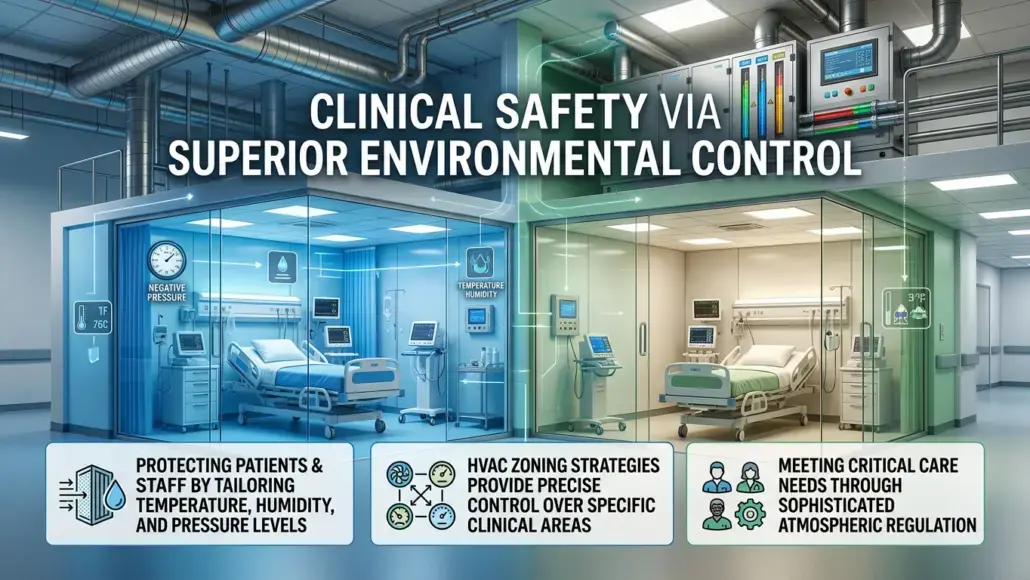

The intensive care unit is a unique environment within the hospital that requires precise control over atmospheric conditions to protect vulnerable patients and staff. HVAC zoning strategies are a fundamental component of this environmental regulation, providing the ability to tailor temperature, humidity, and pressure levels to the specific needs of different clinical areas. In a critical care setting, where patients may be immunocompromised or suffering from highly infectious diseases, the integrity of the air handling system is not merely a matter of comfort but a critical factor in infection prevention and clinical outcomes.
By dividing the ICU into distinct areas, facility managers can implement specific air pressure regimes that prevent the spread of airborne pathogens. For instance, negative pressure rooms are essential for isolating patients with contagious respiratory illnesses, ensuring that air flows into the room and is then exhausted through high-efficiency particulate air (HEPA) filters. Conversely, positive pressure zones are used for immunosuppressed patients, such as those recovering from organ transplants, to prevent contaminated air from entering their environment. This sophisticated management of pressure differentials is a cornerstone of modern hospital management and facility design.
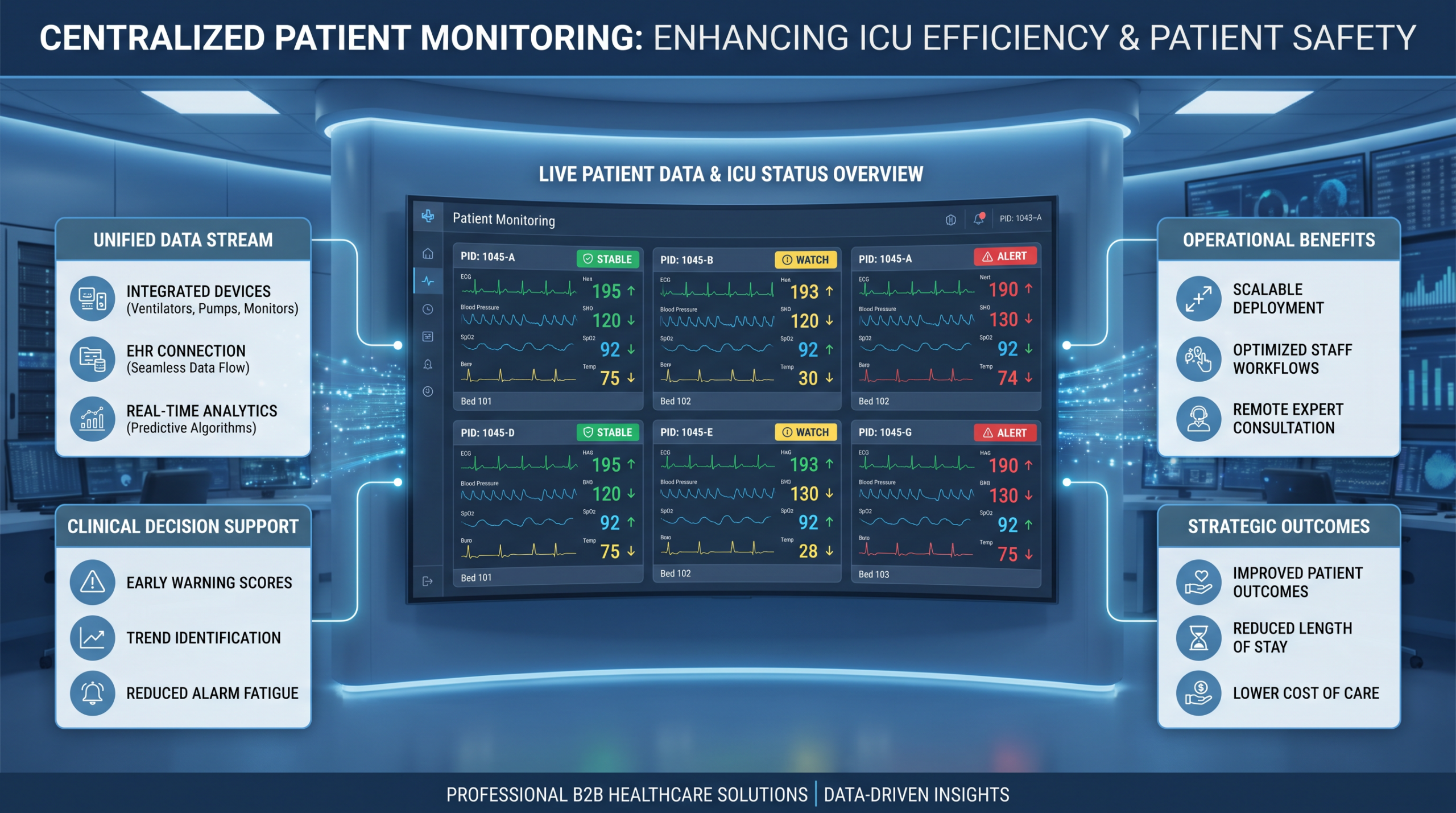
The integration of these environmental controls into centralized critical care hubs improving multi-unit coordination allows for real-time monitoring of the system’s performance. If a pressure sensor detects a failure in an isolation room, an alert can be immediately sent to both the facility management team and the clinical staff, allowing for rapid intervention. This level of oversight ensures that the environmental safety of the unit is maintained at all times, reducing the risk of healthcare-associated infections and providing a safer environment for everyone in the facility.
Optimizing Air Quality and Humidity for Critical Care Requirements
Beyond pressure control, HVAC zoning is essential for maintaining optimal air quality and humidity levels. Intensive care patients are often sensitive to changes in their environment, and even minor fluctuations in temperature or humidity can have a negative impact on their physiological status. For example, low humidity levels can lead to the drying of mucous membranes, increasing the risk of respiratory infections, while high humidity can promote the growth of mold and bacteria. Zoning allows for the precise regulation of these parameters, ensuring that the environment is always optimized for patient recovery.
The use of HEPA filtration within the air handling system is a critical component of maintaining high air quality. These filters are capable of removing 99.97% of particles that are 0.3 microns or larger, including many bacteria and viruses. By incorporating HEPA filtration into each zone, the hospital can ensure that the air being delivered to the patients is virtually free of contaminants. This is particularly important in units where surgical procedures or invasive interventions are performed, as it minimizes the risk of surgical site infections and other complications.
This model contributes to the comfort and well-being of the clinical staff. The high-stress nature of intensive care work can be exacerbated by a poor physical environment. By providing staff with the ability to adjust the temperature and airflow in their work areas, the hospital can improve their job satisfaction and productivity. A comfortable environment is also essential for maintaining the focus and concentration required for complex clinical decision-making. By prioritizing the environmental needs of its staff, the hospital can create a more supportive and effective work culture.
Enhancing Energy Efficiency and Operational Sustainability
Hospitals are among the most energy-intensive buildings in the world, and the mechanical systems are typically the largest consumer of energy within the facility. HVAC zoning provides a powerful tool for improving energy efficiency and reducing the hospital’s environmental footprint. By only providing the required level of heating, cooling, and ventilation to occupied zones, management can significantly reduce energy consumption. For example, zones that are not currently in use can be placed in a “setback” mode, where temperature and airflow are reduced until the room is needed.
The following strategies are effective for improving energy efficiency:
- Utilizing variable air volume systems that adjust the amount of air delivered based on the actual demand in each zone.
- Implementing heat recovery systems that capture energy from exhausted air and use it to pre-condition the incoming fresh air.
- Using advanced building automation systems to coordinate the operation of the mechanical system with other building systems, such as lighting and solar shading.
- Regularly commissioning and maintaining the air handling units to ensure that they are operating at peak efficiency.
The transition toward more sustainable facility management practices is not only good for the environment but also provides significant financial benefits. Reduced energy costs can be redirected toward clinical services and patient care, improving the overall value of the organization. Many regulatory bodies and healthcare purchasers are increasingly prioritizing environmental sustainability in their evaluations, making energy efficiency a key factor in the long-term viability of the hospital.
Integrating Environmental Data Into Hospital Management Systems
For these strategies to be truly effective, they must be integrated into the broader hospital management infrastructure. This includes the building automation system, which serves as the “brain” of the facility’s mechanical systems. By connecting the air handling units to the building automation system, facility managers can monitor performance, adjust settings, and diagnose problems from a central location. This integration also allows for the collection of data on energy usage and environmental conditions, providing valuable insights for future facility planning and optimization.
Integration also facilitates better communication between facility management and clinical teams. When clinicians understand how the mechanical system works and how it affects the clinical environment, they are more likely to cooperate with energy-saving measures and report problems promptly. When facility managers have visibility into the clinical needs of the unit, they can more effectively tailor the environmental controls to support patient care. This collaborative approach ensures that the physical environment is always aligned with the clinical goals of the organization.
In addition to operational benefits, the integration of environmental data is essential for regulatory compliance. Hospitals are required to maintain specific standards for air changes, pressure differentials, and temperature in their intensive care units. By automatically capturing and storing this data, the hospital can easily demonstrate its compliance to accrediting bodies and health inspectors. This reduces the administrative burden on the facility management team and provides peace of mind for hospital leadership.
Future Directions for Intensive Care Facility Design
As the field of hospital management continues to evolve, the design of intensive care facilities will become increasingly focused on the integration of technology and the physical environment. Future ICU designs will likely incorporate even more sophisticated air purification systems, such as those utilizing ultraviolet germicidal irradiation to further reduce the risk of infection. These systems use UV-C light to inactivate microorganisms in the air stream, providing an extra layer of protection beyond traditional filtration.
The use of modular and flexible facility designs will also become more common, allowing hospitals to rapidly reconfigure their units in response to changing needs. This includes the ability to easily create new isolation zones or adjust the capacity of different departments. HVAC zoning is a key enabler of this flexibility, as it allows for the precise control of environmental conditions in localized areas without affecting the rest of the facility. By building resilience into the physical plant, hospitals can better prepare themselves for the uncertainties of the future.
Strategically managing the physical environment is as important as managing the clinical aspects of patient care. A well-designed and maintained facility provides the foundation upon which high-quality care is built. By investing in modern mechanical systems and integrating them into the broader hospital management infrastructure, healthcare organizations can create a safer and more effective environment for their most vulnerable patients.
The commitment to excellence in facility management is a fundamental pillar of high-quality healthcare and is essential for the long-term success of any hospital. As the demands on intensive care services continue to grow, the importance of environmental control will only increase. By embracing the latest advancements in HVAC technology and facility design, hospitals can ensure that they are providing the best possible care for their patients and a safe work environment for their staff.
The economic implications of advanced environmental control systems are also significant. While the initial capital investment can be high, the long-term savings in energy costs and the reduction in healthcare-associated infections provide a compelling return on investment. Hospitals must conduct a thorough cost-benefit analysis before implementing new technologies to ensure that they are making the most effective use of their resources. This financial prudence is essential for maintaining the long-term sustainability of the organization and providing the best possible value for the community.
The psychological impact of the physical environment on patients and families should not be overlooked. A clean, quiet, and well-regulated environment can reduce stress and promote healing. Hospitals are increasingly incorporating elements of evidence-based design into their intensive care units, such as natural light, soothing colors, and noise-reduction strategies. HVAC zoning plays a role in this by ensuring that the temperature and airflow in patient rooms are optimal for comfort and rest. By creating a more healing environment, the hospital can improve the overall experience for its patients and their families.
Finally, the role of facilities management in crisis planning is essential. During a public health emergency, such as an outbreak of an airborne virus, the ability to rapidly create and manage isolation zones is a critical factor in the hospital’s response. Facility managers must work closely with clinical and infection prevention teams to develop and test emergency protocols. This collaborative approach ensures that the organization is always prepared for the challenges it faces and can provide a safe environment for its patients and staff. The commitment to facility excellence is a hallmark of any high-performing healthcare organization.