








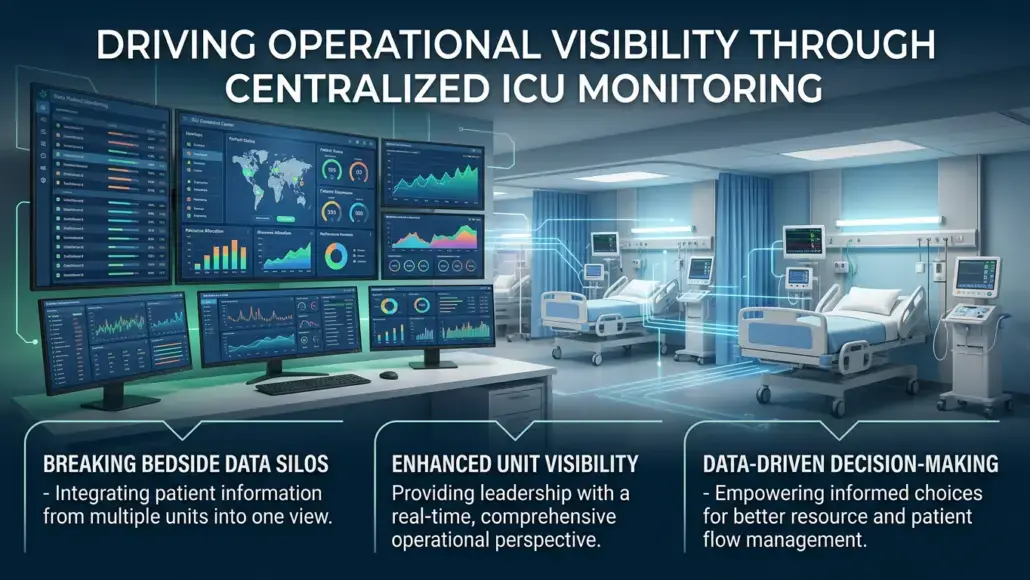

The management of intensive care units has undergone a significant shift toward data-driven oversight, with patient monitoring serving as the foundational element of this transformation. In traditional hospital settings, monitoring was often confined to the bedside, creating pockets of information that were difficult for hospital leadership to access in real-time. By centralizing these monitoring functions, healthcare organizations can achieve a level of operational visibility that was previously unattainable. This centralized approach allows a dedicated team of specialists to oversee the physiological status of dozens or even hundreds of patients from a single location, ensuring that no change in condition goes unnoticed.
The primary advantage of this approach is the ability to filter and prioritize clinical alerts. Alert fatigue is a well-documented issue in critical care, where the sheer volume of alarms can lead to desensitization among bedside staff. A centralized hub acts as an intelligent buffer, utilizing advanced algorithms to distinguish between clinically significant events and nuisance alarms. This ensures that the bedside team is only interrupted when immediate intervention is required, thereby improving their focus and reducing the overall stress level within the unit. This systematic approach to alarm management is a critical component of modern hospital management strategies.
The centralized model provides a layer of redundancy that enhances patient safety. In a busy ICU, even the most attentive clinicians can miss subtle signs of deterioration. The hub clinicians, who are not distracted by the physical demands of bedside care, can provide a constant second set of eyes. They can identify trends in vital signs, such as a gradual increase in heart rate or a subtle decline in oxygen saturation, that might precede a major clinical event. This early detection is vital for preventing adverse outcomes and reducing the length of stay for critically ill patients.
Enhancing Operational Visibility and Resource Management
Operational visibility in the intensive care environment extends beyond individual patient data to encompass the broader functioning of the entire unit. The centralized system provides management with a real-time dashboard of ICU capacity, patient acuity, and staffing requirements. This high-level view is essential for making informed decisions about resource allocation and patient flow. For instance, if a central monitor shows that multiple patients in one unit are simultaneously deteriorating, management can quickly redirect additional staff or specialized equipment to that area to support the bedside team.
The integration of this data with predictive bed management improving critical care capacity planning allows hospitals to manage their most expensive resources with greater precision. When monitoring data is linked to bed management systems, the hospital can more accurately forecast when patients will be ready for step-down care or discharge. This reduces the time that beds sit empty and minimizes the boarding of intensive care patients in the emergency department. The resulting improvement in throughput is a key driver of financial sustainability for healthcare organizations, as it maximizes the utilization of high-acuity beds.
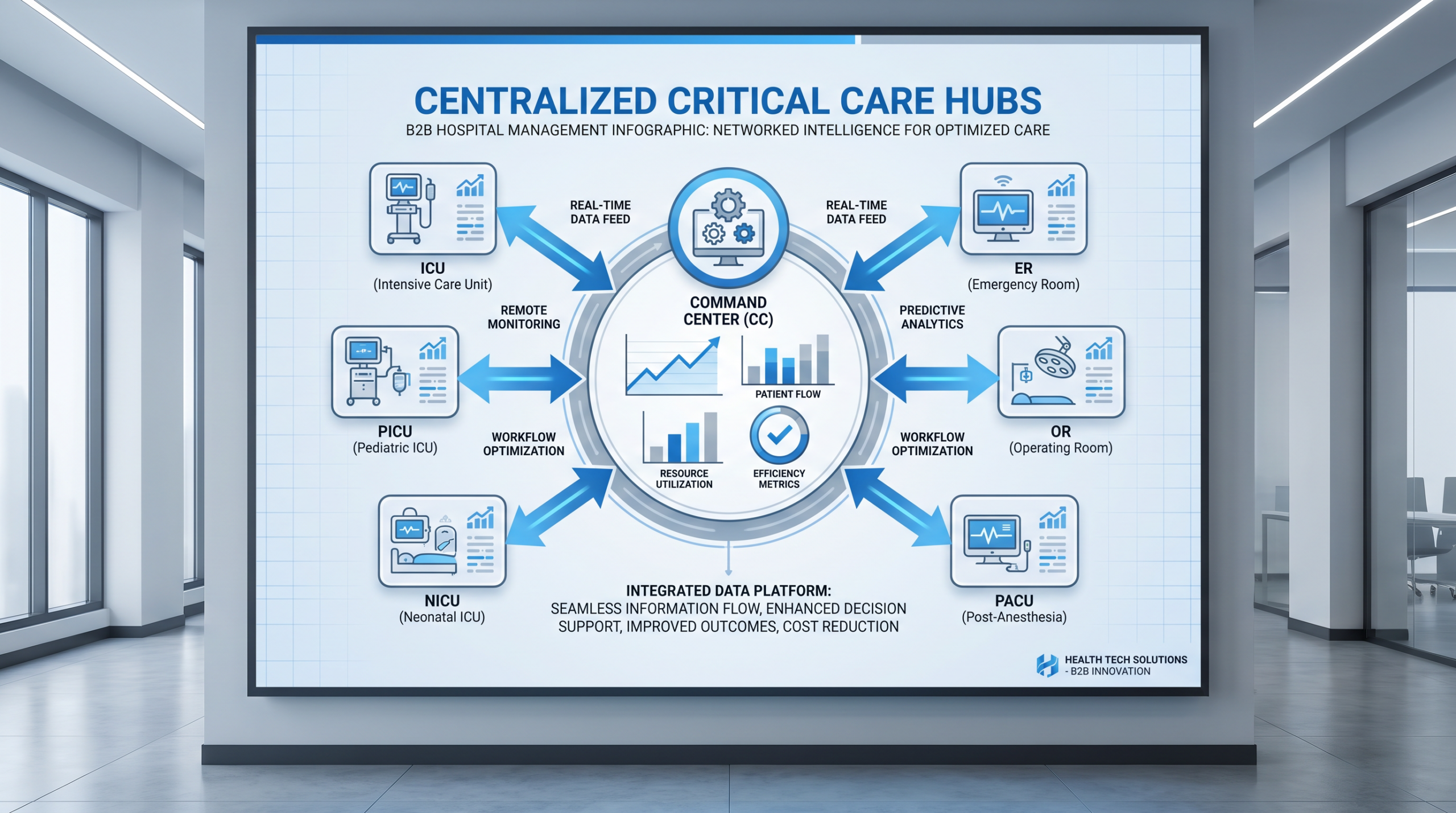
Centralized surveillance systems facilitate better communication between different departments. The data captured in the hub can be shared with surgical teams, rapid response teams, and hospital administrators, providing a common frame of reference for clinical discussions. This transparency ensures that all stakeholders are aware of the current state of the ICU and can adjust their workflows accordingly. By breaking down the information silos that often exist in large hospitals, centralized systems foster a more collaborative and efficient organizational culture.
Leveraging Data Analytics for Proactive Clinical Interventions
The wealth of data generated by this technology provides a unique opportunity for the application of advanced analytics. By analyzing historical trends and real-time inputs, hospitals can develop predictive models that identify patients at high risk for specific complications. These models can be integrated directly into the monitoring dashboard, providing clinicians with actionable insights and decision support. For example, a “sepsis clock” can be displayed for patients who meet certain physiological criteria, prompting the care team to initiate early treatment protocols according to established guidelines.
The following elements are crucial for leveraging these analytical capabilities:
- High-fidelity data capture that ensures the accuracy and completeness of the physiological information being analyzed.
- Interoperable systems that allow for the seamless exchange of data between monitoring hardware and analytical software.
- A multidisciplinary team of data scientists and clinicians to develop and refine the predictive algorithms.
- A clear process for communicating analytical findings to the bedside team and incorporating them into clinical workflows.
This proactive approach to care delivery represents a fundamental shift from the reactive model of the past. Instead of waiting for a patient to crash, clinicians can intervene hours or even days earlier, potentially avoiding the need for more invasive and expensive treatments. The ability to stay ahead of the clinical curve is a hallmark of high-performing healthcare organizations and is made possible through the sophisticated integration of patient monitoring.
Improving Clinician Satisfaction and Reducing Administrative Burden
The implementation of centralized monitoring also has a positive impact on the well-being of the clinical workforce. By offloading the constant task of alarm monitoring and data entry to the hub, hospitals can reduce the cognitive load on bedside nurses and physicians. This allows them to spend more time engaged in direct patient care and communication with families, which are often the most rewarding aspects of their roles. When clinicians feel supported and empowered by technology, their job satisfaction increases, leading to lower rates of burnout and turnover.
The hub also provides a valuable resource for clinical documentation and quality reporting. The automated capture of vital sign data ensures that patient records are accurate and complete, reducing the time that staff must spend on manual data entry. This not only improves the quality of the medical record but also provides management with the data needed for regulatory compliance and performance monitoring. By streamlining these administrative processes, the hospital can operate more efficiently and focus its resources on its primary mission of providing patient care.
In addition, the centralized model supports a culture of continuous learning and professional development. The data captured in the hub can be used for case reviews and simulation training, allowing staff to learn from both successful interventions and adverse events. This ongoing feedback loop is essential for maintaining a high level of clinical competence and ensuring that the organization is always striving for excellence. By investing in the development of its staff, the hospital can build a more resilient and capable workforce that is better equipped to handle the challenges of modern intensive care.
Future Directions for Integrated Patient Surveillance
As technology continues to advance, the capabilities of patient monitoring will expand even further. The integration of wearable sensors and remote monitoring devices will allow hospitals to extend their surveillance beyond the walls of the ICU to general wards and even the patient’s home. This “hospital without walls” concept relies on the same centralized architecture used in the ICU, providing a scalable solution for managing patient populations across the entire continuum of care.
The move toward more integrated surveillance systems will require ongoing investment in cybersecurity and data privacy. As more medical devices are connected to the network, the risk of data breaches and cyberattacks increases. Hospitals must prioritize the protection of patient information and ensure that their monitoring systems are resilient to external threats. This includes implementing resilient encryption, access controls, and regular security audits to identify and mitigate vulnerabilities.
The long-term success of this model depends on the ability of healthcare organizations to integrate these systems into their broader operational and clinical strategies. While the technological components are essential, the human factors are equally important. Successful implementation requires strong leadership, effective change management, and a commitment to collaboration across all levels of the organization. By embracing the power of centralized data, hospitals can improve ICU operational visibility and provide a higher standard of care for their most vulnerable patients.
Strategic use of patient monitoring data allows for the creation of a truly intelligent clinical environment. In this environment, the data does not just sit in a database but is actively used to guide every aspect of patient care. From the bedside to the boardroom, information is used to drive improvements in quality, safety, and efficiency. This data-driven culture is the ultimate goal of any hospital management strategy and is the key to providing high-quality care in the 21st century.
Finally, the ethical considerations of pervasive monitoring must be addressed. As the ability to track every aspect of a patient’s physiology increases, so does the need to ensure that this data is used in a way that respects their dignity and privacy. Hospitals must develop clear policies on data ownership, access, and usage, and ensure that patients are fully informed about how their data is being used. By maintaining a focus on both the technological and the ethical aspects of monitoring, healthcare organizations can build trust with their patients and provide a safer and more effective care environment.