









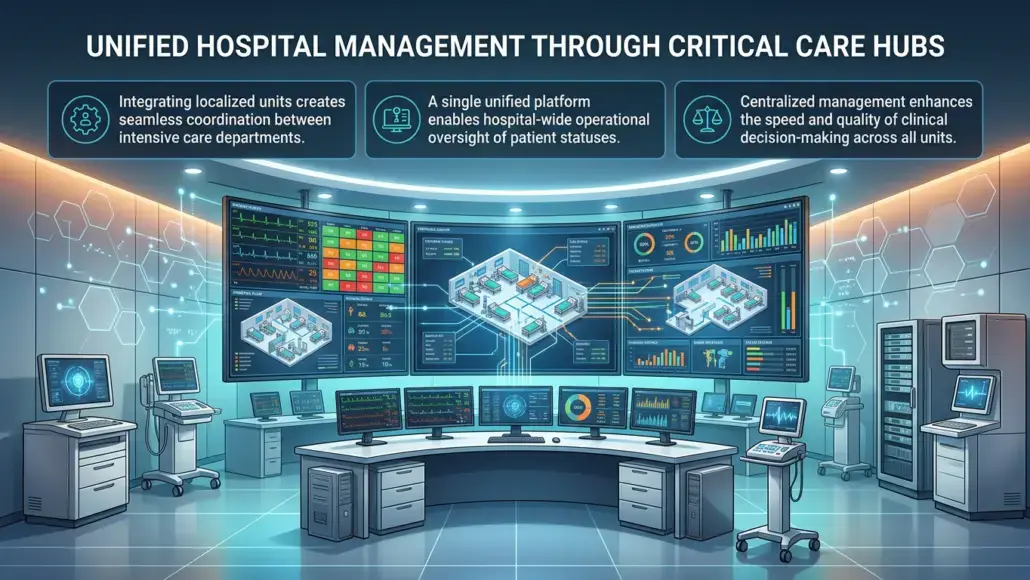

The evolution of hospital management systems has necessitated a transition from localized, siloed critical care units toward integrated operational frameworks. By establishing critical care hubs, healthcare organizations can effectively bridge the gaps that often exist between disparate intensive care departments. These hubs serve as a central nervous system for the hospital, providing a unified platform where senior clinicians and operational leaders can oversee patient statuses across multiple sites or units simultaneously. This approach addresses the historical challenge of inconsistent care standards that sometimes plague large health systems with decentralized management structures.
The implementation of these hubs facilitates a proactive rather than reactive stance on patient management. Instead of waiting for a local unit to become overwhelmed, the hub provides real-time visibility into physiological data and resource utilization. This bird’s-eye view is essential for maintaining high standards of clinical excellence, as it allows for the early identification of deteriorating patients who may otherwise be overlooked in a busy, decentralized environment. The centralized nature of these structures supports the dissemination of evidence-based protocols across the entire organization, ensuring that every patient receives a consistent level of care regardless of their physical location within the hospital network.
Operational efficiency is significantly enhanced when critical care hubs are utilized to manage the flow of clinical information. By aggregating data from various sources, these hubs reduce the cognitive load on bedside staff, who can then focus more intently on direct patient interaction. The hub acts as a filter, prioritizing alerts and ensuring that only the most critical information reaches the appropriate decision-makers. This structured flow of data is a cornerstone of modern hospital management, as it mitigates the risks associated with information overload and clinician fatigue.
Enhancing Resource Allocation and Bed Throughput Coordination
One of the primary benefits of this model is the ability to streamline the movement of patients throughout the hospital system. Coordination between the emergency department, surgical suites, and intensive care units is often fraught with delays and communication breakdowns. However, a centralized hub provides the necessary infrastructure to manage these transitions with precision. By monitoring bed availability and patient acuity in real-time, the hub can direct admissions and transfers to the most appropriate location, thereby reducing wait times and improving overall throughput.
The integration of centralized patient monitoring within these hubs further improves ICU operational visibility, allowing for a more dynamic approach to capacity management. When a central command center has a comprehensive view of the entire intensive care network, it can anticipate bottlenecks before they occur. This foresight is particularly valuable during periods of high demand, such as seasonal flu outbreaks or large-scale public health emergencies. The ability to shift resources and patients based on real-time data ensures that the hospital remains resilient and capable of providing life-saving care even under significant pressure.
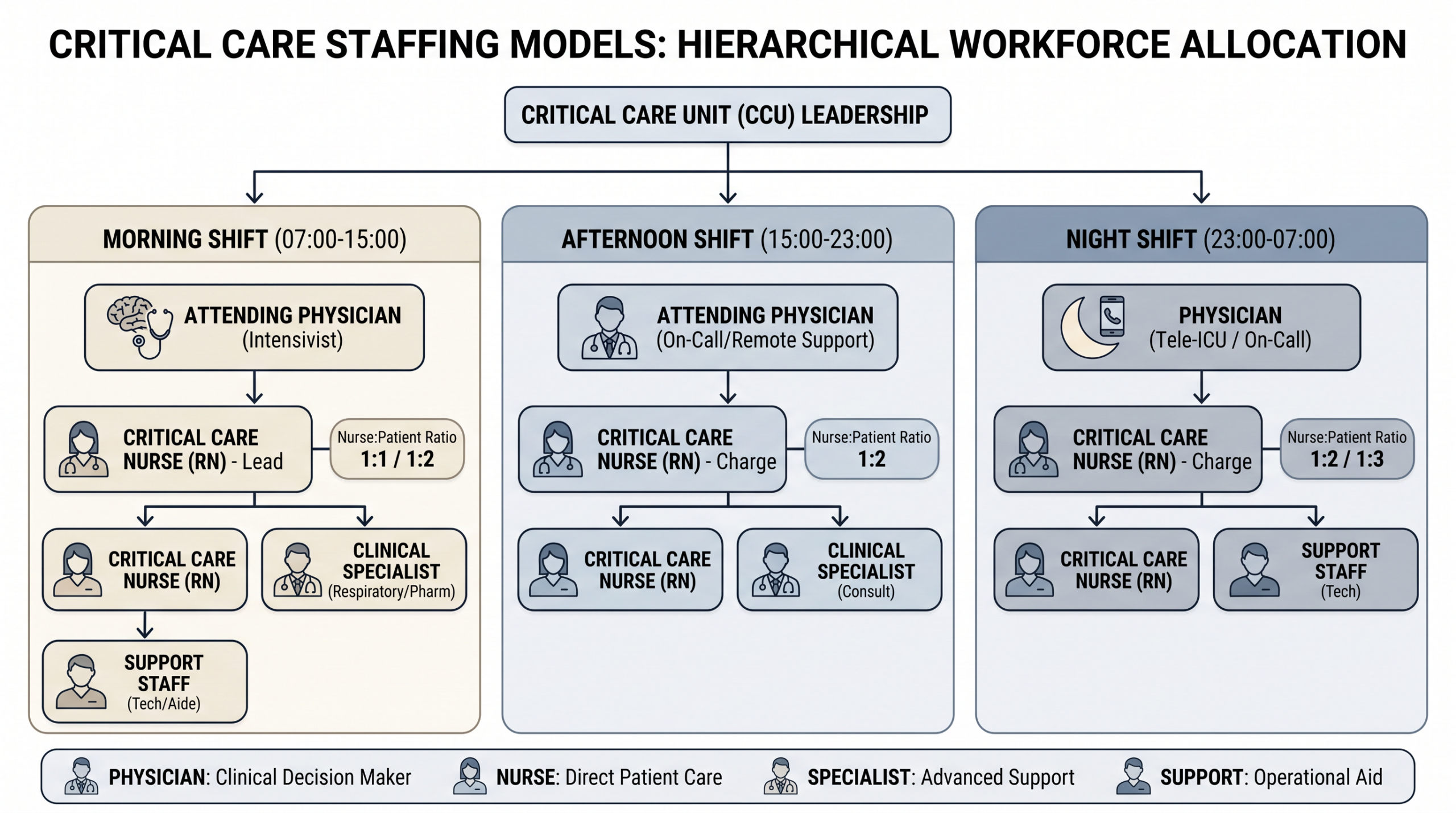
The centralized model supports better utilization of specialized equipment and personnel. In many decentralized systems, expensive medical technology or highly trained specialists are confined to a single unit, leaving other areas underserved. These hubs eliminate these geographic barriers by allowing specialists to consult on cases across the entire facility via high-definition video and real-time data feeds. This “hub-and-spoke” model ensures that expertise is distributed where it is needed most, optimizing the return on investment for both human and technological capital.
Improving Patient Outcomes Through Real-Time Data Integration
The core objective of any hospital management initiative is the improvement of patient outcomes, and critical care hubs play a vital role in achieving this goal. By integrating data from electronic health records, laboratory systems, and physiological monitors, these hubs provide a holistic view of the patient journey. This comprehensive data set allows for the application of advanced analytics that can predict clinical events before they happen. For example, algorithms can be deployed within the hub to detect early signs of sepsis or respiratory failure, triggering immediate intervention from the bedside team.
The collaborative environment fostered by these hubs also encourages multidisciplinary communication. When clinicians from different specialties can view the same data in a centralized location, the decision-making process becomes more transparent and efficient. This reduction in communication latency is critical in intensive care settings, where every second counts. The hub serves as a forum for clinical consensus, ensuring that all members of the care team are aligned on the treatment plan and goals of care for each patient.
Critical care hubs provide valuable data for long-term quality improvement projects. By capturing detailed information on every patient interaction and outcome, hospitals can identify trends and areas for improvement. This data-driven approach allows management to refine protocols, adjust staffing levels, and invest in new technologies with confidence. The continuous feedback loop created by the hub ensures that the organization is always learning and evolving to meet the needs of its patient population.
Mitigating Clinician Burnout and Enhancing Workforce Stability
The stress associated with working in an intensive care environment is a significant contributor to clinician burnout and turnover. These hubs offer a solution to this problem by providing an extra layer of support for bedside staff. The hub clinicians can handle routine monitoring tasks, documentation, and administrative burdens, allowing the bedside team to focus on the complex physical and emotional needs of their patients. This division of labor not only improves efficiency but also enhances the job satisfaction of the nursing and medical staff.
The hub also serves as a mentoring resource for less experienced clinicians. In many hospitals, junior staff are often required to manage complex patients with limited direct supervision. By connecting these staff members with senior clinicians in the command center, the organization can provide real-time guidance and support. This virtual presence ensures that high-quality care is maintained at all times, while also fostering a culture of professional development and safety.
Workforce stability is further enhanced by the ability to manage staffing levels more effectively across the entire hospital. When the hub has visibility into the acuity and volume of patients in every unit, it can recommend adjustments to staffing assignments in real-time. This ensures that no single unit is consistently understaffed or over-burdened, leading to a more equitable and sustainable work environment. By prioritizing the well-being of its workforce, the hospital can maintain a high level of performance and provide better care for its patients over the long term.
Scaling Critical Care Infrastructure for Future Demands
As the complexity of healthcare continues to increase, the need for scalable and flexible infrastructure becomes more apparent. The centralized architecture is inherently scalable, allowing organizations to add new units or facilities to the network with minimal disruption. This flexibility is essential for hospitals looking to expand their services or adapt to changing patient demographics and clinical needs. The integration of advanced telemedicine capabilities ensures that even remote units can benefit from the expertise housed within the central hub.
The following factors are essential for the successful deployment of these centralized systems:
- Technical infrastructure that supports high-speed data transmission and interoperability between different medical devices and software platforms.
- Clear clinical protocols that define the roles and responsibilities of both the hub clinicians and the bedside teams.
- A comprehensive training program to ensure that all staff are comfortable using the technology and understand the workflows associated with the centralized model.
- Continuous monitoring and evaluation of the system to identify areas for improvement and ensure that it is meeting its stated objectives.
The long-term viability of this model depends on the commitment of hospital leadership to invest in both the technology and the people required to operate it. While the initial costs can be significant, the potential for improved patient outcomes, increased operational efficiency, and reduced clinician burnout provides a compelling case for investment. By embracing the centralized model, healthcare organizations can position themselves at the forefront of clinical innovation and provide the highest level of care for their most vulnerable patients. The shift in how intensive care is managed and delivered represents a fundamental change in the modern hospital setting.
Strategic investment in centralized governance allows for the creation of a resilient clinical network. This network can absorb shocks to the system, such as sudden surges in patient volume or failures in local infrastructure. The central hub acts as a stabilizing force, providing the necessary oversight to maintain safety and quality across the entire enterprise. As the healthcare industry continues to move toward value-based care, the ability to deliver high-quality intensive care at a lower cost will be a key differentiator for successful hospital systems.
Finally, the cultural shift required to implement such a system should not be underestimated. It requires a move away from traditional autonomy toward a more collaborative and transparent way of working. Clinicians must embrace the idea of virtual support and be willing to share their data and decision-making processes with the hub team. This requires strong leadership and a clear communication strategy to ensure that everyone understands the benefits of the new model. By fostering a culture of collaboration and safety, the hospital can ensure the success of its centralized critical care initiatives and provide better care for its patients.