













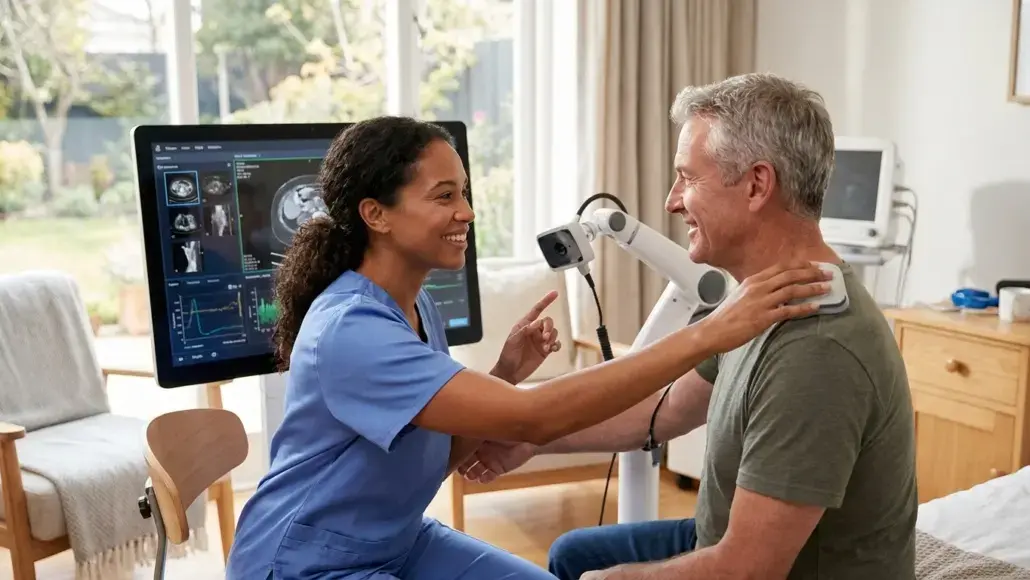

For centuries, the practice of medicine has been defined by the direct interaction between a clinician and a patient, a relationship built on human intuition, physical examination, and shared empathy. However, the 21st century is witnessing a fundamental expansion of this dynamic through the introduction of human machine collaboration reshaping healthcare delivery. This is not a story of machines replacing humans, but rather a sophisticated partnership where the unique strengths of both parties are combined to achieve outcomes that neither could reach alone. While humans provide the critical thinking, emotional intelligence, and ethical judgment, machines offer tireless precision, the ability to process vast datasets in milliseconds, and the physical stability required for micro-scale interventions. This synergy is redefining the boundaries of what is possible in clinical practice, from the operating theater to the hospital bedside.
The implementation of human machine collaboration reshaping healthcare delivery is a strategic response to the dual challenges of an aging population and a global shortage of healthcare workers. As the burden of disease grows more complex, clinicians are often stretched to their limits, leading to fatigue and an increased risk of error. Intelligent healthcare systems act as a “force multiplier,” allowing a single provider to manage more patients more effectively. Whether it is an AI-driven diagnostic tool that flags subtle anomalies in a radiology scan or a robotic exoskeleton that assists a therapist in rehabilitating a stroke patient, these collaborations are designed to reduce the physical and cognitive load on the workforce, ensuring that the human element of care remains focused where it is most needed.
The Evolution of Robotic Assistance and Clinical Precision
The most visible expression of human machine collaboration reshaping healthcare delivery is in the field of surgery. Robotic-assisted surgery has moved from a niche innovation to a standard of care for many complex procedures. In these scenarios, the surgeon remains in full control, but their movements are translated into the micro-motions of robotic instruments. This eliminates the natural tremors of the human hand and provides a level of dexterity and visualization that surpasses traditional open or laparoscopic surgery. The result is smaller incisions, less blood loss, and faster recovery times for the patient. This is the perfect example of human machine collaboration: the surgeon provides the strategic vision and the anatomical knowledge, while the robot provides the mechanical perfection to execute the plan.
Beyond the operating room, human machine collaboration reshaping healthcare delivery is transforming the daily workflows of nursing and support staff. “Cobots,” or collaborative robots, are being deployed to handle the heavy lifting and repetitive tasks that often lead to workplace injuries. For instance, robotic assistants can help in repositioning bedbound patients to prevent pressure ulcers or transport heavy linens and medical waste throughout the hospital. By automating these physically demanding tasks, hospitals are protecting their most valuable asset their people while allowing them to spend more time on direct patient interaction. This shift is essential for building a more resilient and sustainable healthcare workforce.
AI as a Partner in Diagnostic and Therapeutic Decision-Making
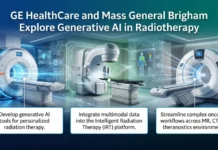
In the realm of diagnostics, human machine collaboration reshaping healthcare delivery is acting as a “second set of eyes” for clinicians. Modern medicine generates a staggering amount of data, from genomic sequences to high-resolution imaging, far more than any human mind can process in a single sitting. AI algorithms excel at identifying patterns within this data, serving as a powerful screening tool. When a radiologist reviews an MRI, the AI can pre-highlight areas of concern, ensuring that nothing is missed. However, the final diagnosis remains a human responsibility. The clinician must interpret the machine’s findings within the context of the patient’s clinical history, values, and overall health status. This “human-in-the-loop” approach ensures that technology enhances, rather than replaces, clinical expertise.
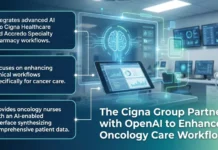
The same collaborative logic applies to the development of personalized treatment plans. Intelligent healthcare systems can scan the latest clinical trial data and medical literature to suggest the most effective therapies for a specific patient’s genetic profile. This is particularly transformative in oncology, where the range of targeted therapies is expanding rapidly. The oncologist and the machine work together to navigate this complexity, with the AI providing the data-driven options and the physician providing the human perspective on the patient’s quality of life and treatment goals. This collaboration ensures that the patient receives the most advanced care available, tailored specifically to their needs.
Workforce Efficiency and the Integration of Intelligent Systems
The integration of human machine collaboration reshaping healthcare delivery requires a significant shift in how we think about healthcare workforce technology. It is not enough to simply “drop” a robot or an AI into a hospital the technology must be seamlessly integrated into the existing clinical workflow. This involves training the staff not just on how to use the equipment, but on how to work alongside it. Clinicians need to understand the strengths and the limitations of their mechanical partners, building a level of trust that allows for effective collaboration. This “technological literacy” is becoming a core competency for the next generation of healthcare professionals.
Moreover, the impact on workforce efficiency is profound. When machines handle the routine and the high-precision tasks, the human staff can focus on the “high-touch” aspects of care the elements that require empathy, communication, and complex problem-solving. This not only improves patient satisfaction but also increases the job satisfaction of the healthcare workers. In a time of high burnout rates, the sense of being supported by intelligent systems can be a powerful motivator. Human machine collaboration reshaping healthcare delivery is proving that a more technologically advanced hospital can also be a more human one, provided the focus remains on empowering people.
Ethical Frameworks and the Future of Collaborative Care
As human machine collaboration reshaping healthcare delivery becomes more prevalent, it raises important ethical and legal questions. Who is responsible if a robotic-assisted procedure goes wrong? How do we ensure that the algorithms used in clinical decision-making are free from bias? Addressing these questions requires a robust ethical framework that prioritizes patient safety, transparency, and human agency. We must ensure that machines remain tools of the human clinician and that the “human-in-the-loop” is never bypassed for the sake of speed or efficiency. The ethical integrity of the healthcare system must be protected as we integrate these powerful new technologies.
Looking ahead, the future of human machine collaboration reshaping healthcare delivery will likely involve even more intimate forms of partnership. We are moving toward “anticipatory systems” that can sense the needs of the clinician before they are even expressed. Imagine a surgical robot that anticipates the next tool a surgeon needs, or an AI that prepares a summary of a patient’s status just as the nurse enters the room. These innovations will further blur the line between human effort and machine assistance, creating a seamless and highly efficient clinical environment. As we continue to refine these collaborations, the goal will always be the same: to use the best of technology to serve the best of humanity.
Conclusion: A New Era of Augmented Healthcare
The era of human machine collaboration reshaping healthcare delivery is not a distant future it is a current reality that is gathering momentum every day. By embracing the synergy between human expertise and machine precision, we are building a healthcare system that is more capable, more resilient, and more compassionate. This partnership is allowing us to perform surgeries that were once impossible, diagnose diseases that were once hidden, and provide a level of personalized care that was once a dream.
The successful integration of these systems requires a commitment to continuous learning and a willingness to adapt our traditional models of care. It is a journey that requires the participation of clinicians, technologists, patients, and policy makers. As we move forward, the focus must remain on the ultimate goal: improving the health and well-being of the individual. Human machine collaboration is the bridge that will take us to the next level of clinical excellence, ensuring that the future of medicine is defined by the perfect harmony of human wisdom and mechanical brilliance.