







Healthcare IT
Facilities
Telehealth Integration Across Traditional Hospital Systems
The healthcare sector is undergoing a structural transformation in how care is delivered, managed, and accessed. What was once considered a supplementary digital service has...
Healthcare IT
Bluesight Launches Hospital AI Platform for Health Systems
Bluesight has introduced Prism, a new Hospital AI Platform designed for hospital pharmacy and compliance operations, with the company launching Prism Assistant as the first...
Healthcare IT
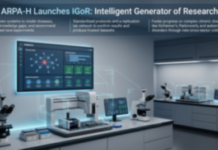
ARPA-H Launches IGoR Program for AI in Biomedical Research
The Advanced Research Projects Agency for Health has officially launched a new initiative titled the Intelligent Generator of Research, or IGoR, aimed at streamlining the...
Healthcare IT
Telemedicine Platforms Expanding Access to Remote Care
Modern healthcare systems are undergoing a radical transformation as digital infrastructure bridges the gap between urban specialists and rural patients. Through virtual consultations and digital triage, providers are overcoming geographical barriers, ensuring that high-quality medical expertise is no longer restricted by physical location. This evolution in care delivery prioritizes accessibility and efficiency, reshaping the patient experience across the globe.
Healthcare IT
Medline Launches AI-Powered Supply Chain Platform in Partnership with Microsoft
Medline Industries has unveiled a new artificial intelligence-driven supply chain platform developed in collaboration with Microsoft, marking a concrete move toward modernizing healthcare logistics and...
Equipment & Devices
Point of Care Devices Accelerating Clinical Decisions
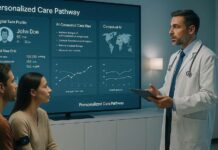
Clinical environments are undergoing a significant transformation as the shift from centralized laboratory testing to immediate bedside diagnostics gains momentum. By bringing sophisticated analysis directly to the patient, healthcare providers can drastically reduce wait times for critical results, enabling faster intervention and more personalized care pathways. This evolution not only optimizes hospital workflows but also improves outcomes in emergency and remote settings where time is of the essence.
Healthcare IT
Infection Control Technologies Strengthening Patient Safety
Maintaining a sterile environment is a cornerstone of effective healthcare, yet the challenge of preventing healthcare-associated infections remains complex. Recent breakthroughs in automated disinfection and real-time monitoring are providing hospitals with powerful tools to combat pathogens and protect vulnerable individuals. By integrating these systems into daily operations, facilities can significantly reduce the risk of cross-contamination and ensure a higher standard of clinical safety for everyone within the building.
Subscribe
- Never miss a story with notifications
- Gain full access to our premium content
- Browse free from any location or device.