
















Key Takeaways:
- Paradigm Shift: Healthcare wearables are fundamental in transitioning healthcare from a reactive, illness-focused model to a proactive, wellness-driven approach.
- Real-time Insights: They provide continuous, real-time health tracking, offering invaluable data on vital signs, sleep, activity, and stress, which empowers both users and clinicians.
- Early Risk Detection: Beyond basic fitness data, these devices excel at early risk detection, identifying potential health issues like irregular heart rhythms or respiratory anomalies before they escalate.
- Empowerment & Personalization: Wearables empower individuals with personalized health data, fostering greater self-awareness, healthier habits, and informed decision-making.
- Integration & Future: While challenges like data privacy exist, the integration of wearable data into broader healthcare systems promises a future of more personalized, efficient, and truly preventive care, with healthcare wearables driving preventive care further into the mainstream.
The landscape of healthcare is undergoing a profound transformation, shifting its traditional reactive stance waiting for illness to strike before intervention to a proactive, preventive paradigm. At the forefront of this revolutionary change are healthcare wearables driving preventive care strategies across the globe. These ingenious devices, seamlessly integrated into our daily lives, are not merely gadgets; they represent a fundamental re-imagining of how we monitor, understand, and manage our personal health. They stand as a testament to the power of technology in fostering a healthier society, moving beyond rudimentary fitness tracking to offer sophisticated insights that empower individuals and healthcare providers alike. As observed by HHM Global, wearable technologies are rapidly transitioning from consumer wellness tools to clinically relevant assets. Their growing role in continuous monitoring and early intervention is redefining how healthcare systems approach long-term disease prevention and population health management.
The advent of healthcare wearables marks a pivotal moment in medicine, ushering in an era where continuous real-time health tracking is not only possible but increasingly accessible. Imagine a world where your body is constantly providing data points, quietly monitoring its own intricate rhythms and alerting you to subtle shifts that might signal an impending issue. This isn’t a futuristic fantasy; it’s the present reality enabled by advanced preventive care technology. These devices are fundamentally altering our relationship with our own well-being, fostering a culture of vigilance and proactive engagement that was previously unattainable.
The Dawn of Proactive Health Management with Wearable Health Devices
For generations, medical care has largely been episodic and reactive. A patient visits a doctor when symptoms appear, diagnoses are made, and treatments are prescribed. This model, while effective in acute situations, often misses critical opportunities for early intervention. Herein lies the transformative potential of wearable health devices. They provide a constant stream of physiological data, offering an unprecedented window into an individual’s health status day in and day out, not just during periodic check-ups. This continuous observation is the bedrock upon which truly effective preventive care strategies are built.
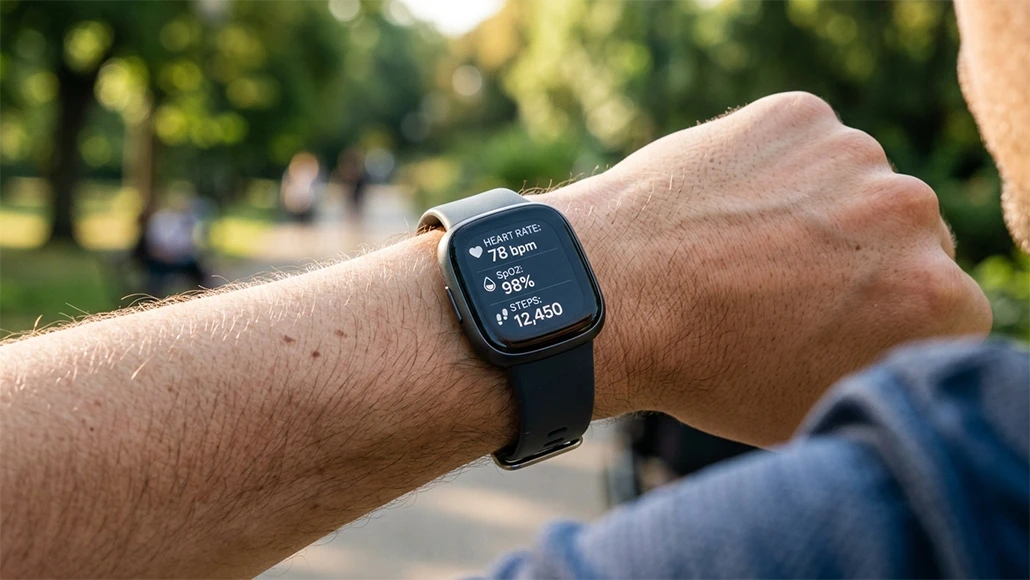
This shift is more than just technological; it’s a philosophical evolution in healthcare delivery. Individuals are moving from being passive recipients of care to active participants in their own health journey. With a wearable device strapped to a wrist or chest, data concerning heart rate variability, sleep quality, activity levels, skin temperature, and even blood oxygen saturation are collected silently and analyzed, painting a holistic picture of one’s well-being. This ongoing wellness monitoring empowers users to make informed lifestyle choices, adjust their routines, and seek professional advice at the earliest sign of concern, long before a condition becomes critical
Unlocking Real-time Insights: The Engine of Prevention
The true power of healthcare wearables driving preventive care resides in their capacity for real-time health tracking. Unlike traditional medical tests which offer snapshots in time, wearables provide a continuous data stream. A device can monitor heart rate throughout the day, detect irregularities that might suggest atrial fibrillation, or track sleep cycles to identify potential sleep apnea. This persistent data collection allows for the identification of trends and anomalies that would otherwise go unnoticed. For instance, a gradual increase in resting heart rate or a sustained decrease in sleep efficiency, when monitored over weeks or months, can signal underlying stress, illness, or lifestyle imbalances that warrant attention.
This constant feedback loop doesn’t just benefit the individual; it provides invaluable information for healthcare professionals. When integrated with secure platforms, this data can inform clinical decisions, enabling doctors to tailor advice and interventions based on a patient’s unique and dynamic physiological profile. It allows for a level of personalized care that was previously unimaginable, moving from generalized recommendations to truly individualized health plans. The rich tapestry of fitness data tracking, alongside vital signs, paints a comprehensive picture of a person’s daily life and its impact on their health, making remote health monitoring a robust tool for sustained wellness.
Beyond Steps: Early Risk Detection and Proactive Alerts
While many associate wearables primarily with basic fitness data tracking like counting steps or calories burned, their capabilities have far outgrown these initial applications. Modern healthcare wearables are sophisticated enough to perform early risk detection, acting as personal sentinels for our health. Consider the potential for detecting early signs of cardiovascular disease. Some devices can monitor for irregular heart rhythms, immediately alerting the user and suggesting consultation with a physician. This proactive alert mechanism can be life-saving, facilitating prompt diagnosis and intervention for conditions like AFib, which, if left untreated, can lead to serious complications such as stroke.
Similarly, continuous monitoring of respiratory rate and blood oxygen levels can provide early indicators of respiratory distress or conditions like sleep apnea, long before the individual might notice significant symptoms. For individuals managing chronic conditions like diabetes, wearables are emerging that can track glucose levels non-invasively, providing continuous insights that help prevent hypoglycemic or hyperglycemic events. This capacity for early risk detection is a game-changer, fundamentally altering the trajectory of potential illnesses from acute emergencies to manageable conditions identified in their nascent stages. It’s about intervening when it’s easiest and most effective, preventing minor issues from escalating into major health crises.
Empowering Individuals: A Personal Health Revolution
One of the most profound impacts of healthcare wearables driving preventive care is the empowerment of the individual. By putting actionable health data directly into the hands of users, these devices foster a heightened sense of self-awareness and personal responsibility for health. When someone can see how their diet affects their blood glucose, or how a stressful day impacts their sleep quality and heart rate variability, they are far more likely to make positive behavioral changes. This direct feedback loop creates a powerful incentive for healthier living, transforming abstract health advice into tangible, personalized insights.
This personal health revolution is also supported by the growing ecosystem around wearable health devices. Many wearables integrate with apps that offer personalized coaching, set achievable goals, and provide educational content tailored to the user’s data. This combination of real-time monitoring and guided action cultivates sustainable healthy habits. For elderly individuals or those with mobility challenges, remote health monitoring via wearables provides peace of mind for both them and their families, ensuring that help can be summoned quickly if a fall or other emergency occurs, bolstering their independence while maintaining safety nets.
Integrating Wearable Data into the Broader Healthcare Ecosystem
According to insights from HHM Global, the next phase of wearable innovation will be defined by interoperability and ecosystem integration. The ability to translate real-time patient-generated data into actionable clinical insights is becoming a key differentiator in advancing preventive and value-based care models. The full promise of healthcare wearables driving preventive care can only be realized through seamless integration with the broader healthcare ecosystem. While individual empowerment is crucial, the real synergy emerges when the data from these devices can be securely shared with and interpreted by medical professionals. This enables doctors to have a more comprehensive understanding of their patients’ health status between office visits, allowing for more informed and timely interventions.
Imagine a scenario where a primary care physician receives an alert about a patient’s consistently elevated blood pressure readings from their wearable device. This allows the doctor to initiate a consultation or adjust medication proactively, rather than waiting for the next scheduled appointment, by which time the condition might have worsened. This integration transforms episodic care into continuous care, fostering a more collaborative relationship between patients and their healthcare providers. Challenges around data security, privacy, and interoperability remain, but significant strides are being made to establish robust frameworks for integrating this valuable preventive care technology into electronic health records and clinical workflows.
The Path Ahead: Evolution and Challenges
While the benefits of healthcare wearables driving preventive care are undeniable, the journey ahead is not without its challenges. Ensuring data accuracy across diverse devices and user populations remains an area of ongoing research and development. Addressing concerns around data privacy and security is paramount to building public trust and ensuring widespread adoption. Furthermore, bridging the digital divide and ensuring equitable access to these technologies is crucial to prevent disparities in health outcomes.
Despite these hurdles, the future of healthcare wearables is incredibly promising. We can anticipate even more sophisticated sensors, capable of monitoring a wider range of biomarkers and physiological parameters. The integration of artificial intelligence and machine learning will further enhance the ability of these devices to predict potential health issues with greater accuracy, offering highly personalized wellness monitoring and interventions. As these technologies mature and become even more integrated into our daily lives and healthcare systems, their role in empowering individuals and revolutionizing preventive care strategies will only grow, solidifying their position as indispensable tools in the pursuit of optimal health and longevity.
In conclusion, healthcare wearables driving preventive care represent a transformative force in modern medicine. By shifting our focus from illness treatment to sustained wellness and early risk detection, these devices empower individuals with unprecedented control over their health. They facilitate continuous real-time health tracking and wellness monitoring, laying the groundwork for truly personalized and proactive healthcare. As technology continues to evolve and integration challenges are addressed, healthcare wearables will undoubtedly continue to play an increasingly central role in creating a healthier, more resilient future for us all, making preventive care not just a possibility, but a daily reality.