Close
Digital Health & Ai Innovation summit 2026
Medical Taiwan 2026

Olympus to Acquire Korean Gastrointestinal Stent Company Taewoong Medical Co Ltd

Olympus to Acquire Korean Gastrointestinal Stent Company Taewoong Medical Co Ltd

Olympus Corporation (Olympus), a global medtech company committed to making people’s lives healthier, safer and more fulfilling, has agreed to acquire Taewoong Medical Co., Ltd, (Taewoong Medical), a Korea-based manufacturer of medical devices such as gastrointestinal (GI) metallic stents[1] to strengthen its GI endotheraphy product portfolio capabilities, and in turn, contributing to improving patient outcome through comprehensive solutions.

Taewoong will receive approximately $370 million in cash, of which $255.5 million will be paid at the closing and up to $114.5 million will be paid if future milestones is achieved. The company expects to complete the transaction on June 30, 2023, subject to customary closing conditions.

Incidences of biliary cancers, where metallic stents are frequently used as one of the treatments, have been increasing in recent years[2] due to the aging population[3]. Metallic stents are often used to treat jaundice, one of the symptoms of an obstructed or narrowed biliary tract caused by biliary cancer. The stent allows for minimally invasive treatment[4], which supports faster patient recovery.

Different types of stents are needed depending on the condition of the lesion and the patient’s anatomy. Taewoong Medical, a leading manufacturer of GI stents, offers a variety of medical devices including metallic stents designed for biliary tract, esophagus, colon, and duodenum treatments[5]. GI stents are used to help clear occlusions or strictures by cancer or other diseases. Moreover, Taewoong Medical’s metallic stents combine strong radial force with high flexibility[6], which are both crucial requirements. This allows the stents to conform to the shape of anatomies such as biliary tracts and the esophagus, and even if curved, it is less likely for the stent to buckle, which reduces the risk of restenosis. Taewoong Medical has a wide range of high-quality stents realized through its unique design and technology capabilities, allowing healthcare professionals to use minimally invasive treatment with the most appropriate equipment for each patient.

Olympus is targeting GI as one of its key disease states, as outlined in its medical business strategy announced in December 2021. The addition of Taewoong Medical’s medical devices to its product portfolio will enable Olympus to become a comprehensive solutions provider in the GI market with varied solutions in GI, contributing to improved patient outcomes and elevating the standard of care.

“Olympus’ Endotherapy Division is committed to providing a full portfolio of clinically differentiated technologies aimed at treating patients who suffer from GI disease, and with the acquisition of Taewoong Medical, this further demonstrates our commitment to this critical segment of our business,” said Gabriela Kaynor, Global Division Head of Therapeutic Solutions Division at Olympus. “Taewoong Medical has developed a full portfolio of GI metal stents that will immediately enhance our already robust offering of GI devices. I’m proud to welcome Taewoong Medical’s employees, and their commitment to the field of GI endoscopy to the Olympus’ Therapeutic Solutions Division.”

Kyong-min Shin, President and CEO of Taewoong Medical stated, “For over three decades, Taewoong Medical has been a leading manufacturer of GI stents, renowned for its innovative technology and diverse product range. Our company has a robust market presence in Korea, Japan, and Europe, and exports to 86 countries worldwide. Moving forward together with Olympus, Taewoong Medical will focus its capabilities to provide medical professionals and patients with superior products and services through continuous investment in R&D and manufacturing technology.”

Moving forward, Olympus will continue to find and execute investments as well as expand its product and technology strengths through synergies with the products and technologies of acquired companies, ensuring that they capture maximum value through these integrations.

Glooko Announces Global Collaboration with Sanofi for SoloStar Pen Connectivity with New Device SoloSmart

Glooko Announces Global Collaboration with Sanofi for SoloStar Pen Connectivity with New Device SoloSmart

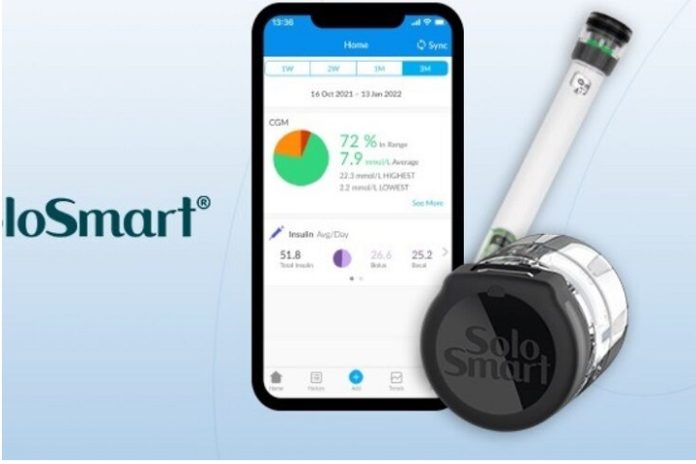
Glooko Inc. announced that they have entered into a partnering agreement with Sanofi to increase their support of people living with diabetes and healthcare professionals, by integrating SoloSmart with the Glookoยฎ platform. SoloSmart is a single piece add-on connected device intended for use with SoloStar and DoubleStar insulin injection pens which records the insulin dose, date and time of injection and allows for visualization of the data in the Glooko app, that patients can share with healthcare professionals for connected care in diabetes management. At this time, SoloSmart is not approved in the US.

Through Glooko’s global footprint of over 8,000 clinics, Sanofi aims to increase the accessibility of digital solutions to people with diabetes in each of the given countries where SoloSmart will be made available. The SoloSmart cap is currently undergoing integration with the Glooko platform and will gradually roll out across several countries starting later in 2023. The combined solution will be made available in English and local languages. As part of the global agreement, Glooko and Sanofi contemplate the option to further expand the launch of the combined technologies beyond the initial geographic scope.

We are very pleased to announce our partnership with Sanofi, as this agreement represents the first substantial digital health collaboration between our two companies,” saysย Russ Johannesson, CEO, Glooko. “Glooko is the first global diabetes data management platform to launch with SoloSmart, something our team is particularly proud of. This will allow us to further expand our global reach aiming to provide best-in-class technologies that can benefit the lives of people with diabetes.”

“At Sanofi, we believe that we will deliver value to people living with diabetes by building an ecosystem with local and global partners. With Biocorp, SoloSmart’s manufacturer, Glooko, a leading digital health solution that supports patients and health care partners, and local partners, we aim to improve daily management for individuals living with diabetes,”ย saysย Jared Josleyn, Global Head of Digital Healthcare, Sanofi. “For 100 years, Sanofi has been at the forefront of managing diabetes. We continue to build on this heritage with a vision and commitment to help transform diabetes care for 537 million people living with diabetes around the world.”

Once SoloSmart is integrated with the Glooko platform, SoloStar and DoubleStar pen users will have the ability to add the tracking of insulin dosing and timing to the functionality of Glooko to improve their insulin management and tracking. Combining SoloSmart and Glooko will help users visualize the correlation between insulin dose injected and blood glucose values. The insulin tracking data can be linked to other important features of the Glooko mobile app like food tracking, exercise metrics, weight and blood pressure to create actionable insights to help people with diabetes approach care in an even more personalized way.

Eko Launches SENSORA Cardiac Disease Detection Platform

Eko Launches SENSORA Cardiac Disease Detection Platform

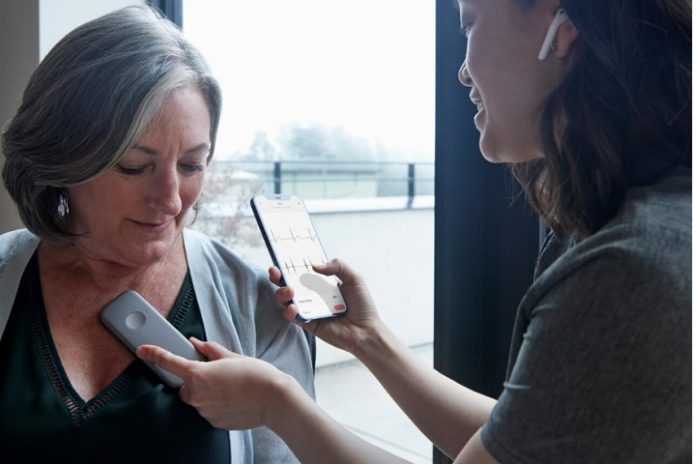
Eko announced the launch of the SENSORAโ„ข Cardiac Disease Detection Platform. SENSORAโ„ข currently features AI which objectively identifies structural murmurs, a sign of valvular heart disease, and Care Pathway Analytics software that provides downstream visibility and metrics of the patient journey through the healthcare system.

SENSORAโ„ข is a cardiovascular disease detection platform combining the latest advancements in applied machine learning with one of the most ubiquitous medical devices in the world: the stethoscope. By capturing and analysing heart sounds and electrical signals with its digital stethoscopes.

The FDA-cleared SENSORAโ„ข structural murmur detection helps health systems more accurately and consistently identify valvular heart disease (VHD) in patients during a routine visit with the primary care physician. VHD is a life-threatening condition diagnosed in more than 8 million Americans. VHD, when left undetected and untreated, can lead to heart failure, stroke, blood clots, and death. Older adults have a 1 in 10 chance of developing clinically significant VHD. However, more than half (57%) of clinically significant valvular heart disease goes undetected in this population. A primary care physician using SENSORAโ„ข for structural murmur detection more than doubles likelihood of detecting significant VHD.


Memora Health Announces Partnership with Moffitt Cancer Centre

Memora Health announced a partnership with Moffitt Cancer Center. The first-of-its-kind partnership will bring together Moffittโ€™s expertise in oncology with Memoraโ€™s clinical intelligence care platform to improve the patient experience; and enable Moffittโ€™s clinicians and providers to utilise the platform directly in support of critical patient needs.

Memora Health offers Moffitt Cancer Centre a unique opportunity to utilise clinical expertise and reach for driving high-touch, patient-centric care. This innovative partnership will improve oncology care across a broader audience of providers and allow Moffitt to utilise the care programmes to improve care for the serving patients.

Memoraโ€™s platform simplifies complex care delivery for patients and providers by automating care journeys. The programme provides 24/7, two-way communications with patients care, and intelligently triages patient questions and clinical concerns to the appropriate care team members.

The programme provides 2-hour two-way communication with patients about their care and intelligently directs patient questions and clinical concerns to the appropriate members of the care team.

A Guide To Delivering Person-Centered Care In Nursing Homes

Nursing homes play a crucial role in healthcare, offering a secure and nurturing space for older individuals needing extended care. With some residents and families expressing their need for individualized care, person-centered care has been developed.

Person-centered care is an approach that puts the patient or resident at the center of the care process. It recognizes each resident’s unique needs and preferences and focuses on meeting those needs respectfully, dignifiedly, and empoweringly. This is usually practiced for people with syndromes like dementia, where staff members are provided withย dementia trainingย to give patients the optimal care they deserve.

Key Principles Of Person-Centered Care

Person-centered care is based on several fundamental principles that guide the care process. These principles include:

  • Respect For The Individual
    Person-centered care recognizes that each resident has unique needs and preferences. It acknowledges that residents can make care decisions and respects their choices and preferences.
  • Relationship-Based Care
    They recognize that the relationship between the resident and the care provider is critical to quality care. It encourages care providers to develop positive relationships with residents and their families and work collaboratively to identify and meet their needs.
  • Collaboration And Partnership
    This collaborative approach involves the resident, their family, and the care team. It recognizes that all stakeholders have a role in providing quality care and encourages partnership and collaboration to achieve this goal.
  • Empowerment
    Person-centered care allows residents to control their care by allowing them to express their choices, make decisions concerning their well-being, and actively engage in everyday activities.

A Guide to Delivering Person-Centered Care In Nursing Homes

Delivering person-centered care in nursing homes requires a comprehensive approach that involves all stakeholders. Hereโ€™s a guide to doing it:

  • Establish A Person-Centered Culture
    Creating a person-centered culture is the foundation of delivering person-centered care. Nursing home administrators should promote a culture that values and respects residents’ individuality and supports care providers in delivering person-centered care.
  • Identify Residents’ Preferences And Needs
    Care providers must identify each resident’s preferences and needs. This involves developing a relationship with the resident; understanding their background, interests, and cultural beliefs; and collaborating with the resident and their family to develop a care plan that meets their needs.
  • Involve Residents And Their Families In The Care Process
    Involving residents and their families in care is essential to delivering person-centered care. This involves providing opportunities for residents to express their preferences, make decisions about their care, and participate in daily routines.
  • Provide Training To Care Providers
    Care providers need to be trained in person-centered care principles and practices. This includes developing communication skills, building positive relationships with residents, and understanding cultural competency’s importance.
  • Evaluate And Improve Care
    Nursing homes must regularly evaluate their care practices and make improvements based on resident feedback and staff input. This includes developing a quality improvement program that focuses on improving the delivery of person-centered care.

The Benefits Of Person-Centered Care

Person-centered care is a healthcare model that prioritizes the individual’s needs and preferences in the care process. Inย nursing homes, adopting this approach can lead to improved quality of life, better health outcomes, and higher resident satisfaction levels. Hereโ€™s a more in-depth discussion of these benefits:

  • Improved Quality Of Life
    Person-centered care recognizes each resident’s unique needs and preferences and focuses on supporting their emotional, social, and spiritual well-being and physical health. By addressing these needs, person-centered care can improve residents’ quality of life and help them maintain a sense of purpose and meaning.
  • Better Health Outcomes
    When care is tailored to meet the individual needs of each resident, itโ€˜s more likely to be effective in promoting health and preventing illness. For example, a person-centered approach to care can help ensure residents receive appropriate medications, follow dietary restrictions, and engage in physical activity.
  • Increased Satisfaction With Care
    Person-centered care places a high value on communication and collaboration, involving residents and their families in care planning. This approach can improve satisfaction with care by ensuring that residents’ needs and preferences, especially those ofย aging parents, are taken into account and treated with dignity and respect.
  • Reduced Behavioral Symptoms
    For residents with cognitive conditions or syndromes like dementia, person-centered care can reduce the frequency and severity of behavioral symptoms, such as agitation, aggression, and wandering. Nursing homes can create a more calming and positive living environment by recognizing and responding to residents’ unique needs.
  • Improved Staff Morale
    Providing person-centered care can also benefit the nursing home staff. By enabling the staff to build positive relationships with residents and provide more meaningful care, they may experience increased job satisfaction and a sense of purpose in their work.Overall, person-centered care can profoundly impact the health and well-being of nursing home residents. By promoting a more individualized and holistic approach to care, nursing homes can provide a higher quality of care and improve the overall experience for residents and their families.

Challenges Faced In Person-Centered Care

While person-centered care has many benefits, there are also several challenges that nursing homes face when implementing this approach to care. Here are some of those challenges:

  • Time Constraints
    Providing person-centered care requires a significant investment of time and resources. Care providers must get to know each resident individually, identify their needs and preferences, and develop a care plan that meets those needs. This can be challenging in a fast-paced nursing home environment where staff may need to be stretched thin.
  • Staffing Issues
    Staffing levels and staff turnover can make it challenging to deliver person-centered care consistently. Staff members who are overworked or poorly trained may struggle to provide personalized care to each resident.
  • Communication Barriers
    Communication barriers can make building positive relationships with residents and their families challenging. Language barriers, hearing or vision conditions, and cognitive decline can all impact communication.
  • Balancing Individual Needs With Group Activities
    Nursing homes often provide residents with group activities and social events, which can benefit their social and emotional well-being. However, these homes must balance the individual needs and preferences of residents with group activities.
  • Resistance To Change
    Implementing person-centered care in a nursing home can require a significant cultural shift. Resistance to change from the staff or residents can make it difficult to adopt new practices and fully implement person-centered care.Addressing these challenges requires a comprehensive approach that involves all stakeholders, including nursing home administrators, staff members, residents, and their families. It requires ongoing communication, training, and support to ensure that person-centered care is delivered consistently and effectively.

Conclusion

Person-centered care has the potential to transform the way care is delivered in nursing homes. By focusing on the unique needs and preferences of each resident and involving them and their families in the care planning process, this type of care can improve the quality of life for residents, promote better health outcomes, and increase satisfaction with care.

How private and public sectors can collaborate to advance the Indonesian healthcare system

JAKARTA, 27 February 2023East Ventures, a pioneering sector-agnostic venture capital firm that has supported over 250 tech companies across Southeast Asia, has recently launched the White paper: โ€œGenomics: Leapfrogging into the Indonesian healthcare futureโ€, a collaborative report with Indonesiaโ€™s Health Ministry and a global consulting company, RedSeer, in February 2022, Jakarta.

In the event, we also held a panel discussion that pointed out on how the government and private sectors can collaborate to advance the Indonesian healthcare system. The panelists came from the government and venture capital firms: Setiaji, Chief of Digital Transformation Office, Ministry of Health, The Republic of Indonesia; Roderick Purwana, Managing Partner at East Ventures; Aldi Adrian Hartanto, Partner at ARISE & VP at MDI Ventures. The panel is moderated by Ririn Ramadhany, Special Strategy Delivery Team for the Minister of Health, Ministry of Health, The Republic of Indonesia.

The transcript below has been edited for clarity.

ย Ririn Ramadhany:

Mr. Setiaji, we learned from Minister Budi this morning that the Ministry of Health has a transformation agenda. There will be massive changes and of course challenges ahead. Could you share the efforts made by the Ministry of Health for Indonesiaโ€™s healthcare sector?

Setiaji:

We have been doing a lot of efforts to enhance Indonesiaโ€™s healthcare sector. Many activities that we do are not limited to policies, but also technology. The important thing is to improve the scalability and also the competency of the people. We need to leapfrog to catch up with other countries who have started a couple of years ago. Because of that, we already launched the blueprints, both for the government and stakeholders at the end of 2021. For example, startups and private sectors have to align with our policies and what we will do in the next few years. We already have our plans until 2024.

Besides, we also improved the regulations for electronic medical records after 14 years. Now, we already have the regulation to push and accelerate the digital decisions in the healthcare sectors, especially regarding facilities. Itโ€™s very important to digitize the health sectors such as medical records.

We also have some regulations to support other aspects such as the PDP and other standardizations related to terminologies such as ICD-10, SNOMED, and LOINC to make sure we can build the โ€œSatu Dataโ€ application. Last year, we already launched the โ€œSatu Sehatโ€ platform. Soon, โ€œPeduli Lindungiโ€ will be integrated into the โ€œSatu Sehatโ€ application.

How we can integrate all the health facilities, build standardizations and apply the latest technology are very important, so all startups need to comply with our regulations and standardizations.

The last thing is how we build the capacity for the people. Actually, we currently have a program with East Ventures called โ€œAcceleration Startupโ€. We did this last year and this would be the second one. We hope startups can be involved in this area. We already have some information we worked on with East Ventures that will be launched today. So, we hope all startups can participate in this initiative. We have prizes around 2.5 billion rupiahs. We hope to have unicorn startups revolving around the healthcare sector because we have not had one.

Ririn Ramadhany:

Minister Budi mentioned that if weโ€™d like to go far, then we have to go together. It means, we should have strong collaborations. How do you think we can improve the collaborations with startups and private sectors?

Setiaji:

Venture capitalists cannot just invest, but they need to make efforts like East Ventures is doing. For example, East Ventures is doing mapping for BioGenomics. This can be an important thing for startups and us to improve features. Another important thing is building the capacity for startups and accelerating things together with the government. We have been working closely with East Ventures since a long time ago.

We started from Jakarta Smart City to grow the ecosystem, which startups need. From the government, we need collaborations with startups and other parties. The governmentโ€™s task is to build the platform standardization; startups can use this platform to build things such as registries systems and health information systems. With this initiative, we can leap forward faster than other countries.

Ririn Ramadhany:

Move to Mr. Roderick and Mr. Aldi. What opportunities do you see for investments in Indonesiaโ€™s healthcare industry?

Roderick Purwana:

I think the opportunities for the healthcare industry are tremendous. Itโ€™s very hard to measure the potential because itโ€™s so big. If we were to talk about some specific things, I think over the past few years, East Ventures has done a few investments in biotech, genomics, and other fields. The opportunities we see in Indonesia today are around medical content, telemedicine, and online marketplaces. Weโ€™re seeing movements towards wellness, digital insurance, healthcare, and monitoring and diagnostics as well. Eventually, as the ecosystem develops, there will be movements toward drug discovery, precision medicine, genomics, and biotech. This is just the surface and the beginning. Opportunities are very massive.

Aldi Adrian Hartanto:

I think thereโ€™s no doubt that the opportunities are enormous. But, there are also points related to accessibility, connectivity, and access to the opportunity.

Regarding accessibility, we, unfortunately, know that Indonesia is still lacking in all of the healthcare matrices. Our number of beds and healthcare facilities is still less than the global standards. I think the opportunities primarily lie in the accessibility in which we have to empower the existing infrastructures and providers in Indonesia to be more productive and able to serve more population. Thatโ€™s where technology comes in. As Roderick mentioned, technology such as telemedicine allows us to enhance our healthcare providers to serve more patients.

Kudos to Mr. Budi, Mrs. Ririn, Mr. Setiaji and all of the Ministry of Health teams, robust changes and transformations like โ€œSatu Dataโ€ and โ€œSatu Sehatโ€ platforms and the EMR can be done. This allows healthcare providers to be more digitized. It also allows us to go to the next part, connectivity.

Technology should empower our healthcare workers and connect and glue the providers and infrastructures to make healthcare solutions closer, especially for our families and relatives across Indonesia. This allows us to multiply opportunities from the financial assistance side and healthcare information systems and enable digitalization tools for healthcare providers.

The last part concerns frontier opportunities, primarily in genomics and biotech. We see exciting opportunities ahead.

Ririn Ramadhany:

Mr Aldi & Roderick, the government needs to support in terms of regulations, connectivity and accessibility. How can we strengthen the ecosystem further?

Aldi Adrian Hartanto:

I appreciate the stakeholders within the healthtech ecosystem that have been laying out the foundations. We have already built a lot of hospitals and healthcare providers. The government also steps in and comes up with many initiatives and regulations. As Mr. Willson mentioned, there is clarity within a crisis.

We, as venture capitalists, need to be able to move all the pieces of the puzzle. At the moment, there are a lot of puzzles from the governmentโ€™s side, the private sector, the pharmaceutical side, healthcare providers, and insurance.

There are two things we can do as venture capitalists. First, we need to go beyond what investors do. We need to be able to work side by side with the founders to articulate and collect the โ€œNow, New & Nextโ€ opportunities.

The โ€œNowโ€ opportunities are the current ones, while the โ€œNewโ€ opportunities are the mid-term ones, and the โ€œNextโ€ opportunities revolve around the ones to which we can add value or networks. Weโ€™re primarily backed by enterprises such as Biofarma, which allows us to add more value, know whatโ€™s happening in the market today, and figure out short-term, mid-term, and long-term opportunities.

Roderick Purwana:

I agree with that. In general, one of the biggest gaps in healthcare today is funding. As venture capitalists, one of our main roles is to provide capital and funding. Solving the issue and advancing healthcare is a multi-stakeholder issue. Today, we were looking at some statistics on how venture capitalists already make much funding for healthcare and healthcare-related companies. And the number is very low. So, itโ€™s not only about providing the funding but also about leading people to come in and fund the sector.

Ririn Ramadhany:

East Ventures has invested in various types of healthcare startups, from personalized medicine, biotech, genomic sequencing, and mental health. From your perspective as an investor, what are the main challenges that we face today?

Roderick Purwana:

East Ventures is one of the pioneers of venture capitals in Southeast Asia, Indonesia, and the healthcare space. Funding is a big issue, but attracting other VCs to start looking into the sector and come in is another one. How we can work together with the founders is another area. Iโ€™m very happy that we are all here today, and the participation and collaborations with the public sector have been very good. But thereโ€™s probably a lot more we can do together. While the government needs to create policies and platforms, the private sector can help further the ecosystem. Weโ€™re starting to see a lot of that today. There will be challenges, but I think we can overcome that if we all work together.

Ririn Ramadhany:

Mr. Aldi, MDI Ventures partnered with Bio Farma and launched the Bio-Health Fund for early and growth stage startups in Indonesia in the biotech and also healthcare industry. Could you elaborate more on that for us?

Aldi Adrian Hartanto:

Healthcare is very complex yet presents exciting opportunities. Complex opportunities require complex solutions. That is why we bring all the best players in the market, such as Bio Farma, which has been serving the country and laying out the foundations of the healthcare system in Indonesia for the last hundred years. That way, we will be able to learn what the mistakes are and what are the things that can or cannot be done short-term, mid-term, and long term. When we work with founders, we always think about long-term plans, but sometimes we havenโ€™t been able to create clear pathways to reach vertical growth.

Some of the biggest fintech companies are not necessarily financial services companies, with Gojek as an example. They are not fundamental payment companies but serve the largest payment solutions. So, being able to add value beyond just serving healthcare will be something that we need to collaborate on.

MDI is quite agnostic. We invest in basically most of the sectors. Partnering with Bio Farma, who is equipped with the knowledge and expertise, seeing what is working and not and what is happening along the way, and our close relationship with the government help us understand the next catalyst that will be able to present the next opportunity in healthcare.

Unfortunately, the fund hasnโ€™t been invested, but we are finalizing a few. We are assembling three teams: the accessibility, connectivity, and beyond frontier teams. We are going to solve these based on the phases of the opportunity. Accessibility is related to short-term plans. It revolves around powering our healthcare workers to be more productive and skilled, especially considering that we have a huge gap between specialists and healthcare workers. We are also lacking in our number of physicists. We hope technology will be able to enhance and add value. The second part is connectivity, which is being able to lay out the infrastructures to bring connectivity to all our families and loved ones across Indonesia through tech and the collaboration of the providers.

As for the beyond frontier part, we are trying to see and solve all the biggest problems such as the fact that 90% of raw materials and medical devices are still being imported. We are trying to invest in companies that build the future foundations for Indonesia as the healthcare destination and create opportunities for all investors and partners across Indonesian regions and globally partners.

Ririn Ramadhany:

Mr Roderick & Mr Aldi, do you have any advice for those who plan to start their business soon? For Mr. Setiaji, what advice can you give from the point of view of the government as a regulator?

Roderick Purwana:

Being an entrepreneur is never easy, but finding the product or the solutions to the right problems is key. Make sure what youโ€™re doing is very clear, and you are in a big enough market. And it comes down, of course, to the execution.

Aldi Adrian Hartanto:

Founders tend to move fast, but healthcare presents complex problems that require complex solutions. I think you have to think about the opportunities to collaborate so youโ€™ll be able to add value on top of what has been built by our predecessors or seniors before. The goal is to connect and pick up all the puzzle pieces, which in our case, we are looking forward to being able to help you play with the puzzles faster with our resources.

Setiaji:

Startups do not need to be afraid to talk with the government because some struggle to find use cases. We have many use cases because we have many problems. From these issues, you can get advantages and opportunities. The other strategy is building the ecosystem, as we are very concerned about making it. You can contact Mr. Tota, our Head of Tribe. You can talk to us, and we can support you. The biggest industry after fintech is healthtech, so we need more startups to build this industry in Indonesia. Thank you.

Question from the first audience :

To put the context here, my office also joined the genomic conference in Bali last December. In that forum, I saw many questions and concerns regarding the supply chain for healthcare, especially if we talk about genomics; it is about the reagent supply. I would love to hear the investorsโ€™ views about this in this discussion. So, how do you see the reagent supply chain in Indonesia as an opportunity?

Aldi Adrian Hartanto:

Logistics has its challenges. Currently, the main problems of logistics always come back to 3 things. The first one is the SLA. The second one is primarily related to the healthcare and pharmacy side and how we can maintain the quality of the genome or healthcare products when delivered from point A to point B. The third problem is how we can make the prices accessible because we have a unique problem in Indonesia: the cost of logistics when sending products. Thatโ€™s why we see an opportunity, especially on how tech can add value.

For the SLA problem, technology can add value from 2 parts: software and hardware. Software is related to how you aggregate all the demand, supplies, and streamline all the operations of the people to ensure that the SLA can be optimized.

The second part is the hardware. We primarily use IoT, and sometimes hardware is used to maintain the temperature. Weโ€™ll also be able to monitor and assess the quality of the medicine and the delivery time. If something happens, we can immediately mitigate and navigate before it happens.

This way, we can reduce the potential risks and dangers when delivering those genomes. The last part would be related to prices due to the ineffectiveness of the supply chain. That is why technology will add value to that part.

The three opportunities are investing in tech-enabled providers, looking for tech solutions, and looking for tech aggregators. The collaboration will be the key in this complex problem to ensure we get the optimized supply and demand between the players.

Roderick Purwana:

From the investorsโ€™ perspective, the reagent supply chain logistics problem is very specific. Still, I think the bigger issue is probably the healthcare logistics and how to do the proper supply chain because it involves transportation and other things. So, from an investorโ€™s perspective, I think itโ€™s a big enough problem, which it is. I think weโ€™ll always be open to looking at what solutions we can do to help with that.

Question from second audience:

We are a Singapore-based venture capital focused on the healthcare sector, and looking to invest in Indonesia. I wanted to learn your thoughts and opinions on what type of support would be best to help accelerate the development of healthcare in Indonesia aside from the monetary support that you mentioned?

Setiaji:

You need to read the blueprint, [which can be downloaded on our website: dto.kemenkes.go.id, available in 2 languages, Indonesian and English].

In our blueprint, we already mentioned not only the issues but also the opportunities. We now have more than 60,000 health facilities, and only 20% are digitized. Since we already have regulations to push hospitals, primary care, pharmacies, and laboratories to be digitized until December 2023, we need some acceleration to set up or build the capacity and system for these facilities.

The government already has the platform standardizations. Startups need to build applications. We also have the dictionary of the pharmacy and some of the terminologies. You can use this for free for reference. The important thing is that we will launch the platform โ€œSatu Sehat,โ€ so you can directly connect with us. Then, you can share the data from all the health facilities, and people can access your data using the โ€œSatu Sehatโ€ application.

Ririn Ramadhany:

In conclusion, we know that Indonesiaโ€™s healthcare is still in the early stages. There will be challenges, of course, but through the collaborations between the government, the startups, and venture capitalists, we hope to leapfrog Indonesia to better healthcare quality.


KPMG targets healthcare sector with Verizon’s 5G private network

KPMG targets healthcare sector with Verizon's 5G private network

Verizon Business and KPMG LLP have collaborated as part of their alliance relationship to deliver 5G solutions designed to help transform the healthcare and life sciences sectors. KPMG has now deployed Verizon’s Private 5G wireless network into its Ignition Center inside KPMG Lakehouse to further that collaboration. Building on top of this next-generation network, KPMG is creating a Healthcare Lab experience where clients can interact and experiment with the latest in healthcare technologies while helping to define their own future healthcare vision powered by Verizon 5G.

The Verizon and KPMG alliance is focused on developing a suite of solutions and use cases to enable seamless, reliable, and secure communications across the healthcare industry and help transform operations. These solutions will support the future of healthcare by creating interconnected hospital operations that optimize provider scheduling, support diagnosis activities, and simplify patient interactions to drive a better patient experience and increase insights into overall patient health, at home or at a medical facility.

The Healthcare Lab at KPMG Lakehouse, located in the innovative and strategically planned community of Lake Nona, has been designed to enable a next-generation digital healthcare experience for clients. Leveraging the latest emerging technologies, including Verizon 5G, the Healthcare Lab will create an immersive experience to ignite clients’ creativity and drive innovation. Innovations and topics explored at the Healthcare Lab include AI and computer vision imaging analysis, AR/VR for surgery planning, the enablement of sustainable buildings, and using technology to bridge the health equity gap. Each client experience is tailored and customized to meet the desired business outcomes with maximized benefit from these emerging technologies.

Verizon operates several 5G Labs in the U.S. that specialize in developing use cases in industries ranging from healthcare to public safety to entertainment. In addition, Verizon is collaborating with various customers to establish 5G Innovation Hubs on-premises as part of an ongoing initiative to co-innovate and create new 5G applications.

Fujitsu and Tokai National Higher Education and Research System Announce Partnership for Healthcare and Space Tech Research

7 Things to Know About Risk Management in the Healthcare Industry

Fujitsu and Tokai National Higher Education and Research System (THERS) announced the signing of a partnership to contribute to the achievement of sustainable development goals (SDGs) and the realization of Society 5.0 through initiatives in the fields of healthcare and space technology.

As part of their partnership, Fujitsu and THERS will work toward the realization of a wellbeing society through the creation of a virtuous cycle model of community-based health and medical care in the Japanese Tokai region. To improve local health services and contribute to the resolution of various societal issues, Fujitsu and THERS will leverage life design research results of THERSโ€™ Center for Research, Education, and Development for Healthcare Life Design (C-REX) and advanced technologies including an electronic medical record system developed by Fujitsu Japan and Fujitsuโ€™s AI technologies.

The two parties will further collaborate on the development of space technologies including systems for space weather forecasting to solve challenges related to human exploration of outer space. To enable more precise countermeasures to various weather phenomena in space, Fujitsu and THERS will leverage world-class space weather prediction models and satellite and ground observation databases of the Institute for Space-Earth Environmental Research (hereinafter ISEE) at Nagoya University and Fujitsuโ€™s supercomputing technology for large-scale simulations and AI based data analysis technologies

Co-Diagnostics, Inc. Initiates Clinical Evaluations for its At-Home and Point-of-Care Co-Dx PCR Home Platform

Co-Diagnostics, Inc. Initiates Clinical Evaluations for its At-Home and Point-of-Care Co-Dx PCR Home Platform

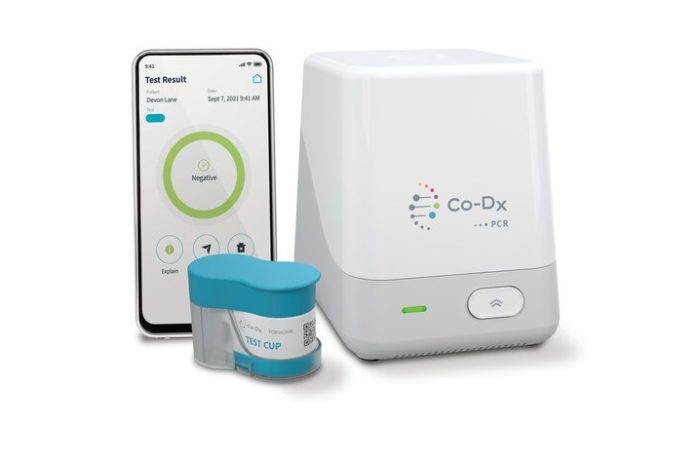
Co-Diagnostics, Inc., a molecular diagnostics company with a unique, patented platform for the development of molecular diagnostic tests,ย  announced that it has commenced clinical evaluations for its at-home and point-of-care Co-Dx PCR Homeโ„ข platform and initial COVID-19 test, consisting of the clinical trials and analytical studies that are expected to support submissions to the United States FDA and other regulatory bodies.

The Company’s real-time PCR platform has been developed for detection of infectious diseases in at-home and point-of-care settings, with anticipated multiplex panels to follow after receipt of the platform’s initial regulatory authorization. Because the evaluations are dependent on identifying and enrolling a particular number of both symptomatic and asymptomatic COVID-19-positive and -negative patients at testing sites, the Company will not be providing projected timelines for completion at this time.

“The commencement of our clinical evaluations represents the achievement of a profound milestone for our Company,” remarked Dwight Egan, CEO of Co-Diagnostics. “It is the culmination of a development process that spans over two years of research and development and has harnessed the expert skills of well over a hundred dedicated scientists, engineers, and support staff. The new at-home and point-of-care testing (POCT) platform represents a high degree of innovation that brings together the power of our patented Co-Primerโ„ข technology coupled with other proprietary IP, setting a new standard for compact POCT that unlocks the multiplexing potential of real-time PCR.

“We believe this invention holds significant promise for the United States and around the world, including regions of the globe that have not previously had access to the quality-of-life advantages of inexpensive, powerful, accurate diagnostic technology. We are excited to begin these clinical evaluations and to leverage the power of our groundbreaking science in this new and revolutionary platform.”


AIIMS and IIIT-Delhi sign MoU to advance digital health technologies

The All India Institute of Medical Sciences (AIIMS) and the Indraprastha Institute of Information Technology Delhi (IIIT-Delhi) have signed a Memorandum of Understanding (MoU) to work on various aspects of digital health areas jointly. Under the MoU, IIIT-Delhi, and AIIMS will work together in areas such as artificial intelligence (AI), machine learning (ML), and computational genomics for advancing clinical medicine, public health, and biomedical research, the institute said.

โ€œThe focus of the collaboration will be on improving patient care, outcomes, and healthcare delivery through the development of innovative technologies. The two institutions will also engage in joint research and training, the exchange of faculty and students, and the organization of workshops and seminars to promote collaboration in the field of digital health,” IIIT Delhi said.

The collaboration will focus on solving the major health challenges facing India such as access to healthcare in remote and underserved areas by building technology innovations in m-Health, artificial intelligence, interoperability, cybersecurity, and allied areas. AIIMS and IIIT Delhi will also work together on computational genomics research, which will be used to advance the understanding of the genomic basis of human diseases and inform the development of personalised treatments.


Translate ยป