









Close
Digital Health & Ai Innovation summit 2026
Medical Taiwan 2026

Carle Illinois, UIUC Partners with Chicago ARC to Tackle Healthcare Inequity

5 Compelling Reasons for Custom Developing an Appointment Scheduling App for your Healthcare Practice

The University of Illinois at Urbana-Champaign excels at utilizing interdisciplinary approaches to find solutions to complex healthcare problems.

Our commitment to research-based solutions and innovative problem-solving strategies has earned us a reputation as a leader in the healthcare field. With a diverse faculty and student body, UIUC provides a wide array of resources and expertise to help tackle healthcare challenges. In past months, we made headway in healthcare technology and delivery, speech accessibility, and AI in medicine.

In UIUCโ€™s healthcare-centered partnership with Chicago ARC, the university aims to provide solutions in another critical area within the industry: equitable healthcare. Chicago ARC is a health innovation venture collaborative with a mission to make affordable, quality healthcare accessible for everyone, starting in Chicago. Bridging the gap between healthcare providers, researchers, venture capital firms, startups, international organizations, and corporate partners, Chicago ARC is at the center of cross-sector collaboration in this industry. UIUC and Chicago ARC are partnering with Illinois Tech, Americare Senior Living, Insight Hospital and Medical Center, and OSF Healthcare to accelerate this initiative through a network of nearly 750 healthcare locations throughout Illinois.

In Chicagoโ€™s healthcare system, โ€œyour zip code matters more than your genetic codeโ€, according to Chicago ARC. This means that Chicago residents can live up to 30 years longer depending on which neighborhood they live in. This partnership aims to close this disparity, allowing both UIUC and Chicago ARC to work directly with patients and giving patients access to healthcare programs throughout Chicago and its suburbs.

By providing Chicago with the universityโ€™s latest healthcare technology and research, this partnership will revolutionize Chicagoโ€™s healthcare systems, making the city a global hub for health equity and healthcare technology. Areas such as virtual medicine, digital education, and medical workforce training tools, extended reality tools, connected health solutions that leverage 5G and 6G networks, hospital at home, virtual patient literacy and engagement, remote monitoring of chronic disease patients, and others will be prioritized.

Dr. Stephen Boppart, Professor and Grainger Distinguished Chair in Engineering and biomedical and translational sciences professor at CI MED, presented at the Chicago ARC Partners kick-off meeting held on November 17th on behalf of The Interdisciplinary Health Sciences Institute (IHSI) and the UIUC partnership. Dr. Boppart states that, โ€œOur land-grant mission at the University of Illinois Urbana-Champaign is to improve the lives of our citizens across the state, and to be a world-class leader in developing innovative technologies and solutions that benefit humanity. This is what has driven us to engage with Chicago ARC and our new associated partners in a shared commitment to address some of the greatest health care challenges that we face. We have in our sights the opportunities for access to equitable care, advanced technological solutions to improve care, and social innovations that will make a transformative impact on health. We look forward to what we can achieve together in this partnership.โ€

At UIUC, the Carle Illinois College of Medicine, The Grainger College of Engineering, the College of Agricultural, Consumer & Environmental Sciences (ACES), the Siebel Center for Design, the Interdisciplinary Health Sciences Institute, the College of Applied Health Sciences, and the National Center for Supercomputing Applications can provide an integrated approach towards innovative solutions.

Medtronic Receives CE Mark for Extravascular Defibrillator System That Treats Abnormal Heart Rhythms

Medtronic plc has received CE Mark for the Aurora EV-ICDโ„ข MRI SureScan (Extravascular Implantable Cardioverter-Defibrillator) and Epsila EV MRI SureScanโ„ข defibrillation lead to treat dangerously fast heart rhythms that can lead to sudden cardiac arrest. The Aurora EV-ICD system provides the life-saving benefits of traditional ICDs while avoiding certain risks because its lead (thin wire) is placed outside the heart and veins. The Aurora EV-ICD system is investigational inย the United States.

Patients implanted with the Aurora EV-ICD system have defibrillation, anti-tachycardia pacing (ATP), and back-up pacing therapies available to them via a single implanted device that is similar in size, shape, and longevity to traditional ICDs. The system approval also includes proprietary procedure implant tools. The Aurora EV-ICD system is expected to be commercially available in autumn 2023 in select countries inย Europe.

ICDs are highly effective in providing life-saving therapy for patients at risk of sudden cardiac arrest (SCA), an electrical problem with the heart stemming from a dangerously fast heart rate (ventricular tachycardia or ventricular fibrillation). If not treated immediately, SCA can be fatal. Traditional, transvenous ICDs are implanted in the chest and attached to leads that are threaded through the veins into the heart to sense the heart’s electrical signals and deliver therapy to terminate a potentially fatal arrhythmia, restoring the heart’s normal rhythm.

The Aurora EV-ICD is implanted below the left armpit (in the left mid-axillary region) and the Epsila EV lead is placed under the breastbone (sternum) using a minimally invasive approach. Placing the lead outside of the heart and veins is designed to help avoid long-term complications that may be associated with transvenous leads, such as vessel occlusion (narrowing, blockage or compression of a vein) and risks for blood infections.

CE Mark approval follows the Extravascular Implantable Cardioverter Defibrillator (EV ICD) Pivotal Study meeting its safety and effectiveness endpoints;1ย data was presented as late breaking science at the European Society of Cardiology (ESC) 2022 and simultaneously published inย The New England Journal of Medicine.

In the global pivotal study, the device’s effectiveness in delivering defibrillation therapy at implant was 98.7%. This reflects a greater defibrillation efficacy for the EV-ICD than historical transvenous ICD studies,122-5ย and comparable efficacy to the subcutaneous ICD despite EV-ICD’s smaller device size.6ย Further, the efficacy of ATP โ€“ which paces the heart to interrupt and terminate a dangerous rhythm, potentially avoiding a defibrillation shock โ€“ in the EV ICD study was comparable to ATP efficacy in transvenous defibrillators.7,8ย In total, 33 shocks were avoided by having ATP programmed “on.”

Additionally, at six months, 92.6% of patients (Kaplan-Meier estimate) in the pivotal study were free from major system and/or procedure-related major complications such as hospitalization, system revision, or death. There were no major intraprocedural complications, nor any unique complications observed related to the EV-ICD procedure or system.

“The growing awareness by patients and physicians about theย risks that come with placing leads in the heart or veins is addressed by theย Aurora EV-ICD system that provides an extravascularย solution while maintaining the traditional ICD benefits of pacing and defibrillation therapy,”ย saidย Lucas V.A. Boersma, M.D., Ph.D., cardiologist at St. Antonius Hospital, Department of Cardiology, Nieuwegein,ย The Netherlands, and Professor of Cardiology, Amsterdam University Medical Centers,ย University ofย Amsterdam, The Netherlands.

The Aurora EV-ICD system includes features available in Medtronic transvenous ICDs, and offers additional advantages that are not available with subcutaneous ICDs including:

  • Anti-tachycardia Pacing (ATP), which terminates ventricular arrhythmias (rapid and/or chaotic activity of the heart that can cause SCA episodes)
  • Pause Prevention Pacing, which provides back-up pacing for brief, intermittent, heartbeat pauses
  • 40 Joule Defibrillation Energy, which delivers life-saving shocks in a device the size of transvenous ICDs (33 cc)
  • Medtronic exclusive PhysioCurveโ„ข design, which may offer increased patient comfort and acceptance
  • Up to 11.7-year projected longevity (a predicted increase compared to the subcutaneous ICD), potentially leading to fewer device replacement procedures during a patient’s lifetime

“We are proud to be the first company to offer a complete one-system, one-procedure extravascular ICD solution, which maintains the patient benefits of traditional, transvenous ICDs without the risk of leads in the heart and vasculature,” saidย Alan Cheng, M.D., chief medical officer of the Cardiac Rhythm Management business, which is part of the Cardiovascular Portfolio at Medtronic. “This approval is a significant milestone in achieving our goal of delivering a defibrillation solution that treats sudden cardiac arrest while improving the patient experience.”

The Aurora EV-ICD system is indicated for patients who are at risk of life-threatening arrhythmias, and who have not had a prior sternotomy and do not need chronic bradycardia (abnormally slow heartbeat) pacing.

Mylab partners with Qure.ai to deploy AI tech-enabled chest X-ray for early TB detection

AI based Chest comparision

Mylab Discovery Solutions has announced its partnership with Qure.ai, a leading provider of artificial intelligence (AI) software, for medical imaging, to deploy AI technology-enabled chest X-ray for early detection of tuberculosis (TB) and aid in universal lung health.

Under the partnership, Mylabโ€™s soon-to-be launched handheld X-Ray device, MyBeam will leverage Mumbai-based startup Qure.ai’s cutting-edge AI software, qXR, to improve the accuracy and speed of TB diagnosis. MyBeam in conjunction with qXR will be an effective screening tool for TB detection and will help improve access to TB testing.

The collaboration will be a key accelerator in the countryโ€™s mission to screen and detect patients for pulmonary TB and support the Government of India’s agenda to eliminate TB by 2025. The implementation of the AI-enabled Chest X-Ray solutions for TB screening will strengthen access to screening among populations who are at greater risk for this disease.

MyBeam, Indiaโ€™s first portable X-Ray device, through its investee company Lipomic, is equipped with state-of-the-art high-frequency technology. It is the latest addition to Mylabโ€™s suite of solutions for screening, detection and prevention of TB. The device offers high performance and greater speed as it acquires images within a few minutes.

While qXR for TB is a cutting-edge AI software that uses deep learning algorithms to analyse chest X-rays and accurately identify TB under a minute.

University of East Anglia researchers make a breakthrough for next gen cancer treatment

GE Health And NCC, Singapore Work On AI-Driven Cancer Study

University of East Anglia researchers make breakthrough for โ€˜next genโ€™ cancer treatment. These new treatments would be highly targeted and more effective than current state-of-the-art cancer immunotherapies.

New research published today reveals the science behind this innovative idea.ย It shows how the UEA team has engineered antibody fragments โ€“ which not only โ€˜fuseโ€™ with their target but are also light activated.

It means that in future, immunotherapy treatments could be engineered to attack tumours more precisely than ever before.ย The principal scientist for this study, Dr Amit Sachdeva, from UEAโ€™s School of Chemistry, said, โ€œCurrent cancer treatments like chemotherapy kill cancer cells, but they can also damage healthy cells in your body such as blood and skin cells.

โ€œThis means that they can cause side effects including hair loss, feeling tired and sick, and they also put patients at increased risk of picking up infections.

โ€œThere has therefore been a very big drive to create new treatments that are more targeted and donโ€™t have these unwanted side-effects.

โ€œSeveral antibodies and antibody fragments have already been developed to treat cancer. These antibodies are much more selective than the cytotoxic drugs used in chemotherapy, but they can still cause severe side effects, as antibody targets are also present on healthy cells.โ€

Now, the UEA team has engineered one of the first antibody fragments that binds to, and forms a covalent bond with, its target โ€“ upon irradiation with UV light of a specific wavelength.

Dr Sachdeva said, โ€œA covalent bond is a bit like melting two pieces of plastic and fusing them together. It means that drug molecules could for example be permanently fixed to a tumour. โ€œWe hope that our work will lead to the development of a new class of highly targeted light-responsive biotherapeutics. This would mean that antibodies could be activated at the site of a tumour and covalently stick to their target upon light activation. In other words, you could activate antibodies to attack tumour cells by shining light โ€“ either directly on to the skin, in the case of skin cancer, or using small LED lights that could be implanted at the site of a tumour inside the body.โ€

He further informed, โ€œThis would allow cancer treatment to be more efficient and targeted because it means that only molecules in the vicinity of the tumour would be activated, and it wouldnโ€™t affect other cells. This would potentially reduce side effects for patients, and also improve antibody residence time in the body. It would work for cancers like skin cancer, or where there is a solid tumour โ€“ but not for blood cancers like leukaemia.โ€

โ€œDevelopment of these antibody fragments would not have been possible without pioneering work from several other research groups across the globe who developed and optimised methods for site-specific incorporation of non-natural amino acids into proteins expressed in live cells. We employed some of these methods to site-specifically install unique light-sensitive amino acids into antibody fragments,โ€ added Dr Sachdeva.

If the researchers are successful in the next stages of their work, they hope to see the โ€˜next generationโ€™ light-activated immunotherapies being used to treat cancer patients within five to 10 years.

This research was funded by the Biotechnology and Biological Sciences Research Council (BBSRC) and the Wellcome Trust. It was led by the University of East Anglia with assistance from the proteomics facility at the John Innes Centre.

โ€˜Site-specific encoding of photoactivity and photoreactivity into antibody fragmentsโ€™ is published in the journal Nature Chemical Biology.


Farrer Park Hospital launches clinical collaboration with ARC Hospitals

Farrer Park Hospital launches clinical collaboration with ARC Hospitals

Farrer Park Hospital (FPH) has launched a clinical collaboration with Allegiant Regional Care (ARC) Hospitals to promote continuing medical education among specialists and physicians. The collaboration was officially launched at a joint surgical conference held at Cebu, Philippines on 11 February.

The conference marked the start of the two healthcare providers’ plans to cooperate on improving patient care and promoting clinical innovation.

Commenting on FPH’s role, Dr. Timothy Low, the hospital’s CEO said, “We have seen over the past few years in battling the pandemic that more cooperation across borders has been beneficial in responding to both immediate and medium-term health concerns.

“Our hospital is focused on what medical professionals and specialists for various conditions can achieve in coming together to learn from our findings and case studies, and how we have advanced our clinical practices.”

ARC Hospitals runs a 100-bed hospital in Lapu-Lapu City, Cebu. On holding the conference, Medical Director of the provider Dr. Alex. E. Alegrado said that this was a form of advancing ARC Hospitals’ affiliated physicians’ medical education where they would learn from reputable and distinguished experts from FPH.

At the conference, surgical oncologist Dr. Melissa Teo of FPH spoke on developments in melanoma, sarcoma, and cytoreductive surgery, and hyperthermic intraperitoneal chemotherapy (HIPEC).

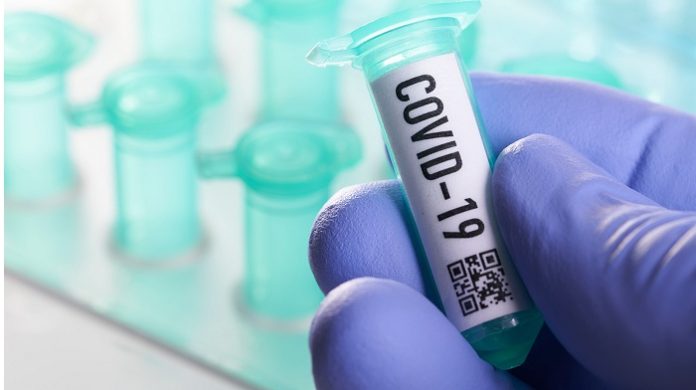
Anavasi Diagnostics Receives FDA Emergency Use Authorisation for AscencioDx COVID-19 Test

Todos Medical Announces First Commercial Sale of COVID-19 Antibody Tests

FEAnavasi Diagnostics announced the Food and Drug Administration has issued an Emergency Use Authorisation (EUA) for The AscencioDxยฎ COVID-19 Test and The AscencioDxยฎ Molecular Detector.

New reusable molecular detector reduces biowaste in clinical use. The AscencioDxยฎ COVID-19 test provides results for the detection of SARS-CoV-2 RNA in as little as 20 minutes. The affordability and portability of the AscencioDx system enables quality point-of-care molecular testing in a wider range of healthcare environments, including facilities such as urgent care centres, mobile testing sites, assisted nursing care centres, and more.

Accurate, quick, and affordable molecular testing are the greatest need for todayโ€™s COVID testing. The AscencioDx COVID-19 Test covers 99.99% of all Omicron variants as well as prior variants of concern. Its speed, reliability, and ease of use are appreciated by the users at clinical trial sites.

The test uses proprietary assay chemistry to target multiple locations on the viral genome, reducing the likelihood of missing a new strain. In addition, the AscencioDx proprietary platform will enable rapid product development of new viral and bacterial targets, including influenza, RSV, sexual health-related strains, and more.


Asensus Surgical to collaborate with Google Cloud on machine learning for surgical robots

Asensus Surgical Announces Machine Learning and Cloud Infrastructure Collaboration with Google Cloud to Advance Performance-Guided Surgery

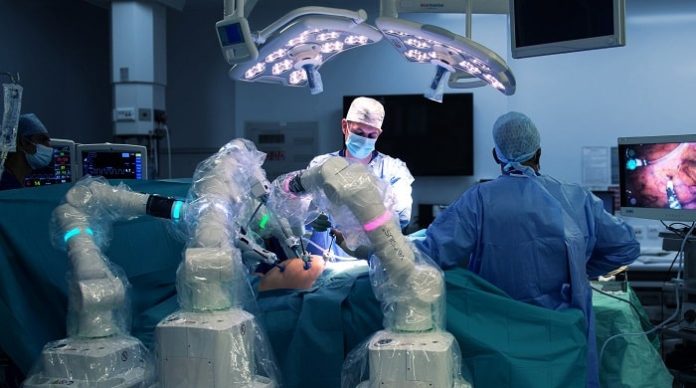
Asensus Surgical, Inc., a medical device company that is digitizing the interface between the surgeon and the patient, today announced a multi-year collaboration with Google Cloud to integrate Google Cloudโ€™s secure cloud data architecture and machine learning (ML) technologies to further expand the capabilities of the Asensus Surgicalโ€™s Performance-Guided Surgeryโ„ข (PGS) framework enabled through the Intelligent Surgical Unit โ„ข (ISUโ„ข).

Performance-Guided Surgery can help surgeons perform procedures more accurately and efficiently, and ultimately help surgeons avoid complications and improve patient outcomes.

โ€œWe are thrilled to be collaborating with Google Cloud to realize and scale our Performance Guidance Surgery capabilities, by leveraging the data collected by our state-of-the-art ISU technology in conjunction with Google Cloudโ€™s leading machine learning technologies and cloud architecture,โ€ said Anthony Fernando, Asensus Surgical President and CEO. โ€œFor several years, we have been pioneering digital surgical capabilities to provide surgeons with novel, real-time intraoperative digital tools and clinical intelligence. This collaboration to better capture clinical performance data and apply augmented intelligence capabilities to provide clinical insight, will ultimately drive consistently superior outcomes for patients.โ€

The ISU is a real-time intraoperative surgical image analytics platform that leverages augmented intelligence to help reduce surgical variability and provides tools to reduce a surgeonโ€™s cognitive fatigue while collecting clinical data related to the surgical procedure. Asensus will enable customer access portals and performance dashboards for surgeons and hospitals, and Google Cloudโ€™s secure cloud data architecture will capture this data. Asensus will use Google Cloudโ€™s machine learning technologies to analyze the data and discern clinical intelligence that can be utilized by surgeons and hospitals in addition to continuously improving the software in the ISU to provide better intra-operative clinical insight.

โ€œAsensusโ€™ expertise in real-time intraoperative tools combined with our expertise in secure data-capture and machine learning will give surgeons advanced insights to help them in their important work,โ€ said Aashima Gupta, Global Director of Healthcare for Google Cloud. โ€œWe are bringing our shared commitment to developing powerful tools for surgeons and healthcare providers around the world, ultimately enabling them to offer more effective, digitally-enabled care to patients worldwide.”


MedCrypt Expands Cybersecurity Partnerships with Leading Diabetes Technology Companies to Bring Digital Innovations for Millions of People Worldwide

MedCrypt, Inc., the proactive cybersecurity solution provider for medical device manufacturers, announced its work with six diabetes care technology providers, including the leading manufacturers of insulin pumps and continuous glucose monitors, to enable the next generation of diabetes technology to get to market faster with security built in by design.

Approximately 37.3 million Americans live with diabetes and of that, it’s estimated that 350,000 use insulin pumps on a daily basis. The Food and Drug Administration (FDA) has tracked the potential cybersecurity risks associated with the use of insulin pumps and glucose monitors, noting that unauthorized users could gain access to these devices while the users are pairing with other system components such as smartphones. Due to the high-benefit nature of these devices, they need to be reliable and trustworthy. Many diabetes devices are connected, increasingly interoperate, and deliver life-saving dosing, meaning it is crucial that they only work with authorized and authenticated parts.

“Diabetes is a constant disruption in the lives of millions of people, and digital tech brings peace and convenience so that people living with diabetes can control their own health,” said Mike Kijewski, CEO of MedCrypt. “But digital innovation requires security innovation, too. The devices themselves need to ‘trust’ each other through the binding of a unique cryptographic certificate to a device. This area of digital technology couldn’t be more closely in line with why MedCrypt exists. We are solving the unique security challenges in digital healthcare โ€“ at scale โ€“ so that our customers can confidently build the clinical innovations of the future.

“The need for proactive cybersecurity within diabetes devices is growing; with the benefits of connected devices comes the potential to expose multiple connected devices to cyber threats,” said Naomi Schwartz, Senior Director of Quality and Safety at MedCrypt. Her background includes working at the FDA to evaluate software and cybersecurity for the world’s first regulated Automated Insulin Delivery (AID) System and developing Class II regulatory pathways for the three major components of AID systems, a game-changer for supporting patients with insulin-dependent diabetes. “Data indicates that physicians and pharmacists in hospitals are thinking about security and that they need clearer information about privacy, security & data sharing before prescribing diabetes tech to their patients. But with this in mind, healthcare providers can’t be specialists in the technology itself and the potential privacy issues. They need a specialist to provide security and privacy assurances; MedCrypt is empowering companies to move faster, designing better, more secure, connected devices, allowing practitioners to prescribe devices without concern about the security of connectivity.”

“People living with diabetes are the best experts in their chronic condition. They live with these devices every day; we couldn’t possibly know more about the impact of their devices than they do,” said Shannon Lantzy, MedCrypt’s vice president of consulting. “We understand how important interoperability is. MedCrypt partners with manufacturers to build technology that provides trust, transparency, interoperability, and choices.”

MedCrypt currently provides enhanced security products and services for seven of the top 10 medical device manufacturers and startups and mid-sized companies, including the leading manufacturers of surgical robotics technologies and virtual reality applications for minimally invasive surgery.

In early November 2022, MedCrypt announced a $25M Series B funding round, followed by additional investment from Dexcom Ventures in January 2023. The company will use these funds to scale its cryptography, behavior monitoring, and vulnerability management products across various medical devices, such as glucose monitors and other diabetes devices. For more information about MedCrypt and its suite of security solutions, please visit medcrypt.com.


Hyperfine Announces FDA Clearance for Improved AI-Powered Software

Hyperfine Announces FDA Clearance for Improved AI-Powered Software

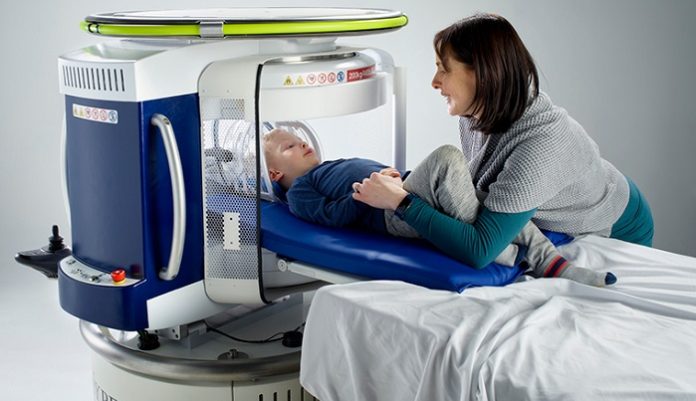
Hyperfine announced the U.S. FDA 510(k) clearance and launch of the companyโ€™s upgraded AI-powered software.ย Latest Swoopยฎ software improves image quality for DWI imaging of the brain. The improved image quality more clearly displays underlying brain structure, further accentuating diffusion positivity and potentially increasing confidence in image interpretation and clinical decision-making.

The most recently cleared Swoopยฎ software improves the image quality of the diffusion-weighting imaging (DWI) sequence with increases in its signal-to-noise ratio. An additional update in this software release increases the Swoopยฎ Portable MR Imagingยฎ System field of view by 10 percent for T1, T2, and FLAIR sequences to match the previously improved DWI sequenceโ€™s 20cm field of view. Field of view size is important for visualizing pathology deep in the brain.

When interpreted by a trained physician, these images provide useful information in determining a diagnosis. The Swoopยฎ system is approved for brain imaging in several countries, including Canada and Australia, has UKCA certification in the United Kingdom, and is also available in New Zealand and Pakistan.


7 Tips To Follow When Working On A New Food Product

Launching a new food product successfully requires careful planning, creativity, and an understanding of the industry. Food products are highly regulated and require approval from local health authorities prior to entering the market. Therefore, it is important for entrepreneurs to understand the process of developing a successful food product that is approved by regulatory bodies. In this blog post, we will cover seven tips to keep in mind when working on a new food product. We will also discuss the challenges that entrepreneurs may face when launching a new food product. So whether you are just starting out or have been in the industry for a while, we hope that this advice will help you create a successful food product.

1) Use Analytical Testing Services

Analytical testing services help to ensure the safety and quality of food products before they reach consumers. These services provide an objective assessment of a potential food product’s nutritional value, chemical composition, microbial counts, and other important factors. Experts at venogen.com say that all samples should be stored and kept in a temperature and humidity-controlled cold room after sample receipt until all testing is finished. This helps to ensure the accuracy and integrity of all test results.

2) Adhere To Good Manufacturing Practices

Good manufacturing practices (GMP) are necessary to ensure that food products meet the highest possible standards of quality and safety. All businesses involved in the production, processing, packaging, or distribution of food must adhere to GMP guidelines. This will help to minimize the potential for contamination or other hazards that could affect consumer safety. It is important for entrepreneurs to have a comprehensive understanding of GMP requirements and take steps to comply with them when developing a new food product.

3) Design A Comprehensive Food Safety Plan

Developing a comprehensive food safety plan helps entrepreneurs create effective systems for preventing contamination throughout their supply chain. This includes establishing procedures for managing raw ingredients, controlling microorganisms during production processes, monitoring storage facilities and conditions, and ensuring proper labeling. GMP practices are necessary to ensure that food products meet the highest possible standards of quality and safety. All businesses involved in the production, processing, packaging, or distribution of food must adhere to GMP guidelines. This will help to minimize the potential for contamination or other hazards that could affect consumer safety. It is important for entrepreneurs to have a comprehensive understanding of GMP requirements and take steps to comply with them when developing a new food product.

4) Analyze The Market

Successful entrepreneurs understand their target market and design products accordingly. Therefore, it is important for entrepreneurs to conduct market research before creating a new food product. This includes focusing on the current trends, customer needs, pricing, marketing channels, and competition in the industry. Analyzing the market will provide entrepreneurs with valuable insights into what consumers need and allow them to create products that meet those needs in an effective and cost-efficient way.

5) Take Into Account Regulatory Requirements

Regulatory requirements can have a major impact on the development of a new food product. Therefore, entrepreneurs must ensure that they are aware of any regulations applicable to the product and take steps to comply with them. This includes researching relevant health standards and making sure that all labeling is accurate and compliant with local laws. It is important for entrepreneurs to familiarize themselves with regulatory requirements before developing a new food product in order to avoid any potential fines or penalties associated with non-compliance.

6) Build A Strong Brand

A strong brand can help entrepreneurs stand out from their competitors and attract customers. Building a strong brand can include creating an eye-catching logo, designing effective packaging, crafting memorable slogans, launching promotional campaigns, setting up social media pages, and engaging with customers. By taking these steps, entrepreneurs can create an engaging brand that resonates with consumers and helps them to differentiate their products from the competition.

7) Monitor Quality Control

A thorough quality assurance program is important for entrepreneurs developing a new food product. This should include monitoring any potential hazards during the production process, testing finished products, inspecting incoming ingredients, assessing packaging integrity, and conducting regular audits of the facility. Establishing a strong quality control system will help entrepreneurs ensure that their products meet all safety standards and comply with established specifications.

Creating a new food product is a complex process that requires entrepreneurs to take several steps in order to ensure success. By following these tips, they can create products that meet all necessary standards and provide customers with a safe and enjoyable experience.

Translate ยป