






Close
Digital Health & Ai Innovation summit 2026
Medical Taiwan 2026

6 Warning Signs That an Elderly Relative is Being Mistreated in Their Nursing Home

Every year, hundreds of thousands of adults over 60 are neglected, abused, or financially exploited. This abhorrent behavior is called โ€œelder abuse,โ€ and it can happen in nursing homes. If you suspect your elderly relative is being mistreated, you need to take action right away.

How to Get Expert Legal Help and Support

If you witness any of the following warning signs, know that you donโ€™t have to tackle this problem alone. Remember that elder abuse wonโ€™t stop on its own. Someone has to step in and help by reporting the mistreatment. But before that, talk to your relative and say youโ€™re worried.

Many local, state, and national services can help with legal, emotional, and financial abuse, including The Administration for Community Living. You can also call the Eldercare Locator number at 800-677-1116. Most states require a lawyer or a doctor to report mistreatment.

Hughey Law Firm in South Carolina can help families deal with mistreatment in elderly care facilities. Their nursing home abuse attorneys can support you through the whole process.

6 Warnings Signs of Elderly Abuse in a Nursing Home

Quick action can stop multiple types of abuse at its source. To help you identify potential mistreatment of an elderly relative, here are 6 warning signs you should be aware of.

1. Physical Injuries
Physical abuse is the easiest to spot, but your relative may cover up to hide cuts, bruises, or other injuries. If your relative winces when you touch them, backs up to avoid contact, or has unexplained scars, ask them how they got the injury and take note of their answers.

2. Unsanitary Living Conditions
In a nursing home, thereโ€™s no excuse for a dirty, messy, or otherwise unsanitary room. If you notice your relativeโ€™s living conditions are subpar, the nursing staff is neglecting their needs. Ask your relative how often staff cleans their room and if theyโ€™re satisfied with their living conditions.

3. Lack of Personal Hygiene
An unsanitary living condition and a lack of personal hygiene go hand in hand, so if you notice a messy room, pay attention to your relativeโ€™s person. If they have unwashed hair or dirty clothes, they may not be bathing regularly. Bed sores and aggression are other signs of poor hygiene.

4. Trouble Sleeping
While a poor sleep schedule isnโ€™t always a sign of abuse directly, it could be a symptom of an underlying issue. For example, depression, financial stress, and poor nutrition can make it harder to sleep through the night. To narrow it down, talk to your relative about their sleep.

5. Medication Errors
If your elderly relative is experiencing medication errors, this could be a sign of mistreatment. If your relative is going without life-saving medication, thatโ€™s another bad sign. Ask your relative if theyโ€™re taking their medication, and check for withdrawal signs, like rocking or teeth grinding.

6. Unusual Financial Transactions
Financial abuse or neglect is unfortunately common and hard to notice, but you can check for past-due bills or possible exploitation. If you’re close to your relative, ask them who has access to your account. Question if more money has gone missing or if they purchased anything lately.

In Conclusionโ€ฆ

If you notice any of these warning signs, it’s essential to take action right away. Contact the nursing home management and report your concerns. If the situation is serious, you may need to contact the police or a social services agency. Donโ€™t forget to contact a local attorney.

Even if you donโ€™t notice any of these warning signs, that doesnโ€™t mean they arenโ€™t being abused. However, if your relative is acting out of character, trust your gut and ask someone for help.
TAC Healthcare Groupโ€™s New MRI Service Extends Diagnostic & Treatment Offering

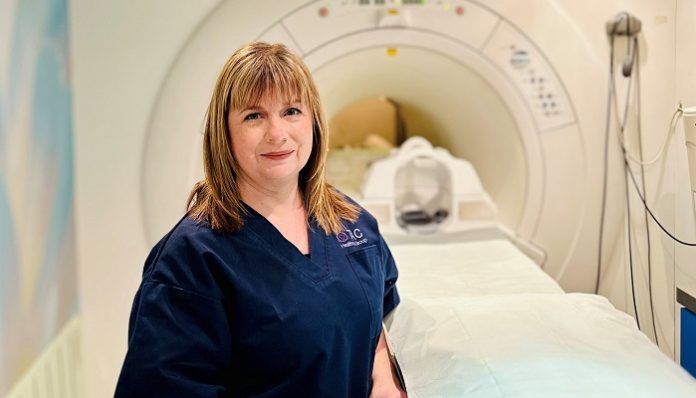
Aberdeen-based TAC Healthcare Group announces today (Thursday 16th February 2023) that it has taken delivery of its first MRI scanner in partnership with InHealth, the UKโ€™s largest specialist provider of diagnostic and healthcare solutions.

With demand for MRI increasing year on year, this new service will provide the people of the North East with faster access to imaging, thus allowing them a more rapid return to normality following injury and reducing the stress of waiting a prolonged period of time for diagnosis or with long-standing or acute conditions.

The new MRI scanner is located at TACโ€™s Dyce headquarters on Wellheads Road in Aberdeen and sits alongside its specialist diagnostic endoscopy suite already in place. The scanner adds valuable additional capacity to available imaging services in NE Scotland and is led by TACโ€™s specialist MRI Team.

Speaking of the new MRI scanner, Bev MacLennan, Lead MRI Radiographer at TAC Healthcare Group, says, โ€œFollowing the pandemic, MRI waiting times have increased significantly across Scotland. By taking delivery of the scanner, we can now offer an alternative location in Aberdeen, at which we can support patients, quickly and effectively.โ€

Bev continues, โ€œWe will be a private referral point for medical and surgical consultants, including orthopaedic and neurology specialists working within the private sector, GPs, and advanced practice physiotherapists, as well as our in-house physiotherapy and occupational health teams. Having the technology and specialist teams under one roof at TAC means we can provide a full treatment plan in a fast timeframe from a multidisciplinary team, working across departments to provide new and existing patients with an enhanced patient experience. Our ultrasound department offers a vast range of ultrasounds. Our partnership with InHealth enables us to bring about a comprehensive diagnosis by integrating ultrasound and MRI imaging findings for a comprehensive diagnosis, so that tailored and appropriate treatment pathways, where possible, can be commenced without delay.ย  This will enhance our multidisciplinary comprehensive sports injury services, from diagnosis to treatment plans, which can include ultrasound-guided joint injections or monitoring of a healing process utilising our available imaging services.โ€

Bev concludes, โ€œUltrasound is utilised in diagnosing pathology within gynaecological and abdominal organs, and musculoskeletal, vascular and superficial structures. It is also frequently used in the fertility process, including those undertaking IVF or pharmacological induced cycles. And as everyone classically thinks of ultrasound, we also support antenatal care, providing supplementary obstetric medical ultrasounds.โ€

Jenni Butler, Lead Physiotherapist at TAC Healthcare Group, says, โ€œTaking delivery of the MRI scanner also allows us to expand our relationships with sporting teams and gives fast access imaging for local athletes. From sports professionals to weekend warriors, we can now offer patients rapid appointments following a healthcare professionalโ€™s referral. Having the MRI scanner on-site allows us to expand the current physiotherapy department, giving fast access imaging for individuals and local sporting teams.โ€

Ken Park, Clinical Director at TAC Healthcare Group, says, โ€œTaking delivery of our first MRI scanner not only develops our range of services at TAC but also provides consultants, specialists, GPs, and advanced practice physiotherapists, with alternative options for their patient care. As many will have seen in recent news, there is an urgent need to have alternative scanning options in place outside of the NHS to support the ongoing strain on the NHS and to provide a more rapid service to patients. The team at TAC continue to work together with a common aim of providing excellence in healthcare.โ€

Diabetes Goes Undiagnosed To Be Later Spot By ED Screening

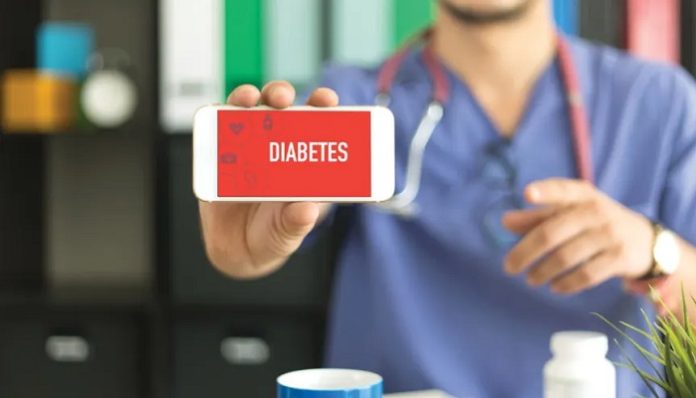
One of the diabetic screening programmes within an emergency department lets the patient identify undiagnosed disease as well as prediabetes.

A Chicago hospital emergency departmentโ€™s pilot study can very well pave the way for the overall development of diabetic screening programs. It is estimated that worldwide, around 415 million people are suffering from diabetes, and the startling part is that a whopping 46% of those with this condition arenโ€™t even aware of it.

Although there is an emergency department that is created in order to give critical access to healthcare, it is also an opportunity to pinpoint and thereafter link patients to other services as well. For instance, the screening services that exist within the emergency department have been created for HIV as well as for disorders related to substance use. Moreover, one Australian study from 2016 that involved regular ED HbA1c testing in a location that had a high penetration of diabetes put out the fact that an initiative such as this was indeed a feasible way to pick out those with the undiagnosed disease and also provided an opportunity to enhance patient care. The notion has been recognised, especially in the US, that ethnic minorities as well as low-income adults have been inadvertently affected by diabetes, leading to increased diabetic complications and mortality risk.

Because of this, in the present study, scientists examined if the pilot programme concerning diabetes screening performed within an emergency department would enable the condition’s identification, especially in those from ethnic minorities.

The researchers have come up with a best practice alert that is built into an electronic medical record that flagged patients from ED who had the risk of diabetes i.e. patients aged 45 years or more or even those falling under the 18-44 year old bracket having a BMI of 25 or higher with no history of diabetes or HbA1c analysis in the last three years. Thereafter, the team looked to get in touch with all potentially eligible individuals.

Detection of diabetes and the diabetic screening programme

Overall, 352 apt candidates with a mean age of 52.2 years, of whom 54.5% were female, were identified. Of the group, 264 were detected as having prediabetes, i.e., a HbA1c level of up to 6.4%, and 88 had a HbA1c of more than 6.5%. 62 had severe diabetes with an HbA1c level of more than 10%. Interestingly, within the group, almost 75% had no prior diagnosis of prediabetes or diabetes. Although the scientists were able to successfully pinpoint patients with undiagnosed diabetes, especially among the ethnic minorities, there were still questions that loomed around the value of taking up diabetic screening in EDs in other areas and whether such a step would prove to be cost-effective or not.

Things to know if you are involved in an accident involving a trucking company

Being involved in an accident involving a trucking company can be an incredibly traumatic experience. Not only do you have to deal with the physical and emotional trauma of the incident, but there are also lots of legal and insurance issues to consider. If youโ€™ve been involved in such an accident, itโ€™s important that you know what steps to take in order to protect yourself and your rights and find a columbia truck accident lawyer. Below is a step-by-step guide for understanding what needs to be done when dealing with a trucking company following an accident.

Trucking Company Accidents Differences

Accidents involving a trucking company differ from those involving private vehicles in several ways. Firstly, the size and weight of the commercial vehicle involved is often much larger than that of a private car or van, meaning that the damages caused by an accident with such a vehicle are likely to be more serious and may even result in injuries or fatalities. Secondly, the insurance policies of trucking companies are generally much more extensive than those of private individuals, meaning that they may be able to cover a greater range of damages resulting from an accident. Finally, itโ€™s important to remember that trucking companies are responsible for many different regulations and laws concerning the operation and maintenance of their vehicles, so any negligence or malfunctions on their part may be considered as a factor in determining liability for damages caused by an accident.

Contact Law Enforcement and Get Medical Attention

Your first priority should be safety, so make sure you contact the police as soon as possible and get medical attention if needed. Even if you donโ€™t think youโ€™re injured, itโ€™s still important to see a doctor as soon as possible. Some injuries may not manifest immediately, so itโ€™s better to be safe than sorry and it is important for your insurance.

Make sure you provide all of the necessary information to law enforcement officers at the scene of the accident, including license plate numbers and contact information for everyone involved in the crash.

Collect Evidence

If possible, try to collect as much evidence from the scene of the accident as possible. This includes taking photos of the scene, getting contact information from witnesses who were present at the time of the accident, and collecting any relevant documents from both parties (like insurance information).

File an Insurance Claim

You should also file a claim with both your own insurance company and the trucking company’s insurer as soon as possible. The insurance companies will investigate the incident and determine who was at fault for causing the accident. Itโ€™s also important to note that trucking companies are required by law to carry higher liability coverage than other vehicles on the road.

Contact A Lawyer

An experienced lawyer will be able to advise you on how best to proceed with filing an insurance claim or possible lawsuit against the truck driver or their employer. If there are any disputes over who is liable for damages caused by the accident or if there are any questions about how much compensation should be paid out, itโ€™s best to hire a lawyer who specializes in truck accidents right away, who can help protect your rights and make sure you get fair compensation.

Step by Step

Dealing with an accident involving a trucking company can be overwhelming and confusing, especially for those unfamiliar with how these cases work. Make sure you contact law enforcement right away after being involved in an accident with a trucking company, file claims with both your own insurance company as well as theirs, and consider hiring an accident lawyer if there are any disputes over who is liable for damages caused by the incident or how much compensation should be paid out. By following these steps, you can make sure that your rights are protected under state laws and that you get fair compensation for any losses incurred due to negligence on behalf of another party or parties involved in the crash. Taking these steps can help ensure that justice is served while still giving you peace of mind during this difficult time.

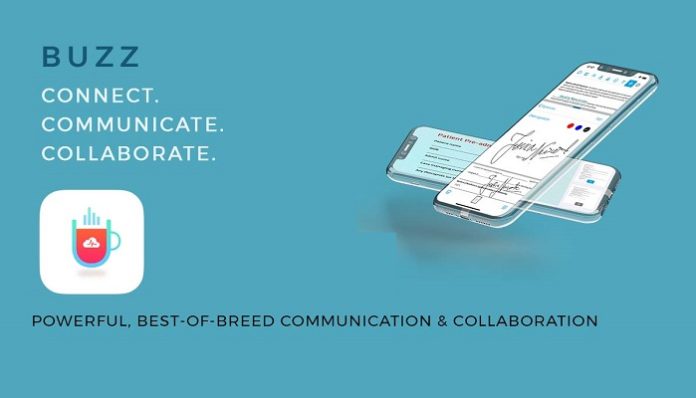
SKYSCAPE(R) LAUNCHES BUZZ(R) FOR SEAMLESS HEALTHCARE COLLABORATION

HIPAA-Secure Care Provider Collaboration and Patient Communication Digital Platform Simplifies Care Coordination, Improves Workflows, Reduces Administrative Burden and Improves Business Outcomes for Value-Based Care Providers.
MARLBOROUGH, MA (February 15, 2023) โ€“ Skyscapeยฎ, the leader in trusted medical information and collaboration software, announces the public launch of Buzzยฎ, a secure collaboration and patient communication digital platform that simplifies case management for care providers. The Buzz platform offers a cost-effective, customizable suite of tools to improve workflows, reduce administrative burden and improve business and patient outcomes.ย 
Buzz seamlessly connects healthcare provider teams across traditionally siloed organizations to streamline scheduling, onboarding, and patient management and supports numerous modalities commonly used for coordination between healthcare professionals. Buzz is an all-in-one, HIPAA-compliant encrypted communications, collaboration, and information-sharing application that supports chat, instant messaging, texting, dictation, images, bi-directional faxes, audio, video, telephone and video calls, calendar appointments, surveys, integrated sms messages, as well as electronic signature/consent and is compatible with leading Electronic Health Records (EHR) software platforms.
โ€œToday’s healthcare organizations must streamline business operations to serve patients better and increase efficiency on the administrative side,” said Sandeep Shah, Founder & CEO of Skyscape. Having worked on digital transformation for healthcare providers for over two decades, we were conscious of avoiding the technology fatigue caused by new platforms. We took the novel approach of ‘client-sourcing’ the innovation and launched Buzz Test Kitchen to demonstrate, validate and augment the platform’s capabilities.โ€
As a result, Buzz incorporated numerous client-requested enhancements for a highly validated and scalable product launch. Our approach accelerated the platform’s adoption, encouraging a high degree of collaboration between staff, averaging several millions of messages per year between care teams of even small agencies,” Shah added. The benefits include avoiding hospital readmissions, staff satisfaction, medication errors, or other miscommunication mishaps.
Buzz is available on all popular platforms, including iPhone and Android devices. It offers a comprehensive suite of unique workflow features designed in an intuitive and provider-friendly format. Healthcare executives and staff have played a role in Buzz’s exceptional ability to handle collaboration and continuous case management by combining messaging, virtual phone with caller-ID, fax, SMS, telehealth video, and document collaboration with e-signatures within a single, unified environment.
The Buzz team helps healthcare organizations reimagine their workflows and create a customizable communications experience with easy onboarding and integration into existing infrastructure and EHR systems.ย 
โ€œThe healthcare marketplace needs a tool to help simplify the rapid innovation of the consumer experience,” said Kartik Shah, co-founder, and COO of Skyscape. “We know our early adopters have saved money and resources through streamlining administrative processes and expediting more efficient communications channels, directly supporting the implementation of value-based care tools.โ€ย 
ย 
Marcus Orlowski, Co-founder and CEO of Higher Standards Home Health, a Medicare-certified group delivering skilled home-based care to the greater Dallas area in Texas, agrees.ย 
โ€œSince implementing Buzz, our group has grown 58%, and we anticipate our group will grow an additional 71% in the coming year,” says Orlowski. “A happy, supportive clinical environment is vital to attracting talent in this industry.โ€

Innovative Technology Every Modern Healthcare Facility Should Invest In

The modern healthcare industry is defined by technological advances that promote patient safety and improve efficiency. Healthcare systems need to invest in the latest technologies to stay ahead of the competition, reduce costs, and provide better care for their patients. In this article, weโ€™ll take a look at some examples of innovative technology every modern healthcare facility should consider investing in.

1. Wireless Hospital Temperature Monitoring

Wireless hospital temperature monitoring is a great way to keep up with the daily requirements of ensuring safe conditions for patients, staff, and visitors. With wireless temperature sensors strategically placed throughout the hospital, personnel can immediately be alerted when certain areas reach pre-determined thresholds that could cause potential harm. Temperature control is critical in a variety of scenarios such as operating rooms, storage units, patient rooms, and laboratories. The wireless hospital temperature monitoring system provides the added advantage of being able to observe temperature changes over time, allowing healthcare professionals to make adjustments when needed. It also eliminates the manual process of having someone manually check temperatures in various areas, saving time and money.

2. Remote Patient Monitoring

Remote patient monitoring is a technology that has been used in some form or another for decades but has seen increased recognition due to its ability to bring healthcare services into the comfort of patients’ homes. By using remote devices, such as wearables and connected devices, healthcare professionals can access vital information about their patientโ€™s health status without having them come into the facility. This not only streamlines communication between healthcare professionals and their patients but also reduces the time spent on paperwork and allows them to focus on providing more personalized care.

3. Software for Medical Practice Management

Medical practice management software (PMP) is a great way to streamline the administrative tasks associated with running a medical facility. These types of software solutions are tailored specifically for healthcare organizations, allowing them to track patient information, manage appointments and billing processes, generate reports, and access data quickly and securely. PMP systems often come with customizable features which make them highly adaptable to any healthcare organizationโ€™s particular needs. Moreover, they can easily integrate with existing IT infrastructure, making it easy to use in any modern healthcare facility.

4. Electronic Health Records (EHR)

EHRs are probably one of the most important technological advances in modern healthcare facilities. By digitizing patient records and tracking health-related data, healthcare providers can maintain accurate and up-to-date information on their patients. This allows them to provide better patient care and reduce the risk of medical errors. EHRs are also highly customizable, allowing facilities to tailor them according to their specific needs. Furthermore, they enable secure sharing between different healthcare providers, making it easy for practitioners in different locations to access and share patient records without compromising security or privacy.

5. An IT Infrastructure to Support All Technologies

To make the most of all these technologies, healthcare facilities need an IT infrastructure that can support them. This involves having a reliable network with fast connections, robust backup systems, and secure authentication protocols. Further investments in hardware such as computers and laptops are also necessary to ensure that personnel can use the software solutions available. By investing in the right IT infrastructure, modern healthcare facilities can better efficiently integrate all their existing technology.

6. Analytics Software

Analytics software is a must-have for modern healthcare facilities as it allows them to quickly analyze patient information and generate insights that can help inform decision-making. By tracking important data points such as medical diagnoses, treatments, drug prescriptions, and more, analytics software can provide healthcare facilities with valuable insight into the health of their patients. This helps them identify trends in their patient population, spot potential problems before they arise, and make better decisions around patient care.

Why Should Healthcare Facilities Invest in Innovative Technology?

By investing in the right technologies, facilities can improve the quality of patient care and reduce administrative costs. By streamlining processes with software solutions such as remote patient monitoring systems, practice management systems, EHRs, analytics software, and IT infrastructure to support it all, modern healthcare facilities can provide better services while reducing paperwork and minimizing errors.ย  Investing in innovative technology also allows healthcare providers to stay up-to-date on the latest developments in their field, giving them a competitive edge. In short, investing in the right technology helps ensure that modern healthcare facilities are providing the best possible care for their patients.

As we saw, there are several innovative technologies that every modern healthcare facility should invest in. By utilizing these tools, healthcare providers can provide better patient care and reduce the risk of medical errors. In addition, they can streamline their operations and become more efficient with their resources. Ultimately, investing in these technologies is a great way to ensure that your healthcare facility is on the cutting edge of innovation.

Choosing the right hearing aid?

Introduction

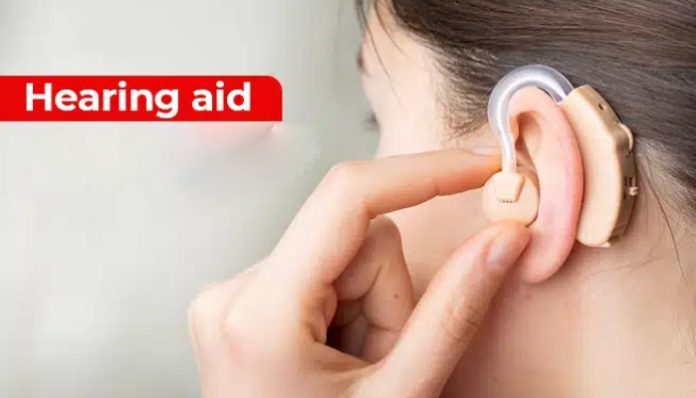
Today, there are many individuals who are facing the problem of hearing loss. Hearing loss can occur due to aging, chronic exposure to noise, and other factors. A hearing aid is the tool that is employed to restore the hearing ability of the person. It should be made clear that using hearing aids wonโ€™t help you regain your natural hearing abilities. It should be emphasised that the most prevalent malfunction in the nation is hearing loss. Most people shy away from using hearing aids because they make them appear older or because they are unsure of which model is best for them. There are certain things that an individual should know before purchasing a hearing aid. Sometimes, hearing aids also face some problems, and an individual should check immediately whenever the hearing aid is not functioning properly. There are six types of hearing aids available on the market. An individual has to choose the hearing aid according to its suitability. This article provides a general overview of the basic concepts involved in choosing the right hearing aid.

Top things to know that help in choosing the right hearing aid

An individual should know that the size of the hearing aid does not play any major role in this decision-making process. As a smart buyer, an individual should look for certain things because there are a variety of hearing aids available in the market. Hearing aids come in different brands, sizes, and styles. An individual should look for other features in the hearing aid like brands, styles, shapes, etc. because the usage of hearing aids is not restricted to improving the hearing aid. An individual should go for a hearing test before opting for any hearing aid. Sometimes, the hearing problem is not cured by a basic hearing aid, so it is important to undergo a hearing test. An individual should accompany a professional doctor, who helps him choose the right hearing aid. An individual should know the life span of the batteries in the hearing aid. An individual should ascertain the functionality of the hearing aid. A person should also compare the prices of the different stores and make an informed decision. An individual should purchase the hearing aid from the offline store, which also offers a demo of the hearing aid. For more information, click hearing aids.

The importance of the hearing aid

There are many benefits to using a hearing aid. An individual who is suffering from hearing dysfunction will feel independent and confident after wearing hearing aids. Hearing aids help improve the quality of life. It also helps in fostering a good social relationship with the other individual and being able to communicate it properly with other people. Hearing aids also help improve hearing quality. Hearing aids also help in enhancing the concentration of individuals while communicating and listening. Hearing aids also help in enhancing cognitive ability. Hearing aids also leads to positive effect on the employment and earnings of the individual.

Conclusion

A hearing aid is the tool that is employed to restore and improve the individualโ€™s hearing ability. It does not help in restoring the personโ€™s natural hearing ability. There are certain factors that should be kept in mind, like price, brand, styles, hearing aids, demo battery life, etc. It encourages preserving wholesome connections with other individuals. A person should choose the appropriate hearing aid after consulting with a doctor because there are numerous varieties available. Hearing aids help improve the quality of life for an individual. There are many advantages to using a hearing aid, as it helps improve the individualโ€™s social relationships.

Gene Therapy Advice From The FDA Reps

Representatives from the US FDA Center for Biologics Evaluation and Research Office of Tissues and Advanced Therapies have said that the gene therapy clinical trials depend on the nature of the disease being treated and that the diseases that happen to be more progressive or that have a rapid onset may have shorter trials.

This was one of the many learnings which was imparted by the officials during the virtual town hall meeting on February 7 so as to answer the questions from the stakeholders on the clinical development of gene therapy for rare diseases that were outside the scope of oncology and hematology. The town hall happens to be a part of the series to answer questions from the stakeholders on the topics that fall under the OTAT umbrella.

The town hall session addressed the factors that should be considered by sponsors when gauging the study population for early phase gene therapy trials, which happens to be the officeโ€™s yardstick for allowing single-arm and externally controlled trials so as to provide primary evidence related to effectiveness for approval, and also the guidelines from the agency to determine the gene therapy clinical trial duration.

According to clinical team leader from the general medicine branch of FDA division of clinical evaluation and pharmacology and toxicology, Melanie Blank, They are working hard to fasten the development of gene therapy and it is indeed a very time in this segment. They are witnessing either one or two applications coming in every week pertaining to different diseasesโ€™ need for gene therapies.

Trial Duration

Branch Chief in General Medicine 1 at DCEPT, Elizabeth Hart, said that there isnโ€™t any one-size-fits-all approach that determines the necessary clinical trial duration, but instead the time length varies based on the disease type that the therapy is known to treat.

A shorter time is going to be needed for diseases that happen to be rapidly progressive so as to demonstrate their efficacy as compared to those that are known to be more heterogeneous. She added that for such diseases, it can be a possibility to showcase a clinically meaningful effect with biomarkers that are valid.

Study Populations And The Factors That Determine Them

As per Blank, the sponsors must do a benefit-risk analysis to make sure that the patients who happen to be most benefited from the therapy are given the preference of enrolment. When it comes to benefit-risk, they are looking to enrol patients who are most likely to get benefited and that they really want to make sure that whosoever enrols ought to have the greatest potential benefit.

The capacity to give informed consent is another significant factor when it comes to determining the study population, said Blank in response to a question on what elements the sponsors must use when looking into the study population for gene therapy trials across every phase.

According to Blank, the older patients who give consent happen to be more favourable than those who cannot give consent. An adult patient is able to provide consent, while the paediatric population provides assent and for that matter, the youngest of all cannot provide either. Blank adds that when the disease is likely to affect the adult population, they go ahead with adults first just to ensure that some preliminary data on safety is available before going ahead with children and thereafter to go into those who can assent, again in that case older before approaching the younger.

Single-Arm Studies: The Conditions

The officials were asked to specify if the agency is going to allow the single-arm use of externally controlled studies in place of two well-directed randomised studies to gauge the new gene therapies’ efficacy.

The branch chief of General Medicine 2 in the DCEPT, Lei Xu, opined that the regulatory approval of gene therapies hinges on efficacy evidence which is substantial from a study that is well-controlled and adequate.

That said, the agency shall approve the external controls like the history as well as the concurrent controls for the gene therapy in order to treat the conditions that happen to be serious and rare. This includes cases pertaining to well understood underlying pathogeneses of diseases, the course of which is well documented and is also pretty much predictable, and can also be verified and measured objectively.

FDA has recently come up with a guideline based on criteria that will be used to allow external controls that shall substitute for two well-controlled randomised trials, although the guidance does not specify rare diseases. Apparently, it was Wilson Bryan, the outgoing OTAT director, who first announced the idea to have a town hall series during a meeting in 2022 so as to enhance the communication done with sponsors and thereby widen the scope of messaging.

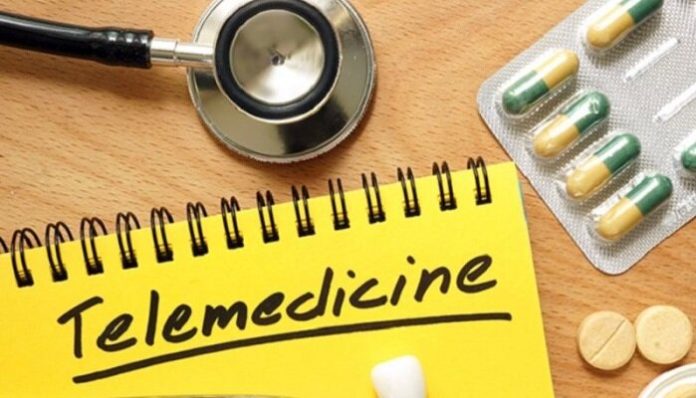
Efficacy And Impact of Telemedicines On The Health Systems

There are evidences which suggest before the pandemic, when telemedicine was operated, it was effective secure, cost effective as well as a patient-centred service. The body of evidence has grown considerably since the pandemic occurred, and it has been brought to light that when telemedicine is not used appropriately, it is not perceived as something that is cost-effective or effective at all.

The idea is to zero-in on what the high quality and value adding features of telemedicines are so that their usage by patients is more widespread. A pragmatic and systematic review of telemedicine that took place between 2020 and 2022 was carried out to gauge its relevance in order to clarify its impact. The evidence that was witnessed came from the data of OCED nations.

The evidence suggested that telemedicines might as well have inequalities when it comes to care access and access among older, poorer as well as rural patients remained a concern as they happen to be among the cohort that is most likely to not gain from the health and digital literacy of telemedicine usage.

There is indeed substantial evidence stating that telemedicine did deliver effective, safe, as well as responsive services, although this contrasted with the views of numerous physicians. In Australia and Canada, a large set of population thought that the quality of care was in fact equivalent to that of in-person consultations. However, in places such as Sweden, Austria, and Norway, there were concerns on if at all remote consultations can replace in-person visits for services ranging from care visits to psychotherapy or also in cases where in-person coordination and bond was not even established in the first place. There were also concerns regarding increased health spending as well as high opportunity costs where serious medical issues were involved.

Emergency physicians as well as other specialists had a concern that the patients who were referred to them never had an in-person consultation and were not even given a proper examination.

When it came to Canada, challenges were raised because there were for-profit services that offered access to care by those with whom the patients had not consulted before, which in fact jeopardised the efficiency of the system.

Besides, telemedicine can also lead to inpatient care, where it would have been more appropriate to initially conduct an in-person consultation. This is especially of relevance in case of certain provider payment scheme that may lead to spending higher with no extra value.

As per a 2021 Canadian survey, 81% individuals who used video consultation revealed that it had helped them avoid doctor in-person or emergency room visits. There have also been instances where mobile health-led integrated care, ehealth interventions, and smartphone app-based models have reduced hospitalisation rates, which has led to lower costs.

On the other hand, teleconsultations can very well increase the patient numbers that are seen by the doctors in one single day, therefore elevating the stress levels because of high workloads.

Two Common Drugs Repurposed For Lacunar Stroke Treatment

Two inexpensive and widely available medications could be repurposed as a novel treatment for lacunar stroke, a kind of stroke connected to roughly half of all dementias. A lacunar stroke is a type of ischemic stroke that happens when one of the tiny arteries in the brain gets blocked and stops letting blood flow to it.

Each year, they affect approximately 25,000 people in the UK and, therefore, can cause memory issues as well as movement challenges.

Researchers from the Universities of Nottingham and Edinburgh conducted a clinical experiment that demonstrated that two drugs already used in healthcare could effectively and safely enhance outcomes after a lacunar stroke.

Treatment of lacunar stroke with drug repurposing

Other heart and circulation problems are currently treated with isosorbide mononitrate and cilostazol. If the findings of further trials are positive, they could be available for the treatment of lacunar strokes within five years.

Professor Joanna Wardlaw, the Chair of Applied Neuroimaging at the University of Edinburgh and Foundation Chair at the UK Dementia Research Institute, has stated that, until now, lacunar strokes have received the same care as other kinds of stroke, yet lacunar stroke plainly differs. He has further gone on to say that now that they understand more about what is triggering these strokes to attack the brain, they have been able to focus their efforts on treatments that can put a halt to this damage.

Before recommending either medicine as a treatment, these findings must be confirmed in larger trials. But given that these medications are currently widely used to treat other circulatory conditions and are reasonably priced, it shouldn’t take long to translate our research’s findings into routine clinical practice.

Enhancing patient outcomes

The trial included 363 participants who had suffered a lacunar stroke. For one year, participants received either isosorbide mononitrate or cilostazol alone, both medications combined, or none, in addition to routine stroke preventive care. The researchers looked into cilostazol and isosorbide mononitrate, which are thought to improve blood vessel inner lining function. Endothelial dysfunction is hypothesized to play a part in cerebral small vessel disease (cSVD).

After one year, people who took both medications were roughly 20% less likely to develop issues with their memory and thinking than the control group. They were also more self-sufficient and reported a higher quality of life.

Isosorbide mononitrate was found to be effective in reducing the risk of lacunar strokes, as well as improving thinking and memory skills, and quality of life. Cilostazol was also found to be effective in improving independence and mood. When taken together, these two drugs had even more positive effects.

The team is now planning to test these drugs in a larger, four-year clinical trial, which they are hoping will start by the end of 2023. These promising findings provide a long-awaited positive step towards the first treatments becoming available for lacunar strokes, offering much-needed hope for thousands of people, said Professor Sir Nilesh Samani, Director of the British Heart Foundation, the trial’s financial sponsor.

Notably, lacunar strokes are not the only reason cerebral small vessel disease might affect someone. These discoveries also open up new areas of investigation into other small artery disease-related illnesses, such as vascular dementia.

Translate ยป