Close
Digital Health & Ai Innovation summit 2026
Medical Taiwan 2026

Philips and Masimo expand partnership to improve telehealth for patients and clinicians around the world

Philips and Masimo expand partnership to improve telehealth for patients and clinicians around the world

Royal Philips , a global leader in health technology, and Masimo, a global medical technology company, today announced an expansion of their partnership to augment patient monitoring capabilities in home telehealth applications with the Masimo W1โ„ข advanced health tracking watch. The W1 will integrate with Philipsโ€™s enterprise patient monitoring ecosystem to advance the forefront of telemonitoring and telehealth. The combined innovation, which draws upon the two global medical technology leadersโ€™ extensive expertise in monitoring, connectivity, and automation, will be highlighted later this month at Arab Health 2023.

Masimo W1 is the first watch to offer accurate, continuous pulse oximetry measurements and other insightful health data. Using Masimoโ€™s secure health data cloud, patient information will be relayed to the Philips patient monitoring ecosystem for remote clinician surveillance. Hospital clinicians will be able to seamlessly and remotely monitor key health markers as their patients move throughout their homes and go about their daily lives. Physicians will be able to more confidently discharge patients knowing that their vital signs will still be monitored (via Masimo W1) and their physiological status tracked (via Philips dashboards), helping them catch possible patient deterioration sooner and make more informed interventions. This breakthrough combination of monitoring and connectivity technologies will enable numerous opportunities supporting early discharge initiatives, hospital-at-home programs, and chronic illness management.

Bilal Muhsin, Chief Operating Officer of Masimo Healthcare, said, โ€œExpanding our partnership with Philips in this way is a win-win for patients and clinicians everywhere, and is an important part of our multi-year plan to bring the best of hospital monitoring to the home while continuing to improve access to quality hospital care.โ€

Fujitsu and Sapporo Medical University launch joint project to realize data portability in the healthcare field

Fujitsu and Sapporo Medical University announced the launch of a joint project starting in April 2023 to realize data portability ย for patientsโ€™ healthcare data including electronic health records (EHRs) ย and personal health records (PHRs).

As part of the joint project, Fujitsu will develop a mobile app that enables users to view healthcare data on their iPhonesย and a cloud-based healthcare data platform to manage patientsโ€™ health data. This project marks the first initiative in Japan to link electronic medical records with Appleโ€™s Health app under Appleโ€™s support.

EHR data stored on the newly developed external healthcare data platform will be converted to a format in accordance with JP Core (FHIR JP Core Implementation Guide Version 1.1.1) , the latest Japanese guideline under the next generation standards framework HL7 FHIR for health information exchange.

By empowering patients to access their medical data from anywhere at any time and play a more active role in managing their own health, the project aims to contribute to the provision of optimal medical care and services tailored to the health conditions of individual patients while simultaneously improving patient engagement .

Sapporo Medical University Hospital, the affiliated hospital of Sapporo Medical University, aims to introduce the system in April 2023.

Background

Japan currently faces increasing demographic pressures as it confronts the challenges posed by one of the oldest populations in the world. In addition to medical services, the usage of medical health data in patientsโ€™ individual health management represents an important issue both for patients and their families. To enable patients as well as medical providers to more easily manage medical data, many countries world-wide are implementing national standards under the HL7 FHIR (Fast Healthcare Interoperability Resource) framework designed to enable the rapid exchange of healthcare-related information, including medical records and other patient data. Many of these initiatives also increasingly promote the use of smartphone apps for health management.

In Japan, however, the scope of use of EHRs and other schemes that allow patients to manage health data on mobiles devices remains limited. To this end, in recent years the Japanese government and relevant ministries started to examine measuresย (7)ย to implement a framework whereby patients can manage both EHRs issued by medical institutions and their own vital data by themselves.

Fujitsu, which has been working to standardize EHRs and develop secure cloud technologies, and Sapporo Medical University, which has been working to improve the quality of advanced medical care in the Hokkaido area, launched a joint project using healthcare data at Sapporo Medical University Hospital to realize data portability in the healthcare field.

About the joint project

1. Overview

As part of their collaboration, Fujitsu and Sapporo Medical University aim to develop a cloud-based healthcare data platform to manage patient data and a system that enables patients to view their personal health information such as EHRs from anywhere at any time on their smartphones.

By storing patientsโ€™ EHRs and vital data on the healthcare data platform and providing access to the data, Sapporo Medical University Hospital aims to improve the quality of medical services based on a detailed understanding of patients’ health conditions.
Fujitsu will develop a smartphone app to access JP Core-compliant cloud-based EHRs issued by Sapporo Medical University Hospital, as well as a cloud-based healthcare data platform to manage patient data. On the app, patients will be able to choose whether they want to store their data externally and to decide about the scope of usage of their personal and healthcare data. In accordance with patientsโ€™ consent settings, Fujitsu will store information from patientsโ€™ EHRs and vital data measured by their iPhones or Apple Watchesย (4)ย in a healthcare data base.
Fujitsu will develop the new app using Appleโ€™s โ€œHealthKitโ€ ย framework and will receive Appleโ€™s technical support within this initiative.

Using the new system, patients will be able to check past medical information they received from hospitals, including test results and medication prescriptions on the app as part of their individual health management.

2. Roles and responsibilities

Fujitsu

  • Construction of a scheme to convert medical data into HL7 FHIR format
  • Development and provision of smartphone app for patients to view EHRs
  • Establishment of a system for consent acquisition and management that enables patients to decide about the use of their healthcare data
  • Provision of healthcare data platform to manage EHRs, vital data, and other data

Sapporo Medical University Hospital

  • Assistance in development of system to convert medical data into HL7 FHIR format
  • Support of system design during app development from medical field viewpoint
  • Improvement of the quality of healthcare through the use of healthcare data in clinical practice
  • Examination of a new regional healthcare model using a healthcare data platform
  • Supervision of system design and operation of the new system in the hospital
  • Promotion of the new app to patients

Future Plans

Moving forward, Fujitsu and Sapporo Medical University will examine additional ways to further utilize healthcare data and realize data portability, and plan to draw on data from multiple medical institutions to build a framework for advanced regional medical cooperation with medical institutions in Hokkaido in Japan.

Sapporo Medical University Hospital will promote the development of an environment for the utilization of healthcare data in clinical practice. As a core hospital for regional medical care in Hokkaido, it will further expand data collaboration among hospitals in Hokkaido and promote the provision of advanced medical care tailored to each patient based on more detailed PHRs. Sapporo Medical University further plans to use individual patientsโ€™ healthcare data in R&D of AI technology for diabetes treatment at its facilities and AI research previously conducted using EHRs. Sapporo Medical University anticipates that patientsโ€™ healthcare data (collected with patientsโ€™ consensus) can in future be used as useful information for selecting appropriate health treatments.

Fujitsu aims to provide comprehensive, personalized healthcare by combining a wide range of healthcare data with the latest digital technologies. Fujitsu will continue to promote “Healthy Living,” one of its key focus areas under its global business brandย Fujitsu Uvance, to help create a world that enriches the life experience of everyone.

PENTAX Medical to launch new premium video processor and endoscope series

PENTAX Medical and Vedkang Establish Endoscopic Therapeutics Joint Venture

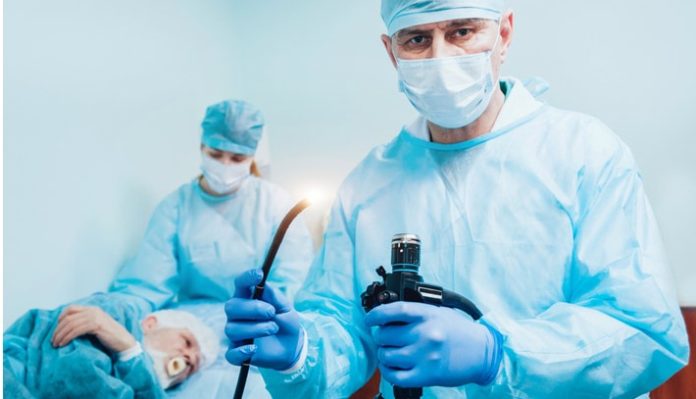
PENTAX Medical, a division of HOYA Group, has obtained CE marks for two of its latest innovations; PENTAX Medical INSPIRAโ„ข, the new premium video processor, and the i20c video endoscope series. Developed with a focus on healthcare providerโ€™s needs, the new video processor maintains compatibility with PENTAX Medicalโ€™s recent endoscope models[1], and sets new standards in combination with the new i20c video endoscope generation.

Optimum image quality

PENTAX Medical INSPIRATM video processor delivers striking image quality with any PENTAX Medical endoscope[2]. Compatible with two connection types, it allows for upgrading the legacy endoscopy portfolio[1] to the latest imaging standards. As a result, the image quality of current endoscope generations meets high-class clinical needs, for an extended duration of time. This smart feature thus extends the lifecycle of each endoscope for greater sustainability, while continuing to meet the highest standards of modern imaging and visualization.

Enhanced user experience

PENTAX Medical INSPIRATM video processor was developed with a focus on healthcare providersโ€™ needs. It combines cutting-edge functionalities in one plug-and-play solution with intuitive usability. The video processor is controlled via a customisable, state-of-the-art touch panel, equipped with innovative image enhancement functionalities and 4K image processing. This ultimately enables physicians to focus on what is really important; achieving optimal clinical outcomes.

Next generation endoscopes with superior ergonomics

The i20c generation of endoscopes is designed with superior ergonomics for healthcare professionals and exceptional imaging for the highest quality of procedures. Physicians instantly benefit from outstanding manoeuvrability, angulation and handling, combined with further improved vision. The unique control body and light-weight connector of the i20c video endoscopes are designed to further optimize the endoscopic workflow.

Rainer Burkard, Global President at PENTAX Medical, comments: โ€œPENTAX Medical INSPIRATM video processor not only upgrades legacy instrumentsโ€™ imaging capabilities, in combination with our new i20c endoscope generation, it is a milestone for endoscopy. In line with our commitment to continually innovate products, this cutting-edge solution provides a future-proof platform and we are proud of the ground-breaking image quality it brings.โ€


FDA Clears Cytovale’s IntelliSep Sepsis Test, First in a New Class of Emergency Department-Focused Diagnostic Tools

FDA Clears Cytovale's IntelliSep  Sepsis Test, First in a New Class of Emergency Department-Focused Diagnostic Tools

Cytovaleยฎ, a medical diagnostics company focused on advancing early detection technologies to diagnose fast-moving and immune-mediated diseases, announcedย  that its IntelliSepยฎ test has received U.S. Food and Drug Administration (FDA) 510(k) clearance to aid in the early detection of sepsis for the approximately 30 million adult patients with signs and symptoms of infection who present to US emergency departments (ED) each year.

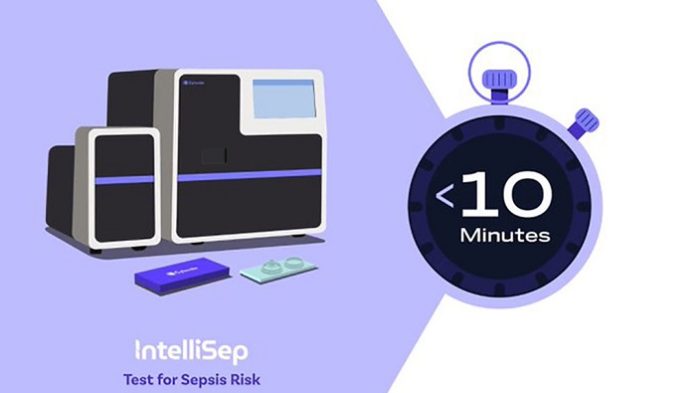
IntelliSep is a groundbreaking diagnostic tool that helps clinicians recognize sepsis and supports critical time-sensitive clinical decisions, providing test results in under 10 minutes. The first in a new class of ED-focused diagnostic tools that assess host response, the test is a simple, fast, and intuitive solution that provides actionable answers directly from a standard blood draw. IntelliSep categorizes patients into three bands according to their probability of sepsis, with Band 1 indicating low probability of sepsis and Band 3 indicating high probability of sepsis. The results may equip providers with a tool to optimize clinical outcomes and empower hospitals to improve resource utilization and achieve operational excellence. IntelliSep may also support hospital efforts to meet guidelines set by the Centers for Medicare & Medicaid Services (CMS) for timely sepsis treatment, known as SEP-1.

Sepsis is the leading cause of death worldwide and is responsible for more than 270,000 deaths every year in the United Statesโ€”more than opioid overdoses, prostate cancer, and breast cancer combined. 1,2 The condition is the bodyโ€™s overwhelming life-threatening response to an infection, which triggers a chain reaction and quickly leads to tissue damage, organ failure, and death.1 The risk of death from sepsis increases by as much as 8 percent each hour the condition goes untreated.2 According to the Sepsis Alliance, as many as 80 percent of sepsis deaths could be prevented with rapid diagnosis and treatmentโ€”making early detection critical to improving clinical, operational, and financial outcomes.1

โ€œEarly detection of sepsis is an invaluable capability for healthcare professionals. Quickly identifying sepsis is critical to saving lives, but until now, weโ€™ve lacked a reliable tool to either recognize the condition or explore alternate diagnoses,โ€ said Hollis Oโ€™Neal, MD, Medical Director of Research at Our Lady of the Lake Regional Medical Center, Critical Care Physician at LSU Health Sciences Center, and National Principal Investigator on the multi-center CV-SQuISH-ED study that supported the clearance. โ€œIntelliSep is truly a game changer for sepsis because it provides a unique indicator that gets to the heart of the current sepsis definition, immune dysregulation. The test provides hospital staff with the information needed to identify and treat septic patients efficiently and reduce the financial and health burdens of overtreatment for hospitals and patients.โ€

The CV-SQuISH-ED study is a multi-center clinical validation study that was completed in early 2022 and is being prepared for publication.3 Data from previously published studies demonstrate the 10-minute testโ€™s potential to aid physicians in rapidly identifying patients at increased risk of sepsis.4

โ€œThis clearance is a pivotal step forward in Cytovaleโ€™s commitment to early detection technologies to improve health,” said Cytovale co-founder and CEO Ajay Shah. “Every minute is crucial in identifying sepsis, and IntelliSep has the potential to transform clinical approaches to sepsis triage and diagnosis and save countless lives.”

IntelliSepโ€™s innovative technology, which is run on the Cytovale System, assesses the bodyโ€™s immune response to an infection using immune cell morphology. By applying pressure to tens of thousands of cells and observing their reaction, IntelliSep can provide valuable new insight related to sepsis. The biophysical properties of white blood cells from septic patients demonstrate distinct changes when subjected to pressure; these changes are captured in images and then characterized using a proprietary algorithm to produce a result.


Nihon Kohden Introduces CoMET to Help Detect Early Warning of Patient Illness Through Artificial Intelligence

HUB Security Partners with Enlitic to Secure Health Data, Enhance Patient Care Through Artificial Intelligence

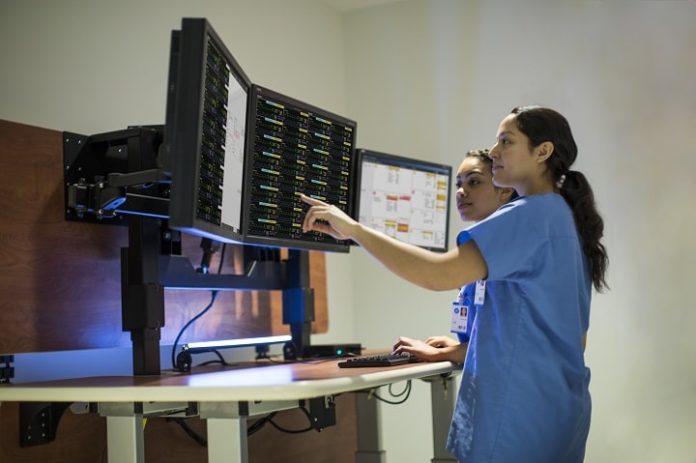
Nihon Kohden America, Inc., a U.S. market leader in precision medical products and services, is happy to introduce CoMET (Continuous Monitoring of Event Trajectories), a tool that can provide an early indication of future risk of catastrophic clinical events. Nihon Kohden acquired CoMET technology through its acquisition of AMP3D (Advanced Medical Predictive Devices, Diagnostics and Displays, Inc.) last year. CoMET can predict the potential for future risk of critical clinical events including, but not limited to, sepsis, hemorrhage, cardiogenic shock, respiratory failure, and emergent intubation.

CoMETโ€™s event trajectories provide clinicians with a visual tool for identifying potential patient deterioration, monitoring treatment efficacy, assessing patient acuity, and managing appropriate staffing ratios. Relative risk for critical events is determined by applying unit population-specific models. These models are developed through machine learning and make predictions using time series of patient lab values, vital signs, electronic health record data, and continuous waveforms.

โ€œWe understand the growing challenges in hospitals and are committed to providing innovative solutions to empower clinicians and support exceptional patient care. Developing CoMET directly supports proactive decision-making for our healthcare guardians and the sustainability of better outcomes.โ€ โ€“ Eiichi Tanaka, President & CEO for Nihon Kohden America, Inc.

CoMET assists real-time decisions for management and stabilization of patients by continuously monitoring data to detect subtle physiological changes. The Artificial Intelligence tool can also rank patients according to predicted risk of severe illness and display trajectories of deterioration and recovery.

CoMET was developed by clinicians, including the co-founder of the HeROยฎ score, with over 100 terabytes of monitoring and waveform data and nearly 100 peer-reviewed publications.

The functionality and integration capabilities of CoMET support Nihon Kohdenโ€™s on-going mission to benefit all. Beyond the worldโ€™s first pulse oximeter, Nihon Kohden leverages its 70-year heritage to set the bar high, with industry-changing innovation for experts by experts.


Foundation Medicine Announces Global Collaboration with Boehringer Ingelheim to Advance Biliary Tract Cancer Care

Foundation Medicine, Inc., a pioneer in molecular profiling for cancer, announced a global collaboration with Boehringer Ingelheim to develop the companyโ€™s tissue-based comprehensive genomic profiling test, FoundationOneยฎCDx, as a companion diagnostic for Boehringer Ingelheimโ€™s investigational MDM2-p53 antagonist, BI 907828, in the United States, Japan and European Union.

BI 907828 is an investigational, oral, small molecule MDM2-p53 antagonist. It is currently being evaluated as monotherapy in Brightline-2 (NCT05512377), an ongoing Phase IIa/IIb, open-label, single-arm, multi-center trial for the treatment of patients with locally advanced or metastatic, MDM2 amplified, TP53 wild-type biliary tract cancer in patients who have progressed on standard of care therapy.

โ€œBiliary tract cancers are rare and aggressive cancers and those impacted have limited treatment options along with poor prognosis,โ€ said Francesco di Marco, Senior Vice President, Head of Therapeutic Area Oncology, Boehringer Ingelheim. โ€œAt Boehringer Ingelheim, we take a diligent and broad approach in some of the most difficult, but potentially most impactful, areas of cancer. Foundation Medicineโ€™s deep understanding of cancer biology and regulatory process makes them an ideal partner for us as we further investigate the role of the MDM2-p53 pathway in cancer development. Our hope is that through this collaboration, we will be able to address the challenges these patients continue to face.โ€

Comprehensive genomic profiling is emerging as an important tool in the treatment of biliary tract cancer given the rapidly evolving therapeutic landscape in this disease area.1 Foundation Medicine has the only FDA-approved portfolio of comprehensive genomic profiling tests, offering physicians both blood- and tissue-based testing options for detecting genomic alterations that help guide personalized treatment decisions.

โ€œHigh quality, well-validated genomic testing is critical to identify biliary tract cancer patients with complex alterations like MDM2 amplifications,โ€ said Sanket Agrawal, Chief Biopharma Business Officer, Foundation Medicine. โ€œWeโ€™re proud to partner with Boehringer Ingelheim as they advance this investigational therapy and if approved, create access to it through companion diagnostic development.โ€


Bayer Acquires Blackford Analysis Ltd. Bolstering the Company’s Position in Digital Medical Imaging

Bayerannounced the acquisition of the global strategic imaging AI platform and solutions provider Blackford Analysis Ltd. The acquisition is part of Bayer’s strategy to drive innovation in radiology, including the development and adoption of AI within the clinical workflow, with the goal to ultimately improve patient care and advance Bayerโ€™s position in digital medical imaging.

โ€œAdding Blackford and its AI technology to our radiology portfolio secures Bayer an excellent position in the fastest growing segment within the overall global radiology industry,โ€ said Stefan Oelrich, Member of the Board of Management, Bayer AG and President of Bayerโ€™s Pharmaceutical Division. โ€œThis acquisition complements our comprehensive radiology portfolio and nourishes our engagement to drive innovation in digital health. We are pleased to join forces with Blackford and their exceptional team to optimally utilize our combined expertise in healthcare technology with the aim to deliver true value to radiologists and their teams for the benefit of their patients.โ€

Blackford, which has a presence in the United Kingdom and the United States, provides infrastructure and access to a rich clinical application (ClinApp) ecosystem focused on imaging and analytics. The acquisition follows a development and license agreement between both companies in 2020 that laid the foundation for Bayerโ€™s recently launched medical imaging platform, Calanticโ„ข Digital Solutions. Building on technology from Blackford and adding additional workflow and analytics components, Calantic Digital Solutions delivers access to applications, including those enabled by AI, for medical imaging.

Blackford will continue to operate as an independent organization on an armโ€™s length basis to preserve its entrepreneurial culture as an essential pillar for nurturing successful innovation. The company will remain accountable to advance its technology, channel partnerships and ClinApp portfolio while benefiting from the experience, infrastructure and reach of Bayer as a global pharmaceutical company. The acquisition is expected to close later this year, pending the satisfaction of customary closing conditions.

โ€œBlackford exists to improve the lives of patients and populations by unlocking the adoption and benefits of medical imaging AI. We investigated many routes to scale our business to deliver our mission and were delighted by Bayerโ€™s invitation to deepen our partnership, whilst continuing to operate independently based on Bayerโ€™s well-established armโ€™s length model,โ€ said Ben Panter, Chief Executive Officer, Blackford Analysis. โ€œCombining our knowledge and experience as one of the leading platform providers in the industry with Bayerโ€™s advanced radiology portfolio will enable us to provide solutions to deliver ongoing clinical value to radiologists and their teams.โ€

The overall global medical imaging AI field with sales of more than USD 400m in 2021 is expected to continue growing dynamically, with an estimated compounded annual growth rate of more than 26 percent (2020 to 2026) reaching USD 1.36 billion by 2026.1 Innovation powered by AI is needed more than ever. Aging populations and changing lifestyles are leading to an increase in chronic conditions, such as cardiovascular disease and cancer.2 Consequently, the demand for medical imaging to detect diseases, guide treatment decisions and support therapy planning is growing.3 AI comes with the value proposition to aid diagnosis and increase the throughput of radiological examinations.

Getinge expands the ICU offering with the new ventilator Servo-c

Getinge expands the ICU offering with the new ventilator Servo-c

Getinge launches its new Servo-c mechanical ventilator targeting selected markets, offering lung-protective therapeutic tools to treat both pediatric and adult patients. Based on decades of knowledge and with all essential functionalities needed, Servo-c is intended to make health care accessible and affordable for more hospitals around the world.

The cost of health care is increasing and along with it the heightened importance for hospitals to invest in safe, high-quality and sustainable solutions. Providing patients with just the right level of respiratory support can be complex, and Getingeโ€™s new ventilator Servo-c, coming from more than 50 years of Servo performance, is designed to simplify this.

โ€œLung-protection challenges come in many shapes and sizes. That is why Servo-c is designed for safe, easy and efficient use that enable personalized respiratory treatments. With the essential functionalities provided, it is ideal for hospitals in the targeted markets looking for a high acuity ventilator at an affordable price point,โ€ says Elin Frostehav, President Acute Care Therapies at Getinge.

Servo-c utilizes modular component parts that help enable a smart fleet management to ensure uptime and drive down costs without the need of propriatory disposables. Features like CO2 monitoring and Servo Compassยฎ are offered to help visualize volume and pressure targets, as well as Open Lung Tool trends for recruitment that helps assess lung mechanics and gas exchange breath by breath, in real time and retrospectively.

โ€œMinimizing interruptions along a patientโ€™s journey towards spontaneous breathing is always a priority in the intensive care unit (ICU). From invasive to non-invasive ventilation and High Flow therapy to weaning, you want a smooth workflow to reach the best outcomes. Servo-c comes with just that,โ€ explains Miray Kรคrnekull, Medical Affairs Director at Getinge.

High Bed Occupancy Leads To More Strain On NHS In The UK

According to recent data, hospitals are still facing substantial strain, with bed occupancy last week reaching the second-highest level this winter in the UK.

In adult general and acute hospital wards, more than 19 out of every 20 beds were occupied (95.7%) by January 15.

Last week, patients who no longer needed to be there filled over 14,000 beds, which is the second-highest number ever recorded and 12% more than during the same time last year (12,498).

With an average of 3,447 beds filled each day by flu patients, the NHS continues to manage a large number of patients who are hospitalised with the disease. (221 in critical care beds, 3,226 in general and acute care beds.)

That said, the most recent data shows that hospitalised flu cases have decreased over the past two weeks, from 5,441 in the week ending January 15.

The number of hours that were lost due to ambulance handover delays decreased by more than three-fifths (36,369 hours to 13,921 hours) during the past week, even though pressure is still high and the NHS maintains that more than 10,000 patients arrive by ambulance at A&E each day.

The latest monthly statistics show that NHS employees are making every effort to provide elective care for patients, with the COVID backlog dropping by almost 30,000 patients to 27,012.

As per the most recent data, 17.2 million COVID shots and 20.4 million flu shots have been given, with roughly four in five adults 65 and older and more than three in five people in the 50 to 64 age range receiving their flu shots.

The NHS made considerable preparations for this winter, establishing 24-hour system control centers, adding thousands of beds, and hiring hundreds more call takers.

Professor Sir Stephen Powis, national medical director for the NHS, stated that these numbers demonstrate that the NHS is under tremendous pressure, with near record highs of patients who are medically able to leave hospitals plus a high number of beds occupied in hospitals throughout England.

The NHS has made enormous preparations for this winter, rolling out additional beds, fall prevention programs, and nationwide, round-the-clock control centers to monitor and manage demand.

The people can also assist by using the best services for their situation – 999 in an emergency and instead 111 online, while there is still time to acquire immunizations if eligible.

Telehealth May Cause Spends To Rise With More Services Taken

There is a continuous debate amongst the lawmakers if the telehealth flexibilities continue the way they are even after the pandemic ends. One complex element is the dearth of insight on how telehealth would affect healthcare spending.

Apparently, virtual care may as well result in savings if payers start reimbursing it at a lower level, although it could also push the use of more services, thereby causing overall spending to rise, as per the researchers.

Research is now arriving at some inferences after two years of spike in the telehealth utilization with possibilities of how the sector is going to get regulated in the future.

KFF analysed almost 100 million claims in 2020 that were compiled by the health care cost institute in order to compare the average spending of private insurers for in person as well as telehealth evaluation, management services, and mental health therapies.

It was also found by the KFF that mental health therapy claims were almost identical in both cases, i.e., in-person and virtual care. For instance, a 30-minute psychotherapy session happened to be $48 for a privately insured individual, irrespective of the fact that it was provided through telehealth or in-person. Among the majority of the physicians who gave telehealth and in-person care, the average paid amount for the claims that were delivered virtually was almost plus or minus 10% of the claims that were delivered in person.

It is still not sure if the private insurers are continuing to pay for telehealth in comparison to in-person care. Although if they have they could make the notion more complex that telehealth decreases spends on common medical services.

As per a professor from Harvard Medical School, it is important to keep in mind that the actual value of telehealth is to increase the access to quality care as well as give access to millions of Americans. Although this is true most of the time, the system does not capture the entire economic value of telehealth when it comes to providing cost saving preventive care, thereby saving employers and patients lost time.

Gauging telehealthโ€™s return on investment has proven to be a challenge as multiple studies have drawn conflicting inferences. For instance, the research that was released in 2022 ascertained that most patients who went ahead with telehealth did not require any in-person follow-up, suggesting that telehealth does not necessarily result in duplicative care. That said, another study from 2017 stated that virtual care enhanced healthcare utilisation as well as spending in California.

Regulations that allow for a broader telehealth payment as well as access are all set to decrease once the pandemic expires, which might be anytime in 2023.

Translate ยป