Close
Digital Health & Ai Innovation summit 2026
Medical Taiwan 2026

Australia Sees $24 Million Funding In Women Health Research

An investment of more than $24 million in health as well as medical research focussed on womenโ€™s health to develop and enhance the targeted treatment and aimed outcomes will be made by the Australian government.

The mental health impacts of treatment on infertility, endometriosis, and breast and ovarian cancer happen to be among the 23 projects that are funded by the National Health and 2022 Ideas Grant funding of the Medical Research Council.

How the new DNA variation contributes to ovarian cancer will be explored by Associate Professor Stacey Edwards, one of the recipients who, along with her group at QIMR Berghofer Medical Research Institute, will be involved in this.

Some of the recent studies have identified human DNA markers that are linked to an elevated risk of ovarian cancer, however, the critical genes that drive this risk are not recognized as yet.

There are almost 1800 cases of ovarian cancer that are identified every year with a 5-year survival rate that is below 50%, thereby stressing the urgent need to improve the choices when it comes to the treatment for women suffering from this disease.

Baker Heart & Diabetes Institute has already been awarded a $1.4 million grant so as to allow Professor Calkin to study the variances when it comes to the heart response of men and women to this exercise.

Another significant instance is a grant worth $1.1 million to Monash University concerning a project led by Fiona Cousins to study immunomodulators, which can be an innovative treatment for endometriosis, a debilitating and chronic disease that has the capacity to affect 1 in every 9 women.

What Does An Emergency First Aider Do?

Emergency first-aiders are very common in many countries. They have been set up to help people who suffer injuries in the workplace or at home.ย 

If a person is injured, they could go to the emergency room, but that would take time, which is not always ideal because it can cause more problems. So what do emergency first aiders do?

Quickly Respond to an Emergency

An emergency first aider is someone trained to respond quickly to an emergency. They can help with minor injuries, such as cuts and bruises, and injuries from accidents. They may also be able to help with more severe emergencies, such as heart attacks and strokes.

An emergency first aider has training in first aid, CPR, and defibrillation, and how to use essential medical equipment like an automated external defibrillator (AED). They should be able to work alone until paramedics arrive or until they reach the hospital.

The primary responsibilities of an emergency first aider include:

  • Assessing the situation
  • Determining the best course of action
  • Implementing that course of action
  • Assisting others during the process

Administer First Aid

An emergency first aider can help you in an emergency. They are trained to administer first aid and can do that without proper medical training, but emergency first aid training is necessary. The Red Cross typically trains emergency first aiders, but other organizations also offer similar courses.ย 

In most cases, emergency first aid will be required by law if you need it while working as an independent contractor because many states require workers to have some form of health insurance coverage.ย 

You could also get specific training through any organization that offers these kinds of courses if you do not already have it through your employer or a course at school or college (for example).

An emergency first-aider can provide the following kinds of first aid:

  • CPR on a person who has stopped breathing (oxygen)
  • CPR on a person whose heart has stopped beating (cardiac arrest).
  • Caring for someone who has been injured or has been cut or burned.
  • Safety checks and first aid for people who have been injured or have been exposed to harmful chemicals.

Preserve Life

An emergency first aider is trained to help people in medical emergencies. They are also known as “casualty care professionals,” typically found in hospitals, but can also be found in the field.

The most important thing an emergency first aider does is preserve life, which means keeping their patient’s heart beating and breathing until medical help arrives. They might also use an automated external defibrillator (AED) to try to restart a stopped heartbeat.

Once they have stabilized their patient, they will run through a checklist of things they need to do before calling for help:ย 

  • Checking for signs of infection
  • Checking that the airway is clear so breathing can resume
  • And making sure there’s some way for them to contact someone who can assist them or get medical attention once they arrive on the scene.

Promote Recovery

An emergency first aider is trained to give immediate, lifesaving assistance to people. They can help you if you are injured and cannot move, if someone is choking or having difficulty breathing, or if someone has passed out from lack of blood flow.

The most important thing an EFA does is promote recovery. They ensure the person is not suffering from injuries that are not immediately life-threatening (like broken bones) and can respond quickly in case something changes.

And to promote recovery, a first-aider must:

  • Provide immediate attention by assessing and stabilizing the patient before moving on to further treatment.
  • Assess the scene for hazards such as toxic substances or electrical hazards.
  • Ensure that all necessary medical equipment is readily accessible.
  • Follow established protocols for treating patients with special needs, such as children and older people.

Final Thoughts

Overall, emergency first-aiders are trained to deal with various injuries, from minor cuts and bruises to more serious ones. They can provide primary care for burns and other injuries that don’t require advanced medical care and perform CPR if necessary.

If you want to get involved with helping others in the community, consider becoming an emergency first-aiderโ€”you will be doing something good while ensuring everyone stays safe.

How Online Counseling And Therapy Have Changed The Healthcare Landscape

Counseling and therapy have often been conducted face-to-face. These sessions are usually done within the therapist’s or counselor’s clinic. They’re incredibly beneficial because the said professionals can quickly gain the trust of their patients, making them open up and be willing to go through the suggested interventions.

Nonetheless, some patients, especially those in rural and remote areas, had difficulty accessing such services. Therefore, medical practitioners had to remedy such scenarios by integrating online counseling and treatment. The sessions would be done by telephone at the beginning; however, technological advancements have increased communication options, such as video conferencing, which supports interactive sessions.

Today, many mental healthcare service providers, such as Insight Northwest Counseling, offer online counseling and therapy. So, one of your main duties is to choose a firm that perfectly aligns with your expectations and needs.

Online Counseling And Therapy: Changing The Healthcare Landscape

Online counseling and therapy have changed the healthcare sector by introducing a new way of providing services to patients. For example, mental health facilities can now use virtual platforms, such as websites, for booking and scheduling. These make it easy for patients to self-book, which is convenient because they can choose a time that fits their schedule. Moreover, counselors can issue important notices, such as absences using these avenues. This is convenient because patients don’t have to visit the medical facility to know their availability. It also reduces congestion in hospitals.

Another type of service accessible through online platforms is getting medical prescriptions. In this case, the physician can issue them online through email, which means patients can get a hold of them quickly.

In addition, online counseling and therapy are especially effective for patients with anxiety issues as they get to be in a safe environment, like their homes. As a result, theyโ€™ll be more comfortable opening up and taking part in different interventions.

Online counseling and therapy can have the same impact as face-to-face sessions, especially when the primary method of communication is video conferencing. This is because all the elements of the latter are present, except physical presence. The patient can see and talk to their physician directly and in real-time.

This setup also makes it easy for the physician to take note of new developments and changes in the patient. This is crucial in creating an intervention plan. For example, if the physician observes behavioral changes in the patient, they can try and figure out the issue by discussing them with the patient as soon as possible.

Benefits Of Online Counseling And Therapy

Online counseling and therapy have changed and benefited the healthcare landscape in many ways. Here are some of those advantages:

  • Improved access: Healthcare is often inaccessible to people in rural areas, racial minorities, and incarcerated individuals. However, online counseling and therapy provide access to these groups of people. Ideally, they make mental health services accessible to anyone who needs them.
  • More mental healthcare options for minors: Minors are probably the most challenging groups to offer mental care to. Nonetheless, the healthcare sector can now use online platforms to care for young people from home, where they feel the safest.
  • Cost-effective: While the initial cost of acquiring equipment, such as a smartphone or computer, can be expensive, online counseling and therapy are worth it. Patients don’t have to bear the cost of traveling to medical facilities for care; they can access it from the comforts of their own homes, which is advantageous for low-income individuals.
  • Vast selection of mental healthcare professionals: Many mental health practitioners offer affordable care online, giving patients enough options. For instance, they can freely choose someone whose services or methods they can relate to and with which they’re comfortable.

Online counseling and therapy have significantly impacted the healthcare sector by improving how care is offered and received, making access to mental healthcare services much quicker and easier without compromising effectiveness.

Methods Of Online Therapy And Counseling

Online counseling and therapy can be carried out in different ways, such as:

  1. Online Group Therapy

Online group therapy is an excellent resource for mental health patients. Ideally, in this setup, the counselor or therapist meets with a group of patients online, which is especially beneficial to those residing in rural or remote areas who might have difficulties accessing the physical clinic. While itโ€™s a fairly new concept, itโ€™s also effective in providing mental health services.

One of the benefits of online group therapy is allowing anonymity, which is essential for people opening up. This is achieved as patients can join a support group using a pseudonym and then hide their faces. Gradually, they’d be confident enough to show their identities.

Another great thing about online group therapy sessions is that patients get to be with people experiencing the same issues as them, allowing them to achieve their goals with the help of one another. Moreover, patients’ health improves tremendously with a strong support system.

While this setup is prone to having fake attendees, counselors and therapists can control admission. They can verify members’ details, ensuring that everyone is a legitimate patient.

  1. Video Conferencing

A counselor or therapist can also conduct virtual meetings with patients through video conferencing using a platform agreed upon by both parties. You can have as many meetings as possible, plus it gives the feeling that you’re in the same room as your therapist. The sessions can also be recorded for future reference and used to monitor your progress.

There are several advantages of video conferencing. For instance, it’s interactive, making a patient learn to trust their therapist despite not meeting them physically. This is crucial to the healing process.

Moreover, video conferencing is convenient for both the therapist and the patient. Sessions can be held anytime and anywhere, so long as the location is private.

  1. Text-Based Chats

Cell phones are the most popular form of communication because they’re accessible, and almost everyone has access to at least one. They can also be used for online counseling and therapy via text-based chats. Virtually all cell phones come with texting capabilities, meaning those that don’t have smartphones can still remotely talk with counselors.

  1. Instant Messaging

Instant messaging refers to the exchange of real-time messages via an Internet-based tool. Itโ€™s typically faster than text-based chats, speeding up consultations and responses.

  1. Phone Calls

Online counseling can take place through traditional phone calls using landline devices, smartphones, or VoIP handsets. Theyโ€™re the perfect choice for areas with poor network coverage that canโ€™t support video calls. Audio calls are lighter and can work in such scenarios.

  1. Mobile Device Apps

Several mobile-based apps have been developed to facilitate online counseling and therapy. You and the therapist must have the specific app installed on your smartphones. Make sure itโ€™s developed by a reputable source to avoid data leaks.

Itโ€™s essential to choose a method that works for you. Consider the kind of device you have, the strength of the network coverage in your area, and your preference.

Challenges Faced By Online Counseling And Therapy

Some of the setbacks of online counseling and therapy include the following:

  • Legal and ethical issues: On the Internet, it might be challenging to guarantee the privacy and confidentiality of patients. Counselors and therapists can’t take the same level of secrecy for granted as they would in an office or hospital; thus, they have to exercise extra precautions to safeguard clients. In addition, these professionals must be familiar with telehealth’s legal and ethical requirements in the country where they practice.
  • Difficulty in controlling sessions: The environment is essential to achieve a dynamic and process-oriented therapy.

The therapist typically has control over the environment by:

  1. Selecting the office’s decor and furniture
  2. Placing a tissue box in the center of the circle
  3. Organizing calming music to play in the waiting area
  4. Facilitating support groups and leading discussions.

However, when sessions are conducted online, therapists and counselors can no longer maintain the ideal environment because they have no control over the settings from which the patients join.

  • Limited technological knowledge: Online therapy and counseling can be tricky for people with little knowledge of technology. It can derail their progress if they can’t attend sessions and properly communicate with the care providers.
  • Limited health insurance coverage: Some medical insurance covers may not include e-therapy, which can be detrimental to patients. Moreover, some physicians who offer e-therapy prefer other forms of payment instead of insurance coverage. This can make online counseling and therapy inaccessible to people who might not afford the sessions. However, this issue might be state-based, and as a patient, you can check your insurance policies to determine if they’ll cover your e-therapy.

These challenges can significantly affect the provision of mental health services. However, online counseling and therapy have the potential to help many people who don’t have access to conventional counseling and therapy.

Conclusion

The healthcare sector has significantly benefited from the introduction of online counseling and therapy. Specialists can offer mental health services to their patients from anywhere. Additionally, vulnerable groups can easily and conveniently access such services at an affordable rate.

With technology evolving and advancing daily, most healthcare services will be offered online wherever and whenever possibleโ€”no need to travel to physical clinics except in dire situations.

FDA To Replicate The Flu Vaccine Process In COVID-19 Jabs

The US FDA intends to simplify the COVID-19 vaccine process to make it look more like what happens in case of flu vaccine.This could include streamlining the composition of the vaccine, scheduling immunizations, and also providing periodic updates to the vaccines.

As per the FDA, it expects to evaluate the coronavirus circulating strains at least once annually and decide in June as to which strains to select for the fall. This is much like what happens in the case of annual flu vaccines.

As per the agency, going forward, most people may only need a single dose of the updated COVID-19 shot in order to restore protection, irrespective of how many jabs they have got before. There would be two doses needed for those who have never been exposed and are very young and those who have a weakened immunity and are elderly.

The agency is looking to shift towards only one vaccine composition rather than going ahead with monovalent vaccines, which are as of now used in the case of primary shots and aim at only one strain, and also bivalent vaccines used for boosters and aim at more than one strain.

According to the FDA, due to the simplification of the composition of the vaccine, the complexity can be reduced, thereby reducing the administration of vaccine errors because of the complex nature of the different vials that are present and thereby increasing vaccine compliance through transparent and robust communication.

The Vaccines and Related Biological Advisory Committee is set to meet on January 26 to discuss the future of COVID-19 vaccine schedules, and there is also a vote that might take place on whether the members agree on the parts of the FDA plan.

This has led to some mixed responses from vaccine experts. One of the former members of the FDA’s expert advisory panel states that the first and foremost thing to take into account is what is expected out of the annual vaccination.

It must be decided as to what the goal of the current vaccine is, and if that is to prevent serious disease or death, then that objective is already achieved. Before annual boosters are considered, the expert said that he would like to ascertain how the current, upgraded boosters fare against subvariants such as Omicron. The committee must also look to have a complete transparent approach from the FDA as well as the drug manufacturers during the decision making as per the expert. There were concerns raised in June last year as the FDA had not shared the entire data with the advisory committee which it possessed on bivalent boosters.

Dr. Peter Hotez, who happens to be the dean of the National School of Tropical Medicine at the Baylor College of Medicine suggests that he looks at the annual update plan as a balance between what is being rolled out and what science says is needed.

However, according to him, this plan has some flaws, as annual updates are just fine when it comes to the virus evolving incrementally based on the previous viruses that are circulating, but is there enough genomic surveillance to get hold of a radically different variant that pops out of nowhere just the way Omicron did. One does not have a surveillance mechanism to gauge it, and there isnโ€™t any genomic sequencing in place either.

Director of the Institute of Immunology, University of Pennsylvania, Dr. John Wherry states the T-cells have been sticking around for up to nine months so far and they are indeed competent to protect against severe outcomes.

He has been studying how second-line immune defenders called T-cells are holding up against the coronavirus strains. Although there is no measurable decline in the T-cells, he is supportive of the FDA’s plans to have an annual COVID-19 jab.

Why Artificial Intelligence Will Play a Vital Role in ‘Work of the Future’

The pandemic has pushed many businesses to โ€œthe most important pivot point of the past couple years,โ€ as Dannielle Appelhans, COO of the Massachusetts-based biopharmaceutical firm Rubius Therapeutics, said in a piece on the MIT Sloan website. Appelhans added that there now appears to be โ€œa path to move forward into what will be our new normal, or our โ€˜work of the future.โ€™โ€

No sector has been impacted as dramatically and obviously as healthcare. In the early weeks and months of the outbreak, organizations found themselves pushed to the breaking point by a large influx of patients. As a result, those organizations were left searching for time-efficient and cost-efficient ways to deal with a wide array of operational, clinical, and administrative challenges.

Artificial intelligence often proved to be the antidote, and is expected to be an even greater factor going forward, given the increased pressure clinicians face to produce accurate documentation as a result of value-based payment models. In addition, healthcare systems are continually striving to meet the challenges presented by a population that is growing older and older.

In a series of 2022 pieces for Forbes, Rick Newell, CEO of Inflect Health and Chief Transformation Officer of Vituity Healthcare, outlined the many aspects of AI in healthcare. His position was unquestionably nuanced, and he did not hesitate to present the technologyโ€™s pluses and minuses. At the same time he wrote the following:

โ€œIn the history of mankind, I don’t think there has ever been a more powerful way to solve problems with novel insights than through the use of AI. Its ability to solve fantastically complex mathematical problems and discover the subtle and nuanced relationships between data has incredible potential to improve healthcare.โ€

Similarly, Top Markets Reports projects that the global healthcare AI market, which stood at $6.9 billion in 2021, will grow to $67.4 billion by 2027, a robust compound annual growth rate (CAGR) of 46.2 percent. That same report said the drivers of growth are such factors as the need to improve efficiency, reduce costs, and keep up with the  demands of an aging population.

AI notably played a critical role in the development of the coronavirus vaccine. In the case of the Pfizer/BioNTech, for example, AI reduced the time it took to analyze data from a clinical trial from a month to less than a day, a key to that particular vaccine being rolled out in under a year.

AI can serve various purposes. It can automate image analyses and thus hasten preliminary diagnoses, as was the case when it was used to identify COVID-19 on chest X-rays. It can also be used to minimize dosage errors, play a role in robot-assisted surgery, and ease administrative burdens.

As noted earlier, the latter will loom ever larger as the worldโ€™s population continues to age. In the U.S. alone, some 10,000 Baby Boomers will be turning 65 every day for the next decade, and by 2030 every Boomer (i.e., one of every five Americans) will be over that age. That will put an untold strain on healthcare systems and demand that technology like AI can help increase efficiency.

AI, particularly as it is used in robotics, can โ€œbring a quick solution, reducing risk of human error and freeing up time for researchers,โ€ as Isma Bennatia, Vice President of Research and Development at the biotech company Amgen, told MIT Sloan.

Many organizations, like The Allure Group, a network of six New York City-based nursing homes, have taken a step in that direction. In Allureโ€™s case, robotics play an integral role in patient recovery and rehabilitation. Allure also incorporates AI-based technologies in their digital suite of services (i.e., remote patient monitoring).

As promising as AI has shown itself to be, it has its flaws. Christine Swisher, Vice President of Data Science at the Oncology AI company Ronin, noted on a July 2022 podcast that the technology is only as effective as the data it is given โ€“ that AI algorithms can โ€œautomate biases that are already part of our healthcare system.โ€ Care must be taken, she added, to provide healthy data:

โ€œWe monitor for a number of cohorts in our data and look for things like social determinants of health. A patient not having access to transportation: Does that result in poor performance of our model? We look at protected classes. We look at age, gender, cancer type. We look at the type of healthcare system theyโ€™re in โ€“ is it an AMC or community cancer center? โ€“ and make sure our model performs well for all groups. If not, we have the system in place to detect that challenge, and fix them quickly.โ€

All that said, the pros of AI in healthcare far outweigh some of the drawbacks. It can serve as a diagnostic tool, a rehab tool and free up clinicians from administrative tasks to better focus on patient care. Moreover, it helps scale the industry, so that it might meet the needs of an aging population.

What is Contact Tracing and How Does it Work

Contact tracing is an important public health tool used to track and limit the spread of infectious diseases. It involves identifying people who have been in contact with a person infected by a contagious disease, and then quickly alerting them so they can take steps to protect themselves and others. Contact tracing has proven to be one of the most effective ways to contain outbreaks, as it allows for early detection, isolation, and treatment of those exposed before symptoms even appear. By following this process diligently, contact tracers help prevent further transmission of disease in communitiesโ€”and ultimately save lives.

Understanding Contact Tracing – What Is It?

Contact tracing is a process by which public health officials identify, assess, and manage people who have been in contact with an infected person. It involves identifying anyone who may have come into contact with the infectious person prior to their diagnosis, as well as any additional people those contacts then may have come into contact with. Contact tracers collect a range of identifying information, including names, contact numbers, and addresses so they can quickly reach out to those affected. Now, electronic contract tracing in the healthcare industry is becoming more commonplace, as it enables contact tracers to quickly and accurately identify those who may have been exposed. Conversely, manual contact tracing is labor-intensive and often less accurate, as it relies on individuals to remember their contacts. The goal of contact tracing is twofold: first, to identify those who may have been exposed and quickly alert them so they can take steps to protect themselves and others; second, to control the spread of infectious diseases by preventing further transmission.

Identifying Contacts of An Infected Person

This typically involves tracing their movements prior to diagnosis and identifying anyone with whom they may have had close contact, such as through physical interactions or by sharing a confined space. Contact tracers use this information to create a list of people who are at risk of infection, which is known as a contact list. Those on the contact list are then notified that they may have been exposed to the virus and should take appropriate precautions, such as self-quarantine and regular symptom monitoring. Additional contact tracing may be required if new contacts are identified during the course of an investigation.

Assessing Risks Associated with Potential Contacts

In addition to identifying contacts, contact tracers also assess the risk posed by potential contacts. This is done by assessing factors such as the degree of contact and the length of time spent in close proximity to the infected person. The purpose of this assessment is to determine which individuals are at a higher risk of developing an infection and therefore should be prioritized for contact tracing.

Implementing Preventive Measures For Those at Risk

Once contact tracers have identified and assessed the contacts of an infected person, they can then implement preventive measures to reduce the risk of infection among those at higher risk. This may involve recommending self-quarantine for a certain period of time, regular symptom monitoring, or other precautionary measures such as social distancing. It is important for contact tracers to ensure that those at risk are aware of the preventive measures they should take, as this is essential for reducing the spread of infection.

Monitoring The Health of Those Exposed to Ensure Symptoms Don’t Develop or Worsen

Contact tracers must also monitor the health of those who may have been exposed to ensure that any symptoms they experience do not worsen or spread. This is done by regularly checking in with those on the contact list and monitoring for any changes in their health status. If any new symptoms are observed, then contact-tracing efforts can be increased to identify additional contacts who may need to be monitored.

Isolating and Quarantining People Who Test Positive or Show Symptoms

Contact tracers must ensure that those who test positive or show symptoms of the infection are isolated and quarantined in order to prevent further transmission. This is done by providing guidance on self-isolation and working with local health authorities to arrange for the necessary isolation measures, depending on the issue. It is also important for contact tracers to provide support for those in isolation, such as ensuring they have access to necessary medical care and other necessities.

Recommending Testing To Those Who May Have Been Exposed

This helps ensure that any infected individuals are quickly identified and can be isolated from the general population in order to prevent the further spread of the virus. Furthermore, contact tracers can provide guidance on where and how to get tested, as well as any other necessary information related to the testing process. They can also provide advice on how to protect oneself from infection, such as by avoiding certain activities or environments.

Documenting and Reporting All Contact Tracing Efforts

This helps health authorities understand the spread of the virus, identify areas of higher risk, and take appropriate action to contain the spread. Additionally, documentation can also provide valuable insights into contact tracing efforts for future research and policy-making.

Providing Support Services To Ensure Compliance With The Quarantine

Contact tracers must provide support services to ensure compliance with the quarantine and other preventive measures. This includes providing information on available resources and support systems for those in isolation, as well as providing guidance on how to stay safe while in quarantine. Contact tracers must also make sure that those in quarantine are aware of the risks associated with breaking the quarantine.

Educating Communities on The Issue of Contact Tracing

Contact tracers must also provide education and training to members of the community on contact tracing and its importance in preventing the spread of infection. This includes providing information on how contact tracing works, what preventive measures should be taken, and why it is important for everyone to participate in the process. Additionally, contact tracers can help raise awareness of the issue and help build public trust in contact-tracing efforts.

The ultimate goal of contact tracing is to limit the spread of infectious disease by quickly identifying those who have been exposed and ensuring that proper preventative measures are taken. This is achieved through proactive monitoring, isolating infected individuals, recommending testing, documenting contacts, and providing support services. Contact tracing is also an essential part of educating communities about the importance of preventive measures and helping build public trust in contact-tracing efforts. As such, it is a critically important tool for controlling the spread of infectious diseases.

6 Important Facts To Know About Neurosurgery

Neurosurgery is a specialized field of medicine that focuses on diagnosing and treating disorders of the nervous system, including conditions affecting the brain, spine, peripheral nerves, and cerebrovascular structures. It is one of the most complex and demanding medical fields due to its intricate nature. Most neurosurgeons undergo long and specialized training before they are certified to practice. Here are six important facts to know about neurosurgery:

1. Neurosurgical Treatments Can Involve Different Levels of Invasiveness

Neurosurgical treatments can involve different levels of invasiveness depending on the severity and complexity of a patient’s condition. The least invasive form of neurosurgery is endoscopic surgery, which Sydney based neurosurgeon Dr.Richard Parkinson describes as “minimally invasive,” meaning that only a small incision is made and no scalpel or bone drills are used. This procedure requires minimal incisions, allowing faster healing times with less pain and discomfort than more traditional forms of surgery.

More complex cases may require open surgery, which involves making larger incisions to access deeper structures within the brain or spine. These surgeries are usually required when tumors need removal, or other structural abnormalities must be addressed inside the nervous system. Open surgeries take longer and cause more postoperative pain than endoscopic procedures. Still, they can provide greater access for surgeons so that problems can be fixed more effectively with fewer risks.

2. Neurosurgeons are Highly Trained Professionals

Neurosurgeons are highly trained professionals who specialize in diagnosing and treating disorders of the nervous system. These specialists must undergo lengthy training before being certified to practice, as neurosurgery is one of the most complex and demanding fields in modern medicine due to its intricate nature.

Neurosurgical training involves extensive knowledge of anatomy, physiology, pathology, pharmacology, biomechanics, diagnostics imaging techniques (such as CT scans and MRIs), medical ethics, and patient safety protocols. Neurosurgeons also must develop advanced surgical skills such as precision suturing under a microscope or operating on delicate parts of the brain or spine with extreme accuracy.

In addition to their surgical expertise, neurosurgeons must also maintain a safe and sterile environment. Proper medical waste disposal is essential for neurosurgery practices. Partnering with a trusted provider likeย TriHaz Solutionsย ensures biohazardous materials, sharps, and other medical waste are managed safely and compliantly.

3. Neurosurgery Includes a Variety of Specialties

Neurosurgery has evolved to include a vast array of specialties. These range from pediatric neurosurgery to adult brain and spinal surgery and functional and stereotactic neurosurgery.

Pediatric neurosurgeons specialize in diagnosing and treating disorders affecting infants, children, and teens, while adult neurosurgeons treat patients with conditions in the brain or spine. Functional neurosurgery focuses on surgical treatments of movement disorders, epilepsy, and other neurological diseases. In contrast, stereotactic neurosurgery involves using advanced imaging techniques to target and treat specific areas within the brain precisely.

4. Neurosurgeons Use Advanced Equipment and Technology

Neurosurgeons utilize advanced equipment and technology to provide the best possible care for their patients. This includes high-tech imaging systems, such as CT scans and MRIs, which help neurosurgeons get a detailed view of the brain or spine to make accurate diagnoses and plan effective treatments.

Neurosurgical tools include specialized instruments such as microscopes, drills, and scalpels that enable neurosurgeons to perform delicate operations precisely. Neurosurgical teams may utilize robotics and computer-aided navigation systems, allowing surgeons to perform more complex procedures with greater accuracy and safety.

5. Neurosurgery Can Be Used to Treat a Variety of Conditions

Neurosurgery is used to treat a wide range of neurological conditions, from the removal of tumors in the brain or spine to treating movement disorders such as Parkinson’s disease. Neurosurgeons use advanced equipment and technology to provide patients with life-saving treatments.

In addition to treating brain and spinal conditions, neurosurgeons perform deep brain stimulation (DBS) to help treat conditions like Parkinson’s disease, dystonia, essential tremor, and other movement disorders. Neurosurgeons can also use a variety of minimally-invasive techniques to treat hydrocephalus (excessive buildup of cerebrospinal fluid in the skull), aneurysms (bulging blood vessels), and vascular malformations.

6. Neurosurgery is a Growing Field

Neurosurgery is a rapidly developing field with new treatments and technologies constantly emerging. The increasing use of robotics, computer-aided navigation systems, and advanced imaging techniques make neurosurgery safer and more precise while enabling surgeons to treat complex conditions more effectively.

The development of minimally-invasive techniques is also helping to reduce patient recovery times and the risk of complications associated with open surgery. As a result, neurosurgery is becoming increasingly important in modern medicine, leading to improved patient outcomes and better quality of life for those affected by neurological conditions.

Neurosurgery is a rapidly growing field requiring specialized training, advanced technology, and special surgical skills. Neurosurgeons can use sophisticated equipment to diagnose and treat a wide range of neurological conditions, providing life-saving treatments that help to improve patient outcomes for those affected by brain and spinal disorders. In addition to physical recovery, itโ€™s important to consider the mental health aspect, as recovery can be overwhelming for many patients. For those who need ongoing emotional support, aย virtual intensive outpatient programย can provide a convenient and effective way to manage mental health challenges during the recovery process. By staying up-to-date with the latest developments in neurosurgery, patients can benefit from improved treatments and better quality of life. Neurosurgeons are truly making a difference in the lives of their patients every day.

Nestle Health Science Invests $43 Million in Manufacturing Site

Nestlรฉ Health Science is investing $43 million to expand its manufacturing facility in Eau Claire, Wisc. The investment will add two new production lines to increase the manufacturing capabilities of the site, which produces a range of medical nutrition products, such as tube feeding formulas, and nutritional drinks from brands, including Boostยฎ and Carnation Breakfast Essentialsยฎ.

A zero waste-to-landfill facility, the Eau Claire site will package the ready-to-drink nutrition products in Tetra Pakยฎ cartons made with responsibly sourced material. It is also investing in water optimization to ensure that, by the end of the year, over 90% of total factory water usage is fully recovered.

The Eau Claire facility is a global leader in the companyโ€™s sustainability efforts, recently receiving B Corp Certification, which requires meeting high standards of social and environmental responsibility and transparency across five areas: Governance, Workers, Community, Environment, and Customers.

In 2022, the facility was recognized by the U.S. Dept. of Energy Better Plants initiative for reaching its energy reduction goal over two years ahead of schedule. All Nestlรฉ Health Science factories and sites are committed to being powered by 100% renewable electricity by 2025.

“With this investment, Nestlรฉ Health Science will expand and enhance our manufacturing facilities to better meet the needs of patients and consumers,” said Gaรซtan Sion, vice president of manufacturing, Nestlรฉ Health Science U.S.

โ€œNestlรฉ Health Science’s additional investment in Wisconsin is great news for the Eau Claire community and our state,โ€ says Missy Hughes, secretary and CEO of the Wisconsin Economic Development Corporation, the stateโ€™s lead economic development organization. โ€œTheir commitment to innovation, sustainability, and economic well-being makes them a leader not only in Wisconsin but in the global marketplace, and we welcome their expansion in our state.โ€

Omron Healthcare Unveils New UK Remote Patient Monitoring Service

5 Compelling Reasons for Custom Developing an Appointment Scheduling App for your Healthcare Practice

Omron Healthcare remote patient monitoring service, is the first step to transforming how chronic care is managed in the UK. Viso empowers patients to take the right actions to better manage their health while sharing data with a clinician to provide better care.

Viso is an NHS-approved app and digital health service offered by participating physicians that enables a patient to work remotely with his or her doctor to manage common long-term health conditions like high blood pressure, AFib, diabetes, and heart diseases. The service is designed to boost the standard of care even for early-diagnosed chronic conditions and to engage the patient in understanding their condition and how to manage it.

With Viso, the physician communicates medication decisions and other treatment actions in real time, directly to the patient, through the app. Visoโ€™s automated reminders and scheduled condition management actions keep the patient engaged in treatmentโ€”an essential step for chronic care management.

The physician remains in control of all remote patient care through Viso, which integrates with medical records systems Egton Medical Information Systems (EMIS) and SystmOne so that decisions taken within the platform are storedโ€”safely and securelyโ€”in the patient record.

โ€œViso by Omron is easy to use, intuitive, and provides a personalized approach with automated titration recommendations to allow for more monitoring and more data. This reduces the need for office visits and helps the patient make progress faster. Viso helps the physician focus time on those facing the highest health risks,โ€ says Paul Stevens, Omron Healthcare Europe director of digital health.

Viso will be widely available as Omron is partnering with forward-thinking health systems, such as Dorset, NorthWest London, and Frimley, as well as primary care networks independently commissioning Viso to support patients within their local populations.

The unveiling of Viso in the UK follows Omronโ€™s successful launch of its first remote patient monitoring service, VitalSight, in the U.S. two years ago.

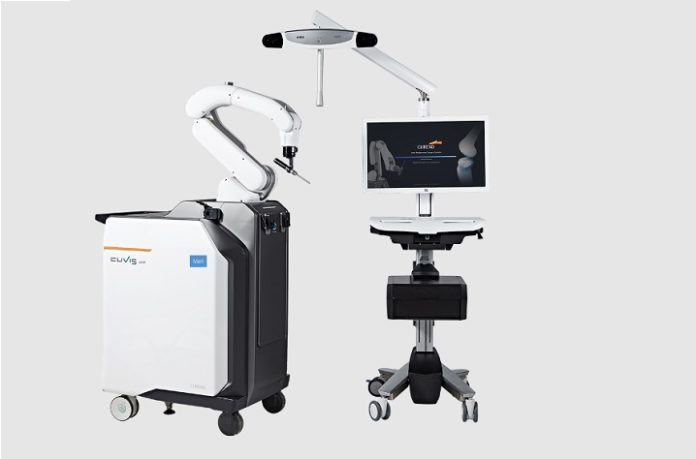
Artemis Hospital introduces CUVIS Joint Robotic System for total knee replacement

Artemis Hospital introduces CUVIS Joint Robotic System for total knee replacement

Knee problems are seen increasing rapidly nowadays in the age group of 45-50-year-old middle aged individuals. Sedentary lifestyle, lack of physical exercise and ignoring knee injuries are some of the major causes of this increased trend in the society informed doctors from Artemis Hospital, Gurugram. The team of doctors present at the event were Dr. I P S Oberoi, Chairperson, Orthopaedics Program & Chief-Robotic Joint Replacement and Arthroscopy Surgery; Dr Sanjay Sarup, Head Orthopedics (Unit II) & Chief pediatric Orthopedics & Spine surgery; Dr (Prof.) Ravi Sauhta โ€“ Chief & HOD Orthopedics & Joint Replacement (Unit VI); Dr Ramkinkar Jha, Chief & Unit Head Orthopedics (unit III); Dr Devendra S. Solanki, Head Orthopaedics (Unit I) & Dr Sandeep Chauhan, Head Orthopaedics (Unit III).

Dr Oberoi informs, โ€œWith the advent of MRI, we are now able to diagnose knee injuries and problems in a lot of detail, especially diagnosis of ligament tears and rupture are more precise and detailed. The advent of better diagnostic tools and medical technology has paved way for early interventions, thereby, reducing further damage to the knees and improving the patientโ€™s physical condition. However, we are witnessing that due to long years of neglect and apathy towards knee problems more and more people are now having severe problems and are being advised knee replacement surgery, especially patients with advanced stage arthritis.โ€

He further adds, โ€œSometimes, patients having arthritis like rheumatoid arthritis, also have severe knee deformities. The precision with which the implant is put after robotic surgery is much better even in severely damaged knees. Robotic surgery is a boon to most of the patients having knee arthritis. Younger individuals with knee pain should get investigations in form of MRI and X-ray scans done to see for the damage which have just started happening and if the damage is advanced or progressing, then there are techniques to get them back on to work as fast as possible with robotic computing assisted surgeries.โ€

Artemis Hospital, Gurugram has recently acquired CUVIS Joint Robotic System for Knee Replacement Surgery, which allows surgeons to preplan surgery through personalized 3D CT imaging. The system is simple to operate and offers flexibility to the surgeons with a range of cutting options. The procedures are accurate, minimally invasive and very safe for the patients. With the help of the CUVIS JOINT Robotic System surgeons can perform precise implant placement which results in a more natural feeling after surgery. Patients also benefit as there is a reduced risk of injury to adjacent tissues and risk of infection after robotic surgery is also low. The patient loses less blood due to smaller incisions and the pain is substantially less. The implants have better longevity, thereby, patientsโ€™ have better long-term functioning of the knees and improved quality of life.


Translate ยป