Close
Digital Health & Ai Innovation summit 2026
LiGHT26

MiniMed 780G System Gains CE Mark for Abbott Instinct Sensor

MiniMed 780G System

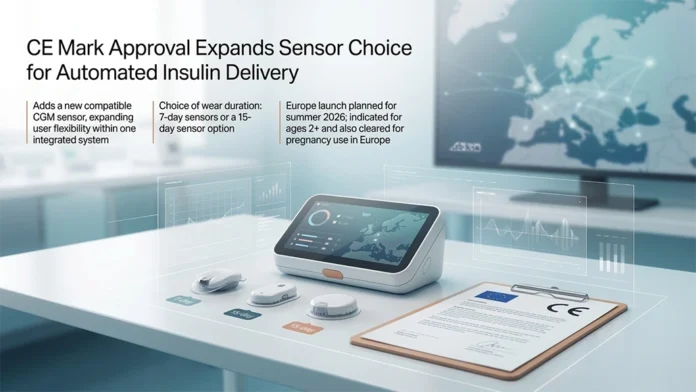
MiniMed Group, a global provider of integrated insulin delivery technologies, has secured CE (Conformité Européenne) Mark approval to use the MiniMed 780G system with the Instinct sensor developed by Abbott. The authorisation broadens the number of compatible sensors available for the company’s automated insulin delivery platform, expanding options for users of the system.

“At MiniMed, every advancement begins with listening to the needs of people living with diabetes,” said Que Dallara, CEO of MiniMed. “By offering more sensor flexibility within a fully integrated system backed by the proven clinical outcomes of our MiniMed™ 780G system1,2,3,4 we’re helping lighten the burden of daily management and giving individuals the freedom to choose what works best for them.”

The MiniMed 780G system already supports the Guardian™ 4 and Simplera Sync™ sensors, each designed to provide up to seven days of wear time. Following the latest approval, the system will also operate with the Instinct sensor, which has been developed exclusively by Abbott for MiniMed’s automated insulin delivery (AID) system. The Instinct sensor is described as the world’s smallest, thinnest and most discreet continuous glucose monitoring (CGM) sensor and can be worn for up to 15 days.

With the addition of the Instinct sensor, individuals using the MiniMed™ 780G system can now select between sensors offering either 7-day or 15-day wear durations, enabling greater flexibility depending on personal preference and lifestyle requirements. MiniMed plans to introduce the MiniMed™ 780G system with the Instinct sensor commercially in the first European countries during the summer of 2026. The company also intends to showcase the complete system at the 19th International Conference on Advanced Technologies and Treatments for Diabetes (ATTD 2026) scheduled to take place in Barcelona from March 11–14, 2026. In Europe, the MiniMed™ 780G system is indicated for individuals aged two years and older with insulin-requiring diabetes (type 1 and type 2) whose total daily insulin dose is six units or more, and the system is also CE marked for use during pregnancy.

SmartHeart, the Cardiac MR Suite by Philips Gets Clearance

Cardiac MR Suite by Philips

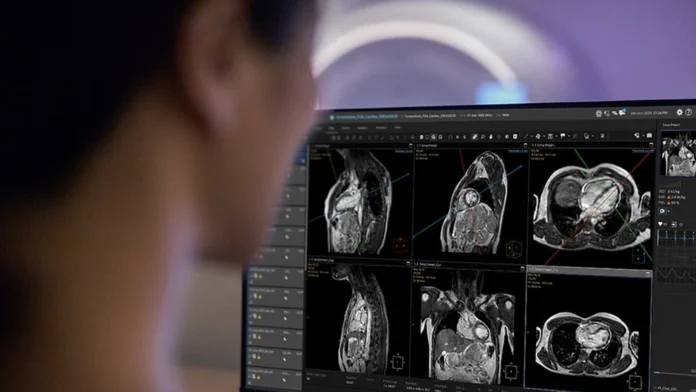
Philips received FDA 510(k) clearance for SmartHeart, which happens to be an AI-powered cardiac MR planning solution. It is well to be noted that SmartHeart automates 14 standard and advanced cardiac views in under 30 seconds, thereby reducing manual adjustments along with operator variability.

The SmartHeart goes on to simplify one of the most technically demanding MRI exams, easing the workload of technologist and at the same time making sure of an image quality that’s consistent.

When it comes to patient comfort, the SmartHeart cuts the number of breath holds by almost 75%, hence enhancing the comfort for patients with conditions such as dyspnea, arrhythmias, or even anxiety.

The fact is that broader access to cardiac MR could help with much earlier detection and more confident diagnosis along with proactive management of heart disease.

According to Business Leader MR at Philips, Ioannis Panagiotelis, PhD, “Cardiac MR is one of the most powerful tools available to assess the heart, yet its complexity and exam length have historically constrained its broader clinical impact. With SmartHeart embedded directly into the planning workflow, Philips is fundamentally redefining how CMR is performed – transforming it from a highly specialized, time-intensive procedure into a streamlined, intelligent, and scalable solution. This empowers clinicians to deliver consistent, precision cardiac care to significantly more patients.”

Part of the full AI-enabled cardiac MR suite by Philips

CINE FreeBreathing – Helps with diagnostic-quality imaging without breath-holds.

Cardiac Motion Correction – MoCo – Corrects the cardiac and respiratory motion for more definitive diagnoses.

CardiacQuant Perfusion – Offers quantitative evaluation when it comes to myocardial perfusion for subtle deficits.

Cardiac MR Suite by Philips expands access to precision cardiac care by way of reducing dependence on highly specialized operators. It also supports productivity gains in cardiology and radiology departments without compromising on the quality of diagnosis.

The Cardiac MR Suite indeed positions Philips as a leader in AI-driven cardiac MR innovation, transforming CMR into a much more scalable as well as a streamlined solution.

Medtronic Neurovascular Portfolio Strengthens with Scientia

Medtronic Neurovascular Portfolio

Medtronic, on March 10, 2026, announced a definitive agreement to acquire Scientia Vascular for $550 million, with potential additional milestone payments. Scientia, which is based in Salt Lake City, Utah, has around 310 employees and specializes in guidewires as well as catheters when it comes to neurovascular procedures.

The deal is most likely to close in the first half of FY2027, pending certain regulatory approvals.

The fact is that this acquisition strengthens the Medtronic neurovascular portfolio, combining its therapeutic technologies with access products of Scientia.

The innovations of Scientia enhance navigability by way of a complex cerebral vasculature, helping with much faster and more reliable access at the time of stroke interventions. This integration supports the physicians across the full procedural workflow for both hemorrhagic and ischemic strokes.

It is well to be noted that stroke is the third leading cause of death and the leading cause of disability across the world.

The microwire and microcatheter technology by Scientia simplifies the procedures, thereby making them much safer and faster as well as more efficient. Physicians go on to stress that improved access tools can significantly elevate the outcomes in patients.

Medtronic executives highlight the acquisition as a way to accelerate innovation within Medtronic neurovascular portfolio and expand into new disease states. According to senior vice president and president of Medtronic’s Neurovascular business, which is part of the Neuroscience Portfolio at Medtronic, Linnea Burman, “Medtronic is thrilled to acquire Scientia to accelerate meaningful innovation in neurovascular care. This acquisition positions Medtronic with a full suite of products. It builds a strong foundation for Medtronic and supports procedures across both hemorrhagic and acute ischemic stroke. Medtronic’s best-in-class therapies, combined with Scientia’s leading access portfolio, will be incredibly powerful. With 12 million people globally suffering from stroke each year, we look forward to contributing to better patient outcomes around the world.”

Scientia’s CEO eyes the deal as an opportunity to scale globally and broaden effect. Says CEO of Scientia, Rick Randall, “As a company committed to improving patients’ lives, we are humbled and excited for what’s ahead. Scientia has developed critical technology that has been embraced by physicians. This deal allows us to take our engineering into disease states globally and positions Medtronic with a comprehensive portfolio and complete guidewire line. With the size and scale of Medtronic, the opportunity to treat more patients and drive more impact is truly exciting.”

According to the director of the Cerebrovascular Center at Stony Brook Medicine, David Fiorella, “Microwires and microcatheters are required for all neurointerventional cases. Correspondingly, better microwires and microcatheters make every single case technically easier, faster, and ultimately safer for patients. This revolutionary microwire technology has enabled and will continue to enable access and simplify the neurovascular procedures we do.”

The transaction is anticipated to be minimally dilutive to FY27 EPS and accretive thereafter.

Philips SmartHeart Wins FDA Clearance for AI Cardiac MR

cardiac MR

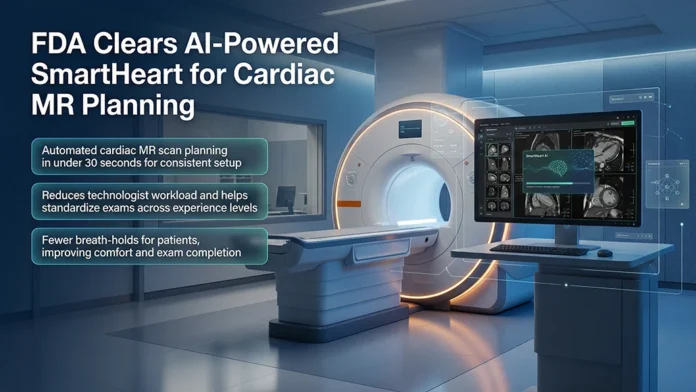
Philips announced that it has received FDA 510(k) clearance for its SmartHeart planning solution, an AI-powered cardiac magnetic resonance (MR) planning solution designed to simplify one of the most demanding MRI exams. The system automates scan planning in under 30 seconds, helping make cardiac MR exams more consistent and easier to perform across clinical environments.

Cardiac MR imaging has traditionally required highly experienced operators due to the complexity of the procedure. Technologists must manage intricate scan planning, coordinate breath holds and adapt to patient-specific anatomical variations. By integrating AI directly into the planning workflow, SmartHeart automates these steps with a single click. This approach enables more stable workflows, reduces operator workload and supports consistent image quality during cardiac MR examinations. The system automatically plans 14 standard and advanced cardiac views in less than 30 seconds. According to Philips, the technology was trained using 1,200 cardiac MR datasets, enabling the AI to perform reliably across a wide range of patient anatomies.

Philips, headquartered in Amsterdam, said the solution can help healthcare systems manage ongoing staffing shortages while demand for advanced imaging continues to grow. By reducing operator variability and improving workflow consistency, the company said SmartHeart helps expand access to cardiac MR imaging for technologists with varying levels of experience. The platform is also designed to improve the patient experience, with Philips noting that SmartHeart can reduce the number of breath holds for basic views by up to 75%. This can improve comfort for patients, including those with dyspnea, arrhythmias, pediatric patients, or anxiety.

SmartHeart is part of Philips’ expanding portfolio of AI-enabled cardiac MR innovations. Following the FDA clearance, the platform can now deliver additional technologies including CINE FreeBreathing, Cardiac Motion Correction (MoCo) and CardiacQuant Perfusion. CINE FreeBreathing enables diagnostic-quality imaging without requiring breath holds, supporting patients who cannot hold their breath or who experience irregular heart rhythms. Cardiac MoCo corrects for both cardiac and respiratory motion to provide robust insights that support a more definitive diagnosis. Philips developed CardiacQuant Perfusion to deliver non-invasive, non-ionizing quantitative assessment of myocardial perfusion, enabling clinicians to evaluate subtle perfusion deficits more objectively.

Ioannis Panagiotelis, business leader, MR at Philips, said: “Cardiac MR is one of the most powerful tools available to assess the heart, yet its complexity and exam length have historically constrained its broader clinical impact. With SmartHeart embedded directly into the planning workflow, Philips is fundamentally redefining how CMR is performed – transforming it from a highly specialized, time-intensive procedure into a streamlined, intelligent, and scalable solution. This empowers clinicians to deliver consistent, precision cardiac care to significantly more patients.”

AIQ Solutions Wins AMA CPT Code for TRAQinform IQ Platform

AIQ

AIQ Solutions has announced a major step forward in the effort to address late-stage cancer, following the approval of a new Category III Current Procedural Terminology (CPT) code by the American Medical Association (AMA). The newly approved code formally describes the distinctive analytical output produced by AIQ’s TRAQinform IQ technology. The decision comes after several years of clinical validation, regulatory engagement, and operational preparation carried out by AIQ. With this development, the company aims to expand oncologists’ access to advanced treatment response intelligence, potentially benefiting patients who require more precise insights into how their disease is responding to therapy.

TRAQinform IQ delivers lesion-level analysis that enables clinicians to observe treatment response heterogeneity earlier and with greater clarity than conventional imaging-based evaluations. By examining individual lesions rather than relying solely on broader imaging assessments, the technology provides a more detailed understanding of how different parts of a tumor burden respond to therapy. For individuals living with advanced cancer, this deeper level of analysis can influence treatment strategy, helping physicians make decisions that may improve the likelihood of better clinical outcomes.

“This CPT code represents a critical step toward broader clinical adoption of technology that can transform care for patients with advanced cancer,” said Eric Horler, President and CEO of AIQ Solutions. “By formally recognizing the unique analysis our platform provides, the AMA has helped pave the way for oncologists to access intelligence that can guide more timely and effective treatment decisions.” The recognition also strengthens AIQ’s engagement with hospitals, payers, and strategic partners, supporting the company’s efforts to broaden the reach of its technology across the healthcare ecosystem.

“For clinicians and patients, this matters,” says Glenn Liu, MD, AIQ Co-Founder and Chief Medical Officer. “Understanding how each lesion is responding differently to treatment can profoundly change treatment recommendations. More informed decisions result in confident decisions that improve patient care.” The approval is particularly notable given its rarity. While roughly 1,400 AI-enabled software medical devices have received clearance or approval from the U.S. Food and Drug Administration (FDA), fewer than 30 CPT codes have been granted for procedures involving software-enabled technologies. The addition of AIQ’s analysis to this select group underscores the company’s distinct clinical contribution within oncology.

Sustainable Healthcare Systems Reducing Environmental Impact

Sustainable healthcare systems reducing environmental impact

The transformation of the global healthcare sector into an environmentally responsible and sustainable industry is a critical necessity for the long-term health of both the planet and its inhabitants. Historically, hospitals and clinical facilities have been major consumers of energy and producers of significant waste, often inadvertently contributing to the very environmental health issues they aim to treat. Today, a new paradigm is emerging where clinical excellence and ecological stewardship are recognized as interdependent goals. By integrating green hospital design, energy-efficient operational systems, and advanced waste management strategies, the medical community is proving that it can provide high-quality care while minimizing its ecological footprint. This evolution toward sustainable healthcare systems reducing environmental impact is not just a trend it is a fundamental redesign of the healthcare delivery model aimed at creating a healthier, more resilient future for everyone.

Re-evaluating the Ecological Footprint of Clinical Care

The healthcare sector is an intensive operation that requires a constant supply of energy, water, and specialized materials to function. From the 24/7 operation of life-saving medical equipment to the rigorous climate control required for sterile environments, the industry’s environmental footprint is substantial. In fact, if the global healthcare sector were a country, it would be the fifth-largest emitter of greenhouse gases on the planet. This realization has sparked a profound commitment within the industry to implement sustainable healthcare systems reducing environmental impact. The goal is to decouple clinical growth from environmental degradation, ensuring that the provision of care today does not compromise the ability of future generations to live in a healthy and stable environment.

This transition begins with a comprehensive reevaluation of the entire medical supply chain and operational life cycle. From the raw materials used in surgical instruments to the final disposal of pharmaceutical waste, every step of the process is being scrutinized for its environmental impact. By adopting a “circular economy” approach, hospitals are looking for ways to reduce, reuse, and recycle materials that were previously considered single-use. This shift requires a collaborative effort between healthcare providers, manufacturers, and waste management experts. By working together, these stakeholders are creating a more resilient and sustainable healthcare system that is better equipped to handle the challenges of a changing climate while maintaining the highest standards of patient safety and care.

The Rise of Green Hospital Design and Healing Environments

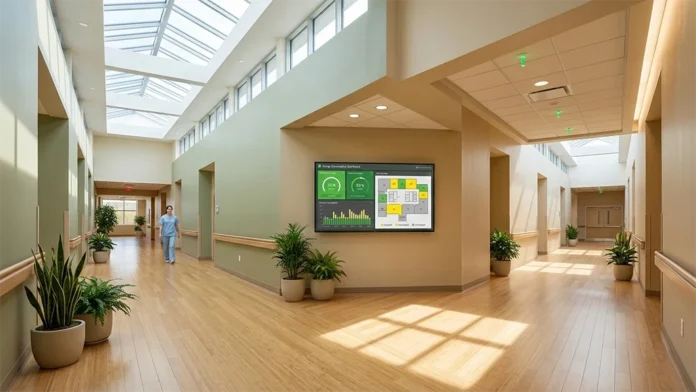
The physical structure of the hospital is perhaps the most significant lever for achieving long-term sustainability. Green hospitals are designed from the ground up to minimize energy consumption and create a restorative environment for patients and staff. This involves maximizing the use of natural light through high-performance glazing and skylights, which not only reduces the need for artificial lighting but has also been shown to improve patient recovery rates and staff well-being. Furthermore, the use of low-VOC (volatile organic compound) building materials and advanced air filtration systems ensures a healthier indoor air quality, which is vital in a clinical setting. These design choices are a cornerstone of sustainable healthcare systems reducing environmental impact, as they provide a built-in level of efficiency that lasts for the life of the building.

In addition to the building’s envelope, green hospital design increasingly incorporates renewable energy sources directly into the campus infrastructure. Rooftop solar arrays, wind turbines, and geothermal heating systems are becoming common features of modern healthcare facilities. These onsite energy solutions provide a reliable and clean source of power, reducing the hospital’s reliance on the carbon-intensive local grid. During times of emergency or natural disaster, these self-sufficient energy systems also provide an extra layer of resilience, ensuring that life-saving equipment remains operational even when the external power supply is interrupted. This intersection of sustainability and resilience is a key benefit of the green hospital movement, proving that what is good for the planet is also good for the long-term stability of the healthcare system.

Energy Efficient Hospitals and Operational Excellence

Beyond the building’s design, the daily operation of a medical facility provides numerous opportunities for energy conservation. Energy efficient hospitals utilize intelligent building management systems (BMS) to monitor and adjust energy usage in real-time. These systems can automatically lower the lighting and climate control in unoccupied areas, ensuring that energy is only used when and where it is needed. Furthermore, the shift toward LED lighting and high-efficiency HVAC (heating, ventilation, and air conditioning) systems has a profound impact on a hospital’s total energy consumption. When these micro-level efficiencies are combined across a large healthcare network, the resulting reduction in carbon emissions is massive.

The medical equipment itself is another critical area for energy optimization. Modern imaging machines, such as MRI and CT scanners, are being designed with sophisticated “hibernate” or power-saving modes that significantly reduce their energy draw during periods of inactivity. Similarly, the use of energy-efficient sterilizers and laboratory equipment is becoming a priority for sustainable healthcare procurement teams. By selecting equipment that meets the highest standards of energy efficiency, hospitals can reduce their operational costs while also meeting their sustainability goals. This dual benefit of cost savings and environmental protection is a primary driver for the adoption of energy-efficient technologies across the global healthcare sector. It demonstrates that sustainability is not a luxury, but a smart business strategy for the 21st century.

Revolutionizing Medical Waste Management

The management of waste is one of the most visible and challenging aspects of healthcare sustainability. Hospitals generate a wide variety of waste streams, from common recyclables to highly regulated biohazardous materials. Traditionally, much of this waste was sent to incinerators, which release harmful pollutants into the atmosphere and require significant energy to operate. Today, sustainable healthcare systems reducing environmental impact are moving toward cleaner and more efficient alternatives. Technologies such as autoclaving and chemical disinfection are being used to treat biohazardous waste onsite, rendering it safe for traditional landfill disposal without the harmful emissions associated with burning.

Furthermore, a major focus is being placed on reducing the volume of waste generated in the first place. This involves working with manufacturers to reduce excessive packaging and finding sustainable alternatives to single-use plastic medical supplies. Some hospitals have implemented successful programs to reprocess and reuse certain types of medical devices that were previously discarded after a single use. These “remanufacturing” programs are highly regulated and ensure that the devices meet the same safety standards as new products, while significantly reducing waste and costs. By reimagining the “life cycle” of medical materials, the industry is moving toward a more circular and less wasteful model of operation. This commitment to responsible waste management is a vital part of the healthcare sector’s broader environmental mission.

Telehealth: A Digital Tool for Environmental Stewardship

The rapid adoption of telehealth and remote patient monitoring is proving to be a powerful tool for environmental sustainability. By allowing patients to consult with their healthcare providers from the comfort of their own homes, telehealth significantly reduces the carbon emissions associated with patient travel. For patients with chronic conditions who require frequent check-ups, the reduction in travel-related emissions over a year can be substantial. This digital-first model of care is a perfect example of how innovation can lead to both clinical and environmental benefits. It provides high-quality, accessible care while simultaneously contributing to sustainable healthcare systems reducing environmental impact.

Moreover, the transition to fully digital clinical environments including electronic health records (EHR) and digital imaging has a profound impact on resource conservation. A single large hospital can save millions of sheets of paper and thousands of liters of chemical developer per year by eliminating physical files and traditional film-based X-rays. This move not only saves trees but also reduces the energy required for printing, transporting, and storing physical medical records. The synergy between digital health and environmental stewardship is a clear indication that the future of medicine will be both high-tech and high-sustainability. By leveraging the power of connectivity, we are building a healthcare system that is as light on the planet as it is deep in its clinical expertise.

Ethical Leadership and the Pursuit of a Healthier Planet

The move toward sustainability in healthcare is fundamentally a matter of ethical leadership and professional responsibility. As guardians of public health, medical professionals and hospital administrators have a duty to ensure that their operations do not contribute to the environmental factors that cause illness. This involves setting clear and ambitious goals for carbon neutrality, investing in sustainable infrastructure, and fostering a culture of environmental awareness among all staff members. Leading healthcare organizations are now publishing annual sustainability reports, providing transparency and accountability for their environmental performance. This commitment to open communication is essential for building trust with patients and the broader community.

Furthermore, the healthcare sector is increasingly using its significant purchasing power to influence the market for sustainable products and services. By demanding eco-friendly materials and energy-efficient equipment, hospitals are driving innovation across the entire medical manufacturing sector. This collective action is accelerating the transition to a green economy and ensuring that the healthcare systems of the future are built on a foundation of sustainability. The pursuit of a healthier planet is the ultimate goal of all clinical work, and the move toward sustainable healthcare systems is the most effective way to achieve that goal in the 21st century. It is a commitment to the well-being of our patients, our communities, and our planet.

Conclusion: Healing the Planet to Heal the People

The ongoing journey toward sustainable healthcare systems reducing environmental impact is a powerful testament to the industry’s ability to adapt and innovate in the face of global challenges. We are moving toward a future where the hospital is a leader in environmental stewardship, demonstrating that the highest standards of care can be achieved without compromising the health of the planet. By embracing green design, energy efficiency, and responsible waste management, the medical community is ensuring that its mission of healing extends beyond the individual patient to include the entire ecosystem. This is the true meaning of healthcare sustainability: a system that provides life-saving care today while protecting the possibility of a healthy tomorrow for everyone.

As we look ahead, the challenges will be significant, but the path is clear. We must continue to push the boundaries of what is possible in sustainable medicine, leveraging every technological advancement and every bit of human ingenuity to reduce our impact on the world around us. The legacy of this work will be a healthcare system that is more resilient, more efficient, and more profoundly connected to the needs of the natural world. In the end, there is no healthy population on an unhealthy planet. By healing the planet, we are ultimately healing ourselves. This is the promise of sustainable healthcare, and it is a promise that we are fulfilling one green hospital and one sustainable practice at a time.

Healthcare Data Security Strengthening Patient Trust

Healthcare-data-security-strengthening-patient-trust

The protection of clinical information in an increasingly digital world is not merely a technical obligation it is a foundational pillar of the modern patient-provider relationship. As healthcare organizations transition to comprehensive electronic health records and telehealth platforms, the ability to safeguard sensitive data directly impacts the level of trust patients place in their care teams. By implementing robust cybersecurity frameworks and transparent data governance, medical institutions are fostering an environment where privacy is a guarantee rather than a secondary concern. This commitment to security ensures that the benefits of digital health such as improved collaboration and data-driven insights can be realized without compromising the sanctity of the patient’s personal history.

The Digital Imperative of Privacy in Clinical Practice

In the contemporary medical landscape, the digitization of patient records has become a standard of care, yet it brings with it a complex array of security challenges. Healthcare data security strengthening patient trust is the primary objective of modern IT departments, as a single breach can have devastating consequences for both the individual and the institution. Patients are acutely aware of the risks, from identity theft to the unauthorized disclosure of sensitive medical conditions. For a healthcare provider, the loss of trust following a security failure is often more difficult to repair than the technical systems themselves. Therefore, a proactive and transparent approach to data protection is essential for maintaining the integrity of the medical profession.

The shift from physical folders to cloud-based servers has necessitated a complete reimagining of how data is accessed and controlled. Modern healthcare cybersecurity strategies are built on a “defense-in-depth” philosophy, where multiple layers of security work together to protect information. This includes not just technical barriers like firewalls and antivirus software, but also administrative controls such as strict access policies and regular security audits. By demonstrating a comprehensive and vigilant approach to security, healthcare organizations send a clear message to their patients: your data is our most valuable asset, and we will protect it with the same level of care we provide to your health.

Zero Trust Architecture and Continuous Verification

The traditional perimeter-based approach to security is no longer sufficient in an era where data is accessed from a myriad of devices across multiple networks. The move toward a Zero Trust architecture is a critical development in healthcare data security strengthening patient trust. In this model, the system assumes that no user or device is inherently trustworthy, regardless of whether they are inside the hospital’s physical walls or accessing the system remotely. Every request for data access must be continuously verified, authenticated, and authorized. This rigorous standard ensures that even if a single set of credentials is compromised, the damage can be contained, preventing a widespread data breach.

Continuous verification also involves monitoring for anomalous behavior in real-time. If a staff member who normally only views records in the oncology department suddenly attempts to download a large number of files from the cardiac unit, the system can automatically flag the activity and block access until it can be manually reviewed. This level of granularity in access control is essential for protecting the privacy of sensitive records. By implementing such advanced controls, institutions provide patients with the assurance that their information is only being viewed by those who have a legitimate clinical need to see it. This transparency and control are vital for building a culture of confidence in the digital era.

Encryption and the Sanctity of Electronic Health Records

At the heart of any security strategy is the use of strong encryption for all clinical data. Encrypted health records ensure that even if a malicious actor manages to bypass other security layers, the information they find will be unreadable. This level of electronic health records protection is a non-negotiable requirement for modern healthcare organizations. Encryption should be applied to data “at rest” on servers, as well as data “in motion” as it travels across the internet during a telehealth session or a collaborative consult. This end-to-end protection ensures that the patient’s clinical narrative remains private from the moment it is entered into the system until it is no longer needed.

Beyond the technical implementation of encryption, organizations must also ensure that the cryptographic keys are managed with the highest level of security. This involves using dedicated hardware security modules (HSMs) and implementing strict policies regarding who can access and use these keys. When a patient understands that their most personal information is protected by the same level of encryption used by financial institutions and national security agencies, it significantly lowers their anxiety regarding the use of digital health platforms. This technical excellence is a direct contributor to healthcare data security strengthening patient trust, as it provides a tangible and provable level of protection for the medical record.

The Human Factor: Training and Security Culture

Despite the most advanced technical safeguards, the human element remains the most frequent vulnerability in any security system. Phishing attacks, social engineering, and simple human error continue to be the primary vectors for healthcare data breaches. Therefore, a robust security culture is as important as any piece of software. Ongoing training and awareness programs for all staff members are essential for maintaining the integrity of the network. When every employee from the front desk to the surgical suite understands their role as a guardian of patient privacy, the overall security posture of the organization is dramatically improved.

This culture of security must be built on a foundation of accountability and support. Staff should feel empowered to report suspicious activity without fear of retribution, and they should be provided with the tools and information they need to stay ahead of evolving threats. Regular “phishing simulations” and security workshops help to keep the issue at the forefront of the staff’s mind, ensuring that they remain vigilant in their daily work. When a patient observes a healthcare team that is disciplined and knowledgeable about data security, it reinforces their belief that the institution is a safe and reliable steward of their health information. This human-to-human trust is the ultimate goal of all security efforts.

Data Governance and Ethical Data Stewardship

Security is about more than just preventing unauthorized access it is also about ensuring that data is used ethically and responsibly. Health data governance involves establishing clear policies regarding how data is collected, stored, shared, and ultimately disposed of. Patients want to know not only that their data is safe from hackers, but also that it is not being sold or used in ways they have not consented to. Transparent data policies that are easy for patients to understand are essential for healthcare data security strengthening patient trust. This includes providing patients with easy access to their own records and allowing them to see who has accessed their information and for what purpose.

Leading organizations are also implementing “privacy by design” principles, where data protection is integrated into every new project or piece of software from the very beginning. This proactive approach ensures that security is not an afterthought but a core requirement of every clinical tool. Furthermore, the ethical stewardship of data involves using anonymized and aggregated datasets for research purposes, ensuring that medical breakthroughs can be achieved without compromising the identity of individual patients. By demonstrating a deep respect for the individual behind the data point, healthcare organizations can create a virtuous cycle of trust that leads to better engagement and improved health outcomes for everyone.

Secure Digital Platforms and the Rise of Telehealth

The rapid adoption of telehealth has expanded the boundaries of the hospital, but it has also created new challenges for data security. Secure digital platforms are essential for ensuring that the video consultations and remote monitoring data are protected from interception. These platforms must utilize end-to-end encryption and multi-factor authentication (MFA) to ensure that only the patient and their authorized provider can participate in the session. This level of medical data privacy is vital for maintaining the confidentiality of the patient-doctor relationship in a virtual environment. Patients must feel just as secure sharing their health concerns over a video link as they do in person.

Moreover, the security of the devices used for telehealth on both the provider and patient ends is a critical consideration. Organizations must provide clear guidelines and tools for patients to help them secure their own devices, such as using strong passwords and keeping their software up to date. This collaborative approach to security not only protects the individual patient but also strengthens the entire healthcare network. As remote care continues to evolve, the ability to maintain a secure and private connection will be the primary factor in determining the long-term success of these platforms. Healthcare data security strengthening patient trust is the bridge that allows medicine to reach patients wherever they are, without sacrificing the standards of care and privacy.

Future Horizons: AI, Blockchain and the Path Ahead

As we look toward the future, new technologies offer promising avenues for further enhancing healthcare data security. Artificial intelligence can be used to monitor network traffic for subtle patterns that indicate a sophisticated cyberattack, allowing for a proactive and automated response. Meanwhile, blockchain technology could provide a decentralized and immutable ledger for tracking patient consent and data access logs. This would give patients unprecedented control and transparency over their own records, effectively making them the ultimate owners of their health data. These innovations represent the next phase of healthcare data security strengthening patient trust, where technology acts as a powerful ally in the preservation of privacy.

In conclusion, the challenge of protecting healthcare data is an ongoing journey that requires constant vigilance, technical excellence, and ethical leadership. By prioritizing security as a core value, healthcare organizations can build a foundation of trust that will support the next generation of medical innovation. The goal is a world where every patient can share their most sensitive health information with the confidence that it will be used only for their benefit and protected with the utmost care. This is the promise of modern healthcare data security, and it is a commitment that the entire medical community must uphold for the well-being of the patients they serve.

Personalized Medicine Advancing Targeted Treatment Plans

Personalized medicine advancing targeted treatment

The transition from a generalized, one-size-fits-all approach to a highly individualized and data-driven model of healthcare represents the most significant shift in clinical practice since the dawn of the antibiotic era. By leveraging the power of genomic insights, biomarker research, and precision therapies, the medical community is now able to tailor interventions to the specific biological profile of the individual. This evolution is not merely about treating the symptoms of a disease; it is about understanding the underlying molecular drivers of illness and addressing them with surgical precision. As we continue to refine our ability to analyze the human genome and track the subtle signals of pathology, personalized medicine advancing targeted treatment plans is becoming the primary driver of clinical excellence and long-term health maintenance.

The Genomic Foundation of Individualized Healthcare

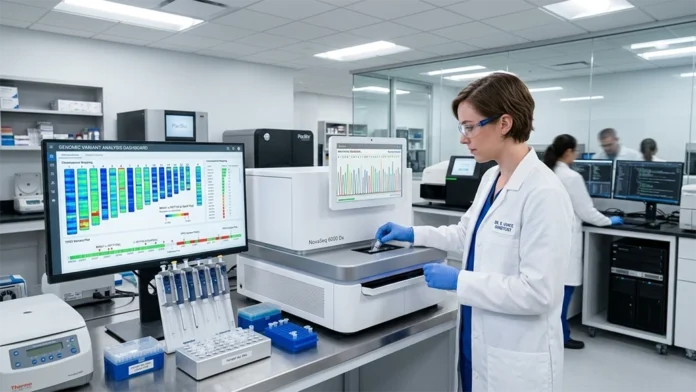
The cornerstone of modern precision medicine is the profound understanding of the human genome and its role in health and disease. For decades, medical treatments were based on the average response of a population, which often led to a “trial-and-error” approach where many patients received treatments that were either ineffective or caused significant side effects. Today, genomic medicine allows clinicians to look deep into the patient’s genetic code to identify specific mutations or variations that influence their risk for certain diseases and their response to specific medications. This foundational knowledge is essential for personalized medicine advancing targeted treatment, as it provides a biological blueprint that guides the entire clinical decision-making process. By moving beyond the physical symptoms to the underlying genetic cause, we can now offer treatments that are as unique as the patient themselves.

Furthermore, the cost of genomic sequencing has plummeted over the last two decades, making this high-level analysis accessible to a broader range of patients. What once cost billions of dollars and took years of international collaboration can now be done for a fraction of that cost in a matter of days. This democratization of genomic data is a key catalyst for the widespread adoption of precision treatment. It allows for the integration of genetic screening into routine clinical care, identifying potential health risks long before they manifest as clinical symptoms. This proactive approach is the hallmark of personalized medicine, where the focus is on prevention and early intervention rather than just reactive treatment. As our genomic databases continue to grow, our ability to predict and prevent disease will only become more refined.

Biomarker Research and the Precision of Targeted Therapies

While the genome provides the blueprint, biomarkers serve as the real-time signals of what is happening within the body’s cells. Biomarker research is a critical field within personalized medicine, as it allows for the identification of specific proteins, hormones, or metabolic byproducts that indicate the presence of a disease or the likely effectiveness of a therapy. In oncology, for example, the identification of specific tumor markers allows doctors to select a targeted therapy development that is designed to attack only the cancerous cells, leaving the surrounding healthy tissue unharmed. This level of precision significantly reduces the debilitating side effects often associated with traditional chemotherapy and radiation, leading to a much higher quality of life for the patient during treatment.

The use of biomarkers also allows for the continuous monitoring of a patient’s response to treatment. If a specific biomarker level begins to rise or fall in an unexpected way, the clinical team can adjust the dosage or switch to a different therapy immediately, rather than waiting for physical symptoms to appear or for a change to show up on a traditional scan. This real-time feedback loop is a vital component of personalized medicine advancing targeted treatment, as it ensures that the patient is always receiving the most effective care possible. As we discover new and more sensitive biomarkers, our ability to manage chronic conditions like heart disease, diabetes, and autoimmune disorders will be transformed, turning once-deadly illnesses into manageable, long-term conditions.

Patient-Specific Care Strategies and Lifestyle Integration

Personalized medicine is not just about the biological markers; it is also about the holistic integration of the patient’s lifestyle, environment, and personal preferences into their care plan. Patient specific care strategies recognize that two individuals with the same genetic profile and the same disease may require very different approaches based on their diet, physical activity, and social circumstances. By using wearable devices and mobile health platforms, clinicians can now gather continuous, real-time data on a patient’s daily habits and physiological responses. This “digital phenotyping” provides a level of context that was previously missing from the clinical picture, allowing for more nuanced and effective interventions.

For example, a personalized medicine approach to diabetes management might involve a custom nutrition plan based on the patient’s specific gut microbiome and their glucose response to different foods. When combined with a real-time continuous glucose monitor, this approach allows the patient and their doctor to fine-tune their insulin dosage and lifestyle choices with unprecedented accuracy. This level of engagement and personalization empowers the patient to take a more active role in their own health, leading to better long-term outcomes and a deeper sense of partnership between the patient and the provider. Personalized medicine advancing targeted treatment is therefore as much about the human relationship as it is about the high-tech science, ensuring that the technology serves the person rather than just the diagnosis.

The Role of AI and Big Data in Precision Treatment

The massive amount of data generated by genomic sequencing, biomarker monitoring, and digital health platforms requires a level of analysis that is beyond human capability. This is where artificial intelligence and big data analytics become essential. AI algorithms can scan millions of clinical records and research papers to identify subtle correlations that would be invisible to even the most experienced specialist. By comparing a patient’s data with that of thousands of similar individuals, these systems can provide a statistical “prediction” of which treatment is most likely to succeed. This data-driven approach is a key driver of precision treatment, providing clinicians with a level of insight that allows them to make more confident and effective decisions.

Moreover, AI is playing a vital role in the discovery of new therapies. By simulating the interaction between different molecules and genetic targets, AI can accelerate the process of drug discovery, identifying potential new treatments in a fraction of the time and cost required by traditional methods. This is particularly important for rare diseases, where the small patient population often makes traditional clinical trials difficult and expensive. Personalized medicine advancing targeted treatment is therefore driving a new era of “niche” therapies, where drugs are developed for very specific patient groups rather than for the general population. This shift is not only improving the lives of individuals with rare conditions but is also providing a model for how all medicine will be conducted in the future.

Advancing Targeted Therapy Development in Oncology

Oncology has been the “vanguard” of personalized medicine, and the advancements in this field are truly breathtaking. We are moving away from treating cancer based on its location in the body such as lung cancer or breast cancer to treating it based on its genetic and molecular signature. A patient with a specific mutation in their tumor may respond better to a drug traditionally used for a different type of cancer than they would to the standard treatment for their primary diagnosis. This “basket trial” approach is a fundamental change in how we think about oncology and is a prime example of personalized medicine advancing targeted treatment. It ensures that the patient is receiving the most effective drug for their specific tumor, regardless of where it originated.

Furthermore, immunotherapy represents another major breakthrough in targeted treatment. By analyzing the patient’s immune system and the “cloaking” mechanisms used by the tumor, researchers can develop therapies that “unmask” the cancer, allowing the patient’s own immune system to attack the disease. These therapies, such as CAR-T cell therapy, involve the genetic engineering of a patient’s own immune cells to create a personalized “living drug” that is specifically designed to kill their cancer. This level of personalization is the ultimate expression of modern medical science, offering hope to patients who previously had no effective treatment options. As we continue to refine these techniques, the goal of “curing” cancer is becoming a realistic possibility for an increasing number of people.

Regulatory, Economic, and Ethical Challenges

While the scientific potential of personalized medicine is immense, its widespread adoption faces significant regulatory and economic hurdles. Traditional regulatory frameworks, which were designed for testing drugs on large, homogeneous populations, are often ill-equipped to handle therapies that are designed for only a handful of people. We need new, more flexible regulatory paths that prioritize safety and efficacy while allowing for the rapid deployment of personalized treatments. Furthermore, the high cost of genomic testing and targeted therapies raises important questions about health equity. We must ensure that these life-saving innovations are accessible to all patients, regardless of their socioeconomic status. This requires a rethink of how we value and pay for healthcare, moving toward a model that rewards long-term health outcomes rather than just the volume of services provided.

From an ethical perspective, the collection and use of genomic data raise profound questions about privacy and consent. Patients must have absolute control over their genetic information and must be protected from any form of genetic discrimination. Furthermore, the ability to predict future illnesses can have a significant psychological impact on individuals and their families, requiring a robust system of genetic counseling and support. Personalized medicine advancing targeted treatment must therefore be built on a foundation of ethical integrity and social responsibility. By addressing these challenges proactively, we can ensure that the transition to a more personalized care model is one that benefits everyone and respects the fundamental rights of the individual. The goal is to create a system where science and ethics are in perfect alignment.

Conclusion: The Future of Medicine is Personal

The ongoing journey of personalized medicine advancing targeted treatment is a testament to the power of human curiosity and our relentless pursuit of a healthier world. We are entering an era where medicine is no longer a reactive and generalized discipline, but a proactive and highly individualized science. By embracing the power of the genome, the signal of the biomarker, and the intelligence of the machine, we are building a healthcare system that treats every person with the unique care and attention they deserve. This shift is not only saving lives but is also transforming our understanding of what it means to be healthy.

As we look toward the future, the boundaries of personalized medicine will continue to expand. We will see the rise of “precision prevention,” where personalized lifestyle and environmental interventions prevent the onset of disease altogether. We will see the development of increasingly sophisticated “living drugs” that can adapt to the changing nature of a patient’s illness in real-time. And we will see a global health system that is more resilient, more equitable, and more profoundly human. The legacy of this transformation will be a world where every patient’s biological story is respected and utilized to provide the best possible chance for a long and healthy life. This is the promise of personalized medicine, and it is a promise we are fulfilling one patient at a time.

Healthcare Robotics Supporting Precision Medical Care

Healthcare robotics supporting precision medical care

The integration of high-fidelity robotic systems into the clinical environment marks a profound transformation in how medical care is delivered and experienced. By combining the mechanical precision of robotics with the analytical power of artificial intelligence, healthcare providers are now able to perform complex procedures and manage logistical challenges with a level of accuracy that was previously unattainable. This technological shift is not merely about replacing human effort; it is about augmenting the capabilities of the medical team, ensuring that every intervention is targeted, every workflow is optimized, and every patient receives the benefit of precision medical robotics. As we move deeper into the 21st century, the role of healthcare robotics in supporting precision medical care is becoming the foundation of a more resilient and effective global health infrastructure.

The Evolution of Robotic Medical Systems in the Modern Hospital

The history of robotics in medicine is a journey of relentless innovation and a constant push for greater surgical and clinical precision. In the early decades, the use of mechanical arms was limited to experimental procedures and highly specialized academic centers. Today, robotic medical systems have become a standard feature in many leading hospitals, where they are utilized across a wide range of disciplines, from urology and gynecology to cardiothoracic surgery. This widespread adoption is driven by the realization that healthcare robotics supporting precision medical care can significantly reduce the physical strain on surgeons while providing a level of dexterity and stability that exceeds human capabilities. By filtering out tremors and providing 3D, high-definition visualization, these systems allow for more intricate maneuvers through smaller incisions, leading to better outcomes for patients.

However, the impact of robotics extends far beyond the operating room. The modern hospital is increasingly becoming an automated environment where robotic systems handle everything from the delivery of medications to the disinfection of high-touch surfaces. This logistical automation is essential for maintaining the high standards of safety and efficiency required in a busy clinical setting. By taking over routine and repetitive tasks, robotics allows the human staff to focus on the high-level cognitive and emotional work that is central to healing. This synergy between human expertise and mechanical efficiency is the hallmark of the modern healthcare facility, where precision is not just a clinical goal but an operational standard. As we continue to refine these tools, the potential for robotics to transform every aspect of the medical journey remains one of the most exciting frontiers in science.

Robotic-Assisted Surgery and the Quest for Accuracy

At the heart of precision medical robotics is the development of robotic-assisted surgical platforms. These systems represent the pinnacle of human-machine collaboration, where the surgeon’s judgment is combined with the robot’s precision. Through a console interface, the surgeon controls instruments that can rotate with a degree of freedom far greater than the human wrist. This allows for the precise dissection of tissue and the accurate placement of sutures in deep or narrow anatomical spaces. The result is a minimally invasive approach that reduces blood loss, decreases the risk of infection, and shortens the patient’s recovery time. For many patients, the use of healthcare robotics supporting precision medical care means the difference between a major open surgery and a targeted procedure that allows them to return to their daily lives within days rather than weeks.

The next generation of surgical robotics is incorporating real-time data analytics and machine learning to provide even greater levels of support. These “intelligent” systems can analyze the surgeon’s movements and provide feedback or warnings if they approach a critical structure, such as a nerve or a major blood vessel. Some platforms are even experimenting with semi-autonomous tasks, such as automated suturing or tissue retraction, allowing the surgeon to focus on the most complex parts of the procedure. This transition toward “smart” robotics is a key driver of clinical excellence, ensuring that the highest standards of safety are maintained even in the most challenging cases. As these technologies become more accessible, the benefits of robotic-assisted surgery will continue to reach a broader and more diverse patient population.

Rehabilitation Systems and Robotic Assistive Devices

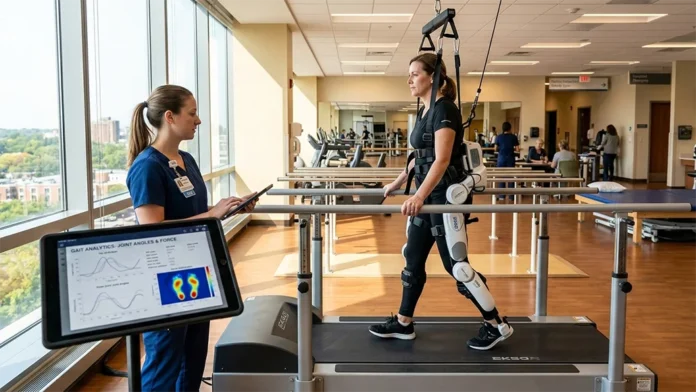
Beyond the immediate clinical intervention, robotics is playing a vital role in the long-term recovery and rehabilitation of patients. Robotic rehabilitation devices, such as exoskeletons and smart prosthetics, are helping individuals with mobility impairments regain their independence. These devices use sophisticated sensors to detect the user’s intent and provide the mechanical power required to complete a movement, whether it is walking, grasping an object, or performing a repetitive physical therapy exercise. By providing consistent and measurable support, healthcare robotics supporting precision medical care ensures that patients can perform their exercises with the correct form, which is essential for neuroplasticity and functional recovery. This level of precision is difficult to achieve with manual physical therapy alone, where the quality of the support can vary between sessions.

Furthermore, assistive robotics is increasingly being used to support patients with chronic conditions or those who are aging in place. Socially assistive robots can provide reminders for medication, monitor vital signs, and even provide a level of social interaction that reduces the feelings of isolation and loneliness. While these robots do not replace the need for human care, they provide a consistent and reliable layer of support that enhances the patient’s quality of life. The integration of precision medical robotics into the home environment is a testament to the versatility of these systems and their potential to address the complex needs of a global population that is living longer but facing more chronic health challenges. By bridging the gap between the hospital and the home, robotics is ensuring that precision care is a continuous rather than a sporadic experience.

Automated Logistics and Hospital Efficiency

The logistical efficiency of a hospital is a critical factor in its ability to provide high-quality care, and hospital robotics technology is at the forefront of this operational optimization. Autonomous mobile robots (AMRs) are now common in many facilities, where they navigate busy hallways to deliver supplies, linens, and meals. These robots use advanced lidar and sensor technology to avoid obstacles and interact safely with human staff and patients. By automating the “heavy lifting” of hospital logistics, robotics ensures that clinical staff are not diverted from their primary duties to handle simple transport tasks. This improvement in workflow is a vital part of healthcare robotics supporting precision medical care, as it ensures that the right supplies are always in the right place at the right time.

In the laboratory and pharmacy settings, robotics is ensuring that high-stakes tasks are performed with zero margin for error. Automated dispensing cabinets and robotic pill-pickers significantly reduce the risk of medication errors, which are a major cause of patient harm. Similarly, robotic systems in the laboratory can process thousands of samples with a level of speed and accuracy that is impossible for a human workforce to sustain. This precision is essential for the timely diagnosis and treatment of diseases, where a few hours can make a significant difference in the patient’s outcome. By building a robust and automated backend for hospital operations, robotics is providing the clinical team with a reliable foundation upon which they can build their care plans. The efficiency realized through these systems is not just an administrative benefit; it is a direct contributor to the safety and health of every patient.

The Integration of AI and Real-Time Data in Robotics

As the field of robotics continues to evolve, the integration of artificial intelligence and real-time data analytics is becoming the primary driver of innovation. Modern healthcare robotics supporting precision medical care is increasingly capable of “understanding” its environment and adapting its actions based on the current clinical context. For example, a robotic ventilator can analyze a patient’s respiratory patterns in real-time and adjust the pressure and flow of oxygen to match their exact physiological needs. This level of precision is essential for preventing lung injury and for speeding up the weaning process for patients on life support. By acting as an intelligent partner to the clinical team, robotics is ensuring that even the most complex physiological processes are managed with the highest level of care.

This data-driven approach also extends to the maintenance and optimization of the robotic systems themselves. Predictive maintenance algorithms can analyze the performance data of a robotic arm or a delivery robot to identify potential issues before they cause a failure. This ensures that these critical tools are always available when needed and that the hospital’s investment in technology is protected. Furthermore, the data captured by robotic systems during procedures can be used for large-scale clinical research, identifying trends and best practices that can be shared across the entire medical community. This collective intelligence is accelerating the pace of medical progress, leading to new robotic medical systems and more effective treatment protocols. The synergy between robotics, AI, and big data is creating a “virtuous cycle” of improvement that is the hallmark of 21st-century medicine.

Ethical and Operational Considerations for the Future

While the benefits of robotics are clear, the widespread adoption of these technologies also raises important ethical and operational questions. One of the primary concerns is the impact on the healthcare workforce. While robotics is designed to support and augment human effort, there is a need for ongoing training and education to ensure that clinical staff are comfortable and proficient in using these complex systems. Furthermore, the high cost of precision medical robotics can create disparities in access to care, where only the wealthiest institutions are able to offer the latest robotic procedures. Addressing these challenges requires a commitment to equitable access and a focus on the long-term value that robotics provides in terms of improved outcomes and reduced operational costs.

From an ethical perspective, the use of autonomous or semi-autonomous systems in healthcare requires clear guidelines regarding accountability and transparency. Patients must be fully informed about the role of robotics in their care, and there must be clear protocols for human intervention if a system behaves unexpectedly. Furthermore, the security of the data captured by these systems is of paramount importance, requiring robust cybersecurity measures to protect patient privacy. By addressing these issues proactively, the medical community can ensure that the transition to a more robotic-centric care model is built on a foundation of trust and professional integrity. The goal is to create a system where technology serves the human mission of medicine, rather than the other way around.

Conclusion: The Robot as a Partner in Healing

The journey of healthcare robotics supporting precision medical care is a testament to our relentless pursuit of clinical excellence. We have moved from a time when robots were a curiosity to an era where they are an essential part of the medical team. By embracing these tools, we are not just adding new technology; we are reimagining the very nature of healing. The robot is no longer just a machine; it is a partner that brings a level of precision, stability, and intelligence to the clinical environment that was previously unimaginable. This partnership is saving lives, reducing suffering, and ensuring that the healthcare systems of the future are prepared for any challenge.

As we look ahead, the potential for robotics to further transform medicine is limited only by our imagination. From nano-robots that can deliver medication directly to a tumor, to robotic companions that provide comfort to the elderly, the future of healthcare robotics is bright. By continuing to innovate and collaborate, the medical community is ensuring that every patient, regardless of where they are or what they are facing, can benefit from the highest standards of precision care. The legacy of this work will be a healthcare system that is more accurate, more efficient, and more profoundly human, powered by the best that science and technology have to offer. This is the future of medicine, and it is a future we are building together.


Healthcare Workforce Technology Supporting Care Teams

Healthcare workforce technology supporting care teams

The optimization of clinical workflows and the prioritization of staff well-being through intelligent digital systems represent a critical turning point in the management of the medical workforce. In an era marked by increasing patient complexity and a growing scarcity of skilled clinicians, the role of administrative technology has shifted from a back-office function to a frontline necessity. By implementing advanced scheduling algorithms, data-driven workforce analytics, and intuitive productivity tools, healthcare institutions are addressing the root causes of burnout and professional dissatisfaction. This digital infrastructure is not merely about managing hours; it is about creating a supportive ecosystem that empowers care teams to focus on their primary vocation: the compassionate and effective treatment of their patients.

Addressing the Human Crisis in Modern Medicine

The healthcare sector is currently facing a human resources crisis of unprecedented scale, where the implementation of healthcare workforce technology supporting care teams has become a moral and operational imperative. For years, clinicians have been overburdened by manual administrative tasks, fragmented communication, and rigid scheduling practices that lead to chronic fatigue and a loss of professional autonomy. This pervasive burnout not only threatens the mental health of individual practitioners but also directly impacts patient safety and the overall quality of care. A clinical team that is exhausted and disconnected is far more likely to make errors and less able to provide the emotional presence that is essential for a positive patient experience.

The transition toward modern healthcare workforce management begins with a fundamental recognition that the clinician is the hospital’s most valuable asset. Digital tools are now being used to strip away the “administrative friction” that clogs the daily routine of doctors and nurses. By automating the more mundane aspects of hospital operations such as shift bidding, leave management, and credential tracking these systems return valuable time to the care team. This time can then be reinvested in direct patient interaction, leading to higher levels of clinical excellence and professional fulfillment. When the technology works to serve the human staff, the entire institution benefits from a more engaged, resilient, and effective workforce.

The Power of Predictive Workforce Analytics

One of the most transformative aspects of modern hospital staffing technology is the move from reactive to proactive resource management. Workforce analytics healthcare platforms leverage the power of big data to predict future staffing needs with remarkable accuracy. By analyzing variables such as historical patient census data, local public health trends, and even the complexity of the current patient population, these systems can forecast the required clinical capacity several weeks in advance. This allows administrators to adjust staffing levels in a way that ensures every unit is adequately supported without the need for last-minute, high-stress call-outs or the use of expensive agency staff. This predictive capability is a cornerstone of healthcare workforce technology supporting care teams, as it provides a stable and predictable environment for everyone.

Furthermore, these analytics platforms provide deep insights into the well-being of the staff themselves. They can track patterns that correlate with burnout, such as high rates of overtime, frequent shift changes, or a high volume of missed breaks. By identifying these “red flags” early, hospital leadership can intervene with targeted support, whether through adjusting the workload, offering additional resources, or simply providing a much-needed break. This data-driven approach to staff welfare ensures that the institution is as focused on the health of its employees as it is on the health of its patients. In the long run, this proactive care for the clinician is the best way to ensure the long-term sustainability of the medical profession and the safety of the community it serves.

Digital Scheduling and the Rise of Professional Autonomy

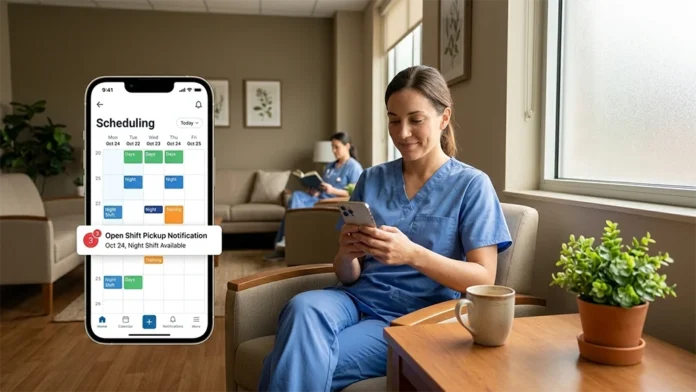
A significant driver of professional dissatisfaction in healthcare has historically been the lack of control that clinicians have over their own schedules. Modern digital workforce solutions are changing this by introducing self-service scheduling platforms that prioritize flexibility and autonomy. Through mobile-first applications, staff members can view their schedules, request changes, and pick up additional shifts from anywhere, at any time. These platforms use intelligent algorithms to ensure that every shift is covered by the appropriate mix of skills and experience, while also honoring the personal preferences and work-life balance of the individual. This shift toward a more collaborative and transparent scheduling process is a vital part of healthcare workforce technology supporting care teams.

When clinicians have a voice in when and where they work, they feel more respected and valued by their employer. This increased sense of agency leads to higher levels of job satisfaction and a significant reduction in turnover rates. Furthermore, these platforms can be used to manage “flexible pools” of staff who are willing to work across different departments or locations as needed. This fluidity allows the hospital to be more responsive to sudden changes in patient demand without placing an undue burden on any single team. By utilizing the power of digital connectivity to create a more agile and human-centered scheduling system, healthcare organizations are building a workforce that is ready for the challenges of the 21st century.

Digital Training and Continuous Professional Growth

In the rapidly evolving world of medicine, continuous learning is not just a requirement; it is a necessity for clinical excellence. However, the time required for traditional training can be difficult to find in an already overextended schedule. Modern healthcare workforce technology supporting care teams addresses this by providing on-demand, digital training platforms that deliver bite-sized educational content directly to the clinician’s device. These modules can be completed during quiet moments in a shift or even from home, allowing for a more flexible and personalized approach to professional development. This accessibility ensures that the entire team is always up to date with the latest evidence-based practices and regulatory requirements.

Beyond compliance, these platforms also offer opportunities for career advancement and specialized certification. By tracking the skills and interests of every staff member, the system can suggest training paths that align with their personal professional goals. This commitment to the long-term growth of the individual is a powerful tool for retention and ensures that the institution is constantly building a deeper and more capable talent pool. When a healthcare organization invests in the intellectual and professional development of its staff, it sends a clear signal that it is committed to their long-term success. This culture of learning is essential for maintaining the high standards of care that patients expect and deserve.

Communication, Collaboration and Productivity Tools

Effective communication is the lifeblood of any high-performing care team, yet fragmented and outdated communication methods continue to be a source of frustration and delay in many hospitals. Staff productivity tools are now being used to bridge these gaps, providing a unified and secure platform for real-time collaboration. These tools integrate secure messaging, clinical alerts, and patient data into a single interface, allowing for seamless communication between different departments and specialties. When a nurse can instantly securely message a physician with a clinical concern, or a physical therapist can view the latest surgical notes on their own device, the entire care process becomes more efficient and safer for the patient.

Furthermore, these tools can be used to automate many of the routine communication tasks that currently consume a significant portion of a clinician’s time. For example, the system can automatically send alerts to the appropriate team members when a lab result is ready or when a patient’s vital signs fall outside of a specific range. This “closed-loop” communication ensures that nothing falls through the cracks and that every member of the team has the information they need to provide the best possible care. By reducing the noise and clutter of traditional communication, healthcare workforce technology supporting care teams allows clinicians to focus their attention where it matters most: on the person in the bed. The result is a more calm, organized, and focused clinical environment that is conducive to both healing and professional excellence.

The Impact on Patient Outcomes and Clinical Safety

While the immediate goal of workforce technology is to support the staff, the ultimate beneficiary is always the patient. A well-supported, properly staffed, and highly informed clinical team is far more capable of delivering the high-quality care that leads to positive outcomes. By utilizing digital workforce solutions to optimize staffing levels and reduce burnout, hospitals are directly improving the safety of their patients. The data is clear: institutions with high levels of staff engagement and adequate staffing ratios have lower rates of medical errors, fewer patient falls, and better patient satisfaction scores. The health of the workforce is the single most important predictor of the health of the institution.

Furthermore, the use of workforce technology allows for a more personalized and patient-centered approach to care. When scheduling systems ensure that the right mix of expertise is available on every shift, the hospital can offer more comprehensive and multidisciplinary care for patients with complex needs. This coordinated approach ensures that every aspect of the patient’s health is addressed by a specialist who is well-rested and fully informed. By treating the clinical workforce as a vital and integrated part of the patient care journey, healthcare organizations are ensuring that they can provide the highest standard of medicine for every person who walks through their doors. This is the true power of healthcare workforce technology supporting care teams: it creates a foundation of stability and excellence that supports everything else the hospital does.

Conclusion: The Resilient Future of the Medical Workforce

The ongoing journey of healthcare workforce technology supporting care teams is an investment in the future of medicine itself. We are moving toward a more humanized and sustainable model of healthcare management, where technology acts as a supportive partner rather than an administrative burden. By prioritizing the well-being and professional growth of our clinicians, we are ensuring that the medical profession remains a vibrant and rewarding calling for the next generation. The challenges of the future are significant, but with the right tools and a commitment to our people, we are more than capable of meeting them.

In the end, the success of any healthcare system is measured by the lives it heals and the comfort it provides. This work is only possible through the dedication and skill of the human beings who make up the care team. By building a digital infrastructure that protects, empowers, and supports these individuals, we are ensuring that they have the resources they need to continue their vital mission. This is the promise of modern healthcare workforce management: a future where the clinician is respected, the team is supported, and every patient receives the best possible care from a team that is ready and able to provide it. This is a future we are building one digital tool and one supported shift at a time.

Translate »