








Close
Digital Health & Ai Innovation summit 2026
LiGHT26

How a Medical Spanish Tutor Improves Care for Spanish-Speaking Patients

medical spanish tutor improves patient care

Healthcare systems now serve communities that speak many different languages, with Spanish-speaking patients representing one of the largest groups. Many organizations now encourage staff to work with a medical Spanish tutor to improve communication during patient care. Hospitals regularly treat patients who have limited English proficiency during routine visits. These encounters can create communication barriers that affect diagnosis, treatment planning, and patient understanding. Preparing healthcare staff for multilingual patient care has therefore become an important operational priority.

Language barriers influence nearly every stage of clinical care. Patients may struggle to describe symptoms or explain medical history clearly. Clinicians may also find it difficult to explain procedures, medications, or recovery instructions in simple language. When communication breaks down, misunderstandings can delay treatment and create confusion after discharge.

Why Multilingual Communication Matters in Healthcare

Clear communication allows clinicians to gather accurate information during consultations. When patients explain symptoms effectively, diagnosis becomes more reliable and treatment decisions improve. Patients who understand medical instructions are also more likely to follow medication guidance and attend follow-up visits. Strong communication, therefore, supports both safety and long-term care outcomes.

Hospitals also track communication through patient experience metrics. When language barriers exist, patients often report confusion about medications, treatment plans, or discharge instructions. These problems can increase readmission risk and reduce patient confidence. Improving multilingual communication helps healthcare organizations strengthen trust with diverse communities.

Communication Challenges in Multilingual Clinical Settings

Healthcare professionals frequently encounter communication difficulties during time-sensitive situations. Emergency departments, outpatient clinics, and inpatient units all require rapid information exchange between patients and clinicians. When language barriers exist, even simple conversations about symptoms or medications may take longer. This can slow clinical workflows and increase frustration for both patients and staff.

Cultural differences may also influence how patients describe symptoms or ask questions. Some patients hesitate to challenge medical recommendations or request clarification. Others explain symptoms using everyday language rather than medical terms. Healthcare professionals must therefore confirm understanding and adapt their communication style when working with diverse patient populations.

Training Healthcare Staff for Spanish Communication Readiness

Hospitals often begin multilingual preparation through communication training programs. These programs teach clinicians how to ask clearer questions and confirm patient understanding. Staff members practice simplifying complex explanations while maintaining medical accuracy. Training with a Spanish tutor for healthcare professionals also encourages active listening and respectful communication when interacting with patients from Hispanic backgrounds.

Some clinicians also pursue additional language learning by working directly with a medical Spanish tutor to improve daily patient interactions. Structured lessons help healthcare professionals practice vocabulary used during common medical conversations. For example, clinicians may strengthen their communication skills by working with a medical Spanish tutor who can guide real-world conversations, including symptoms, medications, and follow-up care with Spanish-speaking patients.

A tutor-led approach allows healthcare professionals to ask questions, receive immediate feedback, and practice conversations that reflect real clinical situations.

Choosing a Medical Spanish Tutor vs Self-Study for Clinical Communication

Healthcare professionals often begin learning Spanish through apps or self-study materials. While these tools can help build basic vocabulary, they rarely reflect the complexity of real clinical conversations.

In healthcare settings, communication involves more than memorizing terms. Clinicians must ask follow-up questions, clarify symptoms, and adjust explanations based on patient responses. These dynamic interactions are difficult to replicate with static lessons or generic language platforms.

Working with a medical Spanish tutor provides structured guidance, personalized feedback, and practice tailored to real patient scenarios. Clinicians can simulate consultations, refine pronunciation, and learn how to navigate sensitive or complex conversations with confidence.

This type of one-on-one support is especially valuable for professionals who want to learn medical Spanish with a tutor and apply it directly in patient care settings.

Integrating Language Support Into Clinical Workflows

Training alone cannot solve communication challenges in multilingual healthcare environments. Hospitals must also build systems that support language access across clinical workflows. Clear interpreter protocols, translated documents, and multilingual signage help patients navigate healthcare facilities more easily. These systems reduce confusion while supporting clinicians during busy clinical schedules.

Healthcare organizations should also evaluate where language barriers appear most often. Emergency departments, outpatient clinics, and discharge planning often require additional language support. Identifying these areas allows administrators to improve interpreter access and patient education materials. Practical workflow improvements help ensure communication support remains consistent across departments.

Building a Culture of Inclusive Patient Communication

Preparing staff for multilingual patient care also requires a supportive organizational culture. Healthcare leaders must emphasize that communication quality is part of clinical excellence. Encouraging staff to develop communication skills improves patient trust and strengthens relationships with the communities hospitals serve.

Hospitals that prioritize inclusive communication often see improvements in patient engagement. Patients who feel understood are more likely to share important medical details and ask questions about treatment plans. These conversations lead to better decisions and safer care. Strong communication ultimately benefits both healthcare providers and the patients they serve.

The Future of Multilingual Healthcare Communication

Healthcare systems will continue serving increasingly diverse patient populations. As communities grow and change, language diversity within hospitals will also expand. Preparing healthcare professionals for multilingual communication will therefore remain an essential part of healthcare operations.

Organizations that invest in communication training, including working with a medical Spanish tutor, language resources, and supportive workflows position themselves for long-term success. Multilingual readiness strengthens patient safety, improves care experiences, and builds trust between healthcare providers and the communities they serve. In modern healthcare systems, clear communication is no longer optional. It is a fundamental component of effective patient care.
Medical Taiwan 2025 | Shaping the Future of Global Healthcare Innovation

The healthcare landscape is undergoing a rapid digital transformation and Medical Taiwan 2025 stands at the center of this evolution. As a premier index platform in Asia, the exhibition serves as a vital bridge between cutting-edge technology and clinical application. This yearโ€™s event highlights how the deep integration of Robotics, Artificial Intelligence, and Innovative Medical Aids is redefining patient care and operational efficiency on a global scale.

Explore the highlights of Medical Taiwan 2025, an international powerhouse for the medical and wellness industries. This yearโ€™s exhibition features a massive scale of 316 exhibitors from 14 countries occupying 512 booths, attracting over 7,600 visitors from around the world.

Enterprise Ireland, Northwell Drive Irish Medtech Expansion

Irish Medtech Expansion

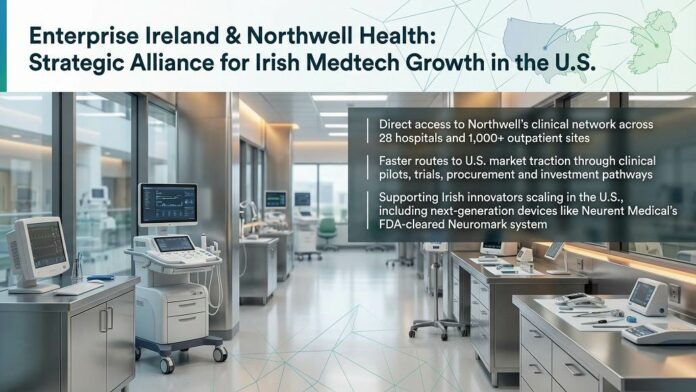
Enterprise Ireland and Northwell Health have formalised a new strategic alliance aimed at advancing Irish medtech expansion in the U.S., reinforcing an already established collaboration between the two organisations. The agreement, announced during a St. Patrickโ€™s Day ceremony in New York, signals a continued effort to accelerate the commercialisation and scale-up of Irish life sciences and medtech companies across the American healthcare landscape.

Northwell, one of the largest U.S. health systems, is already working with 18 Enterprise Ireland companies, with existing engagements delivering procurement contracts, clinical pilots and trials, as well as strategic investments. Under the renewed framework, Enterprise Ireland client companies will retain direct access to Northwellโ€™s clinical experts spanning 28 hospitals and more than 1,000 outpatient facilities. In addition, companies will be able to leverage Northwellโ€™s innovation ecosystem and commercial infrastructure, strengthening pathways for Irish medtech expansion in a competitive global market.

The announcement aligns with Enterprise Irelandโ€™s broader strategy to grow the Irish medtech sector internationally, following its end-of-2025 report highlighting sector expansion. Alongside this partnership, Galway-based Neurent Medical, supported by Enterprise Ireland, has also entered into an agreement with Northwell. Neurent develops the Neuromark system for treating chronic rhinitis, a device designed with a flexible shaft and atraumatic leaflets to conform to patient anatomy and reach difficult areas within the nasal cavity. The system delivers impedance-controlled, low-power radiofrequency (RF) energy to disrupt parasympathetic nerve signals, addressing symptoms such as persistent nasal congestion and rhinorrhea (runny nose). The next-generation Neuromark system received FDA clearance in June 2025, while Neurent raised $74 million (โ‚ฌ62.5 million) in an oversubscribed Series C financing round earlier this year. With a U.S. headquarters in Braintree, Massachusetts, the company aims to scale further through this collaboration.

Enterprise Ireland also highlighted a broader wave of U.S. expansion by Irish firms, including Shorla Oncology, Fire1, Head Diagnostics and X-Bolt. These companies are strengthening their commercial, clinical and partnership footprints across the U.S., reflecting continued momentum in Irelandโ€™s life sciences ecosystem. Government and industry leaders underscored the importance of such partnerships in enabling Irish innovation to reach global markets.

โ€œNorthwell Health has been an invaluable partner to Ireland and to Irish health tech and medtech companies. This alliance has provided Irish companies with unparalleled opportunities and privileged access to Northwell Healthโ€™s vast clinical network, serving as a critical gateway for innovative Irish companies entering and scaling within the U.S. healthcare market. Irelandโ€™s life sciences and health tech sector is thriving, and partnerships like this are central to ensuring that innovation emerging from Ireland reaches patients in the U.S. and around the world.โ€

โ€œNorthwell Health is proud to sign this new strategic alliance with Enterprise Ireland and build upon years of successful collaboration. Our International Business Program has proven to be an invaluable gateway for innovative international companies seeking to enter and scale within the U.S. healthcare market. Since 2016, we have provided Enterprise Ireland client companies with direct access to clinical experts across one of Americaโ€™s largest health systems, resulting in meaningful outcomes including procurement contracts, clinical pilots and trials, and strategic investments from Northwell Ventures. We look forward to welcoming the next generation of Irish healthcare innovators and supporting their growth in the U.S. market.โ€

LTTS AI Lung Digital Twin Platform Transforms Diagnostics

AI Lung Digital Twin Platform

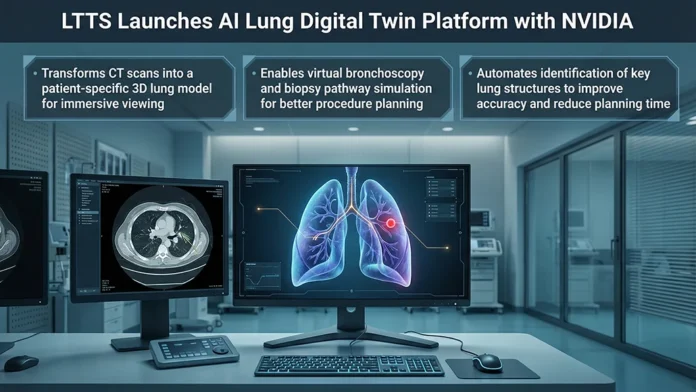
L&T Technology Services has introduced a next-generation AI Lung Digital Twin Platform, developed in collaboration with NVIDIA, aimed at advancing respiratory diagnostics, lung navigation, and surgical planning. The newly launched system integrates deep learning capabilities with immersive 3D visualization and CT imaging workflows, positioning it as a comprehensive solution for precision-driven clinical environments. As part of its broader push into AI-powered healthcare, LTTS is leveraging its MedTech expertise across medical imaging, AI-driven diagnostics, and connected healthcare systems to enhance diagnostic accuracy and patient outcomes.

At the core of the platform is its ability to generate a patient-specific, simulation-ready digital replica of the lungs. By embedding directly into CT imaging workflows, the system uses deep learning models to reconstruct a detailed 3D digital twin, offering clinicians an interactive view of anatomical structures such as airways, blood vessels, lung lobes, and lesions. This AI Lung Digital Twin Platform enables practitioners to simulate bronchoscopy and biopsy pathways, facilitating improved procedural planning within an immersive digital environment.

The platform is built on NVIDIA Physical AI infrastructure, incorporating NVIDIA Omniverse and OpenUSD for interactive visualization, NVIDIA TensorRT for optimized AI inference, and NVIDIA MONAI for advanced image segmentation. These components collectively support automated identification of critical lung structures, volumetric analysis, and navigation path planning. By transforming static CT scans into dynamic models, the system allows clinicians to better assess anatomical relationships, reduce pre-operative planning time, and improve procedural safety across complex interventions.

โ€œBy combining LTTSโ€™ engineering expertise in medical imaging and digital health platforms with the power of NVIDIAโ€™s Physical AI infrastructure, we are enabling a new generation of AI-powered biological digital twins for precision medicine,โ€ observed Amit Chadha, CEO & Managing Director, L&T Technology Services. โ€œThese platforms can transform how clinicians visualize lung anatomy, plan interventions and deliver precision care. The impact will be visible across the global healthcare ecosystem in the years ahead.โ€

David Niewolny, Head of Business Development for Healthcare and Medical Technology, NVIDIA, said, โ€œDigital twins are emerging as a powerful new tool for precision medicine. By leveraging NVIDIA Physical AI infrastructure, Omniverse, MONAI and TensorRT, LTTS is transforming CT data into interactive lung digital twins that allow clinicians to visualize anatomy in 3D, simulate procedures and plan clinical interventions with greater confidence.โ€

Rising global cases of respiratory diseases, including lung cancer and COPD, are accelerating the adoption of AI-driven digital twin technologies. These innovations are expected to shift clinical workflows away from conventional imaging interpretation toward predictive, simulation-led, and minimally invasive intervention planning, supporting more personalized and data-driven treatment strategies.

Revised Singapore Healthcare AI Guidelines Boost Innovation

healthcare AI guidelines

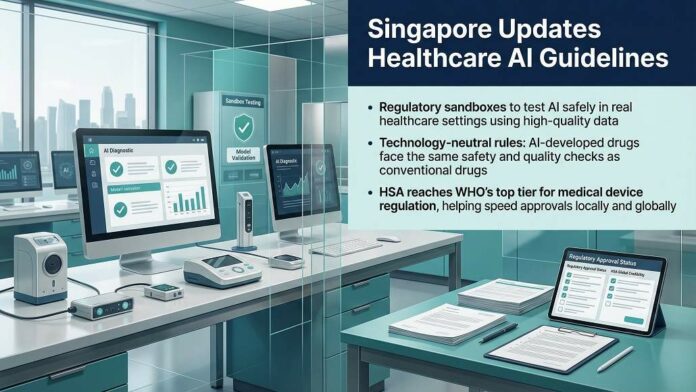
Singapore has introduced updated healthcare AI guidelines aimed at accelerating innovation in the medical sector, with a particular focus on strengthening workforce capabilities and enabling faster delivery of new drugs to patients. Speaking on March 10, Minister for Health Ong Ye Kung said the revised healthcare AI guidelines were jointly developed by the Ministry of Health (MOH) and the Health Sciences Authority (HSA), incorporating advancements such as generative AI while maintaining strict safety and quality standards. The announcement was made during the opening of the International Medical Device Regulators Forum at NTUC Centre.

The revised framework introduces regulatory sandboxes that allow AI solutions to be tested in real-world healthcare environments, ensuring systems are trained on high-quality, real-life datasets. Ong noted that while HSA has yet to receive any registration applications for AI-developed drugs, it remains open to such submissions. He also emphasised that HSA โ€œwill take a technology-neutral approach to regulation, applying the same rigour to AI-developed drugs as it does to conventional drugsโ€. This approach comes as AI continues to reshape drug development, particularly through the use of simulated laboratory data that can replace early-stage clinical trials, which are often costly and time-intensive.

In parallel, HSA has achieved a significant milestone by becoming the first national regulatory authority to reach the World Health Organizationโ€™s highest level of medical device regulation. This designation allows HSA to act as a global reference point for other regulators. Ong highlighted that several jurisdictionsโ€”including Australia, Hong Kong, Malaysia, the Philippines, South Africa, Sri Lanka, Switzerland, Thailand and the United Kingdomโ€”already reference HSA approvals to accelerate their own regulatory processes. At the same time, HSA aligns its standards with major regulatory systems such as those in the US, European Union, UK and Japan, reinforcing its international credibility.

Singapore is also part of a consortium with Australia, Canada, Switzerland and the UK that facilitates the approval of new therapeutic products, helping improve access to safe and effective pharmaceuticals. Ong stated that these initiatives position Singapore as more than a domestic market, expanding its relevance to hundreds of millions globally. Adjunct Professor Raymond Chua added that HSAโ€™s WHO recognition supports its evolving economic role in strengthening the biomedical sector. He said: โ€œThe future of healthcare will not be shaped by innovation alone, but by the wisdom with which we govern it.โ€ Moving forward, Singapore plans to integrate regulatory functions and align product development with priority disease areas such as cardiovascular diseases, diabetes and metabolic disorders, supporting simultaneous progress in regulatory approval, clinical development and health technology assessment.

Workers’ Compensation in Healthcare: Policies, Care, and Recovery Support

California healthcare system

Healthcare workers experience one of the highest injury rates in the United States. According to the U.S. Bureau of Labor Statistics, hospitals report more workplace injuries than construction and manufacturing in some years. Nurses, aides, and support staff all face those risks on a daily basis. From lifting patients to exposure to infections,and do not forget those long shifts that come with emotional stress.

When someone who cares for others gets hurt on the job, they need more than just sympathy. They need structured protection, financial help, medical care, and a clear path so they can go back to work. That is where workersโ€™ compensation plays a critical role in healthcare.

Especially in California, their system is detailed and highly regulated.

Understanding these specific policies and recovery steps will help both providers and employees.

California Workersโ€™ Compensation Policy Requirements for Healthcare Employers

The law of California compels all employers, including those who employ just a single employee, to have workers’ compensation insurance. Lack of carrying coverage may result in fines of up to 100,000 and criminal proceedings.

Here are the key policy rules healthcare facilities must follow:

1. Immediate Claim Form Provision

When an employer learns about an injury, they must provide a DWC-1 claim form to the employee within one working day.

2. $10,000 Medical Treatment Rule

10,000 Medical Treatment Rule: Within the period where the claim is investigated, the employer must authorize not exceeding 10,000 dollars of medical treatment within not more than 90 days.

3. Utilization Review (UR)

Utilization Review (UR) The insurance companies have a strict deadline to be followed in the process of filing the requests as pertains to treatment. Delay in decision-making can be considered a violation of the standards of compliance in the state.

4. Independent Medical Review (IMR)

An injured worker can request an Independent Medical Review when the treatment is denied. The process is what brings about equity in treatment decisions.

5. Return-to-Work Obligations

Employers are prompted to offer modified or alternative work where there is a possibility to do so, medically. This shortens the disability time and the claim cost.

These are well-organized policies that safeguard the employee and the company

Physicians have to adhere to the Medical Treatment Utilization Schedule (MTUS), which provides evidence-based treatment guidelines in California.

This helps avoid unnecessary processes and maintain proper care.

Wage Replacement and Disability Policies

In case an injured healthcare worker is unable to work, they are eligible to receive:

Temporary Disability (TD)

Payments generally equal two-thirds of the workerโ€™s average weekly wages, up to a state maximum.

Permanent Disability (PD)

In case of injury that leads to permanent impairment, compensation is based on disability rating.

Supplemental Job Displacement Benefit

When the employer is not able to provide the modified work, the employee can get a retraining or skill development voucher. These financial safeguards minimize economic pressure in the recovery process.

Administrative and Billing Compliance Challenges

Providing medical care is only the beginning of the process. Billing compliance is equally important.

The strict documentation and coding standards that healthcare providers should observe when treating injured employees. Workers’ compensation billing in California is not similar to ordinary commercial insurance billing. It demands adherence to the Official Medical Fee Schedule (OMFS), proper CPT coding, proper modifiers, and the electronic submission requirements.

The typical billing issues are:

  • Wrong dates of injury recorded
  • Absentees of employer claim information
  • Lack of compliance with electronic billing standards
  • Miscalculations in fees
  • Reimbursement of denied psychiatric service

Mental health practices face additional scrutiny. Billing services for mental health providers must ensure that therapy documentation clearly justifies medical necessity and work-related causation. Psychiatric claims are usually subjected to scrutiny by insurance administrators compared to physical injuries.

Errors in billing can lead to payment delays, appeals, and revenue loss for clinics.

Recovery Support and Return-to-Work Planning

With strong recovery programs, there are fewer long-term disabilities and shortages of staffing. Good recovery policies consist of:

  • Functional capacity assessments
  • Modified duty assignments
  • Gradual work-hour increases
  • Ergonomic adjustments
  • Mental health reintegration plans.

Hospitals that are very active in supporting injured employees tend to have reduced turnover and morale.

Return-to-work coordination requires communication between doctors, HR departments, claims administrators, and supervisors. Without organized systems, delays are common.

A Smarter Approach to Workersโ€™ Compensation Management

Once the medical treatment process and compliance, as well as recovery planning, are designed correctly, the accuracy of billing becomes the key to financial stability.

This is where the Doctor Management Services steps in.

Basically, DoctorMGT partners with healthcare facilities to provide services such as complex workers’ compensation billing needs, compliance with California laws, and minimization of claim denials. Rather than overwhelming the internal staff, outsourcing administrative work to skilled professionals enables the provider to concentrate on treating the patients.

Having experience in Workers Compensation Billing in California and well-structured support systems that work within healthcare facilities, they assist clinics to ensure stable cash flows and minimize payment conflicts. Their expertise also facilitates the billing services to mental health professionals, where psychiatric claims are recorded, coded, and appropriately submitted.

You can find their services at www.doctormgt.com and make your work less hectic.

Outsourcing to a focused billing partner reduces:

  • Administrative burden
  • Revenue delays
  • Coding errors
  • Compliance risks
  • Staff burnout

A cooperative relationship between policies, treatment, and billing leads to faster healing of injured healthcare workers, and organizations do not face financial problems.

Final Thoughts

Healthcare compensation is not simply an insurance program. It is a framework that is constructed on the basis of legal provisions, medical standards, and recovery plans.

Starting with immediate claim filing and proceeding to utilization review, psychiatric documentation, wage replacement, and return-to-work coordination, all of them demand accuracy and accountability.

When medical staff members make internal safety policies and professional administrative assistants work together, the system functions as designed, and the people who spend their careers taking care of others are safeguarded.

Having the right partner on the complicated billing side, everything will recover more easily.

Ireland Launches AI for Care Strategy for Health Services

AI for Care

Ireland has introduced a national strategy outlining how artificial intelligence (AI) will be deployed across health and social care services between 2026 and 2030, with the aim of improving clinical care, operational efficiency, research capabilities, and population health management.

The strategy, titled AI for Care establishes a national framework for the safe, responsible, and effective use of AI across the health system. The initiative sets out four strategic pillars clinical care, operations, research and innovation, and public health and positions AI as a key enabler of healthcare system transformation.

According to the government, the strategy is intended to modernise healthcare services through faster diagnoses, improved patient flow, earlier disease detection, reduced administrative workloads, and greater consistency in care delivery across the country.

Carroll MacNeill, minister for health, described the initiative as a structured roadmap for integrating emerging technologies into healthcare delivery while maintaining strong governance and clinical oversight.

โ€œAI for Care marks an important step toward creating a safer, smarter, and more sustainable healthcare service,โ€ MacNeill said.

โ€œIt provides a clear and practical roadmap for adopting AI in ways that are safe, transparent, truly enhance patient care, and support clinicians.

โ€œThe strategy focuses on using technology to strengthen, rather than replace the vital human relationships at the core of healthcare.โ€

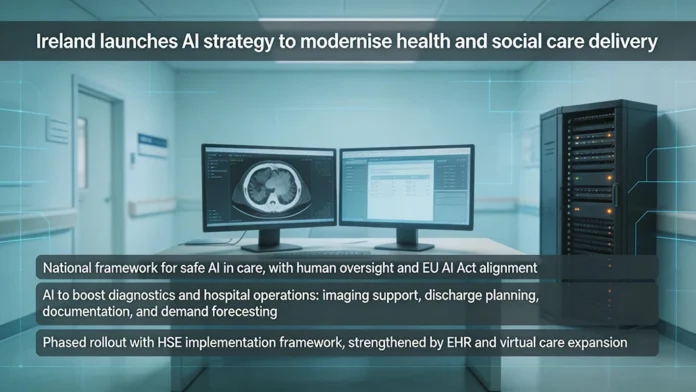
The strategy emphasises safeguards around AI deployment, including mandatory human oversight, alignment with the EU AI Act, and forthcoming national guidance from the Health Information and Quality Authority (HIQA).

Clinical and operational applications

The government outlined several areas where AI technologies will be applied to support clinical practice and hospital operations. Certified AI systems will assist radiologists in analysing medical images more rapidly, enabling earlier detection of conditions such as strokes, cancers and fractures.

Other proposed applications include AI-supported discharge planning, AI scribe tools to automate clinical documentation, screening tools for early disease detection, and predictive analytics to forecast demand and improve resource allocation.

The strategy also identifies AI tools that can support clinicians by improving diagnostic accuracy, personalising treatment plans, and providing decision-support capabilities.

AI tools are also expected to play a role in documenting medical records by capturing and summarising clinical encounters, producing discharge summaries and correspondence, and translating medical terminology.

Beyond clinical care, operational uses include predicting patient flow, improving scheduling, allocating hospital resources more effectively, and automating routine administrative tasks. The strategy also highlights the use of AI in forecasting demand, reducing waste, and supporting supply chain management within healthcare systems.

Research, innovation and public health

In research and innovation, AI will be used to streamline ethical approvals, automate evidence appraisal, optimise data integrity, and support clinical audit processes. Automated collection of clinical data from electronic health records (EHRs) and imaging systems is also planned to accelerate research and quality improvement initiatives.

For public health, the strategy outlines the use of AI-driven analytics to support population health surveillance, predictive modelling, and population-based screening programmes.

More accurate processing of evidence and health data is expected to enable better healthcare planning and reduce variation in care delivery across regions.

To support implementation, the HSE plans to publish an AI Implementation Framework to guide consistent deployment across health regions.

Phased implementation

The government outlined a phased rollout plan beginning with applications that have already demonstrated proven results. In the first year, deployments will focus on clinical diagnostics, reducing administrative workloads, improving demand forecasting, and increasing operational productivity.

During years two and three, the strategy aims to scale successful implementations, improve patient experience, advance diagnostic capabilities, optimise treatment pathways, and translate research outcomes into clinical applications.

Years four and five will explore additional AI opportunities as the technology evolves, with the goal of integrating successful innovations into routine health service operations.

Broader digital transformation

The strategy forms part of a wider digital transformation agenda within Irelandโ€™s health system.

Recent initiatives include the rollout of virtual care programmes designed to relieve hospital capacity pressures. Two pilot acute virtual wards at St. Vincentโ€™s University Hospital and University Hospital Limerick recorded 1,500 admissions, equating to 13,800 virtual bed days.

Additional virtual wards have since been launched at Our Lady of Lourdes Drogheda, Midland Regional Hospital Tullamore, Mercy Hospital Cork, and St Lukeโ€™s Hospital Kilkenny, with a fifth planned at Galway University Hospital in early 2026.

Separately, procurement is set to begin for a national Electronic Health Record (EHR) system following government approval. The programme will establish a single integrated digital health record for every patient in Ireland, with vendor shortlisting and tender processes now underway and phased implementation planned across all health regions.

Minister MacNeill described the EHR initiative as a โ€œlandmark stepโ€ in building a more connected health service.

โ€œThe National Electronic Health Record programme will be central to patients receiving safer, faster, and more integrated care, supporting clinicians and improving outcomes for everyone,โ€ she said.

Alongside these initiatives, the government has also published a national digital mental health strategy focused on expanding access to digital tools, strengthening governance frameworks, and building a digitally enabled workforce across the health system.

Taiwanโ€™s MedTech Ecosystem Attracts Global Interest Ahead of Medical Taiwan 2026

Medical Taiwan 2025

As healthcare systems worldwide accelerate digital transformation, international buyers and healthcare providers are increasingly seeking reliable partners capable of delivering innovative medical technologies, integrated digital solutions, and resilient supply chains. In recent years, Taiwan has emerged as an important hub for medical technology development and manufacturing in Asia.

Medical-Taiwan-2025Combining strong electronics manufacturing capabilities with biomedical engineering expertise, Taiwan has developed a dynamic MedTech ecosystem that continues to draw attention from global healthcare distributors, hospital procurement teams, and system integrators seeking scalable healthcare solutions.

Against this backdrop, Medical Taiwan 2026, organized by TAITRA, will take place June 25โ€“27, 2026, at Taipei World Trade Center (TWTC) Exhibition Hall 1 in Taipei. The exhibition will bring together Taiwanese medical device manufacturers, healthcare technology innovators, and international buyers, offering a comprehensive platform for exploring new technologies and building cross-border partnerships.

Over the past decade, Taiwan has steadily strengthened its position in the global medical device industry. Its well-established electronics sector provides a strong technological foundation for developing advanced healthcare solutions that integrate hardware, software, and data-driven systems. Many Taiwanese companies are particularly known for integrating Information and Communication Technology (ICT) with healthcare applications, supporting the development of smart hospital infrastructure, AI-assisted diagnostics, and connected medical devices designed for modern clinical environments.

Organized by the Taiwan External Trade Development Council (TAITRA), Medical Taiwan 2026 will highlight several major trends shaping the healthcare industry, including digital transformation, aging populations, and the growing demand for efficient healthcare delivery systems. This yearโ€™s exhibition focuses on three key themes:

  • Innovative Care โ€“ Innovations in community and home healthcare solutions
  • Smart Healthcare โ€“ Driving the future of digital and connected health
  • Medical Supplies Hub โ€“ Comprehensive solutions for premium medical devices and consumables

Visitors will be able to explore a wide range of technologies, including AI-assisted medical imaging, remote patient monitoring solutions, rehabilitation and assistive devices for aging populations, hospital information system integration, and medical components supported by Taiwanโ€™s strong OEM/ODM manufacturing capabilities.

In addition to product showcases, the exhibition will facilitate business collaboration through One-on-One Procurement Meetings organized by TAITRA, allowing international buyers to connect directly with Taiwanese suppliers based on their sourcing needs.

Medical Taiwan 2026 offers the ideal platform to discover new products, explore procurement opportunities, and stay ahead of global healthcare trends. From June 25 to 27 at TWTC Exhibition Hall 1 in Taipei, the exhibition will bring together industry leaders and innovators shaping the future of healthcare.

Register now to secure your spot to visit

China Approves First Commercial Brain-Computer Interface

BrainComputer Interface

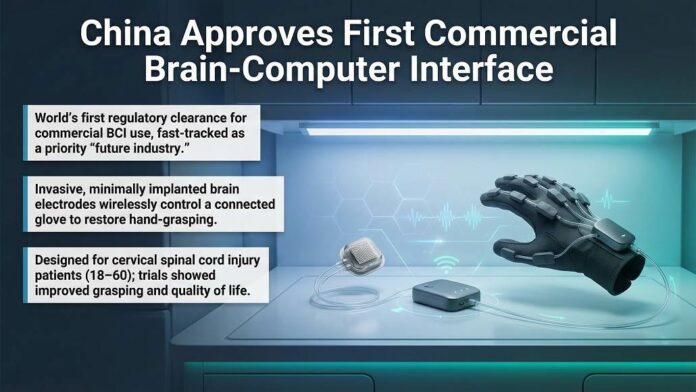
China has granted approval for the commercial sale of a brain-computer interface (BCI) system designed to help restore hand movement, marking the worldโ€™s first regulatory clearance of a BCI device for commercial use, the countryโ€™s drug regulator said on Friday. The device, developed by Borui Kang Medical Technology (Shanghai), is intended to restore movement and communication capabilities in individuals experiencing different forms of paralysis.

The system is specifically designed for patients with quadriplegia caused by cervical spinal cord injuries. By using a glove connected to the interface, the technology enables patients to regain hand-grasping ability. Classified as an invasive BCI system, the device functions by inserting electrodes directly into the brain rather than placing them on the brainโ€™s surface. The system uses minimally invasive extradural implantation combined with wireless technology to facilitate communication between the brain and the external device.

Chinaโ€™s National Medical Products Administration said that Brain-Computer Interface products such as the newly approved system have been given priority regulatory attention. The regulator noted that the BCI sector has been identified as a โ€œfuture industryโ€ in Beijingโ€™s latest five-year plan released last week. The move reflects the countryโ€™s efforts to accelerate development and deployment of emerging neurotechnology platforms.

Eligibility requirements for the device include patients aged 18 to 60 who suffer from a specific form of spinal cord injury. The diagnosis must have been established for at least one year, and patients must have remained in a stable condition for six months following standard treatment. Candidates must also be unable to grasp objects with their hands while still retaining some level of upper-arm function.

According to the regulator, clinical trial data showed significant improvement in hand-grasping ability among participants, with the improvement contributing to a better quality of life for patients involved in the trials.

Women’s HealthX 2026 Event Launches in Boston this December

Womens HealthX WoHX 2026

Women’s HealthX, the only event set to change the future of women’s health through data, science, and evidence-based innovation, launches in Boston this December

Women’s HealthX (WoHX) is the number one event in women’s health, unifying the full lifecycle of female healthcare through data, science, and evidence-based innovation to close the sex difference data gap and drive better clinical outcomes for women worldwide.

On December 3โ€“4, 2026 in Boston, WoHX will bring together 750 global leaders from pharma and biotech, hospitals and health systems, health insurers, employers, investors, startups, and government, all actively seeking proven technologies, data, and partners to advance women’s health care, research, and outcomes across the life course.

Unlike any other event, WoHX goes beyond discussion to focus on implementation of representative data sets to drive meaningful change. The exhibition directly addresses the conditions that affect women differently and disproportionately, across every stage of life.

Attendees will gain clear insight into which areas are overhyped versus underfunded, where the biggest evidence gaps remain, and how data, science, and evidence can drive measurable change in policy, reimbursement, product development, and clinical practice.

Julie Rios, Division Director, Reproductive Endocrinology & Infertility at UPMC, shared why she is looking forward to attending:

“I’m looking forward to connecting with innovators across women’s health to explore new technologies, collaborations, and care models that can help us solve our most complex reproductive health cases and improve outcomes for patients who currently have limited options.”

Taking place in Boston, the global hub for healthcare innovation, research, and medical institutions, whose collaborative ecosystem aligns perfectly with WoHX’s mission to accelerate the adoption of clinical solutions, and improve outcomes for women worldwide.

Across seven dedicated stages spanning Evidence, Data & Innovation, Fertility & Reproductive Health, Menopause & Healthy Aging, Maternity & Maternal Care, Sexual Health & Wellness, Cognitive Health & Wellness, and Chronic Disease Management, attendees will benefit from:

  • 100+ hours of free education from 150+ expert speakers
  • Direct access to senior decision-makers and key industry leaders
  • Tailored one-to-one meetings with solution providers across medical devices, CROs, and analytics software
  • Hands-on exploration of AI-powered tools, digital therapeutics, wearables, telehealth, and integrated care models via the interactive HealthXpo floor, featuring live demonstrations and hands-on clinical showcases
  • The Women’s Health Startup Zone, connecting founders directly with investors
  • The Career Zone, linking attendees with postgraduate programs, universities, and research centres, alongside masterclasses in AI literacy, data analytics, and research innovation

Early confirmed speakers include:

  • Michael Annichine, CEO, Magee-Womens Research Institute and Foundation
  • David Friend, Chief Science Officer, Darรฉ Bioscience
  • Emily Lau, Director, Women’s Heart Health Program, Brigham and Women’s Hospital
  • Carolee Lee, CEO & Founder, WHAM
  • Suneela Vegunta, Vice Chair, Women’s Health Research Division, Mayo Clinic
  • Barb DePree, Director of Womenโ€™s Health, Holland Hospital
  • Jodi Neuhauser, Founder & CEO, In Womenโ€™s Health
  • Julie Rios, Division Director, Reproductive Endocrinology & Infertility, UPMC
  • Kesha O’Reilly, Global Director, Medical Affairs HIV Franchise, Gilead Sciences
  • Katie Baca-Motes, CEO GSD, Health Research
  • Catherine Monk, Founding Director, Center for the Transition to Parenthood
  • Mitzi Krockover, CEO & Founder, WomanCentered

Further announcements, including speaker confirmations and agenda highlights, will be released in the coming months.

Because we believe in healthcare equity, attendance is free for any medical officers and leaders within hospitals and healthcare systems, pharma, biotech, corporate enterprises and government officials.

Translate ยป