Close
Digital Health & Ai Innovation summit 2026
Medical Taiwan 2026

Brain damage at birth: how common is it?

For most of us, giving birth is one of the most rewarding experiences you can go through. Although normally everything goes smoothly for the 624,828 mothers giving birth each year, there are times when things donโ€™t go to plan. If your birth is difficult, you might find that your baby is brain-damaged.

Hereโ€™s all you need to know about the topic.

What can cause brain damage during birth?

Unfortunately, brain injuries are relatively common, with 1.4 million people suffering from head injuries each year.

Brain damage at birth occurs when brain cells are harmed or destroyed. Brain damage can happen before, after or during the birthing process.

There are many different types and causes of infant brain damage. However, all types of brain damage need to be treated early for a child to recover fully.

ย What are the signs of brain damage in newborns?

Infant brain injuries are rarely confirmed right away, purely due to the fact that they are not always immediately obvious. However, there are some symptoms to look out for, including:

  • Abnormally large forehead
  • Abnormally shaped spine
  • Abnormally small head
  • Arched back while crying
  • Difficulty eating or swallowing
  • Excessive drooling
  • High-pitched crying
  • Loose muscles
  • Neck stiffness
  • Seizures and/or tremors
  • Sensitivity to light
  • Stiff muscles
  • Unusual eye movements
  • Visible scalp injuries

What are the effects of brain damage?

If your child has suffered from brain damage at birth, you might find that they exhibit tremors or muscle spasms. Your child might also show signs of extreme fatigue.

But normally, the most obvious effect of brain damage on your child is that your baby might display delayed physical development. For example, your child might not be able to crawl, sit, stand or walk as soon as you might expect.

As children grow older, they might also struggle with physical tasks like writing, putting on shoes or getting dressed.

What to do if you think your child might have had a brain injury?

If you suspect your child has got brain damage resulting from their birth, itโ€™s important to seek treatment as soon as possible. Many children can recover from traumatic injuries at birth, so the first port of call is always to seek treatment.

If you feel as though you have been let down by the hospital where you gave birth, you might wish to investigate hiring a brain injury solicitor to help you recover compensation. A good solicitor will be able to advise on whether negligence was involved and if so, whether you have a strong case.

Unfortunately, brain damage at birth is relatively common. However, the good news is that by seeking help early and getting legal advice, you can set your family up for success.

The Common Causes of Lower Back Pain

One of the most common complaints that people have is lower back pain. In fact, it is one of the most common reasons why people go to the doctor. There are many different causes of lower back pain, and it can be difficult to diagnose the source of the problem. In this blog post, we will delve into the most frequent causes of lower back pain and help you understand what is causing yours. We will also provide you with some tips on how to relieve this type of pain.

Lower back pain – The most common causes of it

They say that once you turn 25, your back pains start to increase. While this is not necessarily true, it can be said that lower back pain is more common in adults than in younger people. There are many reasons for this, and as professionals that deal with lower back pain in Jersey say, most people do not have one single cause of their lower back pain. In fact, it is usually a combination of several factors that cause lower back pain. That is why, when back pain appears for the first time, it can be hard to trace its origin. And while most lower back pains are treatable, understanding and diagnosing the cause can be tricky.

Muscle strain and sprain due to overuse or injury

Probably the most common cause of lower back pain is muscle strain due to an injury or overuse. This type of pain occurs when you lift something that is too heavy for you, or when you perform a repetitive activity such as sitting in one position for too long. The result can be a pulled muscle, which causes localized pain and restricted movement. Furthermore, if the strain was caused by an injury, such as a car accident or a fall, it can be accompanied by other symptoms such as numbness and tingling.

Degenerative disc disease and spinal stenosis

Another cause of lower back pain is degenerative disc disease. This occurs when the discs between the vertebrae start to wear down and are no longer able to cushion the spine properly. As a result, nerve roots may become pinched and cause pain. Spinal stenosis is another condition that can lead to lower back pain. It occurs when the spinal canal begins to narrow and can cause pain in the lower back and legs.

Osteoarthritis and other conditions

Osteoarthritis is another frequent cause of lower back pain. This occurs when the cartilage in the joints of the spine begins to wear down, leading to inflammation and stiffness. Other conditions such as scoliosis, herniated discs, and sciatica can also lead to lower back pain. If you are looking at your back pain from the perspective of a chiropractor, they might point out that underlying weaknesses and poor posture can also be a source of lower back pain.

Sciatica, herniated discs, and other conditions

Sciatica is a condition where the sciatic nerve, which runs from the lower back to the feet, is pinched and causes shooting pain in one or both legs. Herniated discs also cause lower back pain and are one of the common causes of it. This occurs when a disc in your spine ruptures and puts pressure on a nerve root, causing pain. Other conditions such as scoliosis and spondylolisthesis can also lead to lower back pain.

Spondylolisthesis and other conditions

Spondylolisthesis is a condition that occurs when one of the vertebrae slips out of place and puts pressure on the nerve roots of the spinal cord. This can cause pain in the lower back, buttocks, or legs. Other causes of lower back pain include ligament strain, infection, fracture, tumors, and endometriosis. What you should also be aware of when it comes to spondylolisthesis is that it is typically caused by underlying weakness in the spine, such as weak muscles or ligaments.

Postural problems and poor posture

Finally, postural problems and poor posture are other common causes of lower back pain. People who spend long hours sitting or standing in poor postures can find themselves suffering from lower back pain due to the strain on their spine and muscles. In this case, a physical therapist may be able to help by providing exercises to strengthen the core muscles that support the spine.

There are a variety of causes for lower back pain and it is important to understand what is causing your pain so that you can receive an accurate diagnosis and appropriate treatment. Often, the cause is a combination of factors such as muscle strain, degenerative disc disease, osteoarthritis, sciatica, herniated discs, spondylolisthesis, ligament strain, infection, fracture, tumors, and endometriosis. Additionally, postural problems and poor posture can also be contributing factors. Finally, it is important to seek medical advice from your doctor if your lower back pain persists or worsens.

Steps Healthcare Organizations Can Take In 2023 to Tackle the Global Mental Health Crisis

It is no secret that the world is facing a growing mental health crisis. Every year, the number of people suffering from mental health issues increases. Unfortunately, this crisis is not limited to any specific country or region; it is global in nature.

According to the World Health Organization (WHO), depression is the leading cause of disability and affects roughly 5% of adults globally. This has led to an increase in demand for mental health services and a shortage of trained professionals who can provide them.

Healthcare organizations are largely affected by this problem because they are tasked with treating those who are suffering from mental health issues. In order to tackle this growing crisis, healthcare organizations need to take some important steps.

Leverage Technology to Deliver Improved Care

The global mental health crisis is a major issue facing healthcare organizations today. With the rise in technology and its role in the healthcare industry, healthcare organizations can leverage it to deliver improved care to patients.

The 2021 Future of Healthcare Report from the Healthcare Information and Management Systems Society (HIMSS) revealed that 80% of healthcare organizations are willing to fuel investment in technology and digital solutions in the coming five years. Doing this, healthcare leaders intend to modernize outdated infrastructure and enable superior care for people facing mental health issues.ย 

There are a number of ways that technology can help healthcare organizations better care for patients with mental illness.

For example, telemedicine allows patients to connect with doctors from the comfort of their own homes. This is especially helpful for people who live in rural areas or who have trouble getting to a clinic.

Another example of how technology can help improve mental health treatment is personalized medicine. This is when doctors use genetic information and molecular profiles to tailor a patient’s treatment. For example, if someone has depression, a doctor might prescribe them a specific medication depending on their genotype.

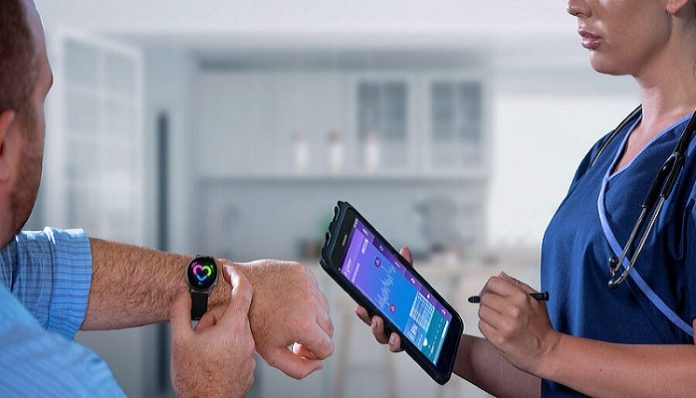
And recently, there’s been a lot of research that shows wearable devices like Fitbits can be used as part of mental health treatment plans. These devices measure heart rate, sleep quality, and other things that can help give doctors an idea of how well their patients are doing overall with their treatment plan.

Organizations could also leverage AI-enabled solutions like behavioral health software in order to better understand what kind of mental health issues are affecting their patients. Such software also allows them to monitor and store medical history and records in a single place for better visibility and security.ย 

Empower Patients to Seek Care for Mental Health Issues

A new report from Mental Health America (MHA) found that around 54.7% of adults suffering from mental disorders do not get the required care, which is equivalent to 28 million individuals. The figure can be attributed to a lack of affordable care, poor accessibility, the stigma attached to mental health issues, and others.ย ย 

Thus, there is still a lot of work to be done in order to help those who need it most, and healthcare organizations can help.

Here are some ways healthcare organizations can empower their patients to seek care for mental health issues:

  • Educate patients about what mental illnesses are and how they present themselves. By educating patients about what mental illnesses are and how they present themselves, healthcare organizations can help patients understand their own symptoms and know when it’s time to seek professional help.
  • Make it easy for patients to access resources. Healthcare organizations should make it as easy as possible for their patients to access resources related to mental health issues, like local counseling centers or group therapy sessions. This will allow them to receive treatment without having to travel far or wait long periods of time between appointments.

Add More Psychiatrists and Psychologists to the Workforce

One of the most important steps healthcare organizations can take in 2023 to tackle the global mental health crisis is to add more psychiatrists and psychologists to their workforces.

The shortage of psychiatrists and psychologists in countries like the United States forces many people who need mental health care to wait weeks or months to be seen by a professional. Due to lack of access, โ€œPeople are unable to get the required care. It has an impact on their lives, including their ability to work, socialize, and even get out of bedโ€, says Saul Levin, MD, American Psychiatric Association (APA).

According to a combined study by Columbia University Mailman School of Public Health and City University of New York, roughly 10% of Americans suffered from depression in 2020. In addition, a 2021 survey by Statista has found 27% of individuals in 8, 10, and 12 grades used illicit drugs within their lifetime.

These findings indicate that there is a huge need for mental health professionals in the United States today and that demand will only increase as the population ages over time. Healthcare organizations should take this opportunity to invest in training programs for new professionals who want to enter this field. This will empower individuals to overcome their struggles with mental illness or addiction problems.

The right kind of support is essential for anyone with mental health problems. It’s important that healthcare organizations have enough psychiatrists and psychologists on hand so that they can help these people as quickly as possible. This way, they won’t be left struggling alone, but will instead receive the treatment they need and deserve.

Provide Patients With Access to Digital Therapeutics

As the mental health crisis becomes more and more of a worldwide concern, healthcare organizations have begun to take steps to help patients by providing them with access to digital therapeutics.

Digital therapeutics are designed to help individuals improve their mental health through the use of an app or other digital device. These apps can provide patients with tools that can help them manage their symptoms, learn how to cope with stress, connect with others who are experiencing similar issues, and even reach out for professional help.

Digital therapeutics are also useful in various mental health issues including depression, autism spectrum disorder (ASD), schizophrenia, bipolar disease, and others. Healthcare organizations can help people struggling with depression and other mental illnesses by providing them with access to digital therapeutics such as apps and virtual reality games.

These tools can help patients manage their symptoms and prevent relapses by improving their quality of life and helping them feel less isolated.

These Steps Can Help Build a Stronger Foundation for Addressing Mental Health

The global mental health crisis is a serious issue that affects individuals, families, and communities worldwide. Healthcare organizations can play an important role in addressing this crisis by taking the above steps and following a proactive approach.


Option Care Health Expands Partnership With WellSky to Accelerate Innovation in Home and Ambulatory Infusion Technology

Option Care Health Expands Partnership With WellSky to Accelerate Innovation in Home and Ambulatory Infusion Technology

WellSky, a leading health and community care technology company announced it is significantly expanding its partnership with Option Care Health Inc., the nationโ€™s largest independent provider of home and alternate site infusion services. Option Care Health will collaborate with WellSky to accelerate innovations and workflow enhancements within WellSkyโ€™s infusion and specialty pharmacy platform, CareTendยฎ, and will implement the software across its more than 160 Option Care Health locations.

As a leader in the infusion therapy space, Option Care Health provides innovative services with the goal of improving outcomes and reducing costs for patients and their families. The partnership with WellSky will support this effort by bringing new capabilities to the CareTend platform, including innovative new workflows for clinical practice that incorporate automation, integrated clinical decision support, mobile extensibility, and native interoperability.

โ€œOur decision to select WellSkyโ€™s CareTend as our go-forward platform was pivotal to our core value of delivering comprehensive infusion care resulting in greater operating efficiencies and higher patient satisfaction,โ€ said John C. Rademacher, president and chief executive officer of Option Care Health. “Expanding our partnership with WellSky will help ensure we have the technology needed to improve our pharmacy operations and point of care oversight in either the home or one of our infusion suite operations, allowing us to deliver a cutting-edge care experience for even more patients.โ€

The partnership between WellSky and Option Care Health will allow both organizations to play a critical role in advancing the technologies that drive infusion and specialty pharmacy operations in the pursuit of better outcomes at lower costs.

โ€œWellSky is thrilled that our technology development efforts will be influenced by one of the largest and most respected providers in the infusion therapy space,โ€ said WellSky CEO Bill Miller. โ€œOur continued collaboration with Option Care Health further strengthens WellSky’s ability to deliver software built for more personalized, connected care.โ€

Option Care Health and WellSky have been working together for more than a decade to improve health outcomes. Most recently, the two companies joined forces on an effort to promote interoperability across platforms and enable better care coordination.

Stryker Rolls Out Citrefix Suture Anchor System

Stryker announced the launch of Citrefixโ„ข, a suture anchor system for foot and ankle surgical procedures. The new system uses Citregenโ„ข, an award-winning bioresorbable material designed to mimic the chemistry and structure of native bone.

โ€œOur customers will now benefit from the expanded use of one of the most innovative bioresorbable materials available for use in foot and ankle procedures,โ€ said Michael Rankin, vice president, marketing and medical education for Strykerโ€™s Foot & Ankle business. โ€œCitrefixโ€™s unique suture anchor system is the next step in our expanding Citregen portfolio.โ€

Citrefix is a disposable suture anchor system that features a resorbable biomimetic anchor body. It is made with Citregen, an elastomeric material made from a citrate polymer specially designed to mimic bone chemistry for controlled resorption without chronic inflammation.1 These unique chemical and mechanical properties are designed to help grafted tissue heal and healthy bone to grow when used in orthopaedic surgical applications.2 The sterile-packed set includes a cartridge with preloaded implant and eyelet, a drill bit, a drill guide and pre-assembled inserter.

โ€œBy leveraging Citregenโ€™s unique material properties, Citrefix introduces design features that greatly increase its pull-out strength compared to other suture anchors,โ€ said Wayne Berberian, M.D., orthopedic surgeon at the Ankle & Foot Institute in Maywood, N. J. โ€œAt the same time, the Citregen material benefits patientsโ€™ recovery since it is more easily accepted by the body, so they heal without suffering from the chronic inflammation that may occur with other bioresorbable suture anchors.โ€

After the successful launch of Citrelock last year, Citrefix is the second product in Strykerโ€™s expanding portfolio using the material, with additional products expected in 2023. Citregen was awarded the 2022 Technology Innovation and Development Award by the Society for Biomaterials earlier this year.

Clinithink and AstraZeneca Launch First of its Kind AI Project Aimed at Detecting Early-Stage Lung Cancer

Clinithink, the company that has developed the worldโ€™s first Healthcare AI capable of truly understanding unstructured medical notes, has partnered with AstraZeneca Oncology UK in a new project that aims to find patients with lung cancer at an early stage where treatment can be more effective.

The project announced hopes to demonstrate potential savings based on this novel AI approach as well as identify benefits for patients in being treated earlier in the disease process, hopefully increasing the number of people who are cured.ย It aims to flag patients that could benefit from lung disease screening, leading to earlier diagnosis of the disease โ€“ potentially improving patient outcomes and reducing costs for the NHS. Theย cost of lung cancer to the UK economy is significant, and there are higher costs associated with treating patients at a later stage.

Lung cancer is the UKโ€™s second most common cancer, and each year almost 35,000 people die2ย from the disease. Survival rates at 1-year drop drastically from 90% if the disease is diagnosed at the earliest stage, to just 20% if the disease is diagnosed at the most advanced stage.2ย However, today three quarters of people with the disease are diagnosed at a later stage (Stage III or IV).3ย The Governmentโ€™s 10-year Cancer Plan aims to ensure that 75% of all cancer is detected in stage 1 or 2, regardless of tumour type.4ย 

Using AI based technology, the first stage of the project is a retrospective analysis of patientsโ€™ unstructured electronic medical records that will test whether it is possible and cost-effective to use the AI technology – machine learning (ML) and natural language processing (NLP) – to identify both symptomatic and asymptomatic patients who are in early stages of the disease. The outputs will then be used to develop predictive models that flag high risk individuals at a much earlier, more treatable, stage of disease, improving survival rates and driving down the intensity of treatment needed.

The partnership coincides with the announcement from The UK National Screening Committee5, which in September recommended that the UK should implement a national lung cancer screening programme. The collaboration between Clinithink and AstraZeneca announced, which is being funded by AstraZeneca, will support the goals of this programme by helping to identify those patients under the age of 55, who would otherwise have been ineligible for the nationwide screening.

Dr. Satoshi Hori, Oncology Medical Affairs Head at AstraZeneca Oncology UK commented:ย ย 

โ€œAddressing healthcare ecosystem challenges to enable earlier detection and diagnosis of cancer is one of our UK oncology missions. Focusing specifically on early detection of lung cancer, our partnership with Clinithink is a great example within AstraZeneca Oncology of an external partnership with the common goal of improving UK cancer outcomes.โ€

โ€œThe project will test whether it is possible to predict which individuals might have lung cancer, while they are still at the early stages of the disease process,โ€ continued Dr Hori.

Chris Tackaberry, co-Founder and CEO at Clinithink commented: โ€œHarnessing and understanding unstructured medical data creates enormous opportunities to transform the treatment of disease, reduce NHS costs and improve population health.โ€

โ€œOur technology, CLiX unlock, can process millions of detailed medical records in hours โ€“ a process which would take years if completed manually โ€“ to deliver valuable clinical insights.ย ย We hope to use the insights uncovered in this real-world evidence study to develop predictive models that will flag high-risk individuals at a much earlier, more treatable, stage of disease โ€“ when neither they nor their GP know they have lung cancer, or even suspect it.โ€

The first phase of the project will include a health economic evaluation to ensure the pilot is cost effective and scalable. If successful, the team will develop a prospective model in mid-2023 to prove the validity of the approach in the real world.

Dedalus Expands Work with AWS as a Strategic Cloud Provider to Transform the Digital Healthcare Ecosystem Globally

Dedalus announced expanded work with Amazon Web Services (AWS) to support global digital transformation in healthcare through hosting Dedalusโ€™s health-related solutions on AWS.

Dedalus is a leading healthcare and diagnostic software provider in Europe and one of the largest in the world, providing solutions that touch more than 540 million people across 6,300 healthcare organizations in 40 countries. Dedalus has more electronic health records (EHRs) installed in hospitals outside the U.S. than any other vendor and manages more than 3 billion diagnostic results per year.

With the healthcare industry under pressure to transform in response to an emphasis on value- based care and better meet patient needs, cloud-based services can help create a healthcare ecosystem that is more secure and reliable and ultimately enables providers to focus on delivering better care. Together, utilizing the cloud, Dedalus and AWS will offer customers around the world cost-optimization and agility via smart provisioning and need-based elasticity, built-in disaster recovery, as well as improved clinical system performance, reliability, availability, and security and compliance posture.

โ€œWe are finally seeing an acceleration in the healthcare community embracing a digital transformation,” said Andrea Fiumicelli, CEO of Dedalus Group. โ€œWe hear from our customers that they need solutions for the enormous challenges they face related to security, continuity, reliability, performance and cost. Our customers have seen concrete benefits of utilizing AWS, like reducing operating costs by leveraging the elasticity of the cloud, as well as the reduced impact on carbon footprint and the performance improvement for end users.โ€

With Dedalus on AWS, Dedalus will offer global deployments across its expansive portfolio, including:

  • Electronic health record (EHR) products powered by our digital platforms such as Digital Connect 4 Healthcare (DC4H), which run on AWS utilizing containers and microservices. Our digital platforms enable interoperability and a Fast Healthcare Interoperability Resources (FHIR)-based integrated care record so healthcare organizations can generate contextual and actionable insights from across multiple clinical and operational systems for informed and timely decision
  • Integrated workflow services, such as the Integrated Healthcare Information Solution (HCIS), which support administrative, clinical and financial processes, including prescription and pharmacy management and surgical suite management platforms, to offer better and safer care for patients and a more efficient and flexible working environment for healthcare
  • Connected care solutions through a multi-tenant platform that supports the continuity of care for patients from assessment in hospital or primary care settings, to the provisioning of social services, through care evaluation and financial This enables healthcare and service professionals across the wider healthcare ecosystem to support patient needs, including those of the elderly and medically complex, in an integrated way, while allowing patients themselves to play an active role.
  • Enterprise scheduling and digital front door solutions, such as SwiftQueue, a market- leading cloud-native patient portal and an appointment and scheduling solution. Utilizing AWS, SwiftQueue enables more efficient, patient-designed processes for appointment booking and check-in, managing clinical workflows, referrals, and waiting
  • Medical imaging solutions, including PACSonWeb, an Enterprise Imaging solution based on a cloud-native architecture that enables an ecosystem with improved security features, fast and easy access to all digital images and With a 100% web interface, it lowers total cost of ownership and maintenance without installations.

By delivering these workloads on AWS, organizations can focus less on data center management and more on improving the quality of care and outcomes for the patients and communities they serve.

โ€œWorking with Dedalus to migrate our EHRs to the cloud has given us a level of flexibility, resilience and robustness, providing value at a rapid pace. It also shows our staff that we are a technology enabled organization, and we see that as an essential element of the care we provide to our patients,โ€ said Andrew Raynes, Chief Information Officer of Royal Papworth Hospital NHS Foundation Trust in UK. โ€œWe have seen performance improvements in EHR functions, like faster retrieval of clinical data. The planning and teamwork that came together between my digital team and Dedalus for the move to the cloud was so important, because this move was our health records for our patients.โ€

Currently, Dedalus EHR products on AWS are deployed in more than 50 hospitals in the U.K., with additional migrations planned in 2023 and 2024. With cloud-based EHRs, customers lower their total cost of ownership, improve their security posture, can scale on demand, improve disaster recovery, and increase operational performance system-wide. Hospitals currently utilizing Dedalusโ€™s Lorenzo EHR on AWS saw:

  • 40% reduction in time to serve (across all pages) on average
  • 66% improvement in time to serve across the slowest 10 pages used
  • Validated Disaster Recovery testing with failover in seconds and total system availability in less than 2 minutes, with zero impact on the customer

โ€œWe see tremendous value in what weโ€™re undertaking with Dedalus in this next phase of our work together,โ€ said Dr. Rowland Illing, Chief Medical Officer and Director of International Public Sector Health at AWS. โ€œTogether, Dedalus and AWS will change whatโ€™s possible for healthcare organizations, helping them to speed up innovation while improving operational and clinical processes. Combining Dedalusโ€™s 40 years of expertise in pioneering technology for healthcare with the proven security, reliability, and resilience of the worldโ€™s leading cloud will help customers to better serve their populations and improve the quality of care.โ€

MediThinQ Relies on Lumus Optics Technology to Develop AR Device Solution for Surgeons

Surgeons regularly rely on monitor images to perform surgery. As such, they must always keep their eyes on both the surgery field and the monitor โ€“ meaning that they are constantly turning their heads back and forth. This results in a heavy cognitive load, adjusting the surgeonโ€™s attention on a screen and then back on the patient. Additionally, this turning of their head results in discomfort and, sometimes, chronic aching in their necks, eyes, shoulders, and other parts of the body.

So, for surgeons who perform high-risk surgeries on a daily basis, having to turn their head away from the patient to view images on the monitor is a great burden โ€“ and it could be dangerous in terms of patient safety.

Enter MediThinQ, a leading medical technology company that manufactures Eyes Up Surgical Displays that allow for free sight and comfortable surgery posture for medical staff. With MediThinQ’s Eyes Up Surgical Displays, a major challenge in the medical field which had previously remained unmet has now been solved.

When designing their latest solution, MediThinQ sought an AR display partner that would allow them to build small AR devices with long battery life that could project high-definition images so that surgeons can view both the surgical field and images simultaneously.ย  Transparency of their system was important, and after examining numerous waveguide-related technologies available on the market, MediThinQ turned to Lumus.

โ€œWe knew they would be the best partner because of their advanced technology experience in other medical applications, and the possibility that future technological development would bring,โ€ said Jin Lee, Senior Vice President of MediThinQ. โ€œNow, Lumusโ€™ AR displays are a key component of our product.โ€

With MediThinQโ€™s solution, featuring Lumus reflective waveguides, surgeons can bring the images of the monitor directly in front of their eyes โ€“ eliminating the need to toggle their eyes between the surgery field and a monitor. And, since the solution utilizes wireless technology, they can also have increased mobility, convenience, and efficiency.

โ€œLumus is proud to be the selected optical engine choice for MedithinQ,โ€ said David Goldman, VP of Marketing at Lumus. โ€œTheir medical applications are game-changers for operating rooms all over the world. While we wait for consumer AR devices, products like MedithinQโ€™s ScopeEyeยฎ and MetaScopeยฎ demonstrate the power and utility of augmented reality today.โ€

โ€œThe MediThinQ solution allows the entire operating room to have a full view of the surgeonโ€™s gaze on a single screen, enabling fast and accurate treatment and enhancement of operation efficiency,โ€ Lee said. โ€œPlus, hospitals can benefit from saving on operating time and costs associated with the surgery. By replacing bulky monitors with our solution, they can use their operating room space more effectively.โ€

MediThinQโ€™s AR solutions are already making waves in the medical community. According to Lee, customers have already relayed the benefits of AR glasses in the surgery room. โ€œDuring laparoscopic surgery, there were many times where the assistant medical staff had to forcefully help change the patientโ€™s position or posture while examining the surgery field, but the burden on staff was greatly reduced by wearing smart glasses,โ€ Lee added. โ€œPlus, during rectal surgeries, smart glasses enabled the team to continue suturing while looking at their surroundings.โ€

Medical teams reported that the image brightness worked well, and image quality did not decrease from theย  normal monitor resolution โ€“ so they did not feel any discomfort relying on the new solution in a high-pressure environment. Plus, in long term surgeries that lasted more than six or seven hours, surgeons noticed a more comfortable posture and vision due to not having to look back and forth to the monitor.

Over ยฃ175 Million for Cutting-Edge Genomics Research to Help Boost Diagnosis and Treatment for Patients

Patients with cancer and children born with treatable rare genetic diseases are set to benefit from earlier diagnosis and faster access to treatment, following a ยฃ175 million boost to cutting-edge genomics research announced by the Health and Social Care Secretary.

The funding will enable research which could deliver world-leading genomic healthcare to patients, which involves the study of peopleโ€™s DNA. The boost is part of a new three-year plan to develop, evaluate and roll out new technologies across the health and care system and life sciences sector, bolstering the UKโ€™s position as a life sciences superpower. This includes:

  • ยฃ105 million to kickstart a world-leading research study, led by Genomics England in partnership with the NHS, to explore the effectiveness of using whole genome sequencing to find and treat rare genetic diseases in newborn babies. For example, rare genetic thyroid hormone conditions, which are not detectable by the routine NHS heel prick test, and can cause developmental and learning difficulties and longer-term health complications without treatment. The study will sequence the genomes of 100,000 babies over the course of the study โ€“ which will begin in 2023 – and will gather evidence to consider whether this could be rolled out across the country.
  • An initial ยฃ26 million to support an innovative cancer programme, led by Genomics England in partnership with the NHS, to evaluate cutting-edge genomic sequencing technology to improve the accuracy and speed of diagnosis for cancer patients and use artificial intelligence to analyse a personโ€™s DNA, alongside other information such as routine scans.
  • ยฃ22 million for a programme, led by Genomics England, to sequence the genomes of up to 25,000 research participants of non-European ancestry, are currently under-represented in genomic research to improve our understanding of DNA and its impact on health outcomes. This will help reduce health inequalities and level up patient outcomes across all communities.

The government has also announced up to ยฃ25 million of UKRI-MRC funding for a UK wide new initiative on functional genomics, an area of genomic research which uses molecular tools such as gene editing to improve understanding of how genetic variation leads to disease and support smarter diagnostics and the discovery of new treatments. The Life Sciences Vision set out in 2021 commits to delivering a world-class offer on functional genomics and the UK is in a strong position to become a leader in this area.

These announcements will build on the world-leading work of the NHS Genomic Medicine Service.

Health and Social Care Secretary Steve Barclay said:

โ€œWeโ€™ve made advancements in so many areas to improve peopleโ€™s health โ€“ from ensuring ground-breaking new medicines get to patients faster to bolstering the NHS workforce to ensure we have record numbers – and this plan, backed by ยฃ175 million, sets out how we will use the latest genomic technology to go further.
โ€œThe potential for genomics to revolutionise the way we deliver health care is great โ€“ if we can detect treatable illnesses earlier and ensure patients access potentially lifesaving treatment faster, we could improve peopleโ€™s lives across the county, including thousands of babies through this new pilot.
โ€œThe NHS is a world leader in genomics and by investing in this cutting-edge research weโ€™re cementing our status as a life sciences superpower.โ€


Thousands of children are born in the UK every year with a treatable rare condition that could be detected using genome sequencing. Most rare disorders are genetic and children under the age of five are disproportionately affected. Whilst these conditions are often difficult to identify, genomic testing has already become the main way of providing a diagnosis.

The current NHS heel prick blood test carried out as part of newborn screening is used to detect nine rare but serious health conditions in babies, including sickle cell disease and cystic fibrosis. However, screening a babyโ€™s entire genome โ€“ all of their DNA โ€“ alongside the current heel prick could detect hundreds more rare, treatable diseases in their first years of life. For many of these illnesses early and effective intervention is crucial for helping these children live healthier lives.

The Newborn Genomes Programme will support vital healthcare research to enable better diagnostics and treatments to be developed and explore the potential benefits of safely and securely storing a patientโ€™s genome on record to help predict, diagnose and treat future illnesses through their lifetime. For example, if a child who has had their genome sequenced falls sick when they are older, such as developing cancer, there may be an opportunity to use their stored genetic information to help diagnose and treat them.

A public consultation by Genomics England has shown overall support for the use of genomics in newborn screening, providing the right safeguards are in place. Genomics England engaged widely with the public, parents, families with rare disease, and healthcare professionals and scientists to navigate the scientific, clinical, ethical, and societal issues that newborn genome sequencing presents.

Minister for Health, Will Quince, said:

โ€œGenomics is changing the future of healthcare and this plan is a crucial next step in delivering our vision to create the most advanced genomic healthcare system in the world.
โ€œGenomic sequencing can speed up diagnosis of cancer, ensure children with treatable illnesses receive treatment faster and improve our understanding around how health outcomes differ by ethnicity.

โ€œThe UK continues to lead the way in genomics expertise, and this pioneering plan will save lives and ensure we are delivering better health outcomes at lower costs.โ€


Alongside this, as part of their innovative cancer programme, Genomics England will partner with NHSE England (NHSE) to test new genomic sequencing technology for faster, more accurate cancer diagnosis. Working with NHSE and the National Pathology Imaging Co-operative (NPIC), Genomics England will also combine imaging, genomic, and clinical data to better diagnose and predict the progress of a patientโ€™s cancer.

To overcome the lack of diversity within genomic data, Genomics England will expand a range of programmes to build trusting relationships with traditionally excluded groups of people, such as patients with sickle cell disease who are unrepresented in research studies, alongside developing tools to enable doctors and researchers to better interpret genetic variations and make more informed decisions about patient care. This will help tackle health inequalities and improve patient outcomes within genomic medicine.

Business Secretary Grant Shapps said:

โ€œFrom cancer treatment and diabetes research to increasing our understanding of rare and undiagnosed diseases, genomic medicine is already transforming lives and helping to create new treatments for all kinds of conditions.
โ€œOutstanding progress is being made across the UK, and this ยฃ175m plan sets out how we will use the latest genomic technology to go even further, leveraging the might of our excellent NHS and top researchers to lead the world in using genomics for healthcare, boost growth by supporting high quality jobs, and cement our position as a global science superpower.โ€


NHS England National Medical Director Professor Sir Stephen Powis said:

โ€œThe NHS is a world-leader in genomic medicine, and through the NHS Genomic Medicine Service we are already transforming the lives of thousands of patients with cancer and rare diseases by harnessing the latest technologies to deliver faster and more accurate diagnoses, more effective treatments and predicting and preventing certain conditions.
โ€œThis project has the potential to provide yet more powerful tools for NHS teams as they work to save lives and improve life chances for patients, alongside the testing and treatment options that the genomics programme has already provided.โ€


As set out in the governmentโ€™s genomic healthcare strategy, Genome UK, the ambition is to create the most advanced genomic healthcare system in the world. This will be underpinned by the latest scientific advances and engagement with patients and the public, developing the genomics workforce and supporting industrial growth. This will deliver better health outcomes at lower cost alongside commitments to enable more rapid diagnosis.

This comes as the government announced ยฃ113 million of funding last month for innovative research into cutting-edge new treatments including cancer immune therapies or vaccines and game-changing weight loss medication and technologies, to accelerate their development and rollout as part of the Life Sciences Vision.

Professor Lucy Chappell, Chief Scientific Advisor to DHSC and CEO of the NIHR , said:

โ€œIn Genome UK the government set out its ambition to create the most advanced genomic healthcare system in the world. It is therefore crucial that we evaluate new genomic technologies in a robust way so that the public and clinicians can have confidence in how they are used. I therefore welcome the investment in this Implementation Plan to explore whether new approaches such as whole genome sequencing of newborns are effective, safe and acceptable to parents. These developments have the potential to transform healthcare. The Plan is a great example of the whole genomics ecosystem, including our NIHR delivery partners, coming together to achieve our goals in this exciting area of medicine.โ€


Dr Rich Scott, Chief Medical Officer for Genomics England, said:

โ€œThis continued investment in genomics means that the country is well placed to remain at the forefront and for us to be able to offer the best clinical care for patients.
Our goal in the Newborn Genomes Programme is to do more for the thousands of children born every year in the UK with a treatable genetic condition. We want to be able to offer speedy diagnosis, quicker access to treatment, and better outcomes and quality of life. We want to be able to say to parents that weโ€™ve done the best we can to identify and do something about these life-changing illnesses, in a timely way before the damage these conditions can cause has been done. Generating this evidence will allow policymakers to make well informed decisions on whether and how whole genome sequencing could be rolled out as part of a future newborn screening programme.
โ€œWith the pace of change of knowledge and the emergence of new technologies, it’s crucial that we continue to learn. That’s why our programme will also support research to improve diagnosis and treatment of genomic conditions and into the potential future healthcare uses of genomic data. Itโ€™s also why we will explore public preferences for how we might support these uses in the future if newborn genome sequencing became routinely offered.โ€


Professor John Iredale, Executive Chair of the Medical Research Council, said:

โ€œMRC is delighted to be leading this ยฃ25m initiative in functional genomics. This exciting area of research allows us to build on the rich genomic work in UK flagship initiatives supported by MRC, such as the MRC Human Genetics Unit, Genomics England and UK Biobank, to drive a better understanding of how genes cause disease by linking genetic variation to physiological function. This will lead to breakthroughs in our understanding of disease and ultimately support the discovery and development of the next generation of diagnostics, medicines and vaccines.โ€


ABPIโ€™s director of research policy, Dr Jennifer Harris said:

โ€œThis plan is a big step forward in delivering on the government and industryโ€™s shared commitment to fully harness the power of genetic medicine to transform care for patients. It gives a much-needed boost to research and expands the opportunities for patients to take part in clinical trials, building on the recommendations of our report on genomics earlier this year.
โ€œIt is essential UK patients get better access to genetic testing and genomic medicines through the NHS, and that Genome UK is fully implemented across the UK. The industry will continue to work with government and system partners to deliver these plans, and ultimately, realise the ambitions of the Life Sciences Vision by ensuring people across the country feel the benefits of the UKโ€™s leadership in genomics.โ€


Steve Bates, CEO of the Bioindustry Association, said:

โ€œEnglandโ€™s Genome UK implementation plan sets out key investments that will help make the UK the best place to start and scale new genomics companies. This is vital to allow the UKโ€™s thriving ecosystem of genomics SMEs to flourish and benefit patients.
โ€œThe commitment to a world class functional genomics initiative, developed in partnership with industry, will help maintain the UKโ€™s global position. Improving SMEsโ€™ access to high-quality genomics data through expanding existing initiatives, as well as through Genomics Englandโ€™s new diverse data programme, will also support the development of cutting-edge UK innovation.
โ€œThe UK BioIndustry Association welcomes the implementation plan and is looking forward to working with government and delivery partners on industry engagement and participation. Capturing metrics on SME engagement and support will be key to knowing if the plan has been a success.โ€

Federal Agencies Set New Privacy Rules For App Developers

An updated trail guide that intends to assist health app developers in understanding which privacy rules and regulations relate to their technology has been made available by a number of federal government entities.

The Office of the National Coordinator for Health Information Technology, the Food and Drug Administration, as well as the Office for Civil Rights within the Department of Health and Human Services all collaborated to create the Mobile Health Apps Tool.

It enables developers to decide whether federal rules apply and which organisations govern certain facets of mobile health technology before building apps that will gather, exchange, utilise, or keep health information. Among the laws are:

  • Rules for privacy, security, and breach notification under the Health Insurance Portability and Accountability Act (HIPAA).
  • The 1938 Food, Drug, and Cosmetic Act (FD&C Act).
  • The health IT and information blocking sections of the 21st Century Cures Act and ONC’s Cures Act Final Rule withย the ONC Health IT Certification Program.
  • The Health Breach Notification Rule of the Federal Trade Commission (FTC Act).
  • Act Protecting Children’s Online Information (COPPA).

The tool asks developers a variety of questions to help them understand their roles, like: do users require a prescription to access your app? Or do you permit the exchange of electronic health information among more than two independent parties? As the ONC’s Kathryn Marchesini and Rachel Nelson noted in a blog post, they understand the essential role health technology innovators have in assisting to facilitate and build confidence in the adoption and utilisation of mobile technologies.

Privacy and security are made the default setting in the overall development and design of the technology and business operations by including information privacy and security measures into mobile technology from the beginning, sometimes referred to as privacy or security by design. Users will feel more secure knowing that their data is safe and will only be accessed and released when expected or authorised.

Consumers can choose from among tens of thousands of digital health apps, and according to a recent American Medical Association poll, more doctors believe that using these tools can improve patient care.

However, there are issues with user security and privacy. Some privacy experts contend that information gathered by period-tracking or fertility apps may be used targeting users in regions where abortion is currently illegal following the Supreme Court’s Roe v. Wade decision.

In a recent analysis, the Mozilla Foundation examined 25 wearable technologies and apps for reproductive health. It was discovered that several apps had lax privacy and security requirements, collected a sizable quantity of users’ personal information, and made it challenging for users to understand how their data will be used.

Translate ยป