














Close
Digital Health & Ai Innovation summit 2026
Medical Taiwan 2026

Cosmetic Dentistry: Treatment Options And Side Effects

Smiling proudly and confidently doesn’t come naturally to everyone. If you feel uncomfortable with how your teeth look, you can be shy to wear that desired smile. Enamel quality, crookedness, stains, and tooth shape affect how you feel about your smile. Fortunately, you can find solutions to these problems. A feasible treatment option for these conditions is cosmetic dentistry, which focuses on improving aesthetics.

However, cosmetic dentistry can also benefit your teeth and overall oral health. But with the many cosmetic treatment options available nowadays, from tooth whitening to veneers to aligning, the possibilities of enhancing your smile are plenty, and you can be lost for choice. This article delves into typical cosmetic dentistry treatment options and the related side effects.

Who Can Benefit From Cosmetic Dentistry?

Cosmetic dentistry is an option if you struggle with the following:

  • Cracked or chipped tooth
  • Gaps or spaces between your teeth
  • Misaligned teeth
  • Stained and discolored teeth
  • Mis-shaped teeth

If you’re experiencing these common teeth issues, you can always consult your nearest dental clinic to avail of their services. Regardless if the patient is a child, a young adult, or a senior, many oral treatments available are available for them.

What Are Some Treatment Options For Cosmetic Dentistry?
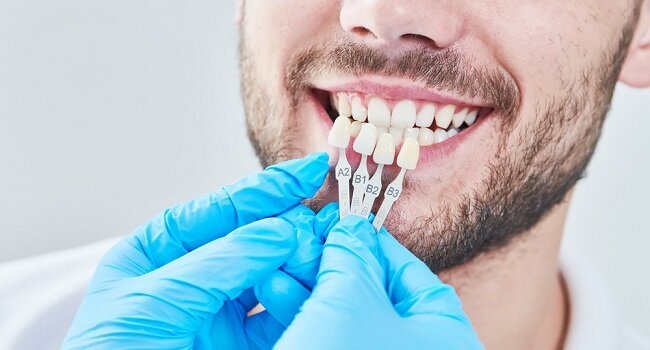
Cosmetic dentistry offers a broad range of dental care services, as outlined below:

  1. Teeth Whitening

Teeth whitening is one of the most popular cosmetic dental procedures used in the world today. The dentists will apply whitening material containing highly concentrated hydrogen peroxide onto the teeth’ surface to lighten the color of the enamel. After that, laser light is radiated on your teeth to help quicken the bleaching process and turn discolored teeth into pearly white. Most patient appointments may typically last from 30 to 60 minutes. Learn more aboutย teeth whitening services.

In addition, there’s a special kind of whitening, particularly for teeth discolored after a root canal process. It involves placing bleach within the tooth during the procedure. There are several types of teeth whitening products, and you can discuss first with your doctor which option is the best fit for you.

On the other hand, tooth whitening isn’t permanent, and you may have to redo the procedures after a while. Also, it may usually cause tooth sensitivity and gum irritation if the gel overflows for a while. Consider some expert tips on whitening your teeth naturally to reduce the frequency of hospital visits for whitening procedures.

  1. Dental Veneers

Veneers are considered among the quickest ways to enhance your smile. These are thin white covers made of porcelain that are placed over your existing teeth and used to cover distortions such as crowding, cracks, or chipping. They’re attached to a unique adhesive for dental procedures known as oral bonding.

The veneer is custom-made for your teeth or the few you’ve selected to match the shape and color of your teeth. If you take good care of them, veneers can last up to 10 to 20 years, after which you can remove and install new ones.

However, on the negative side, veneers can stain tooth margins or chips and may need replacing. The procedure can also be irreversible because once the doctor cuts the enamel for the veneers to fit perfectly, you may always need veneers in the future.

  1. Dental Crowns

Dental crowns are ceramic or metal cases placed on the entire tooth. It changes the color and shape of the tooth and safeguards it supposing it was weakened due to tooth decay or huge fillings.

The dentist removes a thin tooth layer to create space to fit the crown. It is then taken to the lab for examination, and a later appointment is needed to cement the crown. Meanwhile, you’ll be provided with a crown. The entire procedure takes a couple of weeks with follow-ups. Furthermore, they’re durable and can last up to 15 years.

There can also be risks if the tooth chips or breaks, which might need replacement. Again, in some cases, when removing the thin layer of the tooth, the cutting tool can get near the pulp (nerves), requiring treatment later, such as a root canal.

  1. Dental Bridges

Dental bridges, also known as pontics, are false tooth that substitutes a lost tooth or missing tooth. It consists of different materials, such as gold, alloys, or porcelain, that cement the tooth on either side of the gap. It’s a permanent or fixed device. You can detach it without the help of your dentist.

It is strong and functions as any other natural tooth. In most cases, you may want to bridge the front tooth with porcelain because it naturally matches the color of your teeth.

Risks and potential complications of a dental bridge may include allergic reactions to the substances used in the false tooth or crown. Sensitivity to heat and cold in the crowned teeth might also be a problem.

  1. Invisalign

Invisalign is a form of teeth straightening for crooked teeth. It’s a more advanced and safer option than wires and brackets, which may sometimes be painful and require frequent tightening. Invisalign are clear aligners made of plastic that are quickly removable when you want to eat or clean.

After the doctor has examined your teeth and created a treatment plan, clear aligners are modified to fit your teeth perfectly. The procedure is pretty quick, shortening trips to the dentist.

Aligners, if worn over an extended time, may severely affect the health of your gums, resulting in problems like gingivitis or periodontitis. Furthermore, aligners may weaken teeth, which may cause slow absorption of the dental roots over time.

  1. Dental Bonding

Dental or tooth bonding involves your dentist applying a tooth-colored resin material to the affected teeth to change their shape, size, or color using a bonding agent.

It’s an excellent treatment option for chipped or cracked teeth and small gaps between teeth. Tooth bonding is one of the most effective methods used by cosmetic dentists to make improvements to your smile.

Depending on how often you need to replace your dental bonding, porcelain veneers are the best choice for you to begin with, although veneers don’t need to be frequently replaced if you invest in high-quality ones.

  1. Dental Implants

Dental implant surgery replaces a missing tooth or teeth without damaging adjacent teeth. A dental implant contains two parts: a screw made of titanium that blends with your jaw bone and a porcelain tooth that matches the screw.

Over time, your jawbone will grow around the implant, and in the end, the new tooth will appear as natural as the rest of your teeth. After that, you’ll have an abutment placed.

However, it might be challenging to clean around an implant, and you may often need to remove them for thorough cleaning. Furthermore, it can be challenging to treat in case of gum infection, and the implant needs to be removed if the condition is severe. At this point, the area will not be suitable if you want an implant in the future.

Typical Side Effects Of Cosmetic Dentistry

Cosmetic dentists are trained to conduct these procedures professionally. However, the patient might experience some mild side effects. They include:

  • Tooth Sensitivity
  • Bleeding gums
  • Irritation and inflammation in the area.
  • Headache
  • Slight toothache and jaw pain

Most of these should be mild. But if they seem severe and intolerable, causing a lot of pain, seek medical advice at once. Doing so will help you avoid complications.

What Are The Benefits Of Cosmetic Dentistry?

Cosmetic dentistry is more than just the appearance of perfect teeth. Besides improving your smile, below are more benefits of cosmetic dentistry:

  • It prevents dental damage, providing safety for your teeth.
  • It improves self-confidence. Once you undergo cosmetic dentistry, look in the mirror and admire your new smile. Such self-confidence positively transforms your entire being.
  • It boosts your physical appearance. A more youthful appearance is one of the first changes you’ll notice.
  • Cosmetic dentistry brings about oral health improvement by stopping tooth decay. It also motivates you to care for your teeth, preventing health hazards.
  • The cosmetic dentistry procedure is not costly, and you can easily acquire that smile you’ve always desired without spending too much money.
  • Short recovery time is another positive bit of cosmetic dentistry. You can recover fully after one or two days of soreness.

These are only among the many benefits of cosmetic dentistry. So, if you have dental issues that endanger your oral health and decrease your confidence, cosmetic dentistry is the way to go.

Conclusion

You’d want to feel confident in your smile, but some dental problems may deny you the privilege. Cosmetic dentistry is a feasible solution in such a case. Thereโ€™s a wide range of treatment options, and your oral health determines the specific suitable treatment. For that reason, before you start any cosmetic dental procedures, you must see a dentist to check your whole mouth thoroughly. They’ll recommend a suitable treatment option and refer you to a relevant specialist. Make sure to follow your doctor’s guidance for the best outcome.


With $45m, Australian Teletrial Program Goes Nationwide

The Commonwealth Medical Research Future Fund will invest A$75 million ($45 million) over the course of the next four years in a nationwide programme that aims to increase the geographic scope of clinical trials throughout Australia.

With the help of telehealth technology, the Australian Teletrial Program (ATP), which was initially conducted in 2018, has built a state-wide network of rural, regional, and distant clinical trial sites. Clinical trial participants and clinicians can now participate remotely, saving them the time and expense of making long trips to major cities.

In addition to Queensland, Tasmania, Victoria, South Australia, Western Australia, and South Australia, as well as the Northern Territory, serving as programme partners, Queensland Health will continue to serve as the program’s lead jurisdiction.

Numerous hospitals and health services (HHS) in Queensland will participate in the programme, with the Townsville HHS serving as the regional site for the ATP clinical trial coordinating centre, a specialised group of senior clinical staff that collaborates with main and satellite sites to conduct tele-trials. Given its dispersed location, Townsville is perfectly situated to serve as an ATP coordinating centre. Since 2007, Townsville has been offering virtual specialist care in rural and distant locations.

Director Kaye Hewson claims that the most recent federal funding will enable ATP to substantially broaden the scope of clinical tele-trials. Over 90 clinical investigations have been completed to date by the programme, involving 58 people at 37 clinical sites. To support these services, ATP has set goals for 5,000 additional participants, 2,400 fresh clinical trial sites, 90 more GP clinical sites, 208 new studies, and 5,000 personnel.

28% of Australians, or seven million people, reside in rural and isolated locations. As stated by the Australian Institute of Health and Welfare, these people regularly experience worse health outcomes than those who reside in major cities and suffer special difficulties as a result of their geographic location. Aside from having lower access to and usage of primary health care services than residents of urban regions, they also have a greater incidence of hospitalizations, deaths, and injuries.

The initiative will guarantee the regional patients’ fair access to care and improveย their quality of life and health outcomes. Additionally, it can improve clinical and healthcare staff collaboration and build up the workforce capacity in rural, regional, and distant locations, saidย Clinical Planning and Service Strategy’s Deputy Director-General, Colleen Jen.

Eastern Health Uses PowerHealth To Deploy 16 Billing Systems

Through its relationship with PowerHealth, Eastern Health, one of Melbourne’s main metropolitan public health agencies, has merged its billing systems into a single enterprise-wide system.

In Eastern Health’s emergency department, both inpatient and outpatient, theatre and prosthetic invoicing, drugstore, allied health, transition care, ambulatory treatment, pathology, diagnostic imaging, and cardiology services, the PowerHealth Power Billing and Revenue Collection (PBRC) is now in charge of managing the billing for the entire patient journey.

The organisations worked to set up a central billing system as well as an integrated mail house with PBRC to enable the creation of patient communication by SMS, email, or postal mail. Clinicians now have access to PBRC Mobile, a portable electronic device for documenting services for invoicing.

Furthermore, the PBRC has been linked with the health service’s rostering system to get data on the clinician roster and help find any potential instances of missed service billing. The management reporting function of the system is also utilized. More than 1.3 million episodes of care are provided yearly through more than 60 sites administered by Eastern Health.

The health service discovered it is not generating some income because of process and system complexity in a previous examination of its current system and process capability.

The company then took the initiative to replace 16 billing systems with a single, enterprise-wide billing system that streamlines procedures. This move has already produced financial gains that are 19% higher than expected.

The PBRC deployment, as per project manager Marina Hocking, has improved patient satisfaction as well as revenue capture and operational effectiveness. Additionally, it facilitated the swift switch to working remotely during the pandemic.

Eastern Health has finished implementing the system and is now focusing on advancing its maturity and integrating the use of business reports to support data-driven decision-making.

Albury Wodonga Health, a different public health organisation in Victoria, has also integrated the PBRC technology into its cloud-based PAS. After adopting the DXC Care Suite platform in 2020, the integration of the billing system will be a component of its digital transformation.

The same solution was previously used by the Peter MacCallum Cancer Centre and Children’s Hospital Westmead.

J&J To Pay $16.6bn To Buy Abiomed, A Maker of Heart Pumps

In a deal valued at more than $16 billion, Johnson & Johnson announced on November 8th its intentions to purchase Abiomed, which creates solutions for heart, lung, and kidney care. According to Johnson & Johnson, the acquisition will contribute to improving the global standard of care for treating heart failure and recovering from it.

Johnson & Johnson MedTech will run Abiomed as a stand-alone company, and it will join the company’s dozen other priority platforms, which are businesses with annual sales of at least $1 billion.

With heart failure and prolonged hospital stays being caused by cardiovascular disease, which is the leading cause of mortality, Johnson & Johnson is better positioned to address one of the biggest unmet needs in healthcare with the addition of ground-breaking medicines like those offered by Abiomed.

The only heart pumps approved by the U.S. Food and Drug Administration for use in treating patients with acute myocardial infarct (heart attack) in cardiogenic shock, right heart failure, or severe coronary artery disease who need high-risk percutaneous coronary intervention (stents) are manufactured by a company based in Danvers, Massachusetts. According to Ashley McEvoy, executive vice president and worldwide chairman of MedTech at Johnson & Johnson, Abiomed’s strong team and deep relationships with healthcare professionals, along with its inventive cardiovascular portfolio and sturdy pipeline, complement their MedTech portfolio, global footprint, and robust clinical expertise.

The largest healthcare products firm in the world has substantial expansion prospects with Abiomed, a first-to-market supplier of cardiovascular medical advances with 18 years of profitable growth. The company will be acquired by Johnson & Johnson through a tender offer of all outstanding shares for an upfront cash payment of $380 per share, for an enterprise value that, with the cash obtained, comes to almost $16.6 billion. Additionally, shareholders of Abiomed will obtain a non-tradeable conditional value right to receive up to $35 in cash per share in the event that specific commercial and clinical objectives are met.

Together, McEvoy added, they have the amazing chance to bring lifesaving ideas to more patients all over the world. Many healthcare institutions are motivated to support research into it and develop ground-breaking technology in order to detect cardiac disease earlier and reduce mortality rates.

That’s because, according to the CEO of Biotricity, Dr. Waqaas Al-Siddiq, in a discussion about remote cardiac and kidney monitoring, heart disease is the leading cause of death worldwide. Chronic illness is also the No. 1 expense for the healthcare system due to patients’ late diagnosis and their conditions’ requirement that they be in and out of the hospital frequently, he added.

Digital health startups need to get the scale, pricing, and quality just right in order to distinguish themselves from the crowded market, from AI-driven tools like remote monitoring of patients to diagnostic solutions that expedite the discovery of atherosclerosis, the primary cause of heart disease.

This partnership with a business that prioritises patients over everything else brings immediate benefits to its patients, clients, staff, and shareholders. They will be able to speed up the mission of making heart restoration the standard of care across the world by utilising Johnson & Johnson’s worldwide scope, financial strength, and clinical experience, Michael R. Minogue, the chairman, president, as well as the CEO of Abiomed, said.

A Full Guide to Help You Overcome Your Addiction & Fix Your Mental Health

Are you struggling with addiction and mental health issues? This comprehensive guide is for you. In it, we will discuss the most common addictions and mental health disorders, as well as the treatments available. We will also provide helpful tips to overcome your addiction and improve your mental health. If you are ready to get started on your road to recovery, then read on!

Understand Your Addiction

The first step in overcoming your addiction is to understand what it is. Addiction is a compulsive behavior that can be difficult to control. It can cause you to neglect your responsibilities, damage your relationships, and put your health at risk. There are varying degrees of addiction, from momentary lapses in judgment to all-consuming obsessions. Some common addictions include alcohol, drugs, gambling, sex, shopping, and food. If you are struggling with an addiction, it is important to seek help from a professional. They can provide you with the resources and support you need to recover.

Once you have decided to seek help, the next step is to find a treatment program that fits your needs. There are many different types of programs available, so it is important to do your research. You should look for a program that offers evidence-based treatment, such as cognitive-behavioral therapy (CBT). CBT has been shown to be effective in treating addiction. It can help you to identify the thoughts and behaviors that contribute to your addiction and then change them.

Treating Your Addiction

Once you have recognized that you have an addiction, you can begin to treat it.ย There are many different treatment options available such as going to AA Meetings in New York, depending on the severity of your addiction. If you have a mild addiction, you may be able to recover on your own. However, most people will need professional help to overcome their addiction. Treatment can involve medication, therapy, and support groups. You will also need to make lifestyle changes to avoid triggers and temptation.

Namely, when seeking treatment, make sure to check the level of care you will be receiving. You can choose to read more here about rehab center recovery or do your own research on the same. Once you know more about the program and the type of help you will be receiving, youโ€™ll be ready to make a decision.

Seek help from an evidence-based treatment program

Finding the right treatment program is essential to recovery. Look for a program that offers evidence-based treatment, such as cognitive-behavioral therapy (CBT). CBT has been shown to be effective in treating addiction. It is a short-term, goal-oriented therapy that can help you to identify the thoughts and behaviors that contribute to your addiction and then change them. If you have a mild addiction, you may be able to recover on your own. In some cases, the addiction can be severe and require inpatient treatment.

Improving Your Mental Health

In addition to treating your addiction, it is also important to focus on improving your mental health. Mental health disorders are often comorbid with addiction, which means that they occur together. Treating your mental health can help you to overcome your addiction and improve your overall well-being. There are many different types of mental health disorders, including anxiety, depression, and OCD. If you are struggling with a mental health disorder, it is important to seek professional help.

Appreciate the benefits of being sober

One of the most important things to remember when you are trying to recover from addiction is that sobriety has many benefits. When you are sober, you will be able to think more clearly, make better decisions, and be more productive. You will also have more energy and be able to participate in activities that you enjoy.

In addition, the benefits of sobriety can help to motivate you to stay sober. If you are struggling to see the benefits of sobriety, talk to your therapist or counselor. They can help you to see the positive changes that sobriety has made in your life.

Accept the fact that recovery is a journey

Recovery from addiction is not a linear process. There will be ups and downs, and you may relapse at times. However, it is important to remember that every setback is an opportunity to learn and grow. Each time you overcome a challenge, you will become stronger and more resilient. Recovery is a journey, so be patient with yourself and celebrate your accomplishments.

Exercise helps to improve mental health

Exercise is a great way to improve your mental health. It can help to reduce stress, anxiety, and depression. It can also improve your sleep and increase your energy levels. Exercise is also a great way to distract yourself from cravings and triggers. If you are struggling to motivate yourself to exercise, try joining a class or working out with a friend.

If you are struggling with addiction or mental health issues, there is help available. This guide has provided you with information on the most common disorders and treatments. Remember, recovery is possible. With the right help and support, you can overcome your addiction and improve your mental health.

Who Are Medical Couriers And Why Is Their Job So Important?

Medical couriers play an important role in the medical field. They are responsible for transporting medical specimens and other medical materials from one place to another. This can include transporting blood samples to a lab, delivering medication to a hospital, or even picking up patient records from one office and taking them to another. Medical couriers are an essential part of the healthcare system, and their job is very important!

Different types of medical courier services

There are many different types of medical courier services, and each one has its own set of responsibilities. Some medical courier services may only transport blood samples, while others may transport a variety of different medical materials. No matter what type of medical courier service you use, you can be sure that your medical specimens and other materials will be transported safely and securely.

Medical couriers are trained professionals

Medical couriers are highly trained professionals who know how to handle medical specimens and other materials carefully. They are also familiar with the different types of transportation that are available, so they can choose the best option for your needs. When you use a medical courier service, you can be sure that your specimens and other materials will be transported safely and securely. There is no need to worry about them being damaged or lost in transit. In addition, in most cases the equipment is fragile or needs to be sterile, the courier will take care of handling and packaging the equipment.

The importance of medical courier services

Medical courier services are an essential part of the healthcare system. They play a vital role in transporting medical specimens and other materials from one place to another. Without medical courier services, the healthcare system would not be able to function properly. If you need to transport medical specimens or other materials, be sure to use a reputable and reliable medical courier service.

What are the responsibilities of a medical courier?

The responsibilities of a medical courier vary depending on the type of courier service you use. However, all medical couriers are responsible for transporting medical specimens and other materials from one place to another. This can include transporting blood samples to a lab, delivering medication to a hospital, or even picking up patient records from one office and taking them to another. No matter what type of medical courier service you use, you can be sure that your specimens and other materials will be transported safely and securely.

Emergency delivery services

Some medical courier services also offer emergency delivery services. This means that they can transport medical specimens and other materials to a hospital or other medical facility in an emergency situation. If you need to use an emergency delivery service, be sure to contact a reputable and reliable medical courier service.

How to choose a medical courier service

When you are looking for a medical courier service, it is important to choose one that is reputable and reliable. You should also make sure that the courier service you choose offers the type of transportation you need. If you are not sure which type of transportation you need, be sure to ask a medical professional for advice. Once you have chosen a reputable and reliable medical courier service, you can be sure that your medical specimens and other materials will be transported safely and securely.

What to expect in terms of pricing

When you use a medical courier service, you can expect to pay a fee for their services. The price of the service will vary depending on the type of transportation you need and the distance that needs to be traveled. In most cases, the price of the service is based on the weight of the shipment and the distance it needs to be transported. Be sure to ask about pricing when you are looking for a medical courier service.

What are the benefits of using a medical courier service?

There are many benefits to using a medical courier service. One of the most important benefits is that you can be sure that your specimens and other materials will be transported safely and securely. Another benefit is that you will not have to worry about the equipment being damaged or lost in transit. In addition, medical couriers are familiar with the different types of transportation that are available, so they can choose the best option for your needs.

If you are in need of a medical courier service, there are many different companies that offer this type of service. You can find a medical courier service in your area by searching online, or you can ask your doctor or another healthcare provider for a recommendation. No matter where you find your medical courier service, you can be sure that you will be getting the best possible service.

5 Ways Physicians can prepare themselves for retirement

As people age, they tend to think more about retirement. For physicians, this process can be a little different. They must think about how their career will affect their retirement and what they can do to prepare for it. Here are five ways physicians can prepare themselves for retirement.ย 

Five ways Physicians can prepare themselves for retirement.

It is always early enough to prepare for retirement, and physicians have some financial considerations. Here are some tips to know so that physicians can enjoy their retirement:

1) Review your debt and expenses.

Debt is one of the biggest obstacles to a comfortable retirement. So before you can start planning your retirement, you need to look at your debt and expenses. This will help you determine how much money you need to save.

Start by reviewing your debts. List all your debts, including the interest rate, monthly payment, and balance. This will help you understand where your money is going each month.

Track your monthly spending for a month to get an accurate picture. This will help you identify areas where you can cut back to save more for retirement.

Once you understand your debt and expenses, you can start planning retirement. Begin by setting aside money each month to pay off debt.

2) Social Security and Medicare.

As a physician, you have spent your career caring for others. But have you given any thought to your retirement? Of course, it’s always early enough to start planning. But first, you need to know a few critical things about Social Security and Medicare.

First, you need to understand how Social Security works. You pay into the system throughout your career, and now it’s time to get benefits.

You’re eligible for Medicare at age 65, which can help cover some of your medical expenses in retirement.

Consider a long-term care policy. As you get older, you may need help with daily activities. An approach can help pay for assisted living or nursing home care costs, especially if you’reย trying to find memory careย facilities.

While Social Security and Medicare provide benefits, they won’t cover your expenses. It would help if you had a good idea of how much you’ll need to live on in retirement.

3) Physician’s Home/Mortgage.

If you’re a physician nearing retirement, you may be looking for ways to lower your monthly expenses. One option to consider is a physician mortgage loan. A physician home mortgage loan is a particular type designed specifically for physicians.

Three mortgage loans are available for physicians:

You may qualify for a conventional loan with a low-interest rate if you have good credit and a healthy income. But, you will likely have to make a large down payment – often 20% or more of the purchase price.

A Federal Housing Administration (FHA) loan is a good option with a 3.5% down payment. However, the interest rate is typically higher than conventional loans.

The U.S. Department of Veterans Affairs (VA) loan is available with less down payment and no PMI. This loan has more restrictive criteria because it is only available for veterans.

4) Check your post-retirement income sources.

As a physician, you have many options for post-retirement income sources, such as social security, investments, and pension.

A traditional 401(k) plan is a tax-deferred retirement savings plan available to physicians. The 401(k) plan allows you to set aside a part of your salary before deducting taxes. This reduces your current taxable income and allows your money to grow tax-deferred until you withdraw it at retirement.

Pensions are employer-sponsored retirement plans that provide a guaranteed income stream in retirement. When you retire, you will receive a fixed monthly income from the pension plan. IRAs are individual retirement accounts that allow you to save on your own.

5) Stay healthy – both physically and mentally.

For many physicians, retirement is the need at the end of a long and challenging career. But while retirement may seem like a time to finally relax. It is important to remember that your physical and mental health should remain a priority.

Exercise is essential for maintaining physical health as well as improving mental well-being. In addition, it helps to reduce stress levels, enhance sleep quality, and boost mood.

With exercise, healthy eating is also necessary. Eating plenty of fruits, vegetables, and whole grains provides nutrients. Also, avoiding processed foods and excessive amounts of sugar can help keep energy levels up and prevent weight gain.

Having healthy communication and staying connected to friends, family, and your community is vital for mental health. If you cannot get out often, consider joining a club or volunteering.

Sleep, exercise, and eating healthy are all important ways to take care of yourself. They will help you feel better both mentally and physically. Furthermore, exploringย senior care that allows petsย can offer companionship and emotional support during retirement. Embracing a pet-friendly environment adds an extra layer of comfort and connection in your golden years.

Frequently asked questions.

Q: What is the best retirement plan for a doctor?

A: The 401(k) Plan is the best for doctors because it gives more benefits after retirement.

Q: What age do most doctors retire?

A: Most doctors retire at the age of 65.

Q: How much money do most physicians retire with?

A: A physician’s retirement assets range from $2 Million to $5 Million.

Wrapping up with final thoughts.

As people approach retirement, physicians must take the time to plan for their post-career life. Some key factors include financial preparation, lifestyle changes, and emotional readiness.

With some planning and forethought, a physician can ensure a comfortable and fulfilling retirement.

Australia Attempting To Cut Emissions In Healthcare Vertical

In order to advance towards more ecologically friendly healthcare, specialists from Australia’s Monash University and a global team of academics have emphasised the necessity of precisely determining the carbon output of digital health interventions.

Utilizing telehealth, electronic medical records, artificial intelligence (AI), the internet of things, and other digital health technologies will help the industry cut down on carbon emissions. The new study, which was recently published in the Journal of the American Medical Informatics Association, examined 3299 studies and discovered that there are no widely recognised tools or techniques for calculating the carbon footprint of digital health interventions.

Additionally, current methods for evaluating the environmental impact of digital healthcare technology are jumbled and frequently focus entirely on just one aspect of the technology, such as energy usage, rather than the influence of the technology as a whole, from creation to execution to disposal.

Governments, hospitals, and healthcare professionals are eager to cut emissions generated by the sector, but they need the necessary tools to bring about sustainable change, according to Zerina Tomkins, lead researcher and associate professor at Monash University’s School of Nursing and Midwifery.

Future work by the research team will centre on creating a framework and related tools to motivate everyone involved in the healthcare industry, including governmental authorities, executives, businesses, healthcare professionals, and workers, to create and use sustainable digital healthcare solutions.

Janssen Neuroscience Applies Real-World Evidence in New Schizophrenia Ecosystem Tool and Treatment Resources

Reshaping the Treatment of Schizophrenia in Adults and the Schizophrenia Ecosystem Tool

The Schizophrenia Ecosystem Tool (SET), a first of its kind, and the Reshaping the Treatment of Schizophrenia in Adults website are 2 new resources developed by Janssen that will enhance a comprehensive approach to educating on schizophrenia and long-acting injectables for population health decision makers and payers.

Informed by conversation with Jennifer Thomas: Director of Marketing, Schizophrenia, and Jack Sheehan: Senior Director, Value and Evidence

                                                                                          Sponsored By Janssen Neuroscience

About 2.8 million adults in the United States are living with schizophrenia, a mental health condition that affects everything from how someone thinks to how they feel and behave.1,2 A comprehensive treatment plan can be very important to an individualโ€™s recovery journey, resiliency, and well-being and may include therapy, medication, and support services. Research has found a link between low adherence to schizophrenia treatment and schizophrenia symptom relapse, which can interrupt every aspect of an adult patientโ€™s life, often resulting in cycles of crisis that can impact personal relationships, health, financial well-being, and more. On average, adult patients with schizophrenia have an average of 9 relapse episodes in about 5.5 years.3

Studies have shown that adults living with schizophrenia who have more relapse episodes have more hospitalizations, which can lead to significantly higher medical costs for patients, hospital systems, and payers.4,5,6 Treatment options, like long-acting injectable (LAI) antipsychotics, that are professionally administered and can therefore help to identify medication nonadherence and delay time to relapse can contribute to lower healthcare resource utilization and cost as patients are less often hospitalized when their schizophrenia symptoms are effectively managed.4,5,6

โ€œProviding longer term treatment options for adults living with schizophrenia has the potential to help identify medication nonadherence since it is a professionally administered medication and may delay time to relapse,โ€ Jennifer Thomas, Director of Marketing, Schizophrenia, said. โ€œMedication is one part of the whole treatment plan to help keep schizophrenia symptoms controlled, in addition to counseling and self-care. It is important for adults living with schizophrenia to talk to their healthcare provider to find the right treatment plan for them.โ€

According to the 2020 American Psychiatric Association Practice Guideline for the Treatment of Patients With Schizophrenia, LAI medications provide greater assurance that a patient will receive medication continuously, because they are professionally administered and there are fewer opportunities to miss a medication dose.

Jack Sheehan, Senior Director, Value and Evidence, stated, โ€œAlthough there is evidence pointing to benefits of LAIs, the use of LAIs has largely been reserved for adults with schizophrenia who have trouble with adherence to schizophrenia medication, in part due to previous guidelines. Medical associations like the National Council on Mental Wellbeing, however, have recently updated their guidelines to recommend LAIs for adult patients diagnosed with schizophrenia earlier in their treatment journey.โ€ LAIs remain largely underutilized and, according to some studies, only 13%-22% of eligible patients with schizophrenia in the United States receive them.7

LAIs offer a number of potential advantages compared to oral medication for schizophrenia: relief from the burden of taking schizophrenia medication every day, improved healthcare resource utilization, and delayed time to relapse.8 Initiation of LAIs vs. orals antipsychotics may provide considerable benefit to patient outcome and potentially reduce the burden on healthcare resources.6

The Schizophrenia Ecosystem Tool (SET) and the Reshaping the Treatment of Schizophrenia in Adults website are 2 new resources developed by Janssen that will enhance a comprehensive approach to educating on schizophrenia and LAIs for population health decision makers (PHDMs) and payers. SET offers the ability to identify the unmet need in schizophrenia and is an interactive map that is used to visualize the burden of schizophrenia in adults in the United States.

โ€œHealthcare systems are shifting toward delivering improved outcomes, enhancing the patient experience, and providing value-based care. At Janssen, we have applied insights from real-world evidence to be able to develop promising tools such as the Schizophrenia Ecosystem Tool (SET) to deliver educational resources that provide value to patients, healthcare professionals, and healthcare systems,โ€ said Jennifer Thomas. The development of SET followed a process that involved identifying key metrics, acquiring data, and creating an interactive tool for visualizing the information. The tool is divided into 6 main categories, including antipsychotic utilization, healthcare resource utilization, quality measures, cost of care, policies, and social determinants of health. These categories are further drilled down into subcategories that help illustrate the need at state, and local levels. The end user can choose the measure of interest and visualize it at the national, state and local levels.* They can also visualize 2 measures of interest simultaneously. Despite the tremendous burden of the disease, no tool like this has ever been developed for schizophrenia.

SET can help identify region-specific areas of need for greater resource allocation as well as patient groups who are currently underserved. โ€œThese key insights from SET can be used to inform mental health service planning and provision, and in turn help to mitigate the burden associated with schizophrenia for both the adult patients and the healthcare system,โ€ said Jack Sheehan. โ€œFor example, a local PHDM can identify gaps in outcomes among patients with schizophrenia in their region. They can then compare treatment patterns and policies in the region compared with other regions to pinpoint the likely causes of the gap in outcome. Closing these gaps offers the potential of improved outcomes for patients with schizophrenia.โ€ Additionally, the Reshaping the Treatment of Schizophrenia in Adults website can offer PHDMs ideas for how to close gaps in outcomes identified in SET, by providing the ability to initiate and maintain patient-tailored approaches to schizophrenia treatment.

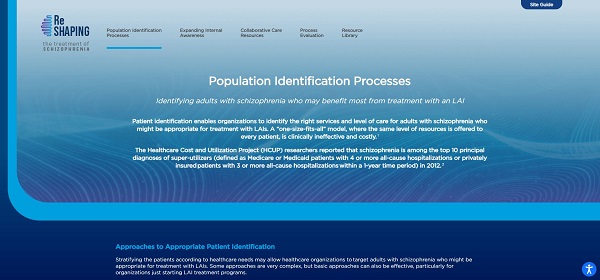
The Reshaping the Treatment of Schizophrenia in Adults website is an informative tool for PHDMs who want to reevaluate their schizophrenia treatment strategy, which may include earlier adoption of LAIs for adult patients with schizophrenia. The website offers educational resources to support PHDMs and treatment team members who believe in the value of appropriate use of LAIs for adult patients with schizophrenia and could use support in efforts for a coordinated approach to care. The website is divided into 4 sections: Population Identification Processes, Expanding Internal Awareness, Collaborative Care Resources, and Process Evaluation. Each of these addresses activities that can be part of a system process to encourage appropriate and earlier LAI use and includes educational resources and tools that are intended for use by the institution as well as resources that can be used with patients and caregivers. PHDMs and treatment team members will be able to implement these resources in their care strategies to help improve patient outcomes and healthcare resource utilization.

Whereas SET is a tool to increase awareness and education of the burden of schizophrenia and  the impact of social determinants of health, as well as helping to raise the urgency to shift from an oral-centric paradigm to LAIs, the Reshaping the Treatment of Schizophrenia in Adults website is an external website that provides educational resources and information for PHDMs, including payers, healthcare system leaders, and treatment team members, who want to implement a change in their treatment strategy for adults living with schizophrenia, including earlier adoption of LAIs. Jennifer Thomas said, โ€œBy educating both internal and external stakeholders through key insights pulled from local and regional real-world data, stakeholders can come together to fill knowledge gaps and support better patient and societal outcomes.โ€ 

*Local level data is only available for antipsychotic utilization, quality measures, costs of care, and healthcare resource utilization.

About The Experts

Jennifer Thomas is the Director of Marketing, Schizophrenia Portfolio at The Janssen Pharmaceutical Companies of Johnson & Johnson. Jennifer oversees the strategic development and execution of marketing activities for the Janssen long-acting injectable portfolio of schizophrenia medicines.

Jack Sheehan is the Senior Director Value and Evidence (HEOR) Neuroscience at Janssen ScientificAffairs, LLC. In his role, Jack leads real-world value and evidence research to understand the burden of illness and effective ways to address illness among adults with neurologic and psychiatric conditions.

References:

1 Regier, D. A., Narrow, W. E., Rae, D. S., Manderscheid, R. W., Locke, B. Z., & Goodwin, F. K. (1993). The de facto US mental and addictive disorders service system. Epidemiologic catchment area prospective 1-year prevalence rates of disorders and services. Archives of general psychiatry, 50(2), 85โ€“94. https://doi.org/10.1001/archpsyc.1993.01820140007001
2 U.S. Census Bureau. Quick Facts. Retrieved from: https://www.census.gov/quickfacts/fact/table/US/PST045219
3 Lafeuille MH, Gravel J, Lefebvre P, et al. Patterns of relapse and associated cost burden in schizophrenia patients receiving atypical antipsychotics. J Med Econ. 2013;16(11):1290-1299. doi:10.3111/13696998.2013.841705
4 Fu, A.Z., Pesa, J., Lakey, S., Benson, C. (2022). Healthcare resource utilization and costs before and after long-acting injectable antipsychotic initiation in commercially insured young adults with schizophrenia. BMC Psychiatry 22 (250). https://doi.org/10.1186/s12888-022-03895-2
5 National Council for Mental Wellbeing. Guide to Long-Acting Medications. National Council for Mental Wellbeing website. Accessed July 21, 2021. Available at: https://www.thenationalcouncil.org/topics/long-acting-medications/
6 Morken G, Widen JH, Grawe RW. Non-adherence to antipsychotic medication, relapse and rehospitalisation in recent-onset schizophrenia. BMC Psychiatry. 2008;8(32). doi:10.1186/1471-244X-8-32
7 Sajatovic, M., Ross, R., Legacy, S. N., Byerly, M., Kane, J. M., DiBiasi, F., Fitzgerald, H., & Correll, C. U. (2018). Initiating/maintaining long-acting injectable antipsychotics in schizophrenia/schizoaffective or bipolar disorder – expert consensus survey part 2. Neuropsychiatric Disease and Treatment, 14, 1475โ€“1492. https://doi.org/10.2147/NDT.S167485
8 Brissos S, Veguilla MR, Taylor D, et al. The role of long-acting injectable antipsychotics in schizophrenia: a critical appraisal. Ther Adv Pyschopharmacol. 2014;4(5):198-219. doi:10.1177/2045125314540297
9 Offord S, Wong B., Mirski D., Baker R., Lin J. (2013) Healthcare resource usage of schizophrenia patients initiating long-acting injectable antipsychotics vs oral. J Med Econ 16: 231โ€“239

Types of Prosthetics

Different prosthetic devices are used in different situations and itโ€™s important to understand the differences among them to make the right choice. There are 4 main types of prosthetics:

  1. Transradial โ€” Artificial arms attached below the elbow.
  2. Transfemoral โ€”Artificial legs attached above the knee or around the thigh.
  3. Transtibial โ€” Artificial legs attached below the knee.
  4. Transhumeral โ€” Artificial arms attached below the shoulder but above the elbow.

Apart from these, some other kinds might be used in specific conditions. Custom prosthetics solutions also exist to tackle specialized requirements.

What are transradial prosthetics?

The transradial prosthetic is a type of artificial hand that is attached right below the elbow. These are typically used for amputees who have lost their arms above the elbow.

Transradial prosthetics are designed to fit over the shoulder and elbow. They are often used by people who have lost a hand or arm in an accident or due to illness and usually donโ€™t require a lot of rehabilitation. There are also passive transradial prosthetics โ€“ artificial arms that donโ€™t grab or perform actions but are purely for cosmetic purposes.

These patients may also have a partial hand or fingers that can be controlled by electrical impulses from the brain, making it possible for them to perform some tasks such as writing or holding a cup of coffee.

The TR prosthetic is a transverse, or across-the-arm device that crosses the carpometacarpal joint and attaches to the ulnar styloid process of the radius.

It is a very common type of prosthetic for upper extremity amputees because the hand has a natural movement pattern and balance system in place. This means that there is less need for training in order to use it. In addition, it provides more flexibility than other types of prosthetics as it allows for greater movement of the wrist, fingers, and thumb.

What are transfemoral prosthetics?

Transfemoral prosthetics are artificial limbs that replace the leg. They are usually made of metal and plastic, with a socket for the foot and shin.

They are designed to be positioned in the upper thigh area, where the femur bone is located. The prosthetic foot can be attached to this leg through a socket and ankle cuff system. A knee joint is usually included in this type of device as well.

Generally, this is the hardest type of prosthetic to pull off and requires extensive rehabilitation. Once successful, however, it allows the person to move seemingly normally.

The strength of the residual limb above the knee controls the artificial knee joint through the hip motion in this case.

What are transtibial prosthetics?

Transtibial prosthetics are artificial limbs that replace the lower part of both legs, typically below the knee. As the knee can already provide sufficient movement, transtibial prosthetics donโ€™t provide much motion assistance but rather, focus on comfort and balanced weight distribution.

Walking with a transtibial prosthetic leg can be challenging and will very likely require rehabilitation. These artificial limbs often donโ€™t move as they lack motion assistance. One has to learn to walk with a transtibial prosthetic limb over time.

What are transhumeral prosthetics?

Transhumeral prosthetics are artificial limbs that replace the upper part of both arms. These prosthetics replace an arm or hand and upper body functions such as movement, grasping, and typing.

They may include hand attachments for gripping objects and wrist articulation for turning knobs and opening jars. Transhumeral prosthetics are designed to be worn above the elbow on the shoulder.

As the elbow is missing to control motion, a transhumeral artificial arm is more difficult to control and get used to compared to prosthetics that are connected to the shoulder or the elbow.

Are orthotic services a good replacement for prosthetics?

Orthotic services and prosthetic devices can be used in place of a real leg if there is no other option.ย  Orthotics are used to treat a number of conditions, including arthritis and other joint problems.

They can help relieve pain and increase mobility by providing support.ย  Some people use orthotics as a temporary solution while they wait for a new prosthesis, while others use them as daily wear.ย  There are many types of prosthetic legs available, including Knee-Walker or Segway, or Ankle-Foot Prosthesis (AFP).

Orthotics are a good alternative to prosthetics. Orthotics are designed to help restore stability, function, and comfort in the foot, ankle, and leg. While they can provide relief in many areas of the body, orthotics can’t provide the same level of support as a prosthetic leg.

What are the different types of prosthetic legs?

There are many different types of prosthetic legs available on the market today. The most common types include hamstring/knee braces, which are used to support the knee joint; lower limb amputation supports, which stabilize the ankle; and above-knee amputation supports, which stabilize the knee.

In addition to these common prosthetic leg types, there are also several custom-made options available for people with specific needs such as those who have undergone multiple surgeries or those who have had their bones replaced with metal components.

Wrapping up

Prosthetics are devices that replace lost or damaged body parts. There are many different types of prosthetics, but they all work in the same way: They help you move your body as if you have a natural limb.

Knowing the different types of prosthetics and how they differ is crucial before you decide what works best for you.

Translate ยป