










Close
Digital Health & Ai Innovation summit 2026
Medical Taiwan 2026

Wolters Kluwer launches digital health tech solutions for payers and virtual care players

To accelerate deployment of digital health technologies by virtual care vendors and payers, Wolters Kluwer, Health launched Digital Health Architect™ Consumer Education Suite and EmmiGuide™. These solutions, which are debuting at the 2022 HLTH conference, combine digital tools with unprecedented access to expert-vetted content – the same content that powers widely used solutions such as UpToDate®, Lexicomp® and Emmi®, to help virtual care vendors and payers provide consistent, evidence-based information to patients and members and improve care wherever and however it’s delivered.

“We’re seeing a massive change in the way, and by whom, healthcare services are provided, and, central to this disruption are digital health technologies, from software solutions to mobile apps. Through our proven leadership in trusted content and technology expertise we can support this effort, saving steps and costs for virtual care providers and payers by providing content that is continuously updated and relevant.”
Greg Samios, President & CEO of Clinical Effectiveness at Wolters Kluwer, Health

Consumer Education Suite offers plug-n-play trusted consumer health content

Digital Health Architect Consumer Education Suite is a content-as-a-service (CaaS) solution that helps virtual care companies build, customize, and deliver their own digital health solutions that provide health consumers with trusted, consumer-friendly educational content at their fingertips. The solution includes more than 600 Emmi videos and 8,500 digital educational leaflets from UpToDate and Lexicomp, providing a dynamic, API-enabled conduit to expert curated healthcare content that help clinicians improve patient encounters across more than two thirds of U.S. hospital systems.

The new suite is the first of many solutions for the Digital Health Architect platform, which delivers turnkey access to best-in-class educational content for consumers and clinical decision support for healthcare providers.

EmmiGuide helps payers scale member engagement

EmmiGuide is part of the suite of Emmi interactive engagement solutions that leverage empathetic approaches to help spark behavior change and empower members to be better informed and take a more active role in their own health. Emmi programs help payers engage individual members at the right time, right place, and on the devices they already own. This encourages better-informed, more cost-effective healthcare choices, promotes compliance with preventive care and treatment recommendations, and advances medication adherence to help improve outcomes and reduce readmissions.

“My recent research on the Digital Front Door for Healthcare clearly showed that payers and providers must deploy robust digital front door services on interoperable, scalable platforms to improve patient outcomes and remain competitive in the market,” said Paul Sonnier, Industry Principal, Health & Life Sciences, Frost & Sullivan. “Wolters Kluwer is supporting this by offering their pioneering evidence-based solutions for easy integration into virtual care and payer platforms. Both Digital Health Architect Consumer Education Suite and EmmiGuide offer plug-n-play, trusted health content that drive improved patient outcomes.”

“Payers and digital health tech companies are moving quickly to find new ways to support consumers, added Greg Samios. “We are proud to partner with them to provide consumers access to patient education that aligns to resources used by their clinicians. Working together, we can reduce variability across that consumer’s health journey and help to improve outcomes.”

Both solutions will be showcased at the HLTH conference in Wolters Kluwer booth #2433 from November 13-16, 2022 in Las Vegas.

 

Wolters Kluwer taps Microsoft to unlock innovative solutions for virtual healthcare and payer care managemen

Wolters Kluwer, Health announced it is partnering with Microsoft to enable healthcare organizations to unleash innovation through the combination of Wolters Kluwer’s market-leading solutions and the Microsoft Azure cloud platform.

The first phase of the partnership focuses on Wolters Kluwer’s expert solutions for healthcare and ranges from the integration of current products to new solutions and applications built on Azure. One of those new solutions is Digital Health Architect™, which integrates Azure DevOps, Azure Active Directory (Azure AD) and Azure Cosmos DB. The solutions are available today in the Microsoft Commercial Marketplace for virtual care companies and payer care management using the same evidence-based, technology-enabled content and tools that currently power UpToDate®, Lexicomp®, and Emmi®.

“The healthcare landscape has changed dramatically over the last few years with new digital health players, providers and payer business models, opportunities and challenges. One thing, however, has remained constant – the need to deliver better health outcomes and ensure every person has access to the best care. Beginning today, the combination of Microsoft and our trusted, tech-enabled content empowers virtual care providers and payers to rapidly build and deploy solutions to engage their patients and members.” – Greg Samios, President & CEO of Clinical Effectiveness at Wolters Kluwer, Health.

Consumer Education Suite offers plug-n-play trusted health content

Digital Health Architect Consumer Education Suite is a content-as-a-service solution (CaaS) that helps virtual care companies build, customize, and deliver their own digital health solutions that provides health consumers with trusted, consumer-friendly educational content at their fingertips. The solution includes more than 600 Emmi videos and 8,500 digital educational leaflets from UpToDate and Lexicomp, providing a dynamic, API-enabled conduit to expert curated healthcare content that help healthcare providers improve patient encounters across more than two thirds of U.S. hospital systems.

The new suite is the first of many solutions for the Digital Health Architect platform, which delivers turnkey access to best-in-class educational content for consumers and clinical decision support for healthcare providers.

EmmiGuide helps payers scale member engagement

EmmiGuide™ is part of the suite of Emmi interactive engagement solutions that leverage empathetic approaches to help spark behavior change and empower members to be better informed and take a more active role in their own health. Emmi programs help payers engage individual members at the right time, right place, and on the devices they already own. This encourages better-informed, more cost-effective healthcare choices, promotes compliance with preventive care and treatment recommendations, and advances medication adherence to help improve outcomes and reduce readmissions.

“Combining the power of the Microsoft Cloud and AI solutions with Wolters Kluwer’s trusted, expert health consumer content will enable healthcare organizations to provide better care and service to the communities they serve. This is a step forward in the industry as we continue to advance the capabilities of Microsoft Cloud for Healthcare and partner closely with leaders like Wolters Kluwer to empower clinicians and patients,” said Tom McGuiness, corporate vice president, global healthcare and life sciences at Microsoft.


EMOTIV Partners with X-trodes to Launch New Medical-Grade, At-Home Solution for Brain Monitoring Research

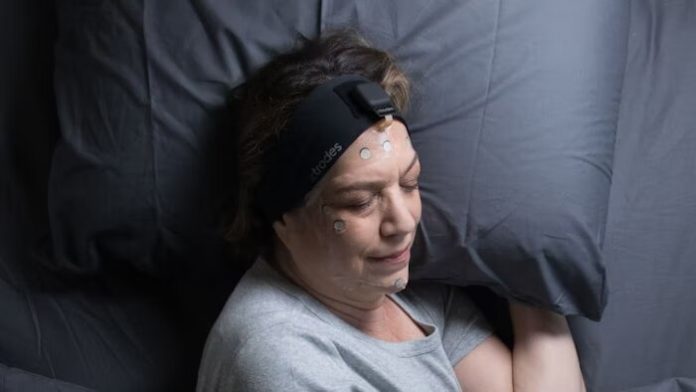
EMOTIV, a bioinformatics company advancing understanding of the human brain using electroencephalography (EEG), and X-trodes, a company bringing wireless medical-grade monitoring solutions to the home environment, announced collaboration on a new first-of-its-kind solution for simultaneous brain and physiological measurement that can be used outside of the lab setting.

The collaboration pairs X-trodes’ wearable sensing technology with EmotivPRO, EMOTIV’s EEG data platform for neuroscience research. X-trodes’ sticker-based sensors are especially beneficial for a number of use cases where larger EEG devices are not ideal, such as sleep studies and kinesiology research. EMOTIV customers can now use X-trodes’ proprietary dry-printed electrodes to stream user-generated data through the EmotivPRO mobile app for processing and analysis on EMOTIV’s cloud-based platform. Meanwhile, X-trodes users can contribute to and benefit from EMOTIV’s brain data repository – the largest, most diverse, and most secure on the planet.

“Our community will immediately benefit from the ability to study how the brain works in a range of new circumstances and environments,” said Tan Le, founder and CEO of EMOTIV. “Adding new sensors to our platform that can accurately measure brain signals in natural settings creates exciting new opportunities for clinical research. The freedom to continuously measure and analyze real-world data without the limitations of the lab is a game-changer.”

X-trodes’ solution operates as a smart skin. It comprises dry-printed multi-electrode patches for EEG, EMG, and ECG signal measurement, and an accompanying data acquisition unit (DAU). The discreet electrode patches are easy to apply, conform to the skin without the need for gels or solutions, and can be comfortably worn for extended periods. The solution is robust, flexible, and completely wireless, enabling use in any environment and while performing any physical activity.

“We are proud to partner with EMOTIV, which has led the revolution for making brain research accessible to everyone,” said Ziv Peremen, Ph.D., CEO of X-trodes. “Combining our wearable technology with EMOTIV’s expertise and market reach will facilitate the introduction of a truly user-friendly, end-to-end solution for brain and physiological signal measurement.”

Omicron BQ Strains Resistant To Antibody Treatments In U.S.

As stated by the Centers for Disease Control and Prevention, Omicron subvariants will soon account for the bulk of new COVID infections in the U.S.

According to CDC data, Omicron subvariants BQ.1 and BQ.1.1 currently account for 44% of new COVID cases, compared to 32% last week. In the coming week, these subvariants will probably start to dominate.

Meanwhile, the once-dominant omicron BA.5 is being dislodged and now accounts for 29% of reported cases. People with highly weakened immune systems, such as organ transplant recipients and cancer patients receiving chemotherapy, are particularly at risk from BQ.1 and BQ.1.1.

People with weakened immune systems frequently may not respond adequately to the Covid vaccinations and so require extra drugs to provide them with viral protection. Evusheld, an antibody cocktail, is frequently taken by persons with moderately or severely weakened immune systems in order to protect them against life-threatening illness. Every six months, it is given as two shots.

The National Institutes of Health state that Evusheld is probably not effective against BQ.1 and BQ.1.1. As these subvariants proliferate, persons with weakened immune systems become more and more vulnerable.

Bebtelovimab, a monoclonal antibody that persons with weakened immune systems can use to prevent serious illness from COVID following an infection, is likely susceptible to BQ.1 and BQ.1.1 as well.

Paxlovid, an antiviral from Pfizer, is still effective but is frequently ineffective for organ transplant patients because of interactions with other treatments they require. In a radio interview last week, Dr. Anthony Fauci, the White House Chief Medical Advisor, stated that as the more immunologically evading BQ subvariants rise on a weekly basis, the United States is reaching a turning point in the pandemic. If these more recent versions end up dominating the market any more than they currently do, Fauci warned, some of the tools in their arsenal may be negated.

Additionally, no alternatives to medications like Evusheld are under development. Dr. Ashish Jha, the director of the White House’s COVID response, has accused Congress of neglecting to approve additional funding for the country’s pandemic response. Since the spring, Republicans have stopped more Covid funding.

Jha told reporters at the White House this month, they had thought that over time, as the outbreak went along and their fight against this virus went along, they would be growing the medical cabinet.

According to Jha, vulnerable people are at risk since the medicine closet has actually been reduced due to a lack of congressional financing. Joe Biden, the president, stated last month that this winter, Covid poses a unique hazard to persons with weakened immune systems. The president advised them to discuss safety measures with their doctors.

Fauci advised wearing masks indoors or in public this fall and winter for those who have vulnerable people in their homes as well as those who have a high risk of contracting COVID. Before attending indoor social gatherings where vulnerable people will be present, people should think about getting quick COVID testing, according to Fauci. He urged everyone who could to get a flu vaccination and a COVID booster this fall.

Utilizing tests, donning masks when necessary, and receiving vaccinations are all excellent ways to ensure that people don’t transfer infections, he said. Because BQ.1 and BQ.1.1 are related to BA.5, U.S. health authorities believe the omicron BA.5 boosters should offer adequate defence for the general populace against these subvariants.

Tech Finds Diabetic Retinopathy And Macular Edema In Taiwan

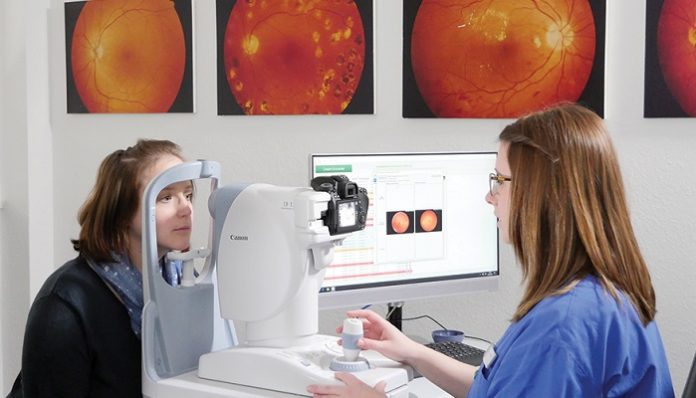
The Point-of-Care AI-DR is the first artificial intelligence (AI)-assisted system that can be integrated into handheld and desktop fundus cameras frequently used in clinics and hospitals to detect diabetic retinopathy (DR) and diabetic macular edema (DME). It has been developed by Taiwan’s Industrial Technology Research Institute.

Point-of-Care AI-DR detects DR and DME in 5 to 10 seconds and evaluates immediately the quality of the image prior to diagnosis to avoid AI misunderstandings. Based on the fundus images, it identifies lesions and evaluates the corresponding severity levels.

Additionally, it can detect 14 additional frequent ocular fundus anomalies, including conditions linked to the retina, blood vessel alterations, and illnesses of the optic nerve. Moreover, half of diabetics will get DR, and one in 15 will acquire DME, as per the National Eye Institute. Point-of-Care AI-DR enhances diabetes health monitoring and treatment by recognising defects and intensity stages of DR and DME, which lowers the chances of loss of vision or blindness brought on by diabetic eye problems.

Point-of-Care AI-DR combines the knowledge of ophthalmologists with AI analysis to combine human and artificial intelligence. To increase the effectiveness of the overall interpretation, it employs complementary medical AI models to carry out individual diagnostic tasks, including classifying and identifying symptoms, Dr. Pang-An Ting, ITRI’s general director of Information and Communications Research Laboratories, remarked.

India Establishes Central Database For Life Science Research

A national repository for data related to life sciences has recently been constituted by the Indian government.

A data disaster recovery centre has been built at the National Informatics Centre in the state of Odisha, while the Indian Biological Data Center (IBDC) is located at the Regional Centre for Biotechnology in Faridabad, Haryana. The IBDC, which houses the Brahm high-performance computing facility, has a four petabyte data storage capacity. Additionally, it operates a web-based dashboard that offers individualised access, data input, data analysis tools, and real-time SARS-CoV-2 variant tracking.

Through two portals, the Indian Nucleotide Data Archive and Indian Nucleotide Data Archive—Controlled Access, the IBDC has already begun to offer nucleotide data submission services. It currently contains more than 200 million bases after receiving more than 200,000 inputs from more than 50 research centres across the nation.

As per the mandate provided by the Biotech-PRIDE (Promotion of Research and Innovation via Data Exchange) standards, the data centre has been set up to store all life science data produced from publicly financed research in the country. The aforementioned standards, which were released last year, make it easier and more possible to share knowledge of biology, facts, and data that have been produced through regional research.

The FAIR (Findable, Accessible, Interoperable, and Reusable) concepts are another commitment made by the IBDC.

Researchers doing computationally intensive analysis have access to its computational resources. IBDC will soon introduce more data access and submission portals for different types of data.

Medical databases that reflect the diversity of India’s population are now being created. The Indian Council of Medical Research, the Indian Institute of Science, and ARTPARK are the organisations leading the program. Currently, they are trying to standardise data collection from partner medical centers and curate data in order to make it accessible to the local research and innovation community.

Important Steps To Take After Becoming A Medical Malpractice Victim

Medical malpractice is one of the leading causes of death in the United States. There are many things that you must do in order to protect your rights and attempt to find justice. This article provides information on what to do if you or a loved one experiences medical malpractice as well as what you should expect from this process.

Get A Second Opinion

If you are the victim of medical malpractice, it is important to get a second opinion from another doctor. This will help to ensure that you are getting the best possible care and help to hold the responsible party accountable.

A second opinion can also help to confirm your diagnosis and treatment plan. If you have any doubts about your current doctor’s recommendations, getting a second opinion can give you peace of mind.

If you decide to seek a second opinion, be sure to choose a doctor who is not affiliated with the hospital or the doctor who treated you originally. This will help to ensure that you are getting an unbiased opinion.

Once you have seen a second doctor, compare their opinions and recommendations. If they differ, you may need to seek a third opinion. Once you have all the information, you can make an informed decision about your care.

Collect Evidence

It is important to take action and collect evidence. This will help you build a strong case against the responsible party.

Here are some important steps to take:

Gather all medical records related to the incident. This includes anything from the hospital, doctor’s office, or other health care providers.

Speak with witnesses who can attest to what happened. This could be family members, friends, or others who were present during the incident.

Take photographs of any injuries that were sustained. Be sure to document both the injuries themselves and the healing process over time.

Keep a journal documenting your experience. Write down everything that happened from your perspective, including how the incident has affected your life in terms of physical pain, emotional trauma, and financial hardship.

Report The Incident

Once you have all of the evidence, make sure that you report the incident to the proper authorities.

You should contact your state’s medical board or department of health to file a complaint. You will need to provide them with information about what happened, as well as any evidence you may have. It is also important to keep copies of all medical records and bills related to the incident.

In some cases, you may also want to consider filing a lawsuit against the doctor or hospital responsible for the malpractice. This is a decision that should be made with the help of an experienced attorney.

Seek Out A Medical Malpractice Lawyer

Seek out a lawyer who specializes in this area of law. Medical malpractice lawyers will be able to help you navigate the legal process and ensure that you receive the compensation you deserve. When choosing a medical malpractice lawyer, it’s critical to find someone with experience handling cases like yours.

You should also look for someone who is local to your area, as they will be familiar with the laws and regulations in your state.

Once you’ve found a few potential lawyers, set up consultations so you can get to know them better and ask any questions you may have. Be sure to bring copies of any relevant medical records or documentation with you to your consultation.

After meeting with several lawyers, make your decision and retain the one you feel most comfortable with. Your lawyer will then begin gathering evidence and building your case. If successful, you may be awarded damages for your pain and suffering, lost wages, and medical expenses.

Take Care Of Your Condition Carefully

Ensure that you take care of your condition carefully. This means keeping track of your symptoms and treatments, as well as documenting any changes in your condition. It is also important to follow up with your treating physician regularly. If you have any questions about your condition or treatment, be sure to ask your doctor.

Talk to family and friends about your condition and how it affects you. Other people can offer emotional support as well as helpful suggestions on how to cope with pain, stress, anxiety, and other issues that visiting doctors or dealing with paperwork might not address.

Being a medical malpractice victim can be devastating, both emotionally and financially. However, there are steps you can take to protect yourself and your family. Seek out experienced legal help to navigate you through the complex process of filing a claim.

Make sure to keep all documentation related to your case, including medical records and bills. Finally, stay well-informed throughout the entire process so that you can make informed decisions about your case.

How To Boost Patient Engagement In A Post-COVID World

As soon as parts of the world caught wind of the COVID-19 virus, it only spread outward even further. Because of this, what’s supposed to be limited to select locations has now grown uncontrollably. Considering it’s a viral disease, nearly all medical establishments were challenged by COVID-19 when countless complications sprung up, from the shortage of staff to full patient capacity.

With the healthcare system set in place being overwhelmed by the landslide of COVID-19 cases, patient engagement will end up degrading at a fast rate. Although COVID cases are gradually slowing down, many areas within the healthcare system still need extensive recovery. Even departments unrelated to the virus are still affected since there’s no clear strategy on how to increase patient volume in a dental office and other ‘unneeded’ areas.

Despite having little engagement occurring, countless civilians still require medical attention. But with the pandemic hindering usual procedures, some of them are reluctant to have an appointment face-to-face, while others are unable to receive medical attention because of circumstances. To curb the effects of the pandemic, healthcare must learn to adapt to improve patient engagement.

  1. Maximize Online Communication

Safety is the healthcare system’s highest priority, regardless of whether it’s for the patients or practitioners. But with how easy it is for the infected person to spread the virus across people within the vicinity, face-to-face interactions are extremely discouraged. Considering that’s how appointments and other procedures were typically done before the pandemic, most healthcare establishments either end up ‘frozen’ or too overwhelmed to maintain social distancing while hordes of patients are in a state of hysteria.

With numerous technological advancements, digitization is one of the best solutions for managing patient flow. Because instead of making an appointment (or attending one), patients and practitioners can still get in touch through the internet. Granted, many medical providers have the assumption that digitized health services (such as telehealth) are ‘subpar’ compared to attending to the patient personally. However, that’s the last thing anyone would want in a post-pandemic world.

Considering most of the population is connected to the internet, converting some procedures, like appointment-setting or consultations digitally provides convenience to practitioners and patients. With the internet easily accessible anywhere on any device, the patient can stay in the safety of their home when attending an appointment. At the same time, medical establishments have a lighter workload since patient flow is divided between at-risk procedures and digitized, with practitioners allocated in their respective areas.

  1. Develop Patient-Friendly Platforms

Although the internet is accessible, it’s useless if the medical establishment doesn’t apply it, particularly their online platform. Since they’re gradually adapting to digitization, creating a website dedicated to advertising the services available in the establishment is one way to broaden its reach. Therefore, when programming it, ensure that the website is easy to traverse. Otherwise, the patient might sign into the wrong services due to a misunderstanding.

Hire an IT expert to design the website to avoid complications from cropping up. Given their experience, they’ll be able to coherently encode the necessary details that present the medical establishment’s services. Moreover, having an expert onboard will dedicate their time to maintaining the website for an optimized experience.

  1. Implement Automation

Although experts and practitioners are expected to perform their respective tasks precisely, they’re still human, and so do the patients. Forgotten appointments are bound to happen, especially if both parties are occupied with something else. Automation can lighten the load for everyone involved.

From the medical establishment’s perspective, automating some of the processes reduces the number of anomalies in the system. After all, some of the most pressing issues providers encounter are missed appointments and ‘no-shows.’ Since they have countless tasks waiting for them in the establishment, reminding each patient to attend their appointment already sounds tedious. However, automation can shoulder this task, among other things, considering how helpful technology has been to the medical field.

As for the patient, they must accept that the medical staff is sometimes unavailable, considering how busy everyone is post-pandemic. Instead of succumbing to their misfortune, automating some procedures ensures patients are tended to without the constant presence of a professional.

  1. Ensure Flexibility

One of the reasons behind the healthcare system and the patient’s hesitation to accept digitization is because of how many concerns it crops up. Hacking is prevalent in the digital world. However, the more support digitization has, the better the system can secure it. Therefore, providers can offer more payment options for maximum flexibility and help patients avoid debt.

Takeaway

The pandemic became a harsh eye-opener for the healthcare system. Considering how many problems were brought to light, patient engagement received the brunt of it. But be that as it may, civilians still count on the healthcare system now more than ever. Therefore, necessary changes must be applied for patient engagement to pick up and be managed properly.

Manipal Hospitals To Give Virtual Care With Google Cloud

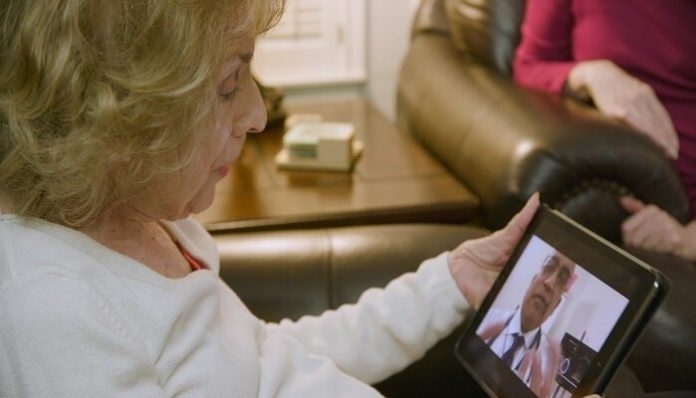
Manipal Hospitals has partnered with Google Cloud to strengthen its capabilities for online and remote care while utilising AI to improve the patient experience.

In order to facilitate virtual visits, the alliance will implement Amwell telehealth technology. Amwell has been Google’s top choice in telehealth partners since 2020 in order to broaden access to virtual care delivery around the globe. Through technologies that automate waiting rooms and checkout, offer automated language translations, and intelligently triage cases, Google Cloud and Amwell are enhancing telehealth experiences.

Manipal’s collaboration with Google Cloud aims to power virtual care as well as develop a digital pharmacy and provide remote patient monitoring skills.

The collaboration will also enable Manipal to enhance patient interactions like scheduling appointments and looking for doctors by utilising Google Cloud’s conversational AI features.

The hospital chain has hired Google Cloud to assist in leveraging cutting-edge technologies to tackle some of its urgent issues, improve access to care, and more accurately predict the demands of their service quality. It is currently one of India’s largest healthcare providers, managing a chain of around 28 hospitals with more than 7,500 beds.

According to COO Karthik Rajagopal, this most recent cooperation gives Manipal the chance to provide high-quality treatment to underprivileged populations all around India, particularly in tier II and tier III regions.

Manipal recently formed partnerships to improve its capacity for remote care. It made an announcement last month about a collaboration to install remote patient monitoring technology with UK-based Isansys Lifecare. In order to continuously monitor the conditions of critically ill patients outside of the ICU, it has deployed Isansys’ Patient Status Engine gadget in its wards. It now has plans to extend the installation to every hospital in the chain.

Early this year, Manipal collaborated with the Singapore-based health tech firm ConnectedLife to launch a virtual platform for remote patient condition monitoring.

FedEx Express Receives Double Recognition for Healthcare Logistics Excellence at the Asia Pacific Vaccine Excellence Awards 2022

FedEx Express (FedEx), a subsidiary of FedEx Corp. and one of the world’s largest express transportation companies, has received two prestigious awards for its logistics support to the healthcare sector at the Asia Pacific Vaccine Excellence Awards 2022. The company was named ‘Asia’s Best Third-Party Logistics Provider (3PL) for Vaccines’ for the second consecutive year and was also named the winner in ‘Vaccine Excellence in Last-Mile Implementation’.

FedEx was recognized based on its leading role in distributing vaccines across the globe and protecting end to end shipment integrity. With an unparalleled network, innovative technologies and expanded cold-chain storage facilities, FedEx continues to work closely with healthcare customers to ensure proper conditions are met to transport critical shipments like these whenever and wherever needed.

The Asia Pacific Vaccine Excellence Awards 2022, organized by IMAPAC, celebrates outstanding achievements of biopharmaceutical organizations, supply chain experts, and the newest technology solutions deployed in Asia for the development and distribution of vaccines. Entries and nominations are evaluated and shortlisted by a judging panel with the award winner in each category determined by public voting results from the bioprocessing community.

“We are incredibly proud of the continued recognition we receive for our healthcare logistics services. These awards are testament to our specialist teams, robust global networks, advanced cold chain technologies and experience in healthcare delivery,” said Kawal Preet, president, Asia Pacific, Middle East, and Africa (AMEA) Region, FedEx Express. “With close to 30% of the world population still unvaccinated against COVID-19, we remain committed to working closely with governments and healthcare organizations to close the gap, helping more underserved communities in our region receive access to life-saving vaccines as they continue fighting against the pandemic.”

FedEx has shipped vaccines for decades including flu vaccines each season and has responded to pandemics such as H1N1 in 2009 in addition to COVID-19. By mobilizing its global networks, healthcare expertise, best-in-class cold chain solutions and real-time temperature monitoring technology, the company has been an integral part of the global vaccine supply chain delivering COVID-19 vaccines and supplies to more than 50 countries and territories around the world. The company is also involved with the movement of active pharmaceutical ingredients and therapeutics that play an important role in the fight against COVID-19. Additionally, FedEx has delivered relief to communities throughout AMEA since the onset of the pandemic, including donating three charter flights of oxygen concentrators and other medical supplies to India.

Translate »