












Close
Digital Health & Ai Innovation summit 2026
Medical Taiwan 2026

7 Questions Answered: What Is The Significance Of Rehab?

Many people in addiction recovery ask the question, “What is the significance of rehab?” It’s a valid question with many different answers. In this blog post, we will answer some of the most common questions about rehab and its significance in addiction recovery. We will also provide some resources for those who are seeking treatment. If you or someone you know is struggling with addiction, please reach out for help. Treatment is available and can be very effective in saving lives.

What is the definition of rehab?

The word “rehab” is short for rehabilitation. Rehabilitation is the process of helping someone recover from an injury, illness, or addiction. It can involve physical therapy, counseling, and other support services. As the people from https://changingtidesobx.com/virginia-beach-va/ note, a larger proportion of the adult population than ever before is struggling with substance abuse issues. Rehab can be a vital part of recovery from addiction. It can help people learn new coping skills and ways to deal with triggers and cravings. It can also provide a safe and supportive environment during early recovery when people are vulnerable to relapse.

There is no one-size-fits-all approach to rehab, as each person’s needs are unique. Some people may need to stay in an inpatient facility for several weeks or months, while others may only require outpatient care. The length of treatment will depend on the severity of the addiction and other factors such as co-occurring mental health disorders.

What are the different types of rehab?

If you or a loved one is struggling with addiction, it’s important to understand the different types of rehab available and how they can help. Here’s a look at the different types of rehab:

Inpatient Rehab: Inpatient rehab is a live-in treatment program that provides around-the-clock care and supervision. This type of rehab is ideal for those who are struggling with a severe addiction or who have relapsed after previous treatment.

Outpatient Rehab: Outpatient rehab allows patients to live at home while attending treatment during the day. This type of rehab is typically less intensive than inpatient rehab, making it a good option for those with milder addictions or who have strong support systems at home.

Partial Hospitalization Programs: Partial hospitalization programs (PHPs) provide many of the same services as inpatient rehab, but on a less intensive level. PHPs are typically used as a step down from inpatient care or as an alternative for those who can’t commit to an inpatient program.

Intensive Outpatient Programs: Intensive outpatient programs (IOPs) provide many of the same services as outpatient rehab, but on a more intense level. IOPs are typically used as a step down from inpatient care or as an alternative for those who can’t commit to an outpatient program.

Sober Living Homes: Sober living homes provide safe, supportive housing for those in recovery from addiction. Sober living homes typically have rules and regulations that residents must follow, such as abstaining from drugs and alcohol and participating in regular drug testing.

Support Groups: Support groups provide peer support and guidance for those in recovery from addiction. Alcoholics Anonymous (AA) and Narcotics Anonymous (NA) are two of the most well-known support groups.

Who needs rehab and why?

-Alcohol and drug rehab: Alcohol and drug addiction is a serious problem that can ruin lives. Rehab programs offer help for those who want to overcome their addiction and get sober.

-Eating disorder rehab: Eating disorders such as anorexia and bulimia are very dangerous and can be life-threatening. Rehab provides treatment for those who suffer from these disorders.

-Physical therapy rehab: Physical therapy rehabilitation helps people recover from injuries or surgeries. It can also help with chronic pain conditions.

-Mental health rehab: Mental health problems such as depression, anxiety, and bipolar disorder can be extremely debilitating. Mental health rehab offers treatment and support for those suffering from these conditions.

What are the benefits of rehab?

There are many benefits of rehab, both for the person struggling with addiction and for their loved ones. Rehab can provide a safe and structured environment for detox and recovery, as well as access to vital resources and support. It can also help to break the cycle of addiction, providing tools and insight that can last a lifetime. For families, rehab can offer hope and healing, helping to rebuild damaged relationships. Ultimately, rehab can help people struggling with addiction to reclaim their lives.

What happens during rehabilitation?

The rehabilitation process is crucial for helping patients recover from addiction and substance abuse. During rehabilitation, patients will receive counseling and therapy to help them overcome their addiction. They will also participate in group activities and support groups to stay on track with their recovery. Rehabilitation can be an outpatient or inpatient process, depending on the severity of the addiction.

How long does rehab take?

The duration of rehabilitation varies depending on the intensity of the program and the individual’s response to treatment. Generally, people in rehab programs spend around 3 hours a day in therapy. Some programs may last for just a few weeks while others can be much longer, lasting for several months. The length of time someone spends in rehab is often based on their progress in treatment and their ability to maintain sobriety after they leave the program.

What is the success rate of rehab?

The success rate of rehab can be difficult to determine as it depends on a number of factors, including the severity of the addiction, the length of time in treatment, and the individual’s motivation to recover. However, research suggests that the success rates for various types of rehabilitation programs range from 20-80%.

One study found that those who completed inpatient treatment had a 38% chance of remaining abstinent at follow-up one year later, while another study found that those who completed outpatient treatment had a 21% chance of remaining abstinent. The most successful treatment programs seem to be those that combine elements of both inpatient and outpatient care, as well as provide long-term follow-up support.

It is important to keep in mind that even if an individual does not achieve complete abstinence, significant reductions in drug use and associated problems can still be considered successful outcomes. For example, one study found that 76% of individuals who completed treatment reported reduced drug use at follow-up.

If you or someone you know is struggling with addiction, don’t hesitate to reach out for help. There are many effective treatment options available and recovery is possible.

In conclusion, rehab can be a very significant step in someone’s life. It can help them to overcome addiction and to learn how to live a healthy, drug-free life. If you or someone you know is struggling with addiction, don’t hesitate to reach out for help. There are many resources available that can provide support and guidance through the rehabilitation process.

How Much Should You Save for a Medical Emergency Fund

Most of us have been there: you’re going about your day, and then wham! You get hit with a major medical emergency. Maybe you suffer an accident or illness that requires surgery. Maybe it’s something less serious, but still costly. And while most people aren’t planning for those moments and can’t predict them happening in advance, if they do happen—and especially if they happen more than once over the course of your life—it’s important that you’re prepared financially for what may come next. That’s why it’s important to build up an emergency fund before disaster strikes.

You Should Have an Emergency Fund

An emergency fund is a savings account that you use to cover unexpected expenses. These include car repairs, house or apartment damage due to a storm, or medical bills.

It’s important to have an emergency fund because it allows you to avoid using credit cards and loans in times of need. If you have an unexpected expense and don’t have the money saved in advance, then one of three things will happen:

You’ll be forced into debt by using a credit card or loan. You’ll use savings from other accounts (like retirement) just so that you can pay for what you need now. You will simply wait until it doesn’t seem like such an urgent matter anymore (and hope that nothing bad happens until then).

How Much Do You Need to Save?

The amount of money you need to save is going to depend on your situation. The general rule of thumb is that you should have enough savings to cover 3-6 months of living expenses, but this number can vary depending on how much income you have coming in and how much debt you carry.

If you’re single and don’t have children or other dependents, then 3-6 months might be sufficient for your emergency fund. However, if you have a family, then it may be beneficial to save more than 6 months’ worth of living expenses since they could potentially require extra care in the event that something happened to one parent.

What if You Don’t Have Enough Money to Save?

If you don’t have enough money to save, try to save as much as possible. If you don’t have any savings at all, and your income isn’t enough to cover your expenses, it’s time for some serious budgeting.

You can start by trying to save more than you think you need. You might be surprised at how much money can add up over time when put toward an emergency fund instead of other things. And if all else fails and your income still isn’t enough? It may be time for another job or another source of income so that the bottom line is always positive—even in the face of unpredictable medical bills.

If you don’t have one yet, online loan lenders are there to help you, they know the importance of having an emergency fund. That’s why they offer flexible terms so that you can get the money you need without being worried about what will happen if there’s a medical emergency.

Where to Save It: Bank Account versus Investment Account

The first question to ask yourself is whether you’d rather have your funds in a savings or investment account. The answer depends on your goals for the money, what kinds of risks you’re willing to take, and how much time you want to spend managing your investments.

Investment accounts are better because they offer more options for growing your money while also helping build financial security. However, they’re not necessarily risk-free—the stock market can fluctuate wildly over short periods of time. On top of that, many people find investing intimidating or simply don’t want to do it themselves so they prefer banking accounts instead (and understandably so).

Can Insurance Help Protect me In an Emergency?

While insurance can be a great way to protect yourself in an emergency, it’s important to remember that the money you pay into your policy isn’t guaranteed to be there when the time comes. Health insurance is a great example—you pay monthly premiums and those funds are used to pay for any medical expenses you have that aren’t covered by your medical plan.

You’ll want to make sure that your insurance company is financially stable and has a good track record of paying out claims. It’s also worth considering whether or not your policy will cover all of the costs associated with a major medical event (such as co-pays, prescriptions, and follow-up care).

If you’re concerned about overpaying for coverage or not having enough coverage in case something goes wrong, then consider setting up an emergency fund instead. If all goes according to plan, then you’ll have some extra cash on hand just in case; if things don’t go according to plan (and they usually won’t), at least you won’t have any outstanding debts from unpaid medical bills!

It’s Important to Have Some Money Set Aside for Medical Emergencies

It’s important to have some money set aside for medical emergencies. You can’t rely on insurance alone, and you should save some money for emergencies. If you’re not sure how much to save, start by considering your monthly expenses: rent or mortgage payments, utilities (electricity, phone service), cable/internet access, and other services that are necessary for everyday life.

You’ll also want to consider the cost of everyday essentials like groceries and gas (if you’re driving). It’s also a good idea to include some fun money—the occasional meal out or concert ticket. And when it comes down to it, there are always those little things like clothes shopping or books that add up quickly!

Once you’ve made your list of monthly expenses, add up how much those costs will be over a year (or however long it takes for your emergency fund) so that when an emergency does arise—and it will—you’ll know exactly how much more money needs to be saved before the next paycheck rolls around.

Conclusion

It can be hard to save money, especially if you’re a student. But it’s important to have an emergency fund in case something goes wrong with your health or other expenses unexpectedly come up. There are different ways to save money, so do some research and talk with others about what works for them before deciding which option is best for you!

The history of health chatbots origin and development

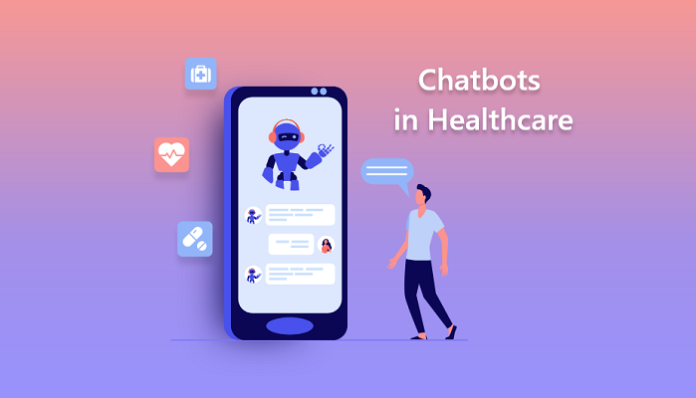
Before COVID-19, the healthcare industry lagged behind the rest of the world in tech adoption. This all changed with the pandemic, as hospitals quickly adopted virtual diagnostic and telemedicine apps to deal with the crisis. One of the innovations that cropped up was the introduction of the AI chatbot for healthcare companies. A health chatbot can truly revolutionize the way we approach medicine and patient care (here at the link, you can find a complete guide by Topflight Apps). Let’s take a quick look at the history and future of chatbots in the healthcare industry.

What is an AI chatbot for Healthcare?

Healthcare chatbots run on the rules of machine learning and artificial intelligence. A medical chatbot app can interact with patients and carry out repetitive tasks like sending emails, resulting in analysis, answering questions, or providing solutions to patients.

The use of chatbot technology in healthcare really originated during the COVID-19 pandemic. Doctors, nurses, and administrative staff were under considerable strain and didn’t have time to complete the many simple and monotonous tasks that were taking up their time. Chatbots have worked in the retail industry and customer service sectors for years, reducing the number of time workers spend performing monotonous tasks. By deploying them in the healthcare sector, healthcare staff could leave the simple and repetitive work to the bots and focus on the more critical and complex work they needed to do.

Patients don’t need to wait in line for hours to have their queries answered or appointments booked – chatbots can do that. It provides more experience for patients than ever before.

The Benefits of Chatbots

Using an artificial intelligence healthcare chatbot system has benefits for doctors and patients alike:

  • Availability: Hiring staff to man the phones around the clock isn’t feasible. Not all calls will be emergencies, either. A chatbot is available at all times to answer any query you may have.
  • Critical information: Chatbots can provide information instantly when every second counts, including collecting information about previous records, allergies, and more.
  • Building rapport with customers: Chatbots can exchange pleasantries, offer a warm greeting, and steer customers through a self-help website. They can also escalate queries that are more urgent.

What can chatbots do for your hospital?

Chatbots can carry out a number of functions in your business, depending on your needs. Here are just a few:

  1. Scheduling appointments

Patients can book appointments at any time directly from the chatbot. The bots can assign a doctor to a patient, send emails with patient information or completed questionnaires, and book a slot in the doctor’s calendar and the patient’s calendar. This will reduce stress and effort on everyone’s part.

  1. Checking for symptoms

Patients can check symptoms on a healthcare chatbot to measure the severity of the situation. The chatbot will remember the patient’s details, so they don’t need to keep entering information every time.

  1. Providing support and information

Some patients keep calling with the same set of basic questions, so having an infinitely patient and well-informed chatbot to answer queries can be valuable. They have the responsibility of managing additional queries and reducing calls. Chatbots are also helpful to healthcare providers who need to access patient information quickly.

  1. Claims and coverage checks

Patients can check their existing coverage and file for claims through their chatbot, which has all of their information ready. This will also make it easier for doctors and payers to pre-authorize billing payments and other requests.

  1. Providing a better patient experience

Doctors can’t always pick up the phone when we need them to, but a chatbot can cover as many patient queries as you need them to and virtually never go offline. They can manage the tasks previously left up to humans, including booking appointments, and never go on vacation or have a bad day.

  1. Mental health assistance

There have been some experiments with chatbots in therapy. Bots can offer a sympathetic ear or raise the alarm concerning mental health scenarios. While they can’t provide counseling, they can point people in distress toward the resources they need.

Now you know all of the uses of an AI chatbot for healthcare, wouldn’t you like to use one of your own? Reach out if you would like more information about creating a smart chatbot for your business (find out the explicit details in this article).

Stop TB Partnership Warns of A Tuberculosis Funding Crunch

GE Healthcare Launches New AI Suite to Detect Chest X-ray Abnormalities, Including Pneumonia Caused by COVID-19 & Tuberculosis

In the Global Tuberculosis Report 2022, new data from the World Health Organization revealed that TB incidence increased in 2021 for the first time in nearly two decades and that fatalities subsequently rose too. The Stop TB Partnership expressed alarm over an increasingly terrible scenario and the effects it will have on individuals, health care systems, and economies as a result of this, which includes 4,400 people dying every day.

The Stop TB Partnership exhorts the global community to recognise the threat to public health posed by an airborne illness with drug-resistant strains that is increasing in mortality and frequency and to act right away by making the critical financial investments required to fight TB.

The number of new cases of TB per 100,000 people per year increased by 3.6% between 2020 and 2021, reversing annual decreases of roughly 2% for most of the previous two decades.

Throughout 2019 and 2021, the expected number of TB deaths climbed globally, reversing a 14-year reduction that occurred between 2005 and 2019. 1.6 million people died from TB in 2021, including 187, 000 HIV-positive individuals. From 2018 to 2021, 26.3 million patients received TB treatment. The 40 million targets for the period of 2018–2022, set at the UN High-Level Meeting on TB in 2018, are a far cry from the current figure.

It has become very evident that people now have a very serious scenario on their hands with an airborne illness that is entirely disregarded, and which has been permitted to run uncontrolled over the past two years, said the executive director of the Stop TB Partnership, Dr. Lucica Ditiu. A higher risk of death has resulted from increased transmission and longer periods during which infections were undetected and untreated, which allowed tuberculosis to dwell and progress into more severe forms of the illness.

Every single person should be outraged and insist that their authorities and decision-makers take action right away because everyone is now at risk, she continued, and the World Health Organization study states this in black and white.

According to the most recent data in the report, TB is expected to overtake COVID-19 as the most lethal infectious disease worldwide. In actuality, this avoidable, treatable, and curable disease claims the lives of 4,400 people daily, or three people every minute.

The report did include some positive information. During the epidemic, TB treatment success rates remained stable, especially in Africa.

First Inhalable COVID Vaccination Is A Reality In China

A new type of COVID-19 vaccination that is provided via inhalation rather than injection was this week introduced in Shanghai, the commercial city of China, in what is thought to be a first for the world.

In September, Chinese authorities gave the CanSino Biologics vaccination the go-ahead to be used as a booster. The vaccine is currently being administered to the first patients; it is taken by mouth from a container that resembles a take-out coffee cup and has a short mouthpiece.

According to chief medical officer at Shanghai United Family Hospital Pudong, Dr. Zhao Hui, the body’s first line of defence is the mucous membrane of the respiratory system. They want that to be immediately stimulated to increase immunity, and using the inhaled vaccine does that. The new vaccination, which will be administered alongside standard injection doses, is being given by several hospitals.

The chief medical officer at St. Vincent’s Health Australia, Erwin Loh, commented on what he claimed was the first application of the technology. He said the development of inhaled vaccines is significant not only because they have the potential to prevent infection but also because they may reduce vaccine hesitancy.

A sizable minority of people refuse to get the immunisation because they are afraid of needles. Despite the fact that they might not express it, he added. For China, which continues to be a global outlier due to its adherence to its zero-COVID policy, which aims to eradicate community occurrences of the virus, increasing vaccination uptake is essential. There are still targeted lockdowns in place in Shanghai, which has reported 11 local asymptomatic cases and no new locally acquired symptomatic coronavirus cases as of October 27.

In announcing the inhalable vaccine launch this week, the Shanghai government’s WeChat account stated that 23 million of the city’s 26 million inhabitants had received their initial COVID vaccinations in full and that more than 12 million had obtained booster shots.

Over 90% of the population in China has had a vaccination, according to official figures from the Chinese government. The nation has depended on inactivated vaccines that are made domestically; no mRNA vaccines have been imported or introduced as of yet. An inactive shot is available as an aerosol with the inhaled vaccination.

Loh is optimistic that the outcomes of Shanghai’s experiment with inhaled vaccines will persuade other nations to do the same. He believes the future will be inhaled vaccines for respiratory illnesses like COVID-19.

Antibodies Cannot Address The Issue Of Omicron Subvariants

The White House issued a warning this week that HIV patients, kidney transplant recipients, and other immunocompromised people are particularly susceptible to COVID this winter because emerging omicron subvariants are impervious to important antibody therapy.

Some of the key methods they have used to safeguard immunocompromised people like Evusheld may no longer be effective in the future due to a number of new subvariants that are appearing. The White House COVID task force’s leader, Dr. Ashish Jha, warned reporters on October 25th that this presents a significant difficulty.

President Joe Biden warned the estimated 7 million adults in the United States with weakened immune systems that they were particularly at risk. However, he was only able to advise them to speak with their doctor about the appropriate safety measures.

The president warned about new varieties before receiving his booster shot on October 25th, saying that some existing defences may become useless for the immunocompromised. Unfortunately, this implies one might be particularly at risk this winter. He urged me to speak with the doctors about the best defences to take and to be extra cautious.

The message runs counter to previous statements from the White House that the United States has all the necessary medications and vaccines to combat COVID this winter, when health authorities anticipate another uptick. This might be the case for the general populace, but not for those with weakened immune systems. They consist of folks who have cancer, have undergone organ transplants, are HIV positive, and are receiving medication for autoimmune illnesses.

The Food and Drug Administration has approved the antibody cocktail Evusheld to prevent COVID in people aged 12 and older who have slightly or severely weakened immune systems. Prior to infection, the medication is given as two injections once every six months.

AstraZeneca’s Evusheld has helped close a protection gap for people with weakened immune systems who are unable to produce a robust immune reaction to vaccines. As per an infectious disease specialist, Camille Kotton, who specialises in treating people with weakened immune systems, the medication, along with numerous rounds of immunisation, had caused considerable declines in hospitalisation within this cohort over the previous few months.

According to Kotton, a medical professional at Massachusetts General Hospital and a member of the independent vaccine advisory committee for the Centers for Disease Control and Prevention, they have been in a sweet spot for perhaps several months now in terms of immunocompromised patients having decent protection and then good treatment options.

The National Institutes of Health state that more immunological evasive omicron subvariants, such as BA.4.6, BA.2.75.2, BF.7, BQ.1 as well as BQ.1.1, are resistant to Evusheld. For instance, Columbia University researchers discovered that Evusheld was no longer effective against BA.4.6.

Additionally, the NIH reports that BQ.1 and BQ.1.1 are probably immune to bebtelovimab, the monoclonal antibody created by Eli Lily to stop people with weakened immune systems who contract COVID from developing severe disease. That makes those with weakened immune systems more susceptible as these subvariants circulate more widely in the U.S. According to CDC data, this swarm of more recent subvariants combined accounts for around 38% of cases in the U.S. as omicron BA.5 falls.

Despite the fact that Pfizer’s antiviral Paxlovid is still active against the omicron subvariants, Kotton explained that people who have had organ transplants frequently are unable to take the medication due to the way it interacts with other medications they require.

Kotton remarked that she is worried that immunocompromised patients will face difficulties in the near future. Evusheld’s monoclonal antibodies will offer reduced protection, and bebtelovimab will offer inadequate treatment for a number of the developing types.

Furthermore, no assistance is currently on the way. The monoclonal antibodies that the subvariants are eroding are not yet being replaced, according to Kotton. As COVID develops, Jha admitted at the White House on October 20th that the United States has fewer therapy and prevention choices for those with weakened immune systems. He said that Republican resistance prevented Congress from passing $22.5 billion in financing for the country’s COVID response.

In response to a question from a reporter, Jha said, they had thought that over time, as the outbreak went along, as their war against this virus went forward with it, they would be able to grow their medicine cabinet. That medicine cupboard has really diminished because of the lack of funds from Congress, and that does put disadvantaged individuals at risk.

The most urgent problem with the pandemic right now, according to a virologist at Johns Hopkins University named Andrew Pekosz, is how to protect those with weakened immune systems.

Getting novel antibody therapies out of the lab and into clinics is what they need to focus on, according to Pekosz. In the lab, scientists are familiar with the appearance of next-generation monoclonal antibodies.

Kotton advised those with weakened immune systems to keep up with their vaccinations, which includes receiving the new booster that specifically targets omicron BA.5. Six doses have already been administered to those who have stayed current throughout the pandemic. According to CDC recommendations, those who are starting from scratch should have a three-dose main series of Moderna or Pfizer with the older generation shots followed by a new booster that targets omicron.

According to Kotton, the immune-resistant omicron subvariants could become more prevalent this winter as people congregate for the holidays, so those with weakened immune systems should continue to use caution. However, she pointed out that compared to the general public, this group has been more rigorous about wearing masks and using preventative steps to avoid the illness.

The main issue, according to Kotton, is that most people have moved on and are no longer adopting simple precautions, like wearing masks, that may stop infections and protect the weak. She said if everyone masked more in public places, it would improve security for them and enable them to have a higher probability of returning to various activities in a safer manner.

On October 20th, NBC News questioned Jha about whether Biden’s advice to those with weakened immune systems to consult their doctors about safeguards represented a shift in the onus of duty from the larger community to the individual. They care about all Americans, but primarily the most vulnerable Americans, as a society, said Jha. Therefore, he believed that it was all of their responsibility to take care of our fellow Americans who have impaired immune systems.

Before meeting indoors with someone who is at a high risk of becoming ill, the CDC advises residents of communities where the Covid risk level is medium to self-test and put on a high-quality mask. High-risk individuals should use a high-quality mask when in public.

According to the CDC, when the COVID level is high, everyone should think about wearing good-quality masks, and the vulnerable should think about limiting indoor activities in public that aren’t necessary.

How To Maintain Solid Support For A Better Night’s Sleep

Getting enough sleep is imperative to your health, and you’ll soon feel the difference when you aren’t sleeping well. Whether you’re finding yourself tossing and turning all night or if you’re always overheating, sleep troubles happen to us all at some point. But there are ways you can combat them, and one of the main ones is through maintaining support via your mattress. You’d be surprised at how much of a role this plays in the quality of your sleep, and you may not even realise that it’s the culprit of your insomnia and daily aches and pains. So, if you want to maintain a solid support in your bed that will give you a better night’s sleep, keep reading and find out…

Have The Right Firmness Of Mattress

Firmness is extremely important when it comes to support for your body, and each person will need a different level to match their needs. You could have the best firm queen mattress, but if your body needs a softer one, then it won’t be doing you any good. Sleeping position also plays a part in the type of mattress firmness that you need. For example, side sleepers benefit from a softer mattress as firmer ones put too much pressure on their joints. But front and back sleepers need to have a firmer mattress to ensure that their lower back, pelvic area, and neck are properly supported. So, as you can see, even the smallest detail makes a difference to the type of support that you need at night. It’s always best to test out mattresses in person too. This way you can actually feel the type of support it gives when you lay in your own sleeping position. With the right level of firmness, you’ll ensure that your spine is correctly aligned, and no pressure is placed onto any of your joints. Being fully supported all night long will always ensure that you get a great sleep no matter what.

Ensuring Your Mattress Is Big Enough

As well as being firm or soft enough, mattresses need to be the right size in order to provide you with proper support. We’ve all shared a single bed at one point or another, and it can be an absolute nightmare. Having a bigger mattress if you’re only a single person can make a huge difference too. That doesn’t mean you have to have a huge super-king sized one but upgrading from a single to a double can work wonders. When your mattress is big enough, you can sleep in any way that you want, and you won’t feel restricted. If you do feel like that, then you’ll probably end up sleeping in an uncomfortable position that’s not actually providing your body with the support it needs. So, see if you can upgrade your mattress size, and you should see a huge improvement.

Temperature Regulation

Support isn’t just about the bodily type. In fact, one big area of support that a lot of people need is temperature regulation. Most people find that at night, they suffer from night sweats, or they just can’t get comfortable because they’re too warm. However, with new cooling technology in mattresses this can be a thing of the past. Lots of newer mattresses can come topped with a cooling gel on the upper layer, so that when you lay on it, the coolness is released, and your body temperature is better regulated. This can really make a difference to your overall sleep quality, so if you suffer from being too hot at night, make sure you go for a mattress with a cooling topper.

Take Care Of Your Mattress

The last tip on how to maintain solid support at night is to actually look after your mattress. Think about how many hours a night we spend on them, and how little attention we actually pay to their upkeep. They’re the key to ensuring we wake up feeling refreshed and free from pain, so never taking care of it will soon start to cause you issues. Always follow the manufacturer’s instructions, as some mattresses need to be rotated every so often, and some need to be flipped. Not all mattresses can be flipped, so it’s important that you don’t just do it because you’ve heard it’s the right thing to do. If you’re ever unsure, find out which make and model you have and speak to a professional retailer. They’ll be able to help answer any maintenance questions you may have and allow you to take proper care of your mattress to ensure it’s support lasts you as long as possible.

Mattresses are extremely important when it comes to your sleep quality, so it’s vital that you have the right one and look after it once you’ve got it. Don’t be afraid to try out different ones in stores before settling on the one that’s right for you either. Salespeople can be pushy, but always stand your ground and be armed with the knowledge of what sort of mattress you need. So, if you really want to enhance the amount of sleep you get, then you need to fix the type of support you’re getting from your mattress. Take these tips on board when mattress shopping, and you’ll be able to find the perfect one for you in no time at all!

AIIMS Delhi To Entirely Deploy e-hospital HMIS Technology

A hospital management information system- HMIS created by the Indian government, is about to be adopted by the All India Institute of Medical Science in New Delhi.

The National Informatics Centre, the IT systems agency inside the Ministry of Electronics and Information Technology, built the e-hospital HMIS, and the predecessor AIIMS institute will begin deploying all of its components at the beginning of next year.

The deployment is a part of the hospital’s move toward being paperless.

This announcement follows a NIC team’s last week’s hospital demonstration of the e-hospital modules. The patient registration, admission, discharge, and transfers, invoicing, clinics, LIS, RIS, pharmacy, OT management, dietary, and laundry modules are the current 10 modules of this cloud-based platform.

A working group and an oversight monitoring committee will be established for this implementation.

The MeghRaj national cloud system of the NIC hosts the HMIS that drives the e-hospital platform. It acts as a one-stop solution that links patients, hospitals, and doctors on a single digital platform and facilitates the digitization of internal processes and workflows of hospitals. It was created with the ultimate goal of enhancing the provision of healthcare services throughout India.

The e-hospital platform has recently been adopted by about 1,093 hospitals in India, including AIIMS Raipur.

To link all of its public hospitals under a single digital platform, the Delhi government is working to establish a HIMS that covers the entire region. It is anticipated that the system, which is being developed by NEC Corporation India, will be implemented this year.

When To Seek Professional Help For A Loved One Under Addiction

Addiction is a severe problem that can tear families apart. When someone you love is struggling with addiction, it can be hard to know what to do. Seeking professional help is often the best option, but knowing when to seek help can be challenging. Here are some signs that it might be time to reach out for help.

Sudden Behavior Change

One of the earliest warning signs of addiction is a sudden behavior change. If your loved one starts acting differently all of a sudden, this could be an indication that something is going on. For example, if they become suspicious or secretive about their activities, avoid actual family events, or withdraw from friends and family members, these are all potential signs of addiction.

What happens is that the addict becomes unable to control their behavior, and they will often become secretive as a way to hide their struggles. If you notice sudden behavior changes in your loved one, you must reach out for help immediately.

This, however, does not occur overnight and is usually a long, gradual process. It’s also important to note that not every sudden behavior change is due to addiction; it could signify a mental health issue or another problem.

Physical Changes

In addition to behavioral changes, it’s also essential to look out for physical changes in your loved one. For example, if they have bloodshot eyes or become unusually pale, this could indicate that something is going on. Other physical signs of addiction include weight loss, tremors or shaking, and changes in sleep patterns.

If you notice any of these physical warning signs, you must speak with a professional immediately. They can help you determine whether your loved one is struggling with addiction, and they will be able to provide the support and treatment needed to get better.

When choosing a drug and alcohol rehabilitation center, you must consider your loved one’s specific needs. Your loved one may need a facility that offers specialized treatment for co-occurring disorders, or they may need access to more intensive therapies like inpatient treatment. The team from HiredPower.com explains that customized therapy goes a long way toward helping your loved one achieve lasting recovery. Research to find a suitable facility for your loved one, and start the recovery process as soon as possible. The website of the recovery center offers more information on addiction and the options available for treatment.

Neglecting Responsibilities

There is a close connection between addiction and the compromise of responsibilities, especially at work or school. If your loved one starts missing days at work or failing to meet essential deadlines, this could be a sign that they are struggling with addiction.

Additionally, if they start neglecting essential family responsibilities like taking care of their children or paying bills on time, these are also potential warning signs of addiction. This is commonly seen in parents who neglect their children due to addiction, as the need to feed the addiction becomes more important than meeting primary responsibilities.

This also acts as a source of employee-worker conflicts and business problems as the employees become more unproductive and negligent of their duties. In this case, you may need to take a different tack for your loved one than a specific intervention and remove them from the workplace to give them some space and time to recover from their addiction.

Paraphernalia

This acts as evidence that something is happening behind the scenes. For example, if you see drug or alcohol bottles lying around your loved one’s house, this could be a sign that they have been using these substances regularly.

If you notice syringes or empty pill bottles in their room, they have been using drugs or alcohol regularly. If you see these items, you must immediately talk to your loved one about their addiction.

The presence of drug paraphernalia implies that someone’s addiction is getting worse. It can be scary, so talking to them as soon as possible allows you to get the support and treatment they need.

Shift to Illegal Activities

It’s common for people struggling with addiction to resort to lying to hide it from their friends and loved ones. It may be difficult to spot these lies at first because your loved one will likely be very good at hiding them.

However, with enough time and observation, you may notice signs of something going on behind the scenes. For example, if your loved one becomes jumpy or nervous when you ask simple questions about their day, this is a sign that they are lying to you. Also, if they start spending a lot of time alone or with different people, this is a sign that something might be going on.

Defensiveness

Your loved one may become very defensive when you start asking questions about their behavior. They may act like they are being controlled or made to feel guilty for something. Regardless, this is a strong indicator of an underlying issue with addiction in your family.

Of course, not everyone who becomes defensive has an addiction, but if it is frequently happening, this is a sign that you should start looking into the situation further to see if your loved one needs help.

However, it’s good to pick the right approach as you do not want to make your loved one feel worse about their addiction. In this case, it’s best to try a sensitive approach and ask them what’s wrong instead of directly accusing them of something.

Withdrawal

Those struggling with addiction may display abnormal behavior when not using drugs or alcohol. They may isolate themselves from loved ones and withdraw socially due to feelings of shame and guilt related to their addiction.

In some cases, they may start acting out in anger or displaying aggression and hostility. In other situations, those struggling with addiction may show signs of depression or sadness due to the shame and guilt associated with their addiction. Be aware of these kinds of changes in behavior as they could be symptoms associated with a drug or alcohol problem.

If you notice any of these signs in your loved one, it’s vital to take action quickly. The longer someone struggles with addiction, the harder it will be for them to recover from their problem. By talking to them about their addiction and getting them the help they need, you can start on the path toward a healthier and happier future.

Study Finds Opportunity to Standardize Post-Stroke Pathways Among Academic and Community Hospitals

Medtronic announced first results from the DiVERT Stroke clinical study, which showed that post-stroke workflow protocols and cardiac monitoring vary significantly across community hospitals and academic centers. The data were presented today at the 14th World Stroke Congress in Singapore.

The first-of-its kind, multi-center study evaluated more than 7,600 cryptogenic, large-artery and small-vessel stroke patients across 12 hospitals in the U.S. and found more than 75% of cryptogenic stroke patients at large academic centers received some form of cardiac monitoring (i.e. external cardiac monitor, implantable loop recorders), versus 5% of cryptogenic stroke patients at community hospitals. It also found that community hospitals were half as likely to consult cardiology than academic centers (16% versus 34%; p<0.001).

“Our findings from Phase I of DiVERT underscore the need for stronger, standardized care pathways in both academic and community centers to ensure that stroke patients receive guideline-directed therapy. We all need to do a better job detecting hidden atrial fibrillation in these patients because treatment will change – starting anticoagulation prevents recurrent stroke,” said David Z. Rose, M.D., associate professor of vascular neurology at University of South Florida Morsani College of Medicine at Tampa General Hospital. “Phase II of the study will address these workflow deficiencies in a standardized post-stroke protocol for anyone to use at any stroke-capable hospital.  While this protocol may not be the ultimate answer, it’s a much-needed first step.”

Other findings from the study included:

  • Community hospitals were more likely to diagnose cryptogenic stroke (93.2%) than large-artery (5.4%) or small-vessel (1.4%) stroke while academic centers diagnosed stroke subtypes evenly (32.1%, 37.0%, and 29.9%, respectively).
  •  65.5% of patients from academic centers who received cardiac monitoring post-stroke received short-term monitoring while 10.5% received long-term monitoring.
  • Community hospitals were less likely to order short-term (1.0%) and/or long-term (4.3%) monitoring in their patients.
  • Patient attrition was higher in academic centers than community hospitals (54.2% versus 45.2%; p<0.001).
  • The 6-month recurrent stroke rate was similar in both groups (9.1% in academic centers compared to 7.4% in community centers; p=0.115).

Multiple clinical studies have shown that cryptogenic stroke patients are at high risk of AF post-stroke, and for many stroke patients, it could take more than 80 days for AF to appear reinforcing the importance of long-term, continuous monitoring. Long-term cardiac monitoring, compared to conventional cardiac monitoring, leads to increased incidence of AF detection, increased incidence of anticoagulation initiation and 55% decreased risk of recurrent stroke.

In the study, post-stroke care pathways were assessed using stakeholder interviews, while patient data was collected using electronic medical records. Statistical analyses were exploratory only. The objective of the DiVERT Stroke Study is to identify workflow deficiencies in Phase I and address those workflow deficiencies in Phases II and III.


Translate »