








Close
Digital Health & Ai Innovation summit 2026
Medical Taiwan 2026

Radiaction Medical Announces the Latest Food and Drug Administration 510(k) Clearance for its Novel, Automated Radiation Shield System, Highlighting U.S. Expansion

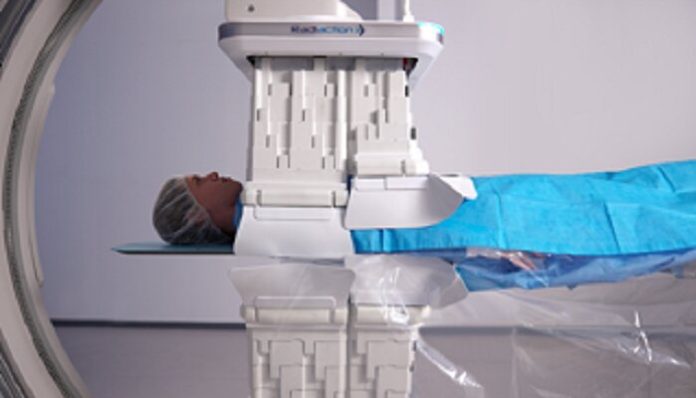
Radiaction Medical, Ltd. (“Radiaction”), a medical device innovator dedicated to providing healthcare physicians and staff with effective radiation protection during interventional procedures, announced today it has received an additional 510(k) Clearance from the Food and Drug Administration (FDA) for its Radiation Shielding System, one that enables compatibility with the Siemens Artis family of fluoroscopy C-Arm machines. The Shield System functions as an accessory to new and legacy C-arm models. Since its market debut in Spring 2022, the Radiaction Shield System stands alone as the only fully automated and integrated, head-to-toe shielding device that blocks radiation scatter at its source. Building upon its previous clearance with Toshiba Infinix-I systems, this latest authorization permits the Shield System to be used in a greater number of interventional cardiology and electrophysiology labs across the United States, expanding the availability of Radiaction’s potentially life-saving radiation shield to yet more physicians and staff.

Fluoroscopy-guided procedures have become a leading source of occupational ionizing radiation exposure for healthcare providers. Currently available radiation protection solutions have limitations—leaving gaps in full body coverage, providing reduced protection to staff, and creating obstructions that can limit access to the patient. Radiaction’s technology blocks the threat of radiation exposure and eliminates these limitations. Clinical studies have shown that the Shield System can reduce radiation scatter to the entire interventional lab by over 90%1, with even higher reductions to the heads and upper bodies of the treating physicians.

“The reactions to our Shield System technology and capabilities have been extremely encouraging. Awareness has been growing about the negative implications of staff radiation exposure in interventional labs, but until now, there was no meaningful, comprehensive way to address the problem,” said Jonathan Yifat, Radiaction’s CEO. “We are now in a historic position and uniquely poised to drive a truly novel, integrated, and automated solution to market, and directly into the hands of the dedicated healthcare providers at all levels delivering top-tier patient care.”

As Radiaction grows to take advantage of new opportunities in interventional cardiology and electrophysiology created by the FDA clearance, the company is building out its U.S. footprint, recently opening its U.S. Headquarters and Training Center in Fort Lauderdale, Florida. The fully operational demonstration, training, and visitation center will host and educate physicians and hospital staff.

To extend the company’s market reach, Radiaction recently appointed Amanda Bloom as Vice President of Marketing. Her mission is to focus sharply on expanding Radiaction’s market awareness and product pipeline capabilities. She also plans to develop education, support, and advocacy tools to ensure that the company’s growing customer base is fully supported as they understand and adopt this compelling new technology.

The additional FDA 510(k) clearance along with Radiaction’s new staff and facilities are milestone events marking an inflection point for the fast-growing organization. Now, with Radiaction’s Shielding System, physicians can deploy a radiation shielding device at the touch of a button, fully protecting themselves and their staff.

About Radiaction and RSS

Radiaction, based in Tel Aviv, Israel, offers the Shield System to create a radiation-safe environment for all healthcare team members, revolutionizing X-ray protection with full-body shielding to all staff during fluoroscopy-guided procedures. Placed on the fluoroscope’s C-arm, the Shield System encapsulates the imaging beam and blocks scattered radiation at its source, without increasing radiation to the patient or affecting imaging. This represents a paradigm shift in medical staff radiation protection. Installations target the interventional cardiology and electrophysiology markets, where the highest radiation exposures occur.

Radiaction was founded by Amir Belson, MD and its lead investor is InnovaHealth Partners, LP.

To learn more about Radiaction and how the Shield System technology can protect your healthcare staff, visit our website at www.radiactionmedical.com, or email: contact@radiactionmedical.com.

References:

1. Laish-Farash A, et al. EuroIntervention 2022;18:262-266.
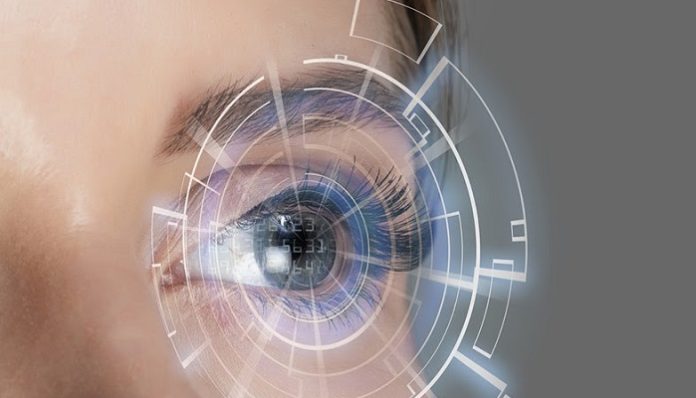
AI in Optometry: How Modern Technologies Are Implemented

The recent emergence of AI and digital eye care tools in optometry was met with skepticism. Concerns that these eye care services are fundamentally unable to match the caliber of in-person contact, examination, and evaluation may serve to strengthen this belief. However, digital healthcare tools offer the chance to expand the practice’s reach and services.

Optometrists might change their views on AI and digital health care by seeing it as a set of complementary tools that enhance rather than replace a clinician’s practical knowledge. This would allow them to view it as a structure to be welcomed rather than a danger to be contained. Therefore, we’d like to take a closer look at 2 great examples of using AI in optometry

AI for Fundus Photo 

The game has changed for people at risk of vision loss thanks to a decision made by the FDA in April 2018. With this decision, the government authorized an autonomous AI diagnostic system for the first time without requiring a doctor to analyze the data. It made it possible for an AI system to be commercialized and enable the automated detection of diabetic retinopathy in primary care.

Since more patients will have access to early identification of diabetic retinitis because of this development, healthcare delivery will alter. The self-regulatory AI diagnostic system independently diagnoses DR. It is crucial that it adheres to clinical standards and does not need human supervision.

The system was created and developed to be used in a primary care context, where it can quickly deliver a diagnosis at the point of service. The device has a robotic camera; therefore, training is necessary but not extensive for the operator. Even if they haven’t done retinal imaging before, current employees may be educated in a few hours. The utilized technique employs machine learning for the detectors that identify bleeding, exudates, micro-aneurysms, and other lesions that suggest DR. This approach is based on how doctors view DR and significantly enhances the process of diagnosis and further treatment.

AI for OCT Analysis

A more precise and thorough medium for analyzing optical coherence tomography (OCT) images of the back of the eye was developed by scientists in Australia using an AI deep neural network. This method will help clinicians more effectively identify and monitor eye diseases like green cataracts and age-related macular dystrophy.

Highly detailed cross-sectional images of the eye are taken using OCT imaging, which is often used in ophthalmology and optometry to display the different tissue layers. Using OCT scanning to map and track the thickness of the tissue layers in the visual organ will enable clinicians to identify eye diseases faster.

A number of scientists were searching for a novel way of image analysis and extracted the retina and choroid, two major tissue layers in the rear of the eye, with a focus on the choroid. They say that the primary blood veins that provide nutrients and oxygen to the eye are found in the choroid, which is situated between the retina and the sclera. The retinal tissue layers are clearly defined and analyzed by typical image processing techniques used with OCT. However, relatively few clinical OCT devices contain software that examines choroidal tissue. The team of experts took note of this and trained a deep learning network to understand the important aspects of the pictures and to precisely and automatically determine the borders of the choroid and the retina.

As a result, the ability to analyze OCT images has increased the knowledge of the changes in eye tissue brought on by refractive errors, aging, normal eye development, and other conditions, as the methods may offer a mechanism to better map and monitor changes in choroid tissue, and perhaps identify eye disorders early.

Conclusion

The field of optometry will move more and more toward the intersection of disruptive technologies, notably AI, as the twenty-first century goes on. The growth of artificial intelligence in optometry and healthcare today requires ODs to understand it and make efficient use of it. In fact, the workforce in optometry will change as jobs change. Thanks to the ability to use digital thinking processes, cutting-edge technology, and critical thinking, new opportunities in eye care will appear as optometrists move more toward “data analysis” and away from “data gathering.”

Still, AI is strong at what it has been trained to accomplish and weak at what it has not been taught (such as age ranges or congenital optic nerve defects that are not in the database). Therefore, the emphasis should be on an OD’s ability to use AI efficiently rather than the growing worry that they will lose their jobs. Optometrists now have the ability to contribute to the global healthcare sector by enhancing patient outcomes.

Strata Health’s Transitions of Care Software Goes Live Across HonorHealth

Strata Health is pleased to announce their transitions of care software solution launched on March 1st, 2022, at HonorHealth in Phoenix, AZ.

Strata Health’s platform gives case managers at HonorHealth the ability to easily deliver relevant patient information to post-acute care providers, improving patient flow and referral quality. To date, nearly 100,000 post-acute care referrals have been processed using Strata Health’s integrated software solution.

“At HonorHealth, one of our biggest priorities is safe care transitions to ensure the best patient outcomes. We place high value on workflows and tools that can help us facilitate safe transitions and reduce unplanned readmissions,” said Pamela Foster, Vice President of Care Coordination at HonorHealth. “The Strata application has helped us to match patient needs with the best available resources. It has helped us to facilitate optimal and timely communication with post-acute providers. Additionally, the platform integrates with our patient-facing tool so that all parties are working from the same information and data set.”

The team at Strata Health is proud to work in collaboration with care providers across the healthcare continuum to advance the transition of care experience for patients and providers through informed choice, streamlined data flow, and improved communication.

“We’re pleased to be working with HonorHealth in support of their Transitions of Care process,” said Marmmett Horton, Senior Vice President & General Manager at Strata Health US. “Strata Health is committed to ongoing efforts to improve the experience for patients, allow Case Managers to work at the Top of their License and provide post-acute care providers with the tools to respond quickly and accurately to referrals. A primary goal is to provide a solution that alleviates communication barriers that can lead to adverse events during care transitions and promote better patient outcomes.”

Every day, Strata Health technology is improving how care providers receive and respond to referrals, ensuring capacity, quality, and access across the continuum of care.

With $1.7mn Funding, Singapore To Test 6 New Health Tech.

Public healthcare clusters in Singapore will test innovative medical technology in advance of their potential approval and widespread use in the future.

Funding of SG$2.4 million ($1.7 million) was provided to six virtually market-ready ideas in the most recent Healthcare InnoMatch 2022, which was funded by the Ministry of Health and Temasek Foundation and coordinated by the Centre for Healthcare Innovation.

Healthcare InnoMatch, launched last year, is an annual competition that seeks technological ideas from startups as well as small and medium-sized organisations in an effort to address important healthcare concerns and alter how healthcare is supplied in the future. In its second year, the event saw the National Healthcare Group (NHG), National University Health System (NUHS), and Singapore Health Services (SingHealth), Singapore’s three public healthcare clusters, combine for the first time to assess the viability of initiatives suggested.

More than 250 international submissions were outperformed by the six projects listed below:

  • PreSAGE is an AI-powered, image-based system by CoNEX Healthcare (in partnership with NHG) for predicting and avoiding falls in healthcare facilities like hospitals, nursing homes, and residential homes.
  • The AI support tool for FxMammo by FathomX (in partnership with NUHS) examines mammograms to aid in the early diagnosis of breast cancer.
  • Kinexcs’ KIMIA Recovery Management System (partnered with SingHealth)—a post-operative recovery management system for online tracking of a patient’s joint health. It includes a wearable smart sensor device and an AI digital therapist that directs users during exercise and spots post-surgery issues.
  • Studies have demonstrated that the neuroscience-based NuCalm technology, created in partnership with SingHealth, can reduce stress and improve the quality of sleep.
  • With the help of NUHS, QuantumTX has developed QTX Magnetic Mitohormesis, a muscle-mitochondrial activating technology that enhances post-stroke rehabilitation and functional ability.
  • Heart failure is diagnosed using automated cardiac ultrasound application known Us2.AI (in collaboration with NHG and SingHealth).

Each of the six winners has been matched with a public healthcare cluster in order to further tailor their services and get input from patients and providers. The partnership will speed the development of these virtually marketable technologies, preparing them for mass adoption and commercialization in Singapore and other places.

Recent announcements by NHG, the Agency for Science, Technology, and Research, and Nanyang Technological University Singapore stimulate the growth of biomedical technology. For SG$15 million ($10.7 million), the institutions established the co11ab incubator in Health City Novena at NTU Singapore’s Lee Kong Chian School of Medicine. Co11ab will provide startups with access to industry knowledge, coaching, and monetary help so they can transform their thoughts and ideas into products. Co11ab expects to be fully operational in the first quarter of 2023.

Australian Federal Budget 2022-2023 Highlights In Health

The Albanese administration has presented its first budget, with $30.6 billion for senior care and a total commitment of $104.1 billion to health care.

Australian primary healthcare will undergo a systemic overhaul thanks to a $2.9 billion programme. The Minister for Health and Aged Care, Mark Butler MP, declared in a statement that Medicare will be enhanced, underlining its authenticity and purpose as a pillar of the health system. 50 Medicare Urgent Care Clinics will be opened by the government in an effort to relieve the strain on the hospital system.

A $235 million budget from 2022 to 2023 will support the start of the rollout, including $100 million over two years from 2022 to 2023 to co-develop and test innovative solutions with states and territories to enhance treatment pathways and guide the rollout of the urgent care programme.

A new GP grants programme will expand neighbourhood GP practises and enhance care ($229.7 million). The Australian Medical Association (AMA) praised the federal government for following through on its election promises by allocating $980 million for general practise, but cautioned that given the strain on the healthcare system, the May 2023 Budget must prioritise health.

The government has put aside $750 million for its Strengthening Medicare Fund to support the proposals of the Improving Medicare Taskforce, which are due by the end of this year, according to AMA President Professor Steve Robson. They are happy to see that the government intends to move swiftly with the distribution of $229.7 million in GP infrastructure funding of up to $50,000 each, which will assist general practises in improving their digital capability, making investments in infection control, and meeting accreditation standards. The government’s $143.3 million pledge to promote access to healthcare in rural and regional areas was also welcomed by the AMA.

The Budget’s other significant health-related highlights include:

  • An investment of $39 million will be made in the Newborn Bloodspot Screening Programs to boost the number and consistency of diseases screened (NBS). Updated clinical recommendations for prenatal care and improved postnatal care are part of a $5.9 million investment to improve women’s health before, during, and after pregnancy. A comprehensive national network of perinatal mental health and wellbeing centres will be funded with $26.2 million, while families that have lost a child to stillbirth will receive greater help with $13.9 million.
  • Funding for a range of programmes aimed at preventing suicide and improving mental health (23.5 million dollars). National consultations will start to examine the particular health problems and impediments to care that LGBTIQ+ Australians of $1.3m confront.
  • A National Health Sustainability and Climate Unit will be established, and $3.4 million will be used to create Australia’s first National Health and Climate Strategy.
  • A $314.5 million grant will help First Nations peoples live healthier lives and will enable us to act right away to show their dedication to the Uluru Statement from the Heart.
  • Funding for research into the chronic illnesses that disproportionately impact members of the First Nations will begin. The amount allocated to rheumatic heart disease prevention in high-risk areas will rise to $14.2 million. Renal services will be improved with financing of $45 million for up to 30 four-chair dialysis units for up to 30 sites. The government will invest $22.5 million in the construction of a specialised birthing centre of excellence in New South Wales to offer First Nations families comprehensive support services. They are aware of its importance in enhancing First Nations peoples’ long-term development and health.
  • Cheaper prescription drugs for Australian families will be thought about. The maximum cost of general prescriptions covered by the Pharmaceutical Benefits Scheme (PBS) will decrease for the first time in its 75-year history. The $42.50 maximum co-payment will be reduced to $30 ($787.1m) as of January 1, 2023.
  • With increasing investments in preventative health and enhanced mental health assistance, funding is being provided to solve the workforce shortages, particularly outside of major cities. The outstanding Innovative Models of Care programme will get new financing totaling $24.7 million as part of the $185.3 million Rural Workforce package, which will also assist and retain more physicians and allied health professionals in rural and regional regions. GPs and rural generalists with expert practise abilities will be eligible for incentives of up to $10,500 to practise in rural and remote regions ($74.1m). Through the Workforce Incentive Program ($29.4m), more healthcare workers will be eligible for pay assistance. By 2026, the John Flynn Prevocational Doctor Program will have received $5.6 million in funding to expand to more than 1,000 positions in rural Australia annually. 20 new medical training positions at James Cook University will receive $13.2 million in Commonwealth funding, which will improve rural health in Northern Queensland.

New Technology Can Alter Virtual Reality Tastes- Research

Researchers have created a technology that uses light to stimulate neurons to produce virtual tastes. The method was successfully used on flies, allowing them to consume bland gelatinous ooze while experiencing a sweet taste.

Scientists from the Champalimaud Foundation in Portugal combined two high-tech components to create the instrument optoPAD. The first is optogenetics, a potent technique that employs light to regulate neuronal activity and turn on or turn off neurons. Because access to green light triggered the flies’ sweet-sensing neurons, they were more attracted to the bland food in the studies.

Another technology known as flyPAD that was initially created in the lab makes up the second component of the optoPAD. The flyPAD monitors the fly’s feeding activity using touchscreen technology. FlyPAD can recognise when a fly hits food, similar to how your phone can recognise when your finger touches the screen, according to Jose-Maria Moreira, a researcher published in the journal eLife.

Researchers used both flyPAD and optogenetics to figure out how to control how people perceive tastes, which is one of the most difficult parts of studying how people eat.

Contrary to aural and visual data, which can both be instantly changed, animals only perceive taste information when they deliberately touch the food with their tongues or probosci, contrasting to auditory or visual input, which can be altered instantly and independently of the animal’s behaviour. To ensure that they optogenetically alter the flavour of the food precisely when the fly is in contact with it, Moreira stated that with optoPAD, they are continually watching the behaviour of the fly.

This study demonstrates how the optoPAD can successfully connect active feed with optogenetic treatments and how the flies’ behaviour is influenced by these virtual tastes in a very real way.

For example, by optogenetically activating sweet-sensing neurons, they can make the fly eat excessively, or by optogenetically activating bitter-sensing neurons, they can make the fly stop eating altogether, no matter how hungry it is.

The researchers want to employ optoPAD to fundamentally improve human existence even though it appears to be a great approach to boost nutrition without sacrificing taste.

Carlos Ribeiro from the Champalimaud Center stated that “the food one eats influences many areas of existence, including ageing, capacity for reproduction, lifespan, mental condition, and mood. How the brain decides what to eat, though, is still a mystery. The optoPAD can assist us in locating the genes and neurons that may directly affect the future health and nutrition, Ribeiro added.

Prioritize Funding In Systems Aiming Primary Healthcare – WHO

There is no financial stability without health security, according to the World Health Organization (WHO), which has urged nations to recognize the importance of investing in primary healthcare-oriented systems. Health is vital to economic security, and a robust health system can respond to medical emergencies more effectively. The most recent COVID-19 pandemic has adequately proven this, according to the Regional Director for WHO’s South-East Asia Region, Dr. Poonam Khetrapal Singh.

Without health security, there is no economic security. Pandemic preparation, universal health coverage, and health and well-being for everyone play complimentary roles. She stated that the most effective and equitable way to accomplish these goals is to make an investment in primary healthcare-oriented systems. She made this statement while addressing the World Health Summit, which took place in Berlin, Germany, from October 16 to 18.

Strengthening the health workforce has been a regional flagship priority programme for the South-East Asia Region since 2014. According to Dr. Singh, the availability of physicians, nurses, and midwives has improved by about 30% over this time, which was critical in the COVID-19 pandemic reaction.

According to her, it is well known that nations with ongoing investments in primary healthcare that put communities at the centre of treatment were better equipped to spot cases and mount a successful public health response to the pandemic.

The COVID-19 outbreak served as a long-awaited wake-up call for the entire world. However, a pandemic of this magnitude was beyond the capabilities of the world. The secret is to be ready. One must close the gaps in the provision of healthcare services and insurance.

Singh emphasised the importance of making investments and strengthening the six pillars of health systems in order to close gaps and get ready for the next pandemic. These pillars are customer service, health workforce, access to medical products, vaccines, and technologies, health information system, and financing supported by high-level political commitment. The COVID-19 economic crisis, the ongoing geopolitical crisis, and price inflation have slowed or stopped decades of progress in providing health services and reducing poverty. She asserted that the majority of the 71 million people estimated to be plunged into extreme poverty by the year 2020 live in the region.

The COVID-19 pandemic has demonstrated that decades of investments in broadening the healthcare workforce and principal healthcare-oriented health systems provide the basis for nations to speedily mount public health interventions while retaining essential health services with little disruption and allowing them to recover more quickly, she said. History bears witness to the increase in the frequency, diversity, and scale of epidemics.

Dr. Singh stated that there is significant and mounting evidence that health investment is a sensible investment which pays off by enhancing economic performance and stability and that the penalty of inaction is far larger than the cost of action. The regional director emphasised the significance of utilising technology in pandemic preparedness and health services.

The pandemic showed how intertwined the world is and how quickly a virus can spread from one nation to another. Global health and prosperity are at risk from nations with inferior health systems. More than ever, governments need to make sure that everyone has access to high-quality healthcare that is sufficiently funded.

Launch of The Largest Health Research Initiative In The UK

Three million invitations to the public will be delivered this fall as part of a significant new research initiative in the UK to find new ways to avoid, detect, and treat diseases.

The organisation said in a statement that up to five million people would eventually have the chance to participate in Our Future Health over the coming years, making it the largest-ever health research programme in the UK that is open to all UK adults.

Researchers are hoping to discover new methods to detect illnesses sooner, when they can be treated more easily, and more precisely predict who is at higher risk of diseases like cancer, diabetes, heart disease, dementia, and stroke by evaluating health information and blood tests from the millions of volunteers who sign up for the programme.

People who have historically been underrepresented in studies, such as those of black, Asian, and other ethnic origins and people with lower means, will also participate as volunteers.

Future input about their healthcare, including their risk of contracting common diseases, will be available to participants in the research programme based on their medical data and DNA analysis. Additionally, the results of the blood pressure and cholesterol tests will be provided to them.

The programme will send invitations to adults 18 and older living in West Yorkshire, the West Midlands, Greater Manchester, and Greater London in cooperation with NHS DigiTrials. The group insisted that anybody could sign up to take part.

Volunteers will complete a consent form to participate in the research programme, grant the research team secure access to their personal health information, fill out a questionnaire, schedule an appointment to give a brief blood sample and have their measurements recorded, and provide their permission.

Medicine Information Will Soon Be Kept Digitally In Japan

Japan’s Ministry of Health, Labour, and Welfare is launching a pilot programme to encourage pharmacies all around the nation to implement electronic medicine notebook software.

600 customers from about 40 pharmacies across the nation will participate in the project, and they will be asked to document their usage of over-the-counter medications, how they get advice from pharmacists, and how they employ an electronic medication notebook to check information regarding their meds.

Based on a press release, eight pharmaceutical associations, including Welcia Pharmacy, Ueda Pharmacist Association, Atago Dispensing Pharmacy,Airy Pharmacy, Godai, Sugi Pharmacy, Shiga Pharmacists Association, and Minori Pharmacy, will participate in the pilot scheme from October to December.

Four firms will offer the electronic medicine diaries: Kusurino Madoguchi, harmo, Falmo, and MedPeer. By highlighting its advantages and illustrating how efficiently it may be used by patients, pharmacists, and other healthcare organisations, the MHLW pilot programme intends to encourage the use of prescription monitoring notes throughout the nation. By making information regarding over-the-counter medications simple to acquire, it is hoped that this technology can help lower the danger of medication overlap.

Pharmacy information can be managed in a centralized pillar by combining with other health apps, according to a separate statement from CMIC Holdings, the company that owns harmo.

A policy for the use of electronic medical notes will be created based on the findings of the pilot study. By year’s end, the government hopes to get a conclusion about this experiment.

The MHLW has been implementing features and procedures that make it simple for patients, pharmacies, and healthcare professionals to access information about drugs. This includes the electronic prescription system project, which will begin next year, and a function on Mynaportal, Japan’s online services portal, for examining drug information.

Novel Disinfectant Technology Shown to be Effective in Eliminating COVID-19 Virus and Other Harmful Hospital Acquired Pathogens

Healthcare-Associated Infections (HAIs) are a leading cause of morbidity and mortality globally, with an estimated 1.4 million patients affected annually. In the United States alone, HAIs are responsible for approximately 100,000 deaths and cost the healthcare system more than $40 billion each year. Pathogens that cause HAIs can survive on environmental surfaces for extended periods of time, and common touch points between patients and workers are frequent vectors for transmission. In order to reduce the spread of HAIs, it is essential to regularly disinfect high-touch surfaces. However, many currently available disinfectants are ineffective against a wide range of pathogenic microbes, including antibiotic-resistant bacteria. Moreover, these products often contain harmful chemicals that can damage surfaces and pose risks to human health.

Researchers at the University of Michigan have developed an effective, durable and safe-to-use disinfectant coating that can rapidly kill a variety of pathogens. The substance is an all-natural compound whose active ingredient is derived from plant based essential oils which can be easily applied either via spray or brush without damaging the underlying surface. This novel technology has the potential to significantly reduce the burden of HAIs worldwide.

A recently published study has demonstrated the efficacy of a new coated surface in killing gram negative and gram positive bacteria, including MRSA, as well as the SARS-CoV-2 virus. The study showed that the treated surfaces achieved a 99.9% kill rate within a few minutes or even seconds of exposure. In addition, the treated surfaces maintained their antimicrobial efficacy for six months, even when exposed to air, mechanical stress, chemical cleaners or extreme temperatures. The coating can also be recharged by applying fresh material, renewing its antimicrobial activity. This new technology has the potential to revolutionize infection control in healthcare facilities and other high-risk environments.

“The coating could be a game changer in traditionally germ-laden public spaces like airports and hospitals,” said Anish Tuteja, professor at the University of Michigan and lead investigator.

The coating technology has been exclusively licensed to EnviraShield Health, LLC for application in all healthcare settings. The company is privately held and boasts next generation antimicrobial coatings. These coatings are the result of a patent-pending polymeric formulation that works in combination with broad spectrum antimicrobial activity. EnviraShield is committed to enhancing patient care by reducing the risk of infection that can be caused by contact with contaminated surfaces. In doing so, the company hopes to create safer healthcare environments overall. The use of this cutting-edge technology has the potential to revolutionize healthcare as we know it and make a positive impact on the lives of patients around the world.

Translate »