







Close
Digital Health & Ai Innovation summit 2026
Medical Taiwan 2026

Healthy Diet: This Is What You Need To Do

In order to combat vitamin deficiency, we should eat a certain type of food that meets our daily needs for minerals and vitamins. For a healthy body and strong immunity, you need to take care of your diet, reduce stressful moments to a minimum, get enough sleep, stay hydrated, and be physically active. But sometimes even that is not enough. There are certain things that you can add to your daily diet that will contribute to your body. Read below what those things are.

Vitamin B50 TBL A100

One of the most significant health benefits of B complex vitamins is that they help maintain healthy nerves. Vitamins B1, B6, and B12 are particularly useful. These three vitamins help in the synthesis of neurotransmitters such as acetylcholine, serotonin, and norepinephrine, as well as in the formation of myelin (the protective layer that surrounds nerve cells).

Since the vitamins of the B complex are water-soluble and the body cannot create them on its own, we need to replenish them constantly. A simple and effective way to do this is to include Vitamin B50 tablets in our daily routine.

The bottle is packed with benefits for the nervous system (vitamins B1, B2, B3, B6, B9, and B12), but also for the rest of the body, since B complex vitamins are important for our metabolism, support cellular processes, growth, and energy consumption, and prevent fatigue.

Body Protection Compound-157

Body Protection Compound-157, or BPC-157, is a naturally existing peptide that can be detected in human gastric contents. The peptide, which has a structure of 15 amino acids, is also present in very small amounts in the gastrointestinal secretions of other animals. The peptide is essential for maintaining the GI tract’s lining. Moreover, the dosage for BPC-157 in other bodily functions is of importance to researchers, especially when it comes to muscle and tissue growth, neuroprotective effects, and healing. The part that BPC plays in gastric acid is crucial. It assists in preventing damage to the digestive tissues and can treat digestive problems and other wounds to the intestinal lining as a substance that can stimulate recovery.

Supplements in the Fight Against Stress

In addition to physical health, it is also necessary to take care of mental health. Many supplements help combat everyday stress and make life easier.

Magnesium has a beneficial effect on the entire organism, but it is especially good for improving the functions of the nervous system and achieving mental clarity.

B complex vitamins are excellent for alleviating the effects of everyday stress and restoring the normal functioning of the nervous system.

In addition to the classic vitamins and minerals, plant extracts are increasingly being used to alleviate the effects of stress and have a positive effect on anxiety. Valerian has been popular for years, and CBD (cannabidiol) and ashwagandha are becoming more and more important if we talk about supplements whose primary purpose is to reduce stress.

Plant Foods in the Diet

A diet pattern based on the use of plant products is a common way for healthy habits to become an integral part of the diet. Studies show that a plant-based diet reduces the risk of chronic diseases. A study published in August 2019 discovered that people who ate plant-based diets had a 16% lower risk of developing heart disease. This way of eating includes healthy fiber and nutrients like potassium, while limiting saturated fat and cholesterol intake. There are several ways of eating based on the use of plant foods. No animal products, raw vegan (use only raw food, no animal products), vegetarian (no meat), or even flexitarian (vegetarians who occasionally eat meat or fish).

Nutrition Plan and Healthy Habits for Children

The advice is to start with small and achievable goals. It is important to know that children copy the eating habits of their family members. If we avoid broccoli, we do not have to be surprised if the children refuse it. The advice is not to force children to eat certain foods. Make an effort to have lunch with the children and show them by your example that salad is a portion of great food. Instead of snacks with a lot of salt and sugar, choose fruits, almonds, walnuts, flax seeds, sunflower seeds, and pumpkin seeds.

The advice is not to be “trendy”, but to use a well-balanced diet, such as the Mediterranean diet, which reduces risk factors for cardiovascular diseases. The Mediterranean diet is based on fruits, vegetables, fish, and dairy products. The advice is to avoid fad diets, which are generally short-lived and unsustainable. Choose carefully, because sometimes the desire to be healthier can cause the opposite.
A Day in the Life of a Medical Assistant

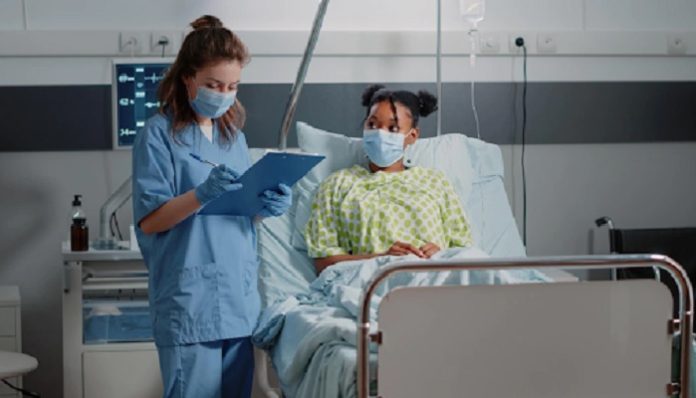
The job of a Medical Assistant is an extremely diverse and dynamic one. In turn, defining what a day the life of MAs looks like can be extremely difficult – especially as duties and responsibilities will vary according to their clinic management, specialty, and experience.

Nonetheless, understanding what your day as a medical assistant will be like after obtaining your diploma can help you make the best choices for your career. 

And, thatโ€™s where the guide below can help!

General Duties of a Medical Assistant

The best way to prepare for your life as a medical assistant is to invest in a comprehensive training course in your local area. 

For example, if your goal is to work at the well-renowned Atlantic Health System’s Morristown Medical Center, choosing a medical assistant program in New Jersey will help you familiarize yourself with the local practices, hospitals, and doctors. Whatโ€™s more, local training courses will help you build a network of connections in the area where you are planning to work. 

However, if you are looking to get an idea of what to expect before investing in a medical assisting diploma, the general responsibilities, duties, and schedule of MAs listed below can help. 

Clinical Responsibilities

During their training course, medical assistants receive comprehensive cross-training in both administrative and clinical duties. MA certifications also include academic work, internships, and externships to prepare candidates in the best way. 

Some of the key clinical duties MAs are responsible for during their day at work include taking and managing medical histories, preparing medications, administering medical treatments, and fulfilling requested prescription refills. 

Medical assistants are also in charge of preparing patients for examinations and surgeries, explaining treatments and procedures, and assisting the physician during the visit. Whatโ€™s more, depending on the MA specialty and experience, these professionals might also collect specimens, check vital signs, perform phlebotomy, care for wounds, and perform laboratory tests. 

Administrative Responsibilities

Alongside clinical responsibilities, Medical Assistants work with clinic managers and clinical staff to ensure the smooth running of the facilities and systems. 

Some of the key administrative responsibilities MAs deal with during their day at work include:

  • Using the clinic management software
  • Managing and updating patient charts and electronic health records
  • Managing billing, coding, and payments
  • Coordinating hospital admissions
  • Managing laboratory services
  • Welcoming patients into the clinic and filing their medical history
  • Answering phone calls and emails and handling correspondence
  • Scheduling initial consultations and follow-up appointments
  • Assisting in bookkeeping 

Soft Skills and Personal Responsibilities

Due to the shortage of trained medical assistants that have plagued the US healthcare sector in the past years, new tech companies have developed solutions that can help hospitals deal with labor shortages

But, for how effective these systems have been in automating some of the duties historically covered by MAs, this role remains irreplaceable. And, the reason for this is that MAs play a crucial role in building relationships with patients and working with the local community.

As a medical assistant, during your day at work, you will be responsible for greeting and welcoming patients, dealing with their fears and doubts, and facilitating appointments. To fulfill these responsibilities, MAs have to cultivate essential soft skills such as active listening, communication, and interpersonal skills. 

The Daily Life of Medical Assistants

As we have seen above, the clinical and administrative duties of a medical assistant are many and varied. So, it is unlikely for two medical assistants working in different facilities or even different departments to have the same day at work! 

Nonetheless, if you are curious about what to expect, hereโ€™s a rough breakdown:

  • Early morning schedule – before the clinic opens to patients, Medical Assistants review the chart of upcoming patients, prepare examination rooms, and ensure that all supplies and tools are readily available. 
  • Welcoming patients – as the clinicโ€™s patients begin to arrive, MAs will be responsible for welcoming them, leading them to their examination room, and checking their vital signs, including pulse, blood pressure, temperature, and respiration rate. 
  • Assisting the primary healthcare provider – during treatments, procedures, and minor surgeries, medical assistants work directly with the healthcare provider. 
  • Performing minor procedures – Depending on their experience, they might also be asked to perform minor procedures such as pap smear tests, circumcision, toenail removal, IUD insertion or removal, skin tag removal, or placing stitches. 

Administrative tasks are usually performed throughout the day. 

Learn What To Expect From Your Life as a Medical Assistant

Since a day at work for MAs can look very different from one specialty to another and from one clinic to another, the best way to get an idea of what to expect is to find a mentor in the field or ask successful MAs to share their experience.

Do You know these Strange Mental Disorders?

Mental illness is a complex world, full of particular physiological patterns. In fact, most of them, we never hear about, until we are personally facing them, or someone close to us is. In the article below, we describe some of the strange and lesser known illnesses that can affect individuals as their behaviors change.

Automatonophobia

Have you ever entered a museum and started being afraid of the various inanimate characters that live there? Or maybe, you entered into a mall, and you felt fear at the view of mannequins? That can be caused by automatonophobia; a mental illness that makes you scare of anything that looks like a body, but isnโ€™t alive. It can also cause you fear of animatronics. This is a very real psychological issue, that causes major symptoms, such as sweaty palms, feeling lightheaded or even a suffocating sensation, as you are convinced that they will be coming for you, in some ways. In most cases, the main effect is panic, as anxiety rises inside the individual, once he comes face to face with one.

It quickly becomes obsessive, as the person remains aware at all time of his environment, scanning with his eyes, to make sure that there arenโ€™t any โ€œpresenceโ€ around him. There are various explanations of behaviours that can lead to automatonophobia. It can come from being a weak person, scared of everyone else, or it can spring in someone who has a limitless imagination. Science-fiction and horror films can also be a secondary cause, as it can have opened a trauma, in the past. As in most mental illness, it can also simply come from a genetic predisposition.

Gamomania

This next illness may seem funny, but it should not be treated as such. Some individuals may suffer from gamomania, which pushes them towards other people, in order to ask them in marriage. Even to total strangers. Although they may simply seem crazy, they are being totally honest about their demand. The problem is that they will also be true, the next time they cross paths with somebody else that they like. If you find yourself married to such a person, you can be assured that they will never remain faithful. In fact, they look for a polygamous lifestyle, that will only cause many tears and problems along the way.

Object Sexuality

If some people just want to marry other ones, as we have just described, this mental illness is a bit stranger as those affected by it, fall in love with objects, instead of human beings. Sometimes, it is easy to think that this is just a game and that metal illness patients don’t really believe what they are saying. But they are. In the case of โ€œobjectum sexuality,โ€ a person can fall in love with a teddy bear, but also with something much bigger, like a house or a tree. There is a real sensation of love being felt by these individuals towards the object, and they often feel as if they are married to them.

Derealization

This syndrome can be quite difficult for individuals to live with, as it implies a dematerialization of their environment. It feels as if they are living under the effects of hallucinogenic drugs, which makes their world melt, change colours or even affects its depth. This is called a dissociative state, which is brought by neurological or psychiatric disorders. In truth, the hallucination isnโ€™t necessarily only visual. Some people also have a modification in taste, smell and hearing, which causes them to be disoriented inside their own world.

The Munchausen Syndrome

Although better known, Munchausen syndrome is still a mystery to most. As if real health issues were not sufficient to some, they create fake ones, so that people will take pity on them. There have been very famous cases of this mental illness. It can destroy peopleโ€™s lives, as they believe that their loved one is sick, when they are not. This is something caregiver must be aware and worried of, if they have someone under their attention that does not seem to ever get better. A psychiatrist opinion would certainly be welcomed, to decipher the truth from the lie.

The Stockholm Syndrome

This is another syndrome that got worldwide attention when robbers kidnapped bank employees, who ended up defending them. It happened in Stockholm, Sweden, which is where it got its name. It has gone so far as one of the kidnapped women marrying one of the men that put on the heist. This is far more frequent than one may think. It is due in part by the situation that is developing, but also by the charisma of the person committing the wrong and the weakness of the person suffering. We see such situations in cases of rape and incest, as well as in mistreated wives and kids. It is pernicious, and anyone seeing this happen from the outside, should let someone know about it, so that it can be stopped.

The Alice in Wonderland Syndrome

If you have never read the classic story of Alice, you may not know that there is a moment where she feels too big, right before she feels too small. That is what this syndrome refers to. Those that suffer from it get a distorted sense of their body size. They may feel as if they are too thin, while at other moments, they can reach a gigantic size. This is accompanied by major migraines, which is brought on by abnormal flow of blood to the brain. It also comes with a severe depression. This never goes away in people who suffer from the syndrome, but thankfully, there are very few episodes that they have to go through, during their whole life.

These are but a few examples of strange mental illnesses that exist in the world. They are quite serious and should never be laughed at or frowned upon. People that suffer from them are in distress and need all the help they can get, just to get through. If someone close to you is hurting, take the time to learn more, so that you can be there for them.

f their body size. They may feel as if they are too thin, while at other moments, they can reach a gigantic size. This is accompanied by major migraines, which is brought on by abnormal flow of blood to the brain. It also comes with a severe depression. This never goes away in people who suffer from the syndrome, but thankfully, there are very few episodes that they have to go through, during their whole life.

These are but a few examples of strange mental illnesses that exist in the world. They are quite serious and should never be laughed at or frowned upon. People that suffer from them are in distress and need all the help they can get, just to get through. If someone close to you is hurting, take the time to learn more, so that you can be there for them.

DexCare and WompHealth Combine to Bring the Best of eCommerce to Healthcare While Creating New Digital Discovery Solutions

DexCare and WompHealth Combine to Bring the Best of eCommerce to Healthcare While Creating New Digital Discovery Solutions

DexCare, Inc., the leading data-driven intelligence company focused on creating exceptional healthcare access experiences for everyone, has acquired preeminent eCommerce and online merchandising technology company, Womp, Inc. The companyโ€™s brands, WompHealth and WompMobile, remain independent subsidiaries of DexCare. WompHealth applies groundbreaking online shopping technology to empower health systems to deliver frictionless, intuitive digital experiences for consumers. WompMobile utilizes powerful technology to convert any website โ€“ no matter how complex โ€“ into a high-performance mobile experience. Womp CEO, Madison Miner, and his team bring with them decades of eCommerce experience, digitally-transforming some of the countryโ€™s largest brands, both within healthcare and elsewhere.

The combination of DexCare and Womp coincides with the consumerization of healthcare access, a sea change occurring throughout the industry. Patients seek best-fit experiences that allow them to discover, book and receive care with the convenience, speed, and flexibility they get from eCommerce. From travel to restaurant reservations, most industries are now characterized by digital customization, a merchandising mindset and retail centricity, and these traits will define the next frontier of healthcare access.

DexCare and Womp are modernizing the consumer experience by delivering more effective digital discovery and access in concert with the ability to balance and optimize system capacity. Womp powers over 70 million consumer-facing digital experiences, resulting in significant increases in click-thrus, conversions and customers. The underlying technology becomes a key component of DexCareโ€™s Digital Discovery Solutions, which provide health systems a turnkey solution to create, publish and promote high-performing, consumer-facing mobile and web-based digital experiences, as well as natural language search and merchandising care options.

โ€œOnline scheduling isnโ€™t enough anymore. Health systems face intense competition, evolving consumer expectations and limited resources that require comprehensive, highly-performant Digital Discovery Solutions that empower health systems to capture sustainable growth and guide patients to the best care while optimizing capacity in real-time,โ€ said Derek Streat, CEO of DexCare. โ€œWomp is providing an essential element to this vision โ€“ a powerful storefront for healthcare.โ€

Digital Discovery Solutions enable consumers to easily discover care on search engines and websites, including a health systemโ€™s digital front door (DFD), and to access real time availability for the care options best suited to their needs. They also enable health systems to extend their DFD to the places consumers are looking for care, ensure high-converting experiences that engage new and existing patients, and effectively feature the care options that support health systemsโ€™ strategic, operational and financial objectives.

Specific components of Digital Discovery Solutions include:

  • Fast Pages:ย Rapid loading, consumer-facing digital and mobile experiences, purpose-built to drive traffic and conversion by exceeding the most important determinants of ranking and promotion on search, listing and other websites.
  • One Search:ย Next-generation search engine for health system digital front doors, apps and other websites that empowers users to find care quickly and effectively via modern search capabilities and a frictionless consumer experience. โ€‹
  • Care Options: Intelligently matches care options to consumers by balancing the goals of patients, providers and health systems, and then features the best fit recommendations in Fast Pages, One Search and other consumer-facing experiences throughout the care journey. Consumers never see a dead-end, and health systems extend the capacity of their resources, balance supply and demand, and grow sustainably.โ€‹

โ€œReducing digital friction, by making the complex simple, is how we create customer-centric, results-driven experiences,โ€ said Madison Miner, CEO of Womp. โ€œItโ€™s no surprise that disruptors are rapidly entering healthcare, as the industryโ€™s websites lack the performance, sophistication and personalization that consumers are conditioned to expect. By uniting forces, DexCare is the response to transformation, and brings to market the proven methods of eCommerce to unlock a digital storefront that captures, nurtures, and delivers access to healthcare.โ€

โ€œHealthcare consumers want effortless and relevant digital access to care,โ€ said Dr. Patrick McGill, Chief Transformation Officer at Community Health Network. โ€œBy partnering with DexCare on Digital Discovery Solutions, we now have technological infrastructure that creates a seamless process for patients to intuitively find, and book, personalized care. DexCareโ€™s innovative, digitally-enabled experiences have significantly enhanced both the patient and provider experience here at Community Health Network.โ€

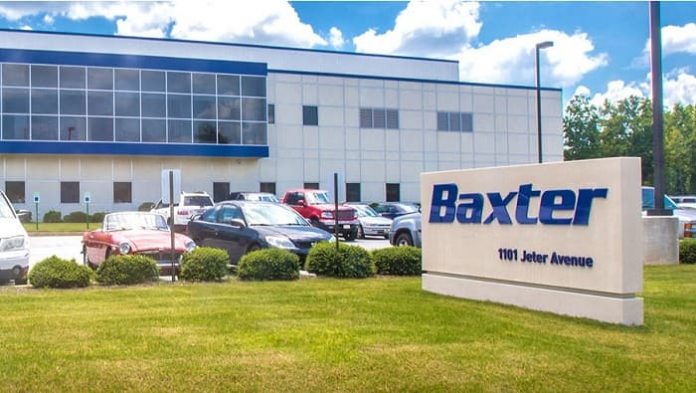
Baxter strengthens its R&D capabilities with the inauguration of the global Pharmaceuticals R&D Centre in Ahmedabad, India

Baxter Pharmaceuticals India Pvt. Ltd., announced the inauguration of a global Pharmaceuticals R&D Centre in Ahmedabad, India. The Centre will help further the company’s mission of saving and sustaining lives byย accelerating innovation in the generic and differentiated injectable pharmaceuticals space.

The R&D Centre was inaugurated by Mr. Alok Sonig, President, Pharmaceuticals, Baxter International Inc. He was accompanied by Dr. Mahesh Chaubal, Vice President, Pharmaceuticals R&D, Baxter International Inc. and Dr. Sanju Dhawan, Director of R&D, Baxter Pharmaceuticals India Pvt. Ltd. in Ahmedabad. ย 

Commenting on the occasion, Alok Sonig, President, Pharmaceuticals, Baxter International Inc. said, “Our world-class Ahmedabad R&D Centre is critical to unleashing the full power of our Pharmaceuticals pipeline and helping us advance patient care worldwide through differentiated injectable products to be commercialized globally.”

The 20,500-square-foot, state-of-the-art R&D Centre features an array of sophisticated equipment and research labs that will focus on pharmaceutical product development and capabilities in therapeutic areas such as critical care, analgesic, renal, cardiovascular anesthesia, anti-infective and antipyretic. It will support Baxter’s global manufacturing facilities, including those in Ahmedabad, Germany, Ireland, Italy, and the United States, among others.

This Pharmaceuticals R&D Centre is part of Baxterโ€™s network of more than 25 global R&D centers, including 4 in the APAC region.

“The COVID-19 pandemic has further highlighted the critical importance of increasing access to healthcare and providing affordable, quality medicines. Our team in India, particularly those working in the Ahmedabad Pharmaceuticals R&D Centre, will play an integral role in advancing our pipeline, expanding our products to new markets and innovating to continue responding to the needs of patients all over the world,” said Dr. Mahesh Chaubal, Vice President, Pharmaceuticals R&D, Baxter International Inc.

Sanju Dhawan, Director –ย R&D, Baxter Pharmaceuticals India Pvt. Ltd. Ahmedabad, said, “This R&D expansion broadens our presence in India while also acknowledging the countryโ€™s specialised capabilities and potential. We are delighted with the diverse pool of talent that the Pharmaceuticals R&D Centre has, and we anticipate that it will attract even more talented professionals in the near future. This Centre is indeed a significant step forward to achieve our mission to save and sustain lives by meeting the unmet needs of patients in India and throughout the world through innovation.”

The existing team of scientists, pharmacists, microbiologists, and analysts at the Pharmaceuticals R&D Centre have already contributed to the launch of several Baxter products globally.ย 

BioIntelliSense Acquires AlertWatch Clinical Intelligence Engine to Expand its Comprehensive Portfolio of Continuous Patient Monitoring Solutions

BioIntelliSense, Inc. a continuous health monitoring and clinical intelligence company, announced its acquisition of AlertWatchยฎ, an FDA-cleared, clinically proven patient monitoring solution. AlertWatch uniquely provides robust integration, data analysis and a patented intuitive display of contextual patient data for more efficient, actionable clinical decisions. As part of the recently announced strategic partnership with Medtronic, its Patient Monitoring business will distribute AlertWatch to hospitals throughout the U.S. as a new offering in its HealthCastโ„ข portfolio.
โ€œThe addition of AlertWatch offers healthcare providers comprehensive continuous monitoring solutions, and an accelerated path from adoption to full scale utilization,โ€ said James Mault, MD, founder and CEO of BioIntelliSense. โ€œThe patented AlertWatch multi-parameter interface displays and analyzes data from inpatient vitals, the electronic medical record (EMR), laboratory systems and BioIntelliSense medical-grade wearables, to provide clinical intelligence across care settings and acuity levels.โ€
Hospitals nationwide are seeking enterprise-grade platforms that optimize labor intensive processes through automation of data capture combined with scalable exception management and clinical insights from in-hospital to home. Over the past decade, AlertWatch has earned four FDA 510(k) clearances for its specialized product offerings for the operating room, intensive care unit, and labor and delivery unit.ย AlertWatch is also monitoring patients in general care wardsโ€“and now, in the home.
The AlertWatch centralized triage dashboard aggregates data and provides clinicians with a composite view of patient vital sign trends, while simultaneously performing advanced analytics and alerting, for proactive clinical decisions. The AlertWatch system has been used to assist over one million surgeries and over 25,000 births. The AlertWatch operating room solution, when comparing users versus non-users, was associated with a one-day reduction in post-operative length of stay (LOS) and a $3,603 reduction in encounter charges.1
โ€œBy joining forces with BioIntelliSense, we are thrilled to greatly expand the reach and adoption of our world-class clinical decision support solution,โ€ said Professor Kevin Tremper, MD, PhD, founder and President of AlertWatch. โ€œThe workflow automation benefits not only help to reduce hospital stays and costs, but also assist clinicians and nurses by alerting them with highly actionable information that prioritizes and personalizes patient care.โ€
The BioIntelliSense and AlertWatch platforms are interoperable solutions with extensive third party and EMR system integration and data exchange capabilities. BioIntelliSense remains committed to an ecosystem approach that provides the flexibility, security and scalability that is needed to support our customersโ€™ patient monitoring needs.

Why Taking Care Of Your Health Doesn’t Need To Cost A Fortune

Many people think that taking care of their health is something that requires great amounts of money. Although this can be true in some specific cases, in general, it does not have to be expensive at all. All it takes is to learn some tips on how to take care of yourself without breaking the bank, and here are some pieces of advice for that!

Eat healthily

A balanced diet provides essential vitamins, minerals, and nutrients to maintain the strength and health of the body and mind. A nutritious diet may also aid in preventing a number of illnesses and medical issues, as well as in preserving a healthy body weight, supplying energy, facilitating better sleep, and enhancing cognitive performance. A balanced diet gives the body the right ratio of liquids, vitamins, minerals, carbs, fats, and proteins. While being mindful of portion management, it’s critical to avoid excluding any necessary macronutrients, such as carbs or fats. Although healthy and organic food can cost a fortune sometimes, it is not always the case. You can find great prices in the marketplaces and try to find other cost-effective solutions.

Take supplements

Supplements are specialized nutritional components or extracts taken from food. The most commonly used type of vitamin supplement among consumers is the multivitamin. The majority of multivitamins include almost 99% of each important vitamin and mineral that you need each day. Medically approved supplements can help you take care of your health better. For example, many people who experience mental health issues, including anxiety, despair, and ongoing stress, take vitamin supplements that may be beneficial for mental and emotional wellness. Similarly, as the leading cause of mortality worldwide is cardiovascular disease, dietary supplements might benefit your cardiovascular health. On top of that, they donโ€™t need to cost a fortune if you find the cheapest pharmacy that will provide you with an excellent price-quality balance. This way, you can invest in your health while not breaking the bank. Of course, make sure you always consult your doctor before buying and taking any medication or supplement.

Be physically active

It literally costs you nothing to go for a walk every day. What is more, you will feel better and more relaxed, and you will also lower your stress and anxiety levels. You can also enjoy observing nature, birds, and the city around you. Besides mental benefits, taking a walk regularly also means taking care of your health since, according to studies, individuals who regularly walk decrease their risks of various diseases by at least 20%. Therefore, your general health can be enhanced or maintained by walking. Everyday exercise for just 30 minutes may strengthen bones, improve cardiovascular fitness, lower extra body fat, and build muscular strength and endurance. Additionally, it can lower your chance of contracting illnesses including heart disease, diabetes, and several malignancies. Walking is a cost-free fitness option that doesn’t require any specialized gear or prior experience.

Meditate

The sensation of quiet, serenity, and balance that meditation may provide you can help your physical and mental health. By concentrating your attention on something peaceful, you may also use it to unwind and manage stress. Not only will meditation benefit you mentally, but it can also have physical implications. It has been known for centuries that stress can cause many physical problems, and vice versa, reducing stress and anxiety can soon help you feel better and physically stronger!

Sleep well

Getting a good night’s sleep is crucial to overall health, much like eating a balanced diet, staying hydrated, and exercising frequently. Most individuals should sleep seven to eight hours every night on average. As we sleep, nearly every part of the body undergoes a multitude of healing and maintenance processes. As a result, getting enough sleep or not enough sleep has an effect on the body’s physical and mental health.

What is more, being well-rested when you get up may enhance your energy levels and rejuvenate your body, which can have a great effect on your day. Moreover, good sleep enhances cardiovascular health. Blood pressure drops and the heart rate slows down during sleep. This implies that the heart and circulatory system may take a break while you sleep. To that end, always bear in mind that sleeping is not only for the sake of sleeping but also for the sake of your health and general well-being!

Our health is our greatest blessing. Although we should do our best to take good care of it, that does not necessarily mean that we have to spend a fortune on it. Rather, there are many easy and simple ways to keep ourselves in good health and save money as well!

Mild Cognitive Impairment Vs Dementia – Understanding The Differences

Mild cognitive impairment (MCI) and dementia are both neurological conditions that can lead to a decline in cognitive function. Since both conditions are associated with age-related mental decline, itโ€™s not unusual to confuse one for the other.

However, there are some important differences between the two. Much like the two faces of a coin or the two sides of a bedsheet, sometimes the symptoms may even look very similar.

So, how exactly do you tell if itโ€™s a mild cognitive function or dementia?

What is Mild Cognitive Impairment?ย 

Mild cognitive impairment is a decline in cognitive function that is greater than what is considered normal for a person’s age and educational background. It may impact a person’s ability to remember, reason, and make decisions. A French study, according to physician-scientist Shaheen Lakhan, also found that the risk factors for developing cognitive impairment may depend on oneโ€™s gender, genetics, and other factors.

In some cases, mild cognitive impairment can lead to Alzheimer’s disease or other forms of dementia. However, it is worth noting that not all people with MCI will go on to develop dementia.

What is Dementia?ย 

Dementia is a serious loss of cognitive ability in a previously normal individual, beyond what might be expected from normal aging. It may be static, the result of a unique overall injury, or progressive, resulting in long-term decline due to damage or disease in the brain.

Dementia is characterized by impaired memory, communication, and reasoning and can significantly interfere with a personโ€™s ability to perform everyday activities.

Differences between Dementia and Mild Cognitive Impairmentย 

Quality of Lifeย 

While both dementia and MCI are associated with a considerable reduction in mental and cognitive function, the two affect a personโ€™s overall quality of life differently. People with mild cognitive function are often able to go along with their day-to-day tasks without the need for special care and assistance.

Dementia, on the other hand, is a more serious condition that leads to a progressive decline in cognitive function. This can eventually lead to a loss of independence and the need for full-time care.

Symptomsย 

Especially considering that MCI may lead to dementia, it is indeed important to be aware of the signs and symptoms of both conditions, so that you can seek treatment early if necessary. If youโ€™re concerned about your cognitive function, itโ€™s always recommended to speak to your doctor.

MCI Symptoms:

Symptoms of Mild Cognitive Function are often less severe and may vary from one individual to the other. Nonetheless, they may include:

  • Forgetting things more often
  • Forgetting or track of important events
  • Feeling overwhelmed about important decisions or making plans
  • A tendency to show poor judgment

Dementia Symptoms:ย 

When suffering from dementia, a person may exhibit similar yet exaggerated symptoms of MCI. Common indicative signs that you could have dementia may include:

  • Memory loss and lapses
  • Concentration difficulties
  • Communication challenges
  • Abrupt Mood changes
  • Confusions relating to time and place
  • Overall difficulty in carrying out daily tasks that you were otherwise familiar to

Treatmentย 

While itโ€™s absolutely normal to forget where you placed your car keys or miss an important appointment as you age, one thing is for sure. Itโ€™s important to know when to seek treatment for mild cognitive impairment for yourself or a close loved one who is an older adult.

Some CMI treatment approaches are designed to find and address underlying causes such as sleep problems, medication side effects, diseases such as high blood pressure, and issues like mild traumatic brain injuries. These may be combined with medication and physical therapy.

On the other hand, dementia is more of a condition to manage rather than cure completely. Besides the use of medications like meantime and cholinesterase inhibitors, your doctor may also prescribe occupational therapy and get rid of environmental elements that make your daily life tasks harder.

While cognitive decline is a normal part of aging, sometimes it can accelerate faster than the normal rate, necessitating medical intervention.

If youโ€™re forgetting things often, struggling to keep on track with your calendar, or experiencing unexplained concentration issues, you could be suffering from MCI if not dementia. Especially if youโ€™re fast approaching your golden years, itโ€™s incredibly crucial to speak to your doctor for help in ruling out mild cognitive impairment or dementia.

Top 6 Medical Tourism Destinations in the World

The global tourism market is ever-growing and was worth over $32.02 billion in 2021. With a projected growth rate of 11.7%, the worth would be much higher by the end of the year.

No matter how technologically advanced your country is, there’ll sometimes be a need to visit other counties for medical attention. That’s because some countries may have medical practitioners with a specialty in fields in which your country is lagging.

Again, the potential of saving costs can drive people to leave their country for others. Whatever the reason for medical tourism people have, we’ll be examining the top 6 countries people often visit for medical purposes.

1. Singapore

Singapore offers some of the best medical services worldwide at a much-reduced rate compared to nations in the west. Statistics show that every year, the country receives over 500,000 medical tourists. Hospitals have the best pieces of medical equipment for every process. The nation is also renowned for successfully performing advanced and complex surgical procedures, many of which have received several international attention.

Recently, Singapore has set up International Patient Service Centers (IPSCs) to provide hospital pricing to patients and coordinate appointments with health care specialists. As a result, medical tourists can have a smooth experience from booking appointments with various hospitals to pricing and making payments.

2. Denmark

Denmark comes first in a 2020 ranking for nations with the best healthcare system, and it is anything but surprising. The country has some of the most advanced medical equipment you can come across in any nation.

One medical issue you would want to be handled in Denmark alone is the fertility problem. The country has some of the best professionals to carry out fertility treatment. Little wonder heterosexual couples, same-sex ones, and single women all choose to go to Denmark to solve their reproductive issues. An immigration attorney US can help you to process your medical tourism documents.

3. India

In 2019, India recorded almost 700,000 medical tourists, according to a medical journal . The country offers some unique medical services at lower rates than most other nations. A recent ranking of health costs revealed that healthcare services in India are far lower than in the US. For example, hip replacement surgery in India is $7,200, while you’ll need a little over $40,000 in the US, $36,000 in Israel, and approximately $14,000 in Singapore.

Medical tourists often visit India for alternative medicines and expensive surgeries like bone-marrow transplants, cardiac bypasses, eye surgery, and hip replacement.

Besides, the government recently opened a medical tourism portal to allow potential visitors to make inquiries, locate the best hospitals for their condition, and book appointments with healthcare providers and other services. Again, the Indian government has been easing visa restrictions from many nations, making it easier for more people to enter the country.

4. Israel

Everyone knows Israel is the nation people trust the most for complex medical procedures like cardiac problems. The country possesses highly trained medical professionals who pride themselves in carrying out delicate operations to save lives. Over 50,000 people visit Israel yearly for its advanced medical facilities and ability to deal with complex issues.

The Sheba Medical Center remains a household name among international healthcare providers for its unique mastery in executing different types of heart operations.

5. Japan

Without a doubt, Japan is the most technologically advanced country in the world. The country’s technological advantage extends to its hospital equipment and machines. The use of robots for some operations has also encouraged precision to the highest level.

Japan also boasts some of the best cancer treatment centers and cosmetic surgeries. Another reason Japan’s medical tourism is receiving much attention is its relatively low cost for most healthcare services. For example, while an MRI scan costs about $2000 in the US, you need less than $200 to do the same in Japan. Amazing, right?

6. Dubai

You might wonder why one of the capital cities of the United Arab Emirates capital makes this list. After all, they are more renowned for their exotic architecture. You should also know that the city has evolved for all-purpose tourism capacity, including medical tourism. In 2021, Dubai received 630,000 medical tourists.

The government didn’t spare any expense to make the tourist city one to reckon with in medical infrastructures, equipment, and personnel. Some of their specialties include dentistry, orthopedics, gynecology, plastic surgeries, and dermatology.

The only drawback to patronizing this city is the high cost of medical procedures. But we wouldnโ€™t expect less since everything about Dubai comes with much luxury and class.

Final thought

Medical tourism involves traveling out of the country to find solutions to health issues. That also implies youโ€™ll have to deal with different countryโ€™s immigration rules to get access to their medical facilities. You might need an immigration advice service to prepare you for any country of your choosing.

Overall, no country has it all. You should do your findings to know where you would get the best treatment for your ailment or ask your doctor to recommend a place for you.

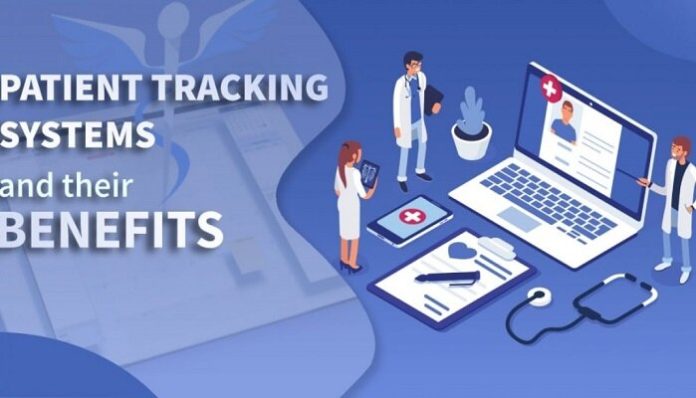
Hospital Patient Tracking Systems and Their Benefits

Every hospital has departments where patients who need extra care are placed. These patients include children, elderly people, patients who have special needs, and pregnant women. To increase their safety during their stay and make it easier for staff to monitor such people, itโ€™s advisable to use hospital patient tracking systems. A system like this helps to move around the territory of a medical institution and controls its operational processes in real-time.

How does the real-time patient tracking system work?

A safe environment in a healthcare facility is essential for the peace of mind of patients and staff. How comfortable a person feels during their stay at the hospital largely affects their further treatment and recovery. Comprehensive RTLS solutions help to keep people suffering from dementia, Alzheimer’s, and other diseases safer. Thanks to them, itโ€™s possible to instantly determine the location of the patient in real-time, control access to various rooms, and provide the necessary medical care promptly.

Hospital patient tracking systems can be implemented using various technologies. The most effective ones are:

  • Bluetooth Low Energy โ€“ provides high positioning accuracy up to 3 ft. Simple and fast integration with the pre-existing infrastructure of the clinic. Does not require high implementation costs.
  • Wi-Fi โ€“ can run on a pre-existing infrastructure, is more affordable than Bluetoothยฎ Low Energy, but locates objects with an accuracy of 10-16 ft.

The tracking system is based on special bracelets, which are put on the hand of a person who needs to be screened. A sensor (tag, label) is placed inside the bracelet and sends out radio signals at a certain frequency. Readers installed in different spots at the hospital receive these pulses and send them to the server for further processing.

The solution calculates the location of a person, and in the event of an unauthorized change, it turns on an alarm and warns the medical staff through the RTLS software. Hospital patient tracking software captures the current location of a person in just a few seconds, which allows clinic staff to instantly respond to wanderings. Notifications can be sent to a computer or a mobile app on a smartphone.

An alert can be triggered when a patient approaches unauthorized areas or pre-set exit points from the hospital, including elevators or front doors.

Mobile tags used for patient tracking are reliable, small in size, and have flexible control options. The bracelets are powered by batteries that have a long service life. A low battery is reported about a month in advance, allowing you to replace your device just in time.

What tasks does the system perform?

Tracking patients in hospitals includes many beneficial features that provide better medical care and alleviate the anxiety of the families. The most important of these are: determining the location of a person, monitoring their movements, and notifying the staff about any incidents.

Determining the location of a patient

The health and safety of patients are of the utmost importance to any clinic. In some cases, people with cognitive disorders can lose control of their actions and do things that may put their lives at risk. Because of this, they should always be carefully supervised. However, due to the usual hospital staff-to-patient ratio, keeping track of every patient is nearly impossible. A patient can easily leave the room and go wandering around the hospital or, even worse, leave it.

Thatโ€™s exactly when hospital patient tracking software comes to the rescue. If a lost patient is detected, the medical staff can always pinpoint their current location and take them back to their room. The location is determined in real-time, so it wonโ€™t be difficult for the staff to follow the patient’s route and find them at the specified point.

Tracking the movement of patients on the map

The wandering system automatically determines the location of the patient and displays their route in the mobile app. Monitoring process is carried out by providing detailed maps of the building, where the movement can be monitored in real-time.

The maps indicate different access zones, and the entire movement history is stored on servers for analysis and optimization. Patient wandering systems greatly facilitate the process of monitoring patients and can even predict possible incidents using AI. This approach increases patient safety, prevents patients from leaving the clinic, and reduces the number of accidents.

Sending push notifications about incidents

After implementing hospital patient tracking software in a medical institution, you can quickly respond to any incidents. If a person suddenly feels unwell and faints while walking around the hospital, the app will instantly send a notification to the medical staff. Likewise, a patient can easily press a button on their bracelet and call for a doctor.

If needed, notifications are easily customized based on current workflows. Alerts can be sent to medical staff in the following cases:

  • the patient deviated from a certain route;
  • the patient didnโ€™t go back to their room in time;
  • unauthorized exit outside the controlled area;
  • loss, damage, or weak fixation of the bracelet.

In addition to these features, hospital patient tracking systems provide many others.ย  The platform provides management and staff with detailed analytics, which allows them to analyze emergencies and optimize the workflow of the hospital without hindering its daily activities.

Benefits of implementing hospital patient tracking systems

Tracking patients in hospitals allows clinics to improve the quality of patient care. Implementing it makes it easy to control movements and provides several benefits, such as:

  • quickly searching for people within the territory;
  • improving patient safety inside the hospital;
  • tracking patient wanderings and preventing them from entering unauthorized areas;
  • preventing possible emergencies;
  • facilitating staff workload;
  • saving time by rapidly determining the location of any patient;
  • receiving up-to-date information about any emergency, which allows you to quickly come to the rescue.

To sum up, determining the location of patients and monitoring their movements makes the hospital more efficient. Thanks to patient tracking, itโ€™s possible to perform proactive event management and ensure high safety. Statistically, tracking patients in hospitals increases the productivity of the clinic, reduces its costs, and increases the loyalty of patients and their families to the medical institution.

Translate ยป