














Close
Digital Health & Ai Innovation summit 2026
Medical Taiwan 2026

How a Personal Injury Can Affect Your Mental and Physical Health

When you are injured, physically or mentally, it affects every aspect of your life. Not only do you have to deal with the pain and suffering of the injury itself, but you also have to cope with the impact on your day-to-day life. This can be difficult for anyone, but it can be especially challenging if you are already dealing with a mental health condition. We will explore how a personal injury can affect both your mental and physical health, as well as some tips for coping.

Your Ability To Work May Be Impacted

Personal injuries can have a significant impact on your ability to work. Not only may you be unable to physically do your job, but you may also find it difficult to focus or concentrate. This can lead to decreased productivity and, in some cases, lost wages. If your injury is severe, you may even be unable to return to work at all. This can be a major financial blow, as well as a source of stress and anxiety. Because of this, consulting with the Peterson Law Office personal injury attorneys should be your first step. No matter what the impact of the personal injury is, an attorney can help you get the compensation you need and deserve. Additionally, if you are unable to work, your attorney can help you file for disability benefits.

Your Mental Health May Suffer

Itโ€™s not just your physical health that can be impacted by a personal injury, but your mental health as well. The stress of an injury can trigger anxiety and depression. You may also find it difficult to cope with the changes in your life brought on by the injury. For example, if you are no longer able to do the things you love or participate in activities you enjoy, you may feel isolated and alone. This can lead to feelings of sadness and worthlessness. If you were already dealing with a mental health condition before your injury, the symptoms may become worse. Itโ€™s important to seek help if you are struggling to cope with your injury. Talking to a therapist or counselor can be helpful, as well as joining a support group for people with similar injuries.

You May Feel Anxious or Depressed

As mentioned above, anxiety and depression are common effects of personal injury. This is because the injury can often be a major source of stress. If you are feeling anxious or depressed, itโ€™s important to seek help from a therapist or counselor. There are many treatment options available, such as medication and talk therapy.

Post-Traumatic Stress Disorder

If you have experienced a traumatic injury, you may be at risk for developing post-traumatic stress disorder (PTSD). PTSD is a mental health condition that can be triggered by a traumatic event. Symptoms of PTSD include flashbacks, nightmares, anxiety, and depression. If you are struggling with PTSD, itโ€™s important to seek help from a therapist or counselor. There are many treatment options available, such as exposure therapy and eye movement desensitization and reprocessing (EMDR).

You May Struggle With Addiction

Unfortunately, many people who suffer from a personal injury turn to drugs or alcohol to cope with the pain and stress. This can lead to addiction and, in some cases, overdose. If you have a history of substance abuse, you may be especially at risk for relapse. If you are struggling with addiction, itโ€™s important to seek help from a treatment center or recovery program. There are many resources available to help you recover from addiction and get your life back on track.

You May Experience Chronic Pain

One of the most common effects of a personal injury is chronic pain. This can be extremely debilitating and make it difficult to do the things you love. Chronic pain can also lead to other health problems, such as insomnia and anxiety. If you are struggling with chronic pain, there are many treatment options available. These include both medication and non-medication treatments. Itโ€™s important to talk to your doctor about what options are best for you.

A Higher Risk of Developing an Illness
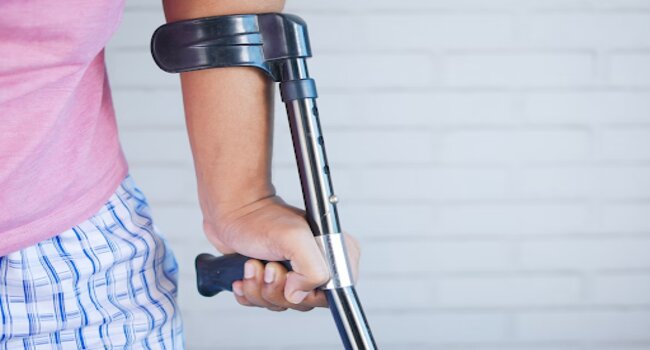
If you suffer from a personal injury, you may have a higher risk of developing an illness. This is especially true if the injury was to your head or neck. Traumatic brain injuries, for example, have been linked to an increased risk of developing Alzheimerโ€™s disease and other forms of dementia. If you have suffered a head or neck injury, itโ€™s important to be monitored by a doctor for any changes in your health. Additionally, if you develop any new or worsening symptoms, itโ€™s important to see a doctor right away.

You May Struggle With Flashbacks

Many people who have experienced a personal injury find that they struggle with flashbacks. This can be especially true if the injury was traumatic. Flashbacks can be triggered by anything that reminds you of the injury, such as a certain sound, smell, or sight. When a flashback occurs, you may feel like you are re-experiencing the trauma. This can be very distressing and make it difficult to move on from the injury. If you are struggling with flashbacks, itโ€™s important to seek help from a therapist or counselor. There are many treatment options available, such as exposure therapy and eye movement desensitization and reprocessing (EMDR).

Difficulty Sleeping

Another common effect of a personal injury is difficulty sleeping. This can be caused by chronic pain, anxiety, or depression. If you have difficulty sleeping, itโ€™s important to talk to your doctor. There are many treatment options available, such as medication and relaxation techniques. Difficulty sleeping may also be impacted by the psychological toll a personal injury has taken on you. This is also something a therapist can help you with if you are struggling.

A personal injury can have many negative effects on your mental and physical health. If you are struggling with any of these effects, itโ€™s important to seek help from a doctor or therapist. There are many resources available to help you recover from an injury and get your life back on track. Make sure to talk to your doctor about what options are best for you.

How Has the Pharmaceutical Industry Been Affected by Shifts in UK Import and Export?

The UK as a nation has been a trailblazer economically, and across industries. It has held the top spots for research, trade and technological advancement in a variety of fields and sectors, cementing its place as the financial centre of the Western world and a world leader in global efforts such as the fight against climate change.

The pharmaceutical industry was a particular success story for the UK, with domestic facilities and research centres leading the charge in research, development and trade. But the story has changed somewhat in recent years, as the UKโ€™s stature notably shifts.

One-Time Trailblazer

At one time in recent history, the UKโ€™s pharmaceutical industry was a world leader โ€“ not just in terms of research, but also with regard to direct trade. According to data from the UK Innovation Report, the UK was at one time 4th globally for trade balance in pharmaceuticals โ€“ a figure contributed greatly by the UKโ€™s excellent track record regarding exports.

However, the story has changed significantly over the past decade, with the UK now falling to a dismal 98th in global industry rankings. This 94-place fall has a monetary value, too: over ยฃ9.5 billion, as of the exchange rate at the start of October 2022. What happened?

Reduced Export

The sheer drop over the past decade was influenced near-entirely by a decline in pharmaceutical exports from the UK. There were a number of key causes for this. One of the more popularly understood reasons is the UKโ€™s withdrawal from the European Union. With vastly increased and unnecessary barriers to trade โ€“ and with the UKโ€™s refusal to re-join the single market โ€“, imports and exports alike have been made more problematic.

But the real reasons are more subtle than this. The UKโ€™s withdrawal from EU contributed to a wider sense of uncertainty regard the UK as safe bet for pharmaceutical investment. Individual pharmaceutical companies also favoured outsourcing and business expansion over domestic research and development, hampering appetite for real investment and shrinking the market considerably.

A Shifting Market

This decline has been a decade in the making, and serves as a backdrop for the volatility facing the UKโ€™s economy as a whole at the moment. The forex rate for the pound against the dollar has experienced unprecedented decline, as a result of poorly-received government intervention in the form of a โ€˜mini budgetโ€™.

The result was a pound at its lowest international value in decades โ€“ something which threatens to greatly increase the cost of imports. This is an existential threat for the pharmaceutical industry in the UK, as exports are crippled and imports become more expensive than ever.

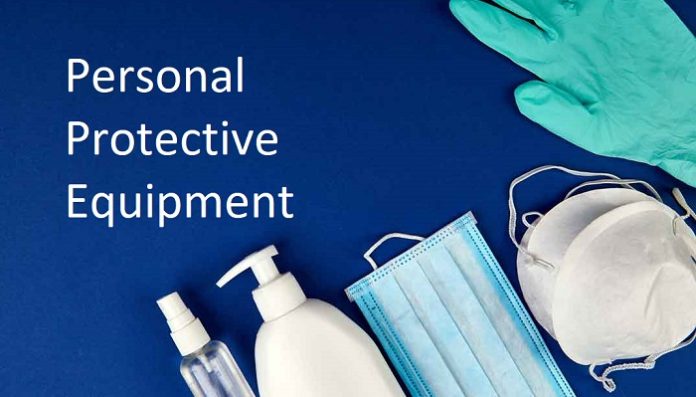
The most important PPE items in healthcare

The pandemic truly underlined the importance of personal protective equipment in healthcare, with several news stories surrounding the difficulties the UK government faced ensuring there was enough to go around all NHS hospitals.

PPE exists to protect both patients and staff, prevent the spread of disease or illness and ensure work environments are completely sterile. Simply put, without it the pandemic would have been even more deadly. But what PPE items should all healthcare environments ensure they have ready and waiting to be used at a momentโ€™s notice?

Gloves

In any situation where a member of staffโ€™s hands might be in contact with bodily fluids of any sort, proper surgical gloves should always be used. These are disposable by design and must be removed as soon as the job is done. Of course, employees must also ensure theyโ€™re not allergic to latex before putting on these gloves. Though there are options made from different materials available if this is the case.

Overshoes

Youโ€™d be surprised how much can potentially be spread by our feet through the floor and this is why most staff serving in a healthcare environment will be asked to wear overshoes in certain environments. This might be considered overkill in certain environments but will be standard practice in surgical environments or situations where people have been placed in isolation. This is a form of PPE that many people were unaware of before 2020 but became more prevalent during the pandemic.


Face masks or shields

Speaking of the pandemic, itโ€™s arguable that face masks and shields became one of the more divisive solutions, as many found it an inconvenience. The science, however, supports the fact that surgical masks and shields prevent infectious diseases from being spread orally. Of course, some particles will still get through most fabric masks, which is why shields and respirator masks were often used in more serious medical establishments. Today, face masks are worn constantly in almost all healthcare environments and we canโ€™t see that changing anytime soon.

Aprons

In any situation where contamination is likely, full-body gowns and fluid-resistant coveralls should be used. This is particularly relevant in surgical environments. As with gloves, they should be removed and disposed of as soon as the medical task in question has been completed.

Problems with PPE

Problems associated with PPE include items that might not fit staff members properly and administrators choosing the wrong PPE for the wrong situation. The most pressing concerns in the wake of the pandemic, however, are availability and cost. All healthcare providers must do everything within their power to push past these difficulties and ensure that the right PPE is available to all staff members at all times.

During 2020, Fewer Cancer Diagnoses Were Made In England

According to brand-new data from NHS Digital, the number of new malignant cancer diagnoses in England declined from 327,174 in 2019 to 288,753 in 2020. The publication Cancer Registration Statistics, England, 2020 contains data on malignancies that were newly discovered during the calendar year 2020. Breakdowns were made based on location, gender, age group, deprivation, and stage of the diagnosis.

288,753 new cancer diagnoses were recorded in 2020, which is 38,421 fewer than in 2019. In the meantime, the daily average for new diagnoses decreased from 896 in 2019 to 789 the year after. Prostate, breast, bowel, and lung cancers, the four most prevalent malignancies reported, remained to account for more than half (51%) of all diagnoses in 2020. Prostate cancer remained the most commonly diagnosed cancer in men (24% of all male diagnoses), with 148,210 male cancer diagnoses and registrations compared to 140,543 female diagnoses. The majority of female cancer diagnoses (28% of all female diagnoses) were still breast cancer.

The decline in diagnoses observed between 2019 and 2020 is unevenly distributed among the various malignancies. Prostate cancer cases decreased by 11,463 (24%), the most among male cancers, between 2019 and 2020. In total, breast cancer diagnoses decreased by 8,175 (17%), or the most amount of any disease, in females between 2019 and 2020. Melanoma saw the highest percentage shift among females in 2020, with a decline of 1,319 diagnoses, or 18%, from the previous year.

Deprivation increased cancer incidence for both groups, but males in the least deprivation areas had a greater rate of cancer incidence than females in the most deprivation areas, which was 554 per 100,000 for men and 550 per 100,000 for women.

Both males and females had an increase in cancer incidence rates with age. However, males showed greater incidence rates when they were 60 years old or older than females did between the ages of 15 and 59.

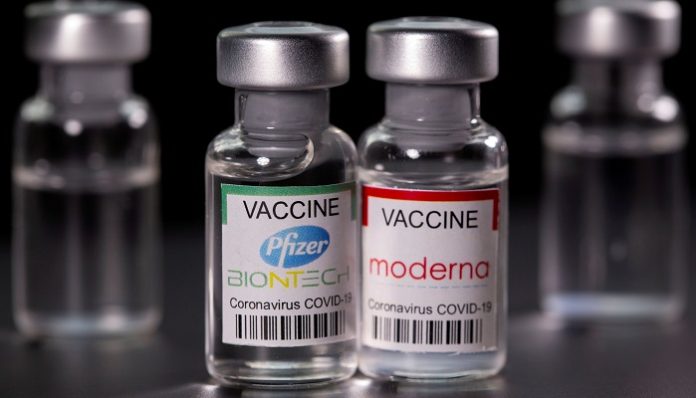
Novavax COVID Jab With Pfizer, Moderna Is Recommended By CDC

The Centers for Disease Control and Prevention on October 19ย advised adults in the United States to take Covid boosters from Novavax, even those who had received their primary round of doses from Pfizer, Moderna, or Johnson & Johnson.

Adults 18 years of age and older can get Novavax as their third dose six months after completing the primary series of a COVID vaccination that is permitted in the United States, according to information provided by the Food and Drug Administration to healthcare professionals.

Just hours after the FDA approved the shots, the CDC gave pharmacies the official go-ahead to begin giving the Novavax boosters. The Novavax proposal was made public by Dr. Evelyn Twentyman, a CDC official, during a gathering of the organization’s independent vaccine specialists. Without discussion or a vote from its impartial experts, the CDC recommended Novavax’s boosters.

The booster from Novavax might play a crucial role in the nation’s vaccination efforts if it is approved. Due to the large number of people who had already had Pfizer or Moderna vaccinations, Novavax’s vaccine market was previously restricted because it was only approved as a two-dose primary series. In contrast to the more than 200 million Americans who have received other vaccines, just tens of thousands of people in the U.S. have received the Covid vaccine from Novavax.

In early trade, the company’s shares increased by almost 6%, but by midday, they had stabilised.

Millions more people can now receive the vaccine developed by the Maryland biotech company thanks to the FDA’s decision to permit patients who have already had two doses of Pfizer or Moderna to get Novavax as their third injection. The CDC reports that nearly 50% of people who had their first series have not yet received their first booster dose. According to Stanley Erck, CEO of Novavax, offering another vaccine option may assist in enhancing COVID-19 booster vaccination rates for these adults.

According to data from the CDC, just 35,300 individuals have so far received the primary round of vaccinations offered by Novavax in the United States. In contrast, so far in the United States, around 372.5 million Pfizer shots, 235.8 million Moderna dosages, and 18.9 million Johnson & Johnson shots have been given.

However, allowing for mix-and-match broadens the market for Novavax to include the nearly 100 million US adults who have finished their main series but have not yet received a booster dose. While millions of Americans have already received Pfizer and Moderna’s new bifunctional shots that attack the dominant omicron BA.5 subvariant and the initial strain of COVID that originated in Wuhan, China in 2019, the FDA has just approved Novavax’s boosters.

Because they target omicron BA.5, which is currently responsible for the majority of infections, Pfizer and Moderna’s revised boosters are expected to offer greater protection against illness and infection this winter than the initial generation of vaccinations did.

Although the recently authorised booster from Novavax was designed to combat the original strain of COVID, the company thinks that its protein technology offers reliable defence against other virus variations. Instead of the more recent messenger RNA platform utilised by Pfizer and Moderna, Novavax’s shots rely on more traditional technology employed in other vaccinations for decades.

In studies that followed adults who got the third shot 8 to 11 months after having their Novavax primary series, Novavax claimed that its booster doses induced robust antibodies against omicron BA.1, BA.2, and the dominant BA.5 subvariant. According to the business, participants who had Moderna, Pfizer, or Johnson & Johnson as their primary series also experienced an immunological reaction to the booster dosage.

Chief Medical Officer of Novavax, Dr. Filip Dubovsky, stated that the company is certain that its shots will offer enduring immunity even as the virus continues to evolve. They believe the medicine has a wide immunological response, so they won’t be pursuing the virus every time a new variety appears. According to Dubovsky, although it needs to be demonstrated, such is our theory.

In accordance with the Centers for Disease Control and Prevention, the most frequent side effects of Novavax’s vaccine are pain at the injection site, exhaustion, headache, muscle soreness, nausea, and vomiting.

The FDA has cautioned that the first series of Novavax appears to include a risk of myocarditis, a condition that causes inflammation of the heart. After the second dose, myocarditis is also more likely to occur with Pfizer’s and Moderna’s injections, mostly in young males and adolescent boys.

COVID infection carries a greater risk of myocarditis than the Pfizer or Moderna vaccine, according to a CDC research from last spring. Regarding the effectiveness of its shots against BA.5, one of COVID’s most immune evasive strains to date, Novavax has not yet provided any data from actual usage. Additionally, Pfizer and Moderna lack actual data on how well these new boosters work against BA. With $1.8 billion in taxpayer funding, Novavax was one of the early competitors in the U.S. race to create a vaccine by 2020, but it lagged Pfizer and Moderna due to issues setting up its manufacturing.

Over the summer, the FDA approved Novavax’s two-dose primary series in the hopes that patients who are wary of Pfizer’s and Moderna’s vaccines would be more receptive to the Novavax version. The core series of Novavax is available to those 12 and older, and its booster dose is now available to adults 18 and older.

The new omicron booster from Pfizer, BioNTech, or Moderna is also available to those who had the Novavax vaccine as their initial series.

Mental Health Disorders among Nurses

Itโ€™s no secret that nurses deal with a lot of workplace stress. Even before the COVID-19 pandemic began, a major nursing shortage put a strain on American hospitals and medical clinics. That strain has had a severe impact on nurses.  

And while nurses spend most of the time focusing on other peopleโ€™s health, sometimes they need hospital treatment, rehab centers, and other forms of care for their own needs. Workplace stress has created several specific mental health concerns for nurses, including the issues listed below. 

Substance Use Disorders 

Consistent, chronic stress is a major risk factor for substance abuse. Often, people self-medicate with drugs and alcohol, especially if they feel like they have no other options. Nurses in particular might develop addictions for several reasons. 

For example, nurses who donโ€™t get enough sleep, are fatigued from stress, and are still expected to finish a full load of tasks may turn to stimulants for energy and motivation. These drugs can include prescription drugs for ADHD and narcolepsy, as well as illicit drugs like cocaine and methamphetamine. 

Though these drugs do provide short-term energy, they are highly addictive. Some people who take drugs โ€œjust to finish this taskโ€ or โ€œjust to get through this shiftโ€ may find that they canโ€™t stop taking them without help. 

Likewise, some nurses may drink alcohol or take depressant drugs to relax after a stressful shift. These drugs calm the nervous system, but just like stimulants, they are addictive. As many nurses have seen firsthand, opioids especially can create debilitating addictions. 

Nurses understand addictive drugs better than the general population, but because they have easy access to those drugs, they have an especially high addiction risk. 

Post-Traumatic Stress Disorder 

When people think about post-traumatic stress disorder, or PTSD, they often immediately think of soldiers on the battlefield. While combat often does cause PTSD, civilians can also develop it. 

Nursing-specific PTSD is more prevalent than many people realize. Any traumatic circumstance may cause PTSD, and many nurses have experienced trauma on the job. For example, a nurse may be injured by a violent patient or witness the deaths of patients. 

Nurses may also have a high risk for complex PTSD, or C-PTSD. This form of PTSD develops over time, as a result of persistent trauma combined with feelings of helplessness. Symptoms of PTSD and C-PTSD include: 

  • flashbacks 
  • nightmares 
  • anxiety 
  • startling easily 
  • uncontrollable thoughts 
  • insomnia 
  • anger and mood swings 

Compassion Fatigue 

Many nurses deal with compassion fatigue because of their careers. Though itโ€™s not an official diagnosis, the existence of compassion fatigue is widely accepted in the medical and psychological fields. 

Compassion fatigue can occur when a person is repeatedly exposed to other peopleโ€™s trauma, especially when that person has high levels of empathy. As they take on the stress of other peopleโ€™s burdens, some nurses may struggle to take care of their own needs. 

People with compassion fatigue experience physical and mental exhaustion. Other signs of compassion fatigue can include: 

  • loss of empathy 
  • numbness
  • helplessness
  • insomnia 
  • brain fog 
  • social isolation 
  • sadness
  • anger
  • mood swings 

In extreme cases, compassion fatigue may even lead to PTSD. 

Anxiety and Depression 

Compassion fatigue and workplace stress can also cause anxiety and depression. Chronic stress can impact the brainโ€™s production of serotonin, and serotonin is necessary for overall calmness and wellbeing. 

A lack of serotonin can make a person feel both depressed and anxious. As a result, many nurses may feel the following symptoms: 

  • persistent agitation and nervousness 
  • exhaustion 
  • loss of interest in hobbies and passions 
  • panic attacks 
  • persistent sadness 
  • emotional numbness 
  • feelings of hopelessness 
  • insomnia 
  • restlessness 
  • feelings of guilt or shame 

Your Mental Health Matters  

The nursing field needs several system-wide changes. In the meantime, individual nurses should remember that their own health matters just as much as their patientsโ€™ health. 

Nurses, like many people in caring professions, often ignore their own healthcare needs while they tend to other people. However, not only is this detrimental to nurses, but it also impacts their ability to provide care over time. 

If you are a nurse who is experiencing mental health difficulties, talk to your doctor about your concerns. When you prioritize your own health, the positive changes will impact all areas of your life.

The Role Of Adipose Stem Cells In Regenerative Medicine

Regenerative medicine involves the research and science of replacing or regenerating human cells. With the advancement of technology, itโ€™s now possible to replace or regenerate human tissues and organs to help patients with chronic, debilitating, and life-threatening conditions. A critical aspect of regenerative medicine is the role that adipose stem cells play in the success of restoring the normal function of a tissue or organ.

What Are Adipose Stem Cells?

Mesenchymal stem cells (MSCs) were first discovered in the bone marrow but are now available in every body tissue. Adipose stem cells are MSCs that can renew themselves and turn into different cells, such as the following:

  • Fat cells (adipocytes)
  • Muscle cells (myocytes)
  • Bone cells (osteoblasts)
  • Cartilage cells (chondrocytes)
  • Nerve cells (neurocytes)

Adipose stem cells are popular in regenerative medicine because of their self-renewal and differentiation capabilities. Self-renewal means the stem cellโ€™s ability to divide itself and produce more cells of the same type. On the other hand, differentiation means the ability of stem cells to change and become different mature cells.

Role Of Adipose Stem Cells In Regenerative Medicine

Multipotential differentiation and self-renewal capabilities of adipose stem cells play a big role in regenerative medicine, which is further explained below.

  1. Accelerate Stem Cell Production

Adipose-derived stem cells (ASCs) are easy to harvest in larger quantities, accelerating stem cell production. Unlike other MSCs, such as embryonic stem cells from embryonic tissue, somatic cells, and adult-harvested bone marrow stem cells, ASCs provide the most promising contribution to stem cell production.

A common ASCs source is the subcutaneous adipose tissue, abundantly found in the arm, thigh, and abdomen. Because ASCs are found in different parts of the human body, scientists can harvest stem cells in higher quantities for tissue engineering and cell therapy.

Itโ€™s not surprising that many medical manufacturers harvest ASCs to supply the marketโ€™s high demand for stem cells used in regenerative medicine. An adipose stem cell can be obtained commercially as exosomes powered by turbulence technology.

Certified manufacturers produce exosomes at large scale and are shipped in dry ice. Furthermore, commercial exosomes must be stored at -80ยฐC.

  1. Promote High Stem Cell therapy Success Rate

Many people hope for the promising benefits of regenerative medicine, especially stem cell therapies using adipose cells for those who suffer injuries and diseases. Growth factors and cytokines regulate stem cells as they do in immune cells. Hence, scientists investigate the potential use of hematopoietic stem cell therapy growth factors or cytokines for producing different stem cells.

Cytokines regulate the hematopoietic stem cell mechanisms. Examples of these cytokine mechanisms include self-renewal and differentiation, requiring several growth factors relevant to the success of stem cell therapy.

Adipose stem cells are now widely used in stem cell therapies because of the impressive results in replacing or regenerating diseased cells and tissues. The success rates of using adipose cells in degenerative diseases are high.

Adipose-derived stem cell therapy used in treating multiple sclerosis has a success rate of 73 percent, according to The Regenerative Stem Cell Institute. Aside from multiple sclerosis, ADSC therapy has a 55 percent success rate for stroke, 64.8 percent for Parkinsonโ€™s Disease, 64.3 percent for muscular dystrophy, and 77.4 percent for cerebral palsy.

Researchers have ongoing studies to further increase the success rates of using adipose cells for a wide array of injuries and diseases.

  1. Used For Advanced Therapeutic Applications

Adipose stem cells secrete large amounts of cytokines, specific growth factors, and related hormones for advanced therapeutic regenerative applications relying on controlled drug release. In that way, scientists can harness the mechanisms of stem cell paracrine factors for tissue regeneration.

Because ADSCs can differentiate a stem cell type required for a specific regenerative treatment, many patients can benefit from ADSC therapy. ADSC therapy can treat disease conditions, including osteoporosis, coronary disease, amyotrophic lateral sclerosis, Crohnโ€™s disease, and osteogenesis imperfecta.

In addition, studies are ongoing for stem cell therapy to improve cancer immunotherapy. The National Library of Medicine explains that engineering stem cells express different immune cells against tumor-associated antigens and demonstrate positive outcomes for treating hematologic malignancies and solid tumors. It also provides the healthcare sector with โ€˜off-the-shelfโ€™ cellular products, eliminating the need to use patient-specific products derived from the same patient (autologous cell therapy).

Conclusionย 

Adipose stem cells are essential in regenerative medicine. Because adipose stem cells are adult-derived cells, theyโ€™re easy to harvest and use in regenerating cells to help patients with chronic, degenerative conditions. The success rates of stem cell therapy using adipose cells are high, making them a highly preferred option by many patients and doctors.

How to Take Care of Your Health While Launching and Growing a Startup

Especially if itโ€™s something youโ€™ve been looking forward to for quite some time, launching a new business or company can be a mentally rewarding yet taxing experience, perhaps in equal measure.

On top of the pressures involved in aspects like creating a winning business plan, putting funds together, and developing an effective marketing strategy, the urge to see your startup grow and become profitable doesnโ€™t come without a few anxieties.

Once your business is up and running, youโ€™ll have various sources of anxiety and worry when growing your startup, from payroll to suppliers, customers, workers, accounting, tax, andโ€ฆthe list is endless. But itโ€™s important to understand that your startupโ€™s success could depend on how composed and healthy you manage to stay.

With this in mind, below are some pointers you could use to stay healthy while launching and growing your startup.

Learn To Avert and Manage Stress 

Starting a business can indeed be stressful, and in most cases, it gets worse before it gets better, especially during the first few months of launching. This is not to forget that stress can cause a wide array of health problems even to an otherwise healthy individual. 

The sad part is that during the growth phase of your business you may occasionally encounter various situations that cause stress and keep you awake at night.

For the most part, itโ€™s important to get through these negative issues and remain relaxed and calm while growing your startup. And thankfully, there are many ways to deal with work-related stress, including taking breaks from work, seeking social support, and engaging in self-relaxation activities like getting massage therapy or spa time over the weekend.

Exercise Routinely 

Maintaining a regular workout routine is one of the best things you can do for your health and overall wellness. But as you launch your business and see it through the various growth stages, it is not unexpected to lack enough time for hitting the gym.

All the same, there are many bodyweight exercises that you can engage in whenever you have 25-30 minutes off of your schedule. For what itโ€™s worth, a few pushups, squats, rope skips, or brisk walking for at least three days a week can make a mountain of progress to your overall health and wellness over time.

Maintain a Healthy Diet 

Itโ€™s also important to maintain a healthy diet during all stages of your life, but itโ€™s even more crucial during the startup phase of a business. Considering that you might be super busy most of the time, it can be a little tempting to dash into the nearest fast food establishment every day for lunch or whenever you need to snack up.

Before you know it, consuming unhealthy food could become a habit. The last thing you want is to expose yourself to health issues like obesity, cardiovascular diseases, or even diabetes at a time when your business is starting to pay off.

So, itโ€™s best to avoid unhealthy nutrition like the plague. Instead, focusing on foods such as vegetables, fruit, whole grains, and other healthy items will provide you with the fuel you need to make it through those tough days during your businessโ€™s growth phase.

Get High-Quality Sleep 

Sleep is incredibly important for the mind, the body, and your overall wellness. From fatigue to concentration problems, sleep deprivation can trigger an array of physical, mental, and emotional issues that make it hard for you to have a productive day at the office. And, obviously, this is something you canโ€™t afford while launching or growing a business.

Adequate rest and sleep are therefore crucial parts of taking care of your health while busy trying to grow your startup. This could mean switching to a sleep-supporting light bulb night light in your bedroom or living room โ€“ to one that supports circadian rhythm. It could also mean reducing your exposure to blue light before bedtime, minimizing caffeine, and observing a regular bedtime routine.

Starting your own business requires you to take on a variety of roles in various capacities. Unfortunately so, most of these roles may require the ability to manage a certain amount of stress, exhaustion, and operational pressures without necessarily losing your energy or straying from your goals. While at it, donโ€™t forget to stay on top of your regular health checkups!

Recovery Tips To Follow After Being Injured In A Severe Car Accident

If you have been seriously injured in a car accident, it is crucial that you follow some specific recovery steps to heal properly. Car accidents can cause a variety of injuries, from minor to fatal. Thus, if you are injured, immediately seek medical attention. Once you have seen a doctor and started your healing journey, use these tips below to ensure a speedy recovery.

Stay active

It may seem counterintuitive to stay active when you are injured, but it is important to keep your body moving. This helps to increase blood flow and prevent stiffness and atrophy. Of course, you should not push yourself too hard โ€“ listen to your body and only do what feels comfortable. Walking is a great way to stay active after an injury.

A great way to start is by taking some short walks around your neighborhood and gradually increasing the distance as you get more comfortable. Another excellent low-impact activity for injury recovery is swimming. You can always talk to your doctor or physiotherapist to see what specific exercises would be beneficial for your injury and level of recovery.

Nutritional meals and supplements

Eating a nutritious diet is important for everyone, but it is especially crucial when you are trying to recover from an injury. Eating foods that are rich in vitamins and minerals will help your body to heal properly and at a faster rate. Incorporate plenty of fruits, vegetables, proteins, and healthy fats into your diet. You might also want to consider taking some supplements to help with your recovery. For example, omega-3 fatty acids can help to reduce inflammation, while vitamin C is essential for the formation of collagen, which helps to heal wounds.

Find legal help

Hiring an experienced personal injury lawyer will give you the best chance of receiving compensation for your injuries and damages. If you were not at fault for the accident, you may be entitled to receive compensation for medical bills, lost wages, pain, suffering, and more. An experienced lawyer will know how to build a strong case and get you the maximum amount of compensation possible. So, when you are looking for a lawyer, contact them and set up a consultation to discuss your case. You should not have to worry about the cost of legal help โ€“ most personal injury lawyers work on a contingency basis, which means they only get paid if you win your case.

Physical therapy

Physical therapy can be extremely beneficial during the recovery process. A physiotherapist can help to stretch and strengthen your muscles, which can reduce pain and promote healing. They can also help to increase your range of motion and flexibility. Physical therapy is often used in conjunction with other forms of treatment, such as medication or surgery.

If you have issues with mobility or pain, make an appointment with a physiotherapist. They will develop a customized treatment plan to help you recover as quickly and effectively as possible.

Keep your mental health in check

Recovering from an injury can be a long and difficult process. It is important to stay positive and patient throughout your recovery. If you start to feel overwhelmed, talk to your doctor or therapist about ways to cope with stress and anxiety. There are many effective treatments available, such as Cognitive Behavioral Therapy, meditation, and yoga. Moreover, it is important to stay connected with friends and family during your recovery. They can provide emotional support and help you stay positive. When you are ready, getting back to your normal routine can also help you to feel better. Although there is no rush to get back to your old life, gradually reintroducing yourself to your favorite activities can help you to feel like yourself again.

Time

Of course, one of the most important things to remember when recovering from an injury is to be patient. It takes time for your body to heal properly. So, feel free to find ways to occupy your time while you recover, but donโ€™t push yourself too hard. Try to focus on the positive and trust that your body will heal in due time.

For example, while you might not be able to play sports or go for a run, you can still spend time with family and friends, read books, watch movies, or pursue other hobbies. And before you know it, youโ€™ll be back to your normal self again.

Working your way back to good health after a severe car accident can be a long and difficult journey. But by following these tips, you can help to ensure a speedy recovery. Stay active, eat well, seek legal help, and donโ€™t forget to be patient โ€“ your body will heal in due time.

Australia To Revive Rural Mental Video Telehealth Subsidy

With a $30 million commitment in the October budget, the Australian government has reinstated its subsidies for bulk-billed video telehealth psychiatry appointments.

Residents of rural and regional areas, as well as other qualified patients, will once more have access to complimentary video consultations for mental health beginning in November. This occurs as a result of the most recent financing, which will reinstate a 50% price loading for Medicare Benefits Schedule (MBS) psychiatry treatments provided via video telehealth bulk billing.

In comparison to urban areas, Australia’s rural and regional areas have greater rates of suicide and hospitalisation for mental illness. Additionally, the prevalence of psychiatric morbidities like depression and PTSD is higher among the local indigenous population. However, there is a dearth of all types of health care in these places, particularly psychiatric treatment.

To remind you, the last government stopped paying for about 128 telehealth MBS items, such as video consultations for mental health in rural areas. Due to this cut, many patients have been forced to pay gap fees or discontinue therapy, and several psychiatrists have stopped offering their services in these regions.

Fiona Phillips, a member of parliament for Gilmore, said, these services should never have been eliminated because it has had a devastating impact on the mental well-being of many people in remote areas. Therefore, she is glad to see that help being made available once again.

Health Minister Mark Butler continued, their rural and regional populations have recently experienced drought, bushfires, floods, and the effects of COVID-19-a perfect storm of elements that have significantly impacted people’s mental health. According to him, reintroducing this Medicare benefit is anticipated to fund either 410,000 or 543,000 consultations over the course of four or five years.

Furthermore, the Department of Health and Aged Care recently announced that confirmed COVID-19 patients in the nation will continue to have access to MBS-subsidized telehealth consultations with any GP through the end of the year. By the end of October, the assistance is anticipated to end.

Translate ยป