













Close
Digital Health & Ai Innovation summit 2026
Medical Taiwan 2026

How technology can improve the patient experience and advance the Quadruple Aims

How technology can improve the patient experience and advance the Quadruple Aims

One of the core Aims of hospital Executives is to enhance the patient experience. Along with improving population health, reducing healthcare costs, and supporting healthcare professionals, the Quadruple Aims were conceived as a key improvement framework by the Institute for Healthcare Improvement (IHI), an independent, not-for-profit organization based in Boston, USA. ย In a survey carried out for the California Healthcare Foundation in 2007, more than 60% of doctors reported that their patients sometimes or often experienced long waiting times for diagnostic tests – while 20% claimed tests had to be repeated due to lost results.ย  These are only two issues, evidenced in one State, however, they are indicative of an ongoing US-wide failure to deliver a consistent, high-quality patient experience.

Unsurprisingly the responsibilities of clinicians and support staff in delivering high-quality patient care cannot be overstated. However the catalyst for all of this is technology and, sadly, it is not simply a matter of merely procuring it. Hence hospital Executives are still striving to overcome some of these technology challenges to realize the Quadruple Aims, more than a decade on.

C suite alignment. While all parties may agree on where they want to get, how they get there, and how much it should cost will always be a bone of contention. The Chief Financial Officer (CFO), will be looking to invest in other key services wherever possible, and leverage existing technologies unless there is an overwhelming case otherwise. Similarly, the knock-on effect of digital transformation may result in the need for more training, or the need for staff with different skills which may be of concern for cash-strapped Chief Human Resource Officers (CHRO). Indeed, technology is only as strong as its end users, so with all the will in the world, the intended outcomes of a new application, or piece of equipment may not be realized, if it is not operated in the right way.

Budget. It is not just the CFOs who are cognisant of budget constraints.The Chief Technology Officers themselves (CTOs) are torn between justifying short term spend, and the need for long term cost optimization. For example, while there may be no immediate need to upgrade technologies, failure to do so may result in increased security threats, the risk of systems falling over, and ultimately therefore technology that is no longer fit for purpose. Spreading costs over several budget years may be a more realistic way of achieving the end result, although this isnโ€™t always possible.

Complexity. The complexity of the web of legacy networks and applications that have evolved over the decades cannot be overstated. Itโ€™s not possible to simply take a blank canvas and start again, so technologies need to be updated gradually, whilst remaining compatible with legacy systems. Furthermore, even teams within the same hospital may use applications in different ways, so the ability to view and prevent breakages in end-to-end workflows when things need to be modified may not always be possible.

Legacy systems. Trying to align inpatient, outpatient, and third party patient services when none of the systems talk to each other is one of the primary challenges for any CTO. Software is selected based on a number of factors by different stakeholders so interoperability was not front and center when databases and other critical applications were designed. Similarly, end user processes may also need to be reviewed before technology can be modified. But while it may no longer meet the needs of one user, it may well serve the needs of the other users, so at what point is new technology justified?

Too many problems at once. The problems may be so sizable that it can be difficult to see where to start. A transformative digital tsunami may be needed, but this pipe dream will first need to be broken down into incremental steps, with realistic timescales, and realistic targets. A phased approach is likely to be needed, with testing at each stage, before progress can be made to the next. This will require strong project management, and the expectations of the C suite to be managed accordingly.

However, for those able to overcome these challenges, there are significant opportunities to improve patient care. For example:

1. Reduced waiting times for diagnostic tests and treatment

Take medical imaging. With modern medical imaging technology, patients are able receive cutting edge patient care. This probably goes without saying. But beyond simply purchasing the equipment (and itโ€™s not cheap!) the complexity of these modalities mean there are unique threats to enabling as many patients as possible to be seen, within the shortest time frame possible.

In order for this to be achieved, CT, MRI, PET scans, ultrasounds, and X-ray images need to be uploaded, viewed, stored and retrieved quickly – even when demand is unpredictable. In Canada for example, patients can still expect to wait 5.4 weeks for a computed tomography (CT) scan, 11.1 weeks for a magnetic resonance imaging (MRI) scan, and 3.5 weeks for an ultrasound, despite an increase in the number of diagnostic tests being undertaken each month.

2. Aligned primary/secondary/tertiary services

Take patient records and the sharing of referral, diagnostic, and treatment data. With aligned and secure data workflows clinicians are able to see and coordinate patient centered care at relevant points on the patientโ€™s care pathway. This overcomes costly and time consuming process efficiencies and improves communication with third parties.

But this cannot be achieved without significant changes to policy and practices, and enhanced, secure data sharing. Indeed one of the biggest headaches for IT teams, and frustrations for clinicians, remains the ongoing inability to access patients records from different departments, hospitals and healthcare providers.

3. Virtual patient care delivery

Take telehealth. It has the potential to relieve the burden of hospitals the world over. There are patients that cannot travel to a hospital, or are vulnerable and therefore should not travel to a hospital – unless the severity of the situation calls for it. While appointments with primary care physicians and family doctors can now be done virtually, there is still a long way to go before this is fully embraced in hospitals where a hybrid approach is still likely to remain appropriate for many services.

And before you can even get to a point where hospital doctors and patients are able to communicate virtually, patients need to be brought into the technological fold and digitally engage with primary services. But this is no small feat, with 25% of adults ages 65 and older report never going online. Although, given the challenge of getting through to some practices on the phone, it is hardly surprising that 68% of patients that are online in the US say theyโ€™re more likely to choose medical providers that offer the ability to book, change, or cancel appointments online. Thankfully, many secure telehealth conferencing facilities exist, although that may still be a significant worry for some. However, as outlined, if there is not good organization of care across the interface between primary, secondary, and tertiary care the benefits are limited, so is the expenditure warranted?

Conclusion

Technology has enormous potential to speed up waiting times, eliminate process inefficiencies, and improve access to patient records. Having the technology itself though is not enough. Fundamental legacy infrastructure constraints need to be overcome if the threats to harnessing this technology effectively, and ultimately enhancing patient care, are to be realized. Healthcare infrastructure is an incredibly complex beast, often funded by multiple stakeholders, and with different vested interests and agendas, resulting in complex, legacy IT, and outdated processes. This complexity is also the result of an incredibly fluid operating environment, which faces daily crises, which can afford little downtime (if any). All of this leads to major challenges when it comes to trying to modernize the existing systems, which IT teams may not have full sight of. But with highly available, integrated, scalable, resilient, and modernized infrastructure, technology has the ability to play a pivotal role in the provision of quality patient care.

About Liam Canavan

Liam Canavan is a Healthcare Specialist and #ADCHero at Loadbalancer.org, guardians of uptime, and experts at load balancing medical imaging applications, using clever, not complex, load balancers that put hospital IT teams in control.


Don’t Like How You Look? Try Out These Weight Reduction Methods

Don't Like How You Look? Try Out These Weight Reduction Methods

In today’s society, looking good is essential. People are constantly judged based on their appearance, whether for a job interview or a date. If you’re not happy with how you look, it can be hard to feel confident. Luckily, there are plenty of weight reduction methods out there that can help you slim down and feel better about yourself. From crash diets to surgery, there are a variety of options to choose from.

However, before undertaking any weight loss journey, be sure to do your research and consult a medical professional to find the best solution. So whether you’re looking to shed a few pounds before summer or want to start your New Year’s resolutions early, read on to learn about some of the best weight reduction methods out there. Who knows? You might find the perfect one for you.

Prescribed Weight Loss Medication

For some people, weight loss medication may be the best option. This medication can help you lose weight by suppressing your appetite or increasing your metabolism. However, it’s important to remember that these medications are only meant for a short-term solution. They are not a cure for obesity and should not be used as a long-term weight loss strategy.

Additionally, weight loss medications can have serious side effects if taken for a long time. Phentermine is one of the most commonly prescribed weight loss medications. However, phentermine can have withdrawal symptoms, including mood change, weight gain, fatigue, etc. Therefore, before starting this medication, one must be aware of the potential risks. Consulting with your doctor is the best way to determine if weight loss medication is proper for you.

They can determine if the risks are worth the potential benefits for you. If you and your doctor decide that weight loss medication is proper for you, follow the instructions carefully and report any side effects immediately.

Surgery

Surgery may be the best option for achieving the desired weight for some people. Various surgical procedures can help you lose weight, including gastric bypass surgery, gastric sleeve surgery, and Lap-Band surgery. Each type of surgery has risks and benefits, so it’s essential to consult a medical professional to see if the surgery is right for you.

If you decide to undergo surgery, it’s important to remember that it’s only a tool to help you lose weight. You will still need to make lifestyle changes, such as eating a healthy diet and exercising regularly, to achieve your desired results. Surgery should always be considered a last resort after you’ve tried other methods and failed.

Dieting

When it comes to losing weight, dieting is often the first method that comes to mind. For a good reason – cutting calories can lead to results reasonably quickly. However, it’s essential to remember that not all diets are created equal. Some are more effective than others, and others can even be dangerous. Before starting any diet, it’s essential to research and talk to your doctor to ensure it’s the right choice for you.

Additionally, it’s vital to be realistic about your goals. If you’re hoping to lose significant weight, dieting alone is unlikely to get you there. Instead, pairing dieting with exercise is a more sustainable and healthy approach to help you reach your goals. So if you’re looking to get started on your weight loss journey, don’t forget the importance of finding the proper diet. With a little effort, you’ll be on your way to a healthier and happier self in no time.

Intermittent Fasting

Intermittent fasting is one weight reduction method that has recently gained popularity. The basic premise of intermittent fasting is to restrict your eating to a particular window of time each day. For example, you may only eat between 12 pm and 8 pm.

You can drink water, black coffee, or unsweetened tea during this time. Intermittent fasting can help you lose weight by reducing your calorie intake and increasing your metabolism.

Additionally, intermittent fasting has been shown to have numerous other health benefits, including reducing inflammation, improving heart health, and protecting against Alzheimer’s disease. If you’re interested in trying intermittent fasting, speak with your doctor to see if it’s right for you.

Supplements

Supplements can help you lose weight by giving your body the necessary nutrients to function correctly. They can also help boost your metabolism and suppress your appetite. However, it’s important to remember that supplements are not a miracle cure for obesity. Instead, they should be part of a healthy weight loss plan that includes a balanced diet and regular exercise.

There are a variety of supplements on the market, so it’s essential to do your research before taking anything. Pay attention to the ingredients, side effects, and reviews to ensure you get a quality product. And always talk to your doctor before taking any supplements, especially if you have a medical condition or are taking medication.

Be Active

Physical activity not only burns calories, but also has a host of other health benefits. It can help reduce your risk of chronic diseases, improve your mental health, and even help you live longer. So if you’re looking for a healthy way to lose weight, look no further than your own two feet.

There are various ways to be physically active, so you can find an activity that fits your lifestyle and interests. If unsure where to start, consider talking to a personal trainer or signing up for a class at your local gym. And remember, you don’t have to go all out every time you exercise.

Even a moderate amount of physical activity can help you see results. So get up and get moving today – your body will thank you for it.

When it comes to weight loss, there is no one-size-fits-all solution. What works for one person may not work for another. However, by trying out different methods, you can find the approach that works best for you. So don’t be discouraged if one method doesn’t work – plenty of other options to try. With a little effort and perseverance, you’ll be on your way to reaching your weight loss goals in no time.

Latest Dentistry Trends: 6 Ways To Achieve A Shiny Smile

Latest Dentistry Trends: 6 Ways To Achieve A Shiny Smile

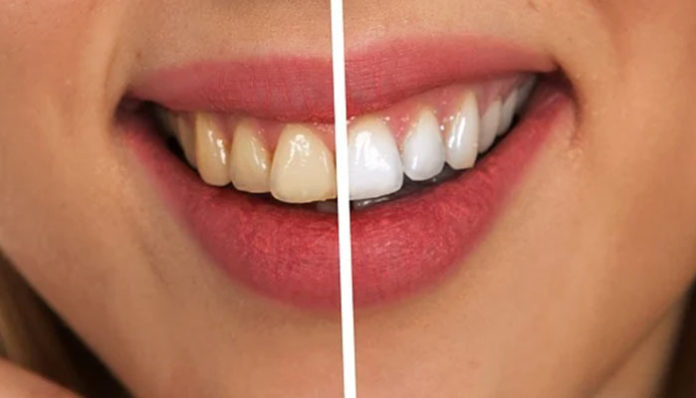
Looking for a way to achieve a shiny smile? Check out the latest dentistry trends! Here we will discuss six ways that you can improve your oral health and achieve the perfect smile. Follow these tips and you’ll be on your way to sparkling pearly whites in no time!

Visit a Dentist Regularly

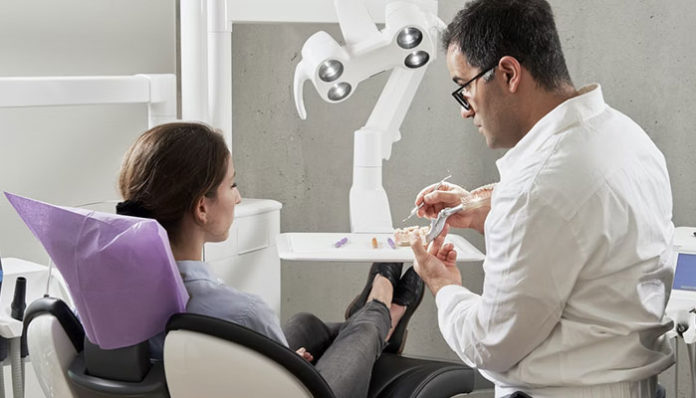
The first step to achieving a beautiful smile is to visit a dentist regularly. This will ensure that your teeth are healthy and that any problems are caught early. It is important to see a dentist every six months for a cleaning and check-up. As suggested by this San Francisco dentist, regular check-ups and cleanings are key to maintaining good oral health. On these visits, your dentist will be able to identify any problems and give you advice on how to improve your oral hygiene.

Limit Your Intake of Sugary Foods

Sugar is one of the worst things for your teeth. It can cause cavities and decay, so it is important to limit your intake of sugary foods. This means avoiding things like candy, cake, cookies, and soda. Instead, opt for healthier choices like fruits and vegetables. And when you do eat sugar, be sure to brush your teeth afterward. This will help to remove the sugar from your teeth and prevent it from causing problems.

Avoid Coffee

Coffee is another food that can be bad for your teeth. The coffee stain can cause your teeth to become discolored over time. If you must drink coffee, be sure to brush your teeth afterward. You may also want to consider using a straw so that the coffee does not come into direct contact with your teeth.

Ditch the Cigarettes

Cigarettes are terrible for your teeth. They can cause discoloration, gum disease, and tooth loss. If you smoke cigarettes, it is important to quit. This will help to improve your oral health and give you a better chance of achieving a beautiful smile. But not only that, if you stop smoking cigarettes you will also improve your overall health.

Brush and Floss Your Teeth Regularly

Of course, one of the most important things to do for your teeth is to brush and floss them on a regular basis. This will help to remove plaque and bacteria from your teeth and prevent cavities. Be sure to brush your teeth at least twice a day and floss them once a day. By doing this, you will be on your way to achieving a healthy and beautiful smile.

Look for ADA-Approved Products

When you are looking for products to use for your teeth, be sure to look for those that are ADA-approved. This means that they have been tested and proven to be effective at improving oral health. You can recognize these products by their ADA seal of approval. These products include toothpaste, mouthwash, floss, and more.

By following these tips, you will be well on your way to achieving a beautiful smile. Just remember to visit a dentist regularly, limit your intake of sugary foods, avoid coffee, ditch cigarettes, brush and floss your teeth regularly, and look for ADA-approved products. If you do all of these things, you will be sure to achieve the perfect smile in no time! So what are you waiting for? Start taking care of your teeth today!

What Is Medical Credentialing and Why Is It So Important? Here’s the Answer

What Is Medical Credentialing and Why Is It So Important? Here's the Answer

Medical credentialing is the process of verifying doctors and nurses using an approved set of rules before they are cleared to officially offer medical care to patients. Doctors and nurses are subjected to extensive scrutiny and investigation before getting qualified to provide medical care. Doing this is critical because of how important the medical profession is. Maintaining the medical profession’s high standards is crucial, enabling patients to put their trust in the healthcare professionals.

Medical credentialing is a concept that happens to date back to 1000 B.C., and it has definitely not lost its value in the modern period. Its goal is to ensure that health personnel are held to high standards and have the necessary skills, experience, and knowledge to practice medicine safely and efficiently.

Medical credentialing is critical in ensuring that individuals receive the best possible health care. Its significance manifests itself in various ways, from following best practices in delivering health careย to achieving favorable patient outcomesย to avoiding monetary penalties and any possible lost profits. Medical credentialing hasย many advantages, and the following assertions speak to its value:

1.ย  Medical Credentialing Boosts Patient’s Trust

Trust between the patient and the health care practitioner is critical in the medical field. Establishing a level of trust between the doctor and the patient allows them to be calm, open about his/her previous medical records, and share information about their current status, enabling the medical professional to deliver better treatment. When a patient visits a clinic for medical care, they expect to see a licensed medical practitioner, which is what certification seeks to achieve. It assists doctors in being prepared for patients and allows patients to put their trust in their hands.

2.ย  Required For Remuneration

One of the primary roles of medical credentialing is to aid in the compensation of medical practitioners. When employing a health care practitioner, provider credentialing gives extensive information on the provider’s education, abilities, experience, and training. This is also important for payment because it is required by the insurance company, which ensures payment to medical practitioners and healthcare organizations. Healthcare insurance companies will only reimburse providers who can show verification of their medical credentials. Failure to give medical credentialing to the insurance company causes a delay or loss of income. This is specified in the employment contract.

3.ย  Improves Your Reputation

Given the importance of trust in the medical industry, some patients go out of their way to learn more about a medical practitioner. It might be through an online search and reviews or by inquiries from other healthcare providers or patients with whom you are familiar. In any case, receiving confirmation that the healthcare practitioner is certified will improve their level of trust and further boost your reputation.

Medical credentialing is a time-consuming and labor-intensive process, yet it is essential in qualifying individuals who are aiming to become medical practitioners. It protects you from lawsuits and revenue loss, improves your reputation, and fosters strong patient trust. Its advantages make the entire procedure worthwhile and it establishes the need for medical credentialing.

Medical Malpractice: 4 Ways Personal Injury Lawyers Can Help You Win Your Case

Medical Malpractice: 4 Ways Personal Injury Lawyers Can Help You Win Your Case

Did you know that over 250,000 lives are lost annually due to medical malpractice? Besides, surviving victims of medical malpractice can sustain life-altering injuries or disfigurement. Hence, itโ€™s crucial to consult with personal injury lawyers if you or someone close to you has suffered because of a medical professionalโ€™s error or neglect.

We place our faith in medical professionals whenever we need them, whether for a planned treatment or an unexpected crisis. Nurses and doctors provide excellent care, but even the slightest mistake can have lasting consequences for their patients, like botched operations, incorrect medication, or misdiagnosed illnesses.

Suppose you have injuries caused by a medical care providerโ€™s error or negligence. In that case, you can file a lawsuit asking for financial compensation against the organization or individual responsible for such. Pursuing a medical malpractice lawsuit wonโ€™t be a walk in the park, so you have to ensure you get the right people to defend your case.

Go for someone who specializes in this area and is familiar with the system. You may visit this website and other similar firms to know how youโ€™d go about your case with legal professionals.

Do you still need convincing why personal injury lawyers can help you win your case? Some advantages of working with a lawyer are outlined below.

1. Expertise And Knowledge

An experienced medical malpractice lawyer has likely worked in the field for some time. They have the required expertise as they have handled the same case in the past. However, youโ€™ll have to provide evidence to prove that a doctorโ€™s negligence caused your injuries. This is critical because the institution or at-fault party will also have seasoned lawyers defending them, so they will be well prepared to deal with any claims against them.

The lawyer will treat your claim with care, reviewing medical records and assisting with the litigation. They will hear you out and try to reconstruct your life before and after the accident so that they can give the jury a clear picture of your situation. They will also collect and analyze all the evidence. In addition, they will examine the accessible medical records to find evidence of any carelessness. You may rest easy knowing the process is being managed by an expert who has your best interests at heart.

2. Protection From Insurance Companies

The decision to retain a personal injury attorney to handle your injury claim allows you to concentrate on healing instead of negotiating with the insurance company and claims adjuster. Insurance adjusters often put undue pressure on accident victims to give statements and sign medical releases, which is never in the victimโ€™s best interest. As a result, the adjuster may push the victim to settle the claim even if they donโ€™t fully understand the degree of their injuries and financial losses.

When victims of accidents retain legal representation, they are protected against harassment by insurance companies. They safeguard the business from taking advantage of a victimโ€™s vulnerability. Personal injury lawyers can also advise you to avoid making any move that could jeopardize your right to total compensation for your injuries, damages, and losses.

3. Protection From Legal Repercussions

If youโ€™ve been a victim of medical negligence, one option to explore is how youโ€™ll pay for medical care and time off work. The services of a personal injury lawyer can be invaluable in securing the financial compensation you need following an accident. With their assistance, you can put your energy towards getting better.

4. Fights For Your Rights In Court

The matter will be taken to court if not settled amicably through negotiations. The lawyer will work hard to ensure you don’t take a meager settlement for your claim. Additionally, they are prepared to represent you in court to seek a favorable verdict for all your troubles.

Lawyers specializing in medical malpractice cases have defended their clients in court before. They are well versed in initiating legal action, managing associated administrative tasks, and presenting your case to a judge or jury. They will prepare a solid case to demonstrate the defendantโ€™s negligent actions and adhere to all legal norms. The prospects for a workable solution to the case are significantly improved in light of this evidence.

The Verdict

Accidents occur as an inevitable part of life. Like accidents, medical malpractice is a real thing that can happen even if preventable. Thus, you must seek legal counsel without delay if you fell victim to medical malpractice or another personโ€™s carelessness and need financial compensation.

A personal injury lawyer will lay out the legal theory for responsibility and liability in an insurance company settlement on your behalf. They can also provide legal insights and represent you in a court of law in worst-case scenarios. Therefore, should you find yourself in such a predicament, consult a personal injury lawyer as soon as possible to be briefed on what to do next.

BiPAP for COPD: Benefits and Risks

BiPAP for COPD: Benefits and Risks

When it comes to the treatment of lung conditions and related respiratory diseases such as chronic obstructive pulmonary disease (COPD) a non-invasive ventilation treatment like the use of the ResMed BiPAP machine or Philips BiPAP machines is key to convenient and effective therapy. Such machines help to deal with obstructive sleep apnea (OSA) and improve the quality of sleep, respiration, and overall living of people dealing with these severe conditions.

In this post, weโ€™ll be discussing what the BiPAP machine is, its benefits, and possible risks that come with this form of respiratory therapy.

What Is BiPAP?

BiPAP is an acronym for Bilevel Positive Airway Pressure. It helps in providing pressure higher than the present amount in the room to improve breathing during sleep and moments when patients are experiencing difficulties doing so. BiPAP therapy is considered non-invasive as it only involves wearing a mask, unlike other forms of respiratory therapies that require surgery and the use of anesthesia.ย 

This form of respiratory therapy was first restricted to hospitals for in-patient treatment, but now, it can be used at home. BiPAP machines are portable and easy to operate, so patients can handle them with little to no professional supervision.ย 

How Does the BiPAP Machine Work?

In simple terms, the BiPAP machine pushes air into your lungs when you face difficulties doing that on your own. It supplies pressurized air into your airways to prevent it from closing. This pressure supply comes in two levels; one that improves inhalation and another for exhalation.

The BiPAP machine consists of a small motor, a tube, and a mask. The motor supplies the positive pressure to the tube connected to the mask that you wear over your nose.

How Does BiPAP Help With COPD?

People dealing with COPD often experience labored breathing. Their chest walls are stressed due to the frequent stops and shortness in breathing. BiPAP machines help relieve this discomfort by keeping the airways open to reduce the effort used in inhaling and exhaling.

The two-level pressure system helps in regularizing defective breathing patterns, as inhalation and exhalation require different amounts of energy. The pressure introduced into your airways allows the proper exchange of carbon dioxide and oxygen, thereby improving breathing. Your lungs will be able to transport oxygen more effectively and get rid of the excess carbon dioxide through the help of BiPAP therapy.ย 

While this therapy was originally used in the treatment of sleep apnea to reduce the resistance the body brings when in a reclined position, daytime usage has been recommended for certain conditions.

The Risks of Using BiPAP for COPD

Just like every other technological breakthrough in the healthcare industry, the treatment of COPD with BiPAP has a couple of downsides. People undergoing BiPAP therapy may experience some side effects such as rhinitis, dry nose, claustrophobia, nasal congestion, and the general discomfort of putting a mask on for long hours.

Sometimes, breathing could still be difficult when the mask is a bit loose. This will cause the mask to leak, making it impossible for the machine to maintain the recommended pressure. However, this situation is completely avoidable, buying a more suitable mask is the solution.ย 

Overall, BiPAP machines are a pretty safe option for treating COPD. There seem to be rare cases of complications. However, many fear that BiPAP therapy could worsen their respiratory condition instead of making it better. So, itโ€™s important that you talk to a doctor before resorting to this treatment. They can help you decide whether or not BiPAP therapy is a suitable treatment for your condition.

Conclusion

BiPAP therapy isnโ€™t an all-inclusive treatment for lung and respiratory conditions. Hence, itโ€™s essential that you only use the BiPAP machine under the recommendation of a doctor.

If youโ€™re worried about your lung and respiratory health, seek professional help and always stick to the prescription for quick recovery.

Migraine, Mental Health Problems Found In Biohaven Survey

Both patients and doctors concur that declining mental health can affect migraines and vice versa. And while discussing both with a doctor can be helpful, this doesn’t happen as frequently as it should.

The American Migraine Foundation and Biohaven Pharmaceuticals, the company that makes the migraine medication Nurtec ODT, conducted a recent poll on migraines and mental health. Between April and May 2022, 1,100 people with migraine and a mental health issue participated in an online survey, as did 302 healthcare professionalsย who treat neurological diseases, such as neurologists, headache specialists, and general practitioners.

Despite the fact that two-thirds of patients felt it was crucial to address mental health with the HCP managing their migraines, more than three-quarters (77%) claimed they were afraid of being stigmatised and were reluctant to bring up the subject.

And while almost all patients think it’s crucial to address both their migraines and their mental health, a third of HCPs sensed that their patients wanted them to concentrate solely on their headaches. The poll also revealed a discrepancy between patients’ reported experiences and how frequently doctors claimed to start those dialogues. Nearly 60% of patients indicated they initiated the conversation, despite the fact that 70% of HCPs polled claimed to frequently inquire about their patients’ mental health concerns.

According to Larry Newman, M.D., chair of the migraine foundation and professor of neurology at New York University, closing the gaps in communication among healthcare professionals and their patients will significantly promote migraine and mental health management. These are crucial discussions that migraine sufferers and medical practitioners should start at every visit, the statement reads.

But when it came to understanding the connection between mental health and migraine, medical professionals and patients agreed. In addition, 87%ย of patients and 94% of HCPs think that improved migraine control would help them cope better. More than 90% of HCPs and 84%ย of patients concur that increasing migraine results in worse mental health.

However, the survey showed that physicians significantly underestimate the proportion of migraineurs who are sad or nervous. Doctors estimate that only 29% and 30%, respectively, of migraine patients had either an anxiety disorder or a depressive illness, despite the fact that at least 50% of patients questioned reported having one of these diagnoses (57%) or the other (50%) in the past year.

According to Lauren Murphy, director of consumer marketing at Biohaven, Mental health is a concern for the migraine advocacy group, and they wanted to understand more about the relationship between migraines and psychological health from both the patient and HCP viewpoint.

The more theyย can do to shed light on the relationship between mental health and migraine, she said, the better theyย will be able to comprehend the migraine patient’s journey and encourage fruitful discussions between patients and doctors that will result in better migraine management and better outcomes.

The intensely competitive migraine industry has seen a number of novel CGRP medications enter the marketplace in recent years, including Biohaven’s Nurtec. Others are Eli Lilly’s Emgality, Amgen’s Aimovig, Teva’s Ajovy, and the acute and preventive migraine medications Ubrelvy and Qulipta from AbbVie. The company is ready to hand over its migraine property to pharmaceutical behemoth Pfizer in a $11.6 billion deal anticipated to be completed by the beginning of 2023.

Potentially Life-Threatening Bacteria Found In American Soil

According to a recent warning from the CDC, a potentially fatal bacteria has been discovered for the first time in soil and water samples from the United States. The bacteria Burkholderia pseudomallei was found in southern Mississippi near the Gulf of Mexico. In tropical and subtropical regions, particularly in portions of northern Australia, Central America, Southeast Asia,ย South America, the U.S. Virgin Islands, and Puerto Rico,ย the bacteria are typically found.

Melioidosis is a rare but deadly infectious disease that can be brought on by the bacterium. Animals and people can contract the disease by coming into contact with contaminated water or soil through cuts, wounds, or mucous membranes, inhaling the bacteria in, ingesting the bacteria, or drinking it. Infectees worldwide die from 10 to 50%ย of the time from the disease.

To determine how widespread the germs are in the United States, the CDC and state officials are looking into the samples. According to modelling thus far, B. pseudomallei can flourish in the Gulf Coast’s environmental conditions.

According to the CDC, it is uncertain how long the bacterium has been in the ecosystem and where else it may be discovered in the U.S. Through a public health advisory, the CDC is notifying doctors across the nation of this revelation and urging them to be conscious of the warning signs and symptoms of melioidosis and also to evaluate patients who arrive with the disease’s symptoms.

Melioidosis recently struck two unrelated residents of the Mississippi Gulf Coast region; one fell ill in July 2020 and the other in May 2022. Neither had ever left the country. In June 2022, the CDC and the Mississippi State Department of Health tested household goods and collected environmental samples at the patients’ houses as a result of the cases. In the 2020 case, the bacteria were found in three of the soil and puddle water samples that were collected.

The identical strain of the bacteria from the Western Hemisphere infected both individuals, according to genomic sequencing. They had known melioidosis risk factors and were hospitalised with sepsis from pneumonia. Both individuals healed after receiving antibiotic therapy.

Each year, the United States sees an average of 12 new cases of melioidosis, the majority of which are in people who have recently visited a country where the bacteria is endemic or frequently encountered. Additionally, cases have been connected to tainted imports from endemic nations. The CDC reported that in November of 2021, Walmart announced a recall after four instances in four states, Kansas, Minnesota, Georgia,ย and Texas were connected to an imported, tainted aromatherapy spray. Of the four, two passed away.

The CDC considers the danger of melioidosis for the general public to be very low and the chance of person-to-person transmission to be quite low given the tiny number of cases discovered in the U.S. However, residents of Mississippi’s Gulf Coast who suffer from illnesses including diabetes, chronic renal disease, chronic lung disease, heavy alcohol consumption, or disorders that suppress the immune system should take precautions.

The CDC advises keeping open wounds covered with waterproof bandages and avoiding contact with muddy water or soil, especially after significant rain. When gardening, cleaning the yard, or performing agricultural work, people should also wear waterproof boots to prevent infection in the feet and lower legs, particularly after flooding or storms. When working directly with soil, people must also wear gloves to protect their hands.

Numerous symptoms, including fever, joint discomfort, headache, coughing, chest pain, and stomach pain, are associated with melioidosis. Additionally, it might result in illnesses including abscesses, pneumonia,ย and blood infections. Any organ, including the brain, can get infected by the disease. Most often, symptoms start to manifest one to twenty-one days (on average, seven days) following exposure.

Melioidosis is currently regarded as being locally endemic in parts of the Gulf Coast region of Mississippi, according to the CDC’s health alert for medical professionals and public health officials.

The advisory states that B. pseudomallei cannot practically be removed from the soil once it is firmly established in it. Public health initiatives should aim primarily at improving case identification so that the proper treatment may be given.

Ultrasound Adhesive Device Developed By Researchers At MIT

Ultrasound Adhesive Device Developed By Researchers At MIT

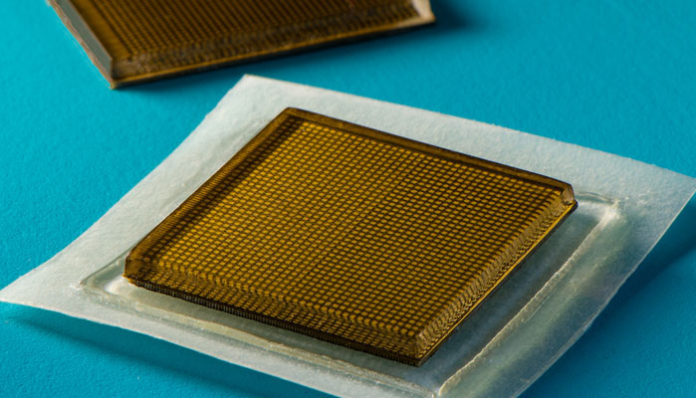
Thanks to recent developments made by a team at the Massachusetts Institute of Technology, getting an ultrasound may soon be as simple as applying a Band-Aid. A novel bio-adhesive ultrasound device, or ultrasound sticker, has been created by researchers that can record 48 hours’ worth of ultrasound images of organs, muscles, and tissues. The sticker will eventually be usable at home, benefiting everyone but being especially helpful for caring for athletes and pregnant women.

Conventional ultrasound technology can only be found in hospitals, needs big, heavy equipment, and produces photos after a single, quick session. Now, a tiny, wearable patch that uses the same technology might be available.

According to Xuanhe Zhao, PhD, a member of the MIT team and senior author of the new Science paper describing the gadget, it willย be a real game-changer in the medical imaging domain,ย notably ultrasonic imaging and the field of wearable electronics.

A View Inside

Traditional ultrasound imaging begins with the application of a gel to the skin to aid in the transmission of ultrasonic waves. A stick-like probe that is pushed into the appropriate location generates these waves. The waves are reflected by the body’s interior organs, and when they return to the probe and are picked up, they produce an image.

Zhao and his team developed a thin patch probe that works with a couplant that resembles Jell-O to transfer ultrasonic waves rather than just gel and a stick. The sticker is approximately the size and thickness of a nickel, measuring 2 centimetres square and 2 to 3 millimetres thick. The patch enables imaging up to 20 centimetres below the surface as well as near the surface.

Staying With You

Testing of the sticker on 15 people in various body regions, such as the arms, neck, and chest, revealed just a few of the potential advantages. Over the course of 48 hours, participants were watched as they went about their daily lives by walking, running, and riding bicycles.

The ultrasound sticker, for instance, was able to continually photograph the biceps for 48 hours when placed on the arm. Zhao was able to track the microdamage in these muscles before and after a one-hour weightlifting session thanks to their sensitivity. Zhao thinks that in the future, the ultrasound sticker will warn you when the activity is sufficient, maybe combining it with some image processing algorithm, which could aid with injury prevention or rehab.

The sticker could check blood pressure when worn around the neck (BP). According to Zhao, it is challenging to create a wearable, dependable, and long-lasting BP measurement. This device might continuously check the carotid artery’s diameter and alert people and medical professionals to high blood pressure.

The device offered prospective new treatment options for people with cardiac problems when it was placed on the chest. According to Zhao, the ultrasound can be used directly on the chest and can give clinicians pictures or videos.

The capability to monitor foetuses is another aspect that was not tested in the research that Zhao believes has potential. Pregnant women typically undergo two to three ultrasounds. The ultrasound sticker might make it possible for a mother and her doctor to check on the health of the foetus as frequently as necessary.

Future Steps

Currently, cables are used to link the sticker to a data box. In order to connect to the user’s smartphone, Zhao and his team are developing a second-generation wireless sticker. He predicts that it will take between two and five years for the integrated system to go wireless and gain FDA clearance for usage in American hospitals.

He believes that this is just the beginning of a significant advancement in wearable technology that will eventually lead to improved health for the whole planet.

NHS To Give Type 1 Diabetics Life-Changing Glucose Monitors

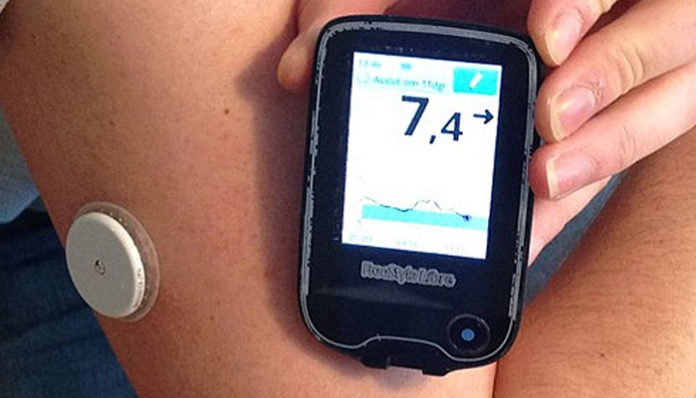
Diabetes patients may monitor their glucose levels at all times sans scanning or performing finger prick tests thanks to a wearable arm device that delivers data to a mobile app. Continuous glucose monitors, which record blood sugar levels by scanning a sensor, are typically more costly than their flash monitor counterparts. However, after the NHS and manufacturer DEXCOM agreed to a new cost-effective agreement, they will now be comparable in price and accessible to NHS patients on prescription.

The Dexcom ONE Real Time-Continuous Glucose Meter device attaches to the arm, lasting up to 10 days, and detects glucose levels from just beneath the skin using a sensor no larger than a bottle cap.

Once ordered, patients will get their starter pack from the hospital or GP office, which will include details on the medication and how to use it, a sensor, and a transmitter. Then, they can visit the pharmacy to pick up their repeat prescription. The agreement was reached when the NHS met its first long term plan goal of ensuring 20% of people with Type 1 diabetes benefited from flash monitors by March 2021, earlier than expected. According to current data, roughly three-fifths of those individuals are already using the device.

The widespread adoption of the technology will enable people with diabetes to better control their disease, which will ultimately relieve pressure on the NHS by lowering hospitalizations and associated diabetic conditions.

Dr. Partha Kar, national specialty advisor for diabetes and obesity, said that it was a big step forward for Type 1 diabetes treatment and all these devices will be life-changing for anyone who has the illness, offering them more options to manage their condition in the most comfortable way possible, as well as the best opportunity at living healthier lives, lowering their risk of serious health problems and illnesses linked with diabetes, which in turn reduces demand on wider NHS services.

The new agreement also satisfies their promise to provide patients with the most advanced medical technology at the best price possible for taxpayers’ money, sparing the NHS millions over the ensuing years.

Theresa May, a former prime minister of the United Kingdom, asserted that this is another crucial milestone for the NHS in caring for people with Type 1 diabetes. People with diabetes see a significant improvement thanks to CGM; this technology is truly transformative. She added that she was happy to report that the NHS has already surpassed the Long Term Plan’s goal for the number of individuals receiving flash monitoring. Although there is still much to accomplish, these are enormous advances.

James Morris, the minister of health, said that is a great illustration of how technology can assist individuals manage their chronic illnesses from the convenience of their own homes, relieving burden on the NHS and enhancing patient outcomes. They are committed to utilising cutting-edge technologies to enhance healthcare around the nation. They appreciate the NHS for successfully negotiating this arrangement, which helps patients and provides value for money.

The introduction of Dexcom ONE to the NHS England drug tariff is a substantial improvement in the choice of diabetes technology since it offers an alternative to time-consuming finger pricking and scanning, according to Vice President, UK & Ireland, Benelux, France, and Spain at Dexcom, Karen Baxter.

They work hard to make it simpler for the diabetic community to get access to the greatest technology available to manage their diabetes and are immensely proud of the diabetes community. As a next step, they will be collaborating closely with medical experts to make sure the diabetes population can take advantage of reimbursement and increased Dexcom CGM availability as soon as feasible.

Since he was two years old, Andy Lavender, 56, has had Type 1 diabetes. He is a local chair for the charity Diabetes UK and a Live Well coordinator for the NHS. In his capacity as the local chair, Andy addresses diabetes patients and the issues they deal with on a daily basis. He hopes this is the start of the end of individuals having to draw blood multiple times a day to monitor their blood glucose, Andy added. He used to test his blood 14 times a day before getting the CGM, and now all he has to do is glance at his smartphone to see the blood glucose level. He realises that many individuals prefer to test their blood sugar in private or in a coffee shop rather than in public, but now they may simply peek at the screen. Controlling a condition that can be impacted by so many factors is far more beneficial and less uncomfortable.

The twin sisters, Elise and Rochelle Featherstone, who are both 25 years old and have Type 1 diabetes, are employed by the West Yorkshire Integrated Care Board. Rochelle received a diagnosis a year after Elise, who received hers at the age of 5. The sisters began using continuous monitors in June 2019 and claim that the technology has changed their lives by significantly improving their health and lowering the stigma associated with diabetes.

The Type 2 Diabetes Prevention Programme aims to stop thousands of people from getting the disease and, in the long run, free up NHS resources. The NHS spends about ยฃ10 billion a year treating diabetes. The NHS now offers a wide range of other diabetic therapies, including the Freestyle Libre, which automatically regulates blood glucose levels by dispensing insulin directly into the bloodstream.

Translate ยป