













Close
Digital Health & Ai Innovation summit 2026
Medical Taiwan 2026

Nature’s Own: The Premium Supplement Brand for Optimal Health and Well-Being

Nature's Own: The Premium Supplement Brand for Optimal Health and Well-Being

Becoming health-conscious and caring for your well-being have always been crucial for a long life of quality. As it happens, though, with the around-the-clock lifestyles we tend to lead few of us could really pride ourselves on actually paying attention to this. Along came the global COVID-19 pandemic which taught us otherwise.

Finding ways to boost one’s immunity became the main occupation and subject of online search, with more people than usual resorting to boosting their diets and implementing some sort of exercise. Post-pandemic, the tendency to take care of health and well-being remains at an all-time high over fears of possible next pandemics.

Regardless of whether or not there are such scares, health is our most important wealth and we don’t have to wait for a global emergency to realise this. It’s in our best interest to pay attention to what we decide to put on our daily plates, finding the ideal nutritional foods and ingredients that would fuel our bodies right. And when we don’t get the optimal nutrients, seek a little boost from supplementation.

While there’s certainly no magic pill that would jump start your metabolism, help you lose the extra weight, and improve your overall well-being overnight, choosing supplements of quality can be a good way to enhance your diet. Especially if you choose the premium Nature’s Own products that are free of all the nasties such as artificial colours and flavours, dairy and gluten, sweeteners and chemicals that do more harm than good.

Why Should You Stack Up on Nature’s Own?

They haven’t become one of Australia’s beloved supplement brands for nothing. With over 40 years of presence in the competitive supplement market, the brand continues to amaze with the high quality of the ingredients, strict standards, sustainable values, and dedication to make a difference in the lives of customers who want to achieve optimal health.

Ever since the beginning of the company, they’ve stayed true to their tradition and continue to maintain a close relationship with Mother Nature, always seeking reliable ingredients from sustainable sources to formulate the top-notch Nature’s Own products designed to help with various health issues and concerns. They count on the help of a team of professionals who go to great lengths to do research in order to ensure the safety and efficacy of each formulation. Implementing holistic practices to make use of the healing powers of nature is also part of the deal.

As they place the accent on the “natural” part of the product range, they’ve become a beloved brand outside of Australia too, and are an integral part of the Health Food Industry. Moreover, taking it as their mission to provide utmost nutrient absorption, utilisation and retention, they’ve created their own Food State and Wholefood nutrition models.

What Can You Expect from Nature’s Own Supplement Range?

Many people swear by the Nature’s Own supplements not only because of the incredible efficacy, and health-boosting ingredients, but also because there’s something for everyone’s preference.

If you, same as me, can’t stand the thought of taking tablets out of fear they’d get stuck in your throat, the brand has its supply of capsules, liquids and chewable tablets created to your liking. They offer something that caters to the needs of kids, teenagers, adults, and the elderly. As far as the types of supplements go, you can choose from:

Immunity and Well-Being

Stress, sleepless nights, environmental changes and pollution can all take their toll on our health, with immediate consequences on the immune system. Even if you have a wholesome diet, the quality of the ingredients may not be the best as you’d expect them to, so getting a boost from Nature’s Own multivitamin complex that consists of 36 vitamins, minerals, and nutrients can be just what the doctor orders.

In case you have a deficiency in a specific nutrient, they have separate vitamins and minerals to provide you with the boost you require. Additionally, herbs can also prove to be of use in keeping colds and flu at bay, and the Strength Echinacea of the brand is meant to relieve upper respiratory tract infection symptoms too. Their High Strength Garlic supplement can also alleviate usual cold and flu symptoms, in the likes of mucus production and nasal congestion.

The naturally derived Omega-3 fatty acids in the Nature’s Own Fish Oil are a must-have for general health, more so because they can be of help with improving heart, eye, and cognitive health. Their special formulation for women is created specifically for the requirements of ladies, such as the High Strength Cranberry 5000 which enhances urinary tract health and reduces the risks of cystitis, the Pregnancy Platinum Multivitamin designed for mother and baby, plus the Vitex Agnus Castus that’s essential for the days of PMS.

Men can benefit from Nature’s Own Prostate Health as well as the Saw Palmetto 3200MG. For the physiological needs of men, the Mega Potency Men’s Multivitamin is a necessity as it contains all the essential nutrients, from the vitamins B, C, D and E, to inositol, potassium, copper, zinc sulphate, iron, chromium, manganese, iodine, selenium, a range of herbs and additional extracts.

Energy and Performance

If you’re no stranger to burnout and sluggish performance (then again, who isn’t) you know the struggle of trying to be productive, in a great mood, and lead a life of quality. Sometimes it’s just not possible, and we end up feeling more pressure and stress, causing a counter-effect. This is where Nature’s Own products of the Focus & Perform line step in.

They’re created for anyone dealing with lack of energy, memory fog, tiredness and fatigue. Calm nerves, improved short-term memory, and balanced energy levels are some of the benefits you can expect to experience when trying their American ginseng-based formula.

Sleep and Anxiety

Feeling overwhelmed on an almost daily basis is one of the reasons why most modern-day people are so familiar with sleeplessness and sleep-related issues. If you’ve eliminated an underlying condition as the cause for your lack of z’s, and have followed tips to sleep better to no avail, then you might do with some help from the sleep range, such as the Natures Own Complete Sleep Advanced and Complete Sleep products.

Not only can they assist you with falling into slumber faster, but they can also help you sleep uninterruptedly thanks to the special ingredients, in the example of the ziziphus plant known as a natural mild sedative. Valerian is another option that you can try out, also great for treating moderate anxiety. 

Joints and Mobility

One of the symptoms of ageing is losing collagen and bone strength, which is then manifested into joint pains, muscle weaknesses, and limited mobility. You don’t have to wait for these symptoms to arise, or progress to the point of requiring mobility aids, to boost your diet with some crucial nutrients, such as magnesium, calcium and vitamin D. Other options from the brand include the krill oil supplements, glucosamine, and chondroitin.


Indiana Traffic Accidents and Traumatic Brain Injuries: What Victims Should Know

Indiana Traffic Accidents and Traumatic Brain Injuries: What Victims Should Know

Car accidents can be dangerous and often have fatal consequences for those involved. Apart from causing disabilities, car accidents may also result in death. For example, in Indiana, the statistics indicate that between January 2020 and September 2020, 639 people perished in Indiana due to accidents.

The number increased by nine percent in the following year, with accidents causing 699 deaths from January 2021 to September 2021. Unfortunately, 2022 isn’t much better, as the fatalities of January and February already eclipsed the number of deaths at the same time last year by 22.

The Centers for Disease Control and Prevention (CDC) reckons traumatic brain injuries (TBI) account for around 30 percent of total injury deaths. Traumatic brain injuries can cause by various events or accidents that lead to brain injury. They include falls, car accidents, and playing sports.

Whether you or a loved one is experiencing traumatic brain injuries due to a traffic accident, there are various things you should know. Read on to find out more.

Symptoms and Indications of TBI

Contrary to popular belief, loss of consciousness and an open wound is not necessarily certain marks for those experiencing TBI. For example, you may still have TBI after a traffic accident, even without a blow to your head.

As mentioned, it is crucial to be examined after you an accident. As soon as feasible should use it for this. Nonetheless, there are specific symptoms that you should be aware of that may indicate brain injury. They include the following:

  • Constant headache
  • Feeling dizzy or light-headed
  • Trouble maintaining concentration
  • Feeling anxious or nervous
  • Light sensitivity
  • Poor concentration
  • Memory loss
  • Posture and balance issues

What Are the Various Types of TBI?

Traumatic brain injuries occur in various ways and take several shapes. It is important to note that traffic accidents can cause all these forms of TBI. While the injuries may not be noticeable to you or the first responders, it is vital to go for a check-up because even a minor crash can cause brain injury. The common types of brain injuries are:

Penetrating Injury

While penetrating injuries are most commonly associated with gunshot wounds, they can also occur due to a traffic accident. In addition, they can occur when an object penetrates or pierces the skull due to a collision. These injuries are hazardous and can cause permanent damage to the survivors.

Diffuse Axonal Injury

The forceful twisting of the skull causes this damage. It causes severe rapture of nerve tissues across the brain. In a vehicle accident, it is often a result of the sudden rotational forces that happen during the collision impact.

Coup-Contrecoup Injury

A coup-contrecoup injury can result in bruises, contusions, and swellings on the affected region and the opposite side of the brain.

Concussions

This type of injury occurs frequently and is the most common one. In most car accidents, a concussion may result from various causes. For example, an object is shaken violently or hit forcefully by the head.

Recovering from TBI

Recovering from brain injury needs a lot of medical attention to deal with the symptoms. Apart from that, patients often require long-term therapy to help them manage the shock and impact of the accident. Physical therapy, speech therapy, lifestyle changes, and psychiatric treatment might also be necessary. It is also advisable for the patient to hire an experienced Indianapolis traumatic brain injury lawyer to guide them, as the aftermath of a car accident may involve some legal procedures.

A specialized attorney can help victims file claims or lawsuits against the at-fault party to recover compensation for medical expenses, lost wages, disability, pain and suffering, loss of consortium, loss of enjoyment for daily activities, and more.

Conclusion

Unfortunately, in some forms of TBI, complete recovery might be impossible. Victims who experience traumatic brain injuries need assistance and personal care for the rest of their lives. Traumatic brain injuries can be costly to address, particularly if they result in long-term problems for the victim.

Notably, you or your loved one are eligible to receive compensation, especially if the traffic accident was the fault of another party. Contact an experienced attorney to help you file a claim and recover monetary and non-economic damages. This money can be used to meet the expenses related to your brain injury and the recovery, care, or lifestyle changes you need to get your life back on track.

What to Consider Before Choosing to Become a Surrogate

What to Consider Before Choosing to Become a Surrogate

Surrogacy has risen around the world in recent years. It is not an easy task to carry on and also not the correct journey for everyone. Like any other journey to parenthood, surrogacy can, however, be a tough process mentally, physically and emotionally. Therefore, there are many things to look at before becoming a surrogate.

In this article, we are going to look at factors to consider before choosing to be a surrogate. Below are the factors to look at before choosing to become a surrogate.

What is the process of becoming a surrogate

There are two kinds of surrogacy: Straight surrogacy also referred to as traditional surrogacy. This is when the surrogate offers her egg to get the pregnancy. Host surrogacy also referred to as gestational surrogacy, is when a donor or the intended mother provides the egg and then is transferred to the surrogate via IVF.

There are a few questions you should ask yourself in order to understand the whole process. Such questions are:

  • Is it legalized to become a surrogate?
  • What’s the work of surrogacy agencies, and do you need one?
  • What is a surrogacy agreement?

It’s good to consider the type of surrogacy you need; however, if you don’t have it, think about an appropriate journey for you and the parents because everyone’s needs are not the same.

Your wellbeing and health is very important

Your mental, emotional and physical health are key factors before becoming a surrogate. It’s advisable to become a surrogate if your well-being and health are not kept at higher risk. For an instant, if you have a history of pregnancy complications or postnatal depression, then it means surrogacy is not the right path for you.

You can set an appointment and initial health check with a fertility counsellor in the earliest stages of the surrogacy journey in order to deal with any potential health concerns. This should be included in the service if you are utilizing a surrogacy agency.

The financial influence of becoming a surrogate

In most counties, such as the United Kingdom and different parts of the United States, commercial surrogacy is either illegal or frowned upon by the courts, meaning you cannot get paid to become a surrogate. However, the parents-to-be are in a position to cover your realistic expenses, so you should not see a negative financial impact.

Realistic expenses should be included in your surrogacy agreement, and they may include:

  • Cost of earning for your partner or you.
  • Extra childcare for your children.
  • Food and supplements.
  • Therapies o classes that maintain the pregnancy.
  • Maternity clothes.
  • A recovery break after giving birth.

Consider the deal breakers

It’s essential to evaluate what are your deal breakers in this process as you go through all the steps. It is good to be on the same side with the parents to be and discuss all the outcomes and the eventualities of the pregnancy and the birth in order to determine if it is the correct match for you.

To Protect Patients, UK To Boost Medical Device Regulation

Recently released ideas to tighten medical device regulation are intended to increase patient safety and promote innovation. The Medicines and Healthcare Products Regulatory Agency (MHRA) now has a rare chance to enhance the regulation of medical equipment and in vitro diagnostic medical devices (IVDs) in the UK with UK’s exit from the EU.

The reforms will cover dermal fillers and other cosmetic products, including x-ray machines, hearing aids, and insulin pumps, in addition to new technology like smartphone apps and artificial intelligence.

The updated policies include-

  • Giving the public and patients more assurance about the safety and reliability of the highest-risk medical equipment, such as those that need implanting, would strengthen the MHRA’s ability to take action to keep patients safe.
  • Enhancing existing systems to better safeguard users of medical devices and specific cosmetic items will provide greater assurance of their effectiveness and safety. Increasing the scope and depth of regulations to respond to public needs.
  • Addressing health inequalities and reducing identified inequities during the development and use of medical technologies—reducing medical device disparities and ensuring that they work as intended for a variety of populations. To address health inequalities, the government has started an assessment into potential equity concerns in the development and application of medical devices. The evaluation will be revised as necessary.
  • Considering the UK a hub for innovation and the ideal location to create and market cutting-edge medical products, ensuring that the new regulatory framework promotes ethical innovation to improve patients’ access to the most cutting-edge medical devices in the UK.
  • Creating the new UKCA mark and establishing industry-leading standards Making a new certification mark—replacing the CE mark—that people can trust to indicate that medical device items have been produced in compliance with all applicable safety, health, and environmental protection criteria. This will enhance the MHRA’s credibility globally and its expanding collaborations with other regulators.

The laws will be updated to reflect new and developing technology, such as software and artificial intelligence (AI), which are increasingly employed in areas including screening and diagnosis, managing chronic illnesses, and creating new medicines. In order to protect patient safety and promote innovation so that UK patients are one of the first to have access to cutting-edge healthcare, the new regulations will make sure that breakthroughs like these are held to the same high standards as medical devices.

The announcement made today comes in the wake of a consultation on the future regulation of medical devices, during which the MHRA sought opinions on a wide range of regulatory issues, including those relating to the conduct of clinical investigations; the evaluation of devices prior to their release onto the market; importer and distributor commitments; and post-market safety training to build awareness and the role of patients.

The MHRA will make sure that legislative reforms to the system suit the interests of business and the healthcare sector as part of this ambitious, transformative reform initiative. While modifying the law and putting new policies into place, ongoing work will be done and stakeholders and the industry will continue to be engaged.

To allow the industry adequate time to adjust, the MHRA will progressively phase in the new regulations with transitional measures.

How To Make Money Off Of Medical Patients Without Ripping Them Off

How To Make Money Off Of Medical Patients Without Ripping Them Off

Making money off of medical patients can be a tricky business. On the one hand, you want to provide top-notch service and care in order to help your patients recover as quickly as possible. But on the other hand, you also need to make a profit in order to keep your business running. So how do you walk the line between providing great care and making a healthy profit? In this blog post, we will discuss some tips for making money off of medical patients without ripping them off!

Check The Type Of Insurance Your Patient Has

About two-thirds of Americans have health insurance, which means that almost all medical practices are able to get paid for the services they provide. However, not all insurance plans are created equal. Some plans have high deductibles, meaning that the patient will have to pay a significant amount of money out-of-pocket before their insurance will start covering the cost of their care.

Other plans have low reimbursement rates, which means that the medical practice will only be reimbursed a small fraction of the total cost of the services they provide. As a result, it is important to know what type of insurance your potential patients have before you agree to provide them with care.

Insurance With Good Reimbursement Rates

Namely, one way to make sure that you are getting paid fairly is to only accept patients who have insurance plans with good reimbursement rates. This way, you can be sure that you are getting paid for the services you provide and that your medical practice is not losing money on each patient. Of course, this may mean turning away some patients who need your help, but it is important to remember that you need to make a profit in order to stay in business!

Offer Discounts On Your Services And Invest In Marketing

One way to make money off of medical patients is to offer them discounts on services. For example, you could offer a discount for patients who pay cash upfront for their treatments. Or, you could offer a discount for patients who refer new customers to your business. By offering discounts, you can encourage patients to use your services while still making a profit.

Moreover, discounts can help you attract new patients who might not have considered using your services before. For instance, mental health marketing by Lead to Recovery is a great resource for any mental health professional looking to expand their business. By advertising your medical practice in local newspapers, on the radio, or online, you can reach a larger number of potential patients and convince them to use your services.

Charge For Extras

Another way to make money off of medical patients is to charge for extras. For example, you could charge for transportation to and from appointments, or for special treatments that are not covered by insurance. By charging for extras, you can provide your patients with the services they need while still making a profit.

For example, let’s say you own a medical transportation company. You could offer discounts to patients who use your services for their transportation needs. Or, you could charge a flat fee for transportation to and from appointments. By doing this, you can make money off of medical patients without ripping them off!

Use A Sliding Scale

A third way to make money off of medical patients is to use a sliding scale. With a sliding scale, you charge patients based on their ability to pay. For example, you could charge lower prices for low-income patients and higher prices for high-income patients. This pricing model allows you to make a profit while still providing affordable care for your patients.

Moreover, when using a sliding scale, it is important to be transparent with your patients. Make sure to let them know how the pricing works so that there are no surprises.

Use A Payment Plan

Another way to make money off of medical patients is to use a payment plan. With a payment plan, patients can pay for their care over time. This pricing model allows you to get paid upfront for the services you provide while still allowing your patients to afford the care they need.

Also, when using a payment plan, it is important to be transparent with your patients. Make sure to let them know how the payment plan works and what the terms are. This way, there are no surprises and everyone is on the same page.

Additional Products And Services

Finally, you can also make money off of medical patients by selling them additional products and services. For example, if you own physical therapy practice, you could sell patients the benefits of purchasing a home exercise machine or signing up for personal training sessions. By offering additional products and services, you can increase your profits without ripping off your patients.

These are just a few of the many ways you can make money off of medical patients without ripping them off.

Global Health Rules Crisis Group To Study Monkeypox Spread

Global Health Rules Crisis Group To Study Monkeypox Spread

Regarding the multi-nation monkeypox outbreak, the WHO Director-General agrees with the recommendations made by the IHR Emergency Committee and, at this time, does not find that the situation represents a Public Health Emergency of International Concern (PHEIC).

Through postings on the Event Information Site, the WHO Secretariat has informed the States Parties to the IHR of this event on May 11, 2022. These postings seek to educate preparation activities, increase public knowledge of the scope of the outbreak, and give access to technical advice for the immediate public health measures advised by the WHO Secretariat.

As the level of alert for States Parties to the IHR and the global public health community increases, the formation of an IHR Emergency Committee shows a demand for more aggressive public health responses to this incident.

The Chair, Vice-Chair, and members of the IHR Emergency Committee, as well as its Advisers, deserve nothing less than the WHO Director-profound General’s gratitude.

The meeting’s proceedings

The Chair and Vice-Chair of the Emergency Committee, along with other members and advisers, met in person and through Zoom teleconference. The attendees were greeted by the WHO Secretariat. The Office of Legal Counsel Representative explained to the members and advisers their tasks and functions while also outlining the Emergency Committee’s mandate in accordance with the pertinent IHR articles. The Members and Advisers received a review of the WHO Declaration of Interests procedure from the Ethics Officer from the Department of Compliance, Risk Management, and Ethics. The Members and Advisers were informed of their individual duty to promptly notify WHO of any private, professional, economic, intellectual, or economic interests that might result in a real or perceived conflict of interest. They were also reminded of their obligation to keep meeting topics and the committee’s activities confidential. They surveyed each member and adviser. No apparent potential conflicts were found.

The election of the committee’s officers was then assisted by the Principal Legal Officer in accordance with the emergency committee’s functioning rules and procedures. By unanimous vote, Dr. Jean-Marie Okwo-Bele, Prof. Nicola Low, and Dr. Inger Damon were chosen as the committee’s chair, vice-chair, and rapporteur, respectively. The meeting was then turned over to the chair, who gave a brief overview of its goals: to share opinions with the WHO director-general about whether the incident qualifies as a public health crisis of global significance and, if so, to share opinions on potential short-term recommendations.

Presentations

The WHO Director-General welcomed the attendees and the committee’s suggestions for the occasion via video.

The WHO Secretariat highlighted the worldwide epidemiological situation, emphasising that 3040 cases have been reported to WHO from 47 countries since May 2022’s first day. Many nations that had not historically reported cases of monkeypox are now experiencing transmission, and the WHO European Region is now reporting the largest number of cases. Initial monkeypox cases, found in multiple nations across various WHO regions, lacked any epidemiologic ties to regions that had previously reported monkeypox, indicating that undiscovered transmission may have been present in those nations for some time. Males make up the majority of verified cases of monkeypox, and the majority of these cases affect gay, bisexual, and other men who engage in male-to-male sexual activity in densely populated urban settings.

A asynchronous rash that emerges before the onset of a prodromal phase and a few lesions that are localised to the genital, perineal/perianal, or peri-oral area characterise the clinical presentation, which is frequently atypical. There have only been a few hospital stays thus far, and one immunocompromised person’s death has been documented. According to some preliminary studies, the reproduction rate is 0.8 or more than 1 amongst cases that identify as men and have intercourse with men. Between 4.2 and 17.3 days, the reported cases’ incubation periods ranged from 4.2 to 8.5 days on average (based on 18 cases in the Netherlands). At least nine of the 10 documented cases of infection among healthcare professionals were not related to their jobs.

The Committee was given updates on the epidemiological conditions in Canada, Nigeria, the Democratic Republic of the Congo, Portugal, Spain, and the United Kingdom, as well as the ongoing response initiatives in their respective nations. The draught WHO Strategic Plan for the Containment of the Multi-Country Monkeypox Outbreak was then provided by the WHO Secretariat. The strategy underlined the need for a robust, flexible, and cooperative approach, with a special emphasis on educating the public, empowering impacted population groups to adopt protective behaviours based on the dangers they face, and halting the spread of monkeypox inside those groups.

The WHO Secretariat also provided technical advice on the following topics: improved surveillance; isolation of cases; contact identification and monitoring; strengthened laboratory and diagnostic capabilities; clinical management and infection prevention and management initiatives within health care and community settings, such as care pathways; engagement with affected population groups; and engagement with the affected population.

Discussion session

After the presentations, the Committee was summoned to a private meeting to discuss whether the event qualifies as a PHEIC or not, and if it does, to evaluate the Temporary Guidelines that the WHO Secretariat had prepared in compliance with IHR guidelines. The WHO Secretariat alerted the Committee Members of their duties upon the Chair’s request and referred to the IHR definition of a PHEIC as follows: an extraordinary event that poses a risk to the public health of other States via international transmission and that may call for a synchronised global reaction.

The Committee was worried that response efforts would be further hampered by the potential for worsening the stigmatisation and violation of affected population groups’ human rights, such as their privacy rights, the prohibition of discrimination, and their right to good physical and mental health. In addition, some Committee members asserted that regulations, guidelines, and procedures that criminalise or stigmatise consensual same-sex behaviour by government or non-state actors impede access to health care and may impede response interventions. These views were expressed for the protection of the public health.

For a more thorough evaluation of the public health risk posed by this event, additional knowledge is urgently needed in the following areas: transmitting modes, the full range of clinical presentation, the contagious period, reservoir species and possibilities for reverse zoonoses, the potential of viruses, access to vaccines and antivirals, and their effectiveness in humans. The Committee understood that monkeypox is endemic in some areas of Africa, where it has been known to cause illness, such as fatalities, for decades. It is also understood that the reaction to this outbreak is required to act as a catalyst for enhanced efforts to combat monkeypox in the long run and access to necessary supplies globally.

Conclusions and suggestions

The Committee noted that the current multi-country outbreak has many distinctive properties, such as the occurrence of cases in nations where monkeypox virus flow had not previously been documented and the observation that the majority of cases are seen among men who have sex with young men who have not previously received the smallpox vaccine. Given the low level of public immunity to poxvirus infection, some Members stated that there is a potential for continued, sustained spread into the wider population that should not be disregarded. The Committee further emphasised that for years, nations in the WHO African Region had ignored and C.

The Committee also highlighted that while there hasn’t been enough time to assess the effectiveness of these activities, the response to the outbreak necessitates coordinated international efforts and that such activities have already begun in a number of high-income countries that are suffering from outbreaks. Despite several members’ differing opinions, the committee decided by consensus to inform the WHO Director-General that the epidemic should not yet be considered a PHEIC. The Committee did agree that the situation was urgent and that strong reaction measures were needed to prevent the outbreak from spreading further. Once further information about the current unknown factors is available, the Committee urged that the event be closely followed and reassessed in a few weeks to see if any substantial changes have happened that would necessitate revising their guidance.

The Committee believed that one or more of the following should trigger a review of the incident: Proof of significant dispersion to and within other countries, or substantial growth in number of cases and spread in endemic countries; occurrence of cases among sex workers; proof of a rise in the amount of growth of reported cases within next 21 days, both among and beyond the population groups currently impacted; increase in the number of cases in vulnerable groups, such as immunosuppressed people, including those with poorly controlled HIV infection, pregnant women, and others. The Committee further recommended to the WHO Director-General that in order to provide the necessary support through bilateral, regional, or multilateral channels and in accordance with the spirit of Article 44 of the IHR, governments should work together with WHO.

NHS Is Trying To Treat People With The Longest Wait Periods

NHS Is Trying To Treat People With The Longest Wait Periods

The NHS Elective Recovery Plan, released earlier this year, outlined how the health system will solve COVID-19 treatment backlogs, beginning by focusing on the patients who had to wait the longest. Since reaching a peak of 22,500 in January, the number of patients who have waited 2 years or longer in medical centres has decreased by 15,000 to 6,700.

Those who are still on the waitlist are being questioned about their willingness to travel for medical care in the upcoming weeks. Teams from the NHS are making every effort to place them in different hospitals, and in some cases, they will cover patients’ travel and lodging expenses.

Over 400 patients have already indicated that they would be willing to travel, and 140 of them have surgery appointments scheduled at different hospitals. Except for individuals who wish to wait even longer or individuals in highly niche areas who may need a bespoke strategy, the NHS set forth goals to eradicate two-year delays by the end of July. Despite the most recent monthly numbers revealing that May was the busiest month for emergency care, with 2.2 million A&E visits and over 78,000 of the most critical ambulance calls, NHS employees are still making progress on COVID-19 backlogs.

The NHS is doing everything it can to reduce the length of time patients must wait for treatment, including opening weekend clinics, creating specialised surgery centres, and enabling treatment transfers. As happened around the world, COVID queues naturally accumulated as hospitals treated more than 750,000 patients with the virus in addition to caring for many more in the community, said the Chief Executive of the NHS, Amanda Pritchard.

Millions who delayed seeking assistance earlier in the pandemic are now doing so, but owing to the dedication of NHS employees, they have made significant progress on the waitlists for the most difficult cases despite Omicron and a challenging winter. Staff members are currently on target to practically eradicate two-year waits by the end of July as part of the largest and most comprehensive catch-up initiative in NHS history.

However, the NHS won’t stop there. From having to deliver one million tests and checks through their recently launched community diagnostic centres to brand-new, cutting-edge same-day hip replacements, staff members are constantly looking for new and innovative ways to treat patients more quickly, particularly those who have been waiting for a long time.

One of the advantages of the NHS is that hospitals may collaborate to reduce COVID backlogs together, and NHS employees are ensuring that it can occur if patients can and want to be treated more quickly elsewhere in the nation. When given the skills and resources they require, NHS employees continue to exhibit their flexibility, endurance, and empathy in providing for their patients.

Although not all people on the waiting list will still want to travel further, many patients across the nation are already preferring the choice to be treated more quickly. Northumbria Healthcare NHS Foundation Trust treated three patients who were waiting for surgery at University Hospitals of Derby and Burton NHS Foundation Trust, and two more patients have appointments there.

17 South-West patients have already received therapy at Southwest London Elective Orthopaedic Center, and 11 more are scheduled to undergo treatment in the upcoming weeks. Hospitals all around the nation are constantly searching for fresh and creative ways to support patient healing. A brand-new, cutting-edge cataract surgery facility in Lancashire is providing 35 patients with care each day, two days each week. Patients just need to wait six weeks for cataract surgery.

While the NHS continues to expand its network of Community Diagnostic Centers, which have already provided over one million diagnostic checks and inspections since the expansion started in July of last year. Due to a new facility the hospital has erected at the town’s Glass Works shopping centre, which will formally open this week, patients in Barnsley are already finding it easier to visit for diagnostic tests. Patients are informing staff that travelling to their ultrasound or X-ray appointment is straightforward and can be coupled with going about their day because they have access to the 670 parking spaces.

The NHS is making significant strides in ensuring that people who have been waiting the longest can obtain critical care as part of their commitment to clear the COVID backlogs, cutting two-year wait times in half since January, according to Sajid Javid, Health and Social Care Secretary. Earlier this year, he announced a new patient right to choose, and some of the patients with the longest wait times are already benefiting from the offering of a different provider who can see them more quickly. With record funding, innovations like this are reducing waiting lists and accelerating access to care, and over 90 neighbourhood diagnostic centres have provided over one million exams and scans in the past year.

How Delay Slowed A Once-Frantic COVID-19 Jab Pace In Africa

How Delay Slowed A Once-Frantic COVID-19 Jab Pace In Africa

The World Health Organization (WHO) set a goal in October 2021 to fully immunise 70% of each nation’s population against COVID-19 by the end of June 2022. Many Covid-19 vaccination programmes in developing countries, especially in Sub-Saharan Africa, were just getting started at the time, whereas many high-income countries had already achieved this objective. With a combined population of one billion, nations in the African Region (a WHO region that omits countries in north Africa, including Morocco and Egypt) had only received 200 million doses, which was the main obstacle impeding vaccination rates.

However, when vaccine supplies grew in the months that followed, the quantity of doses given did not. Only 25% of the dosages delivered to African nations were ready to be administered as of October 2021. Ten months later, that percentage has increased to 37%. Vaccination rates have now started to decline in several African nations despite greater vaccine accessibility. For instance, South Africa has used barely 14 doses per 100 people so far in 2022, compared to the 41 doses per 100 people it provided in the second half of 2021. Between March and May, 82 million doses were given in the African Region, down from 128 million over the previous 3 months.

In order to keep the pace of inoculation campaigns, it would have been simpler for African countries to acquire vaccines sooner, according to Vidya Sampath, director of the healthcare delivery NGO VillageReach’s Covid-19 vaccine delivery plan. By not having the vaccine prepared and accessible in 2021, the worldwide movement missed the window of opportunity to meet an increase in demand, especially in Africa. There is a plentiful supply right now in 2022, but people see risks far less seriously.

Covid-19 has spread over the continent in waves, but the effect on many people, especially the young Africans, has been minimal. According to the WHO, just 8% of the additional deaths caused by COVID-19 worldwide in 2020 and 2021 happened in Africa. In comparison, about 16% of the world’s population resides in Africa. According to Sampath, vaccine hesitancy has frequently been confused with Africa’s decreased demand for vaccines. Adam Bradshaw, a specialist in COVID-19 policy and advisor to the Tony Blair Institute for Global Change, concurs that it’s more complicated than merely conspiracy ideas, but lower danger makes individuals more apathetic.

Governments now have the responsibility of directly distributing vaccines since citizens are less prepared to make time and financial sacrifices in order to receive vaccinations.

One strategy, according to Bradshaw, is for African nations to combine the COVID-19 vaccine with other lines of interaction with the healthcare system. According to Bradshaw, the goal of integrating health services is to maximise the scarce resources that are genuinely available. People are being urged to acquire a COVID-19 vaccine if they go to a clinic for their children’s vaccinations or for an adult medical evaluation.

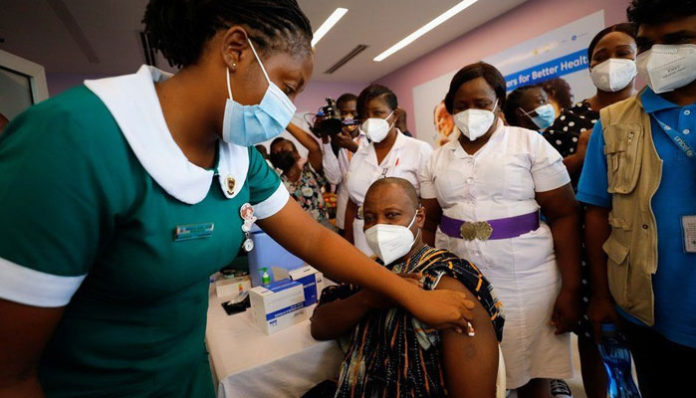
Sampath claims that vaccination efforts in Ghana and the Democratic Republic of Congo have changed to put more of an emphasis on reaching vaccine-ambivalent people right where they’re standing. According to Bradshaw, numerous programmes have begun using mobile vaccination tactics, in which medical professionals visit villages to provide vaccines, in response to poor immunisation coverage in rural areas.

Sampath claims that one of the main obstacles preventing higher immunisation rates in Africa is a lack of professionals. According to data from the World Bank, before the pandemic, the number of doctors and nurses per 1,000 people in continental Africa ranged from 4.2 in Eswatini, then recognised as Swaziland, to just 0.2 in Chad. In contrast, there are 14 doctors and nurses for every 1,000 people in the European Union.

African nations also spend much less on healthcare than high-income ones. According to evaluations by the non-profit organisation CARE, the average “tarmac-to-arm” transportation price for a single dose of vaccine in South Sudan is $9.97, which is equal to 40% of the nation’s pre-pandemic per capita healthcare spending.

Sampath claims that the inability of African countries to redeploy people to work at mass vaccination sites, which were widespread in richer countries, is due to limited finance and a shortage of healthcare workers. For a four-to six-month endeavour, mass immunisation sites in just one city cost millions of dollars. African nations just do not have access to that kind of financing, said Sampath.

In response, Ghana established a National COVID Vaccination Day and adopted successful tactics from past immunisation programmes, such as those for polio. Ghana also carried out two mass immunisation campaigns, lasting one week each, during which time medical personnel briefly focused their attention on the COVID-19 immunisation effort before resuming their regular duties.

Their pre-pandemic healthcare readiness index, which ranks nations based on their health spending, the size of their medical workforce, and vaccination rates for other diseases like tuberculosis and hepatitis B, demonstrates how important the pre-existing public health system has been to vaccination advancement. The African Region nations with the least past investment in their healthcare systems have often struggled to build up immunisation programmes.

For instance, the five nations in the African Region with the highest vaccination rates spent, on average, over ten times as much per person on healthcare as the five nations with the lowest vaccination rates, and they hired six times as many doctors and nurses.

The ranking also identifies nations like Mozambique and Rwanda whose immunisation programmes have worked better than anticipated.

The vaccine deployment in Mozambique, according to Sampath, is a great success story. Mozambique first gave vaccinations in stages, starting with all medical personnel, then everyone over the age of 65, and then people over the age of 50 who had comorbid conditions. They managed their limited supply because they went looking for these very precise high-risk groups, according to Sampath. Unfortunately, many countries weren’t assisted in order to do this, which requires a lot of organisation and planning. Because of the effectiveness of Mozambique’s distribution method and the continuous promotion of vaccines by elected leaders, the programme gained the trust of the public, which supported continued demand.

Government officials in Rwanda have continuously emphasised the advantages of vaccines, similar to those in Mozambique. The Pfizer/BioNTech mRNA vaccine, which must be held at extremely low temperatures, was exclusively used in the capital, Kigali, where freezer equipment could be maintained. Rwanda was also lauded for its early preparation on which vaccinations to deploy in different places.

A glimpse of what may have been achievable in Africa if investments in vaccine development and distribution had been made is provided by the effective deployments in Mozambique and Rwanda. According to Sampath, the worldwide community took a chance and decided it was okay to invest their money on 50 research studies and only obtain five or six positive results. On the delivery side, the same level of eagerness and readiness to invest resources hasn’t been observed.

The Seychelles and Mauritius are island nations that are currently the only two in the African region to have completely immunised more than 70% of their populace. Only 10% of nations still have mandatory immunisation rates. Low vaccination levels in Africa have sparked a discussion over whether the WHO’s target date, which appears unrealistic for many nations, is prudent as the deadline draws closer.

Recent research supervised by the African Centres for Disease Control and Prevention found that in Kenya, targeting vaccination programmes to immunise the elderly was more cost-effective than achieving 70% coverage throughout the general population. Prioritizing vaccination for the elderly, pregnant women, people with comorbidities, and healthcare workers offered the best value for money. Achieving high immunisation rates among some of the general public was especially costly in countries with young populations that had high exposure to COVID-19.

African nations may provide greater health benefits to their residents by funding other more cost-effective health programmes, according to the acting head of the Africa CDC Health Economics Programme, Dr. Justice Nonvignon.  There is no question that COVID-19 vaccines are cost-effective in a number of situations, Nonvignon continued. However, it is equally obvious that they must exercise caution in how they allocate our resources as the pandemic develops.

According to Bradshaw, how the pandemic develops in the coming months will determine whether the 70% aim is still appropriate. The quest for an ambitious target like 70% would be tremendously important if new varieties emerge that are extremely deadly, transmissible, and represent a greater danger to humans who are unvaccinated, even if they are young and fit. Bradshaw adds that certain nations won’t ever reach that aim based on their existing rates. He claims that those nations’ resources would be better directed toward incorporating COVID-19 methods into crucial immunisation programmes and concentrating on the most vulnerable populations.

According to Bradshaw, one alternative that is available to everyone is to alter the 70% aim. He claims that after the June deadline has passed, regional organisations like the Africa CDC may collaborate with the WHO to generate new region-specific targets. Sampath cautions against estimating the success of many of the continent’s immunisation efforts by matching vaccination rates in Africa to the aim of 70% coverage. Sampath claims that 70% of African nations are not vaccinated. Only adults over the age of 18 are often eligible for vaccinations in most African nations, so the task doesn’t seem so daunting when you consider that these nations only need to immunise 40% to 50% of their population.

It can be inaccurate to evaluate vaccination rates without taking the eligible people in each nation into account. For instance, if a hypothetical nation had the United Kingdom’s population distribution but Kenya’s age-specific immunisation rate, its overall coverage level would be 30%, nearly double Kenya’s actual immunisation rate of 17%.

Only a handful of African nations disclose immunisation rates broken down by age category, with Kenya being one of them. The Kenyan vaccine distribution team can evaluate their success in relation to specific goals thanks to this demarcated data, which also enables them to spot coverage gaps and gauge the effectiveness of focused engagement tactics. Sampath and Bradshaw agreed that governments must first follow Kenya in creating data collection and reporting mechanisms that are adequate for the task if a more specialised measure for reporting immunisation coverage across Africa is to become a reality.

There needs to be a global repositioning, continues Sampath, with the realisation that Africa is not actually covered by the broad 70% brushstroke.

Drastic Loss of Taste and Smell for a Longer Period Among Delta Variant COVID Patients

Drastic Loss of Taste and Smell for a Longer Period Among Delta Variant COVID Patients

1. When was it that it was realised that such a study needed to be conducted on the people contracting the Delta variant?

Back in April 2021, when the Delta variant started to spread globally, there had been anecdotal reports that it may cause less chemosensory losses than the original variant, which we thought was quite interesting and relieving but requires objective confirmation. Around the same time, the vaccine had also been widely available which can significantly reduce the disease severity, reduce hospitalization or death. There was also an assumption and hope that vaccination can reduce olfactory losses due to COVID-19, but again that required confirmation. Around that time, we started to work on a COVID-19 screening project and have been collecting patient data, so we decided to perform an interim data analysis in December using the data that we had collected thus far during the Delta surge.

2. The loss of taste and smell after contracting the Delta variant of the coronavirus was pretty prevalent. But why is it that this loss continued for another six months after being COVID-free?

This is something we still don’t know a lot about, and more research is needed to answer that.

3. Kindly brief us on the patients who have been identified with this issue during the study. What was their condition like during their contraction? Were all of these severe cases?

Among all the patients, only one was hospitalized, but he/she actually did not present with ongoing chemosensory losses. So majority of these cases were considered mild by CDC definition. All of them have reported some other symptoms during their COVID-19 infection period, some fewer some more.

4. So, can we assuredly state that COVID vaccinations are no alternative to the chemosensory losses which these patients have encountered?

No, we only showed that vaccinated patients had a very high prevalence of chemosensory losses. We don’t know whether vaccination reduces the severity/duration of the losses. It is only safe to say that vaccination cannot completely protect chemosensory losses from COVID-19.

5. There have been instances where the patients themselves are not aware of their loss. Kindly explain this scenario.

Yes, it is common for patients or even the general population to not be aware of their losses, especially when the losses are mild. In analogy, think hearing loss.

6. Like in any other study, there must be some limitations you might have encountered during your interaction with the patients. Kindly throw some light on it.

This is a cross sectional study that everyone is only tested once, or one snapshot in their disease progression. We don’t know how long these losses last, or how people recover from losses.

7. With Omicron and thereafter the BA.2 subvariant picking up, have there been any chemosensory losses noticed in their patients?

There have been studies reporting that Omicron and its subvariants may result in chemosensory losses, but again based on self-report. I think we still need objective testing to confirm that, which is ongoing in our research effort.

8. How will this study help in dealing with further variants that might crop up in the future?

I think it sets up a baseline so that the impact of future variants can be monitored based on.

9. Besides the chemosensory losses, were there any other issues that cropped and stayed for a long time without the patients’ being aware of them?

We are not experts on the broad and long term impact on COVID-19. Just for example, we know that COVID-19 may increase the risk of cardiovascular or kidney disease. This risk is not something a patient is actively aware of.

10. What are the remedial measures which can be taken to get the chemosensory loss back once the patient is COVID free?

This is something we still don’t know a lot about, and more research is needed to answer that. One of them is olfactory training, to try to sniff and smell common household odors multiple times daily.

How Digital Health Inspired COVID-19 Response In Australia

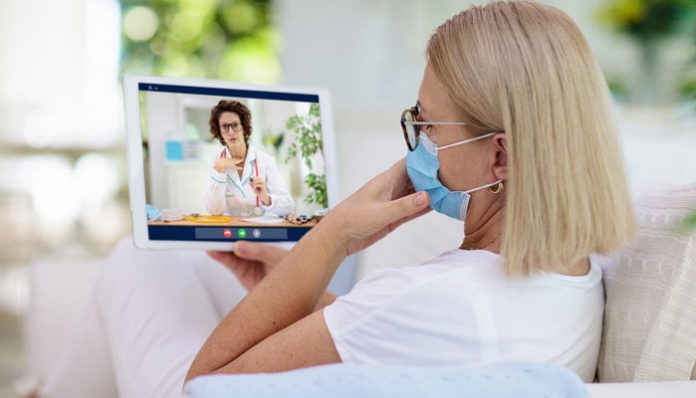
According to Dr. Son Hall, editor-in-chief of the Australian Health Review, all through the COVID-19 outbreak, their capacity to quickly adopt digital health technologies like telehealth has been a real game-changer in their response to such a global health disaster.

The peer-reviewed journal Australian Health Review, published by the Australian Healthcare and Hospital Association (AHHA), was released this month, and it delves deeply into how the pandemic response in Australia was affected by the quick adoption of digital health technologies. It also looks at how this has affected and is still affecting the availability of general practise and other crucial medical services.

As Dr. Hall notes, telehealth and other digital health technologies have made it possible for the health system to care for patients in their homes during lockdowns while lessening demand on resources and staff and reducing unwanted spread in the community.

There has also been a change in the workforce as many health professionals are keen to transition to working in this new digital area after being overworked and suffering from fatigue in the run-up to and during the pandemic.

Prof. Claire Jackson AM of the University of Queensland reiterated this in a policy reflection, noting the need to endorse and mainframe the exciting breakthroughs in telehealth and workforce advancement that have taken place over the past two years and expand them to whole of system and workforce re-design.

This issue’s research focuses on practical case studies of digital health adoption and the lessons learned, with topics like COVID testing at home, hospital pandemic preparedness, and how electronic health records may support future research. The use of digital health records has grown significantly over the past few years, which has improved collaboration between teams of healthcare providers and raised the potential effect of data analysis. The case study by University of Sydney academics emphasises the significance of having robust frameworks and standards in place for how new developments in digital health data might be used in the future.

A more patient-centered healthcare system can be developed as a result of further developments in digital health technologies, which will also help them react to COVID-19 in the community. One that can deliver flexible care that assesses the results that matter to patients while also supporting and relieving the overworked personnel makes the difference. Leveraging the opportunity is what it’s all about.

Translate »