














Close
Digital Health & Ai Innovation summit 2026
Medical Taiwan 2026

Stay Happy and Healthy During Your Pregnancy With These Effective Tips

Stay Happy and Healthy During Your Pregnancy

Pregnancy is a time of great change for a woman – both physically and emotionally. It can be difficult to stay happy and healthy during this time, but with the right tips, it is possible! In this blog post, we will discuss some effective ways to stay happy and healthy during your pregnancy. So, if you want to ensure a healthy and happy pregnancy, be sure to read on!

1. Get plenty of rest

One of the most important things you can do for your health during pregnancy is to get plenty of rest. Your body is going through a lot of changes and it needs all the rest it can get! Be sure to get at least eight hours of sleep every night, and take naps during the day if you need to. This can be easier said than done, of course. Pregnancy can make it difficult to fall asleep and stay asleep. But there are things you can do to help yourself get the rest you need. Establish a bedtime routine that helps you wind down for sleep, avoid caffeine in the afternoon and evening, and try not to go to bed too full or too hungry. You can also visit some motherhood websites to be more prepared and get more tips like these. They can be a great resource for everything from sleep tips to labor and delivery advice.

2. Eat healthily

Another important way to stay happy and healthy during your pregnancy is to eat healthily. This means eating plenty of fruits, vegetables, whole grains, and lean proteins. It also means avoiding processed foods, sugary drinks, and excessive amounts of caffeine. Eating healthy will not only help you stay physically healthy during pregnancy, but it can also help improve your mood and energy levels. So be sure to make healthy eating a priority. You can also talk to your doctor or a registered dietitian if you have any questions about what to eat during pregnancy.

3. Do light yoga or stretching exercises

Staying active during pregnancy is important for your physical and mental health. But you don’t have to go overboard with your workouts. Light yoga or stretching exercises are a great way to stay active without putting too much strain on your body. And they can also help reduce stress and improve your mood. There are plenty of yoga and stretching classes specifically for pregnant women, so be sure to look into them in your area. You can also find online videos or apps if you prefer to exercise at home. They can be a great way to get in some light activity when you don’t have the time or energy for a more strenuous workout.

4. Take time for yourself

Pregnancy can be a stressful time, so it’s important to take some time for yourself every day. This can mean taking a relaxing bath, reading your favorite book, or just taking a few deep breaths. Whatever helps you relax and de-stress, be sure to make time for it in your schedule. You can also talk to your partner or friends about how you’re feeling and ask for their support. It’s important to have a strong support system during pregnancy, so don’t hesitate to reach out to the people in your life who will be there for you. 

5. Wear comfortable shoes and clothes

Your body is going through a lot of changes during pregnancy, so it’s important to wear comfortable shoes and clothes. This doesn’t mean you have to sacrifice style, though! There are plenty of fashionable and comfortable clothing options for pregnant women these days. So be sure to take some time to find clothes that make you feel good and look great. This can help boost your confidence and mood during pregnancy. You can look online for some great pregnancy fashion finds or ask your friends or family for recommendations.

6. Get a prenatal massage

Prenatal massages are a great way to relax and de-stress during pregnancy. They can also help relieve some of the common discomforts of pregnancy, like back pain and fatigue. If you’re interested in getting a prenatal massage, be sure to ask your doctor if it’s safe for you. You can also look for a qualified massage therapist who has experience working with pregnant women. Prenatal massages can be a great way to pamper yourself and take care of your body during pregnancy.

Following these simple tips should help you stay happy and healthy during your pregnancy! Just remember to listen to your body and do what feels right for you. And if you have any concerns, be sure to speak with your doctor. They can provide guidance and support throughout your pregnancy and help you make the best decisions for your health and wellbeing. Good luck!

4 Practices for a Healthy Lifestyle

4 Practices for a Healthy Lifestyle

There are a lot of things that are out of our direct control and can’t change, such as our environment and genes. However, that doesn’t necessarily mean that you can do nothing to maintain a healthy lifestyle. By being intentional and informed about your diet, sleep, and activities, you can significantly reduce any risks to your health. You might even increase your longevity. To that end, here are some practices that can help you promote health and well-being.

1. Get enough rest

With all of our daily responsibilities, it’s easy to take ourselves for granted and miss out on getting enough sleep. However, it’s vital that you don’t. Much like exercise and diet, there’s a strong link between life expectancy and sleep. What most people fail to realize is that the relationship between the two is U-shaped. What this means is that your lifespan can be affected if you sleep too much or too little.

Having enough sleep is essential to a healthy life. Not only will it recharge your body but also your mind. It also aids in cell repair and ridding our bodies of waste. Moreover, it can help us focus more. Sleep deprivation can lead to forgetfulness.

2. Do research

Self-medicating has become normal in this day and age, especially for those who have busy schedules. While it’s never a good idea to do it, there are times when it becomes an unavoidable reality. So in situations where you’re unable to visit a healthcare professional, do a bit of research before buying medication and wellness products. Doing so will guide you to the ideal options that are safe and inexpensive.

For example, if you’re looking for topical creams to alleviate pain, taking the time to research should lead you to more natural and effective products like turmeric and CBD creams. Click here for a turmeric relief cream that has a wide range of potential health benefits.

3. Engage in physical activity

By now, everyone knows that a sedentary lifestyle is unhealthy. Therefore, it’s vital to engage in physical activity daily. A hectic schedule isn’t an excuse either; even an hour of light exercise can keep you healthy and reduce your risks of developing health-related conditions. It can even aid in cognitive functioning. Moreover, it’s an inexpensive way to remain healthy. Engaging in basic tasks like walking, washing windows, mowing the lawn, and others are often more than enough.

4. Adopt a balanced diet

Nutrition is possibly the most critical aspect of a healthy lifestyle. Beyond giving us the energy that we need to fulfill our daily obligations, eating well can also make us less susceptible to certain illnesses and conditions. And you don’t have to take out entire food groups from the equation either. You’ll benefit from better nutrition by lessening your consumption of meat products and increasing fruit and vegetable portions every meal.

Conclusion

Living a healthy lifestyle might appear like a daunting proposition, but it’s much simpler than people realize. So follow the tips above and begin your journey to a healthier life now.

How To Manage Risks During Drug Withdrawal

Manage Risks During Drug Withdrawal

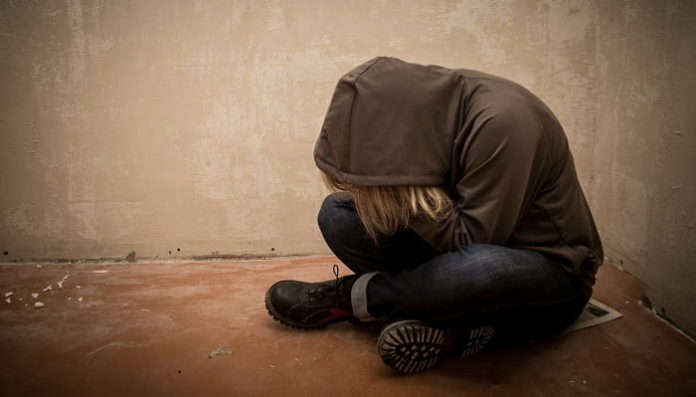
When you stop using or limit your intake of drugs or substances like alcohol, you go through mental and physical effects that are hard to deal with, including shakiness and tremors. Muscle pain, fatigue, sweating, and sleeping difficulties are other symptoms of drug withdrawal.

There are even risks that make drug withdrawal dangerous:

  • Seizures
  • Delirium
  • Violence toward others and self-harm
  • Relapse
  • Mental disorders, such as anxiety and depression
  • Physical ailments, like fits
  • Hallucinations

The kind of symptoms and their severity you undergo depend on the type of drug you used and how long you were taking it. For example, if you were addicted to heroin and you stopped using it, you’re more likely to have intense withdrawal symptoms, such as depression, muscle spasms, and abdominal pain.

Dealing with drug withdrawal is a mentally, emotionally, and physically draining experience that you can overcome with support from loved ones and a strong will. Here are some ways to manage risks during drug withdrawal.

  1. Visit Rehab

Rehabilitation centers offer programs that help you fight drug withdrawal. Rehab programs usually include extensive therapy. Therapy focuses on addressing drug-seeking behaviors, teaching effective coping mechanisms, and developing relapse prevention skills.

For example, during rehab therapy with a professional, you discuss how the problem began and what you’ve experienced. You’ll be able to figure out the reasons behind your addictions and resolve those issues, so you can finally overcome addictive behaviors.

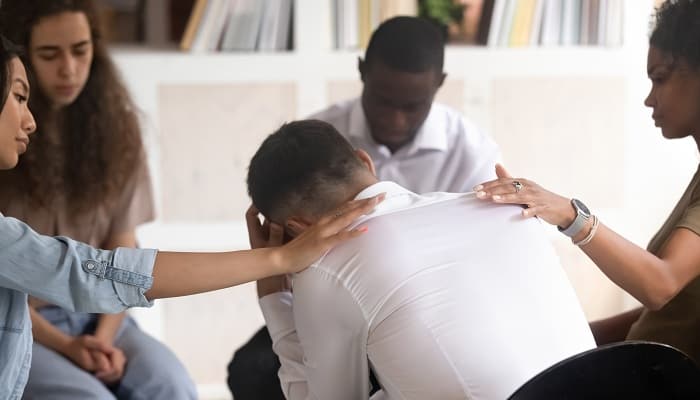
Another type of therapy is group therapy. It lets you interact with others who are also recovering from addiction. Knowing that you aren’t alone in your struggles gives you the strength and courage to fight.

Even individual therapy is just as effective. Through self-analysis, you determine when you started using the substance and what made you begin to misuse it. Aside from understanding the problem, you learn what triggers your drug use and how to deal with them to protect yourself from a relapse.

Detox is part of rehab as well. It involves removing addictive substances from your body. In most cases, medication is provided to ease withdrawal symptoms caused by certain drugs, like prescription opioid drugs and heroin.

If you’re considering rehab, you can visit a helpful site or check other online sources to find the right treatment center.

  1. Seek Support

Rehab isn’t the only place where you can find support. Surround yourself with people you trust, like friends or family. There will be times when you crave drugs or feel sick with fever, nausea, or fatigue. You can count on your loved ones to take care of you well, cheer you on, comfort you, and remind you that you’re stronger than you think.

  1. Engage In Fulfilling Activities

Depending on the symptoms you’re dealing with, you can engage in fulfilling activities that will keep you from harming yourself. The following are some activities you can consider:

  • Walking in Nature

Walking in nature isn’t just good for your mind but also your body. It allows you to relax and makes you feel happy. As you take a walk, you focus on the present and appreciate your surroundings. You start to remember what’s most important to you, no longer overthinking the past or worrying about the future.

You can go for a stroll in the park or hike. Explore the great outdoors, enjoy the feeling of the sun’s rays on your skin, and breathe in the fresh, crisp air.

  • Meditation

Meditation is an art you can learn to calm your mind and think positively. Furthermore, it can help you understand your pain.

There are different ways to meditate. A simple method is to take a seat in a place that’s quiet and comfortable, like your room. You can sit on a chair or on the floor, close your eyes, and feel your breath. If your mind wanders, follow the sensation of your breath again. Be kind to yourself—don’t punish or judge yourself for the thoughts that entered your mind. Just return to the present and open your eyes when you’re ready. Then take in your surroundings and check your emotions and thoughts, as well as how your body feels.

  • Journaling

Just like nature walks and meditation, journaling is a relaxing activity. Write down your thoughts and feelings to clear your mind. How are you feeling at that moment physically, mentally and emotionally? As you reflect on your thoughts and emotions, you’ll feel more at ease.

Plus, you’ll gain confidence since you can track your progress with a journal. Looking at how far you’ve come will instill a sense of pride.

  1. Consume Positive Content

Listen to podcasts or read blogs. By gathering information, you’ll develop a better understanding of the struggles you face and feel motivated to overcome them.

Conclusion

Dealing with the risks of drug withdrawal is difficult, but you can manage them effectively with a strong support system. You just need to be willing to address your problems. Once you face them, you’ll be able to move on, live a healthier and happier life, and be the best version of yourself.

US CDC Tests 6 For Rare Monkeypox, Says Public Need Not Worry

Rare Monkeypox

The US Centers for Disease Control and Prevention is keeping a watchful eye on recent monkeypox outbreaks around the world, as well as probable cases in the United States. It is currently monitoring six people in the United States for probable monkeypox infections after they sat next to an infected passenger who had symptoms on a trip from Nigeria to the UK in early May.

Separately, the CDC is looking into a case of monkeypox that was just confirmed in a person in Massachusetts who had recently gone to Canada. A suspected illness is being investigated by the New York City Health Department in a patient at Bellevue Hospital too. 

The preliminary tests will be conducted by the Health Department’s Public Health Lab, and if positive, they will be forwarded to the US Centers for Disease Control and Prevention for proper validation, the authorities said in a press release.

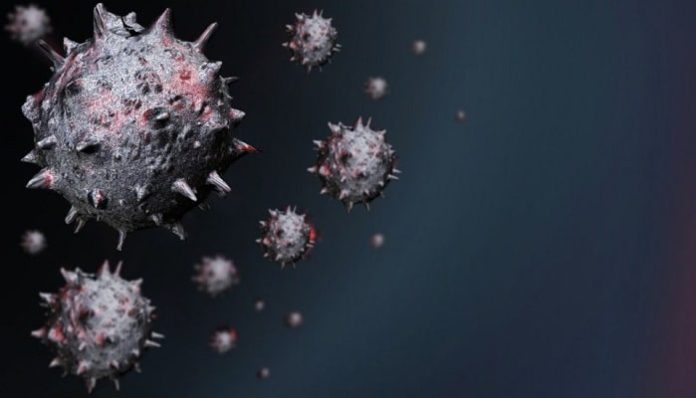
Meanwhile, fresh monkeypox illnesses have been discovered in Canada, the United Kingdom, Italy, Northern Ireland, and Spain, among other places where the virus is not commonly found. From a scientific standpoint, authorities are concerned since this is such an unusual situation. Monkeypox is ordinarily only reported in West Africa or Central Africa, and one doesn’t see it in the United States or Europe — and the number of cases reported is significantly higher than normal, Jennifer McQuiston, deputy director of the CDC’s National Center for Emerging and Zoonotic Infectious Diseases Division of High Consequence Pathogens and Pathology, confirmed to a media network. 

Simultaneously, there aren’t that many instances being reported — perhaps a dozen or a couple dozen — so the general public shouldn’t be concerned that they’re in danger of monkeypox right now, she said. The authorities are in the middle of the investigation. There are folks who are constantly being screened for infections, CDC spokesman Christine Pearson confirmed. That means that if someone has been subjected to a pathogen, their health will be monitored, and if they develop symptoms, they should consult a doctor.

The six individuals being monitored for possible monkeypox are all fit, without symptoms, and are deemed to be at minimal risk for monkeypox, according to Pearson, who also noted that none of them were seated adjacent to the unwell passenger and had no direct contact.

As the CDC’s inquiry proceeds, immunizations have become a topic of conversation.

Smallpox vaccine Is being discussed and evaluated by the CDC

According to McQuiston, CDC authorities are reviewing whether the smallpox vaccine must be administered to healthcare personnel who treat monkeypox patients and anyone who may be at “high risk” of monkeypox infection. She said if giving smallpox vaccine makes sense in the current situation, it’s obviously something that’s being discussed and evaluated. 

Both the variola virus that causes smallpox and the monkeypox virus are members of the Orthopoxvirus genus, which belongs to the scientific family of “pox” viruses. As a result, immunizations used to prevent smallpox have also been found to protect against monkeypox. Despite the fact that the viruses are related, monkeypox is less infectious and produces less severe disease than smallpox.

They have vaccinations that are stored and ready to use, and if they are deemed necessary to assist control this outbreak, they will be utilised, McQuiston said.

They would say they are still in the early stages of figuring out what’s causing this outbreak — and the fact that cases have been recorded in multiple locations around the world shows it’s been happening for a few weeks, she added. As investigations are finished, they will be able to make much better recommendations for people.

According to the CDC, monkeypox is a rare viral disease in the United States, and the virus does not happen naturally in the country. Nevertheless, incidences have been linked to international travel or the importation of animals from places where the virus is more prevalent. Human-to-human transmission of monkeypox can occur when an individual comes into direct contact with the virus through big respiratory droplets, body fluids, or skin lesions after the virus has jumped from an animal to a human.

Fever, headaches, muscle aches, and swollen lymph nodes are some of the symptoms of monkeypox. The condition is known for causing lesions and rashes all over the body, especially on the palms of the hands and soles of the feet.

One needs to examine and respond from a public health standpoint, and he believes the general public should just be aware of this. But there certainly no reason to panic, and it is highly improbable that one can expect any sort of huge outbreak of this. And if one hasn’t had any interaction in Massachusetts and is not linked to the individual who had the disease or in that link at all, the risk of contracting monkeypox is extremely minimal.

A mystery about monkeypox

Physicians in Massachusetts have been treating the US monkeypox patient at a dedicated pathogen centre within Massachusetts General Hospital, where he was originally diagnosed, with the same personal protective equipment they use for COVID-19 patients.

Dr. Erica Shenoy, from Massachusetts General Hospital, confirmed that the patient was undergoing a checkup related to symptoms and that the infectious diseases physician seeing the patient, after learning about some of the instances in the United Kingdom, decided that the patient may potentially have monkeypox.

Then they talked to the state’s public health professionals. They passed the testing conditions, according to the decision, Shenoy explained. The patient had a favourable result.

They believe there is no clear risk to the general population at this time, Shenoy remarked. This is a developing scenario that one is trying to better understand why these clusters, which have also been observed in the UK, Portugal, and Spain, are developing, and to better understand the epidemiology.

Many of the monkeypox cases have been detected in men who have sex with men in both the United Kingdom and Canada, although the virus is not normally classified as sexually transmitted, and research into these latest instances is ongoing. Dr. Vivek Murthy, the US Surgeon General, stated that people should not be concerned about monkeypox at this time, but that they should be aware of the symptoms and when to seek medical treatment.

When monkeypox does crop up, it should be regarded as a serious one, one that they should explore, Murthy said, and they have got to make sure that they understand if and how it moving from individual to individual. He did confirm that the symptoms are comparable to the flu. The good news is that they currently have one confirmed case. However, one must continually be on the alert for new cases, he stated. They don’t really want people to be concerned at this time. Again, these numbers are very modest, so individuals need to be aware of these signs and to contact their doctor when they have any concerns. 

How Sober Living Homes in Orange County, CA. Are Helping Patients Transition Back into Society After Treatment

How Sober Living Homes in Orange County

The transition back to everyday life can be intimidating for those recovering from addiction. Still, thankfully Sober Living homes in Orange County, CA., are helping patients transition back into society after treatment. The family wants their loved ones back home, but the client must learn the necessary strategies to manage triggers better. At Northbound, they believe with the right care; anyone can successfully recover from addiction and maintain sobriety.

The Goal of Sober Living Homes

Sober living homes aim to provide a safe environment for clients to perfect the lessons they have learned throughout their treatment. Sometimes going back home and being in the same situation can damage recovery. For some having the opportunity to live in a Sober Living home can mean the difference between success and failure. Clients living in the sober living homes are required to Remain free of any mind-altering drugs- Including but not limited to:

  • Alcohol
  • Opioids
  • Marijuana
  • Heroin

Get regular drug testing

Daily life at Sober Living Homes

Clients are responsible for themselves at sober living homes and are held accountable for their actions. Clients living in sober living homes must complete certain chores and tasks and participate in outpatient treatment or therapy at an approved addiction treatment center like Northbound. Unlike the inpatient treatment, they were getting sober, living in homes allows clients to come and go as they please. There is still a curfew, but this gives them a sense of independence.
Some of these activities may include:

  • Working
  • Attending school
  • Seeking work
  • Participation in volunteer work

Most clients stay for 90 days, but arrangements can be made if more time is needed.

Sober Living Homes can ease the strain on families

Families can feel pressured to constantly watch their loved ones to ensure they don’t have a relapse, and this can cause tension between family members and harm that person’s recovery. One of the biggest benefits of sober living homes is that if a relapse does occur, it can be quickly identified, and the right steps are made to get them back on track.

Finding a Sober Living Home

Even though Northbound Treatment Center doesn’t offer a sober living home in their facility, they strongly believe in its effectiveness. They are committed to helping their clients find the perfect home for them. Northbound is grateful to be partnered with many high-quality sober living homes in California and throughout the county. One of them is the Recovery and Wellness (RAW) Sober Living.

Recovery and Wellness (RAW) understands what you are going through. They, too, have all been through the struggle of addiction and alcoholism, so you can rest assured you are in good hands.

The staff at Northbound know how hard you have worked, and they want to see you succeed. Thanks to the Sober living homes in Orange County, CA., clients can take what they have learned in treatment and gain the confidence they need to continue the life they always dreamed about free from addiction. If you or a loved one is interested in a Sober Living home or wants more information, please don’t hesitate to call us at (866) 311-0003.

Nursing Home Abuse and Negligence: Types, Causes, and Solutions

4 Steps to Prove a Nursing Home Abuse or Neglect Claim

What is Nursing Home Abuse/Neglect?

Emotional, physical, sexual, and verbal abuse that occurs in a nursing home is referred to as nursing home abuse. The majority of nursing home abuse victims are elderly women, although elderly men and other nursing home residents can be victims of abuse. When this type of abuse towards the elderly occurs outside of a nursing home or assisted living facility, it’s simply known as elder abuse.

Negligence occurs in a nursing home when a patient’s needs aren’t taken care of. This indirect type of abuse can result in physical injuries and even death. Here’s what you need to know about nursing home abuse and negligence.

Types of Nursing Home Abuse and Negligence

Bed Sores

Also known as pressure ulcers or pressure sores, bed sores are lesions that form on the skin when too much pressure has been put on the area. This typically occurs on nursing home patients who have been left in their beds for too long, so bed sores usually form on the buttocks, heels, knees, and elbows.

Choking

People over the age of 65 are at a higher risk of choking than toddlers and young children. Tooth loss and fatigue from chewing contribute to this increased risk, plus many people are more vigilant when it comes to preventing children from choking than senior citizens. Choking in the elderly can be prevented if people can be just as vigilant as they are for children. When a choking incident occurs in a nursing home, it’s often the result of neglect.

Drops and Falls

Patients with limited mobility are at risk for being dropped when being transferred from one place to another. This can easily be prevented when proper protocols are followed, but this isn’t always the case.

Drops are caused by nursing home staff, but falls aren’t always. The elderly population in general is at a higher risk of falls and serious injuries or deaths resulting from these falls. However, the staff can still be at fault if the falls was the result of poor supervision, slippery surfaces, or poor lighting.

Medication Errors

Nursing homes are still the best place for those in need of round-the-clock care, and that means that many patients are going to require certain medications— and some patients can end up receiving the wrong medication. However, medication errors include more than just giving a patient the wrong medication. It can also mean:

  • Giving medication at the wrong time
  • Giving too much or too little medication
  • Giving the wrong combination of medication (drug interaction)

Sometimes a medication error has no negative effects, but other times a medication error results in death. Either way, this is considered negligence or even abuse.

Wrongful Death

Any of these incidents listed above can end in the death of a patient. All of these incidents are preventable, so nursing home staff must be held responsible for the death of a patient resulting from one of these incidents.

What Causes this Abuse and Negligence?

Nursing home abuse and negligence is rarely a premeditated event in which a staff member plans on intentionally harming a patient. Instead, it’s often an “in the moment” occurrence resulting from stress and frustration. This psychological distress is often brought on by the stressful nature of the job, plus long working hours and low pay. Other factors that may contribute to this include understaffed nursing homes and poorly trained staff members.

Solving the Nursing Home Abuse/Neglect Problem

The key to preventing nursing home abuse and neglect is to solve the problems that contribute to it. Nursing home staff are stressed and frustrated from the nature of the job, but any job in healthcare and caregiving comes with this stress. What shouldn’t be “the nature of the job” is understaffed centers and poorly trained employees. This leads to longer working hours, more burnout, and more room for errors to be made.

Other solutions to help decrease the occurrence of nursing home abuse and neglect include:

  • Getting the families of nursing home patients more involved
  • More accountability from the staff
  • More oversight

Ultimately, the nursing home staff is responsible for their actions. However, if something can be done to make operations in a nursing home run more smoothly, then it should be done. People at all levels (staff, management, and the loved ones of the patients) should all make an effort to work together to ensure that nursing home abuse and negligence is completely eliminated.

The 3 Mental Health Management Mistakes To Avoid

Boost Your Mental Health The Easy Way - Our Top Tips

As we emerge from the pandemic and start to get our collective lives back to some sort of normalcy, the focus is being put on mental health. Managing your mental health has always been a challenge but now it is even more difficult after how tough times have been the last few years and continue to be.

It is always challenging to take the time to manage one’s mental health but it is essential to do so now. The problem is that sometimes mistakes are made that set your mental health progress back a bit. In this article, we will go over several mental health management mistakes you could already be making and how to avoid them.

1. Doomscrolling

Early on during the Covid-19 pandemic, it was important to stay abreast of what was happening. There was a lot of uncertainty and it made sense to read a lot and watch the news. You needed to understand the difference between a PCR vs rapid test, for example.

The problem is that there is a point in which staying informed becomes doomscrolling. It has become a habit for many people since there seems to be no end to Covid and other tragic world events seem to keep happening that cause anxiety.

This constant consumption of bad news leads to some very poor mental health. Despite your best efforts, you are likely regressing even though you are otherwise doing a great job at managing your mental health. It’s almost like drinking soda after a workout and not making any progress as a result.

At this point, you need to put the phone down and stop looking for bad news. This is a good time to try to enjoy life again and reading those headlines isn’t helping.

2. You’re not sleeping enough

Sleep is so essential to mental and physical health and yet it is widely regarded as a waste of time. To properly care for yourself you have to be getting enough sleep. When you don’t sleep, you are not allowing your body to heal itself from the stress you’ve put it under. The same goes for your mind.

It’s really important to get enough sleep to be able to fend off anxiety, for example. Make sure to maintain proper sleep hygiene by doing certain bedtime routines to make sure you are asleep on time and get plenty of rest.

3. You don’t take breaks

Part of resting your brain isn’t just about getting enough sleep. It also means taking a break from work, and other responsibilities to give your mind a rest from thinking about important things all day.

Vacations are not something to feel guilty about as they are essential to staying mentally healthy. If you aren’t taking vacations or otherwise doing something different from your normal routine then you will have a hard time managing your mental health as you will get burnt out. Taking a short walk during the work day will also help you give your brain a break.

What to Try Before Getting Medical Online Loans & Cash Advances

What to Try Before Getting Medical Online Loans & Cash Advances

You’re working out and eating well when all of a sudden, you catch a cold, and it turns into a nasty case of bronchitis. Although you try good old-fashioned rest with over-the-counter medicine, you just can’t seem to shake it. You’re going to have to see a doctor.

An unexpected trip to the clinic is expensive, and it’s usually made worse by tests, lab fees, and prescription medicine. How will you afford everything without insurance?

If you’re scrolling through online loans and cash advances on your phone, keep reading. While loans by phone are a financial safety net in emergencies, there are other ways to handle your unexpected bill.

Should You Take out an Online Loan or Cash Advance?

When you’re strapped for cash, borrowing an online loan provides backup to a budget that can’t handle an unexpected expense. This is how it works: You’ll pay as much of your medical bill as you can out of pocket, then use your online loan to fill in the rest.

Online loans are convenient in medical emergencies because you won’t have to go inperson to apply. You can even find, apply for, and receive loans over the phone while sitting in the waiting room.

But like any personal loan, loans over the phone come at a cost. You’ll pay interest on your principal plus other fees.

At the end of the day, you’re paying even more for your treatment this way. Considering their cost, a loan by phone is a safety net when all other options fall through.

3 Tips to Try Before Borrowing Loans Online

With a loan by phone as a last resort, what are the options that don’t include borrowing? Try these tips to help you see a doctor, purchase medication, or get an essential test.

1. Find an Affordable Healthcare Provider

Where you get your medical attention can have a big impact on the final cost you pay. While emergency rooms and private practices may apply the highest prices, you can find cheaper care from community clinics, walks-in, and urgent care centers.

If you aren’t in an accident or experiencing a life-threatening emergency, you have time to shop around before making an appointment. Call individual centers about their pricing, and don’t be shy about checking out virtual healthcare providers.

Another great resource is the Free Clinics website. All you have to do is share your zip code to find a local healthcare provider who provides medical care on a sliding scale.

2. Talk to Your Provider About Options

Talk to your doctor and their administrative staff about your financial situation. While they don’t need details, there’s no shame in telling them you’re on a budget. Having this conversation can be empowering for many reasons.

  • Your doctor will know upfront to prescribe you generic drugs
  • The administrative staff can give you a detailed pricing list before you agree to extra tests

This discussion also opens the door for other conversations about payment plans. Inquire about whether the walk-in clinic offers financial assistance. These plans typically give you more time to pay off what you owe in smaller chunks. However, like loans by phone, they may also come with interest, fees, and other charges.

3. Negotiate Your Bills

Everything is open to negotiation, even your medical expenses. Some providers will reduce what you owe if you can pay off the (discounted) amount in full right away.

But first, you’ll want to research what most people pay for the kind of care you receive on Healthcare Bluebook. You’ll be in a better position to know what you can ask for successfully.

Medical debt is a real problem in the US. Follow these tips to limit how much you take on the next time you need care.

Getting the Best Nontraditional Healthcare Jobs

Are you looking for a way to break into the alternative healthcare industry? If so, there’s good news. As non-traditional treatment methods are becoming more popular with patients, and with major insurance carriers now offering to sometimes reimburse for things like acupuncture, massage therapy, and structural integration, the demand for jobs in alternative health is higher than ever.

But there’s one catch when trying to unlock the healthcare growth mindset in that nearly every entry-level position in the burgeoning industry requires at least one specialized training course. Some, like massage therapy, can be pricey and take up to a year to complete. Whether you intend to study massage, acupuncture, structural integration, or something else, it’s imperative to deal with paying for tuition and training upfront. Here are some suggestions for anyone who wants to build a long-term career in the alt-health field.

Paying the Bills

Health education is not free, even when it’s the non-traditional kind. Fortunately, prospective students can take out loans to cover as much of the cost as they wish. That’s just one of the many reasons private student loans are the top choice for professional adults who don’t have enough money in savings accounts to pay all the education bills. Loans are doubly important for people who pursue careers in the health field. Coursework can be strenuous both mentally and physically. So, worrying about how to pay for next semester’s tuition only gets in the way of learning the academic and practical lessons you need to focus on. It doesn’t matter how long the program is. What’s important is that you devote all your mental energy to studying during the program.

Massage Therapist

Massage therapy courses can take about six months of full-time study. They typically include classes in anatomy, physiology, business, and advertising. Nearly all training programs for therapists finish off with clinical work in which soon-to-graduate students offer their services to the public under the supervision of licensed practitioners and instructors. After obtaining a credential, most professional massage therapists work either as independent contractors or for one of the large organizations that offer bodywork services in malls and freestanding clinics in multiple locations. Experienced, hard-working therapists can earn an excellent income.

Acupuncturist

In most jurisdictions, acupuncturists train for four years in a private school. The coursework is rigorous and includes heavy doses of anatomy, physiology, science, biology, and Eastern forms of alternative healthcare. After the first year of formal classroom study, candidates for graduation work alongside licensed acupuncture experts in clinics and private practices. Because the program of study is lengthy and costly, there is not as much competition in the marketplace as there is in fields like massage therapy, hypnosis, reiki, and other alt-medicine areas. Most licensed graduates of acupuncture schools are set up as independent medical professionals in storefront offices and medical complexes.

Structural IntegrationPractitioner

What used to go by the name rolfing is now called structural integration. The practice helps patients align their bodies in a more efficient way in an attempt to eliminate pain and other biomechanical problems. Courses last about two years and allow graduates to set up independent practices. Structural integration experienced a surge of interest in the 1970s and is undergoing a growth phase in the 2020s.

Phoenix Controls Launches Theris™ Flex Venturi Valve to Support Air Quality in Healthcare Facilities

Phoenix Controls Launches Theris™ Flex Venturi Valve to Support Air Quality in Healthcare Facilities

Phoenix Controls, a leader in precision airflow control solutions for critical environments, announced the launch of the Theris™ Flex venturi valves to support healthcare facilities control directional airflow with high precision. The new Phoenix Controls’ Theris Flex venturi valve is designed to help healthcare facilities use directional airflow and pressurization to control airflow based on a space’s demands – limiting the spread of airborne pathogens, improving indoor air quality (IAQ) and increasing room-state flexibility.

The valve, an expansion of the Theris Airflow Control family, offers a versatile, cost-effective way to introduce pressurization and directional airflow into sensitive spaces where such capabilities may have previously seemed cost prohibitive. The consistent directional airflow created by the valve can minimize dead zones of stagnant air, reducing the risk of cross-contamination from pathogens and pollutants. In addition, healthcare facilities equipped with the precision of the Theris Flex venturi valve can see a reduction in energy consumption from a lower air volume without compromising room pressurization needs.

The valve is ideal for a wide variety of specialized spaces and applications, such as healthy building initiatives, patient rooms, pandemic readiness, ER departments, procedure rooms and imaging spaces.

Phoenix Controls Theris Flex venturi valves can also perform to meet the ever-growing needs of isolation spaces requiring negative pressure. The onboard controller can be programmed to change room pressurization from neutral to negative pressure in response to containment or the isolation needs of any pandemic situation.

“Today’s healthcare facilities are faced with tremendous pressure to provide the safest environment possible while keeping flexibility in mind to prepare for the demands of the future,” said David Gagnon general manager, Phoenix Controls. “On top of this, today’s patients are more aware of the air they breathe. As a solution, we engineered a valve to combat a hospital’s burgeoning air quality needs and maintain the integrity of patient rooms with dependability and repeatability.”

UF Health Shands Hospital, located in Gainesville, Fla., recently implemented the Theris Flex venturi valve technology to create more accurate and responsive airflow controls. “We knew bringing in the venturi technology would be a great option within our facility and benefit our operational costs while optimizing energy usage throughout the entire hospital,” said Mark Dykes, energy manger, UF Health Shands Hospital. “It afforded us with a cost-effective, mechanically pressure independent product that allows us to better control airflow and pressurization in non-critical spaces like patient rooms.”

Theris Flex venturi valves are designed to meet the demands of non-critical spaces with a cost-competitive factor. The valves are equipped with a high-grade steel spring inside the restrictor that enables them to adjust instantly to static pressure, eliminating the need for positioning, labor or balance to maintain the valves.

Since 1985, Phoenix Controls’ precision airflow control systems have been used in critical environments, such as pharmaceutical companies, universities, hospitals and government research facilities. With a global network of partners to assist with design and space requirements, Phoenix Controls provides a complete system solution.

Translate »