











Close
Digital Health & Ai Innovation summit 2026
Medical Taiwan 2026

NHS And Charity Effort Boosts Prostate Cancer Screenings

NHS Boosts Prostate Cancer Screenings

The NHSย has said recentlyย that a lifesaving awareness campaign has resulted in record numbers of men being screened for prostate cancer. After a campaign started by the NHS and Prostate Cancer UK in February, immediate referrals for urological cancers hit an all-time high in March this year, with approximately 25,000 peopleย tested in just a matter of a month.

NHS Chief Executive Amanda Pritchard hasย commended the initiative, saying that it has already enabled the NHS to detect more instances of prostate cancer and that speaking about cancer helps the NHS save even more lives. In mid-February, the NHS partnered with Prostate Cancer UK to launch a six-week campaign encouraging men to use the charity’s online risk checker in an effort to reduce the number of men beginning prostate treatment for cancer since the pandemic began.

According to the latest NHS numbers, urological cancer referrals climbed by more than a fifth (23%) in March compared to last month and by almost a third (30%) compared to the same month the year before. Prostate cancer symptoms are generally absent in the early stages, but men who are at a greater risk are advised to get checked.

During the six weeks of the campaign, over half a million people evaluated their risk of developing the condition online, with those who were rated as high-risk being invited to visit their GP to be checked out. Since the outbreak, health officials have increased their expenditure on cancer awareness initiatives.

This high-profile prostate campaign was timed to coincide with the launch of a new phase of the NHS’s Help Us Help You campaign, which focused on addressing obstacles like anxiety and fear that very often prevent or delay people from seeking treatment โ€“ with both campaigns showing up on TV, radio, print, social media, as well as billboards. Lives are being saved due to a record-breaking number of men exercising the crucial decision to undergo an NHS cancer check,ย Pritchard said.

According to her, theyย know there is more to be done to spot malignancies sooner. That’s why they areย investing billions to improve screening and therapeutic capacity to serve more patients faster as part of the most comprehensive recovery plan in NHS history.

It might be daunting to tackle challenges, but speaking about cancer can save lives, and it is critical that everyone at higher risk or who has concerns follows in the footsteps of people who have had it. According to research, 56%ย of respondents say cancer is their worst health worry, with 42% admitting they would disregard symptoms, hunt for answers online, or wait until something changed before seeing a doctor.

Prostate cancer, among the most frequently diagnosed tumours, is highly treatable if detected early, so it’s critical that these men are identified as soon as possible before their cancer progresses. According to research, treatment at stages 1 and 2 has a near 100% survival rate, compared to roughly 50% at stage 4. Although most men with early prostate cancer have no symptoms, signs to be aware of include the urge to pee more frequently, poor urine flow, and blood in the urine. The NHS website has a comprehensive list in this regard.

Males are inspired to study more about their risk through the NHS and charity campaigns, which itself is higher in men over 50, black men, and men whose father or brother seemed to have the condition. Prostate cancer may not display signs in its early stages, when it is more easily treatable,ย said Professor Peter Johnson, National Clinical Director for Cancer.ย However, the risks for men are well-researched, so it is crucial for individuals at greater risk to come forward for testing.

By using the Prostate Cancer UK risk checker, which has now been used by over half a million people, oneย will be able to better understand the risk and where to get further information. As always, anyone experiencing symptoms such as difficulty peeing or the desire to pee more frequently should talk to their doctor.

Prostate cancer is the most frequent cancer in males, but the pandemic caused thousands of men to not come forward for diagnosis and, thereby, skip the life-saving treatment, said Chiara De Biase, Director of Support and Influencing at Prostate Cancer in the UK.

They areย delighted that a record number of men have spoken to their GP, because finding and referring these men is essential. However, one can not stop here.ย There is a need to keep the momentum going, so kindly keep spreading the risk checker so that even more guys can understand the risk and what they can do about it, she says.

Thanks to certain wonderful work in raising awareness of the risk factors, many individualsย are coming forward for life-saving urology cancer checks and treatment, said Sajid Javid, Health and Social Care Secretary. Seeking medical care if one has any concernsย could halt the disease and save a life. This summer, they willย unveil a 10-year cancer plan that focuses on early detection and novel treatments, both of which will help them address the COVID backlog. It is the most common cancer in men, with one out of every eight developing it over their lifetime. Men over 50, black men, and those who have a father or brother who has had the disease are all at higher risk.

According to the latest performance review statistics, the NHS had its busiest month ever in terms of total cancer recommendations, with over a quarter of a million individuals examined in March alone, which isย about 40% more than in March 2020. In addition, nearly 30,000 peopleย began cancer treatment, the second highest figure on record. With 28,881 people starting therapy, this is just second to March 2020.

After using Prostate Cancer UK’s risk checker, Nick Lambert, 70, Newcastle residentย was diagnosed with prostate cancer in 2020. He chose to take the risk checker after seeing it in the footer of his friend Mark’s emails on a daily basis,ย Nick confirmed. He said his father and uncle both had prostate cancer, so after using it, he went to his GP, who recommended him for a blood test, which is how he learned of having prostate cancer.

It is indeed encouraging to hear that so many other men are learning about their prostate cancer risk and speaking with their doctors about it. Allย oneย needsย to do isย keep shouting about it and assist more men in doing the same so that they can be diagnosed as soon as possible. Local teams are working around the country to implement initiatives much like testing centres, mobile clinics, and cancer symptom hotlines, ensuring that people are appropriately identified as soon as possible so they have the best chance of beating the disease.

The London-based Royal Marsden NHS Foundation Trust has partnered up with RM Partners West London Cancer Alliance as well as the Institute of Cancer Research to launch the “Man Van” programme, which offers free health checks and encourages early detection of prostate and other urological cancers. The van has already toured workplaces and churches in South West London, focusing on males in their working life, who have worse prostate cancer findings than older men and black men, who have almost twice the risk of getting prostate cancer and a higher risk of dying if diagnosed.


Roche Partners With Global Fund For Diagnostics Capacity

pressreleases - 11428_Roche_GV.jpg

Roche and The Global Fund to Fight AIDS, Tuberculosis, and Malaria are partnering to enhance and boost diagnostic capability and pandemic readiness in low- and middle-income countries to fight HIV and TBย through the Global Access Program.

TB affects approximately 2 billion people worldwide, with LMICs accounting for 95%ย of TB deaths. Over 6 million people living with HIV are undiagnosed worldwide, out of a total of more than 37 million. Many HIV and TB programmes have been interrupted by the COVID-19 pandemic, with HIV testing rates decreasing by 22% and an additional 100 000 tuberculosis deathsย in LMICs by 2020. Roche and the Global Fund have partnered to improve HIV and tuberculosis identification in low- and middle-income countries by strengthening their ability to address key infrastructural concerns such as collecting and distributing diagnostic findings and controlling healthcare waste.

This entails developing efficient processes for collecting, transporting, testing, and returning samples to patients for prompt therapeutic care, as well as overcoming obstacles such as a lack of network access, workforce capacity, road access, and IT systems. The collaboration will also involve creative techniques to reduce the ecological and financial burden of healthcare waste generated throughout the testing process, as well as the disposal of instruments and medical equipment at the end of their useful lives.

Roche is thrilled to engage with the Global Fund and their partners to help nations create crucial testing networks in the global battle against HIV and TB,ย said CEO of Roche Diagnostics,ย Thomas Schinecker. By connecting theirย specialists with key local stakeholders, they hope to assist in the development of long-term solutions that can be expanded across countries, he adds.ย 

Getting individuals tested for HIV and TB is critical for restricting infection and engaging people in treatment, both of which are critical steps in saving lives and eradicating these illnesses as public health hazards,ย said Peter Sands, the Global Fund’s Executive Director. They are excited to work with Roche to extend access to HIV and tuberculosis diagnoses. These efforts will help the world better prepare for future pandemics and boost the combat against such diseases. Roche will first endorse evaluations and application of new technologies and transfer of knowledge in 2 to 3 pilot countries, with the goal of scaling up and expanding support to 10 countries within the next five years, in partnership with the Global Fund, Ministries of Health, and alsoย country-based partners.

The Global Access Program: What is it?

Roche announced its Global Access Program in 2014 to support the UNAIDS 2020 goals for combating the HIV/AIDS epidemic. Since then, the programme has grown to cover treatments for other high-burden diseases such asย hepatitis B and C (HBV and HCV), and human papillomavirus (HPV) (HPV) and tuberculosis (TB). The SARS-CoV-2 test was recently added to the programme in reaction to the COVID-19 outbreak. With an emphasis on investigations and laboratory networks, the programme is aimed at promoting end-to-end, durable, local solutions that build ability and strengthen healthcare systems.

Roche’s commitment to eliminating high-burden infectious diseases for chronic patients in resource-constrained environments with restricted access is reflected in its ongoing development of offerings.

Any laboratory that uses a Roche instrument system can ramp up testing all over multiple disease areas, increasing efficiency while working with limited resources and time. An integrated strategy supports national programmes aimed at expanding diagnostic testing availability to help patients manage or minimise the effect of preventable disease.

The Global Fund’s Background

The Global Fund is a global movement dedicated to ending HIV/AIDS, tuberculosis, and malaria, as well as ensuring a better, safer, and more egalitarian future for all. They raise and invest more than $4 billion per year to combat the world’s worst infectious illnesses, confront the injustice that drives them, and improve healthcare systems across 100 vulnerable countries of the world.

Regarding Roche

Roche is the world’s largest biotechnology firm and the global leader in in-vitro diagnostics. Having been founded in 1896 in Basel, Switzerland, it is the first major industry player in branded medications. The organisation strives for scientific excellence in order to find and develop medications and diagnostics that will improve and save people’s lives all over the world. They are a leader in customised healthcare and want to continue to transform how it is delivered in order to have a greater impact.ย 

Roche has been designated one of the most sustainable firms in the pharmaceutical industry for the thirteenth year in a row by the Dow Jones Sustainability Index, highlighting their commitment to a long-term perspective in everything that they do.ย 

6 Important Things To Know To Prevent Severe Covid-19 Risks

 Prevent Severe Covid-19 Risks

The recent outbreak of Covid-19 has caused a lot of concern throughout the world. This new virus is highly contagious and can cause severe health risks. In this blog post, we will discuss six important things that you need to know to prevent severe risks from this virus. So, if you want to know more, keep on reading!

1. Social distancing

One of the most important things that you can do to prevent severe coronavirus risks is to practice social distancing. This means avoiding close contact with other people, especially if they are sick. You should also avoid crowded places as much as possible. If you must go out in public, make sure to keep a distance of at least six feet from other people. Additionally, you should wash your hands often and avoid touching your face. The covid-19 transmission can occur through droplets from a cough or sneeze, so itโ€™s important to take these precautions. Social distancing is difficult for many people because it goes against our instinct to be social creatures. However, it is important to remember that social distancing is one of the most effective ways to prevent the spread of disease.

2. Wash your hands

Another important thing to do to prevent severe coronavirus risks is to wash your hands often. You should wash your hands for at least 20 seconds, and make sure to scrub all surfaces of your hands, including the backs of your hands, wrists, between your fingers, and under your nails. You should also wash your hands after you have been in public places after you have touched anything that could be contaminated and before you eat. Handwashing is one of the most effective ways to prevent the spread of disease. Additionally, you can use hand sanitizer if soap and water are not available. However, hand sanitizer is not as effective as soap and water at removing dirt and germs. Therefore, itโ€™s important to wash your hands with soap and water whenever possible.

3. Avoid touching your face

Another important thing to do to prevent severe coronavirus risks is to avoid touching your face. This is because the coronavirus can enter your body through your eyes, nose, or mouth. Therefore, itโ€™s important to avoid touching these areas of your face. Additionally, you should avoid close contact with people who are sick. If you must be around someone who is sick, make sure to wear a mask and keep a distance of at least six feet.ย  Touching your face is something that we do unconsciously many times throughout the day. However, itโ€™s important to be aware of this habit and try to break it. This is not always easy, but itโ€™s important to remember that avoiding contact with your face can help prevent the spread of disease.

4. Cover your coughs and sneezes

Another important thing to do to prevent severe coronavirus risks is to cover your coughs and sneezes. This is because the coronavirus can be spread through droplets from a cough or sneeze. Therefore, itโ€™s important to cover your mouth and nose when you cough or sneeze. You can do this by coughing into your elbow or using a tissue to cover your mouth and nose. Additionally, you should wash your hands after you cough or sneeze.ย  Covering your coughs and sneezes is something that we are taught from a young age. However, itโ€™s important to remember that this is still one of the most effective ways to prevent the spread of disease.

5. Stay home if youโ€™re sick

Another important thing to do to prevent severe coronavirus risks is to stay home if youโ€™re sick. This is because you can spread the coronavirus to other people even if you donโ€™t have any symptoms. Therefore, itโ€™s important to stay home and away from other people if you are sick. Additionally, you should call your doctor if you have any symptoms of Covid-19, such as a fever, cough, or shortness of breath. Staying home when youโ€™re sick is not always easy, but itโ€™s important to remember that this is one of the most effective ways to prevent the spread of disease.

6. Get vaccinated

Another important thing to do to prevent coronavirus risks is to get vaccinated. The Covid-19 vaccine is very effective at preventing the spread of the disease. Additionally, you should get a flu shot to help prevent the spread of other respiratory illnesses. Getting vaccinated is one of the most important things you can do to prevent the spread of disease. While the coronavirus vaccine is not yet available to everyone, itโ€™s important to remember that getting vaccinated is one of the most effective ways to prevent the spread of the disease.

These are just a few of the most important things to know to prevent severe Covid-19 risks. However, itโ€™s important to remember that there are many other things you can do to help prevent the spread of disease. For example, you can clean and disinfect surfaces in your home, wear a mask when youโ€™re around other people, and avoid large crowds. By taking these precautions, you can help protect yourself and others from dangerous coronavirus risks.

Telehealth Is Safe For High-Risk Pregnancies, Says Study

Porter expands telehealth services to ensure safety of patient and health care providers

Telemedicine can be secure and efficient when it comes to managing high-risk pregnancies, according to a landmark research published in the International of Telemedicine and Telecare. The meta-analysis looked at 12 papers published in English and Turkish between 2016 and 2021 to see how virtual care applications affected maternal and new-born patient outcomes and expenses.

According to the researchers involved, the use of telemedicine apps in the surveillance and treatment of high-risk pregnancies has risen dramatically in prenatal health services as a result of the COVID-19 pandemic. A strong evidence-based assessment of the usefulness of telehealth arose as a result of all this, the researchers added and that and this constituted the framework for the development of the latest research.

WHY DOES IT MATTER?

According to the researchers, roughly 22% of pregnancies are classified as high-risk due to long-term health concerns, infections, past pregnancy difficulties, and perhaps other factors. The researchers are of the opinion that the care of an elevated pregnancy may require a tailored and inventive strategy, and one of these cutting-edge methods is telehealth, which has grown significantly in recent years.

Over the last five years, the research team looked at papers involving telemedicine and high-risk pregnancies from throughout the world. Mobile apps, a web-based platform, and phone conversations were among the interventions. They discovered that telehealth treatments improved maternal and neonatal health and reduced costs. The findings are important because they show that current technologies may be utilised to control high-risk pregnancies.

The telehealth strategy reduced the overall number of face-to-face and ultrasonography visits while raising the quantity of phone nursing follow-ups and overall nurse interventions. Non-stress appointments and those seeking emergency obstetric care were not affected.

Through use of antenatal corticosteroids as well as hypoglycemic medication at delivery, conformance with actual blood glucose measurements, and induction intervention at delivery were all less in the telehealth cohort, but the use of antenatal corticosteroids and hypoglycemic medication at delivery, compliance with actual blood glucose measurement techniques, and induction intervention duringย delivery were all significantly higher. The rates of maternal mortality were also higher. Since this conclusion is based on the findings of just one study in the analysis, the study team concluded, it is evident that far more research is essential. The same may be said about neonatal mortality.

Medical therapy, total gestational weight gain, pregnancy-related health problems, method and side effects of delivery, maternal intensive care admittance, fetal-neonatal development and growth, neonatal health issues and death, follow-ups, and care costs were all similar between the groups. The researchers noted that the results studied included multiple pregnancy risk classes, were collected from several telemedicine apps, and were handled from a broad view that covered mother, foetal, and financial effects, all contributing to its strengths and reinforcing the outcomes.

THE GROWING TREND

To solve the maternal health and mortality crisis in the United States, researchers and innovators have resorted to technology, such as remote health monitoring and other telemedicine services. Other experts have suggested that connectivity is a critical component of meeting maternity care needs.

In a December interview, Mayealie Adams, managing director of government and external affairs at Philips, said that with more data on the crossover between pregnancy outcomes and elevated internet access, theyย can effectively assign theirย broadband resources in such a manner that most efficaciously rewards communities that need them, especially in the area of maternal health.

IN THE BOOKS

The study authors said that the findings of this study, as well as international health organisation suggestions, demonstrate that healthcare practitioners and admins can use telecare as a secure method in the tracking and care of pregnanciesย at high risk, leading to the success of antepartum care services.

At the same time, it may be advised that randomised controlled trials on the impact of telehealth on various risk groups during pregnancy be done. This would lead to significant studies and meta-analysis that would provide greater evidence.

WHO Study Indicates Global Health Gains Despite COVID-19

  • The study highlights COVAX’s delivery of 1.4 billion vaccination doses.
  • It also involves recommending the world’s first malaria vaccine.
  • The WHO’s REPLACE initiative aims to eliminate trans-fats by 2023.
  • About $500 million of PPE has been shipped globally.
  • Trans fatty acids are banned for 3.2 billion people in 58 nations.

Despite the COVID-19 outbreak, WHO’s 2020โ€“2021 Results Report highlights the organization’s major achievements throughout the global health continuum. The report, which was published ahead of the World Health Assembly next week starting on May 23, highlights achievements such as the delivery of over 1.4 billion vaccine doses through the COVAX facility, the referral for widespread use of the world’s 1st malaria vaccine, and WHO’s response to 87 health crises, including COVID-19.

Partnering with 1600 technical and operational collaborators, WHO spearheaded the greatest-ever international response to a health crisis between 2020 and 2021, and helped catalyse the world’s largest, fastest, and most complicated inoculation effort. Necessary supplies for the COVID-19 reaction cost the organisation $1.7 billion.

Despite slashed funds and interrupted services, WHO Director-General Dr Tedros Adhanom Ghebreyesus said that even though WHO responded to theย most serious global health crisis in a century, it actively supported the Member States in tackling many other risks to health. Even as the world reacts to and recovers from the pandemic throughout the coming years, WHO’s aim is to spend even more funds on their work in countries where it counts the most, he concluded. It is critical for WHO to have stable, consistent, and adaptable funding in order to execute its purpose of promoting health, keeping the world safe, and serving the defenseless.

By January 2022, the ACT-A alliance had distributed over 1 billion COVID-19 vaccination dosages. Nearly $500 million in personal protective equipment was sent globally, along with $187 million in oxygen supplies, $4.8 million in therapies, and 110 million diagnostic tests. However, much work has to be done in order for the world to meet WHO’s goal of inoculating 70% of its people by July 2022.

Beyond pandemic-WHO’s performance

Far beyond the pandemic, the results report demonstrates notable accomplishments. For 3.2 billion individuals in 58 countries, mandatory rules restricting the useย of trans fatty acids (a dangerous dietary component linked to cardiovascular disease) have been put in place. Brazil, Peru, Singapore, Turkey, and the United Kingdom are among the 40 countries with best-practice policies. The WHO’s REPLACE effort intends to eliminate trans-fats from the world by the year 2023.

Tobacco usage is declining in 150 countries as a result of steps recommended by the WHO’s Framework Convention on Tobacco Control, saving lives and livelihoods. 15 countries have eliminated HIV and/or syphilis transmission from mother to child as a result of efforts to ramp up life-saving therapies guided by WHO guidelines. Over 1 million children have received the world’s first malaria vaccine (RTS, S), which was recommended by the WHO.

When combined with other malaria control interventions, it is anticipated to prevent 40,000 to 80,000 deaths each year.

Anย advocate for health equity

The report highlights WHO’s critical position as the world’s global health watchdog, advocating for equality in a planet marked by growing disparities. The pandemic’s devastating consequences were felt worldwide. The report depicts a world that is obviously falling behind on critical international health targets. Countries have fallen behind on WHO’s “Triple Billion objectives,” which provide crucial pathways to achieving the Sustainable Development Goals (SDGs) by 2030, owing to several interruptions created by the COVID-19. Universal health coverage and healthier populations are progressing at approximately a fourth of the rate required to meet the SDG’sย by 2030, and no nation was totally prepared for a pandemic of this magnitude.

COVID-19 also caused massive disruptions in health services: 117 of 127 nations examined reported at least one vital health service disruption as a result of COVID, with an average disruption of 45%. The WHO’s ultimate purpose going forward will be to achieve the triple billion targets as a measurable way of closing health equity inequalities.

The relevance of long-term finance

The Results Report outlines WHO’s efforts to improve openness and accountability, as well as expenditure data. The WHO’s programme budget for 2020โ€“2021 was $5,840.4 million. Due to COVID-19 emergency activities, financing totalled $7,916 million. The excess was made possible by the kindness of donors, notably 12 Member States, who gave over 71% of the overall budget. Nonetheless, donors direct the majority of WHO funding through defined voluntary contributions. In 2020-2021, flexible funds accounted for barely 20% of total funding.

The percentage of regular, stable, and predictable finance must increase if WHO is to play its full role in attaining the SDGs, delivering universal health coverage, lowering the burden of disease, and safeguarding 1 billion more individuals from health emergencies.

Chronic and Rare Diseases in countries with evolving healthcare systems – the other health crisis

The impacts of COVID-19 on healthcare systems worldwide

Over the last two years, governments and the global public health community have been โ€˜all hands-on deckโ€™ responding to the COVID-19 pandemic with speed and agility.

As we enter our third year of the pandemic, it is evident some countries have been able to navigate the challenges brought on by Covid-19 better than others, with many optimistic that the end may be in sight.

While many developed countries look set to lift their relevant Covid restrictions, the pandemicโ€™s lingering impact is far from over, particularly in lower-and middle-income countries, many of which were already faced with the challenges of evolving healthcare systems.

The world is learning from this experience and focusing on becoming pandemic proof, but to move forward in a holistic and sustainable manner, there are other critical healthcare issues that we must set our sights on.

While the ongoing impact of Covid-19 differs across countries, a global survey conducted by WHO reports that most countries faced substantial disruptions across major health areas, including cancer, hypertension, diabetes, chronic respiratory disease and immunization. 40% of countries faced difficulties that impacted the availability of and access to quality health services, including for vulnerable people.

Chronic issues are unfolding at an alarming rate โ€“ which is why we need to act now

The pandemic has exposed underlying structural issues and the growing social and economic burden associated with chronic diseases, particularly in countries with evolving healthcare systems.

Chronic diseases, which canโ€™t be spread from one person to another, such as cardiovascular diseases, respiratory diseases and diabetes account for 71% of the global death count, killing 41 million people each year.

77% of these deaths happen in low- and middle- income countries, which often have lower detection, screening, and treatment rates. In addition, limited public awareness of how to treat and manage diseases like these, combined with a lack of resources, equipment, and training amidst Covid-19, means that a chronic diagnosis might be fatal.

Mobilising collective efforts to drive better healthcare outcomes

To support better access to healthcare services and screening, our Access to Medicines strategy focuses on developing holistic plans and programs that bring together government stakeholders, non-governmental organisations, private sector partners and patients to tackle chronic diseases.

Our flagship Access to Medicine program, โ€˜Blueprint for Innovative Healthcare,โ€™ is a multi-partnership model piloted in Meru County in Kenya. Blueprint seeks to strengthen the health system across the entire patient journey by empowering communities with the knowledge to seek early screening, as well as strengthening diagnostic services, treatment, and palliative care.

The Blueprint approach allows partners on-ground to coordinate their efforts, amplifying each individual agencyโ€™s work in the struggle to bring chronic diseases under control. When healthcare challenges are solved and supported by partners who understand the realities of the healthcare landscape and the patient experience, that is when we believe we are most poised for success.

Each partner in the Blueprint strengthens a link in the system, working across the patient journey from prevention and screening, to diagnosis, treatment, and palliative care. The program has been running in Meru since last March and is now being scaled up across Kenya and replicated in Rwanda.

Through the Blueprint initiative, we have seen volunteers undertake a personal commitment to supporting patients on their healthcare journey. Mrs. John, one of our volunteers, keeps extensive records of her communitiesโ€™ health issues and escalates essential cases to healthcare authorities where needed.

Rose Muirgi and Lisper, her daughter, are two patients who have benefitted from Mrs. Johnโ€™s personal care and attention. Through her recommendation, Rose was able to get her daughter diagnosed with diabetes in its early stages. This enabled Rose to adopt a healthier approach to Lisperโ€™s diet, ensuring that her diabetes is managed effectively.

Because patients in underserved communities face different contexts and access barriers that go beyond affordability, imposing a โ€˜one-size-fits-allโ€™ approach is often ineffective. We place particular emphasis on the importance of targeted, sustainable, and locally specific initiatives. Partnering with government stakeholders and local experts who best understand the unique barriers to access in their country allows us to move beyond the provision of medicines and design and implement access programs that meet the long-term needs of patients.

Through a Memorandum of Understanding with the Medical Association of Thailand, for example, we are working to improve the standards of care for rare diseases in the country. Collaborating directly with patient groups and medical societies, we are helping to raise awareness and accelerate diagnosis and treatment for Lysosomal Storage Disease (LSDs) and Hereditary Angioedema (HAE) to elevate the standards of healthcare for patients.

Since its launch in 2019, the program has developed four HAE Centers of Excellence throughout Thailand, addressing a critical but common barrier to patient access in underserved communities: lack of healthcare infrastructure and resources which leads to delayed treatment or misdiagnosis. In Thailand, the laboratory test required for HAE diagnosis is not widely available. Diagnosis often involves patients sending samples internationally โˆ’ adding to the time taken in attaining an accurate diagnosis.

Through the establishment of these HAE Diagnostic Centers, suspected patients can now receive a timely diagnosis and promptly begin treatment. The initiative also addresses gaps in the referral system by working with community hospitals to identify suspected patients and refer them to the specialty centers. The programโ€™s working group, which in addition to Takeda and the Medical Association of Thailand includes the Genetics Society of Thailand; The Medical Genetics and Genomics Association of Thailand, The Allergy, Asthma, and Immunology Association of Thailand, Thai Rare Disease Foundation, Genetic LSD Foundation, and HAE Thailand, has also developed and implemented a self-assessment form for individuals to increase awareness of HAE and Gaucherโ€™s disease and their presenting symptoms, thereby empowering patients and caregivers to be โ€˜active seekersโ€™ in their diagnosis.

These are only a few examples, but we know that for better healthcare outcomes, on-ground partnerships are essential. With partners that understand nuances at a local level, this will ensure we can scale up multiple aspects of the patient journey seamlessly โˆ’ from research & development to prevention, screening and diagnosis, to treatment and beyond.

Looking ahead

The Covid-19 pandemic has underlined the urgent need to strengthen healthcare systems and ensure access to life-changing medicines, especially in countries with evolving healthcare systems that are struggling to provide consistent, quality care and access to essential services. After more than two years of navigating the global response to Covid-19, we now have the opportunity to tap into a wealth of experience that can help shape our perspective and inform how we support patients in underserved communities.

Broadening access to life-changing medicines and vaccines is not something we can do alone. By partnering with diverse stakeholders, only then will we have a chance to actively address barriers to access and strengthen health systems to improve lives worldwide.

Optimized procedure and care pathway with Medtronic Evolut TAVR System demonstrates excellent valve performance and procedural outcomes

Medtronic Evolut TAVI System

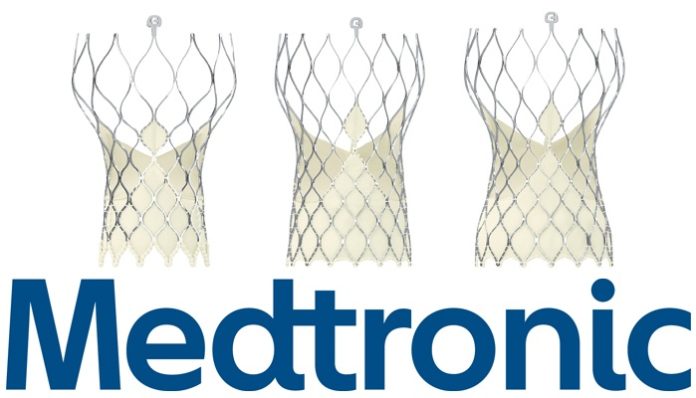
Medtronic announced results of 400 patients treated in the United States and Canada from the main cohort of the Optimize PRO clinical study evaluating valve performance and procedural outcomes associated with an โ€œoptimizedโ€ pre- and post-procedural TAVR care pathway, utilizing the cusp overlap technique to deploy the Evolut valves. The cusp overlap technique is designed to help implanters assess and achieve the target implant depth to reduce interaction with the conduction system. Findings were presented as a featured Hotline Trial at EuroPCR 2022.

The study results show that the cusp overlap technique led to more predictability and control resulting in a single-digit pacemaker implantation rate (9.2%), aย low 30-day mortality rate (0.8%),ย median length of hospital stay of one day, and upon discharge, no cases of moderate/severeย paravalvular leak (PVL)ย (0%) and 78% of patients had none/trace PVL.ย The lowest pacemaker implantation rates were observed when all steps of the cusp overlap technique were followed.

“The results demonstrate significant improvement for TAVR with the Evolut valve, some of the best results in an Evolut trial we have ever seen in a trial,” said Kendra Grubb, M.D., surgical director of the Structural Heart and Valve Center at Emory University in Atlanta, and co-principal investigator in the Optimize PRO study who presented the data at the meeting. โ€œAdopting the cusp overlap technique and clinical pathways resulted in single-digit pacemaker rates out to 30 days, next-day discharge in the majority of the patients, and remarkably low rates of paravalvular leak.โ€

The Optimize PRO study utilizes a TAVR care pathway to evaluate common practices and shared experiences such as conscious sedation and early mobilization. A conduction disturbance pathway evaluates efficiencies and heart team considerations for monitoring and managing patients with conduction disturbance who might be considered for a pacemaker post TAVR.

โ€œWe are committed to improving the TAVR care pathway with simple and repeatable techniques that implanting centers can use to help improve procedure efficiencies and success,โ€ said Neil Yanke, vice president and general manager of the Structural Heart business, which is part of the Cardiovascular Portfolio at Medtronic.ย ย โ€œThe findings presented โ€“ coupled with our recent data presented at ACC 2022 establishing the CoreValve/Evolut TAVR systems as the first and only TAVR platform to demonstrate significantly lower rates of structural valve deterioration (SVD) vs. SAVR at five years โ€“ help to further establish the robust clinical evidence physicians need to make the best decisions for their patients,โ€

The post-market, prospective, multi-center study is evaluating outcomes associated with procedure-related techniques and post-procedure transcatheter aortic valve replacement (TAVR) when using the self-expanding, supra-annular Evolutโ„ขย PRO and PRO+ TAVR systems in patients with symptomatic severe aortic stenosis.ย The current interim analysis includes 400 main cohort patients and 104 roll-in patients at up to 46 sites in the United States and Canada.ย The primary endpoint includes the rate of all-cause mortality or all-stroke at 30 days with secondary endpoints of discharge time, percent of patients with more than moderate aortic regurgitation, and the rate of pacemaker implant for new-onset or worsening conduction disturbance at 30 days. The study will also evaluate rehospitalization rates and discharge time at 30 days and one year.

The Medtronic CoreValveโ„ข Evolutโ„ข R, CoreValveโ„ข Evolutโ„ข PRO, and Evolutโ„ข PRO+ systems are indicated for relief of aortic stenosis in patients with symptomatic heart disease due to severe native calcific aortic stenosis who are judged by a heart team, including a cardiac surgeon, to be appropriate for the transcatheter heart valve replacement therapy.

What You Must Not Do During Your Early Pregnancy

High stress during pregnancy can lead to complications

This is the most extraordinary thing about motherhood – finding a piece of yourself separate and apart from that all the same, you could not live without.

Motherhood is experiencing womanhood at its peak; it is a surreal experience, including both bitter and sweet moments.

After a woman notices pregnancy symptoms and the doctor confirms, there is a lot that everyone tells a pregnant woman that she should and should not do. It is pretty normal to get confused about what really should and should not be done. Here, we have a list of things that a pregnant lady must not do in any case:

Smoking

Everybody knows how much the smoke harms the human lungs. The person who is smoking is at a greater risk. When a woman is pregnant, she is carrying a tender life inside of her, and she cannot afford to harm that life in any way. Smoke and smoking both increase the risk of complications at the time of birth.

Drinking

We have it pretty clear โ€“ there is no amount of alcohol that is okay to be taken during pregnancy. Simple as that. Just like smoking, alcohol also must be completely avoided during pregnancy. This is necessary to prevent any complications later and for the good health of the baby and the mother.

Hot tub bath

Especially during the first trimester, a pregnant woman should avoid taking a hot tub bath, as it increases risks at the time of childbirth. The body temperature rises when taking a hot bath, and the body is not able to lose that heat, leading to a rise in the core temperature of the body. This temperature rise can affect the development of the baby.

Caffeine

Many people have the habit of sipping coffee multiple times throughout the day as it keeps them going. Having coffee too often is a common habit but is required to be changed during pregnancy. Unlike smoking and drinking alcohol, a pregnant lady can have some amount of caffeine throughout the day, but in moderation. It is better to consult a health expert in this case.

Raw meat

Raw meat is not at all safe for pregnant women to eat. It puts them at risk of contracting some serious lifetime illnesses, and it is also not good for the babyโ€™s health. The same goes for raw eggs. So, it is always advisable to eat cooked or boiled meat and eggs.

Self-medication

Do not ever do this! Whether you are having a headache or feeling nauseous, never take any medicine all by yourself without consulting a doctor. However small the problem might be, always tell your doctor about it before solving it yourself.

Conclusion

You will never get a perfect list of all the doโ€™s and donโ€™ts of pregnancy; there is so much about it. The most important thing is this: take good care of yourselves by eating healthy, exercising, and obeying what your doctor and health expert ask you to do.

Medtronic renal denervation system shows better blood pressure control with significantly more time in target range

Late Breaking Data at EuroPCR Demonstrates Long-Term Benefits of Medtronic Radiofrequency Renal Denervation in Real-World Hypertensive Patients

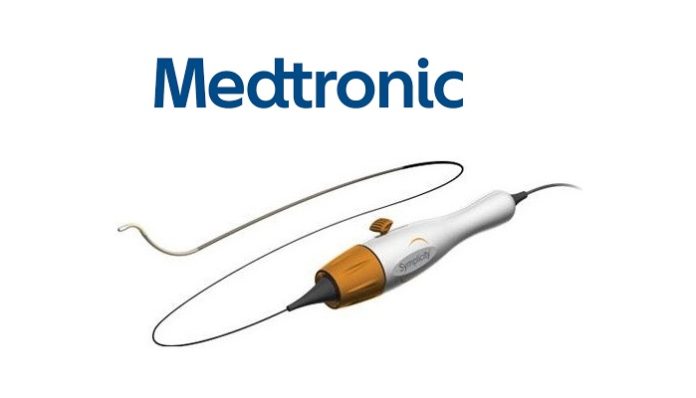
Medtronic plc, announced data showing the benefits of the Symplicity Blood Pressure Procedure with the Symplicity Spyralโ„ข Renal Denervation (RDN) system on achieving target blood pressure level ranges. As part of the SPYRAL HTN Global Clinical Program, three-year data from SPYRAL HTN-ON MED and GSR-DEFINE were presented at EuroPCR 2022 as late-breaking clinical trials onย May 17, 2022.

Time in target range (TTR) plays an important role in the management of many chronic diseases, such as diabetes and hypertension, measuring how well a parameter (e.g., blood pressure) is controlled in patients. Specifically, for hypertension, increasing TTR has been shown to be an independent predictor of reductions in cardiovascular risks, including stroke, heart attack, and death.1ย In a recentย consensus statementย by the Society for Cardiovascular Angiography & Interventions and the National Kidney Foundation, TTR is recognized as an effective measure of blood pressure control. As part of the statement, TTR is also noted as an important consideration to include as an endpoint inย clinical trials and registries.

โ€œThe data presented today at EuroPCR provide meaningful insights into the benefits of RDN through a patient lens, looking at how much time they spend within a target BP range,โ€ saidย Jason Weidman, senior vice president and president of the Coronary & Renal Denervation business, which is part of the Cardiovascular Portfolio at Medtronic. “This new data reinforces RDN’s effectiveness as a complementary solution for achieving betterย blood pressure control and reducing cardiovascular risk.โ€

SPYRAL HTN-ON MED 3-Year Data

Results from the first 80 patients in the SPYRAL HTN-ON MED trial demonstrateย improved BP control with significantly higher TTR after radiofrequency RDN when compared to sham through three years, regardless of anti-hypertensive medications. TTR for patients treated with RDN (33.7% TTR) was nearly double of sham patients (18.8% TTR) through three years (p=0.023).

SPYRAL HTN-ON MED is a global, randomized, sham-controlled trial investigating the blood pressure lowering effect and safety of RDN with the radiofrequency-based Medtronic Symplicity Spyral system in hypertensive patients prescribed one to three anti-hypertensive medications.ย The trial enrolled 80 typical uncontrolled hypertensive patients, randomized to RDN (n=38) or sham control (n=42).

The findings build upon the recent three-year safety and efficiency dataย presented at ACC.22, which demonstrated safe and sustained blood pressure reductions through three years.

โ€œBy focusing on TTR inย patients with uncontrolled hypertension, we can better understand how RDN can helpย control blood pressure and sustain a healthy level,โ€ saidย Dr. David Kandzari,ย chief, Piedmont Heart Institute and Cardiovascular Servicesย and SPYRAL HTN-ON MED lead principal investigator. โ€œThese three-year data showed us that RDN nearly doubles the time patients spend in their target blood pressure range,ย regardless of anti-hypertensive medications, reinforcingย the long-term benefit of the procedure.โ€

GSR-DEFINE 3-Year Data

In the GSR-DEFINE study, improved blood pressure control after radiofrequency RDN is associated with lower risk of major adverse cardiovascular events (MACE) through three years in real-world patients. RDN patients spentย 34.9% time in TTR through three years. There was also a 16% decrease in MACE associated with every 10% increase in TTR at 6 months.

GSR-DEFINE is a prospective, all-comer observational study in 222 sites across 42 countries, including 3,000 patients from the GSR study and enrolling up to an additional 2,000 patients.

โ€œResults from this real-world patient settingย closely mirror and build upon data from the SPYRAL HTN-ON MED trial showing improved blood pressure control with RDN. The findings from GSR-DEFINE further underscore the long-term safety and effectiveness of theย Symplicity system in patients with uncontrolled hypertension, while also lowering their risk of major cardiovascular events,โ€ย said Prof.ย Felix Mahfoud, M.D., cardiologist at Saarland University Hospital in Homburg,ย Germany, and member of the SPYRAL HTN executive committee.

About the Medtronic Symplicity Spyralโ„ข Renal Denervation System

The Medtronic RDN procedure uses a minimally invasive procedure that delivers radiofrequency energy to specific nerves near the kidneys that can become overactive and cause high blood pressure. Approved for commercial use in more than 60 countries around the world, the Symplicity Spyral renal denervation system is limited to investigational use in the United States, Japan, and Canada.

About Medtronic

Bold thinking. Bolder actions. We are Medtronic. Medtronic plc, headquartered in Dublin, Ireland, is the leading global healthcare technology company that boldly attacks the most challenging health problems facing humanity by searching out and finding solutions. Our Mission โ€” to alleviate pain, restore health, and extend life โ€” unites a global team of 90,000+ passionate people across 150 countries. Our technologies and therapies treat 70 health conditions and include cardiac devices, surgical robotics, insulin pumps, surgical tools, patient monitoring systems, and more. Powered by our diverse knowledge, insatiable curiosity, and desire to help all those who need it, we deliver innovative technologies that transform the lives of two people every second, every hour, every day. Expect more from us as we empower insight-driven care, experiences that put people first, and better outcomes for our world. In everything we do, we are engineering the extraordinary.

Telemedicine for physical therapy and how it works?

The Benefits Of Online Scheduling For Healthcare Practices

This guide offers all the important details you should know about telemedicine for physical therapy and how it works. This pandemic has taught us valuable lessons in a variety of areas, and we’ve also discovered the power of the “digital world,” which has aided us in coping with terrible situations. Online techniques of operation were used to run the schools and institutions. Work from home possibilities have enabled people to work from their homes.

In our fast-paced world, numerous solutions have been incorporated into the medical and health sectors to make things easier and more accessible for everyone, including Telemedicine.

Before we can learn about the various aspects of telemedicine, we must first understand what it is.

What is Telemedicine?

Telehealth/Telemedicine is the distribution of health-related services and information provided via electronic information and telecommunication technologies. Telecommunication allows remote admissions which are easily accessible for long-distance medical support.

A live, virtual video meeting with your physical therapist through telehealth might be the answer. Telehealth is a popular alternative that allows patients to view and communicate with their health care professionals, including a rising number of physical therapists, from the comfort of their own homes.

Listed below are a few of the services offered by telemedicine physical professionals:

Organizing educational focus groups.

Patients are referred to other experts for extra treatment.

Texting between the patient and the doctor.

Stroke sufferers’ rehabilitation.

Hand rehabilitation, orthopedic injuries, and lack of mobility need guiding motions.

Is insurance going to pay for telehealth physical therapy?

It is reliant on your insurance policy. A few insurance policies may not cover remote physical therapy at the same rate as in-person appointments. Some telemedicine programs require you to first arrange an in-person appointment before proceeding. Guidelines differ from state to state and from plan to plan.

Advantages of telehealth physical therapy:

Using technology to offer health care has several advantages, including increased efficiency, convenience, and the capacity to treat those with mobility issues or those who reside in rural areas without access to a local doctor or clinic.

Patients who are unable to travel to the clinic for routine examinations or medical advice find it highly convenient because electronic devices such as cell phones are readily available to everyone.

Wearable technology, fitness trackers, and electronic health records that collect actual information from telehealth physical therapy engagements provide the most honest information on patient progress to PT therapists.

Driving, finding parking, waiting in a reception desk, and other difficulties associated with in-person appointments are all eliminated with virtual physical therapy. When time is a major barrier to accessing much-needed PT, virtual Physical therapist may be incredibly useful

The belief that physical therapy must be done by hand and can only be offered in person has hampered telemedicine physical therapy’s popularity. On the other hand, physical treatment does not have to be all or nothing. It’s important to think about how telemedicine might complement but instead replace in-person physical therapy.

The virtual physical treatment adds another element of ease. Patients with dependents, comprehensive jobs, and other commitments can incorporate virtual physical treatment into their schedules more easily.

How it works:

You can enquire about your therapist if they offer the service and if not then no worries, you can choose a list of telehealth therapists available online. Several websites are offering the details and credentials of the professionals. Or you can also seek other people’s recommendations that might work too.

All you have to do is:

  • Reach out to their website
  • Choose a clinician: learn about the many types of therapists and pick the one that is the greatest fit for you.
  • Schedule an appointment: Select a date and time that is convenient for you.
  • Fill out the intake form: Your intake form will be emailed to you when you book.
  • Connect to begin therapy after you’ve finished your initial visit.
Translate ยป