










Close
Digital Health & Ai Innovation summit 2026
Medical Taiwan 2026

Easy Ways Dentists Can Make Extra Income in 2022

Easy Ways Dentists Can Make Extra Income in 2022

After years of strife and consistently studying, you finally have attained the role of a dentist. The initial stages of dentistry are going to be a little arduous since you might not receive the amount you always expected from the profession. Early in your career, your job profile may be low, for instance, as an associate dentist, you might not make the income you fancy.

Your expenditure doesnโ€™t take all of this into consideration and you could end up in a financial strain trying to generate funds for your requirements. You cannot demand a promotion or greater stipend at the primary stages of your career. What are the other ways of generating income then; while still managing your practice?

Below are illustrated a few easy ways to make extra income:

1] Take extra shifts

Many of us are perplexed and frustrated when we donโ€™t get paid enough. This compels us to take abrupt decisions. Instead of rapidly deciding to pursue something entirely unrelated to your career, you could attempt to take extra shifts at your regular job. Not every employer can offer you this; but you must inquire before you look for a side hustle. And who knows you might not have to look beyond.

2] Moonlight with another dental practice

In case the professional you are working with doesnโ€™t offer you overtime; you shouldnโ€™t hesitate to check with other professionals in your locality. This will not be objected to by your superiors too. You could offer to open up appointments on weekends when the primary dentist prefers not to work or simply take on shifts to cover the office when itโ€™s short on staff for another professional.

3] Provide dental membership plans

Dental membership plans are advantageous not only to the dentists but also to the receivers. These plans enable patients to surpass the insurance policies and directly avail a plan from the dentists to receive simple, affordable, and personalised care. The dentists can receive additional benefits since the plan incorporates a plethora of treatments.

4] Blogging

Blogging provides support to so many enthusiasts who desire to earn and put forth their knowledge. It is a passive and reliable way of earning a fat income. If you are someone who has a knack for writing and is confident about it; blogging could serve as a good option. You can write exclusively about the topics related to your expertise. It could be about oral hygiene, dentistry and advancements in the field, tools used in dentistry and so on. Blogging however can come with its own challenges. Google demands expertise and authoritativeness to approve your writings. You need to fulfil these demands. Additionally, you might not receive traffic instantaneously but once you are up and running, you can get income that is greatly gratifying. You can then look into improving your reach and monetizing your blog. You can further expand it by creating informational courses or eBooks and market them on your blog. Affiliate marketing and sales of original products also form a segment of blogging wherein you can advertise and sell products online and keep your share of the money.

5] Online tutoring

If you are someone who possesses the aptitude for teaching, online tutoring can be fruitful for you. There are several online platforms that let you connect with institutions offering online tutor vacancies. You can get affiliated with them and use your free time to teach and earn. The education field is highly regarded today for the income it generates. Teaching online is not only convenient but can offer you immense flexibility in terms of subjects and timings.

6] Real estate

No other thing in the world can provide you returns as real estate can. You can invest in a property and rent it out, invest in real estate investment funds, real estate crowdfunding etc. Due to an increased demand for property; the rent you receive from a tenant will be high enough to suffice your everyday needs.

7] Freelancing

Freelancing is an ever-growing field today. It allows people to multitask and earn significant amounts by working according to their convenience. According to estimates around 36% of Americans are engrossed with freelancing. Freelance opportunities can extend to various fields like writing, proofreading, House-sitting or pet-sitting, Graphic design, Web development, social media management, Notary services etc.

8] High Yield Savings Account

A simple yet reliable way to gain extra income is installing your money in a high yield savings account. The process might be slow but you can have surprising gains from this. With sufficient research, you can find online banks offering 100 times greater returns than traditional banks, which can be beneficial.

You could be a beginner in dentistry or a renowned professional. Due to the immense competition, there are several dentists out there providing the same services as you, which could leave you with less income than you plan to acquire. This, however, shouldnโ€™t be a hurdle and impact your everyday lifestyle. A passive income can compensate and make up for your monetary limitations and ensure you are never in a position of capital constraints.


Mental Health- Unearthing The Stigma For A Better Tomorrow

Mental Health- Unearthing The Stigma For A Better Tomorrow

Global Mental Health Scenario– A Snapshot

Nearly one billion individuals suffer from a mental illness, and anyone, anywhere, can be impacted. Despite the universality and size of mental illnesses, there is still a significant gap between demand and availability for mental health treatments. Few individuals around the world have access to high-quality mental health care, but stigma, discrimination, and human rights violations against people with mental illnesses are nonetheless common.

COVID-19 & Mental Health

The global prevalence of anxiety and sadness soared by a staggering 25% during the first year of the COVID-19 outbreak. Concerns about the potential for mental health disorders to worsen prompted 90 percent of the countries polled to include mental health and psychosocial assistance in their COVID-19 response plans, but there are still significant gaps and concerns. One major reason for the surge is the unparalleled stress brought on by the pandemic’s social isolation. Constraints on people’s possibility of working, looking for support from loved ones, and contributing to their communities were all linked to this.

Isolation, fear of infection, sadness following a bereavement, suffering and misery for oneself and loved ones, and financial problems have all been identified as stressors that contribute to anxiety and depression. Exhaustion has been established as a major contributor to suicidal thoughts in healthcare workers. Young people’s mental health has been harmed by the pandemic, and they are particularly vulnerable to adverse effects of depression and self-harming behaviours. It also suggests that women have been hit harder than males, and that people with pre-existing physiological health illnesses like asthma, cancer, or heart disease are more likely to experience mental health symptoms. Pre-existing mental problems appear to reduce sensitivity to COVID-19 infection. Whenever these individuals do become sick, they are more likely to be admitted, suffer from extreme illness, and die than people who do not have mental illnesses.

The QualityRights initiative

The QualityRights initiative assists governments and policymakers in transforming mental health systems to ones that are based on rehabilitation, rights, and inclusion. Reforming policy, law, and services, as well as initiatives to strengthen the ability of key stakeholder groups to address stigma and prejudice, and formulate and apply rights-based approaches in services and society at large, have received special attention. Several significant capacity-building tools, like the QualityRights e-training system on mental health, recovery, and community inclusion, have been developed as part of this programme.

This online training has received overwhelmingly positive feedback from early adopter countries, with assessments denoting major changes in mentalities on problems such as giving users selection and knowledge about treatment options, instituting alternative solutions to seclusion and restraint, and promoting recovery, hope, and community inclusion.

Training begins its course

The World Health Organization’s online training programme on promoting the human rights and rehabilitation of individuals with mental illnesses is one recourse to the current mental health scenario. Scores of people from all over the world attended the launch event to hear WHO Director-General Dr Tedros Adhanom Ghebreyesus, UN High Commissioner for Human Rights Dr Michelle Bachelet, French and Portuguese Ministers of Health, WHO Goodwill Ambassador for Mental Health Cynthia Germanotta, and folks with first-hand experience of mental health conditions explain the training’s substantial benefits. Mass acceptance would not only help to reduce stigma and discrimination faced by people with mental disorders, but it would also contribute to the success of mental health care practises that are human rights-conscious and recovery-oriented.

Training stretch

The interactive course, which is already available in 11 languages, was created for a wide audience, including those who make decisions about mental health care, people who offer mental care and psychological counseling, and people who have obtained or are receiving mental health support. The lessons can be completed at the user’s leisure and take roughly 16 hours to finish in total.

Due to collaborative efforts between WHO and the Ministries of Health and Social Affairs in Czechia, Ghana, Kenya, Bosnia and Herzegovina, Philippines, Turkey, and Zimbabwe, nearly 30 000 people have already completed the training. Early adopter countries’ feedback has been incredibly positive, with assessments denoting major shifts in mindsets on issues like giving people a choice and details about treatment options, implementing alternative options to seclusion and restraint, and promoting recovery, hope, and community inclusion.

More eyeing to train

Armenia, Indonesia, Croatia, Estonia, France, Italy, Paraguay, and Poland are among the countries that intend to implement the programme in the nearish term. In addition, thirty mental health groups, including professional organisations and major universities, have pledged their support for the worldwide roll-out.

The inauguration of QualityRights e-global training’s roll-out is just the beginning, says Dr Michelle Funk, WHO’s head of mental health policy, law, and rights work and by the end of 2024, they hope to have 5 million people who have finished the programme thanks to the help of the global partners.

The online training is part of the larger QualityRights effort, which aims to help mental health systems evolve into ones that are founded on healing, values, and inclusiveness.

Donโ€™t let them down

Our top aim should be to restore the rights and dignity of those with mental illnesses and psychosocial disabilities. We must move away from discriminatory laws and practises and toward approaches that are based on equality and non-discrimination. The Declaration on the Rights of Persons with Disabilities establishes human rights standards that must be followed.

Quality Rights e-training could play a critical role in changing mental health attitudes. It will be critical in assisting countries in implementing a rights-based mental health care approach.

We have a critical opportunity to find a way to healthier, more inclusive, and sustainable societies as we heal from the pandemic. Initiatives like these can assist us in taking the first steps down that path.

One-Dose HPV Vaccine Solidly Safeguards From Cervical Cancer

The WHO Strategic Advisory Group of Experts on Immunization (SAGE) met from April 4 to 7 to assess the evidence that has been accumulating in recent years suggesting single-dose schedules are as effective as two- or three-dose regimens. As per SAGE, a single-dose Human Papillomavirus (HPV) vaccine provides equivalent coverage against HPV, the causative agent of cervical cancer, as against a two-dose schedule. This might be a game-changer in terms of disease prevention, with far more dosages of the life-saving vaccine reaching more girls.

Cervical cancer is a disease of inequity of access, often referred to as the silent killer and almost entirely preventable; the new SAGE recommendation is based on concerns about the slow introduction of the HPV vaccine into immunisation programmes and overall low population coverage, particularly in poorer countries.

Above 95% of cervical cancer is caused by sexual transmission of HPV, which is the fourth most frequent type of cancer in women worldwide, with 90% of those affected residing in low- and middle-income countries. The HPV vaccine is highly efficient for preventing HPV serotypes 16 and 18, which trigger 70% of cervical cancer cases, stated SAGE Chair Dr. Alejandro Cravioto. SAGE advises all countries to implement HPV vaccines and to make multi-age batch catch-up of missing and older cohorts of girls a priority.  More girls and women will be vaccinated as a result of these recommendations, preventing cervical cancer and its implications over the course of a lifetime.

SAGE suggests that HPV dosage regimens be updated as follows:

  • For the major target of 9โ€“14-year-old girls, a one-or two-dose plan is recommended.
  • For young women aged 15โ€“20, a one-or two-dose regimen is recommended.
  • For women over the age of 21, two doses with a six-month gap are recommended.

Individuals with impaired immune systems, as well as those with HIV, should take 3 doses if possible, and at least two doses if not. In this group, there is limited evidence for the efficacy of a single dose.

Following additional stakeholder consultation, the WHO’s recommendations will be amended.

Said Dr Princess Nothemba (Nono) Simelela, WHO Assistant Director-General that he sincerely believes the elimination of cervical cancer is possible. The Cervical Cancer Elimination Initiative was started in 2020 to address a number of issues, including vaccine access disparity. This single-dose proposal has the potential to accelerate the progress toward the target of vaccinating 90% of girls by the age of 15 by 2030, he adds.

Globally, adoption of the life-saving vaccination has been slow, with coverage in many countries falling far short of the 90% target. As a result, global coverage with two doses was only 13% in 2020. Supply issues, as well as programmatic constraints and expenses involved in delivering a two-dose schedule to older girls who are not generally included in childhood vaccination programmes, have all led to the slow adoption and poor penetration of HPV vaccines. The high price of HPV vaccines, especially in middle-income countries, has added to this.

They require political commitment paired with fair paths for the HPV vaccine’s accessibility, Dr. Simelela continued. Failure to do so would be a disservice to the generations of young women and girls who could be at danger of cervical cancer. A single dosage of the vaccine is less expensive, requires fewer resources, and is easier to administer. It makes it easier to run catch-up programmes for a wide range of ages, eliminates the problems of finding girls for their second dose, and frees up money and people to work on other health issues.

FDA Aims To Have A Diverse Participation In Clinical Trials

The US Food and Drug Administration today issued a new draft guidance to industry for formulating plans to register more people from underrepresented races and ethnicities in clinical trials in the United States, building on the agency’s earlier recommendations for improving clinical trial diversity.

As the United States’ population grows more diverse, assuring meaningful participation of racial and ethnic minorities throughout clinical trials for authorised medical products is critical to public health, said Robert M. Califf, M.D., the FDA Commissioner. Attaining a broader spectrum will be a significant emphasis for the FDA going forward in order to support the implementation of improved therapies and ways to combat diseases that disproportionately affect various communities.  This guidance also demonstrates how they support the Administration’s Cancer Moonshot aim of reducing cancer disparities by ensuring that each and every community in the United States has exposure to cutting-edge cancer detection, medicines, and clinical trials.

Despite bearing a disproportionately high burden of sickness, racial and ethnic minorities are neglected in biomedical research. Clinical trials are an important source of data for determining if a medical product is safe and effective. As a result, clinical trial enrollment should represent the diversity of the population that will ultimately use the treatment. Biological variations as far as how people react to particular medicines are well established. Variations in genetic coding, for example, can make a medication harmful for one racial group but not for another. Medicines like antidepressants and blood pressure medications may be less successful for particular groups as a result of these variations.

This draft guidance, titled Diversity Plans to Improve Enrollment of Participants from Underrepresented Racial and Ethnic Subgroups in Clinical Trials, suggests that medical product sponsors develop and submit a race and ethnicity diversity plan to the agency early in clinical development, using the framework outlined in the guidance.

Mistrust of the clinical research system in terms of historical violations, aspects of the study protocol such as unsatisfactory hiring and retention attempts, regularity of field trips, resource and time constraints for participants, transportation, as well as involvement conflicting with caregiver or family responsibilities are all potential barriers to engagement among racial and ethnic groups. Furthermore, racial and ethnic minority populations may be impacted by language and cultural disparities, patient education, religion, limited access within the health care system, and an unawareness and understanding on what a clinical study is and what it means to participate.

The FDA is committed to boosting the participation of diverse people in medical product and drug development and will work with government allies, medical manufacturers, health professionals, and health advocates to achieve this vital aim.

The Office of Minority Health and Health Equity formed the “Diversity in Clinical Trials Initiative” to endorse the FDA’s efforts to increase diverse participation in clinical trials. The initiative includes an ongoing schooling and community engagement campaign to help address some of the barriers that prevent disparate groups from participating in clinical trials. Barriers to participation are overcome through a variety of culturally relevant techniques, tools, and resources, such as multilingual educational materials, a devoted web address with awareness campaigns and videos, social media outreach, and ongoing stakeholder involvement, collaborations, and partnerships.

The Cancer Moonshot plan was resurrected by the Biden Administration in February to enhance cancer prevention, diagnosis, study, and patient safety activities across the federal government. The FDA Commissioner is a member of the White House Cancer Cabinet, which is made up of departments and components working together to build a coherent strategy to combat cancer. One of the Cancer Moonshot’s goals is to address disparities in cancer screening, diagnosis, and treatment based on race, gender, geography, and resources. The Cancer Moonshot’s aims are matched with the FDA’s guidance on boosting diversity in clinical trials.

The Oncology Center of Excellence’s Project Equity prepared the draft advice, which aims to ensure that information transferred to the FDA for clearance of oncology medical products appropriately represents the ethnic composition of individuals for whom the medical products are designed. The Center for Drug Evaluation and Research, the Center for Devices and Radiological Health, as well as the Center for Biologics Evaluation and Research, all contributed to this joint effort because this guideline pertains to all medical devices. The Food and Drug Administration (FDA), which is part of the US Department of Health and Human Services, guarantees the protection, efficacy, and integrity of medical and animal medications, vaccines, as well as other biological products destined for human use and medical devices. The agency is also in charge of ensuring the safety and security of the nation’s food production, cosmetics, dietary supplements, electronic radiation-emitting products, and tobacco products.

Northwell Health and Aegis Ventures Launch Ascertain – Healthcare AI Company Creation Platform to Improve Quality and Access to Care

Northwell Health, New Yorkโ€™s largest healthcare provider, and Aegis Ventures, a New York-based startup studio, announced at their inaugural Healthcare AI Innovation Summit the finalization of definitive agreements to launch Ascertain, a joint company creation platform. Ascertain is a first-of-its-kind partnership that pairs a dynamic venture studio with one of the nationโ€™s largest and most impactful health systems to develop and commercialize breakthrough healthcare AI companies that improve quality and access to care and close health equity gaps.

Ascertain represents a novel, more targeted approach to the way entrepreneurs and healthcare systems collaborate to solve major healthcare challenges. The platform combines clinical and business leadership, expert technical and product teams, access to Northwellโ€™s leading, diverse datasets, and capital resources within a single ecosystem โ€“ with a sole focus on building and validating effective solutions that can be rapidly brought to market.

โ€œAscertain brings a unique structure, an innovative approach, and a compelling vision to create breakthrough healthcare AI companies that are set up for success,โ€ said Michael Dowling, President and CEO of Northwell Health. โ€œWe are all driven by the idea that everyone deserves access to high-quality, affordable healthcare. Our aim is clear: to find new, cost-efficient ways to create and accelerate companies that deliver real, equitable solutions.โ€

Ascertain has commenced the creation of its first portfolio companies in partnership with Northwellโ€™s clinicians and administrators. One such collaboration is focused on bringing substantive improvements in maternal health, working hand-in-hand with Northwellโ€™s recently launched Center for Maternal Health to develop new approaches to detecting and managing serious complications for expectant mothers and babies. Ascertainโ€™s data science team has been working hand-in-hand with Northwellโ€™s Maternal and Fetal Medicine team to examine tens of thousands of cases of preeclampsia, a hypertensive pregnancy complication that disproportionately affects Black mothers in the United States.

Using cutting-edge data science techniques, the Ascertain team aims to deliver an AI solution that helps clinicians predict the risk of developing preeclampsia, enabling them to intervene earlier than previously possible.

โ€œExisting approaches to the detection of preeclampsia often occur too late in pregnancy, once the condition has begun to manifest. An important enabler for a solution to this challenge is predictive analytics, applying available knowledge of a patient’s history to enable action far earlier with simple, yet life-saving, clinical interventions. We believe the AI solution Ascertain is currently developing will enable this,โ€ shared Burt Rochelson, MD, Chief of Maternal Medicine at Northwell Health.

โ€œAegis and Northwellโ€™s multidisciplinary teams are pursuing innovation through a systematic approach that will bring validated solutions to patients more quickly and at a lower cost,โ€ said Bill Schoenfeld, Aegis Ventures Chairman. โ€œOur skillsets are extraordinarily complementary and enable us to address healthcareโ€™s most entrenched quality, equity, and cost problems far more powerfully than either organization could alone.โ€

Ascertain is preparing to launch multiple companies in 2022 that focus on maternal health, chronic disease detection and management, and next-generation AI tools.

Ascertainโ€™s Chairman Tom Manning shared, โ€œTogether, weโ€™re paving a new way forward, a monumental step toward real, proven AI solutions that can bring impact to the world. It is a bold collaboration to drive AI-backed companies that save lives and resolve long-standing health inequities โ€“ and realize results that deliver something greater in healthcare.โ€

About Ascertain
Ascertain is a revolutionary new partnership between Northwell Health, New Yorkโ€™s largest healthcare provider, and Aegis Ventures, a dynamic startup studio. This unique partnership assembles leading medical, technology, and business resources to create a first-of-its-kind company creation platform for healthcare innovation to address healthcareโ€™s most challenging quality, equity, and cost problems. Ascertain brings $100M in seed-stage capital to bear in pursuit of a three-pronged approach to company creation: internal ideation, commercialization of scientific breakthroughs, and US market entry partnerships for global ventures. Ascertain creates companies that improve quality of care, patient experience, and long-standing health, placing patient needs at the center of every business model, technology solution, and product.

About Northwell Health
Northwell Health is New York Stateโ€™s largest healthcare provider and private employer, with 23 hospitals, 830 outpatient facilities and more than 16,600 affiliated physicians. We care for over two million people annually in the New York metro area and beyond, thanks to philanthropic support from our communities. Our 77,000 employees โ€“ 18,900 nurses and 4,800 employed doctors, including members of Northwell Health Physician Partners โ€“ are working to change healthcare for the better. Weโ€™re making breakthroughs in medicine at the Feinstein Institutes for Medical Research. We’re training the next generation of medical professionals at the visionary Donald and Barbara Zucker School of Medicine at Hofstra/Northwell and the Hofstra Northwell School of Nursing and Physician Assistant Studies.

About Aegis Ventures
Aegis Ventures is a next-generation startup studio that partners with entrepreneurs and industry leaders to originate, launch, and scale transformative companies. Our platform brings together market-shaping ideas, permanent growth capital, and ambitious individuals driven to solve major societal problems. We aim to build companies with the capacity for vast impact, with an initial focus on artificial intelligence and digital health. Within these verticals, Aegis seeks to create companies that leverage technology to better optimize tradeoffs between quality, access, and cost, focusing on innovations that promote seamless continuity of care, patient empowerment, and better-informed clinical decision-making.

Ampersand Health and UCB partner in new arthritis initiative

Ampersand Health and UCB partner in new arthritis initiative

Ampersand Health and global biopharmaceutical company UCB have announced a partnership to help patients with Axial Spondyloarthritis (axSpA), a form of inflammatory arthritis that mainly affects the joints of the spine.

AxSpA impacts over 220,000 adults in the UK. Those with axSpA may have periods where symptoms become worse, known as flare-ups or flares, which can be difficult to predict.

Ampersand Health and UCB will be supporting Project Nightingale, an ongoing study run by the Royal National Hospital for Rheumatic Diseases (RNHRD) in Bath.

Project Nightingale is designed to help patients with axSpA better manage their symptoms and improve their quality of life. Ampersandโ€™s My Arthritis app will be used to collect patient-reported outcome measures (PROMs), lab data and a host of lifestyle factors.

The information gathered may help HCPs to support patients in managing their condition, as well as enabling them to help predict flares, adopting and tracking regular exercise programmes, monitoring and improving sleep. The data can be used to optimise a patientโ€™s clinical consultation by addressing issues important to them.

Peter Stanley, 68, joined the pilot to help him understand his axSpA symptoms: โ€œI wasnโ€™t very good with technology at the beginning, but it was surprisingly easy to update information, such as sleep patterns, on my smartphone.

โ€œParticipating in Project Nightingale has helped me understand some of my most problematic symptoms as well as acting as a useful record for when seeing my rheumatologist.โ€

โ€œMy main problem with axSpA is the impact the condition has on my sleep based on my stress levels. Since the study started, Iโ€™ve been able to see a link and look at ways to reduce my stress to help with my symptoms.โ€

Nader Alaghband, Founder & CEO of Ampersand Health added: โ€œThe collaboration with UCB and the RNHRD will capture subtle, potentially critical changes in disease activity that are not currently considered in clinical practice to help predict flare-ups, while supporting patients to self-manage and recognise patterns by tracking lifestyle factors such as exercise and sleep. This is core to Ampersandโ€™s mission, to help light the path to remission for patients with inflammatory diseases.

We hope that with close collaboration, we can investigate and improve the management of axSpA and explore ways in which the My Arthritis app could be embedded into routine care to better support patients and healthcare professionals.โ€

โ€œAt UCB, we are committed to improving care and outcomes for people living axSpA. Our collaboration with Ampersand Health, combines digital solutions with clinical expertise โ€“ to support patients and healthcare professionals throughout their axSpA journey. We hope this project will contribute to a better understanding of how people with axSpA manage their disease and work with their healthcare providers,โ€ said Erik Janssen, Head of Digital Business Transformation, Immunology, UCB.

UCB has supported Project Nightingale with funding from an educational grant.

Gabri Labs and Dubai Science Park Sign Agreement to Construct AED18 Million Medical Devices Facility in Dubai

6 Trends In Medical Device Contract Manufacturing

Gabri Labs, a pharmaceutical technologies company, has announced the development of a 10,000 sq. ft. facility to locally produce medical devices. The global firm has signed on with Dubai Science Park, the leading science-focused community, to construct a medical devices facility at an AED18million investment, reinforcing Dubaiโ€™s attractiveness as a global hub for healthcare and pharmaceutical manufacturing.

Leaders in the therapeutic areas of ENT and Dermatology, Gabri Labโ€™s new facility will enable the pharmaceutical brand to produce an initial volume of 12 million units per year with further expansions planned by 2023. The medical devices will be distributed to markets across the Middle East and North Africa (MENA) region.

Gabri Labs is a privately held pharmaceutical company headquartered in Dover, Delaware with production facilities across Europe and the Middle East. The brand has earned its reputation in the therapeutic ENT and dermatology spheres for developing high-quality, innovative over-the-counter products and medical devices. The new facility in Dubai will support the production of multiple lines and a diverse product portfolio, which includes ENT brand, OTOMAR, and dermatological solutions line, Curadem.

Marwan Abdulaziz Janahi, Managing Director of Dubai Science Park, said, โ€œOur leadershipโ€™s focused efforts to advance the manufacturing sector and boost innovation under Operation 300bn are directly enhancing Dubaiโ€™s healthcare landscape. Dubai Science Park strives to facilitate the expansion of international firms like Gabri Labs by continually providing them access to robust infrastructure, communication with key regulatory bodies and a collaborative ecosystem that eases business set-up and growth.โ€

Elio Gebrayel, Managing Director of Gabri Labs, said, โ€œWe are thrilled to enter a new chapter of our story in Dubai and the wider MENA region with the construction of our brand-new facility in the emirate. Dubai Science Parkโ€™s dynamic business environment and robust infrastructure have been essential in facilitating our seamless setup, allowing us to easily access MENAโ€™s diverse markets while participating in a vibrant community of researchers, scientists, pharmacists and more. Our new facility will allow us to cater to more patients across the region and continue innovating and leading the therapeutic ENT and dermatology sectors.โ€

Honeywell Introduces New Blue Spectra Medical Grade Bio Fiber Designed To Improve Visual Contrast Within Critical Surgical Procedures

Honeywell Introduces New Blue Spectra Medical Grade Bio Fiber Designed To Improve Visual Contrast Within Critical Surgical Procedures

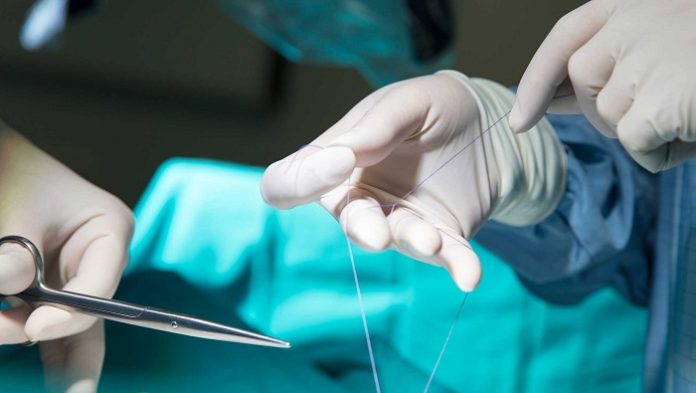
Honeywell announced the expansion of its Spectraยฎ Medical Grade (MG) Bio fiber portfolio with a blue-hued fiber that provides a strong visual aid to better differentiate between multiple suture sets in more complex surgeries. By creating clear color contrast, the new fiber enables healthcare professionals to operate more accurately and efficiently, promoting greater safety and comfort for patients.

โ€œWe are providing major manufacturers the opportunity to modernize orthopedic devices and improve surgical methods with our colored Spectra MG Bio fiber, and to deliver that innovation in a collaborative, supportive manner,โ€ said Abey Paul, business leader for Spectra MG Bio Fiber at Honeywell. โ€œThis technology is extremely important for orthopedic applications around the world, fostering successful procedures that protect both patients and professionals, and Honeywell is leading in setting new standards.โ€

Engineered to be both ultra-lightweight and ultra-high strength, Honeywellโ€™s Spectra MG Bio fiber provides superior resistance to chemicals, fatigue and abrasion when compared to conventional polyethylene fiber, making it an optimal solution for minimally invasive surgeries. Earlier this year, the technology received ISO 13485 certification, the highest management standard for the medical device industry.

The addition of a colored variety to the Spectra MG Bio portfolio means the biomaterial can be utilized and trusted by a wide range of manufacturers building increasingly smaller, stronger and lighter devices. For the orthopedic market, colored Spectra MG Bio fiber provides new advantages for both existing devices and emerging trends used in corrective surgeries, such as robotics that reduce procedure durations and smart implants that flag dangerous bacterial presence. This advancement will help to support the growing worldwide market for orthopedic devices, which is expected to reach a $43.1 billion value by 2024. In addition, by collaborating with and supplying directly to OEMs, Honeywell offers more tailored, flexible customer support to device manufacturers aiming to advance their equipment designs with colored-fiber compatibility.

Honeywellโ€™s new colored Spectra MG Bio fiber is expected to be commercially available globally in Q3 2022, making the technology accessible to thriving orthopedic device markets in regions including the U.S., EU, India, Asia Pacific and Latin America. In China and Japan, the innovation is the first medical grade colored fiber available for use following imminent approval from the New Medical Products Administration (NMPA), providing new capabilities and solutions to the region.

About Honeywell

Honeywell is a Fortune 100 technology company that delivers industry-specific solutions that include aerospace products and services; control technologies for buildings and industry; and performance materials globally. Our technologies help aircraft, buildings, manufacturing plants, supply chains, and workers become more connected to make our world smarter, safer, and more sustainable.

RCare Expands Portfolio with New Technology Solutions

RCare Expands Portfolio with New Technology Solutions

RCare, a global provider of personal emergency response systems and wireless nurse call systems, recently introduced new innovations that enable increased mobility, resilience and quality of careโ€”the Rugged II Caregiver Smartphone, a Data Backup and Disaster Recovery Service and Rapid Deployment Kits (RDKs). RCare systems are ETL tested to UL 1069 edition 7 and UL 2560.

RCare technology connects more than 1,600 communities from Rochester to Syracuse to Stony Brook in New York, and from Detroit to Houston to Denver in the United States.

โ€œWe believe that providing the best patient care means putting the best technology into the hands of forward-thinking caregivers,โ€ says Jeff Knauss, RCare CEO. โ€œRCare develops customized, flexible technology systems that enhance both caregiving and resident quality of life.โ€

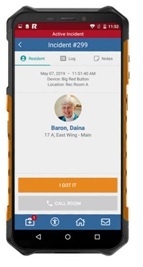
RCareโ€™s Rugged II Caregiver Smartphone eliminates the HIPAA risks and distractions created when caregivers use personal cell phones to tap into nurse call system functionality. The Rugged II Caregiver Smartphone seamlessly connects to RCareโ€™s nurse call ecosystems so caregivers can receive and respond to notifications on the go. Durable and weather-proof, the smartphone offers a long battery life and is designed to stand up to challenging environments.

Enhancing its suite of disaster support resources, RCareโ€™s Data Backup and Disaster Recovery Services provides secure, weekly back-up of virtual reporting and data storage. This service minimizes service and recovery disruptions associated with a potential hardware failure, boosting resilience for caregiving organizations.

Over the last few years and in response to the COVID pandemic, RCare introduced Rapid Deployment Kits (RDKs). RDKs provide caregivers access to a portable, quickly deployable nurse call kit to maintain continuity of care in the event of displacement.

โ€œBetween the pandemic and weather disasters, weโ€™ve seen a sudden and unprecedented need for expanded hospital capacity,โ€ says Jeff Knauss, CEO, RCare. โ€œRCare provides hundreds of communities the technology required to re-establish critical caregiver/patient communications due to an unexpected and temporary expansion or displacement. Specifically, RDKs should be part of any disaster preparedness plan.โ€

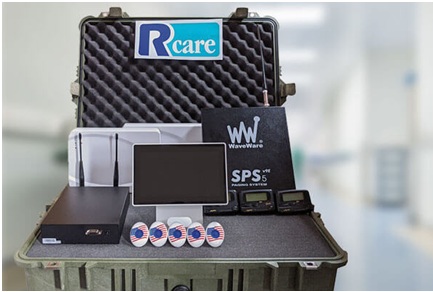
RCareโ€™s Rapid Deployment Kit is a reliable, secure nurse call system in a box. All units are UL 1069 compliant, as most hospitals require, and is purpose-built for rapid deployment in the face of emergencies. The plug-and-play system is preprogrammed by RCareโ€™s expert technicians and ready for use immediately.

It includes one small touchscreen server, one pendant for each resident or patient, and four pagers. The kit ships overnight and can be installed and made operational in minutes to support 40 beds using the base configuration, or 768 beds with the optional expansion kit. Patients press their pendant to signal nurses. That signal is routed to nearby locator through a master receiver to nurse pagers, which identify the bed where the call originated. The touchscreen console displays incoming patient calls with an audible tone. Patient beds are outfitted with clip-on placards that correspond to patient call buttons, so caregivers know which patients are calling.

ABOUT RCARE

RCare is a global provider of nurse call and personal emergency response systems for the entire spectrum of eldercare and senior living. Our mission is simple: To improve the lives of seniors and those who care for them. RCare works together with distribution partners to build individualized, flexible and seamless systems to enhance both caregiving and resident quality of life.

Medtronic announces upcoming market release of AI algorithms for cardiac monitoring in Europe

Procedure-Related Techniques and Care Pathways from the OPTIMIZE PRO Clinical Study Show Promising Early Outcomes for Patients Implanted with the Medtronic Evolut TAVR System

Medtronic announced two AccuRhythmโ„ข AI algorithms will be applied to LINQ IIโ„ข insertable cardiac monitors (ICM) through cloud-based updates in Europe later this spring. AccuRhythm AI applies artificial intelligence (AI) to heart rhythm event data collected by LINQ II, improving the accuracy of information physicians receive so they can better diagnose and treat abnormal heart rhythms.

The two AI algorithms โ€” specific to the most common ICM false alerts, atrial fibrillation (AF) and pause (asystole) โ€” have shown to reduce the number of false alerts by as much as 84%, saving clinicians approximately 319 hours of clinic review time (for every 200 LINQ II patients) according to recent data presented at the 2021 American Heart Association Scientific Sessions in November.

โ€œAs staffing and resource shortages brought on by the pandemic continue to put a strain on clinics and hospitals around the world, reducing clinician burden has never been more important,โ€ said Rob Kowal, M.D., Ph.D., chief medical officer of the Cardiovascular Diagnostics and Services business, which is part of the Cardiovascular Portfolio at Medtronic. โ€œThe AccuRhythm AI technology is able to identify and suppress false positives while preserving true positives to ensure clinicians are spending their time reviewing only the episodes that are clinically relevant.โ€

Data presented at Heart Rhythm 2021, the Heart Rhythm Society’s annual Heart Rhythm meeting, showed:

  • The AF algorithm reduced LINQ II ICM false AF alerts by 74.1% and preserved 99.3% of true AF alerts.
  • The pause algorithm reduced LINQ II false pause alerts by 97.4% and preserved 100% of true pause alerts.

The small, wireless LINQ II ICM is the world’s most accurate ICM, and the cloud-based AccuRhythm AI architecture provides the foundation for additional AI-based algorithm deployment in the future. Medtronic developed the AccuRhythm AI platform and initial algorithms using its proprietary, diverse and debiased database of more than 1 million electrocardiogram heart rhythm episodes. AccuRhythm AI is applied in the cloud automatically with no action required of patients.

AccuRhythm AI received FDA market clearance in June 2021.

Translate ยป