Close
Digital Health & Ai Innovation summit 2026
Medical Taiwan 2026

Manage Anxiety Symptoms with Ketamine Therapy in Colorado

How To Manage Your Anxiety

If you suffer from anxiety, you will already know how difficult life can become when it comes to even day-to-day functioning. While mild anxiety may not have such a big impact on your life, those with moderate or severe anxiety often find that many aspects of their lives are adversely affected as a result of their condition. Getting diagnosed and finding a suitable treatment for your anxiety is important if you want to minimize the impact on your life, and this is where ketamine therapy can play a big part.

For those who suffer from anxiety in Colorado, this is often a perfect choice by way of suitable treatment. There are many benefits that come with ketamine therapy in Colorado, and it has become a popular choice among anxiety sufferers in the state. Anxiety can be a very difficult condition to manage, and it can have a huge impact on your mental wellbeing, physical health, your life at home, your ability to work, and overall quality of life. However, the right treatment can help hugely, and this is where ketamine therapy comes into the equation.

Why Use This Treatment for Anxiety?

There are lots of reasons why people decide to turn to this treatment for anxiety issues in Colorado. You will find that it offers a host of benefits such as:

Being Easy to Administer

One of the ways in which this treatment can help you is by making it simple and convenient to get the treatment you need. With ketamine, you can administer the treatment in the comfort of your own home, and this means that you can benefit from the security and safety of being in familiar surroundings. Those who suffer from anxiety often do not want to go to places that are unfamiliar and deal with people they do not know to get their treatment. It is also very simple to take the treatment either orally or nasally.

Getting to Work Quickly

Another of the reasons this treatment is so beneficial is that it gets to work quickly unlike many other treatments and medications that seem to take an age to have any effect at all. For those that want to tackle their anxiety and get back on an even keel quickly, this is a great solution because of the speed at which it can make a positive difference. Moreover, the effects of the treatment are also long-lasting, which is an added benefit.

Enabling You to Avoid Serious Side Effects

Some people with moderate or severe anxiety are on medications that come with a variety of nasty side effects. In fact, these side effects can sometimes be so bad that the person prefers to battle anxiety without treatment rather than go through the side effects that the treatment causes. With ketamine therapy, you will not have to worry about any serious side effects.

These are some of the reasons people look to ketamine treatment as a means of dealing with their anxiety.

Flu Surges In US As COVID-19 Cases Lessen And Masks Come of

Flu Surges In US As COVID-19 Cases Lessen And Masks Come of

In most of the United States, influenza is on the rise after reachingย near-zero levels last year.

According to the latest flu data provided by the US Centers for Disease Control and Prevention, the number of confirmed flu-related hospital admissions has climbed each week for the past seven weeks. Specialist in infectious disease as well as associate professor of medicine at the University of Rochester, Dr. Angela Branche, said that she hasย been keeping an eye on the recent influenza activity both nationally and locally. The fact that influenza prevalence is on the rise is not surprising. She says that she is astonished that H3N2 infections are still the most common, instead of influenza B. This muchย later in the flu season, she was expecting anย influenza B outbreak.

In the United States, influenza A and B viruses are the most common causes of disease, particularly during flu season. H1N1 and H3N2 are two influenza A subtypes. According to the CDC, the influenza A H3N2 virus is by far the most commonly discovered influenza virus this season.

This trend of flu activity would not be altogether unprecedented in a non-pandemic year to see influenza infections peak in January and then fall, with another rise in early spring, Blanche says. As of Friday, the CDC projected that there had been at least 3.1 million flu infections, 31,000 hospitalizations, and 1,800 flu fatalities thus far this season.

Between 2010 and 2020, the lowest end of the CDC flu forecasts includes 9 million illnesses, 140,000 hospitalizations, and 12,000 fatalities. According to the CDC, although flu activity has been rising in most parts of the country, the greatest levels have been observed in the central and south-central areas of the country.

Due to an outbreak of the flu, certain schools in such areas have cancelled classes. In Tennessee, Johnson County schools were closed on March 11 due to anย “extreme volume” of influenza cases. Janitors were able to fully clean the buildings during the closure before the schools returned the following week. Theyย did close one day due to an increase in the number of personnel out with the flu and not having enough replacements to cover it, saidย Mischelle Simcox, Johnson County’s director of schools.

Simcox noted that theyย did this on a Friday, giving themselvesย a long weekend to assist members of staff recover and feel better. Since 2020, theyย haven’t had to close due to the flu. Apparently, they only close when a substantial number of employees are absent and there is insufficient coverage for their crew. Notably, their custodians take special precautions to sanitise and clean all sections of the facilities during this period.

We are witnessing an increase

In the Western region, Dr. Dean Sidelinger,ย Oregon’s health officer, believes an increase in flu cases could indicate a spike. According to him, about 3.1 percent of flu tests recorded in Oregon in the week ending March 12 were positive, up from 2.5 percent the week before.

For the whole week ending March 19, 7.7% of tested specimens in clinical laboratories for the flu virus were found positive for influenza, according to the CDC. Things look worryingย because this is generally when the flu season is winding down,ย Sidelinger said, but they areย seeing a rise in cases, and it could be linked to people’s behaviour like pulling off their masks and resuming some of their normal activities.

He went on to say that current flu levels in Oregon are still “far below” those seen in pre-pandemic flu seasons. In March of this year, approximately 40% of influenza tests were found to be positive. Oneย saw relatively little flu last year, much like the rest of the country,ย Sidelinger said. This was not due to the fact that the flu virus had vanished. However, the efforts people were making to battle COVID, likeย wearing masks, restricting their gatherings, and attempting to relocate activities outside the spread of respiratory viruses, proved more difficult this time.

According to Branche, the rollback of COVID-19 mitigating measures has played a part in the rise in flu activity.ย Since H3N2 has been in circulation for some months, even if at low levels, sheย would infer that the present surge in H3N2 cases is most likely due to the relaxing of COVID-19 mitigation likeย masking and social distancing.

Viral competition, which explains when respiratory viruses compete for the ability to infect humans, could possibly be a factor.Theย concept has been proposed for several years and intuitively makes sense when it comes to adults, since they are far less likely to be co-infected and are normally only affected by one virus at a time. So that’s one of the possibilities,ย says Branche. Although influenza is causing an increase in respiratory diseases in the United States, the Centers for Disease Control and Prevention (CDC) adds that other lung viruses are also prevalent. While the number of flu-concerning hospitalizationsย reported to the US Department of Health and Human Services has soared for the seventh week in a row, the cumulative hospitalisation rate for this influenza season is higher than the amount for the whole 2020โ€“2021 season, but nevertheless less than the rate seen at this moment during the four flu seasons preceding the COVID-19ย pandemic.

According to the CDC, flu levels dropped from mid-December to January. COVID-19 instances were on the rise at the time. COVID-19 instances began to decline as flu cases began to climb earlier this year. Why has the country experienced a spike in flu cases but not COVID-19? As coronavirus mitigation measures such as mask-wearing and social distancing are scaled back in numerous states, why has the country seen a rise in flu cases but not COVIDย itself?

Sidelinger believes the reason they are not seeing an increase in COVID cases right now would be a mix of high vaccination rates as many people in Oregon are up-to-date on their COVID vaccines and people who have recently recovered from the largest Omicron surge, still have some protection. According to her, things are at a point in the pandemic where there are fewer people who are vulnerable to the sickness. Which is why, even as the masks are removed, they areย still seeing reductions in numbers.

It is still worth getting vaccinated

Lori Tremmel Freeman, NACCHO’s chief executive officer, saidย that the rise in cases could be linked to fewer people getting flu shots this year and this season’s flu vaccine not being as effective as previous seasons.

Even if it’s less efficient than typical,ย it still has the potential to provide some protection, significantly reducing the symptoms andor length of the flu. says Lori.ย  As a result, he wouldn’t completely abandon the flu vaccine, as it may still be useful in preventing more serious diseases. According to a weekly CDC Morbidity and Mortality Report published in March, the vaccine did not appear to reduce the risk of getting sick from the influenza A (H3N2) viruses that have been widespread this flu season, drawing on statistics from 3,636 kids and adults who got the flu between October and mid-February. Overall, the vaccine was only 16 percent effective against illness, which isn’t statistically significant.

However, the trial did not have enough participants to provide a reliable estimate as to how efficient it was, so the CDC is examining how effectively the new vaccine protects against severe disease. Overall, the flu vaccine has been shown to reduce the risk of flu-related hospitalisation or death, and the CDC still advises that people get vaccinated, even if it’s late in the season. The CDC estimates that flu vaccination averted 105,000 flu-related hospitalizations during the 2019-2020 season. Vaccination against influenza should be constantly advocated among Americans.Even during the pandemic, influenza has always posed a threat to the health of the most vulnerableย citizensย ofย localย communities.ย Brancheย expressedย herย dissatisfactionย withย theย currentย situation.ย She mentions that, normally, she wouldn’t strongly advise her patients to obtain an influenza vaccine so far down the stretch, but with rising cases and uncertainty about how things will evolve over the next three months, it’s still worth being immunised if one has not already for the 2021โ€“2022 season.

Five Advances Are Changing the Landscape of Endometriosis

Five Advances Are Changing the Landscape of Endometriosis

As an endometriosis specialist, it is frustrating to see the lack of awareness of this very common, debilitating disease, as well as how treatments have lagged behind other areas of gynecology. Endometriosis affects 1 in 10 women.1 It causes cells similar to those that line the uterus grow outside the uterus in the abdomen, causing severe pain and impairing fertility. Unfortunately, women can wait 7-8 years after their first symptoms to get an accurate diagnosis,2,3 while repeatedly getting dismissed as โ€œcomplainersโ€ and told their problem is psychological, not physical. Compounding the problem are the most common treatments: ineffective, surface-level ablation and birth control pills, which can reduce pain while the disease continues to progress.

In this landscape that has been so arduous for my patients, Iโ€™m seeing some promising advances and positive signs for the future. We now have advanced CO2 laser technology for excision of endometriosis and a consensus that this is the best approach to treatmentโ€”and patients are no longer willing to accept anything less.

  1. Consensus on CO2 Laser Excision Surgery

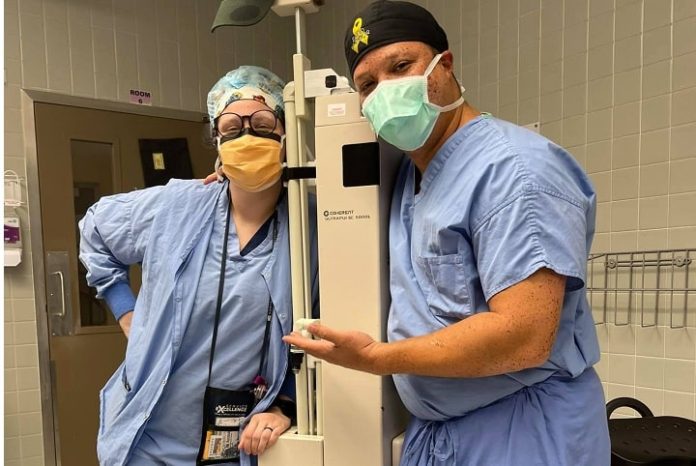
Among endometriosis experts, a consensus has developed around the best treatment paradigm for the disease. I participated in a discussion published through The Endometriosis Summit in 2021 where physicians agreed that endometriosis surgery should be performed by a specialist, ablation merely burns superficial cells and is counterproductive, and hormone therapy can be an adjunct, but it is not a solution.4 We shared the conviction that the only effective surgery is excision of all endometriosis cells using a CO2 laser (Lumenis AcuPulse and UtraPulse DUO). Pelvic floor physical therapy aids patients after surgery, and other support from a colorectal specialist or dietician may be needed.

With endoscopic CO2 laser excision of endometriosis, we can see clearly and work very precisely, removing lesions while preserving the underlying tissue. This is critically important because endometriosis cells can adhere to the ovaries, the bowel, ureters, the peritoneum, sciatic nerves, and other delicate structures. Every millimeter counts. With the laser, we can excise the maximum endometriosis cells, working very close to the healthy tissue. The laserโ€™s efficiency is also welcome, particularly in cases of extensive disease that might take 5 hours. And I have many patients who are very happy with the major improvement in their quality of life after surgery.

  1. Preserving or Restoring Fertility

With CO2 laser excision surgery, weโ€™re better positioned than ever to preserve or restore fertility. We get the best results when patients are treated early and excision is their first surgery, but we can help patients later as well. I see many young women who were diagnosed as teenagers and prescribed birth control pills, which reduced pain while the disease continued to progress. A decade later, they go off the pill and have trouble conceiving.

We’ve been very successful in helping patients get pregnant naturally, without IVF. Every week, I get messages from patients and their OB/GYNs telling me one of my patients is pregnant and very happy after being unable to conceive for years.

  1. Patient-Driven Change

Although awareness of endometriosis has traditionally been low, patients searching for their symptoms online now find in-depth information and patient stories online. Many of them join discussion groups and support networksโ€”members on Facebook alone number in the hundreds of thousands. Women read the stories and recognize that they are going through the same symptoms, misdiagnosis, or ineffective treatments. As a result, they are seeking second and third opinions and seeking gynecologists who specialize in endometriosis. This can lead to earlier diagnosis and CO2 laser excision, which improves patientsโ€™ quality of life and chances for maintaining fertility. Even patients who have suffered for decades, undergoing hysterectomy and/or multiple ablation procedures, can get some pain relief benefit from CO2 laser excision of their endometriosis and scar tissue.

Although I support patients being their own advocates, I hope that medical schools and health systems will position physicians to understand endometriosis and change the environment that makes self-advocacy so essential today.

  1. Early Treatment for Teenagers

In recent years, I have seen a significant improvement in teenagers getting an accurate diagnosis for endometriosis. Teenagers are quick to find their symptoms online and refuse to accept people telling them, โ€œItโ€™s all in your head.โ€ Ultimately, we want to diagnose endometriosis early and perform CO2 laser excision to prevent the disease from advancing. If we can remove the lesions now, we can avoid infertility and complex involvement like bowel resection and diaphragmatic endometriosis later.

Like many endometriosis specialists, I have a long waiting list of consultations booked months in advance, but I move teenagers to the front of the line. I usually see them within 1 month and do CO2 laser excision within 2 weeks of the consultation. Not only do I want to get the disease early, but I also want to head off the depression, anxiety, self-harm, and other psychological problems that have accompanied coping with this disease. I think weโ€™ll continue to see heightened awareness that endometriosis pain is not normal for teenage girls, and theyโ€™ll have a vastly improved outlook when endometriosis is treated early.

  1. On the Horizon: Diagnostic Biomarkers

There is no lab test or definitive imaging of endometriosis; diagnosis can only be confirmed surgically. Specialists have gotten better at asking the right questions before surgeryโ€”my own rate of predicting endometriosis before surgery is now close to 90%, up from about 10-20% pre-fellowship. This in-depth conversation takes time, and my initial consult for a referral is 1-1.5 hours, not a standard 15-minute visit.

In the next 5-10 years, I think that after we confirm endometriosis surgically and perform CO2 laser excision, we will analyze the endometriosis tissue for estrogen and progesterone receptors, just as we do with tumor markers. This will allow us to target therapy for each patient. For example, for endometriosis that lacks progesterone receptors, birth control pills will not relieve pain. Cells with no estrogen or progesterone receptors will continue to grow after menopause. I continue to see women as young as their 20s whom have had hysterectomies for hormone control of endometriosis, despite the absence of hormone receptors and the existence of minimally invasive CO2 laser excision. In the future, I hope to see more patients getting CO2 laser excision and biomarker-driven postoperative care for better fertility, long-term pain relief, and a better quality of life.

References:

  1. Eskenazi B, Warner ML. Epidemiology of endometriosis. Obstet Gynecol Clin North Am. 1997 Jun;24(2):235-58.
  2. Armour M, Sinclair J, Ng CHM, et al. Endometriosis and chronic pelvic pain have similar impact on women, but time to diagnosis is decreasing: an Australian survey. Sci Rep. 2020 Oct 1;10(1):16253.
  3. Nnoaham KE, Hummelshoj L, Webster P, et al. Impact of endometriosis on quality of life and work productivity: a multicenter study across ten countries. Fertil Steril. 2011 Aug; 96(2): 366-373.e8.
  4. Sinervo KR, Caceres A, Dulemba JF, et al. Treating Endometriosis: A Consensus Document Based on Discussions with Leading Gynecologists at The Endometriosis Summit. March 2021. Accessed March 2, 2022: https://theendometriosissummit.com/endometriosis-consensus/

Can You Still Get Life Insurance Even if You Have a Chronic Medical Condition?

Can You Still Get Life Insurance Even if You Have a Chronic Medical Condition?

Are you or your loved one struggling with a chronic medical condition? It has probably made it difficult to get the life insurance coverage you want. Chronic illnesses affect your life in many ways.ย 

They can significantly increase the cost of your life insurance. However, you can still get life insurance. The secret is to find the right type of insurance and prove that you are putting in measures to manage the condition as well as possible.ย 

What Are the Ideal Policies?

Generally, policies that apply to healthy people will also apply to you. Unless your illness is terminal or able to reduce your life expectancy significantly, you can qualify for both permanent and term life policies.ย 

Term Life Insurance

Term life policies come with low premiums and a generous death benefit. They are the most affordable life insurance options. They may be ideal for people with chronic diseases because they only offer coverage for a specific period.ย 

The policies typically cover you in terms of 30, 20, 15, or ten years. Upon approval for a term life policy, consider taking the longest term. It locks in your money while you are still young. Premium payments increase as you get older and as your health worsens.ย 

Whole Life Insurance

These insurance policies donโ€™t have a term limit. If you qualify, you can get coverage for the rest of your life. Note that the premiums for whole life insurance are higher than term life insurance.ย 

Some permanent policies hold a cash value that builds up over time. You can borrow against them in the future. Consider getting whole life insurance if you can afford the premium payments and have a long life expectancy.ย 

Whole life insurance policies can come with graded benefits. These provisions give you benefits for the first few years of your coverage.

Understanding How Graded Life Insurance Works

Graded life insurance pays a lower sum if death occurs in the first few years after purchasing the policy. The benefits increase to the face amount when the coverage has been in effect for a few years.ย 

The technique enables insurance providers to offer you life insurance while minimizing the risk of insuring people with chronic illnesses. Graded benefits provide you with life insurance even if you are terminally ill.ย 

Guaranteed Issue/ Simplified Issue

If you have a chronic condition that makes you a high-risk insured or increases your premium payments, you would be wise to get a simplified/guaranteed issue policy. A simplified issue policy does not require medical exams. All you need to do is fill out a comprehensive health questionnaire.ย 

You only need to answer a few health-related questions with guaranteed issue policies. Start applying for them as soon as your application is accepted.

Insurance Riders for Chronic Illness

When you have a chronic illness, life insurance riders may be ideal. They give your policy an extra layer of protection if your condition worsens.ย 

Terminal illness riders let you withdraw a part of your death benefit if you are diagnosed to have less than a year to live. This benefit is also known as the accelerated death benefit.ย 

If you have a chronic illness, do not let it get in the way of enjoying life insurance. In addition, your premium payments do not necessarily need to be exorbitant. Shop around with different insurance providers and settle for an option that offers the best coverage at the right price.ย 

You can enjoy both term and whole life insurance policies. With graded life insurance, you can enjoy the benefits of whole life insurance. Insurance riders, guaranteed issue and simplified issue policies are fantastic as well.

Waiting in GP queues could be a thing of the past with? 61% of people preferring to manage health at home

Research Reveals Agencies Optimistic about Post-Pandemic Focus on Homecare S

A survey of 2,000 consumers by Kinetik Wellbeing has revealed that the majority of people prefer to measure their health at home (61%) rather than a healthcare setting.?

However, when asked about ideal blood sugar and blood oxygen levels, 43% donโ€™t know the answers. More concerningly, a third of us (35%) donโ€™t know the ideal body temperature.?

1 in 4 people reported that they had been recommended the use of home medical devices by their GP, a growing phenomenon since the pandemic.

When it comes to how the perceptions of home healthcare have changed in recent years, 76% believe home health monitoring to be more important since the pandemic. 68% are more likely to purchase a home healthcare device now compared to a few years ago.

Dr. Katie Stephens, Resident GP at Kinetik Wellbeing, added: โ€œHaving done NHS GP work both pre- and post-pandemic, I can vouch for the reasons in-person appointments now take up much more time and need to be reserved for patients with conditions that canโ€™t be managed remotely. The good news is that getting people interested in taking ownership of their health monitoring at home can actually be a good thing and doesnโ€™t necessarily need medical expertise. By empowering people to actively monitor things like oxygen levels (especially during a Covid-19 infection) or blood pressure, we can help detect problems even before symptoms occur, leading to better outcomes for the individual and potentially reducing the strain on the NHS at the same time.โ€?

82% also admit to benefiting from access to more information about their readings. The top ways users understand their results currently include user manuals (65%), Google (44%), YouTube and other videos (33%), and social media (6%). To tackle misinformation and ensure that everyone knows their numbers, Kinetik Wellbeing is building a content and resource hub to empower users to understand their levels and what the results mean.

James Grover, Director at Kinetik Wellbeing, commented: โ€œItโ€™s great to see people taking a real interest in their own health rather than relying on the public health services. However, if the numbers arenโ€™t meaningful, then how can they do something about their findings? Thatโ€™s why we have come together with leading medical practitioners to provide education and content to help people understand their readings. This will help to close the UKโ€™s knowledge gap and empower people to self-monitor their health.โ€

When asked why they were more likely to purchase a home healthcare device now, the top answers were the pandemic (59%) and existing health issues (22%). โ€œThe pandemic has undoubtedly made more people aware of the importance of monitoring their health at home, but knowing your numbers is important for everyone, whether they have an existing medical condition or feel fit and healthyโ€ Grover concluded.

About Kinetik Wellbeing

Kinetik Wellbeing specialise in affordable, quality devices for monitoring and managing personal health from home. Founded in 2008, the company believes that everyone should have access to technology that helps them to stay healthy.

Having partnered with some of the biggest online retailers and pharmacies such as Amazon, Boots, Tesco Pharmacy, Argos, Asda, Superdrug, Nuffield Health and St Johnโ€™s Ambulance, Kinetik Wellbeing offers a range of healthcare products designed to support the public’s health and give the โ€˜Power to Youโ€™.


Google Search To Schedule Medical Appointments And Checkups

Google Search To Schedule Medical Appointments And Checkups

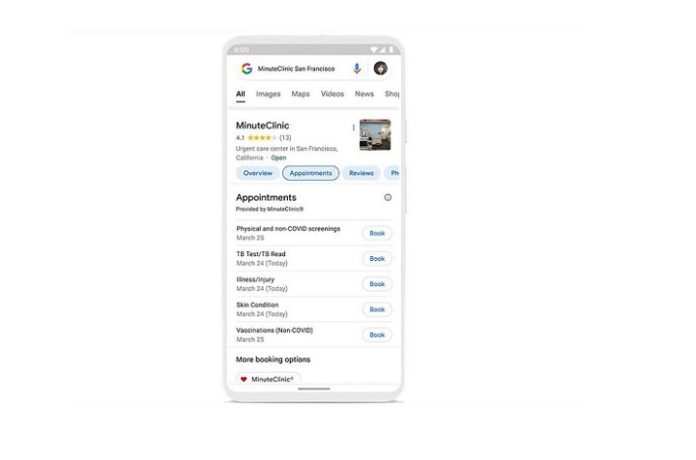
Google revealed that it is launching a new tool in search that will allow users to make medical appointments. Users who want to schedule a check-up or a same-day appointment can use Google Search to learn which health care providers are available in their area. To begin with, Google is collaborating with CVS MinuteClinic.

For instance, if one searches for a MinuteClinic nearby, Google will offer results detailing the different types of appointments available. Without leaving Google search, a person willย be able to arrange an appointment for a check-up, immunisation, skin issue, or injury/illness. It could be useful for people who don’t have access to reliable medical care or who are unable to see their current doctor.

The functionality is still in its early phases of implementation, according to Google. It hopes to expand the feature’s partners and capabilities to make it much easier for consumers to get the help they need.

This is the latest step in Google’s ongoing effort to play a bigger role in healthcare. Whether one hasย put off a yearly checkup, recently relocated or needs a new doctor, or needs a same-day visit to a CVS MinuteClinic, peopleย might discover open consultation dates and times for specialists in the region, saysย Karen DeSalvo, Google’s chief health officer,ย in a blog post. According to a Google official in a briefing, the business intends to reduce medical wait times, but users will still need to schedule appointments with medical specialists outside of the search site.

The search engine is often referred to as “Dr. Google” as it is accessed by people all around the world to obtain health-related information. Nonetheless, the company’s ambition to play a larger role in the region has been inconsistent. Google, which is controlled by Alphabet Inc., shut down its autonomous health division in August and merged its numerous teams into the other business groups. To some, it appeared to be a concession, but the company maintained that it wasย attempting to extend health care features to improve information quality by leveraging the reach of services such as search and YouTube. Google also plans to announce research on utilising smartphone cameras to identify some eye problems, having phone microphones pick up irregular heartbeats, and a plan to offer more accurate real-time health information to Japanese, Brazilian, and Indian users during an event called “The Check Up”.

Analysts See Telehealth Revenue To Hit $20 Billion By 2027

According to a new Bloomberg Intelligence analysis issued last month, the telehealth sector might generate $20 billion in revenue in the United States by 2027. Virtual care is expected to “be a staple” of healthcare delivery, as per the publication- Digital Reshaping the Health Care Ecosystem. The COVID-19 outbreak has expedited the uptake of telehealth by years, offering safe and quick accessibility to telehealth services,ย statesย Bloomberg Intelligence senior research analyst Duane Wright.

The data reveals annual revenue growth for leading telemedicine providers at 30%, saysย Wright, noting that even more prominent healthcare providers are embracing telehealth services. With the ongoingย public health crisis, Wright and his partners believe the market has experienced a “sea change,” with torchbearersย and large managed-care organisations driving the next development phase.

After the pandemic drove patients away from in-person visits, the predictiction is that virtual treatment may progressively become the norm, the research stated. Since the pandemic forced a significant shift throughout all important constituents, a return to old methods and marketing strategies seems unthinkable now. The possibility of remote health monitoring technology and smart devices, such as implantable heart monitors and continuous glucose monitors, was underlined by the analysts. The research highlights that the outbreak has caused a “flywheel effect” for the overall virtual environment, accelerating the industry’s rate of adoption by a factor of years.

The adjustments in healthcare delivery required by shelter-in-place orders boosted awareness of the virtual channel’s capabilities among both patients as well asย clinicians, and as a result, providers and health systems significantly boosted their technology expenditures, that are increasingly leveraging assets to improve treatment and cut costs.

Despite admitting the elimination of policy barriers, the researchers did not go into detail concerning the significance of federal and state laws on telehealth adoption. Within 3 to 5 years, they expect that 15 percent of total outpatient appointments will be virtual.ย They don’t see the 15% projection as a high point, but rather as a major step as digital will become the front entrance to healthcare, the research outlined.

Surprisingly, a report released last monthย by Trilliant Health takes a more cautious approach to virtual care’s future. Researchers for that paper noticed that women are fueling the majority of telehealth utilisation, observing that it dropped in 2021 from its high peak at the start of the pandemic. The majority of telehealth patients, aroundย 45 percent,ย had only one virtual visit, while about 14 percent were classified as “high” or “super” users, having seven or more visits. Superusers are mainly young and primarily use mental healthcare. They are often concentrated in places with higher economic levels.

Virtual care is more likely to be used by “intentional endurers”- those who live in the “now and now” in terms of health and also “self-achievers”- those who are most active when it concerns wellness. Researchers took into accountย that the number of tech-enabled providers is continuing to grow, despite the fact that demand is expected to decline during the pandemic.

The researchersย cited Amazon and Walmart as crucial players who entered the market in 2021, claiming that traditional providers are inadequately equippedย to compete with retailers.

In a statement, Sanjula Jain, Trilliant Health’s chief research officer and senior vice president of market strategy, said their research suggests that consumer habits and several of the predominant tales on the market forecast for telehealth are seemingly completely inconsistent, bolstering caution for groups that are planning their virtual care methods merely based on industry hype.

8 Tips To Help You Improve Your Vagal Tone

8 Tips To Help You Improve Your Vagal Tone

Vagal tone is the activity of the vagus nerve, the 10th cranial nerve, and a key component of the parasympathetic nervous system. This part of the nervous system is not conscious and is primarily in charge of regulating several body compartments at rest. It influences heart rate, breathing, and digestion, among other things. The vagus nerve is also known as the โ€œwandering nerveโ€ because it wanders through different parts of the body. The activity of this nerve is important for overall health and wellbeing. There are a few things you can do to improve your vagal tone and boost your overall health. Here are 8 tips:

1. Use a Device for Stimulation

There are devices available that can help to stimulate the vagus nerve and improve vagal tone. One such device is called a transcutaneous vagus nerve stimulator (tVNS). This is a small, battery-operated device that attaches to the ear and sends electrical impulses to the vagus nerve. These impulses help to increase vagal tone and have been shown to be effective in treating conditions like depression, anxiety, and chronic pain. However, it’s important to find a safe vagus nerve stimulation device that has been tested and approved by the FDA. By using a device like this, you can help to improve your vagal tone and boost your overall health.

2. Expose Yourself to Cold Temperatures

One way to increase vagal tone is to expose yourself to cold temperatures. When the body is exposed to cold, it causes a reflexive response in the autonomic nervous system that leads to an increase in vagal tone. This response is known as the โ€œcold paradoxโ€. The cold paradox occurs because when the body is exposed to cold, it causes a decrease in heart rate and an increase in vagal tone. So, by exposing yourself to cold temperatures, you can actually increase your vagal tone and improve your cardiovascular health.

3. Breathe Slowly and Deep

Did you know that the way you breathe can influence the health of your vagus nerve? When you breathe slowly and deep, it causes a reflexive response in the autonomic nervous system that leads to an increase in vagal tone. So, by breathing slowly and deep, you send a signal to your brain that everything is okay. This, in turn, helps to improve the function of your vagus nerve. On the other hand, when you breathe quickly and shallowly, it causes a reflexive response in the autonomic nervous system that leads to a decrease in vagal tone. So, if you want to improve your vagal tone, make sure to breathe slowly and deep.

4. Chant, Sing, and Hum

Another way to increase vagal tone is to chant, sing, and hum. Because the muscles of the vocal cords are connected to the vagus nerve, these activities are excellent ways to stimulate it. This is an excellent way to boost vagal tone and increase heart rate variability, both of which indicate a healthy nervous system. Start by chanting, singing, or humming for just a few minutes each day and gradually increase the length of time as you become more comfortable.

5. Drink Probiotics

Probiotics are live microorganisms that are found in fermented foods like yogurt and sauerkraut. They have been shown to be beneficial for gut health and can also help to improve vagal tone. Lactobacillus and Bifidobacterium are two strains that are directly related to the gut-brain link as it relates to mood, anxiety, and depression. This is also directly related to the vagus nerve. It has been demonstrated that taking probiotics can improve vagal tone and stimulation.

6. Consume Omega-3โ€™s

Omega-3 fatty acids are essential for good health. They are found in fish, nuts, and seeds. Omega-3โ€™s have been shown to be beneficial for heart health, brain health, and immunity. They can also help to improve vagal tone. One study showed that taking omega-3 supplements for eight weeks improved heart rate variability and increased vagal tone. In addition, another study showed that omega-3โ€™s can help to protect the vagus nerve from damage. So, by consuming more fish, nuts, and seeds, you can help to improve your vagal tone. In addition, you can also drink supplements like krill oil or fish oil.

7. Meditate

Meditation has been shown to be beneficial for overall health. It can help to improve heart rate variability, increase vagal tone, and reduce stress. In addition, meditation can also help to protect the brain from age-related decline. Meditation helps your vagal tone by teaching you how to stay calm and focused, even in the face of stress. This can be done by sitting quietly for just a few minutes each day and focusing on your breath. You can find many guided meditations on YouTube or online. By meditating every day, you can help to improve your vagal tone.

8. Exercise More

Exercise is another excellent way to improve vagal tone. Not only does it help to strengthen the heart and improve cardiovascular health, but it also helps to improve vagal tone. One study showed that moderate-intensity exercise for just 30 minutes per day was enough to improve vagal tone. In addition, another study showed that high-intensity exercise for just 10 minutes per day was enough to improve heart rate variability and increase vagal tone.

In addition to exercise, you should also make sure that you get enough sleep every night. When you’re exhausted, it puts a lot of stress on your body and can lead to a decrease in vagal tone. On the other hand, when you sleep, your body repairs and heals itself. This includes the vagus nerve. So, by getting enough sleep, you can help to improve your vagal tone.

Improving your vagal tone can lead to a healthier and happier life. The 8 tips listed in this article are just the tip of the iceberg, but they’re an excellent start if you want to improve how you feel. From drinking probiotics to meditating, there are many ways that you can improve your vagal tone. Start by trying out a few of these tips and see which works best for you. You may find that some work better than others, so it’s important to be flexible.

The 2 Best Ways To Recover Quickly From A Workout

Anybody who plays sports or works out regularly knows that uncomfortable feeling that lingers in the muscles for a couple of days. It can be hard to go up and down stairs and even sitting still feels awful. It is a barrier to getting back to your exercise routine or playing your favorite sports because everything hurts.

The key to being able to establish a regular routine is to recover quickly from your workout. If you try to exert yourself when you are still in pain, then you can easily injure yourself. Itโ€™s best to plan for recovery and rebound faster. In this article, we will go over several ways that you can get back to normal after a grueling workout.

1 – Get the right nutrients

The right nutrients are like the fuel that your body needs to be able to exercise and be active in general. If you ignore your diet when you are exercising regularly then itโ€™s like putting regular fuel in a diesel engine. Itโ€™s just not going to work.

When you are putting the right nutrients into your body then your muscles and body, in general, are able to repair quickly and get you back on track very fast. You need to focus on what youโ€™re putting into your body after your workout to maximize the results.

You should be focusing on two things to get those nutrients. The first is what you eat. There are certain foods that help your body repair itself quickly. The second is to take some supplements that are balanced with the right nutrients and formulated specifically for your post-workout. These can be in the form of pills, shakes, or even IV therapy Kansas City.

The key is to make sure to get plenty of protein and amino acids to help the muscles rebuild themselves and repair the damage done from the workout. As a result, you will also see some nice gains in your muscle mass in addition to recovering faster.

2 – Do some stretching

One of the reasons your muscles ache so much after a workout isnโ€™t just because of the damage done to them. There is a build-up of lactic acid in the muscles that causes pain. The key is to get rid of this acid as soon as you can so your muscles can feel normal again.

One of the best ways to get this lactic acid to move on is to do some light stretching. The idea is to gently open up the circulation and let the acid flow through the blood and not be concentrated in one area. Try to not exert the muscles too much during the stretching, if you plan to do yoga then it should be very easy yoga and only last for about 20 minutes.

The stretches should allow the joints to open up and the acid will pass gradually. Then take a break and rest before getting back to your regular routine.

UST launches new digital patient engagement solution in partnership with Well-Beat

UST, a leading digital transformation solutions company, and Well-Beat, an Israeli start-up adding the human touch to healthcare through behavioral AI, have developed a first-of-its-kind digital patient engagement SaaS solution.

The digital solution delivers personalized conversational guidelines to the clinician at the point of care with prompts specific to a patientโ€™s motivational factors. It helps deliver direct and indirect behavioral nudges to patients based on over 1,400 factors โ€“ including but not limited to the progression of their disease state. It takes inputs from short surveys, medical records, and connected devices and dynamically adapts patient communication to provide intelligent interventions and customized patient experiences.

The solution works with existing Electronic Health Record (EHR) systems and connected devices โ€“ and so it does not require any changes to clinical workflows or onboarding to a new platform. It gives administrators a blockchain-based patented tool for assessing the patient ecosystem with a unique set of APIs that increases the capability of the existing EHR.

โ€œOur new patient engagement solution combines the best of behavioral science with the best of artificial intelligence,โ€ said Syam Adusumilli, Chief Healthcare Transformation Officer, UST. โ€œWe saw a real need, a human need, on the frontlines of healthcare delivery to reduce the cognitive load on clinicians and make encounters with patients more effective. We knew that dynamic personalization technology was mature enough to be viable. With over two decades of health tech experience, we knew we had the team in place here at UST to make it cost-effective, easy to implement, secure and compliant.โ€

โ€œOur goal is to deliver personalized patient outreach and customized intervention by dynamically adapting to patientsโ€™ behavior patterns. It also reduces the admin burden for providers, helping with a key aspect of provider burnout,โ€ said Ravit Ram Bar-Dea, Co-Founder & Chief Executive Officer, Well-Beat. โ€œWe knew UST had a vast depth of experience across the entire healthcare technology ecosystem and would be the perfect partner to help us realize our goal and bring this new solution to market.โ€

Early trials at Sheba Medical Center, Tel-Aviv, Israel, yielded a three-times improvement in adherence and 87% provider and patient satisfaction scores. Professor Robert Klempfner, MD, Director of Cardiac Rehabilitation Institute, Sheba Medical Center, reports, โ€œThe new information and insights flow enrich the existing programs and enable new programs to be developed even in remote care. It is a success for everyone.โ€ He added, “I was pleasantly surprised by the rapid uptake of the system by both patients and our healthcare team. It was very easy to use; it was not intrusive, and patients were highly engaged. The team has insight into elements that were not there before”.

About UST

For more than 22 years, UST has worked side by side with the world’s best companies to make a real impact through transformation. Powered by technology, inspired by people, and led by our purpose, we partner with our clients from design to operation. We identify their core challenges and craft disruptive solutions that bring their vision to life through our agile approach. With deep domain expertise and a future-proof philosophy, we embed innovation and agility into our clients’ organizationsโ€”delivering measurable value and lasting change across industries and worldwide. Together, with over 29,000 employees in 30 countries, we build for boundless impactโ€”touching billions of lives in the process.

About Well-Beat

Well-Beat provides a next-generation patient behavioral change solution, based on human behavior understanding and proprietary data-driven technology. At its core, the solution empowers healthcare providers and organizations to dramatically increase treatment regime adherence in patients.

The companyโ€™s mission is to bring humanity to healthcare through raising the level of engagement and personal responsibility of patients to their health and wellness regime. By incorporating Well-Beat insights into their daily practices, healthcare providers can generate more effective face-to-face meetings with patients, along with digital intelligent interventions, to ultimately provide the most suitable wellness program and approach for each patient. Through adjusting adjustment of personalized interactions to every patient, Well-Beat enables healthcare organizations to boost their operational efficiency, increase revenues and reduce long-term healthcare costs, while maintaining the level of treatment.

Translate ยป