







Close
Digital Health & Ai Innovation summit 2026
Medical Taiwan 2026

WHO Builds Global Centre For Traditional Medicine In India

WHO Builds Global Centre For Traditional Medicine In India

The World Health Organization (WHO) and the Indian government have signed a memorandum of understanding to create the WHO Global Centre for Traditional Medicine. With a USD 250 million investment from the Indian government, this worldwide knowledge hub for traditional medicine intends to realize the full potential of traditional medicine from around the world using contemporary science and technology to improve people’s and the planet’s health.

Traditional medicine is used by an estimated 80% of the world’s population. 170 of the 194 WHO Member States have acknowledged using conventional medicine, and their authorities have asked WHO for assistance in compiling a body of trustworthy information and statistics on traditional medicine practises and products.

Traditional medicine is the very first port of call for several million people across the world to cure numerous ailments, says WHO Director-General Dr. Tedros Adhanom Ghebreyesus. The WHO’s objective is to ensure that everyone has access to effective care, and this new centre will assist in leveraging the power of research to bolster the scientific basis for traditional medicine. He added that he appreciates the Indian government’s cooperation and certainly plans on making it a success.

Traditional medicine refers to the sum of indigenous and various cultures’ knowledge, skills, and practises for maintaining health and preventing, diagnosing, and treating physical and mental disease across time. Its scope covers both traditional and modern medicine, including acupuncture, ayurvedic medicine, and herbal mixes. National health systems and policies, on the other hand, have yet to completely integrate the millions of traditional medicine personnel, accredited courses, healthcare facilities, and health spending. It is encouraging to learn of the execution of the Host Country Contract for the Global Centre for Traditional Medicine’s establishment (GCTM). According to the Prime Minister of India, Hon. Mr. Narendra Modi, the agreement between the Ministry of Ayush and the World Health Organization (WHO) to create the WHO-GCTM in Jamnagar, Gujarat, is a praiseworthy endeavour. He adds that their administration has worked tirelessly via numerous efforts to make preventive and therapeutic healthcare inexpensive and accessible to all. He further said that the world centre in Jamnagar would contribute to the world’s best healthcare solutions.

In today’s era, traditional medicine is becoming more important. Natural compounds account for 40% of all licenced pharmaceutical drugs in use today, underscoring the critical importance of biodiversity and sustainability. The creation of aspirin, for example, was built on traditional medical formulations utilising willow tree bark; the contraceptive pill was produced using the roots of wild yam plants; and child cancer treatments were centred on the rosy periwinkle. Notably, an examination of ancient Chinese medicine books led to Nobel Prize-winning research on artemisinin for malaria treatment.

Traditional medicine has undergone a rapid modernization in terms of how it is examined. Artificial intelligence is now being utilised in traditional medicine to map evidence and trends, as well as to screen natural materials for pharmacokinetic features. In some traditional medicine therapies, such as meditation and yoga, functional magnetic resonance imaging is utilised to analyse brain activity and the relaxation response, which are increasingly employed for mental health and well-being in trying moments. Mobile phone apps, online classes, and other technologies have also helped to modernise traditional medicine.

While Jamnagar will act as the center’s hub, the new facility will engage and benefit people from all over the world. It will focus on developing a robust evidence base for traditional medicine policies and standards, as well as assisting countries in integrating traditional medicine practises and products into national health systems and regulating their safety and quality for maximum and long-term impact.

To enhance conventional medicine’s contribution to global health and sustainable development, the new centre will focus on four core strategic areas: evidence and learning, data and analytics, sustainability and equity, and innovation and technology. April 21, 2022, will be the date when the WHO’s new centre for traditional medicine in Jamnagar in Gujarat, India, will be officially opened.

The AHA Pressing The DOJ To Safeguard Healthcare Workers

Master Lock announces product donation to help protect frontline workers and small business amid pandemic

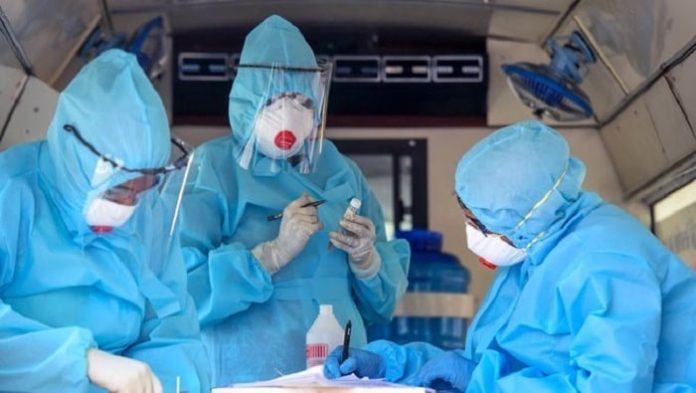
In a letter written by the American Hospital Associationโ€™s President and CEO, Richard J. Pollack, to the U.S. Department of Justice Attorney General, Merrick Garland,he has requestedย support for legislation that would safeguard health care workers from attack and intimidation on behalf of nearly 5,000 member hospitals, health systems, and other health care organizations, clinician partners that includeย more than 270,000 associated doctors, 2 million nursing staff, and other care-givers,ย and alsoย the 43,000 health care leaders who belong to their professional membership groups.

As mentioned in the letter, hospitals and health systems have already had solid policies in place for identifying and deterring violence against their workers for a long time. However, since the outbreak of the pandemic, violence against hospital personnel has skyrocketed and shows no signs of abating. The letter cites that during the pandemic, 44 percent of nurses experienced physical assault and 68 percent experienced verbal abuse. Richard, in his letter, further stated that these conclusions are backed up by media reports. Of the many examples, a patient recently grabbed a caregiver in Georgia by the wrist and struck her in the ribs. A nurse was slammed against a wall and bitten by a patient in South Dakota. In another incident in New York, a Thai medical student was nicknamed “China Virus,” kicked and dragged on the ground, her hands bloodied and her legs bruised. The letter showcases a statement given by the President of Mercy Health Saint Mary’s, Michigan in which it is apparently mentioned that their staff get screamed at, assaulted, hit, clawed, and that this is happening on a daily basis. One of the nurses from Maine goes on to say that they were hit, strangled, pushed, kicked, spit on, and hit in the head.ย 

The letter mentions that workplace violence has far-reaching implications for the healthcare system as a whole. Not only does workplace violence and intimidation harm healthcare employees physically and mentally, but it also makes it difficult for nurses, doctors, and other clinical personnel to give superior patient care. When nurses and doctors are fearful of their personal security, preoccupied by noisy patients and families, or scarred from previous violent experiences, they are unable to give focused treatment. Furthermore, violent interactions in healthcare facilities eat up important resources and can cause other patients to wait even longer for a cure. Workplace violence has been shown in studies to lower positive patient outcomes and employee productivity, as well as raise the risk of adverse medical outcomes.

Assaulting or intimidating medical practitioners is no longer acceptable as “part of the job.” Richard says that this unacceptably bad condition and necessitates federal intervention. He mentions that the DoJ took quick action last year to combat the surge in violent behaviour on commercial planes by asking US Attorneys to pursue prosecutions where airline staff were assaulted by passengers. He was reminded of this statement released by the authorities during that time: The Department of Justice is dedicated to using its capabilities to do its part to stop violence, intimidation, threats of violence, and other criminal activity on commercial aircraft that jeopardises the safety of the passengers, flight crews, and flight attendants;ย is what was written in black and white by the DoJ. As one knows, strict enforcement provides a safe travelling atmosphere, dissuades violent behavior, and guarantees that offenders are held accountable, reads the letter.

The letter opines thatย the Department of Justice owes the nation’s healthcare employees the same safeguards and devotion. Unfortunately, no federal legislation serves to protect healthcare employees from the significantly higher rates of violent crime that they face. As a result, they urge support for legislation modelled after 18 U.S.C. 46504 that would provide similar rights to those already available to flight crews and airport employees. Concluding the communication, Richard reiterated that Merrick Garland, the Attorney General of the US DoJ, to whom he was writing,ย has upheld the Justice Department’s commitment to safeguard the American people from violence and threats of violence ever since he took office. The American Heart Association salutes his unwavering dedication to making society safer and they hope to work with him to ensure that hospitals and health systems, which are critical pillars of these societies, may concentrate on caring for their patients without fear of violence against their personnel.

4 Steps to Prove a Nursing Home Abuse or Neglect Claim

4 Steps to Prove a Nursing Home Abuse or Neglect Claim

Nursing homes are the one place where people take their loved ones, hoping someone will take good care of them. Unfortunately, we read stories of abuse in nursing homes every other day.

Worse, your loved one in a nursing home may be limited cognitively or in speech, meaning abuse can continue for weeks or months unnoticed.ย 

If you suspect that your loved one has suffered abuse in a nursing home, you can sue for damages under medical malpractice lawsโ€”this post highlights steps to proving your abuse or neglect claim against a nursing home.ย 

ย ย  1. Hire a Lawyer

If you suspect or have evidence to prove that your loved one has suffered abuse at a nursing home facility, you can file a medical malpractice lawsuit against the nursing home to recover damages. Even when you think you have credible evidence to prove your case, filing a nursing home abuse and neglect claim may not be as simple as you may think.ย 

The nursing home will most likely build a solid defense with the help of their attorney, and your claim may not stand a chance. If you hope to get justice for your loved one, enlisting a lawyer with experience in nursing home abuse claims would be the best place to start.

You may want to check out nursinghomelawyerpa.com to find a lawyer specializing in home abuse and neglect cases.ย 

ย ย  2. Get Them Medical Attention

Older adults’ bodies are pretty fragile, meaning any form of physical abuse can take a huge toll on them. So it is best to ensure they are checked by a doctor outside the facility where they suffered the abuse.ย 

Getting medical attention can help in several ways; it ensures that your loved one’s health is taken care of, helps determine the probable cause of the injuries, and provides medical documentation necessary to prove the damages suffered.

ย ย  3. Gathering Evidence

After medical help, the other thing you want to do is gather all evidence as soon as possible. The longer you take, the higher the chances of losing the evidence. Most signs of abuse and neglect can include bruises, cuts, scrapes, sores, and fractures.ย 

These injuries can disappear fast, so you may need to document the injuries in photo or video. Also, your lawyer can help you access the facility’s CCTV footage if they have one installed to get evidence of abuse.ย 

ย ย  4. File the Claim

After getting medical help for your loved one and collecting all the necessary evidence with the help of your lawyer, the next step will be filing a lawsuit. Filling a claim provides you with the one important chance of presenting your evidence to the other side.ย 

Depending on the strength of your case (the available evidence), they may opt to settle out of court or go to trial.ย 

Elements of a Nursing Home Neglect and Abuse Case

When navigating a claim, your lawyer has to show that the three elements of neglect exist, which include:

  • Breach of duty. Nursing home health providers owe a duty of care to their patients. They are expected to provide a standard of care that any reasonable health service provider would under the existing circumstances. A breach of this duty amounts to negligence.
  • Causation. Your lawyer must also prove that the breach of duty resulted in the injuries sustained by the patient.
  • Damages. The damages sought are specific to the injuries suffered by the victims as a result of neglect or abuse. There are two main recoverable damages under nursing home neglect and abuse cases, economic and non-economic damages.ย 

Economic damages cover all monetary costs incurred in the treatment of the injuries. On the other hand, non-economic damages refer to unquantifiable damages, such as pain and suffering and emotional and psychological pain.

Medtronic announces first patient implants of investigational implantable tibial neuromodulation therapy for bladder incontinence

Procedure-Related Techniques and Care Pathways from the OPTIMIZE PRO Clinical Study Show Promising Early Outcomes for Patients Implanted with the Medtronic Evolut TAVR System

Medtronic plc, a global leader in healthcare technology, today announced the first patient implants in the TITAN 2 pivotal study that will evaluate the safety and efficacy of Medtronic’s investigational implantable tibial neuromodulation (TNM) device in people with overactive bladder (OAB). The minimally invasive technology stimulates the posterior tibial nerve near the ankle, transmitting electrical impulses that regulate neural activity of the bladder.

“Implantable TNM has the potential to offer relief to millions who suffer from bladder incontinence through a new approach that will provide greater convenience and more options for physicians and patients,” said Una Lee, M.D., FPMRS, urology specialist at Virginia Mason Medical Center and national principal investigator for the TITAN 2 study. “The first patient implants in the Titan 2 study marks the beginning of what may be an important part of the future for better bladder control.”

Implantable TNM aims to expand access to therapies for incontinence for more physicians and their patients. More than 37 million adults in the U.S. โ€” almost one in six โ€” suffer from OAB.1,2 Of those, 4.5 million are candidates for an advanced therapy, yet only 5% receive treatment.3 Medtronic currently offers percutaneous tibial neuromodulation (PTNM) therapy through its NUROโ„ข system, but PTNM requires patients visit a clinic setting to receive therapy and return for repeat treatments. An implantable TNM device would reduce the burden on patients and physicians by delivering ongoing treatments without the need for additional clinic visits. Additionally, the procedure is less invasive than sacral neuromodulation, the current standard of care.

The TITAN 2 study is a prospective, multicenter, pivotal study to examine the safety and efficacy of the implantable TNM device in people with OAB. The study will include up to 130 patients from up to 30 sites in the U.S. The primary endpoint for the study is six months, and patients will be followed for 24 months.

Launched in April 2021, the TITAN 1 feasibility study characterized the procedure for the implantable TNM device in subjects with bladder incontinence. Upon successful completion of TITAN 2, Medtronic will prepare its submission to the U.S. Food and Drug Administration (FDA) for approval.

“Medtronic’s decades of experience with implantable neuromodulation, existing proprietary technology platforms and the proven effectiveness of our PTNM4 therapy uniquely positions us to bring implantable TNM to the market. We’re confident this new option will truly meet the needs of physicians and patients,” said Mira Sahney, president of the Pelvic Health business, which is part of the Neuroscience Portfolio at Medtronic. “TITAN 2 demonstrates our commitment to investing in the future and expanding access to advanced therapies for the treatment of incontinence.”

For 25 years, Medtronic has pioneered sacral neuromodulation (SNM) therapy delivered by its implantable primary cell InterStimโ„ข systems. Later the company enhanced its portfolio with the addition of PTNM delivered through the NURO system. Recognizing that offering a suite of device options to best fit a patient’s lifestyle and treatment goals would help expand access to advanced therapy, Medtronic further augmented its portfolio with the introduction of the smallest SNM device on the market โ€“ the rechargeable InterStimโ„ข Micro โ€“ and, most recently, InterStim Xโ„ข ? the next generation of its recharge-free SNM device, which provides more than 10 years of battery life without the need to recharge and up to 15 years under low energy settings.

About Medtronic
Bold thinking. Bolder actions. We are Medtronic. Medtronic plc, headquartered in Dublin, Ireland, is the leading global healthcare technology company that boldly attacks the most challenging health problems facing humanity by searching out and finding solutions. Our Mission โ€” to alleviate pain, restore health, and extend life โ€” unites a global team of 90,000+ passionate people across 150 countries. Our technologies and therapies treat 70 health conditions and include cardiac devices, surgical robotics, insulin pumps, surgical tools, patient monitoring systems, and more. Powered by our diverse knowledge, insatiable curiosity, and desire to help all those who need it, we deliver innovative technologies that transform the lives of two people every second, every hour, every day. Expect more from us as we empower insight-driven care, experiences that put people first, and better outcomes for our world. In everything we do, we are engineering the extraordinary.

Lazurite’s ArthroFree Wireless Camera System for Minimally Invasive Surgery Receives FDA Market Clearance

Lazurite's ArthroFree Wireless Camera System for Minimally Invasive Surgery Receives FDA Market Clearance

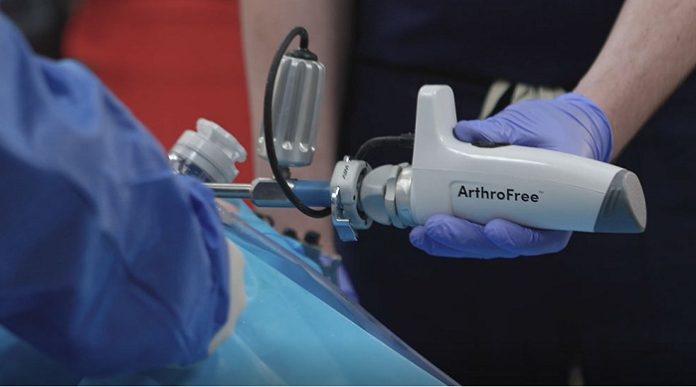
Lazurite announced that its ArthroFreeโ„ข System is now the first and only wireless camera system for minimally invasive surgery to receive U.S. FDA market clearance.

The ArthroFreeโ„ข System incorporates the companyโ€™s proprietary low-heat, high-intensity Meridiemโ„ข light technology along with advanced camera, battery, and wireless transmission technologies. It is designed to deliver improved operating room productivity, patient safety, and economic value through cost-savings, energy efficiency, and reduced setup/breakdown times. The modular system also is designed to be drop-in compatible with patient data consoles, surgical displays and endoscopes found in minimally invasive operating rooms.

Visit the Lazurite CONTACT PAGE to request a demonstration/trial use or to purchase the ArthroFreeโ„ข System, which has received notable interest and accolades from prominent surgeons.

โ€œIโ€™ve had the opportunity to use the ArthroFree camera in the laboratory, and Iโ€™m absolutely amazed at the quality of the picture and the way the device feels in my hands,โ€ said Mark Schickendantz, M.D., director of the Center for Sports Health at the Cleveland Clinic and since 1992 team physician for the Cleveland Guardians baseball team. โ€œWhatโ€™s incredible is to be able to use an arthroscope that doesnโ€™t have the cumbersome cables. That is just absolutely incredible.โ€

โ€œWith ArthroFree, you have excellent quality images and simultaneously you have a clean, streamlined, uncluttered surgical field. Itโ€™s all built into the camera. When you pick it up and pop in the battery, itโ€™s on. In a few years, I think, this is going to be the standard,โ€ said University Hospitals Health System trauma surgeon Jeffrey Ustin, M.D.

โ€œThe ArthroFreeโ„ข System provides freedom of movement weโ€™ve never had before,โ€ saidLaith Jazrawi, M.D., Chief of Sports Medicine at NYU Langone Orthopedic Hospital. โ€œYou donโ€™t have to move cables around. The camera is lightweight and easy to handle. I canโ€™t imagine a surgeon who wouldnโ€™t want this.โ€

Eugene Malinskiy, Chief Executive Officer and cofounder of Lazurite, emphasized the companyโ€™s commitment to creating high value innovation in partnership with the medical community. โ€œThe idea for what is now the FDA-cleared ArthroFree System was born from the very real need to create a safer, more efficient operating room for the benefit of everyone involvedโ€”from patients to surgeons to OR teams to clinics and hospitals.โ€

Malinskiy and his team believe โ€œthat this truly is the beginning of the operating room of the future. The entire endoscopic market will benefit from our minimally invasive surgical equipment advancement going forward.โ€

Mark Froimson, M.D., Chair of the Board of Lazurite elaborated, โ€œWe are proud to have achieved this major milestone on our way to bringing operating rooms across the country into the wireless age. In the coming year, we will be introducing the ArthroFree System to thousands of healthcare professionals at conferences, in demos, through distributors and group purchasing channels, and through partnerships with leading medical centers.โ€

Philips expands network of clinical partners to set new standard of care for the early diagnosis and treatment of lung cancer

Philips expands network of clinical partners to set new standard of care for the early diagnosis and treatment of lung cancer

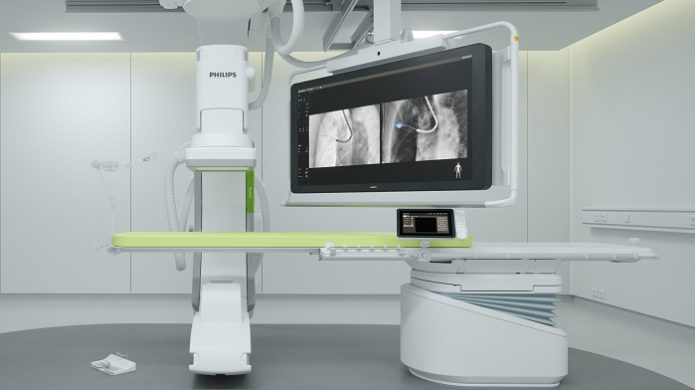
Royal Philips, a global leader in health technology, today provided an update on the growing global clinical interest in its innovative lung cancer diagnosis and treatment solution โ€“ Philips Lung Suite โ€“ which is underlined by its rapid roll-out with new clinical partners. Some of the new innovating partner sites are: Royal Brompton Hospital โ€“ London UK; Hรดpital Erasme โ€“ Brussels, Belgium; Ziekenhuis Oost-Limburg (ZOL), Genk Medical Center โ€“ Genk, Belgium; Carmel Medical Center โ€“ Haifa, Israel. Rouen University Hospital โ€“ Rouen, France is also planning to start using the innovation. Several healthcare providers have already successfully diagnosed their first patients using Lung Suite, which works in combination with the companyโ€™s Image Guided Therapy System โ€“ Azurion.

Lung cancer is the number one cause of cancer death worldwide, claiming the lives of 1.8 million people per year [1]. More than 60% of lung cancer patients are diagnosed at a late stage, reducing their odds of survival [2]. Philips Lung Suite is a revolutionary 3D real-time imaging platform that addresses the need for earlier precision diagnosis and minimally-invasive treatment with an all-in-one platform that enables doctors to perform biopsy, ablation, marking of lesions, and/or thoracic surgery procedures in the same room, allowing patients to be both diagnosed and treated. Its ability to locate and characterize small-sized lesions could significantly enhance future lung cancer care.

โ€œPhilips Lung Suite has been shown to increase the accuracy of lung cancer biopsy procedures, improving results for patients and offering the potential to immediately treat early-stage lung cancer patients,โ€ said Karim Boussebaa, General Manager, Image Guided Therapy Systems at Philips. โ€œThese new partners add to our rapidly expanding global ecosystem of clinical partners who are pushing innovation forward, with of the goal of offering patients diagnosis and minimally-invasive treatment in a single procedure, improving patient outcomes and their quality of life.โ€

Philips Lung Suite provides advanced real-time 3D imaging with augmented fluoroscopy on the companyโ€™s Image Guided Therapy Systems โ€“ such as Azurion, combined with dedicated software. With Philipsโ€™ Cone Beam CT imaging, the X-ray detector rotates around the patient to generate a CT-like image in around five seconds, providing clinicians with a high-resolution 3D view of the target lesion and other anatomical structures. This allows the clinician performing the biopsy procedure to be continually guided by high-quality real-time imaging to advance a catheter towards the lesion through a bronchoscope. Once done, its position can be confirmed in real-time using the same imaging modality, and a biopsy sample can be taken.

โ€œIn the fast-growing world of intraoperative imaging, cone-beam CT remains the gold standard for augmented fluoroscopy and lesion confirmation. Using Lung Suite, no nodule can hide, regardless of anatomical position or radiologic characteristic, making it a valuable tool for both diagnosis and future ablation procedures,โ€ said Dr. Amir Abramovich, MD., Director of Interventional Pulmonology at the Carmel Medical Center in Haifa, Israel.

โ€œCone-beam CT is the critical step towards targeting sub-20 mm nodules and an essential tool for the transition towards bronchoscopic microwave ablation of peripheral lung lesions,โ€ said Professor Shah Pallav, MD., consultant respiratory physician at Royal Brompton Hospital in London, UK.

โ€œThe advanced cone beam CT imaging combined with augmented fluoroscopy of Philips Lung Suite gives us the confidence to safely reach and biopsy difficult-to-access peripheral lung nodules,โ€ said Maarten Criel, MD., Pulmonologist at ZOL Genk Medical Center, Belgium.

Dr. Kelvin Lau, consultant and lead thoracic surgeon at St Bartholomewโ€™s Hospital, London, successfully diagnosed and treated lung cancer patients using cone beam CT for biopsy, bronchoscopic microwave ablation and for precision image-guided surgery, all in one procedure, during initial clinical trial. Advanced imaging with Philips Lung suite is used during procedures for real-time 3D image guidance and confirmation. Additional clinical trials at various hospitals are expected to start soon.

About Royal Philips

Royal Philips is a leading health technology company focused on improving people’s health and well-being, and enabling better outcomes across the health continuum โ€“ from healthy living and prevention, to diagnosis, treatment and home care. Philips leverages advanced technology and deep clinical and consumer insights to deliver integrated solutions. Headquartered in the Netherlands, the company is a leader in diagnostic imaging, image-guided therapy, patient monitoring and health informatics, as well as in consumer health and home care. Philips generated 2021 sales of EUR 17.2 billion and employs approximately 78,000 employees with sales and services in more than 100 countries.

GE Healthcare announces first patient dosed in phase III clinical trial for new dopamine transporter imaging radiopharmaceutical

GE Healthcare

GE Healthcare has announced the first patient dosed in the Phase III clinical trial for a Positron Emission Tomography (PET) radiopharmaceutical imaging agent which aims to assist in the evaluation of adult patients with suspected Parkinsonian syndromes, support research and improve patient care. Already a global leader with DaTscan ([123I]-ioflupane), used in Single-Photon Emission Computed Tomography (SPECT) imaging across more than 40 countries worldwide, GE Healthcare is now planning to bolster its portfolio with two pipeline radiopharmaceuticals, one for PET and one for SPECT.

The multi-center Phase III clinical trial of a PET radiopharmaceutical is underway in France. In addition to offering a potentially shorter patient workflow, the clinical trial is comparing PET for striatal dopamine transporter visualization with DaTscan. PET technology offers higher spatial resolution than SPECT, which may result in a clearer image to aid visual interpretation and diagnosis. This PET radiopharmaceutical was originally developed by Zionexa, a French company specializing in innovative radiopharmaceuticals which was acquired by GE Healthcareโ€™s Pharmaceutical Diagnostics business last year.

Speaking about the clinical trial, Professor Olivier Rascol, Professor of Clinical Pharmacology at Toulouse University Hospital, said: โ€œWe are excited to conduct this multi-center Phase III study which represents a significant milestone in the development of this radiopharmaceutical. Having a PET option for dopamine transporter imaging in patients with Parkinsonian syndromes could be highly relevant for an early differential diagnosis.โ€

A next stage clinical study for a SPECT dopamine transporter imaging agent will also be underway this year in the United States. Licensed from Boston-based brain imaging specialist, LikeMinds, it has the potential to reduce overall procedure time, to optimize imaging center workflow and help improve patient comfort. GE Healthcare has obtained exclusive global rights to the product.

Dr John Seibyl, Board Chairman and Distinguished Scientist, Institute for Neurodegenerative Disorders, New Haven, Connecticut, said: โ€œThis new SPECT agent may offer a faster imaging workflow which could provide more convenience for patients with suspected Parkinsonian syndromes and greater efficiency for the imaging clinic. It also holds promise in potentially making dopamine transporter imaging more accessible if approved.โ€

2021 marked ten years for GE Healthcareโ€™s DaTscan in the U.S., used across the neurology community to aid clinical differentiation between conditions with nigrostriatal dopaminergic neurodegeneration, such as Parkinsonโ€™s disease, and those without, such as Essential Tremor. Imaging with DaTscan occurs between three and six hours after radiotracer injection.

Julia Casey, Molecular Imaging General Manager for GE Healthcare Pharmaceutical Diagnostics, said: โ€œMore than one million doses of DaTscan have already been used around the world in the clinical evaluation of Parkinsonian syndromes. Building on our leadership in this space, and to complement DaTscan, we are aiming to offer our customers, in both clinical and research settings, a wider choice of diagnostic tracers across PET and SPECT to suit all needs. We continue to invest in products that enable precision health and may help improve clinical outcomes.โ€

Globally, the number of people with Parkinsonโ€™s disease is estimated to double from 6.9 million in 2015 to 14.2 million in 20401. Early and accurate diagnosis helps patients, their families and care givers to identify appropriate resources and support as well as plan for the future and access treatment.

GE Healthcareโ€™s Pharmaceutical Diagnostics unit is a global leader in imaging agents used to support around 100 million procedures per year globally, equivalent to three patients every second.

About GE Healthcare:
GE Healthcare is the $17.7 billion* healthcare business of GE. As a leading global medical technology, pharmaceutical diagnostics and digital solutions innovator, GE Healthcare enables clinicians to make faster, more informed decisions through intelligent devices, data analytics, applications and services, supported by its Edison intelligence platform. With over 100 years of healthcare industry experience and around 47,000 employees globally, the company operates at the center of an ecosystem working toward precision health, digitizing healthcare, helping drive productivity and improve outcomes for patients, providers, health systems and researchers around the world.

Refined NHS Hospitals In Making To Assist COVID Backlog

Refined NHS Hospitals In Making To Assist COVID Backlog

As the NHS pursues its measures to counter COVID-19 backlogs, a new planned care hospital focused on non-emergency care is slated to start in Berkshire. Heatherwood Hospital in Ascot, which is affiliated with Frimley Health NHS Foundation Trust, will prioritise patients who have been awaiting the longest for basic care, such as orthopaedic and ophthalmology services.

The hospital will handle patients from Berkshire, Hampshire, and Surrey and will have 6 surgical theatres, 48 inpatient beds, and 22 day-case cubicles. It would provide surgical, diagnostic, and outpatient services. Outpatient services such as gynaecology, urology, and cardiology will also be accessible under the same roof. Patients will be able to get endoscopy, physiotherapy, phlebotomy, and radiological checks and therapies as part of these services.

The strategic contingency planning, launched in February, included a strategy to address backlogs that developed during the pandemic, with the goal of increasing capacity to deliver about 17 million screening procedures over the next three years. Local NHS trusts are pulling out all the stops to enhance capacity to carry out as many medical checkups, checks, and treatments as possible, from one-stop shops for lifesaving checks to new surgical hubs across the UK to safeguard non-urgent care during the pandemic.

Other new community efforts, such as one-stop medical centres, same-day hip replacements, and mobile CT and MRI scanners, are working to reduce the backlog and provide life-saving health checkups to thousands of people. This new centre shows how the NHS is evolving and developing to meet contemporary demands, putting into practise what has been learned about organised care during the epidemic, NHS Chief Executive Amanda Pritchard saidWhile new dedicated surgical centres have been made available across the UK to help safeguard non-urgent care, the facility is the first purpose-built hospital geared towards addressing backlogs and bringing patients who require regular care faster checks and treatments.

This brand-new hospital would be the first of its kind on the road to recovery and reform, putting patients in need of non-urgent care first and then enabling them to obtain the checks and treatments they need, said Health and Social Care Secretary Sajid Javid. He added that they are following through on the goal to reduce COVID backlogs by expanding routine surgery, providing faster diagnoses, and other efforts like modern surgical centres and community diagnostic centres, which will help them provide 9 million more medications, scans, and surgeries by 2024.

They keep pulling out all the stops to tackle COVID-19 backlogs in routine treatment that have inevitably grown, opines NHS national medical director Professor Stephen Powis. He goes on to mention that the new hospital in Berkshire is a fantastic illustration of what has been done to lessen long waits.

While seasonal pressures and COVID cases persist, people are committed to making optimal use of the additional healing investment, and one-stop shops, one-day hip replacements, as well as mobile CT and MRI scanners are just a few of the initiatives the teams are pursuing to help patients receive vital treatments, tests, and checks faster.

As they have stated throughout the pandemic, it’s critical that anyone in need of healthcare continues to receive treatment and support from the NHS. This will be one of the greatest managed care hospitals in the NHS, using technology and innovation to give the best services and experiences for the patients, said Neil Dardis, Frimley Health NHS Foundation Trust’s Chief Executive. The entire structure has been intended to give simple, efficient, and good care while also assisting in the reduction of waiting periods for patients requiring planned procedures. 

Heatherwood Hospital is critical to the community, and they are thrilled that their employees will be working in such a wonderful place that will dramatically improve patient care. Healthcare facilities have treated over 600,000 patients with the virus, with over 100,000 admitted so far during the Omicron wave, all the while NHS staff and volunteers kept pulling out all the stops to give more than 118 million inoculations, including more than 32 million boosters, in the biggest and most prestigious vaccination programme in health service history.

Moderna Vaccine For Kids Under 6 Years Up To 44% Effective

COVID-19 Vaccine May Soon Be Reality For Kids Under 5 In US

According to the data presented by Moderna, the two-dose COVID vaccination was around 44% effective in preventing omicron infection in children aged 6 months to under 2 years, and about 38 percent effective in children aged 2 to 5.

As per the biotech company, none of the children got severe disease as a result of COVID-19, and the bulk of breakout instances remained minor. Moderna’s CEO, Stephane Bancel, said in a statement that the company will request an emergency use licence for the vaccine for children under the age of six as soon as practicable.

According to the firm, the lack of severe sickness, hospitalisation, or death in the study prevented evaluation of efficacy against such outcomes. The vaccine developed by Moderna has been licenced by the FDA for adults aged 18 and older. Moderna has also requested that the FDA approve its vaccine for youngsters aged 6 to 11. The severely modified omicron version has significantly lowered vaccine efficacy from its peak of roughly 94 percent when the doses were first authorised for grownups in December 2020, resulting in a large surge in breakthrough infections. Moderna, on the other hand, claimed that the vaccination’s effectiveness against omicron in children under the age of six was comparable to that of the currently licenced vaccine for individuals aged 18 and up.

Children under the age of six received two 25-microgram doses of the vaccine 28 days apart, which is significantly less than the 100-microgram doses given to adults. Two 50 microgram doses are given to kids aged 6 to 11.

According to Moderna, no additional safety concerns have been detected in children under the age of six. As per the firm, no fatalities or instances of myocarditis, pericarditis, or multisystem inflammatory syndrome have been reported. According to the Centers for Disease Control and Prevention, myocarditis and pericarditis are kinds of cardiac inflammation that have been seen at higher rates following the second dosage of Moderna’s and Pfizer’s vaccinations, mainly in younger males.

The detrimental consequences in young children were moderate, according to Moderna, and were more widely cited after the second dose. A temperature of 100 degrees Fahrenheit struck almost 17% of children under the age of two and slightly more than 14% of children aged two to five. Just a few kids in each age group had fevers greater than 104 degrees Fahrenheit.

The information on the youngest kids came from a larger paediatric clinical trial including 11,700 children under the age of 12 in the United States and Canada. The trial comprised 2,500 toddlers under the age of two and 4,200 children aged two to five. The research was done with the help of the National Institutes of Health.

Under 5 is the only age bracket where COVID vaccination is not accessible in the United States. According to the CDC, hospitalizations of children in this age range with COVID were five times higher during the omicron surge in January compared to last year’s delta wave. In response to omicron last month, the FDA tried to speed up the approval of the first 2 doses of Pfizer and BioNTech’s vaccination for children under the age of five, but the approach was delayed since the results did not meet expectations. In April, Pfizer and BioNTech are slated to present results on a third dose for this age range.

Carestream Health India, Launches Two New Breakthrough Imaging Solutions at the Indian Radiological and Imaging Association 2022

Carestream Health India, Launches Two New Breakthrough Imaging Solutions at the Indian Radiological and Imaging Association 2022

The 74th National Annual Conference of the Indian Radiological and Imaging Association (IRIA) is being held in Bengaluru from 24th March to 27th March 2022. The one-of-a-kind event has seen massive industry participation. It showcases the latest developments in the field of imaging and radiology. It is one of Indiaโ€™s largest gatherings of Ultrasound professionals, with over 1000 professionals and over 100 international delegates from across the globe attending the 4 day conference.

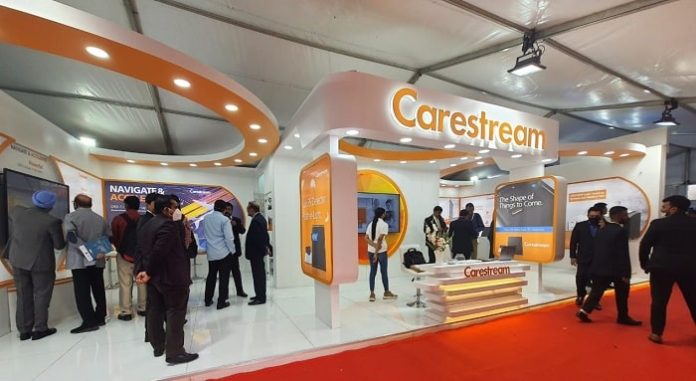
As a partner with IRIA, Carestream Health India had a significant booth presence on-ground during the conference. The booth also offered a display and hands-on experience of Carestreamโ€™s offerings like Focus 35C DR Detector, Printers DV 6950 and DV 5950, and Image Suite software.

Carestream Health India also launched two new products at the Main Scientific Hall at the conference. The first one to be launched was the DRX Compass. The Carestream booth offered an immersive and interactive experience of the state-of-the-art DRX Compass DR system, Carestreamโ€™s mid-tier offering specially curated for the Indian market. DRX Compass is a Personalized, Powerful Partner that provides the proper selection of features and options to accelerate the workflow to a new altitude of efficiency.

Speaking about the DRX Compass,ย Nikhel Goel, Country General Manager, India Cluster at Carestream Health India, said, โ€œCarestream has invested significant expertise, time and resources in building this digital radiology solution and am sure customers in India can โ€˜Navigate & Accelerateโ€™ their radiology practice with this โ€˜Personalized, Powerful & Partner technologyโ€™.โ€

Carestream Health India also launched the LUX 35C detector at IRIA 2022. The first cesium glass-free medical detector launched by Carestream in India, the LUX 35C, is a lightweight, glass-free wireless detector ergonomically designed with the comfort of both patients and radiographers in mind. The Lux 35 supports various image-processing options to assist radiologists like Tube & Line Visualization, Pneumothorax Visualization, Bone Suppression, etc.

While speaking about the LUX 35C detector,ย Nikhel Goelย also said, โ€œThe latest innovation from Carestream; the glass free LUX detector with its improved durability, lighter weight, and an improved ergonomic design is ideal for both mobile imaging and tabletop examinations.โ€œ

Both the booth experience and the product launch experience were a success. The organization is looking forward to showcasing DRX Compass & LUX 35C to various medical institutions across the country.

About Carestream Health India:
Carestream Health is a US-based MedTech Corporation with worldwide operations focused on X-ray imaging systems for medical, industrial, and electronic applications.

Translate ยป