












Close
Digital Health & Ai Innovation summit 2026
Medical Taiwan 2026

Medical Sensors Enhancing Real Time Health Monitoring

Medical sensors enhancing real time health monitoring

The fundamental transition from a reactive, episodic healthcare model to a proactive, continuous care paradigm is perhaps the most significant shift in modern medicine. Traditionally, a patientโ€™s health status was assessed during discrete, often infrequent clinical visits where vital signs and symptoms were captured as a momentary “snapshot.” This approach, while necessary, often misses the critical, subtle physiological changes and fluctuations that occur during the 99% of the time a patient is away from the hospital or clinic. Today, medical sensors enhancing real time health monitoring are closing this gap, providing an uninterrupted stream of high-fidelity data that allows for the immediate detection of anomalies and the optimization of treatment plans. These sophisticated devices, ranging from non-invasive wearables to biocompatible implants, are capable of tracking a vast array of metrics from heart rate variability and blood oxygen saturation to interstitial glucose concentrations and neural activity fundamentally transforming how we manage chronic diseases, acute recovery, and overall wellness.

The explosive growth and proliferation of these sensors are driven by remarkable advancements in micro-electromechanical systems (MEMS), low-power wireless communication protocols, and sophisticated material science. These technological leaps have allowed for the creation of sensors that are small, lightweight, and energy-efficient enough to be worn comfortably for extended periods, or in some cases, integrated directly into the human body with minimal rejection risk. By leveraging the power of the Internet of Medical Things (IoMT), these devices transmit encrypted data to secure cloud-based platforms where advanced algorithms and artificial intelligence can analyze the information in real-time. This 24/7 connectivity ensures that both patients and their clinical teams are informed of the patientโ€™s health status at all times, fostering a sense of security and enabling timely, data-driven medical interventions that can prevent emergency hospitalizations and improve long-term outcomes.

The Evolutionary Impact of Biosensors on Chronic Disease Management

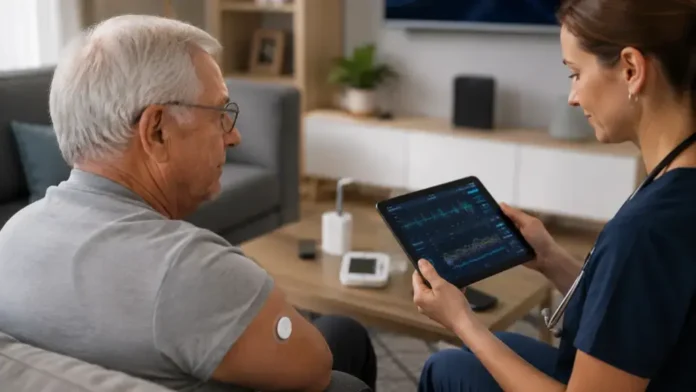
For millions of patients living with chronic conditions such as diabetes, cardiovascular disease, or respiratory disorders, medical sensors enhancing real time health monitoring are nothing short of life-altering. Consider the profound impact of Continuous Glucose Monitors (CGMs) on the management of diabetes. These devices have largely replaced the painful and inconvenient traditional “finger-stick” method of blood sugar testing, providing patients with a real-time, visual trend of how their diet, physical activity, and medication affect their glucose levels throughout the day and night. By seeing these trends as they happen, patients can make immediate, informed adjustments to their behavior, significantly reducing the risk of dangerous hypoglycemic episodes and the devastating long-term complications associated with poorly controlled diabetes.

In the critical realm of cardiology, wearable ECG sensors and consumer smartwatches with clinical-grade rhythm detection capabilities are identifying cases of atrial fibrillation (AFib) and other arrhythmias that would have otherwise gone undiagnosed for years. These medical sensors are capable of capturing sporadic, paroxysmal irregularities that a traditional 10-second ECG in a doctor’s office might easily miss. By providing a longitudinal, real-world view of a patientโ€™s heart rhythm, physicians can tailor treatment plansโ€”including anticoagulation and ablation therapies with a much higher degree of precision and confidence. The same principle is being applied to heart failure patients, where implantable or wearable sensors can detect subtle changes in thoracic impedance or fluid accumulation days or even weeks before the patient experiences physical symptoms, allowing for early, remote adjustment of medication and preventing costly hospital readmissions.

Precision Tracking and the Power of Integrated Clinical Data

The true, transformative value of medical sensors enhancing real time health monitoring lies not just in the raw data they collect, but in how that data is intelligently integrated into the broader clinical workflow. When continuous sensor data is combined with a patientโ€™s historical electronic health records (EHRs), it provides a truly holistic, 360-degree view of the patientโ€™s health journey. Machine learning models can then process this massive, multi-dimensional dataset to identify subtle patterns and correlations that are invisible to even the most experienced human eye. For instance, a specific combination of slight changes in sleep architecture, heart rate variability, and daily step counts might predict an impending flare-up of a chronic inflammatory condition or a depressive episode in a psychiatric patient, allowing for a preemptive “nudge” or clinical check-in.

Precision tracking also extends deep into the inpatient setting, where medical sensors are increasingly used to monitor high-risk patients who are not in the Intensive Care Unit (ICU). “Smart” hospital beds and wearable biosensor patches can monitor vital signs continuously, alerting the rapid response team at the very first sign of clinical deterioration, such as a drop in oxygen saturation or an increase in respiratory rate. This effectively eliminates the dangerous “monitoring gap” that occurs between routine nursing checks, which can sometimes be hours apart. By automating the data collection and alerting process, sensors also free up valuable clinical staff to focus on direct, hands-on patient care, reducing the administrative burden and improving the overall operational efficiency and safety of the modern hospital.

Navigating the Challenges of Accuracy, Security, and Clinical Adoption

Despite the immense and undeniable potential of medical sensors enhancing real time health monitoring, several significant hurdles must still be overcome to achieve universal adoption. The first and most critical is the issue of data accuracy and rigorous clinical validation. While consumer-grade wearables have become popular, they often lack the precision and reliability required for formal medical decision-making. Developing sensors that can maintain medical-grade accuracy in the “noisy” and unpredictable environment of daily life where movement artifacts, ambient temperature changes, and sensor displacement can easily affect readings is a significant and ongoing engineering challenge. Global regulatory bodies like the FDA and CE play a crucial role here, ensuring that only devices that meet stringent performance and safety standards are cleared for clinical use.

Security and data privacy are equally critical in an era of increasing cyber threats. The transmission of highly sensitive, personally identifiable health data over wireless networks creates vulnerabilities that must be addressed through robust, end-to-end encryption and multi-factor authentication protocols. Patients and providers must be absolutely confident that their data is being used ethically, stored securely, and protected from unauthorized access or misuse. Furthermore, the sheer volume of data generated by continuous monitoring can be overwhelming for busy clinicians. To be truly effective, the data must be intelligently filtered and synthesized into actionable, high-level insights rather than just more “digital noise.” This requires the development of sophisticated clinical decision support systems that only alert the physician when a significant, clinically relevant threshold has been crossed, preventing “alarm fatigue.”

Connected Systems and the Strategic Move Toward the “Hospital at Home”

The ultimate, long-term goal of medical sensors enhancing real time health monitoring is the full realization of the “hospital at home” model of care. This revolutionary concept envisions a future where patients can receive high-level, complex medical care in the comfort and familiarity of their own homes, supported by a network of connected medical devices and remote clinical monitoring teams. This approach is not only more cost-effective for the healthcare system but is also strongly preferred by patients, as it significantly reduces the risk of hospital-acquired infections (HAIs) and allows them to remain in a supportive, low-stress environment with their families. Medical sensors are the essential technological backbone of this model, providing the constant “eyes and ears” for clinicians who may be many miles away.

In a modern home-based recovery program after major surgery, for example, a patient might wear a smart patch that monitors their surgical incision for early signs of infection (by measuring local temperature and pH) while a wearable monitor tracks their mobilization levels and vital signs. If any parameter falls outside of the expected recovery range, a high-definition telehealth consultation can be triggered immediately, or a home-health nurse can be dispatched. This level of continuous connectivity ensures that the patient is never “lost” in the system after discharge, providing a continuous, invisible safety net that extends far beyond the traditional hospital walls. As we continue to refine these technologies and the reimbursement models that support them, the boundaries of what can be safely and effectively treated at home will continue to expand.

Future Horizons: Miniaturization, Biocompatibility, and AI-Driven Automation

The future of medical sensors enhancing real time health monitoring is characterized by even further miniaturization and the development of “invisible” or “seamless” sensing technologies. Researchers are currently working on flexible, ultra-thin sensors that can be woven directly into everyday clothing, integrated into jewelry, or even printed onto the skin as electronic “tattoos.” These devices will be so unobtrusive that patients will eventually forget they are even wearing them, leading to higher long-term compliance and more natural, representative data collection. At the same time, the development of sophisticated biochemical sensors that can detect specific biomarkers in sweat, tears, or saliva will open up entirely new frontiers in non-invasive, continuous monitoring for conditions like cancer, stress, and nutritional deficiencies.

We are also rapidly moving toward “closed-loop” therapeutic systems, where the sensor not only monitors a condition but also automatically triggers a precise therapeutic response. The artificial pancreas system, which combines a continuous glucose sensor with an automated insulin pump, is a prime and successful example of this. In the future, we may see similar “sense-and-respond” systems for blood pressure control, chronic pain management via targeted neurostimulation, or the automated delivery of life-saving medications during a cardiac event. By closing the loop between sensing and treatment, we can achieve a level of medical precision and automation that was once considered science fiction. In conclusion, medical sensors are not just tools for observation; they are the essential catalysts for a new era of personalized, continuous, and highly effective medicine that will improve the lives of billions.
Clinical Equipment Leasing Improving Capital Efficiency

Clinical equipment leasing improving capital efficiency

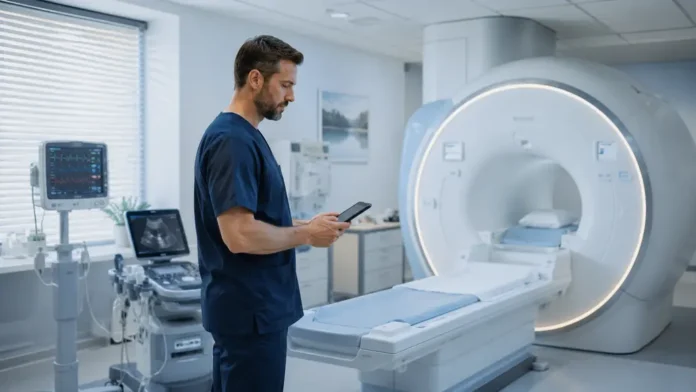
The financial landscape of modern healthcare is increasingly defined by a complex dual challenge: the rapid, relentless pace of technological obsolescence and the tightening of capital budgets across public and private sectors. Hospitals, diagnostic centers, and specialized clinical practices must continually invest in the latest medical tools to maintain high standards of patient care, improve clinical outcomes, and secure their competitive positioning in a crowded market. However, the sheer cost of acquiring advanced machinery such as 3-Tesla MRI scanners, robotic-assisted surgical systems, and high-throughput genomic sequencers can strain even the most robust balance sheets. In this high-pressure environment, clinical equipment leasing improving capital efficiency has become a cornerstone of strategic financial management for healthcare providers worldwide. By shifting from a traditional ownership-based model to a flexible, access-based model, organizations can preserve vital liquidity while ensuring their clinicians always have the most advanced tools at their disposal.

The primary and most immediate advantage of leasing is the preservation of working capital. Traditional outright purchasing requires a massive upfront investment, often drawing from precious cash reserves that could be better utilized for other critical areas such as facility expansions, the recruitment of specialized staff, or the development of community outreach programs. Leasing allows these significant costs to be spread over the useful clinical life of the equipment, effectively aligning the organization’s expenses with the revenue generated by the assetโ€™s use. This transformation of a large, lumpy capital expenditure (CAPEX) into a predictable and manageable operating expense (OPEX) provides greater financial stability and improves the organization’s debt-to-equity ratio. Furthermore, clinical equipment leasing improving capital efficiency offers a level of scalability that traditional bank financing often cannot match, allowing providers to expand their technological footprint rapidly in response to changing patient volumes or new clinical needs.

Strategic Asset Optimization and Financial Flexibility

Managing a modern hospital’s massive asset portfolio requires a delicate and ongoing balance between clinical necessity and financial prudence. Clinical equipment leasing improving capital efficiency facilitates a far more dynamic and responsive approach to asset management. Instead of being locked into a piece of equipment for its entire physical lifespanโ€”which may far exceed its clinical or technological relevanceโ€”leasing allows providers to structure agreements that coincide with known technology refresh cycles. This ensures that the facility is never burdened with outdated, inefficient machinery that is costly to maintain and increasingly less effective for precise patient diagnosis or treatment. When a lease term ends, the organization has the flexibility to simply return the old equipment and upgrade to the latest, most efficient model, ensuring a continuous state of technological readiness and clinical excellence.

From a sophisticated tax and accounting perspective, leasing offers several distinct advantages that can significantly impact an organizationโ€™s bottom line. Depending on the specific structure of the lease whether it is an operating lease or a capital lease organizations may benefit from accelerated depreciation schedules or the ability to deduct full lease payments as legitimate business expenses. These financial nuances are critical for maintaining healthy cash flow and maximizing the return on investment (ROI) for expensive clinical technology. By working closely with specialized healthcare financing firms that understand the unique lifecycle of medical equipment, providers can tailor lease structures to match their specific budgetary constraints, including seasonal payment variations, “step-up” payments that align with clinical ramp-up, or deferred start options that allow the equipment to begin generating revenue before the full payment schedule commences.

Mitigation of Technological Obsolescence and Innovation Risk

The healthcare technology sector is characterized by a cycle of innovation that is among the fastest in any industry. A state-of-the-art imaging system or laboratory analyzer today may be surpassed by a more precise, faster, and more automated model in just a few short years. For organizations that purchase equipment outright, this “innovation risk” is a significant and growing concern. They may find themselves stuck with a depreciating asset that has lost its market value and its competitive clinical edge, but still has years of remaining book value. Clinical equipment leasing improving capital efficiency effectively transfers this risk from the healthcare provider to the lessor. The hospital is paying for the utility and the clinical outcomes provided by the machine rather than the machine itself, providing a built-in financial hedge against the rapid march of scientific progress. This is particularly vital in high-innovation fields like oncology, cardiology, and neurology, where new diagnostic capabilities can directly and profoundly influence patient survival rates and quality of life.

Beyond the mitigation of technological risk, leasing also addresses the significant and often unpredictable burden of ongoing maintenance, calibration, and repair. Many comprehensive clinical equipment leasing agreements include full-service contracts as part of the monthly payment, ensuring that the equipment is maintained to the highest manufacturer standards throughout the entire lease term. This reduces the administrative and technical burden on the hospitalโ€™s internal biomedical engineering department and provides a totally predictable cost structure for maintenance. In the event of a catastrophic equipment failure, the lease agreement often provides for rapid replacement or prioritized repair, minimizing clinical downtime and ensuring that patient treatment schedules are not disrupted. This holistic, “hassle-free” approach to asset management is a key driver in the widespread adoption of leasing models across the global healthcare sector.

Enhancing Operational Agility and Competitive Differentiation

The ability to move quickly and decisively is a major competitive differentiator in todayโ€™s healthcare market. Whether it is opening a new specialized outpatient center, adding a new service line like cardiovascular surgery, or upgrading a satellite clinic, speed to market is essential for capturing patient share and building community trust. Clinical equipment leasing improving capital efficiency provides the operational agility needed to launch these initiatives without the long delays often associated with traditional capital approval cycles and budget negotiations. Procurement through leasing is often faster and requires less internal bureaucratic oversight than a major capital purchase, allowing clinical directors and administrators to respond to community needs and competitive threats in real-time.

Furthermore, leasing enables smaller independent practices and community hospitals to compete effectively with much larger, better-funded academic medical centers. High-end technology that would be financially out of reach for a small regional clinic can be acquired through manageable, revenue-aligned monthly payments. This democratizes access to advanced medical care, ensuring that patients in rural or underserved areas can benefit from the same level of diagnostic precision and treatment efficacy as those in major metropolitan hubs. When clinical equipment leasing is used as a strategic tool, it levels the playing field, allowing clinical excellence and patient outcomes to be the primary drivers of patient choice rather than sheer financial muscle or institutional size.

Lifecycle Management and the Principles of the Circular Economy

The end of a piece of medical equipmentโ€™s useful life is just as important as its beginning, especially in an era of increasing environmental awareness and regulatory scrutiny. Disposing of complex medical machinery requires strict adherence to environmental regulations regarding electronic waste and hazardous materials, as well as rigorous data security protocols to ensure that any stored patient information is permanently and securely erased. Clinical equipment leasing improving capital efficiency simplifies this entire process for the healthcare provider. At the end of the lease, the lessor typically takes full responsibility for the removal, transportation, and ethical disposal or refurbishment of the equipment. This supports a circular economy model where medical assets are repurposed, refurbished for secondary markets, or recycled, significantly reducing the overall environmental footprint of the healthcare industry.

Many lessors have developed sophisticated secondary markets where refurbished, high-quality equipment can be sold to facilities with different clinical needs, lower volume requirements, or more constrained budgets, such as those in developing nations. This lifecycle management ensures that the maximum value of the asset is realized even after it leaves its primary high-volume environment. For the lessee, this means they can exit an asset cleanly and move on to the next generation of technology without the headache of managing a secondary sale, negotiating trade-ins, or ensuring compliant disposal. This streamlined and professional exit strategy is a final, critical component of the overall capital efficiency provided by the modern leasing model.

The Future of Healthcare Access and “As-a-Service” Financing

As the healthcare industry continues to move toward a value-based care model, the methods for financing its essential infrastructure must continue to evolve. We are already seeing a move toward more sophisticated “subscription-based” or “as-a-service” models, which take the core principles of leasing to the next logical level. In these arrangements, healthcare providers may pay based on the actual number of scans performed, the number of tests run, or even the clinical outcomes achieved, rather than a fixed monthly fee. This further aligns costs with actual revenue and places the onus of equipment uptime and performance entirely on the vendor or the financing partner. Clinical equipment leasing improving capital efficiency is the foundational framework upon which these new, even more flexible models are being built.

The ongoing integration of artificial intelligence (AI) and advanced digital health tools will also profoundly influence how medical equipment is financed and managed. Software-heavy systems require a different approach to lifecycle management than traditional purely mechanical hardware. Modern leasing agreements are already adapting to include regular, automated software updates, cybersecurity patches, and remote performance monitoring as part of the core service offering. In the long run, the ultimate goal is to create a seamless, integrated environment where the financial burden of technology never stands in the way of clinical excellence. By embracing clinical equipment leasing as a primary strategy for capital management, healthcare leaders are ensuring that their organizations remain financially healthy, operationally agile, and, most importantly, fully capable of delivering the highest possible quality of care to the patients they serve.

Medical Packaging Solutions Ensuring Device Safety

Medical Packaging Solutions Ensuring Device Safety

The functional integrity and clinical efficacy of a medical device are only as reliable as the packaging system that protects it from the factory floor to the operating room. In the high-stakes world of modern medicine, where everything from simple surgical tools to complex bio-implanted devices must be delivered to the point of care in pristine, sterile condition, medical packaging solutions ensuring device safety play an absolutely indispensable role. Beyond the basic requirements of containment and identification, these sophisticated systems serve as a critical sterile barrier, safeguarding the device against microbial contamination, physical trauma, and environmental degradation such as moisture, light, and temperature fluctuations. As medical technology becomes increasingly intricate and the supply chain more globalized, the engineering of medical packaging has risen to meet the demands of a diverse and often punishing logistics environment.

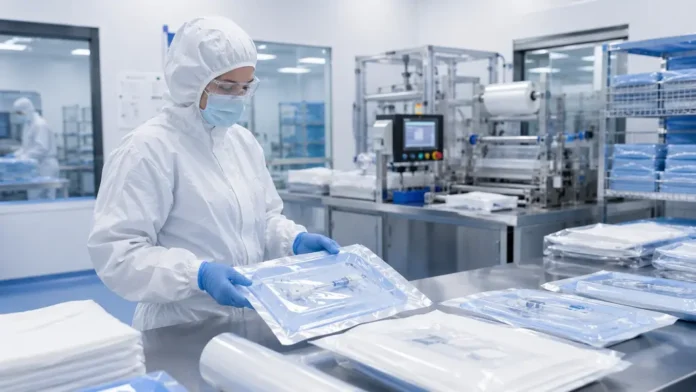
The primary and most vital function of medical packaging is the maintenance of terminal sterility until the exact moment of use. This is achieved through a meticulous combination of advanced material science and rigorous manufacturing protocols. High-performance materials like Tyvek, specialized medical-grade films, and high-barrier foil laminates are carefully selected for their ability to allow effective sterilizationโ€”whether through ethylene oxide (EtO), gamma radiation, electron beam, or steamโ€”while simultaneously preventing the ingress of bacteria or viruses. The design of these sterile packaging systems must account for the specific geometry, weight, and fragility of the device, ensuring that it remains stationary and protected from abrasion or impact during transit. For manufacturers and designers, the central challenge lies in balancing the need for robust, impenetrable protection with the clinical necessity of a smooth, intuitive, and aseptic opening experience for healthcare professionals.

The Critical Importance of Validated Sterile Barrier Systems

A sterile barrier system is defined by international standards as the minimum packaging required to prevent the entry of microorganisms and allow aseptic presentation of the product at the point of use. Medical packaging solutions ensuring device safety are fundamentally built around this concept. The selection of materials is a highly technical and multi-disciplinary process, requiring deep knowledge of polymer porosity, tensile strength, and puncture resistance. For instance, orthopedic implants with sharp edges or high-density components require reinforced trays and heavy-duty, puncture-resistant films to prevent “pinholing,” which would immediately compromise the sterile field. The chemical and physical interaction between the device and its packaging is scrutinized during the validation phase to ensure that no material leaching, chemical migration, or physical abrasion occurs over the product’s intended shelf life.

Regulatory bodies such as the FDA in the United States and the European Medicines Agency (EMA) have established stringent, non-negotiable guidelines, most notably the ISO 11607 standard, which governs the requirements for terminally sterilized medical device packaging. Compliance with these standards is not merely a formality; it is a foundational requirement for market entry and patient safety. This includes extensive shelf-life testing, where packaged devices are subjected to accelerated aging in environmental chambers to prove they remain sterile and functional throughout their entire expiration period. By adhering to these rigorous, science-based standards, medical packaging solutions ensuring device safety provide the essential assurance that a device manufactured in a cleanroom in one corner of the globe will perform exactly as intended when opened in a hospital on the other side of the world, years later.

Innovations in Material Science and Advanced Barrier Protection

The evolution of medical packaging is intrinsically tied to advancements in polymer chemistry and material engineering. Traditional packaging materials are being rapidly replaced or supplemented by multi-layered, co-extruded structures that offer enhanced barrier protection against moisture, oxygen, and UV light. This is particularly important for the growing market of drug-device combination products, where the pharmaceutical component may be highly sensitive to environmental exposure and degradation. Modern healthcare packaging solutions utilize high-barrier films that can provide years of uncompromising protection, ensuring that critical emergency equipment, such as automated external defibrillators (AEDs) or pre-filled epinephrine syringes, is ready for immediate, life-saving deployment when every second counts.

Sustainability and environmental responsibility are also becoming key drivers in material innovation within the medical sector. The healthcare industry generates vast amounts of plastic waste, much of it originating from single-use medical packaging that must be discarded after a single procedure. Packaging engineers are now tasked with the complex challenge of developing recyclable or biodegradable materials that do not compromise the safety, durability, or sterile integrity of the device. This “green” transition requires a careful, data-driven re-evaluation of the entire lifecycle of the packaging, from raw material extraction to final disposal. However, patient safety remains the non-negotiable priority. Any new, sustainable material must undergo the same rigorous validation and biocompatibility testing as traditional plastics to ensure it can withstand the harsh conditions of industrial sterilization and long-term storage without failure.

Regulatory Compliance and Global Logistics Readiness

The path from the manufacturing facility to the patient is rarely a straight or gentle line. Medical devices are shipped via air, sea, and land, often passing through multiple climate zones, high-altitude pressure changes, and various handling facilities with differing levels of care. Medical packaging solutions ensuring device safety must be “logistics ready,” meaning they can withstand the mechanical stresses of vibrations, drops, and compression throughout the journey. For products that require a strict cold chain, such as certain biologics or temperature-sensitive diagnostics, the packaging must also incorporate thermal insulation and sophisticated monitoring systems to ensure that the internal environment remains within its specified range.

Effective packaging design also facilitates the precision tracking and tracing of devices throughout the global supply chain. The implementation of Unique Device Identification (UDI) requirements by global regulatory bodies has made the exterior of the package a vital hub for data and transparency. High-quality, durable labeling and standardized barcodes ensure that every individual device can be identified, tracked, and if necessary recalled with absolute precision. This integration of physical protection and digital information is a hallmark of modern medical logistics packaging. When packaging is designed with the entire lifecycle and potential failure points in mind, it becomes a proactive tool for risk management rather than just a passive container.

Enhancing Clinical Workflow and Improving Patient Outcomes

While the primary focus of packaging is safety and sterility, its impact on the clinical environment and workflow is significant. In the high-pressure setting of a modern operating room or an emergency department, ease of use and clarity are paramount. Medical packaging solutions ensuring device safety are increasingly designed to be “user-friendly,” with clear visual indicators for aseptic opening and intuitive layouts that allow clinicians to access the device quickly without risk of contamination. Features such as “peel-clean” seals that do not shed fibers and color-coded labels help reduce the cognitive load on healthcare workers, minimizing the potential for human error during a complex procedure.

The role of packaging extends beyond the hospital into the recovery room and the growing home care setting as well. For patients managing chronic conditions with home-use devices, such as insulin pumps, portable oxygen concentrators, or sophisticated wound care kits, the packaging must be easy to navigate for non-professionals. Clear, pictorial instructions for use, integrated into the packaging design, empower patients and their caregivers to manage their health safely and effectively. In this context, medical packaging is a vital link in the chain of care, ensuring that the benefits of advanced medical technology are fully realized without compromising patient safety through improper handling, contamination, or confusion.

The Future of Device Safety Through Smart and Active Packaging

The next frontier for medical packaging solutions ensuring device safety is the integration of “smart” and “active” technologies. Sensors and indicators embedded directly into the packaging materials can provide real-time feedback on the state of the sterile barrier or the environmental conditions the device has encountered. For example, color-changing chemical indicators can alert clinical staff if a package has been exposed to excessive moisture or if the temperature has exceeded safe limits for a sensitive component. In the near future, NFC (Near Field Communication) or RFID tags could allow clinicians to verify the authenticity, sterility, and expiration date of a device simply by waving a mobile device or a scanner over the package.

These advancements represent a fundamental shift from reactive to proactive safety measures. By leveraging data, connectivity, and active chemistry, packaging can become an active participant in the healthcare ecosystem, providing insights that lead to better inventory management, reduced waste, and enhanced patient protection. As we look forward, the continued collaboration between device manufacturers, packaging engineers, regulatory experts, and clinical stakeholders will be essential in driving these innovations. The ultimate goal remains unchanged: to ensure that every medical device, regardless of its complexity or destination, reaches the patient in a condition that is safe, sterile, and ready to perform its life-saving or life-enhancing function.

Contract Manufacturing Driving Medical Device Scale

Contract manufacturing driving medical device scale

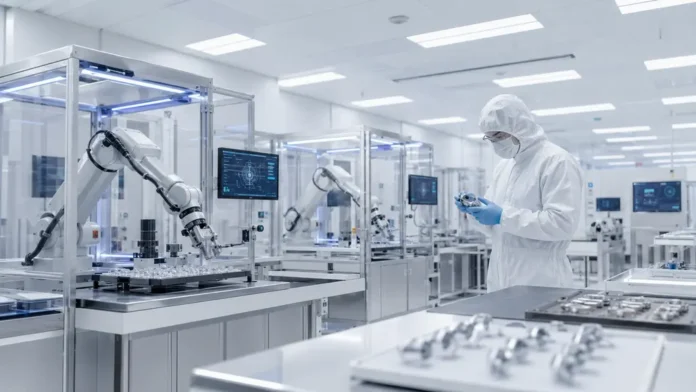
The global landscape of healthcare is currently navigating a period of unprecedented transformation, characterized by an aging population and an increasing prevalence of chronic diseases. This demographic shift has created a massive, sustained demand for sophisticated medical technologies, ranging from high-precision diagnostic tools to complex implantable devices. However, the path from a revolutionary concept to a commercially viable, mass-produced product is fraught with immense logistical, financial, and regulatory hurdles. In this high-stakes environment, contract manufacturing driving medical device scale has emerged as the most critical strategic lever for original equipment manufacturers (OEMs) seeking to maintain a competitive edge. By delegating the intricate complexities of production to specialized partners, companies can focus on their core competencies innovation, clinical research, and market strategy while ensuring that their products are manufactured with the highest levels of quality and regulatory precision.

The decision to outsource is no longer merely a tactical cost-saving measure; it has become a foundational strategic imperative. The medical device industry is governed by some of the most stringent and evolving regulatory frameworks in the world, including the FDAโ€™s Quality System Regulation in the United States and the European Unionโ€™s Medical Device Regulation (MDR). Navigating these requirements demands a level of expertise, documentation, and infrastructure that many startups and even established mid-sized firms find difficult to maintain in-house. Specialized contract manufacturers possess the necessary ISO certifications, such as ISO 13485, and advanced cleanroom facilities to meet these rigorous standards, effectively acting as an integrated extension of the OEM’s own operations. This partnership allows for a level of scalability that would be impossible to achieve through internal investment alone, especially when facing the unpredictable fluctuations of global market demand and the need for rapid geographic expansion.

The Strategic Evolution of Specialized OEM Partnerships

One of the most significant advantages of contract manufacturing driving medical device scale is the ability to leverage existing, highly sophisticated technological ecosystems. Modern contract manufacturers (CMOs) are far more than just assembly shops; they have evolved into centers of excellence for engineering, material science, and global supply chain management. By forming deep-rooted OEM partnerships, medical device companies gain immediate access to advanced manufacturing techniques such as high-precision additive manufacturing, complex multi-component injection molding, and sub-micron machining without the staggering capital expenditure required to acquire and maintain these technologies. This access is particularly vital as devices become smaller, smarter, and more complex, requiring tolerances and material interactions that are often beyond the reach of standard production lines.

Furthermore, the collaborative nature of these partnerships fosters a “design for manufacturability” (DFM) approach that is essential for long-term success. When a contract manufacturer is involved early in the design and prototyping phase, they can identify potential production bottlenecks, material incompatibilities, or assembly challenges that might not be apparent to a design-focused team. Their engineers can suggest modifications that reduce waste, improve yield, and lower per-unit costs before the design is finalized and the expensive process of regulatory filing begins. This proactive engagement ensures that when the time comes to scale from low-volume clinical trial units to high-volume commercial production, the transition is seamless and predictable. The integration of the entire supply chain through a single, competent partner also mitigates the inherent risks associated with multi-vendor management, providing a unified and transparent path from raw material procurement to final sterile packaging and distribution.

Navigating the Maze of Regulatory Compliance and Quality Assurance

In the medical sector, quality is not just a metric; it is synonymous with patient safety and clinical efficacy. A single defect in a medical device can have catastrophic consequences for patient outcomes and result in devastating legal, financial, and reputational repercussions for the manufacturer. Contract manufacturing driving medical device scale places a premium on quality assurance systems that are built into every discrete step of the production process. These partners employ rigorous testing protocols, automated inspection systems, and real-time process monitoring to ensure that every unit produced meets the exact, validated specifications approved by regulatory bodies. For many OEMs, the transition to an outsourced model is driven by the desire to “de-risk” their operations, transferring the burden of operational compliance and audit readiness to an entity whose entire business model is built on maintaining these gold-standard levels of performance.

The expertise of contract manufacturers in regulatory documentation is also a significant asset during the scaling process. As a product expands into new international markets, it must comply with a patchwork of varying local regulations and standards. A global contract manufacturer often has extensive experience navigating these different jurisdictions, providing the necessary technical files, risk management reports, and audit support to facilitate faster and more successful market entries. This global reach is a fundamental component of scaling, as it allows companies to penetrate diverse marketsโ€”from North America to the Asia-Pacific region without the need to establish a local manufacturing footprint in every country. The CMO provides the “regulatory muscle” needed to sustain a truly global product lifecycle.

Enhancing Cost Efficiency and Strategic Capital Allocation

Traditional manufacturing models require massive, front-loaded investments in facilities, specialized equipment, and skilled labor. For a medical device company, particularly one in the growth phase, this capital is often much better spent on research and development or aggressive marketing and sales efforts. Contract manufacturing driving medical device scale allows for a “pay-as-you-go” financial model, where costs are tied directly to actual production volume. This inherent flexibility is essential for companies launching new products where initial market uptake may be uncertain or where seasonal demand fluctuates. By converting fixed overhead costs into variable costs, firms can maintain a leaner, more resilient balance sheet and respond more effectively to competitive shifts or economic changes.

Cost efficiency also extends to the large-scale procurement of raw materials and components. Large-scale contract manufacturers often have significant purchasing power and long-standing relationships with tier-one suppliers, allowing them to negotiate significantly better prices for high-grade medical materials such as titanium, surgical-grade stainless steel, and specialized medical-grade polymers. These savings are passed on to the OEM, further improving the overall margin of the device and providing the financial “breathing room” to invest in the next generation of innovation. When combined with optimized labor costs, reduced waste, and the elimination of maintenance expenses for internal facilities, the financial argument for contract manufacturing becomes undeniable. It provides a pathway to profitability that is both faster and more sustainable than the traditional approach of building an internal manufacturing empire from scratch.

Accelerating Time to Market in a High-Velocity Competitive Environment

The window of opportunity for a new medical device is often incredibly narrow. Competitors are constantly vying for market share, and being first to market can define a product’s long-term trajectory and revenue potential. Contract manufacturing driving medical device scale provides the speed and agility necessary to compress development and launch timelines. With ready-made production lines, validated cleanrooms, and experienced engineering teams already in place, a contract manufacturer can often move from a finalized prototype to full-scale commercial production in a fraction of the time it would take an OEM to build, staff, and validate the same capability internally. This speed is a critical factor in maintaining the momentum generated during successful clinical trials and securing the interest of hospital procurement committees.

The ability to pivot quickly is another hallmark of the modern contract manufacturing model. If clinical feedback or initial market performance suggests that a device needs iterative modification, a contract manufacturer can implement these changes across the production line with minimal disruption compared to a rigid internal setup. This agility ensures that the final product is perfectly aligned with the evolving needs of both clinicians and patients. In the rapidly evolving world of MedTech, where digital integration and patient-centric designs are becoming the norm, the capacity to iterate and scale simultaneously is a powerful and necessary competitive advantage.

Leveraging Advanced Technology and Specialized Engineering Talent

The engineering talent required to manufacture modern medical devices is highly specialized and in high demand. From software engineers for connected devices to material scientists for biocompatible implants, the human capital required is significant. Contract manufacturing driving medical device scale allows OEMs to tap into a pre-existing pool of this specialized talent. CMOs invest heavily in training their workforce on the latest manufacturing technologies and regulatory updates, ensuring that the people building the devices are as sophisticated as the devices themselves. This “talent-as-a-service” model means that an OEM doesn’t need to worry about the recruitment, training, and retention of specialized manufacturing staff, which is a major operational headache in many parts of the world.

Furthermore, CMOs are often at the forefront of implementing Industry 4.0 technologies. This includes the use of digital twins to simulate manufacturing processes, AI-driven predictive maintenance to prevent downtime, and blockchain for end-to-end supply chain transparency. By partnering with a technologically advanced CMO, an OEM inherits these benefits, ensuring that their manufacturing process is as innovative as the product itself. This technological synergy is a key driver of scale, as it allows for higher precision, lower error rates, and more efficient resource utilization across the entire production lifecycle.

The Future of Scalable Manufacturing in the Global Healthcare Ecosystem

Looking toward the future, the role of contract manufacturing driving medical device scale will only become more deeply integrated into the fabric of the global healthcare industry. We are seeing a move toward “smart manufacturing” where data analytics and automation are used to optimize every facet of the factory floor, from energy consumption to individual component tracking. Contract manufacturers are leading this digital revolution, implementing systems that provide total, real-time transparency into the manufacturing process for their OEM partners. This level of data-driven insight allows OEMs to monitor production metrics and quality data in real-time, regardless of where the factory is located, ensuring that the final product is always a perfect reflection of their original vision.

The rise of personalized medicine and value-based care will also drive new manufacturing paradigms. Devices tailored to the specific anatomy or physiological profile of an individual patient require a level of customization that is difficult and expensive to achieve on a traditional, rigid assembly line. Contract manufacturers are developing the flexible, modular production models necessary to support these high-mix, low-volume requirements. By combining the benefits of industrial scale with the precision of individual customization, these partners are enabling a new era of healthcare that is more effective, more personalized, and more accessible than ever before. In conclusion, the partnership between OEMs and contract manufacturers is the essential engine that will continue to drive the medical device industry forward, ensuring that the next generation of life-saving technologies is within reach of the global patient population.

Artivion Acquires Endospan for $135M Following FDA Approval of NEXUS Aortic Graft Stent System

NEXUS system

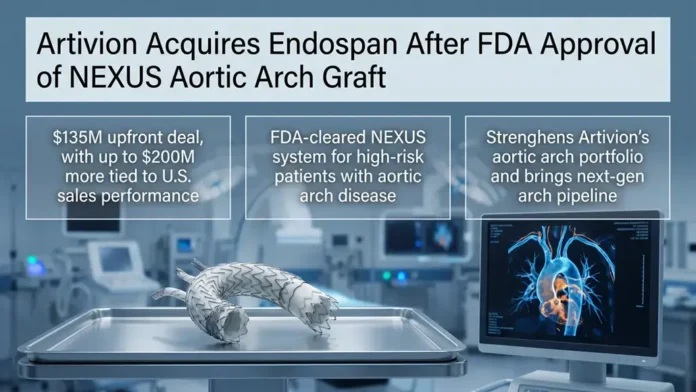
US-based medical device company Artivion has completed its acquisition of Israeli medical technology firm Endospan in a deal valued at $135 million upfront, triggered by the US Food and Drug Administration’s approval of Endospan’s NEXUS aortic graft stent system. The move formally exercises a license option that Artivion had secured under a strategic agreement signed back in 2019, which gave the company the right to acquire Endospan upon the system receiving FDA clearance.

The FDA granted approval for the NEXUS system on 7 April, clearing the device for use in high-risk surgical patients suffering from aortic arch disease a category that encompasses conditions such as chronic dissections of the aorta and aortic arch syndrome. The aorta, the body’s largest blood vessel and a cane-shaped structure that circulates blood from the lower-left chamber of the heart, is the anatomical focus of the NEXUS system’s therapeutic application.

Beyond the $135 million upfront payment, the Artivion Endospan acquisition includes provisions for additional payments of up to $200 million, contingent on NEXUS’s commercial performance in the United States over the next two years. This performance-linked component reflects the commercial expectations tied to the system’s rollout in what is expected to be a significantly underserved patient market.

Artivion had already been serving as the exclusive distributor of the NEXUS system across Europe, the Middle East, and Africa since 2019, giving the company established operational familiarity with the technology ahead of this formal acquisition.

Artivion CEO Pat Mackin described the acquisition as completing the company’s “three-pronged aortic arch portfolio.” The company’s existing product lineup addressing aortic arch pathologies includes the Arcevo LSA stent graft and the AMDS prosthesis, which is designed to treat aortic dissection DeBakey Type I with malperfusion. The addition of the NEXUS aortic graft system rounds out this portfolio with a device specifically engineered for the ascending and aortic arch anatomy.

Mackin further noted that the Artivion Endospan acquisition brings with it a pipeline of next-generation arch technologies currently in development, which the company anticipates will expand and strengthen its position in the aortic arch market over time.

Aortic arch syndrome affects the great arteries branching from the aortic arch, reducing blood supply to the regions those vessels serve. Research indicates that more than 120,000 patients across the US and Europe are diagnosed with the condition annually. Despite this significant patient population, only approximately 25% of those affected are ever diagnosed or treated.

Endospan attributes this low treatment rate to multiple factors. Patients presenting with excessive risk factors may not meet the eligibility criteria for conventional surgery. Additionally, the anatomical complexity of the aortic arch itself presents significant challenges that limit treatment options for many patients a gap that the NEXUS aortic graft system is specifically designed to address.

Endospan CEO Kevin Mayberry acknowledged the significance of the FDA clearance and the transition into Artivion’s broader device ecosystem. Mayberry stated that the FDA approval of the NEXUS system represented a meaningful development for aortic surgeons seeking a technology purpose-built for the ascending aorta and aortic arch. He also noted that within Artivion’s portfolio which supports open, endovascular, and hybrid surgical approaches the NEXUS system is positioned within a company that understands the multidisciplinary demands of the aortic space.

The Artivion Endospan acquisition positions both the NEXUS aortic graft and Endospan’s development pipeline within a commercial and clinical framework aimed at expanding access to treatment for a patient population that remains largely underserved despite a well-documented disease burden.

NHS Plans Single Patient Record to Transform Healthcare

single patient record

The National Health Service is moving forward with plans to introduce a single patient record system across England a reform designed to consolidate fragmented health data into one unified, accessible profile for every patient. The initiative forms a central pillar of the NHS’s broader digital transformation agenda and is expected to reshape how clinicians access and act on patient information at the point of care.

For decades, patient data across the NHS has remained siloed across dozens of disconnected systems GP records, hospital trusts, mental health providers, and community care teams each holding separate, often incompatible records. The result has been persistent gaps in care, repeated diagnostic tests, and clinical decisions made without full visibility of a patient’s history.

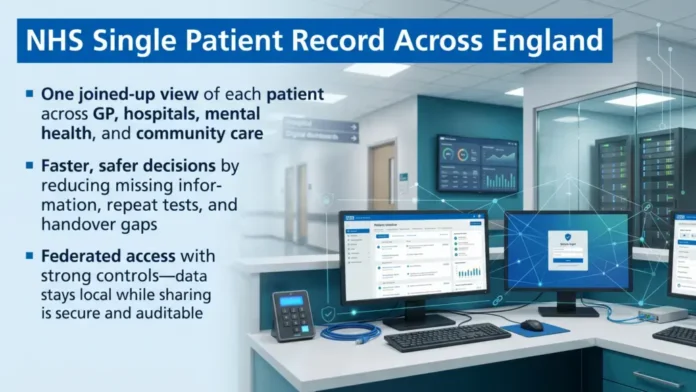
The NHS single patient record initiative directly addresses this fragmentation. Under the proposed model, authorised healthcare professionals would be able to access a comprehensive, real-time view of a patient’s medical history, medications, diagnoses, allergies, and previous care interactions regardless of which part of the system that patient has previously engaged with.

The consolidated record is intended to bring together information currently scattered across primary, secondary, and community care settings. This includes GP records, hospital discharge summaries, diagnostic results, prescribed medications, and relevant social care data. Clinicians treating a patient in an emergency, for example, would no longer need to rely on incomplete information or wait for records to be manually transferred.

The NHS federated data platform is expected to play a key role in enabling this infrastructure. Rather than creating a single centralised database, the federated model allows data to remain within local systems while still being accessible in a joined-up way addressing both technical and governance concerns around data centralisation.

A key aspect of the plans involves giving patients greater agency over their own health information. The proposals include mechanisms for individuals to view their own records and, where appropriate, control how their data is shared across care settings. This reflects growing expectations around transparency and data rights within the public sector.

Data security and consent frameworks are central to the implementation design. NHS England has indicated that robust safeguards would govern who can access records and under what circumstances, with strict audit trails and access controls built into the system architecture.

From a healthcare operations standpoint, a functioning single patient record system carries substantial implications for NHS efficiency. Duplication of tests and procedures a known cost driver within the health service could be reduced significantly if clinicians have immediate access to prior results. Clinical handovers between teams and care settings, frequently a point of risk in patient safety terms, would also benefit from more complete and consistent information sharing.

The NHS digital transformation agenda has placed data interoperability at its core, and the single patient record represents one of the most tangible expressions of that direction. Healthcare modernisation at this scale requires not only technological investment but also changes in clinical workflow, staff training, and cross-organisational data agreements.

NHS England is progressing the initiative as part of its wider data and digital strategy. While a full national rollout will take time, the direction of travel is clearly set toward a more connected, data-driven health system. Integrated care systems across England are expected to play a role in the local delivery of this programme, given their remit to coordinate care across providers within defined geographies.

For healthcare industry executives and system leaders, the advancement of the NHS single patient record signals a concrete shift in how the health service intends to manage patient data moving from a fragmented, institution-by-institution model toward one built around the patient journey as a whole.

The NHS federated data platform and the broader push for healthcare modernisation reflect a system-level commitment to making patient data work harder, more safely, and more equitably across the entire care continuum.

AI in Healthcare Market Expands with Clinical AI Adoption

AI in Healthcare Market

The global AI in Healthcare Market is projected to grow from USD 35.96 billion in 2025 to USD 305.96 billion by 2033, registering a compound annual growth rate (CAGR) of 30.1% during the forecast period from 2026 to 2033. The rapid expansion reflects accelerating adoption of artificial intelligence technologies across healthcare systems, pharmaceutical research, diagnostics, clinical operations, and patient management platforms.

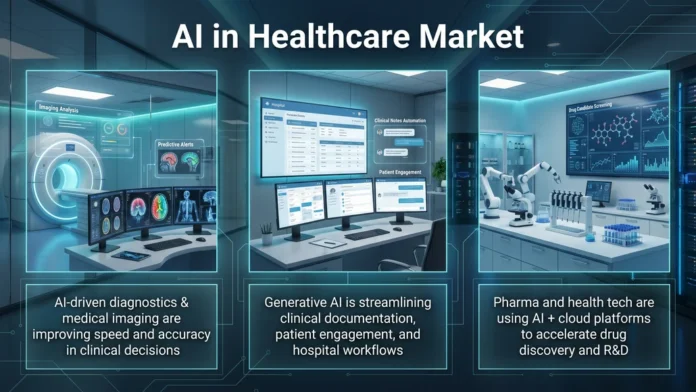
Artificial intelligence is increasingly being integrated into healthcare workflows to improve diagnostic accuracy, optimize treatment planning, support predictive analytics, automate administrative tasks, and accelerate drug discovery processes. Technologies including machine learning, natural language processing, computer vision, and AI-enabled decision support systems are becoming central to digital healthcare transformation strategies adopted by hospitals, pharmaceutical companies, and healthcare providers globally.

The market is being driven by rising healthcare digitization, growing volumes of clinical and patient data, increasing demand for personalized medicine, and the need for more efficient healthcare delivery systems. Healthcare organizations are also investing in AI tools to reduce operational burdens, improve workflow automation, and strengthen data-driven clinical decision-making. The growing use of generative AI in clinical documentation, patient engagement, and healthcare analytics is further contributing to market expansion.

Key Market Drivers

  • Increasing adoption of AI-powered diagnostics and medical imaging technologies
  • Rising demand for personalized and data-driven healthcare solutions
  • Growing investments in healthcare digital transformation initiatives
  • Expansion of AI applications in drug discovery and pharmaceutical R&D
  • Rising focus on workflow automation and operational efficiency in hospitals

Industry Developments

Several major healthcare and technology companies have expanded AI-related initiatives during 2026 as competition intensifies across diagnostics, cloud-based healthcare systems, and pharmaceutical innovation.

In April 2026, Roche agreed to acquire PathAI to strengthen capabilities in AI-powered pathology and precision medicine. During the same month, Merck announced a multi-year collaboration with Google Cloud to integrate generative AI and cloud technologies into drug discovery and manufacturing operations.

Also in April 2026, CVS Health partnered with Google Cloud to launch an AI-enabled healthcare engagement platform focused on personalized healthcare management and integrated health data access.

In Japan, healthcare institutions accelerated deployment of AI technologies across hospital operations and patient management systems. In March 2026, Fujitsu Japan and Teikyo University Hospital initiated a joint demonstration project using AI-OCR and healthcare analytics to improve referral management and hospital efficiency. Earlier in February 2026, JCHO Osaka Hospital, Fujitsu Japan, and Fortience Consulting launched a generative AI initiative focused on discharge summaries and nursing handovers.

In April 2026, ลŒURA acquired Galen AI to strengthen AI-powered health data interpretation capabilities integrating wearable insights, medication histories, and medical records into preventive healthcare applications.

In January 2026, OpenAI acquired healthcare startup Torch as part of efforts to expand development of AI-enabled healthcare technologies and medical AI applications.

Competitive Landscape

The AI in Healthcare Market remains highly competitive, with technology companies, healthcare providers, pharmaceutical firms, and digital health specialists expanding investments across diagnostics, cloud computing, automation, and clinical analytics.

Major companies operating in the market include Intel Corporation, Koninklijke Philips N.V., Microsoft, Siemens Healthcare GmbH, NVIDIA Corporation, GE Healthcare, Medtronic, Oracle, IQVIA, and Cognizant.

Future Outlook

The AI in healthcare sector is expected to continue expanding as healthcare providers and pharmaceutical companies increase adoption of automation, predictive analytics, and AI-driven clinical tools. Advancements in generative AI, cloud computing, medical imaging, and digital health infrastructure are expected to support broader integration of AI technologies across healthcare systems worldwide.

InterSystems IntelliCare Becomes the First AI-Native EHR to Achieve EU Medical Device Regulation Certification

InterSystems AI-Native EHR

Regulatory milestone reaffirms InterSystems as a leading provider of enterprise-grade AI applications

InterSystems, a creative data technology provider powering more than one billion health records globally, today announced that its electronic health record (EHR) solutions have been certified as Class IIa Medical Devices under Regulation (MDR) certification under Regulation (EU) 2017/745. This approval marks the first fully unified AI-native EHR to achieve MDR Class IIa certification in the European Union.

This certification demonstrates that InterSystems AI-native EHR meets stringent EU safety and quality standards. This key milestone has significant implications for how healthcare organizations can responsibly scale AI while building confidence among healthcare providers and regulators.

InterSystems has secured MDR certification forย InterSystems IntelliCareโ„ข, a next-generation EHR architected with native artificial intelligence capabilities, andย InterSystems TrakCareยฎ,ย a unified healthcare information system used by leading healthcare systems globally. Built on TrakCare’s proven interoperability foundation, InterSystems IntelliCare differentiates itself by delivering AI capabilities that are fundamentally designed into the platform’s data layer, rather than bolted on as third-party applications.

โ€œHealthcare organizations are rightfully demanding that AI be more than just an experimental add-on,โ€ said Don Woodlock, President, InterSystems. โ€œBy securing the EUโ€™s first MDR certification for an AI-native EHR, we are establishing a standard that AI should be at the core of all healthcare applicationsโ€.

By moving beyond fragmented AI add-ons, InterSystems IntelliCare provides organizations with simplified oversight for their own governance, and clinicians with tools designed to reduce workload and burnout. The platform delivers instant patient summaries, AIโ€‘driven clinical documentation, full chat experiences and intelligent workflows that maintain a critical “human-in-the-loop” safeguard. Features such as ambient clinical orchestration automatically capture, structure and save clinical data in real-time and suggest clinical documentation and orders for clinician approval. InterSystems IntelliCare also seamlessly connects with existing health IT infrastructures, leveraging InterSystems deep history in integration and data management capabilities.

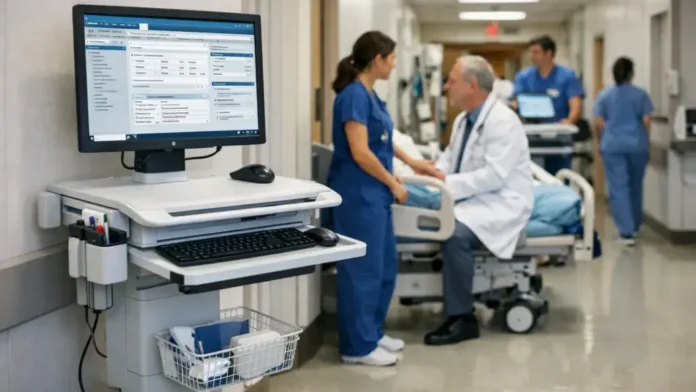
Best Places to Buy Hospital Computer on Wheels

best places to buy hospital computer on wheels

Equipping a healthcare facility with mobile computing solutions requires balancing efficiency, data security and long-term value. Effective purchasing decisions depend on identifying vendors with strong quality management and a proven record of innovation, so leaders should assess vendors based on their certifications, technology and compatibility with existing workflows. Discover the partner that best fits your facility’s needs.

1. Capsa Healthcare

Capsa Healthcare earns the top position through its commitment to enterprise-level quality and security standards. The company holds ISO 9001:2015 Certification for Quality Management and ISO 27001:2013 Certification for Data Security. These third-party certifications demonstrate Capsa Healthcareโ€™s rigorous adherence to internationally recognized standards that matter most to hospital leadership evaluating long-term technology investments.

The provider delivers end-to-end healthcare solutions configured in consultation with clients to optimize workflow efficiency. Every implementation receives individualized attention to ensure the mobile computing infrastructure aligns with specific departmental requirements.

Key Features

  • N-sight fleet management: Centralized monitoring and maintenance tracking across your entire cart inventory
  • Diverse product portfolio: Comprehensive range of mobile workstations engineered for different clinical environments
  • Consultative configuration: Customized equipment specifications developed through direct collaboration with your team

2. Ergotron

Ergotron is a leader in ergonomic technology for healthcare facilities, delivering clear benefits to clinical operations. Providers work extended shifts and require equipment that reduces physical strain. Improved clinician comfort directly supports sustained productivity throughout demanding work schedules.

Patented mechanisms allow seamless height adjustments without interrupting workflow. The open-architecture design accommodates multiple device ecosystems, giving facilities flexibility as technology evolves.

Key Features

  • Patented lift technology: Smooth height adjustment mechanisms that require minimal effort during workflow transitions
  • Open-architecture platform: Compatible with multiple device types and brands for maximum flexibility
  • Modular accessory system: Adaptable components that evolve with changing technology needs

3. Howard Medical

Rugged construction defines Howard Medicalโ€™s reputation in manufacturing carts designed for the rigors of a 24/7 hospital setting. Heavy-duty construction and reinforced components reduce maintenance cycles and extend operational lifespan across multiple years of intensive use.

Howare Medical offers flat-panel and compact rectangular workstations available in customizable colors. The models are portable to support various facility operations.

Key Features

  • Low total cost of ownership: Reduced maintenance expenses and extended replacement cycles lower overall investment requirements
  • Durable construction: Heavy-duty materials and reinforced components engineered for demanding clinical environments
  • Advanced power options: Reliable battery systems that maintain consistent performance across multiple shifts

4. Kinetic ID

Advanced features set Kinetic ID apart in addressing specific operational challenges. Hot-swap power capabilities enable uninterrupted cart use during battery changes, eliminating unplanned downtime between shifts.

Data-ready mounts accommodate evolving device ecosystems while cleanable surfaces support infection control protocols. These design features help clinicians document faster and integrate technology seamlessly across departments.

Key Features

  • PowerSwap Nucleusโ„ข Lithium Power System: Seamless battery replacement without interrupting clinical workflows
  • Custom engineering services: Tailored solutions developed for specialized departmental requirements
  • Device-agnostic mounting solutions: Universal compatibility across tablets, monitors and peripheral equipment

5. Midmark

Midmark is driven by user accommodation across diverse clinical staff needs. The manufacturer’s workstations support users ranging from a 5’0″ person seated to a 6’4″ person standing, addressing the reality that providers of varying heights and physical capabilities share mobile equipment throughout shifts.

Midmarkโ€™s adaptability means facilities don’t need multiple specialized cart configurations. Its strength lies in its ability to outfit an entire facility and position its carts within a larger, integrated clinical ecosystem.

Key Features

  • Integrated clinical ecosystem: Coordinated product families that maintain consistent functionality across departments
  • Consistent design language: Intuitive interfaces that reduce training time when staff rotate between units
  • Focus on outpatient settings: Specialized configurations optimized for ambulatory care environments

Methodology for Selecting the Top Medical Cart Providers

Medical department leadership should prioritize the following factors when making strategic technology investments.

  • Quality management systems: ISO certifications and documented commitment to manufacturing excellence
  • Data security standards: Third-party validated protocols protecting patient information and network integrity
  • Ergonomic design: Engineering approaches that reduce clinician strain and support sustained productivity
  • Durability and reliability: Construction quality that withstands continuous use in demanding clinical environments
  • Technological innovation: Advanced features addressing specific operational challenges and workflow optimization

The Leading Hospital Computer on Wheels Providers

Each supplier brings distinct strengths to address different institutional priorities:

Provider Key Differentiator Primary Focus
Capsa Healthcare ISO 9001:2015 and ISO 27001:2013 certifications Enterprise-grade quality and data security
Ergotron Patented ergonomic technology Clinician comfort and reduced physical strain
Howard Medical Rugged construction for medical environments Total cost of ownership and long-term durability
Kinetic ID PowerSwap hot-swap battery system Uninterrupted workflow and advanced features
Midmark 5’0″ to 6’4″ user accommodation Staff adaptability and outpatient environments

Choosing the Right Partner for Your Hospital’s Needs

The right provider varies based on your institution’s priorities. Facilities focused on data security may favor ISO-certified manufacturers, while those seeking to reduce clinician fatigue may prioritize ergonomics. Budget-conscious teams should consider device durability and maintenance costs. Use these insights to guide internal discussions and vendor selection that align with your operational goals.

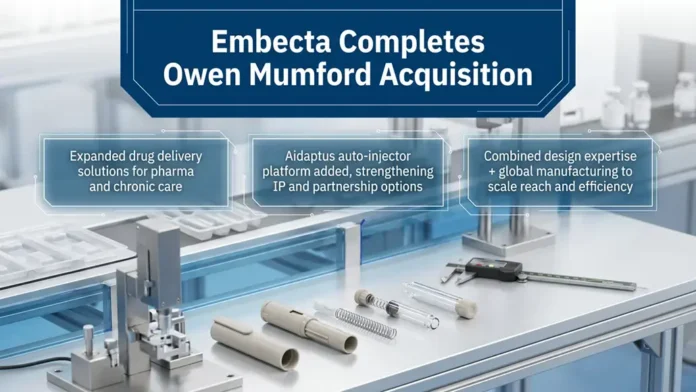
Embecta Completes ยฃ150m Acquisition of Owen Mumford to Expand Chronic Care and Drug Delivery Portfolio

Acquisition of Owen Mumford

Embecta has formally completed its acquisition of UK-based medical device manufacturer Owen Mumford Holdings in a transaction valued at up to ยฃ150 million (approximately $172.6 million). The Embecta Owen Mumford acquisition, first announced in March 2026, positions the combined entity to deliver a broader suite of drug delivery and chronic care solutions to pharmaceutical partners and patients managing long-term conditions.

The transaction was structured with an upfront payment of ยฃ100 million, with up to an additional ยฃ50 million contingent on post-acquisition net sales performance of Owen Mumford’s flagship Aidaptus auto-injector platform over a three-year period. This performance-linked component underscores the strategic value placed on the Aidaptus platform and its anticipated commercial traction across multiple therapeutic areas.

The acquisition of Owen Mumford directly supports embecta’s ongoing strategic shift toward offering a broader portfolio of medical supplies, including specialised drug delivery platforms for pharmaceutical partners and products designed for patients living with chronic conditions. Embecta is specifically targeting the needs of individuals managing anaphylaxis, obesity, diabetes, and autoimmune diseases.

The deal grants embecta access to a specialised drug delivery platform capable of serving multiple therapeutic areas, while also strengthening its intellectual property portfolio most notably through ownership of the Aidaptus auto-injector platform.

The acquisition of Owen Mumford brings together two distinct areas of operational strength. Owen Mumford contributes deep expertise in device design, precision moulding, and assembly, while embecta contributes its established commercial operations and large-scale manufacturing capabilities. Together, the combined organisation is expected to expand its global market reach and improve overall operational efficiency.

Embecta currently operates with a workforce of approximately 2,500 employees and aims to supply a broad range of medical products to global markets. Owen Mumford, for its part, has built its reputation around healthcare device development, drug delivery technologies, and devices intended for chronic care and diagnostic use making the two organisations a natural operational and commercial fit.

Central to this deal is Owen Mumford’s Aidaptus auto-injector, a two-step, subcutaneous, single-use device engineered with future pharmaceutical collaborations in mind. The platform streamlines the final assembly process through a plunger rod insertion method that automatically adapts to varying fill volumes. This mechanism maintains a fixed distance between the stopper and plunger regardless of fill volume, reducing the need for additional verification steps and simplifying the manufacturing and assembly workflow.

The design of the auto-injector platform is intended to support a range of pharmaceutical partnerships across diverse therapeutic areas, offering flexibility that is increasingly sought after in the drug delivery segment.

Translate ยป