












Close
Digital Health & Ai Innovation summit 2026
Medical Taiwan 2026

7 Doctor’s Office Accessories Every Practitioner Should Have

7 Doctor's Office Accessories Every Practitioner Should Have

At present, did you know that there are approximately millions of healthcare providers across the United States? You’ll discover doctors fulfilling various roles, such as pediatricians, psychiatrists, surgeons, neurologists, and cardiologists, among others.

For these specialists to take care of their patients well, their office must be equipped with suitable accessories. These peripherals may either be medical equipment or supplies that are essential in caring for a patient.

To clarify, medical supplies refer to items that are consumable or, otherwise, may diminish later in time. On the other hand, equipment consists of tools, which you’ll need not repeatedly buy. You only need to replace them when they break down. Health workers use them for diagnosing patients.

If you’re a doctor in the process of setting up your medical practice, you’ll find below a list of medical accessories that every practitioner must have.

  1. Receiving Area Supplies

Of course, when a patient arrives in a doctor’s office, they first enter the facility’s receiving area. To ensure your patients and their companion are comfortable while waiting for their schedule, see to it you have the following:

  • Comfortable chairs or sofa
  • Television
  • Lamps
  • Decoration
  • Mirror
  • Paintings
  • Books
  • Magazines
  • Toys (so children will not get bored)
  • Water dispenser
  • Disposable cups
  • Hand sanitizer
  1. Autoclave

Whether you’re a general practitioner or a healthcare specialist, the patients who consult you bring with them at most times various germs. As such, managing the spread of infection is highly essential to curb its growth.

This scenario explains why an autoclave is vital for any medical unit. Basically, an autoclave is a device that sterilizes medical tools at extreme temperatures. To handle tools efficiently and safely, you must clean them first, disinfect them, then sterilize them.

Keep in mind that you also need to retain a copy of your autoclave’s maintenance records to make sure you have it checked regularly and keep its quality for an extended period of time.

  1. Standard Diagnostic Tools

In every doctor’s office, these standard diagnostic tools should always be present:

  • Thermometer
  • Blood pressure monitor
  • Pulse oximeter
  • Reflex hammer
  • Stethoscopes
  • Eye chart
  • Blood test kits
  • Colposcopes
  • Ophthalmoscopes
  • Otoscopes

Furthermore, to efficiently examine patients’ see to it, you have procedure tables and a mobile laptop cart to carry your laptop and other medical essentials. This way, you’ll avoid unnecessary travel between the patient examination area and your central workstation.

  1. Emergency Equipment

Sometimes a healthcare provider’s routine check-up may turn into an urgent situation. In cases like these, it’s crucial a doctor must have the following on hand:

  • Ventilator
  • Oxygen mask
  • Oxygen canisters
  • Aspirator
  • Resuscitation mask
  • Trauma board
  • Foil blankets

Please note the above tools aren’t enough to save an individual from an emergency situation. However, they can buy the healthcare provider significant time to bring the sick patient to the hospital.

  1. Procedure Supplies

Meanwhile, it’s not unusual for doctors to conduct minor treatment on a patient needing cleansing or dressing of a wound. Hence, your office should have a constant stock of these supplies:

  • Hypodermic needles
  • Antiseptic wipes
  • Tweezers
  • Adhesive bandages
  • Cotton wool pads

When it comes to the above supplies, keep in mind you need to store them properly. Remember, some of the items are single-use. Thus, it would be best if you disposed of the remaining pieces right away when you open a pack.  Make sure to throw them in the appropriate trash bins as well.

  1. Protective Equipment

On the other hand, to restrain the circulation of viruses, every doctor’s facility must have proper protective equipment. Healthcare providers must wear them while performing procedures or conducting any medical examinations.

For this reason, you’ll need a continuous supply of face masks and gloves. Note that since these pieces of equipment are primarily single-use, you need to discard them safely after use.

Additionally, to shield your eyes from viruses or infection, see to it you’re wearing appropriate eyewear. It’s best to make sure you own a few pairs of these and don’t forget to sterilize and clean them after each patient consultation.

  1. Basic Supplies

Lastly, a doctor’s office shouldn’t be without these vital basic supplies. Of course, the list may adjust depending on your specialization. However, below are some of the items every healthcare provider should have:

  • Sterile gloves
  • Hand soaps
  • Toilet paper
  • Paper towels
  • Facial tissues
  • Gauze pads
  • Needles/syringes
  • Alcohol pads
  • Swabs
  • Band-aids
  • Cotton applicators

Final Thoughts

In the long run, whichever medical office accessory you plan to purchase for your practice, remember it’s essential that you research first for items with optimal prices. However, if you specifically prefer the accessories at a particular facility you trained, consider inquiring from those doctors where they procured their medical supplies. Besides your peers appreciating your compliment, they’ll be able to direct you towards quality and efficient materials.
CHC ContinueCARE LTACHs Play Vital Role in Providing Care During Pandemic

Pandemic-induced waived restrictions on Medicare admissions to CHC ContinueCARE’s Long-Term Acute Care Hospitals (LTACHs) have proved to be a highly effective tool in improving patient outcomes, relieving strained resources on local healthcare systems, and providing a healthier environment for their communities overall.

Since the government lifted restrictions removing payment barriers to LTACHs and provided more funding for patient care last year, LTACHs have served as a relief valve to handle patient overflow from traditional Short Term Acute Care Hospitals. In many communities, LTACHs admitted patients from hospitals overwhelmed from the surge of COVID-19 patients requiring extensive hospitalization of several weeks or more.

The waived rules are part of legislation known as the Coronavirus Aid, Relief and Economic Security (CARES) Act, which helped expand patient access as a means of increasing hospital capacity by waiving prior restrictions on admission requirements.

The waivers removed certain restrictions that typically prohibit LTACHs from receiving the full standard rate for their services. The waivers eliminated the need for LTACH patients to meet an average length of stay greater than 25 days, spend at least three days in an ICU unit, or satisfy a required number of hours (96) on a ventilation machine in an LTACH.

The federal government’s temporary waiver of these requirements has allowed CHC ContinueCARE LTACHs and other similar facilities across the country to provide quicker and specialized clinical care of severely-ill COVID patients, helping limit the disease’s impact on patients, hospitals and the communities they serve.

For example, one Texas hospital reported it was 170 percent over its ICU capacity, while another was forced to put patients in ambulances because of a shortage of hospital beds. CHC ContinueCARE Texas LTACHs also have treated large numbers of COVID patients, with one of its hospitals admitting more than 200 virus-stricken patients during 2020.

April Myers, CHC’s Senior Vice President of Post Acute Operations, commented: “The waived Medicare restrictions on LTACH admissions represent a true game-changer in terms of our ability to provide the best possible care to many patients who require long-term hospitalization due to this outbreak. We are hopeful that the government will keep the waivers in place, as it would allow LTACHs to continue to provide the level of care deemed essential to maintaining the highest quality of public health in a pandemic and post-pandemic environment.”

The waived rules, which are reviewed quarterly, will remain in effect as long as the U.S. Department of Health and Human Services (HHS) continues to declare the pandemic as a national public health emergency. The next quarterly meeting on the waived rules is expected in the latter part of April.

While it’s uncertain if the government will retain all or part of the waived rules, there’s no doubt that suspending the requirements allowed LTACHs to step up and fill a vital need during the pandemic while showcasing how LTACHs are uniquely equipped to effectively treat critically ill, complex and medically fragile patients.

For instance, CHC’s LTACHs have freed up patient bed capacity at host or referral hospitals, which allowed them to better treat COVID patients and patients suffering from other ailments.

Physicians and other healthcare workers who refer patients to CHC ContinueCARE LTACHs praised their assistance in the pandemic. They said their hospitals would have struggled to provide adequate care to an influx of COVID-infected patients if LTACHs hadn’t helped with some of these medically complex patient admissions.

The LTACHs also had positive patient outcomes weaning a higher percentage of their COVID patients off ventilators during the pandemic and demonstrating that long term care hospitals provide a unique level of care and clinical focus.

CEOs of CHC ContinueCARE hospitals also have been aggressively contacting their congressional representatives to inform them of how LTACHs have greatly benefited their communities in the pandemic. Healthcare industry groups also have been supportive of keeping the waivers intact. In fact, the Medicare Payment Advisory Commission (MedPAC) recommended that the federal government increase LTACH’s 2021 Medicare-based payment rate by 2 percent.

About Community Hospital Corporation—HELP WHERE HOSPITALS NEED IT®

Community Hospital Corporation owns, manages and consults with hospitals through CHC Hospitals, CHC Consulting and CHC ContinueCARE, with the common purpose to guide, support and enhance the mission of community hospitals and healthcare providers. Based in Plano, Texas, CHC provides the resources and experience community hospitals need to improve quality outcomes, patient satisfaction and financial performance. For more information about CHC, please visit www.communityhospitalcorp.com.


GE brings in AI-powered software to cardiac ultrasound device

GE brings in AI-powered software to cardiac ultrasound device

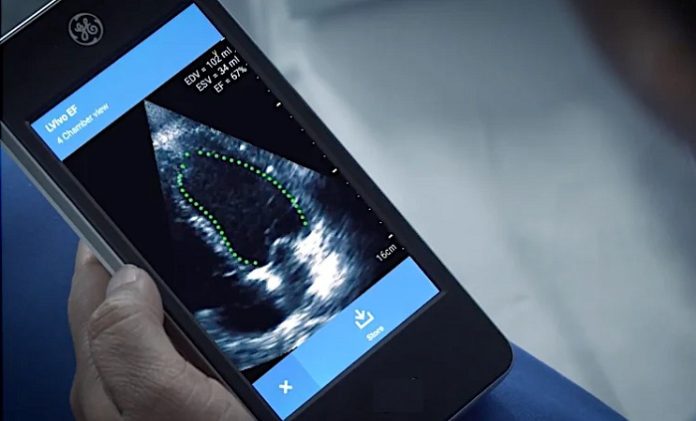
GE Healthcare announced that it has developed a new AI tool focused on cardiac imaging. The news came as the company launched its newest point-of-care ultrasound (POCUS) system, Venue Fit, which was designed to be used in tight, compact spaces.

The AI offering can be used alongside GE Healthcare’s full line of Venue ultrasound systems. Its RealTime EF software continuously monitors a patient’s ejection fraction in real time, a feature intended to help specialists need fewer electrocardiograms. The tool also includes new settings for lung visualization and identifying signs of potential kidney infection.

Joseph Minardi, MD, a physician with experience using this newest AI offering, said it and GE Healthcare’s Venue systems have been an especially helpful combination during the ongoing COVID-19 pandemic.

“COVID-19 has had a huge impact on my practice as we’re currently seeing a surge in the emergency department, and I’ve been taking my Venue Go with me everywhere I go,” Minardi, chief of the division of emergency and clinical ultrasound and director of the center for POCUS at West Virginia Academic Medical Center, said in a prepared statement. “With the new Venue tools, I don’t have to struggle with the interface to be efficient. I can bring the device in with me, scan the patient, and, using the Lung Sweep and RealTime EF (ejection fraction), I have the information I need right away.”

“This past year we’ve seen point of care ultrasound take a prominent place at the bedside for clinicians, driven by its intuitive design and AI-powered diagnostic prowess,” added Dietmar Seifriedsberger, general manager of POCUS at GE Healthcare. “Understanding healthcare’s growing resource constraints and the challenges of today’s world, we’re expanding our Venue Family and offerings to help improve our customer’s workflow efficiency and diagnostic confidence.”


Thermo Fisher Scientific Launches In-Air SARS-CoV-2 Surveillance Solution

Thermo Fisher Scientific Launches In-Air SARS-CoV-2 Surveillance Solution

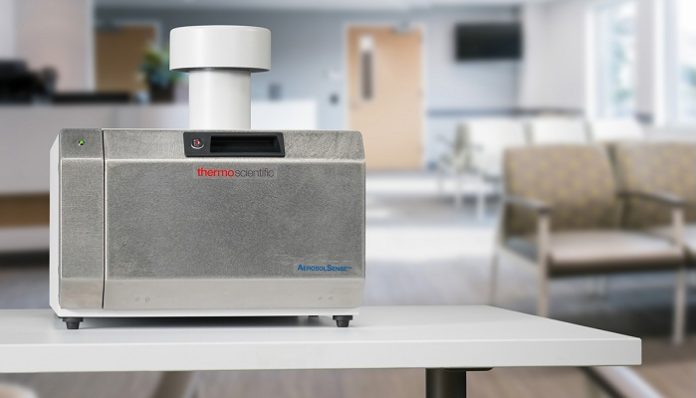
Thermo Fisher Scientific Inc., the world leader in serving science, announced the launch of the Thermo Scientific AerosolSense Sampler, a new surveillance solution designed to deliver fast and highly reliable insight into the presence of in-air pathogens, including SARS-CoV-2.

The Thermo Scientific AerosolSense Sampler is the next step in providing institutions with highly reliable information to help keep their employees and the public safe.

Individual testing will continue to be a cornerstone in the COVID-19 pandemic response because it enables and informs clinical diagnoses, patient triage and treatment decisions. As society returns to pre-pandemic activities, expanded and complementary monitoring of environments will be key in providing useful insights into virus presence. The AerosolSense Sampler is the next step in providing institutions with highly reliable information to help keep their employees and the public safe.

The AerosolSense Sampler is an in-air pathogen surveillance solution, which collects representative aerosol samples of ambient air and traps in-air pathogens on a collection substrate. The sample can be readily analyzed through subsequent laboratory testing using polymerase chain reaction (PCR) methodology. Confirming the presence of pathogens like SARS-CoV-2 in a space during a known time interval enables decision makers in hospitals and other indoor facilities to take actions to protect their employees and provide the public with confidence.

Such factors as emerging variants, semi-vaccinated populations and varying levels of compliance with COVID-19 personal safety protocols, continue to pose risks to a society looking to return to life as it was before the pandemic,” said Mark Stevenson, executive vice president and chief operating officer of Thermo Fisher Scientific. “It is important that easy-to-use, highly reliable solutions be available to allow hospitals, nursing homes, schools, businesses and government institutions to identify the presence of in-air pathogens quickly, so safety protocols can be put into action, validated, or strengthened.”

Dr. John Broach, assistant professor of Emergency Medicine at the University of Massachusetts and an early user of the AerosolSense Sampler said, “Monitoring the efficacy of infection control practices is invaluable to protecting health care providers on the frontlines. Combatting COVID-19 is a multi-front battle, and this surveillance solution can be implemented seamlessly within institutions to alert them to the presence of SARS-CoV-2, so that they can take appropriate steps to prevent its spread.”

About Thermo Fisher Scientific
Thermo Fisher Scientific Inc. is the world leader in serving science, with annual revenue exceeding $30 billion. Our Mission is to enable our customers to make the world healthier, cleaner and safer. Whether our customers are accelerating life sciences research, solving complex analytical challenges, improving patient diagnostics and therapies or increasing productivity in their laboratories, we are here to support them. Our global team of more than 80,000 colleagues delivers an unrivaled combination of innovative technologies, purchasing convenience and pharmaceutical services through our industry-leading brands, including Thermo Scientific, Applied Biosystems, Invitrogen, Fisher Scientific, Unity Lab Services and Patheon.

Cleveland Clinic and IBM Unveil Landmark 10-Year Partnership to Accelerate Discovery in Healthcare and Life Sciences

Cleveland Clinic and IBM Unveil Landmark 10-Year Partnership to Accelerate Discovery in Healthcare and Life Sciences

Cleveland Clinic and IBM have announced a planned 10-year partnership to establish the Discovery Accelerator, a joint Cleveland Clinic – IBM center with the mission of fundamentally advancing the pace of discovery in healthcare and life sciences through the use of high performance computing on the hybrid cloud, artificial intelligence (AI) and quantum computing technologies.

The collaboration is anticipated to build a robust research and clinical infrastructure to empower big data medical research in ethical, privacy preserving ways, discoveries for patient care and novel approaches to public health threats such as the COVID-19 pandemic. Through the Discovery Accelerator, the researchers plan to use advanced computational technology to generate and analyze data to help enhance research in the new Global Center for Pathogen Research & Human Health, in areas such as: genomics, single cell transcriptomics, population health, clinical applications, and chemical and drug discovery.

As part of the collaboration, IBM plans to install its first private sector, on-premises IBM Quantum System One in the United States, to be located on Cleveland Clinic’s campus in Cleveland. The company also plans to install the first of IBM’s next-generation 1,000+ qubit quantum systems at a client facility, also to be located in Cleveland, in the coming years. This quantum program will be designed to actively engage with universities, government, industry, startups and other relevant organizations. It will leverage Cleveland Clinic’s global enterprise to serve as the foundation of a new quantum ecosystem for life sciences, focused on advancing quantum skills and the mission of the center.

“Through this innovative collaboration, we have a unique opportunity to bring the future to life,” said Tom Mihaljevic, M.D., CEO and President of Cleveland Clinic. “These new computing technologies can help revolutionize discovery in the life sciences. The Discovery Accelerator will enable our renowned teams to build a forward-looking digital infrastructure and help transform medicine, while training the workforce of the future and potentially growing our economy.”

“The COVID-19 pandemic has spawned one of the greatest races in the history of scientific discovery – one that demands unprecedented agility and speed,” said Arvind Krishna, Chairman and Chief Executive Officer of IBM. “At the same time, science is experiencing a change of its own – with high performance computing, hybrid cloud, data, AI, and quantum computing, being used in new ways to break through long-standing bottlenecks in scientific discovery. Our new collaboration with Cleveland Clinic will combine their world-renowned expertise in healthcare and life sciences with IBM’s next-generation technologies to make scientific discovery faster, and the scope of that discovery larger than ever.”

“Quantum will make the impossible possible, and when the Governor and I announced the Cleveland Innovation District earlier this year, this was the kind of innovative investment I hoped it would advance,” said Ohio Lt. Governor Jon Husted, Director of InnovateOhio. “A partnership between these two great institutions will put Cleveland, and Ohio, on the map for advanced medical and scientific research, providing a unique opportunity to improve treatment options for patients and solve some of our greatest healthcare challenges.”

The Discovery Accelerator will serve as the technology foundation for Cleveland Clinic’s new Global Center for Pathogen Research & Human Health, announced last month as part of the Cleveland Innovation District. The center, supported by a $500 million investment from the State of Ohio, Jobs Ohio and Cleveland Clinic, brings together a research team focused on broadening understanding of viral pathogens, virus-induced cancers, genomics, immunology and immunotherapies. It will build upon Cleveland Clinic’s existing programs and expertise, with newly recruited world leaders in immunology, cancer biology, immune-oncology and infectious disease research as well as technology development and education. Researchers will expand critical work on studying, preparing and protecting against emerging pathogens and virus-related diseases.

Accelerating Discovery

The pace of progress in science historically has been limited by bottlenecks. Researchers are increasingly working to overcome these bottlenecks with the application of AI, quantum computing and hybrid cloud technologies. New technologies are enabling accelerated methods of discovery that include deep search, AI and quantum-enriched simulation, generative models, and cloud-based AI-driven autonomous labs. Leveraging these combined innovations will supercharge new generations of information technology, fuel important advances in science, and IBM will provide access to a variety of research and commercial technologies, education and tools to assist Cleveland Clinic in accelerating discovery in healthcare and life science, including RoboRXN, a cloud-based platform that combines AI models and robots to help scientists design and synthesize new molecules remotely; the IBM Functional Genomics Platform, a cloud-based repository and research tool, which uses novel approaches to reveal the molecular features in viral and bacterial genomes to help accelerate discovery of molecular targets required for drug design, test development and treatment; Deep Search, which helps researchers access structured and unstructured data quickly; and High-Performance Hybrid Cloud Computing technologies that can enable researchers to “burst” their workloads into the cloud and access the resources they need at scale.

IBM Quantum Flagship Program

Quantum computing has the potential to have an immense impact on key healthcare challenges, such as the discovery of new molecules that can serve as the basis of new pharmaceutical breakthroughs and spur the development of new medicines and could help enhance the ability to derive deep insight from complex data that is at the heart of some of the largest challenges in healthcare.

The Discovery Accelerator will leverage IBM’s multi-year roadmap for advancing quantum computing, bringing its revolutionary capabilities into the hands of scientists and practitioners in healthcare and life sciences. In addition to an on-premises quantum system, Cleveland Clinic will also have access to IBM’s fleet of currently more than 20 quantum systems, accessible via the cloud. IBM is targeting to unveil its first next generation 1,000+ qubit quantum system in 2023, and Cleveland Clinic is planned to be the site of the first private-sector on-premises system.

About Cleveland Clinic
Cleveland Clinic – now in its centennial year – is a nonprofit multispecialty academic medical center that integrates clinical and hospital care with research and education. Located in Cleveland, Ohio, it was founded in 1921 by four renowned physicians with a vision of providing outstanding patient care based upon the principles of cooperation, compassion and innovation. Cleveland Clinic has pioneered many medical breakthroughs, including coronary artery bypass surgery and the first face transplant in the United States. U.S. News & World Report consistently names Cleveland Clinic as one of the nation’s best hospitals in its annual “America’s Best Hospitals” survey. Among Cleveland Clinic’s 70,800 employees worldwide are more than 4,660 salaried physicians and researchers, and 18,500 registered nurses and advanced practice providers, representing 140 medical specialties and subspecialties. Cleveland Clinic is a 6,500-bed health system that includes a 173-acre main campus near downtown Cleveland, 19 hospitals, more than 220 outpatient facilities, and locations in southeast Florida; Las Vegas, Nevada; Toronto, Canada; Abu Dhabi, UAE; and London, England. In 2020, there were 8.7 million total outpatient visits, 273,000 hospital admissions and observations, and 217,000 surgical cases throughout Cleveland Clinic’s health system.

Population health company IBH snaps up mental health focused Uprise

 Population health company IBH snaps up mental health focused Uprise

IBH, a tech-enabled inhabitants well being platform, introduced its plans to amass digital psychological well being firm Uprise. Each firms work within the employer well being house and focus in on behavioral well being. As a part of the acquisition, IBH will take possession of Uprise’s platform, which permits psychological healthcare through self-guided modules, dwell teaching and in-person remedy.

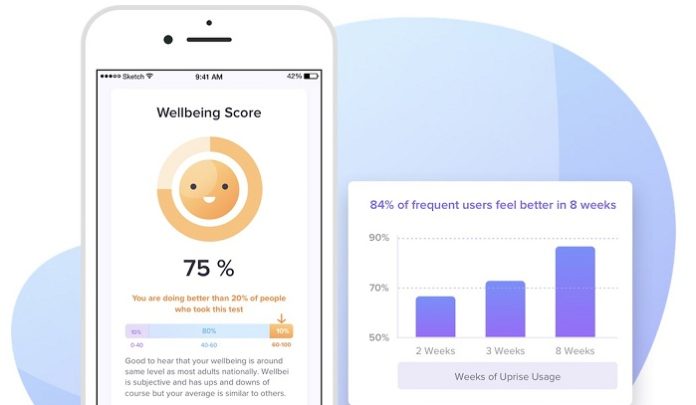
Staff can full a wellbeing guidelines and obtain a rating with recommendation about their wellness. As a part of the system, staff designated at-risk get a name inside 24 hours of their evaluation, and are then triaged to acceptable companies. Staff not designated as at-risk can faucet into digital companies.

In accordance with IBH, this acquisition will merge collectively giant information units, which might in flip be used to realize insights about member wants.

At the moment, IBH focuses on behavioral well being, substance-abuse monitoring, and inhabitants well being, together with occupational well being and maternity administration. The corporate presents telehealth companies as a part of its employee-assistance and managed-behavioral-health applications.

This information comes simply months after IBH introduced the acquisition of HMC Healthworks, which focuses on continual care administration and information analytics.

Behavioral well being points are widespread in america. In accordance with the CDC, 11.2% of adults report feeling nervous, anxious or nervousness. One other 4.7% report commonly feeling depressed.

Employer psychological well being has more and more turn into a spotlight world wide. In accordance with the American Psychiatric Affiliation, despair is the main explanation for incapacity worldwide. The group reviews that despair prices the U.S. financial system roughly $210 billion a 12 months in absenteeism, diminished productiveness and medical prices.

A number of digital well being firms have begun to deal with the employer psychological well being house. For instance, Trendy Well being, a psychological health-and-wellness platform, landed $74 million in Sequence C funding in February to assist bolster its behavioral well being administration expertise.

Throughout the pond, U.Okay.-based Unmind scored $10 million in Sequence A funding in 2020 for its office psychological well being platform.

The digital psychological well being house is scorching proper now. Rock Well being highlighted the digital mental-healthcare house as a transparent beneficiary of COVID-19-driven demand.

Digital identity service to place patients at the centre of their care

Four Ontario hospitals are launching a digital identity service to give patients a convenient, reliable, accessible and secure method to access health information and services online. This initiative is being led by Niagara Health, building on the hospital’s foundational Navigator mobile app technology.

Niagara Health, Southlake Regional Health Centre, North York General Hospital, St. Joseph’s Healthcare Hamilton and their technology partners, IDENTOS and SecureKey Technologies, are proud to introduce the Ontario trusted account, a service that allows patients to prove their identity online, just as they would in person using their Ontario Health Card, Driver’s License or Photo Card.

Patients in Ontario are currently served by a patchwork of digital tools and online health services. This fragmentation has created challenging experiences for patients who must use multiple login usernames and passwords to access these services, each with different levels of privacy and security standards. Offering a solution to these challenges, the Ontario trusted account allows patients to access a number of health-related services without having to log in and out each time, while providing them with full control over what information they choose to share and whom they share it with. Together with user consent, transparency and encryption that protects patient data, we are enabling seamless and secure access to digital health services or personal health information (PHI), making lives easier for Ontarians. A single Ontario trusted account is reusable across participating partners and enables patients to access resources and services across multiple platforms with one secure log-in.

The development of the Ontario trusted account builds on the Niagara Health Navigator mobile app, launched in 2019, which engages and connects patients to local health services. Through the app, users can check Emergency Department wait times, access COVID-19 resources at the hospital, including their test results, provide feedback about their care experience at the hospital, and find supports for caregivers.

The March 2021 release of the Ontario trusted account will be available to patients of Niagara Health and Southlake Regional Health Centre through the hospitals’ respective Navigator mobile applications. In this pilot phase, a subset of patients at Niagara Health’s Niagara Falls Site will be able to securely check in and confirm ultrasound appointments using the Ontario trusted account. At Southlake Regional Health Centre, patients can use the service to manage appointments for a variety of outpatient clinics starting with the hospital’s Hand Clinic and Cardiac Diagnostics Unit.

This patient digital identity service is an initiative funded by the Ontario Ministry of Health. The Government of Ontario selected Niagara Health and Southlake Regional Health Centre to lead this initiative in 2019. Niagara Health and Southlake Regional Health Centre then partnered with St. Joseph’s Healthcare Hamilton and North York General to develop a patient digital identity solution.

Later this year, St. Joseph’s Healthcare Hamilton and North York General Hospital will launch their respective Navigator mobile applications giving patients in their communities the ability to use the Ontario trusted account. As the Ontario trusted account expands over time, it will allow patients at the four hospitals to:

Securely share personal health information with caregivers, other health care providers or family members.
Manage and access health information and digital health services (e.g., virtual care) from multiple providers using only one login and password.

Grant or remove access to health information using the application.

The province will continue to monitor and evaluate for potential expansion of the Ontario trusted account beyond the initial four hospitals.

Digital identity is a key enabler for the Digital First for Health Strategy and a key focus area for the government’s overall Digital Identity strategy. The Digital First for Health strategy will enable system integration and the sharing of information so that patients receive seamless care. The new service is supported by technology developed through the Digital Identity initiative.

The patient digital identity service is a part of the broader work being done by the Treasury Board Secretariat and the Ministry of Health to accelerate the adoption of digital identities and digital transformation within Ontario’s Health system to make patient access easier and more convenient. Digital Identity is part of Ontario Onwards: Ontario’s COVID-19 Action Plan for a People-Focused Government, which includes more than 30 projects that will change the way people and businesses interact with government.

Indigital Technologies launches personalized video prescription platform Kyoiku

Indigital Technologies launches personalized video prescription platform Kyoiku

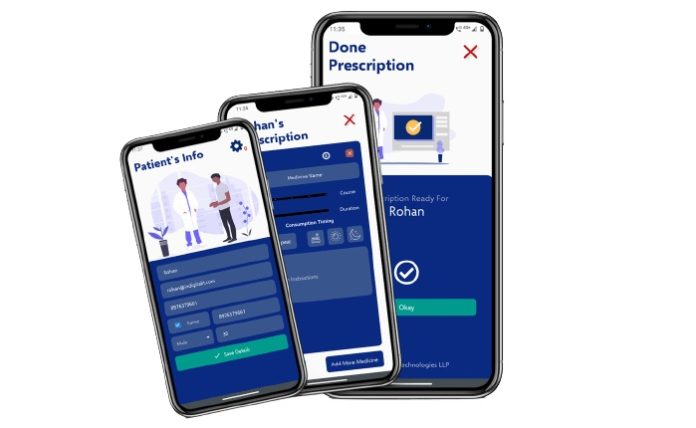
Indigital Technologies, a leading research-based technology company launched Kyoiku, a personalized video prescription platform that will assist healthcare practitioners in making the complex instructions for the patients simpler and understandable.

Kyoiku features artificial intelligence (AI) technology that converts the prescriptions and doctor’s instructions into easy to understand, high quality videos. Use of this prescription video software improves adherence and clears all the doubts on how to take it. With Kyoiku, you get video instructions for 130,000 medications with new additions every day.

We are all aware that patients and their caregivers are expected to follow a variety of very complex instructions and doctor visits are becoming shorter with the growing virus fear and intervention of telemedicine. Often there is insufficient time to explain all instructions in detail and verify understanding of the patients. It is a known fact that medical misunderstanding could turn out to be a high cost for the patients and their caregivers, Indigital Technologies introduced this product Kyoiku to make the process easier for them to understand and follow in a text as well as video format.

Speaking about the launch of the product, Hiren Dhuvad, CEO, Indigital Technologies, said, “Kyoiku is an initiative in accomplishing our mission to empower the doctors, medical practitioners and the patients for better outcomes and better treatment through technology driven initiatives. I believe intervention of technology for various healthcare needs is the future.”

Kyoiku operates using AI and helps the patients to save time and make the process simpler for them to understand.

Indigital Technologies is revolutionising the way doctors and patients use technology in their daily lives. The company envisions digitizing the pharmaceutical healthcare marketing space by delivering award-winning technology solutions that are disruptive in nature. The healthcare industry has been least disrupted by technology for so long in terms of doctor-patient engagement and education strategies. Therefore, to bridge the widening gap between patient/doctor expectations and pharmaceutical industry services, Indigital Technologies is initiating unique, implementable, and impactful strategies for clinics and hospitals.


Baxter Launches Initiative to Increase Awareness and Education in Black Communities About Kidney Health and Managing Chronic Kidney Disease

Baxter International Inc., a leading global medical products company, and the Central Area of The Links, Incorporated, an international not-for-profit comprised of 16,000 women of color, announce a new partnership to bring awareness and resources to the disproportionate challenges affecting Black Americans related to kidney health. Through the partnership, Baxter is committing $600,000 to fund grants to local Links chapters in the organization’s 17-state U.S. Central Area over a nine-month period. Local chapters will engage with area healthcare professionals, faith-based organizations, civic leaders and other influential community members to develop programs and interventions focused on the prevention, detection, and management of chronic kidney disease (CKD).

Black Americans have some of the highest incidence rates of diabetes and high blood pressure – the two leading causes of kidney disease. In fact, Black adults in the United States are at increased risk of developing at rates far exceeding those for white adults, and are three times more likely to develop kidney failure than their white counterparts.1 Despite these staggering statistics, many Americans are unaware they have kidney disease.

“The Links has a proven track record of building trust and awareness for health issues in the communities they serve,” said Guillermo Amezcua, area vice president of Baxter’s U.S. renal business. “We are excited to arm local chapters with more tools and resources to help empower the Black community around kidney health.”

A component of Baxter’s ACT: Activating Change Today initiative, the partnership with The Links includes the debut of the Black Kidney Awareness, Resources and Education (K.A.R.E.) program. In addition to receiving grant funding, local chapters will also have access to an educational toolkit developed by The National Kidney Foundation of Illinois that focuses on the unique barriers facing the Black community. The toolkit content incorporates patient, clinician, clinical, and systemic factors contributing to the disproportionate disparities Black Americans face in healthcare and provides actionable tips and guidance for improving kidney heath and effectively managing kidney disease.

“The vision of The Links, Incorporated is to enrich the communities we serve and improve the quality of life for people of African descent,” said Kimberly Jeffries Leonard, Ph.D., and national president of The Links, Incorporated. “The Black K.A.R.E. program complements the work our Central Area chapters are already implementing through our Health and Human Services facet, and amplifies our ability to help combat a major chronic health disparity that persists in Black communities.”

“We know there are many medical and nonmedical factors that impact kidney health, such as where and how a person lives,” adds Jackie Burgess Bishop, FACHE, CEO at The National Kidney Foundation of Illinois. “Through the Black K.A.R.E. program and toolkit, we are combining the unique insights of this community and offering tailored tools to help guide early awareness, education and intervention.”

About ACT: Activating Change Today

Baxter launched ACT: Activating Change Today, a multidimensional and multiyear initiative to advance inclusion and racial justice within the workplace and within the communities and markets the company serves, in 2020. Working in close collaboration with the Baxter Black Alliance business resource group, Baxter’s commitment through ACT is about taking action and driving results to achieve meaningful, sustainable change within and beyond Baxter. The partnership between Baxter and The Links and NKFI follows the recent announcement of a three-year, $2 million partnership between the Baxter International Foundation and the American Diabetes Association® (ADA) as part of the ADA’s Health Equity Now (HEN) platform. The community-based program will focus on nutrition and technology as key drivers in removing barriers to diabetes care and promoting diabetes prevention to address health disparities in Chicago’s underserved Black communities.

About Baxter

Every day, millions of patients and caregivers rely on Baxter’s leading portfolio of critical care, nutrition, renal, hospital and surgical products. For more than 85 years, we’ve been operating at the critical intersection where innovations that save and sustain lives meet the healthcare providers that make it happen. With products, technologies and therapies available in more than 100 countries, Baxter’s employees worldwide are now building upon the company’s rich heritage of medical breakthroughs to advance the next generation of transformative healthcare innovations.

About The Links, Incorporated

The Links, Incorporated is an international, not-for-profit corporation, established in 1946. The membership consists of more than 16,000 professional women of African descent in 292 chapters located in 41 states, the District of Columbia, the Commonwealth of the Bahamas, and the United Kingdom. It is one of the nation’s oldest and largest volunteer service organizations of extraordinary women who are committed to enriching, sustaining and ensuring the culture and economic survival of African Americans and other persons of African ancestry. Members of The Links, Incorporated contribute more than 1 million documented hours of community service annually — strengthening their communities and enhancing the nation.

Encompass Health and Shannon Health open new inpatient rehabilitation hospital

Encompass Health and Shannon Health open new inpatient rehabilitation hospital

Encompass Health and Shannon Health announce the opening of Shannon Rehabilitation Hospital, an affiliate of Encompass Health. The 40-bed inpatient rehabilitation hospital is located at 6046 Appaloosa Trail in San Angelo, Texas. The hospital features all private patient rooms, a large therapy gym with advanced rehabilitation technologies and an activities of daily living suite, a therapy courtyard, a cafeteria and a dayroom.

Shannon Rehabilitation Hospital, an affiliate of Encompass Health

In addition to 24-hour nursing care, the hospital serves patients recovering from debilitating illnesses and injuries including strokes and other neurological disorders, brain injuries, spinal cord injuries, amputations and complex orthopedic conditions. Shannon Rehabilitation Hospital offers physical, occupational and speech therapies to restore functional ability and quality of life. Care is provided by highly specialized nurses, therapists and physicians.

“Through our partnership, we are pleased to open and operate Shannon Rehabilitation Hospital for area patients and families,” said Barb Jacobsmeyer, executive vice president and president of inpatient hospitals for Encompass Health. “Our rehabilitative care will help patients regain their strength and function as well as the confidence needed to return to the Concho Valley region.”

“Shannon is excited to bring this facility to our community,” said Shane Plymell, CEO of Shannon. “Our mission is to ensure that people in the Concho Valley have access to the care they need here at home. This specialized hospital will serve more patients in our region while combining the best practices and technology for these patients and the providers caring for them.”

Shannon Rehabilitation Hospital is Encompass Health’s 138th inpatient rehabilitation hospital and is a new service offered by the Shannon Health system.

About Shannon Health:
Shannon Medical Center has proudly served the west Texas area for more than 85 years. Dedicated to providing exceptional healthcare for its family, friends and neighbors in the area, Shannon serves as the regional health care resource with diverse clinical services to serve patients in San Angelo and the Concho Valley Region. Together with Shannon Clinic, it offers access to more than 300 providers in 40 specialties across 25 locations. Rated a prestigious 5-star hospital by the Centers for Medicare and Medicaid Services (CMS), Shannon’s services include nationally recognized cardiac and stroke programs, AirMed air ambulance and designated Level III Trauma Facility which has been named top Trauma Facility in the state. It also features a dedicated Women’s & Children’s Hospital which celebrates the birth of more than 1,600 new babies each year and is home to the Children’s Miracle Network for this area. Shannon is the largest private employer in San Angelo with more than 3,700 Associates.

About Encompass Health
As a national leader in integrated healthcare services, Encompass Health offers both facility–based and home–based patient care through its network of inpatient rehabilitation hospitals, home health agencies and hospice agencies. With a national footprint that includes 138 hospitals, 241 home health locations, and 82 hospice locations in 39 states and Puerto Rico, the Company provides high–quality, cost-effective integrated healthcare. Encompass Health is ranked as one of Fortune’s 100 Best Companies to Work For.

Translate »