










Close
Digital Health & Ai Innovation summit 2026
Medical Taiwan 2026

Five Tips for Seniors Returning Home After a Hospital Stay

Five Tips for Seniors Returning Home After a Hospital Stay

Sometimes, a hospital stay is necessary, even if it isn’t very much fun. Whether your stay involved an illness, an accident, or a surgery, you’re probably looking forward to getting out of that hospital bed and going home to recover.

Your home can be the perfect place to recover, but only if you’re prepared. Otherwise, you may find yourself back in the hospital again sooner than you would like.

Here are five tips for seniors who are returning home after a hospital stay to ensure it’s the perfect place for you to recover.

Take Steps to Ensure What Caused Your Stay Doesn’t Happen Again

Your hospital stay may not have been avoidable, as might be the case with some surgeries. However, there are many other reasons you might find yourself in the hospital that you can prevent when you return home.

For example, you may want to look into qualifying for a claim with pre-existing conditions if you found yourself in the hospital due to a bad prescription drug or a faulty medical device. If your doctor was even partly to blame for your hospital stay, you may want to look into another medical provider. There’s no use in having a doctor you don’t trust.

If your stay was due to a car accident, it may be time to consider giving up your keys, and if your stay was due to an illness, you may want to take more health and safety precautions when you’re out in public.

No matter what it is, getting serious about what caused your hospital stay can help you prevent the possibility of it from happening again.

Don’t Recover at Home Alone

Just because you have been released from the hospital doesn’t mean you’re completely recovered. It just means you don’t require round-the-clock care.

It’s a good idea to make sure you have at least a little bit of support when you return home. That might mean allowing your spouse to take care of you, having a loved one check in on you multiple times a day, or hiring an in-home nurse to stop by and help with your recovery. If you reach out and get the help you need, you can recover more quickly, and you hopefully won’t require anyone else’s help for long.

Modify Your Home for Safety and Comfort

No matter what the reason for your stay, chances are, you aren’t going to be as steady on your feet as you were before your hospital stay. It’s a good idea to modify your home for safety when you return home.

That means doing things like:

  • Install grab bars and rubber mats in the bathroom
  • Secure rugs to the floor
  • Keep the lights on, or plug in night lights in dark areas

It also means making your home more comfortable! Drape blankets on the backs of chairs, keep snacks and water on an end table next to your favorite recliner, and keep the remote handy so you can relax and recover without getting up and down all day.

Stay in Contact With Your Doctor

It is extremely important to stay in contact with your doctor and follow their directions for your recovery. It also means writing down questions as you have them so you remember to ask the next time you talk to your doctor.

You also have to make sure you keep your appointments. To make sure you get the most out of your appointments, you may want to ask someone to come with you. Not only can they provide you with a ride, they can help you ask questions and bring up concerns by acting as your advocate.

Consider a Medical Alert System

Most seniors want to remain in their homes as long as possible, but the more medical conditions you have and hospital stays you experience, the more difficult that becomes. A medical alert system can help.

A medical alert system enables you to communicate with friends, family, and emergency services for a variety of reasons when you’re at home alone. Even more importantly, it can put family members’ minds at ease, making them more likely to stop nagging you about the dangers of living at home alone.

A hospital stay is just something that happens sometimes, especially as you get older. Just make sure it doesn’t ruin your independence. With these tips, you can continue recovering successfully at home so you can get back to living your normal, everyday life.

Acquisition to provide the most advanced AI platform for brain diseases

Acquisition to provide the most advanced AI platform for brain diseases

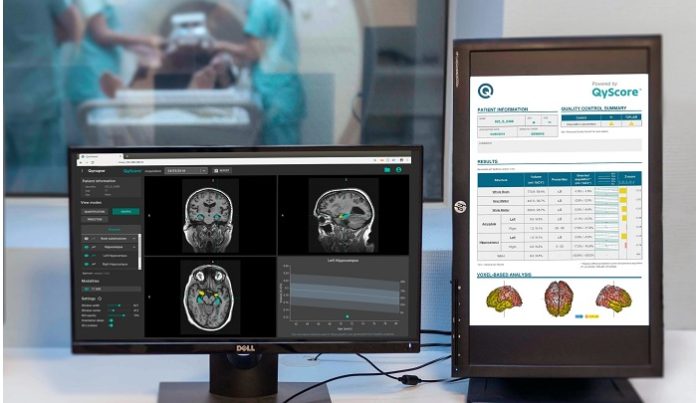
QYNAPSE SAS, a French medical technology company, announces the acquisition of the Canadian company TRUE POSITIVE MEDICAL DEVICES Inc. (TPMD), a spin-off from the universities of McGill and Laval. The objective of this strategic collaboration is to combine TPMD’s technologies, patents and expertise with Qynapse’s know-how and product line – and thus form the most advanced artificial intelligence (AI) platform in the field of imaging of brain diseases such as Alzheimer’s, Parkinson’s and multiple sclerosis.

Over the past fifteen years, the founders of TPMD, Prof. Louis Collins (McGill University, Montreal, Canada) and Prof. Simon Duchesne (Université Laval, Quebec City, Canada) have established one of the most impressive scientific and technological asset bases in brain imaging and AI applied to this field, supported by more than 500 publications and scientific communications. These technologies are already being used in Canada by leading research consortia and private international players in studies specifically related to neurodegeneration, such as Alzheimer’s disease.

QYNAPSE is already marketing its first QyScore® medical device to clinical centers in Europe and the United States. Its platform is also used in clinical trials involving dozens of centers worldwide. The collaboration with TPMD will allow QYNAPSE to extend the applications of its QyScore® software to other brain diseases such as stroke, epilepsy, autism, schizophrenia, and head trauma – and also to develop new software to predict clinical progression for individual patients and optimize enrollment in clinical trials.

QYNAPSE’s acquisition of TPMD covers 15 patents, including 9 issued in the United States and Canada, grouped into nine technological asset families. The founders of TPMD will join QYNAPSE’s scientific board, setting the stage for a long-term collaboration.

According to Prof. Louis Collins: “QYNAPSE is a very promising partner for TPMD and both McGill and Laval universities, which will allow us to accelerate the regulatory approval and marketing of the technologies we have developed in recent years”. Prof. Duchesne adds, “Indeed, with QYNAPSE we will have access to a partner that is already well established in the medical field. We look forward to providing clinicians with the tools they need to improve the accuracy of their diagnosis, facilitate prognosis and guide treatment for diseases such as dementias and cerebrovascular diseases.”

“We are delighted to partner with two of the world’s leading experts in brain imaging, and to expand our scientific and clinical collaborations with two major centers of excellence in this field.” said Olivier Courrèges, CEO of QYNAPSE. “This collaboration will create a unique technological structure, strengthening our ability to deploy powerful tools to address two major challenges: clinical trial performance and personalized management of brain diseases, which affect more than one in six people worldwide.”

Once finalized, TPMD will be integrated into QYNAPSE CANADA Inc. and TPMD’s scientific and commercial partnership contracts will be operated by this new entity.

The Story of MS Hug

The Story of MS Hug

With lifestyle changes taking place at a brisk pace, we have become prone to ailments that till now were not known to many, or for that matter did not even exist. Events like these, no wonder, have made us realize the very essence of health, fitness, and a proper routine in our lives.

One such unfamiliar sickness is MS Hug, a painful symptom coming out of the Multiple Sclerosis family.

What is MS Hug?

As the name suggests, one feels like a tight band encircling, squeezing, or hugging the chest or ribs. The relevance and impact of MS Hug are such that it affects more than 55% of the people suffering from Multiple Sclerosis, from here on MS. It is to be noted that the chest pain arising from MS Hug can be mistaken for other ailments related to heart diseases, gallbladder problems however, chest or abdominal pain can hint towards a sign of a much serious condition.

Symptoms pointing out MS Hug

One of the most intriguing facts about MS Hug is that each person has a different version of experiencing it.  The tightness occurs between the neck and waist, while the pain usually occurs on both sides of the body and can usually hover from a slight tickle to an unbearable grip that makes it difficult to breathe.

MS Symptoms

These symptoms broadly feature under 3 categories:-

Motor Symptoms

These are pretty common MS symptoms that severely impact mobility which in-turn affects the quality of life. Weakness, slowness, and speech issues are some of the many effects that come under the gamut of Motor symptoms.

Cognitive Symptoms

The majority of MS patients develop cognitive difficulties. Problems with memory, focus, and processing information, usually takes place under this symptom.

General Symptoms

Patients usually develop fatigue that is severe enough to impact the daily routine. Changes in physical sensation also occur in this type of symptom.

Causes of MS Hug

Nervous Systems like the brain and spinal cord get attacked by the body’s immune system. Damage caused to the Myelin, which protects the nerves results in interference with messages sent from the nerves to the brain and the body.

In MS Hug, pain occurs across nerves and muscles and in some cases, both. Due to the pain in nerves, abnormal sensations of MS Hug are produced while when it comes to the muscles, spasms are pretty common. These are the ones that trigger difficulties in walking, moving, etc.

In addition to what we have discussed above, heat, stress, and exertion also go on to become the base for a bigger problem which is MS Hug. Cases of its relapse have also been seen in patients and one has to be completely at rest and be stress-free. Stress is indeed one of the most common and often overlooked causes for MS-Hug.

MS Hug can be tricky. You may either be misunderstanding it with some other disease or vice-versa, but at the end of the day, what would matter is its rapid detection and cure.

Rajasthan Royals & RightEye’s Advanced Dynamic Vision Join Hands To Enhance Player’s Performance

In a nation of a billion people like India, Cricket has become more of a religion than anything else. With the growing broadcasting landscape and access to varied devices, viewers and Cricket enthusiasts across the globe have access to live streaming of matches of their favorite teams. And with Indian Premier League- IPL, the excitements goes on to grow manifold because of the way the entire tournament is projected, perceived, and played. Even if there is an ongoing crisis of a pandemic, IPL is bound to get those eyeballs, that media attention, and of course the ever-increasing fan-base.

The Story of Rajasthan Royals

Of the eight teams that feature in the IPL, Rajasthan Royals have a lot to do with the history of it. They were the winners of the IPL’s inaugural edition way back in 2008. Since then, the team has been consistently doing well in this format. Their fan base of more than 06 million people across the world speaks volumes about the team’s spirit and engagement.

Another facet of this team’s commitment to high standards comes from the fact that it has always given high priority and regards to advanced sports technology.

Adopting RightEye’s Dynamic Vision Technology

Thinking ahead of the times, both on the field and away from it is a trait Rajasthan Royals is well known for. By executing things in strategic and technologically adaptable ways, this year Rajasthan Royals has got associated with RightEye’s Dynamic Vision Technology. The idea is to provide a competitive edge over other teams via enhancing the dynamic vision of the players.

We are all aware that Cricket is a game of high intensity and one must be prone to taking swift actions on the field. With ball tracking, visual processing skills, becoming very significant in this sport, it is important to adopt technology, which helps in upgrading the skills which one already possesses. Players have to have an outstanding dynamic vision. Add to it the severity caused by the floodlights under which these games are played, adjustment of the vision, and quick reaction time are paramount.     

With RightEye’s innovative technology, the players’ on-field performance gets enhanced. Being FDA approved the RightEye Vision System™ tracks the amplitude, velocity of rapid, involuntary, and oscillatory ocular movement. This system goes on to record, analyze, and report eye-movements in real-time. What it will help Rajasthan Royals in achieving is devise a customized program to improve on-field performance. And the best part, this system is portable and the tests can be done in 5 minutes or even less.

About RightEye LLC

It is an eye-movement behavior and biomarker company which uses eye-tracking technology to bring the change in health care and vision performance via innovative tests and training programs. Using a cloud base platform, the reports coming out from the help of this technology are data-rich, enabling its users to make an informed decision by taking corrective measures.

New Data at TCT Connect 2020 Show Positive Outcomes for Complex PCI and AF Patients on One-Month DAPT with Resolute Onyx DES

New Data at TCT Connect 2020 Show Positive Outcomes for Complex PCI and AF Patients on One-Month DAPT with Resolute Onyx DES

Investigators unveiled new clinical data from two Onyx ONE Clear sub analyses, each demonstrating that highly complex, high bleeding risk patients (HBR), such as those with atrial fibrillation (AF) and complex PCI, had similar safety and efficacy rates at one year as patients without a history of AF or complex lesions after discontinuation of dual antiplatelet therapy (DAPT) after one month following a PCI with Resolute Onyx DES.

Resolute Onyx DES recently became the first DES in the U.S. to receive an expanded indication for HBR patients with one-month DAPT labeling . It is also the first DES to receive CE mark indication for one-month DAPT in HBR patients. Following are details from the TCT data:

Onyx ONE Clear AF Subgroup Sub-Analysis

  • A post-hoc sub-analysis from the Onyx ONE Clear analysis assessed outcomes in atrial fibrillation (AF) patients compared to non-AF patients, with 87% of AF patients on OAC.
  • Based on the Onyx ONE Clear Analysis of highly complex HBR patients on one-month DAPT, AF patients presented similar ischemic outcomes as those of patients without AF, with moderate and but no major bleeding events following a PCI with Resolute Onyx in at one year.
  • Bleeding risk in patients on triple therapy (DAPT and OACs) is magnified. Therefore, strategies to minimize bleeding risk without increasing the risk of ischemic events post PCI is critical in patients with AF.

Onyx ONE Clear Complex PCI Sub-Analysis

  • At one year, HBR patients observed in the Complex PCI group compared to non-Complex PCI group treated with one-month DAPT following PCI with Resolute Onyx demonstrated no difference in safety and efficacy endpoints, despite increased lesion complexity.
  • The Onyx ONE Clear Analysis included  a highly complex HBR patient population with complex lesions that included 50% ACS, 36% AF, 40% diabetes, 79% B2/C lesions and 50% severe calcification. Patients with the greatest lesion and procedural complexity are at higher ischemic risk.

Medtronic Announces Partnership with The Foundry to Develop Innovative Mitral Valve Repair Technology

industry_reports - 10745-medtronic-financial-report.jpg

Medtronic plc, the global leader in medical technology, announced a partnership with The Foundry – a medical device company incubator – dating back to mid-2017 to invest in and create a company with the goal of developing an innovative transcatheter mitral repair technology (TMVr). The partnership combines Medtronic’s leadership in Structural Heart and intellectual property with The Foundry’s track record of innovation in the field of transcatheter mitral valve repair and replacement. The arrangement provides for structured investment tranches from both Medtronic and The Foundry and includes an exclusive right for Medtronic to acquire the resulting company, Half Moon Medical, contingent upon the achievement of certain technical and clinical milestones.

Half Moon recently received U.S. FDA approval of an early feasibility study in patients with severe, symptomatic mitral regurgitation and expects first implants in the coming weeks.

“We have been encouraged by Half Moon’s development to date, leveraging Medtronic’s investment and intellectual property coupled with decades of mitral valve therapy experience at The Foundry through their development of repair and replacement technologies, including the Medtronic Intrepid valve,” said Nina Goodheart, president of the Coronary & Structural Heart division, which is part of the Cardiac and Vascular Group at Medtronic. “We believe this technology is promising and differentiated from other approaches to mitral valve repair.”

Half Moon Medical’s TMVr device restores function in a diseased mitral valve by filling the regurgitant orifice, creating a new coaptation surface for the native anterior leaflet. The device is fully repositionable and recoverable during deployment using a transfemoral delivery catheter, which assists physicians in navigating the vasculature and delivering the device to the diseased native mitral valve.

“The result of testing more than 30 early concepts and design iterations, the Half Moon mitral repair device is a truly innovative solution that is designed to address multiple mitral regurgitation etiologies,” said Hanson Gifford, president and CEO, The Foundry. “Most importantly, similar to mitral valve replacement, this repair device has the potential to fully eliminate mitral regurgitation. It also maintains the physiologic function of the mitral valve and preserves options for re-intervention.”

Mitral regurgitation (MR) is the most common heart valve disease in the U.S., affecting an estimated four million people. If left untreated, MR may lead to chronic heart failure (HF), the leading cause of hospitalization in the U.S. and Europe.

The Half Moon device has the potential to complement Medtronic’s pioneering Intrepid Transcatheter Valve Replacement System, a minimally invasive mitral valve replacement device currently being studied in the APOLLO Pivotal Trial, the first pivotal trial approved by the U.S. Food and Drug Administration (FDA) for Transcatheter Mitral Valve Replacement (TMVR). Additionally, Medtronic is enrolling early feasibility studies of the Intrepid Transfemoral System, designed to evaluate transseptal/transfemoral access of the Intrepid™ system in patients with either severe, symptomatic mitral or tricuspid valve regurgitation.

About The Foundry
The Foundry, LLC, headquartered in Menlo Park, California, is the premier medical device company incubator, rapidly transforming concepts into companies. The Foundry team of veteran medical device entrepreneurs has first-hand experience—and success—developing world class medical device companies, including Evalve (Abbott – MitraClip) and Twelve (Medtronic – Intrepid) in the mitral valve segment.

About Medtronic
Medtronic plc, headquartered in Dublin, Ireland, is among the world’s largest medical technology, services and solutions companies – alleviating pain, restoring health and extending life for millions of people around the world. Medtronic employs more than 90,000 people worldwide, serving physicians, hospitals and patients in more than 150 countries. The company is focused on collaborating with stakeholders around the world to take healthcare Further, Together.

Any forward-looking statements are subject to risks and uncertainties such as those described in Medtronic’s periodic reports on file with the Securities and Exchange Commission. Actual results may differ materially from anticipated results.

Northwest Specialty Hospital One of World’s First Hospitals to Adopt Innovative New Spine Technology

Northwest Specialty Hospital One of World's First Hospitals to Adopt Innovative New Spine Technology

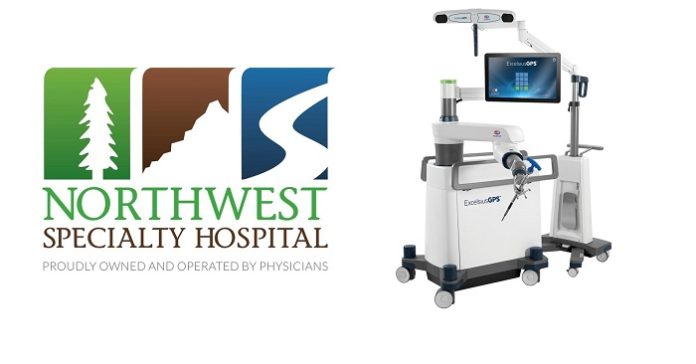
Northwest Specialty Hospital is one of the first hospitals in the world to have the newest version of this advanced technology, enabling a fully navigated spine procedures from start to finish such as a lateral lumbar interbody fusion (LLIF) or a transforaminal lumbar interbody fusion (TLIF) procedure.

The newly launched ExcelsiusGPS® Interbody Solutions offers visualization, constant real-time feedback and the visibility to help achieve optimal implant placement for your surgeon throughout the procedure.

Owned and operated by physicians, Northwest Specialty Hospital is among the best hospitals in the nation for both patient satisfaction and safety. Northwest Specialty Hospital offers a growing number of medical and surgical services that feature award-winning patient satisfaction, gourmet cuisine, and state of the art technologies.

Northwest Specialty Hospital is a five star, nationally recognized award-winning hospital has partnered with Globus Medical, Inc. to implement the first fully navigated spinal surgery for minimally invasive interbody spine fusion procedures in collaboration with surgeons from Axis Spine such as Dr. Roland Kent.

The newly launched ExcelsiusGPS® Interbody Solutions offers visualization, constant real-time feedback and the visibility to help achieve optimal implant placement for your surgeon throughout the procedure. Northwest Specialty Hospital is one of the first hospitals in the world to have the newest version of this advanced technology, enabling a fully navigated lateral lumbar interbody fusion (LLIF) or Transforaminal lumbar interbody fusion (TLIF) procedure from start to finish. ExcelsiusGPS® enables the surgeon to operate in a minimally invasive technique, using a small incision to separate muscles rather than split during surgery.

Using today’s most comprehensive, robotic-assisted spine surgery platform, surgeons will be able to navigate instruments and implants with the most advanced expandable interbody portfolio on the market. This improves patient care in the following ways:

  • Less soft tissue disruption: smaller incisions, muscle preservation.
  • Better surgical outcomes: shorter surgical times, less blood loss, greater accuracy in implant placement reducing implant related injuries
  • Improved recovery time: less time in the hospital, fewer narcotics needed after surgery, quicker return to function.

Rick Rasmussen, CEO of Northwest Specialty hospital stated today, “The investment by Northwest Specialty Hospital in acquiring the most cutting-edge advancements in spine care demonstrates our level of commitment to improving patient outcomes. We remain dedicated to our mission of providing some of the best spine care in the nation and this collaboration is an example of that.”

Dr. Roland Kent, a fellowship trained Spine Surgeon and the co-founder of Axis Spine Center stated that, “The new robotic-assisted Globus Interbody solution adds the precision and efficiency of robotic assistance to every step of spinal fusion. We now perform complex spine surgery in an even more tissue friendly manner with maximum accuracy keeping Axis Spine and Northwest Specialty Hospital among the nation’s leaders in robotic-assisted minimally invasive complex spine surgery.”

Dave Demski, Chief Executive Officer offered this comment, “With the addition of the ExcelsiusGPS® Interbody Solutions platform, we will demonstrate the integration of our best-in-class surgical planning, robotic navigation, and expandable interbody technologies designed to enhance operating room efficiency and improve clinical results in spine surgery.”

About Northwest Specialty Hospital
Northwest Specialty Hospital has been committed to providing the highest quality health care to all in a caring, compassionate, and professional environment since 2002. Owned and operated by physicians, Northwest Specialty Hospital is among the best hospitals in the nation for both patient satisfaction and safety. Northwest Specialty Hospital offers a growing number of medical and surgical services that feature award-winning patient satisfaction, gourmet cuisine, and state of the art technologies.

About Axis Spine Center
As the ONLY comprehensive spine group in the Inland Northwest, we are committed to improving each patient’s quality of life by increasing daily function and empowering patients to achieve their goals.  Owned and operated by Board-Certified and Fellowship trained spine physicians. Committed to patients, referring physicians, and the community.

About Globus Medical
Globus Medical, Inc. is a leading musculoskeletal implant manufacturer and is driving significant technological advancements across a complete suite of spinal products. Founded in 2003, Globus’ single-minded focus on advancing spinal surgery has made it the fastest growing company in the history of orthopedics. Globus is driven to utilize superior engineering and technology to achieve pain free, active lives for all patients with spinal disorders.

Medtronic Launches Head-to-Head TAVR Study Comparing the Evolut TAVR Platform Against the Edwards SAPIEN Valve in Small Annulus Patients

Medtronic Launches Head-to-Head TAVR Study Comparing the Evolut TAVR Platform Against the Edwards SAPIEN Valve in Small Annulus Patients

Medtronic plc, a global leader in structural heart therapies, announced it will begin a randomized, head-to-head study comparing two transcatheter aortic valve replacement (TAVR) systems in patients with severe symptomatic aortic stenosis (ssAS). The SMall Annuli Randomized To Evolut™ or Sapien (SMART) post-market trial will compare valve safety and performance of the self-expanding Medtronic Evolut™ PRO and PRO+TAVR Systems against the balloon-expandable SAPIEN 3 and SAPIEN 3 Ultra Transcatheter Heart Valves manufactured by Edwards Lifesciences.

Enrolling approximately 700 patients globally, the study will evaluate valve performance in patients with small annuli and those who are candidates for TAV-in-SAV procedures (transcatheter valve implanted inside of a failed surgical valve), which combined, represent more than 40% of the global TAVR market. Due to its focus on small annulus patients, the SMART Trial will enroll predominantly women, which will provide important clinical insight into a currently underrepresented patient population in TAVR literature. The study includes pre-specified endpoints of hemodynamic (blood flow) superiority and clinical non-inferiority with the Evolut platform for mortality, stroke, or rehospitalization at 12 months.

“Hemodynamic performance is particularly important in many patients with aortic stenosis, including those with small annuli, surgical aortic valves needing a TAV-in-SAV procedure, patients with left ventricular dysfunction, and those who are young and most active. For many of these and other TAVR patients, valve design matters,” said Howard C. Herrmann, M.D., the John Winthrop Bryfogle Professor of Cardiovascular Diseases and director of interventional cardiology in the Perelman School of Medicine at the University of Pennsylvania, and principal investigator and chair of the Steering Committee of the SMART Trial. “The outcome of this important head-to-head study will allow heart teams to more selectively tailor clinical decision making to ensure the right valve is selected for the right patient.” Dr. Herrmann has received institutional research funding and financial compensation from Edwards Lifesciences and Medtronic.

The first enrollment in the SMART Trial is targeted for early 2021.

Medtronic Evaluates TAVR in New Patient Populations

Medtronic also announced plans to begin a feasibility study of the Evolut™ TAVR platform to evaluate the self-expanding, supra-annular valve in patients with symptomatic moderate and asymptomatic severe aortic stenosis, new patient populations outside of current guidelines and indications for aortic valve replacement. The Evolut™ EXPAND TAVR I Feasibility Study, which has been submitted to the FDA for Investigational Device Exemption (IDE) approval, would enroll up to 150 patients across both subgroups and evaluate the use of TAVR in patients before signs of left ventricular dysfunction are observed, and will assess the clinical and hemodynamic performance of the Evolut TAVR system to inform future clinical work.

“Moderate aortic stenosis, if left untreated, can be just as deadly for patients as the more severe forms of the disease,” said Jeffrey Popma, M.D., chief medical officer and vice president, medical affairs for the Structural Heart business, which is part of the Cardiac and Vascular Group at Medtronic. “Limited clinical research has shown that early intervention may reduce the high rates of mortality often seen in these patients as the disease progresses further down the road. The outcomes observed from in this study will help shape our clinical strategy to pursue expansion of the therapy to new populations who may benefit.”

More than 2 million patients live with symptomatic moderate and asymptomatic aortic stenosis in the U.S., which represents more than 40% of the total AS population in the U.S. Moderate AS remains undertreated due to a lack of clinical evidence informing treatment guidelines, while asymptomatic AS is undertreated due to the absence of common symptoms that would indicate a heart valve problem, such as shortness of breath, fatigue, dizziness, chest pains or palpitations.

The Evolut TAVR platform – including the Evolut™ R, Evolut™ PRO and Evolut™ PRO+ TAVR Systems – is indicated for symptomatic severe AS patients across all risk categories (extreme, high, intermediate and low) in the U.S. In addition, bicuspid aortic valve patients across all risk categories may be candidates for TAVR in the U.S.

In collaboration with leading clinicians, researchers and scientists worldwide, Medtronic offers the broadest range of innovative medical technology for the interventional and surgical treatment of cardiovascular disease and cardiac arrhythmias. The company strives to offer products and services that deliver clinical and economic value to healthcare consumers and providers around the world.

InterSystems IRIS Data Platform Adopted by Epic for Its New Generation of High Performance, Scalability, and Architecture Flexibility

InterSystems IRIS Data Platform Adopted by Epic for Its New Generation of High Performance, Scalability, and Architecture Flexibility

InterSystems is a creative data technology provider dedicated to helping customers solve critical scalability, interoperability and speed problems.They announced that Epic will use the InterSystems IRIS® Data Platform beginning with the August 2020 release of its electronic health record (EHR). InterSystems IRIS is now generally available to Epic customers.

Epic has been using InterSystems technology for more than 40 years. Supporting a community of health care organisations whose systems support 2.5 million concurrent users, and process roughly 1.8 billion database accesses per second across all customers using Epic, InterSystems IRIS will enable even greater performance and scalability.

InterSystems executives will host conversations on its product vision and roadmap, alongside thought leadership and customer presentations, at the InterSystems Virtual Summit 2020, a remote version of the company’s annual user conference, October 20 – November 5.

“InterSystems has always had a vision to enable effective and efficient healthcare,” said Scott Gnau, Vice President of Data Platforms at InterSystems. “InterSystems IRIS has been a strong focus in recent years, with a goal to drive next generation capabilities into the hands of our partners and users. We are excited that Epic, one of our longest-standing and most valued partners, has adopted IRIS. We know our continued collaboration will have a positive impact on the delivery of patient care around the world, especially now when access to clinical data is more important than ever.”

Using InterSystems IRIS Data Platform as the backbone of technology allows Epic customers to access larger datasets striving to improve physician access to crucial information and overall patient care. Additionally, InterSystems IRIS provides enhancements in asynchronous mirroring – a core functionality that is imperative for scalability and disaster recovery.

“InterSystems conducted rigorous testing with Epic across each stage of the development process to ensure a smooth transition to InterSystems IRIS and to maintain the highest level of performance for Epic’s customers,” says Gnau. “One of our key priorities throughout the entire process was to ensure that IRIS would be able to service applications well into the future and accommodate customers’ long-term scalability requirements.”

For more information on InterSystems IRIS Data Platform, please visit https://www.intersystems.com/products/intersystems-iris/.

About InterSystems

Established in 1978, InterSystems is the leading provider of data technology for extremely critical data in the healthcare, finance, and manufacturing and supply chain sectors. Its cloud-first data platforms solve scalability, interoperability, speed, and problems for large organisations around the globe. InterSystems also develops and supports unique managed services for hospital EMRs, unified care records for payers, communities, and nations, and laboratory information management systems. InterSystems is committed to excellence through its award-winning, 24×7 support for customers and partners in more than 80 countries. Privately held and headquartered in Cambridge, Massachusetts, InterSystems has 25 offices worldwide. For more information, please visit InterSystems.com.

Varian Receives Investigational Device Exemption (IDE) and Prepares for First Ever Clinical Trial of FLASH Therapy

Varian

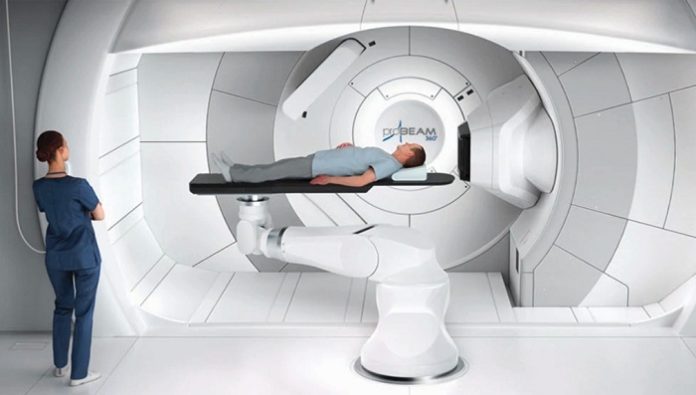
Varian announced the company has received an Investigational Device Exemption (IDE) from the FDA for the first-ever clinical trial of FLASH therapy, an experimental treatment modality delivering radiation therapy at ultra-high dose rates. FLASH therapy, involving ultra-high dose rates, and delivery in typically less than one second, may be over 100 times faster compared to conventional radiation therapy. The study, named FAST-01 (FeAsibility Study of FLASH Radiotherapy for the Treatment of Symptomatic Bone Metastases), will involve the investigational use of Varian’s ProBeam® particle accelerator modified to offer this advanced non-invasive treatment option for patients with cancer.

The concept of ultra-high dose rate radiation delivery has been studied for many years. Dedicated research and development by Varian has led the advancement to the clinical study stage. Varian’s efforts include investing in bench and preclinical research and supporting the FlashForward™ Consortium, a 20-member group of institutions from around the world, which includes experts in radiation oncology, translational sciences, and medical physics.

“FLASH therapy could be one of the most significant advancements in cancer treatment in decades,” said Kolleen Kennedy, Chief Growth Officer and President of Proton Therapy Solutions at Varian. “Our progress in advancing FLASH therapy on the ProBeam platform is a testament to Varian’s investments in research that improve care for patients with cancer and the importance of our collaboration with clinicians around the world through the FlashForward Consortium.”

The FAST-01 Feasibility Study, which is expected to enroll 10 patients with bone metastases, will evaluate clinical workflow feasibility, treatment-related side effects and efficacy of treatment as assessed by measuring trial participants’ pain relief.

“Preclinical research of FLASH therapy indicates using ultra-high dose rates may be less toxic overall and enhance sparing of adjacent healthy tissue,” added Deepak “Dee” Khuntia, M.D., Senior Vice President and Chief Medical Officer of Varian. “The study is an important proof of concept, especially in deep-seated and not just superficial tumors, that adds to a growing body of data necessary to advance our understanding of how FLASH therapy works.”

About Varian
At Varian, we envision a world without fear of cancer. For more than 70 years, we have developed, built and delivered innovative cancer care technologies and solutions for our clinical partners around the globe to help them treat millions of patients each year. With an Intelligent Cancer Care approach, we are harnessing advanced technologies like artificial intelligence, machine learning and data analytics to enhance cancer treatment and expand access to care. Our 10,000 employees across 70 locations keep the patient and our clinical partners at the center of our thinking as we power new victories in cancer care. Because, for cancer patients everywhere, their fight is our fight.

Translate »