












Close
Digital Health & Ai Innovation summit 2026
Medical Taiwan 2026

India takes first step towards universal health coverage with Digital Health Mission launch

India takes first step towards universal health coverage with Digital Health Mission launch

The National Digital Health Mission, that Prime Minister Narendra Modi announced on Independence Day address, is envisioned as the first step towards Universal Health Coverage.

A digital health ecosystem will be put in place, complete with a personal health ID for every Indian, identifiers for doctors and health facilities and personal health records. All of this will be accessible through an app or a website with the health records โ€œownershipโ€ lying with the individual, as ThePrint had been the first to report on 23 July.

To be led by the National Health Authority that is also the administrative authority for the Pradhan Mantri Jan Arogya Yojana, the Rs 144 crore National Digital Health Mission (NDHM) will need all government health programmes, such as Ayushman Bharat and the tuberculosis programmes, to integrate with it and issue health IDs to beneficiaries.

While the health ID is not mandatory, the government is hoping that the feature will attract more users to it since it allows a person online access to all their health records right from birth. There will be an option of the ID being linked to Aadhaar but it will not be mandatory unless the person wants to avail of any government subsidy scheme.

According to its strategy document, the NDHMโ€™s vision is: โ€œTo create a national digital health ecosystem that supports universal health coverage in an efficient, accessible, inclusive, affordable, timely and safe manner, that provides a wide-range of data, information and infrastructure services, duly leveraging open, interoperable, standards- based digital systems, and ensures the security, confidentiality and privacy of health-related personal information.โ€

In its first phase, the mission will pilot in Andaman & Nicobar Islands, Chandigarh, Dadra & Nagar Haveli and Daman & Diu, Lakshadweep, Ladakh and Puducherry. According to the original schedule, this was supposed to have started before the prime ministerโ€™s announcement, but there is a slight delay now and officials are hoping to get it off the block by the end of August.

The strategy document that was approved some time back says: โ€œPhase 2 will be taking forward the pilot in additional States and expand the service bouquet. Phase 3 will target nation-wide roll-out, operationalizing and converging with all health schemes across India along with promotion, on-boarding, and acceptance of NDHM across the country.โ€

Safety and privacy of health data

Theoretically, health data is generated every time a doctor writes a prescription, every time an individual self medicates and every time the person undergoes a diagnostic test. Most of this data currently either exists in cumbersome and poorly kept files by patients, is not recorded or simply lost. The mission will require doctors/hospitals to upload a digital copy of any health reports being physically shared with the patient to enable creation of longitudinal health records.

โ€œNDHM will implement a federated health records exchange system that will enable patient data to be held at point of care or at the closest possible location to where it was created. Health records will be accessible and shareable by the patient with appropriate consent and complete control of the records will remain with the patient,โ€ says the strategy document.

โ€œAn appropriate digital consent framework as per standards specified by NDHB (leveraging DigiLocker consent management framework to the extent possible) will be adopted for consent management,โ€ it further outlines.

Electronic Medical Records (EMR) โ€” This refers to systems that are used within a hospital or a clinic to support patient diagnosis and treatment and are transaction focused. NDHM requires these systems to be updated to support standards and provide access to patientsโ€™ data.

Electronic Health Records (EHR) โ€” EHRs contain records for a patient across multiple doctors and providers and is used within a Healthcare system (like say across a state government) to provide better care for patients.

Personal Health Records (PHR) โ€” PHRs enable patients to compile, update and keep a copy of their own records that can help them better manage their care and are person focussed.

It will not be possible to have access to digital health records without creation of a health ID.

Governance structure

The mission will keep two separate arms, according to the National Digital Health blueprint. One arm will be for regulation and other for implementation and operational management. The Mission Steering Group, under the chairpersonship of the Union health minister, will oversee and guide the NDHM. Its members will include ministers of women and child development, social justice and empowerment, AYUSH and information technology, the principal scientific advisor, Member Health (NITI Aayog), secretaries of health, expenditure and information technology, the National Health Authority (NHA) CEO and others.

An Empowered Committee will be set up under the chairpersonship of the health secretary, that will take necessary policy-level decisions, help the mission with coordination with different stakeholders and engagement with different ministries and departments to ensure their participation. Its members will include NITI Aayog CEO, secretaries of women and child development, social justice & empowerment, MeitY, AYUSH, and expenditure as well as NHA CEO and directors general of health services and the National Informatics Centre.
Trials begin for UK’s new coronavirus contact tracing app

Trials begin for UKs new coronavirus contact tracing app

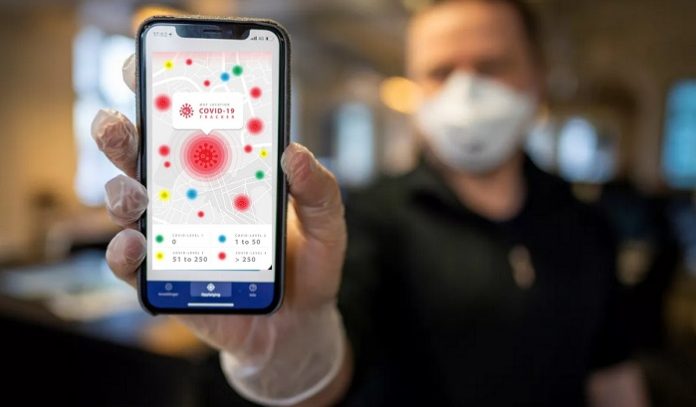
Trials of a revamped NHS Test and Trace app have kicked off with residents on the Isle of Wight and NHS Volunteer Responders across England.

Tech giants Google and Apple worked with the NHS to develop the new app, after the pilot of an earlier version using Bluetooth was abandoned for having a poor success rate in tracking proximity to other devices.

The new app is designed to log the time and distance a user has spent near to anyone, so it can alert them if that person later tests positive for COVID-19.

Features include alerts to let users know the level of risk in their postcode district, a QR check-in alerting users if they have recently visited a venue where they may have come into contact with the virus, a symptom checker, test booking and a self-isolation timer.

To protect peopleโ€™s privacy, the system generates a random ID for an individualโ€™s device, which can be exchanged between devices to monitor the spread of the virus while rotating frequently to prevent tracking.

Following the initial trial, the app will be rolled out to residents in the London borough of Newham from next week.

UK charity, The Health Foundation has called on the government to ensure the trials are properly evaluated and findings are shared, saying that the ultimate test for the app will be whether it increases the proportion of contacts traced.

According to the latest statistics, the Test and Trace service is reaching more than 79% of all those who test positive, and 83.4% of their contacts where contact details were provided.

WHY IT MATTERS

The app aims to negate the need to know the contact details of people in order to warn them that they have been in contact with someone who has tested positive.

THE LARGER CONTEXT

Alongside Google and Apple, the Trace and Track programme has worked with scientists within the Alan Turing Institute and teams in countries across the world such as Germany using similar apps.

Last week, Northern Ireland became the first country in the UK to deploy a contact-tracing app. The Scottish government also announced that its app will be launched in Autumn.

Meanwhile, Norwayโ€™s contact tracing app Smittestopp was temporarily banned in June due to privacy concerns from the Norwegian Data Protection Authority.

ON THE RECORD

Executive chair of the NHS Test and Trace Programme, Dido Harding, said: โ€œBy launching an app that supports our integrated, localised approach to NHS Test and Trace, anyone with a smartphone will be able to find out if they are at risk of having caught the virus, quickly and easily order a test, and access the right guidance and advice.โ€

Johns Hopkins researchers develop robotics system to remotely control ventilators

Johns Hopkins researchers develop robotics system to remotely control ventilators

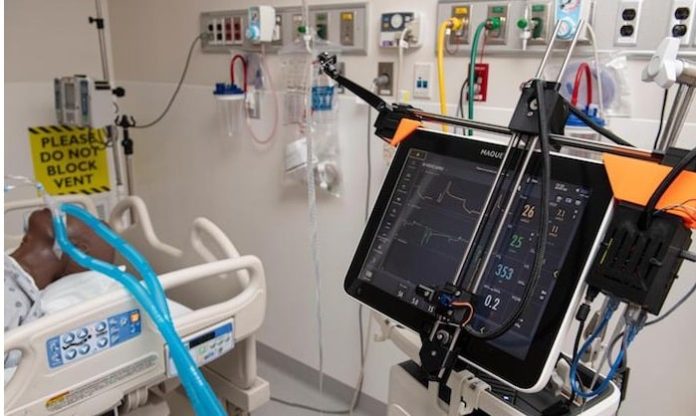
Researchers from Johns Hopkins University and Medicine have developed a robotic system that allows medical staff to remotely control ventilators and other bedside machines from outside the room of patients with infectious diseases.

The system, which is still being tested, was developed at the beginning of the COVID-19 pandemic to help conserve personal protective equipment, limit staff exposure to contagious patients and give more time for clinical work.

The robotic device is attached to the screen of a ventilator. It has a camera connected to the top of the device that sends an image of the screen to the operator outside the room. From there, the operator signals to the systemโ€™s stylus to carry out commands.

Researchers recently tested the system at the Johns Hopkins Biocontainment Unit and were able to change oxygen percentage and volume delivered by a ventilator attached to a mannequin in an adjoining room.

“This remote-control system will be a force multiplier for our frontline clinicians,” said Jonathan Cope, a respiratory therapist who assisted with the project. “Being able to save time to deliver more care to more patients will pay huge dividends when we face massive patient surges during pandemics.”

WHY THIS MATTERS

The system was born out of a series of brainstorming sessions between robotics researchers and medical staff from Johns Hopkins and the University of Maryland. Two of the challenges that arose were staffing and availability of PPE.

As more and more infectious COVID-19 patients flooded intensive care units, hospital staff began going through the already limited supplies of PPE since they were required to change protective gear every time they entered the room. In addition, controlling the ventilators, infusion pumps and other supportive equipment took up the critical time of medical staff, according to the researchers.

To overcome those challenges, the research team took the University of Maryland Shock Trauma Center’s Sarah Murthiโ€™s idea of remotely controlling ventilators through robotics and ran.

THE LARGER TREND

The need to protect healthcare workers from infection, to reserve PPE as much as possible and to save time for medical staff have led to the development of several remotely controlled ventilator projects.

Researchers from UC Berkeley and Stanford University are each developing a remote-operating ventilator system. Specifically, the team from Berkley is working with Medtronic, which deployed its own remote-control system in June.

The Johns Hopkins team is hopeful that this technology could be applied even beyond the current pandemic.

ON THE RECORD

“Whether it’s for COVID or the next pandemic, there is always going to be a need for this,” Cope said. “It will definitely end up in the ICU environment in the coming years.”

Nanobody-based antiviral developed at UCSF effectively blocks SARS-CoV-2 in the lab

Nanobody-based antiviral developed at UCSF effectively blocks SARS-CoV-2 in the lab

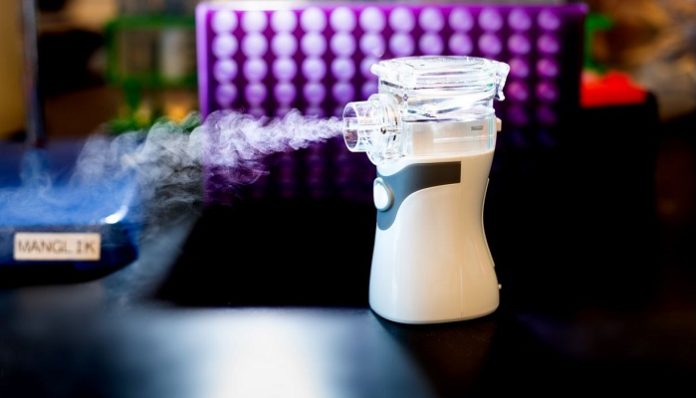
Scientists at UCSF have engineered a new antibody-based antiviral for fighting the COVID-19 pandemic that can be administered as a nasal spray, providing a promising new avenue for slowing the spread of the virus. The potential therapy, dubbed AeroNabs, uses synthetic nanobodies, a class of small, antibody-like molecules, to prevent the SARS-CoV-2 virus from infecting human cells.

AeroNabs was co-invented by Aashish Manglik, MD, PhD, faculty member in the UCSF School of Pharmacyโ€™s Department of Pharmaceutical Chemistry; Peter Walter, PhD, faculty member in the School of Medicine; and UCSF graduate students Michael Schoof, Bryan Faust, Reuben Saunders, and Nick Hoppe. The six colleagues together hold a provisional patent on AeroNabs. The findings are the product of efforts in the QBI Coronavirus Research Group (QCRG), the international collaboration created by the UCSF Quantitative Biosciences Institute (QBI), and were published in a pre-print in bioRxiv on August 10.

To develop AeroNabs, the team sifted through a library of two billion nanobodies provided by the Manglik Lab, hunting for molecules that blocked the SARS-CoV-2 spike protein from binding to receptors on human cellsโ€”a critical step for viral infection. Three of the most promising nanobodies were sent to collaborators at the Institut Pasteur in Paris for testing against live SARS-CoV-2. The most potent of these nanobodies was further refined by the UCSF scientists to maximize its antiviral effect.

A combination of three variants of this nanobody exceeded the teamโ€™s ability to measure its antiviral potency against the virus.

โ€œWeโ€™re not alone in thinking that AeroNabs are a remarkable technology,โ€ Manglik told UCSF News. โ€œOur team is in ongoing discussions with potential commercial partners who are interested in manufacturing and distributing AeroNabs, and we hope to commence human trials soon. If AeroNabs prove as effective as we anticipate, they may help reshape the course of the pandemic worldwide.โ€

OPKO Health’s GeneDx Adds GenomeXpress to Its Industry-Leading Clinical Genomics Portfolio

OPKO Health's GeneDx Adds GenomeXpress to Its Industry-Leading Clinical Genomics Portfolio

GeneDx, Inc., a subsidiary of BioReference Laboratories, Inc., an OPKO Health company announced the launch of GenomeXpress, a rapid genome sequencing test. Verbal GenomeXpress results of pathogenic and/or likely pathogenic variants in known disease causing genes are delivered to the ordering healthcare provider within approximately seven days after the start of testing. A written report for all confirmed variants is sent to the provider within approximately 14 days after start of testing. With the addition of GenomeXpress, GeneDx expands its industry-leading clinical genomics portfolio to now include three rapid sequencing options.

Genome sequencing is a test used to identify variations in any part of the genome and is an important tool for diagnosing genetic diseases. By including both protein-coding and non-coding regions of the human genome including promoter, intronic, and untranslated regions, GenomeXpress allows for the detection of characterized/pathogenic variants in regions that are not assessed by exome sequencing. Genetic changes can cause over 13,000 different diseases and patients often present with overlapping symptoms.1 Finding the correct diagnosis is not always straight-forward and may require multiple tests, costly evaluations, invasive procedures and long hospital stays. A rapid diagnosis can alter management, shorten the length of hospital stays, reduce healthcare costs and save lives.

โ€œWith the new offering of GenomeXpress, we are advancing healthcare,โ€ said Jane Juusola, Ph.D., FACMG, Director of Clinical Genomics for GeneDx. โ€œRapid genome sequencing paired with GeneDxโ€™s massive and ever-expanding genomic database provides clinicians, patients and their families with more meaningful information. As our database grows, we are better able to distinguish likely pathogenic variants from likely benign variants and subsequently identify new disease-causing genes. Every patient who receives a GenomeXpress test will benefit from both our current and future knowledge of genetic disease.โ€

โ€œNew and emerging scientific understanding is an imperative aspect of genomics,โ€ said Adam Logal, President of GeneDx and Chief Financial Officer of OPKO Health. โ€œLeveraging GeneDxโ€™s diverse database with a rapid genome sequencing test may provide patients and their families with options they did not have before. GenomeXpress utilizes GeneDxโ€™s clinical genomics expertise, laboratory excellence and the limitless value of the genome, as a future-facing sequencing technology.โ€

Genome sequencing has a diagnostic utility of 42-73%1-6 with a higher yield for cases that specifically include other family members.2,5,7-11 With a clinical utility of greater than four times that of chromosomal microarray, genome sequencing should be considered a first-line genomics test for children with suspected genetic diseases.2

About GeneDx, Inc.
GeneDx, Inc. is a global leader in genomics, providing testing to patients and their families from more than 55 countries. Led by its world-renowned clinical genomics program, GeneDx has an acknowledged expertise in rare and ultra-rare genetic disorders, as well as one of the broadest menus of sequencing services available among commercial laboratories. GeneDx offers a suite of additional genetic testing services, including diagnostic testing for hereditary cancers, cardiac, mitochondrial, neurological disorders, prenatal diagnostics and targeted variant testing. GeneDx is a subsidiary of BioReference Laboratories, Inc., a wholly owned subsidiary of OPKO Health, Inc.

About OPKO Health
OPKO is a multinational biopharmaceutical and diagnostics company that seeks to establish industry-leading positions in large, rapidly growing markets by leveraging its discovery, development, and commercialization expertise and novel and proprietary technologies.

Medtronic to Acquire Smart Insulin Pen Company Companion Medical

Medtronic to Acquire Smart Insulin Pen Company Companion Medical

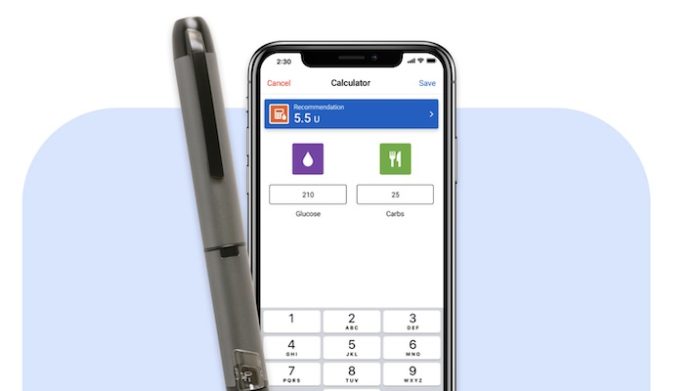
Medtronic plc, the global leader in medical technology, announced the planned acquisition of privately-held Companion Medical, manufacturer of InPen โ€” the only U.S. FDA-cleared smart insulin pen system paired with an integrated diabetes management app on the market. The addition of Companion Medicalโ€™s InPen to the Medtronic portfolio expands the companyโ€™s ability to serve people where they are in their diabetes journey and offer them a unique and expansive ecosystem of support โ€” regardless of how insulin is delivered.

โ€œThis acquisition is an ideal strategic fit for Medtronic as we further simplify diabetes management and improve outcomes by optimizing dosing decisions for the large number of people using multiple daily injection (MDI). We look forward to building upon the success of the InPen by combining it with our intelligent algorithms to deliver proactive dosing advice personalized to each individual. This smart CGM system can help people think less about diabetes and be able to live life with more freedom, on their own terms,โ€ said Sean Salmon, executive vice president and president of the Diabetes Group at Medtronic. โ€Our goal is to become a trusted partner that offers consistent support whether an individual wants to stay on MDI, transition to automated insulin delivery or take a break from their pump.โ€

The acquisition of Companion Medical builds upon prior Medtronic strategic acquisitions, including Nutrino and Klue, that form the building blocks to design powerful algorithms leveraging the companyโ€™s deep data science and AI capabilities. With this latest acquisition, Medtronic will work to further advance the automation of insights and dosing capabilities to help alleviate burden regardless of the technology thatโ€™s preferred for insulin delivery. In addition, Medtronic will look to expand the availability of InPen globally.

โ€œWe are thrilled to be combining our strengths and differentiated product portfolios to work towards serving even more people around the world living with diabetes in the ways that matter most to them,โ€ said Sean Saint, CEO and co-founder of Companion Medical. โ€œSimplifying diabetes management to reduce burden and improve outcomes has always been our goal, and through a respected global leader like Medtronic, weโ€™ll now be able to take InPen to this next phase of growth which is great news for people with diabetes who stand to benefit most.โ€

The acquisition is expected to close within one to two months – subject to the satisfaction of certain customary closing conditions. The transaction is expected to be neutral to Medtronicโ€™s adjusted earnings per share in the current fiscal year, and accretive thereafter. In addition, it is expected to meet Medtronicโ€™s long-term financial metrics for acquisitions. Additional terms of the transaction were not disclosed.

About Companion Medical
Companion Medical was founded by people with diabetes, which fuels our drive to create insulin technologies that enable users to live their lives with diabetes solutions that make sense – for them. The InPen is the only FDA-cleared, smart insulin pen system that combines the freedom of a reusable Bluetoothยฎ pen with the intelligence of an intuitive mobile app that helps users administer the right insulin dose, at the right time.

About the Diabetes Group at Medtronicย 
Medtronic is working together with the global community to change the way people manage diabetes. The company aims to transform diabetes care by expanding access, integrating care and improving outcomes, so people living with diabetes can enjoy greater freedom and better health.

About Medtronic
Medtronic plc , headquartered in Dublin, Ireland, is among the world’s largest medical technology, services and solutions companies โ€“ alleviating pain, restoring health and extending life for millions of people around the world. Medtronic employs more than 90,000 people worldwide, serving physicians, hospitals and patients in more than 150 countries. The company is focused on collaborating with stakeholders around the world to take healthcare Further, Together.

Cerner Launches AI-Powered Command Center Dashboard for COVID-19 Response

Cerner Launches AI-Powered Command Center Dashboard for COVID-19 Response

Healthcare IT leader Cerner recently launched a new tool to help organizations visualize and optimize operations in a centralized location by leveraging real-time data and predictive analytics to provide situational awareness and decision support. The Cerner Command Center dashboard, powered by AI and predictive models, helps organizations align patient needs, staffing, and resources to improve care and operational efficiency.

The need for healthcare systems to have situational awareness has never been greater. To help organizations manage operational efficiency during COVID-19, Cerner offered and is offering rapid deployment of the Cerner Command Center dashboard. The Cerner Command Center culminates people, processes, and technology into a single physical space to execute collaborative decision-making and workflows supporting the improvement of patient throughput. This approach focuses on patients โ€” aligning the patient with the appropriate caregiver, in the right place, at the right time. The Cerner Command Center centralizes operational solutions that provide situational awareness and trigger the team to take immediate action when needed.

Other key features of the Cerner Command Center include:

โ€“ real-time data and predictive analytics to provide health systems clear line of sight into critical resources such as available beds or equipment in order to respond to patient needs and plan for the next.

โ€“ visualize key clinical and operational metrics in a centralized location, aligning throughput, staffing, and resources to optimize operations and drive action.

โ€“ standardized and near real-time dashboard that is accessible to the right staff at the right time can be used for making important operational decisions that can help facilitate the delivery of quality care to patients, support transformational change, and predictable operational excellence.

Deployment at Northern Light Health

Northern Light Health in Maine was the first health system to deploy the Cerner Command Center dashboard, as part of its COVID-19 response. The ability to capture and display real-time data and analytics has been vital for Northern Light Health to effectively address managing bed capacity and care activities during this health crisis. With a cloud-based machine learning ecosystem, Cerner used 3 years of historical data from Northern Light Health to go beyond the current and predict operational needs in the near future.

Multi-Vital Ambulatory Monitor for COVID-19 Patients Launches in the U.S.

Multi-Vital Ambulatory Monitor for COVID-19 Patients Launches in the U.S.

VivaLink, a provider of connected healthcare solutions known for its unique medical wearable sensor platform, announced the availability of its new multi vital ambulatory monitoring solution for Infectious Respiratory Diseases. Currently deployed in Asia, Eastern Europe, and the Middle East, it is now available in the Americas and Western Europe.

Why It Matters

Continuous vital signs monitoring, which leverages medical wearable sensors to decrease contact between the patient and caregiver, opens the door for improved inpatient care and proactive remote patient monitoring (RPM). This medical technology can prove essential for the worldโ€™s ability to manage the effects, spread, and long-term impact of infectious diseases, including COVID-19.

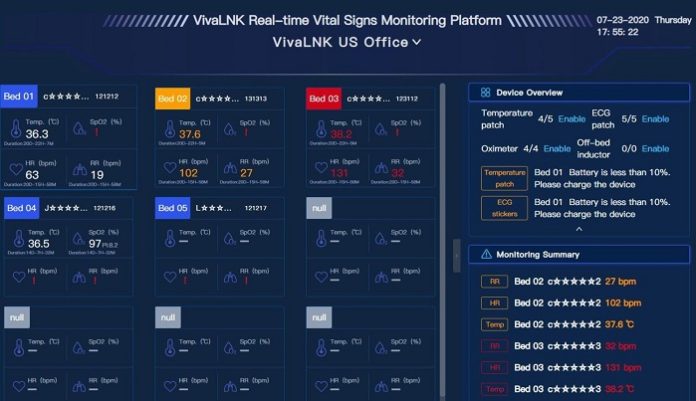
Built upon VivaLinkโ€™s proprietary ambulatory medical wearable sensor platform, the solution can easily be set up and scaled in hospitals, nursing homes, and remote environments. Even pop-up hospitals with little to no network and IT infrastructure can be supported by the flexible platform. Once deployed, nurses and caregivers can effectively manage the vitals of all patients from a centralized console to easily identify changes, and view trends and history.

โ€œVivaLinkโ€™s continuous temperature monitor wearable, which was used for the first time in the fight against COVID-19 in our hospital, really reduced cross infection risks for our doctors and nurses due to its capabilities to provide data and vitals remotely. We used more than 200 temperature monitors throughout our hospital, and it made a huge impact in the care we were able to provide,โ€ said Ms Zhang, deputy director of the nursing department of the Shanghai Public Health Clinical Center.

Key Features

The multi vital monitoring solution includes:

โ€“ Vitals: temperature, heart rate, respiratory rate, Sp02 Oxygen Saturation, and ECG
โ€“ Reusable sensors with continuous monitoring and live streaming
โ€“ Centralized patient monitoring application console
โ€“ On-premise data server software
โ€“ RPM option with a patient companion app and cloud hosting
โ€“ Up to 21 days of continuous monitoring on a single charge

The VivaLink solution works by automatically and continuously collecting patient vitals, and wirelessly sending it to a secure on-premise server via a Bluetooth Low Energy (BLE) WiFi router. The data is then consolidated and presented to a centralized console for caregivers. In RPM or remote field hospital deployments, an optional patient app and mobile device, and a cloud-hosted application are available.

Availability

This solution is currently deployed in 15 hospitals (1,500 beds) in China for on-premise in-patient monitoring of COVID-19, and in Romania, Qatar, and UAE using the mobile option.

Thirty Madison Raises $47M in Series B Financing From Polaris Partners, J & J Innovation – JJDC, Inc. and Existing Investors

CHC Launches Free Financial Dashboard To Monitor COVID-19 Funding And Costs

Thirty Madison, which operates three brands for hair loss, migraines and acid reflux, raised $47 million in a series B round. Polaris Partners led the round, and Johnson & Johnson participated as an investor.

With direct-to-consumer health brands Hims and Ro surging to high valuations, a new telehealth startup is entering the field with two big backers. New York-based Thirty Madison, founded just three years ago, raised a $47 million series B round led by Polaris Partners and with participation from Johnson & Johnson Innovation Inc. Previous investors Madison and Northzone also participated in the funding round.

Thirty Madison operates three brands focused on different conditions. It launched its first brand, Keeps, in 2018, offering prescription and over-the-counter hair loss treatments. Last year, it launched two additional brands, offering treatments for migraines and acid reflux.

Thirty Madison connects patients with a virtual physician consultation, and then offers medications on a monthly or quarterly subscription basis. All of its brands are self-pay.

โ€œFor this latest round of funding, it was important for us to continue to build support and alliances in the healthcare space and bring in some of the best healthcare-focused investors into the fold,โ€ Thirty Madison CEO and Co-Founder Steven Gutentag wrote in an emailed statement. โ€œThis new capital will enable us to continue developing and iterating on our current brands, further invest in our platform, and expand into new therapeutic areas.โ€

Polaris Partners Managing Partner Amy Schulman will join Thirty Madisonโ€™s board of directors with the funding round. She previously led Pfizerโ€™s $4 billion consumer healthcare unit and will bring her commercial expertise to the startup.

While Johnson & Johnson wasnโ€™t a lead investor in the series B round, the drugmakerโ€™s participation in the startupโ€™s funding round is also notable.

โ€œWe understand that each company is unique and requires a distinct investment strategy, and we believe strongly in value-add investing and playing an active role in the companies in which we invest,โ€ Stacy Feld, head of Johnson & Johnson Innovation for West North America, Australia and New Zealand, wrote in an emailed statement. โ€œOur investment in Thirty Madison aligns with our overall strategy to bring new healthcare products and solutions to the people who need them most โ€“ in this case where current gaps exist for those suffering from chronic health conditions.โ€

Thirty Madison hasnโ€™t said what areas it will expand into next, but its newer additions focusing on migraines and acid reflux are a departure from those offered by its competitors.

The startup also says its patients get to keep the same doctor through ongoing treatment, who they can message for follow-up questions.

At the same time, direct-to-consumer pharmacy companies have been pushing deeper into telehealth. Hims recently rolled out telepsychiatry services, and Ro has said it plans to expand into virtual urgent care visits and remote patient monitoring.

Cleveland, Clinic, American Lung Association Provide Advanced COVID-19 Resources for Healthcare Providers

Cleveland Clinic First in the World to Perform Robotic Single Port Kidney Transplant

The American Lung Association and Cleveland Clinic are collaborating to disseminate free, comprehensive resources on COVID-19 care for healthcare providers globally. The resources inform best practices to care for critically ill patients in a variety of clinical settings during the COVID-19 pandemic.

The robust inventory of online evidence-based modules and quick reference guides, developed by a multidisciplinary team of Cleveland Clinic experts, is hosted in Cleveland Clinicโ€™s Respiratory and Education institutesโ€™ Comprehensive COVID Care platform. The American Lung Associationโ€™s support of this comprehensive resource for healthcare providers is made possible through the organizationโ€™s $25M investment in the COVID-19 Action Initiative. These resources expand the organizationโ€™s existing science-based resources on COVID-19 for the public at Lung.org/covid-19.

โ€œToo many lives have been lost to COVID-19. As our nation and world face the pandemic, our healthcare providers need and deserve support and advanced training specific to this new virus,โ€ said American Lung Association President and CEO Harold Wimmer. โ€œTo save more lives and protect our frontline workers, we need to equip our nationโ€™s healthcare providers with the most recent and up-to-date knowledge about COVID-19. The American Lung Association is proud to provide educational resources for healthcare providers about COVID-19.โ€

This educational platform assists interprofessional and interdisciplinary teams to standardize practices in the care of patients during the COVID-19 pandemic. The web-based learning platform provides up-to-date, relevant and easy-to-access information germane to the position where a provider might be deployed. The resource has been categorized into three groups:

COVID-19 Caregiver Resource for healthcare workers who provide care to COVID patients. Features ICU and non-ICU management guidelines to be used both in preparations for deployment and as a real-time management guide in the care of COVID-positive patients. Includes resources on different procedures for airway management, vascular access, mechanical ventilation and key modifications to current advanced care life support processes specific to the COVID patient experiencing cardiac arrest.
Approaches to the Non-COVID Patient addresses a wide variety of critical care and non-critical care topics appropriate for providers in both the ICU and non-ICU inpatient settings. These modules are intended to be used as a primer for pre-surge provider preparation and as refresher materials. Each major section includes both disease-specific and process-specific modules or guides.
Just-in-Time is intended to be used by providers as a care management reference guide. These provide quick access to a wide range of checklists, how-to guides and quick references on disease state, diagnosis, preventive measures and strategies for patient care and treatment.

โ€œCleveland Clinic is pleased to share our advanced COVID-19 resources through this unique educational relationship with the American Lung Association,โ€ said Sumita Khatri, M.D., M.S., Vice Chair of Mission Programs for the American Lung Association and Director of the Asthma Center at Cleveland Clinic. โ€œBy vetting and disseminating the highest quality information about the virus and how to care for patients with COVID-19 to tens of thousands of healthcare providers nationwide, best practices and preventive measures can be put into place and more lives will ultimately be saved.โ€

โ€œThe opportunity to offer educational materials broadly about a pressing world problem like COVID-19 closely aligns with the educational mission of Cleveland Clinic, which is โ€˜further education of those who serveโ€™,โ€ said James K. Stoller, M.D., M.S., Chair of the Education Institute at Cleveland Clinic. โ€œThis collaboration between the Lung Association and colleagues in the Respiratory and the Education institutes at Cleveland Clinic embodies this commitment to education. We are pleased to be able to offer this important resource that has been viewed by users in 105 countries to date.โ€

All learning activities are independent education activities and carry CME certification by Cleveland Clinicโ€™s Center for Continuing Medical Education. The Center is an ACCME-accredited provider with commendation status. The approximate credits proposed for these activities currently include 64 online modules, each earning between 0.5 to 2 AMA PRA Category 1 credits, based on the length of the activity.

About Cleveland Clinic
Cleveland Clinic is a nonprofit multispecialty academic medical center that integrates clinical and hospital care with research and education. Located in Cleveland, Ohio, it was founded in 1921 by four renowned physicians with a vision of providing outstanding patient care based upon the principles of cooperation, compassion and innovation. Cleveland Clinic has pioneered many medical breakthroughs, including coronary artery bypass surgery and the first face transplant in the United States. U.S. News & World Report consistently names Cleveland Clinic as one of the nationโ€™s best hospitals in its annual โ€œAmericaโ€™s Best Hospitalsโ€ survey. Among Cleveland Clinicโ€™s 67,554 employees worldwide are more than 4,520 salaried physicians and researchers, and 17,000 registered nurses and advanced practice providers, representing 140 medical specialties and subspecialties. Cleveland Clinic is a 6,026-bed health system that includes a 165-acre main campus near downtown Cleveland, 18 hospitals, more than 220 outpatient facilities, and locations in southeast Florida; Las Vegas, Nevada; Toronto, Canada; Abu Dhabi, UAE; and London, England. In 2019, there were 9.8 million total outpatient visits, 309,000 hospital admissions and observations, and 255,000 surgical cases throughout Cleveland Clinicโ€™s health system. Patients came for treatment from every state and 185 countries. Visit us at clevelandclinic.org.

About the American Lung Association
The American Lung Association is the leading organization working to save lives by improving lung health and preventing lung disease through education, advocacy and research. The work of the American Lung Association is focused on four strategic imperatives: to defeat lung cancer; to champion clean air for all; to improve the quality of life for those with lung disease and their families; and to create a tobacco-free future.

Translate ยป