










Close
Digital Health & Ai Innovation summit 2026
Medical Taiwan 2026

Expert Tips To Help You Take Care Of Your Body After Training

Do you always train your body hard but never take care of it after? Staying healthy and fit is a process that requires hard work, dedication, and the right knowledge. After intense training sessions, itโ€™s important to make sure you take care of your body properly to ensure optimum recovery and prevent injury. With the help of experts, we have compiled some tips to help you take better care of your body after training. Read on to learn more.

Get a Massage

Most experts agree that getting a massage after intense training is the best way to help your body recover. Massages help to reduce muscle tension and increase blood flow, which helps bring vital nutrients to the muscles and accelerates recovery. Ensure to choose a massage therapist that is qualified and certified to perform the type of massage you need.

Various types of massages are available, but the most common is sports massage. You might be wondering what is a sports massage and what does it help with? A sports massage helps to relax and relieve muscle tension, which can be beneficial after an intense training session. Find a professional and qualified massage therapist who can customize the massage according to your needs.

Stay Hydrated

It is important to stay hydrated, even when youโ€™re not training. Drinking plenty of water will help your body recover from intense physical activity and can also help prevent muscle cramps and dehydration. Make sure to drink a lot of water throughout the day, and also bring a bottle with you when you are training.

The recommended amount of water intake is around two to three liters per day, but it may vary depending on your physical activity. If you don’t feel like drinking regular water, you can also choose to drink infused waters like lemon, cucumber, mint, or even coconut water. Besides, take fruits and vegetables with high water content, like celery, watermelon, and cucumber.

Rest Adequately

It is important to get adequate rest after training. Not getting enough rest can lead to injury and also affect your performance during training sessions. Aim for at least seven hours of sleep every night, but more if you have participated in intense physical activity. Make sure to allow your body some time to rest and recover, especially after long or intense training sessions.

When taking a rest day, you can still do light stretching to keep your muscles limber, but avoid strenuous activities. Additionally, try to relax and unwind as much as possible. This could be anything from reading a book to walking in the park. Also, try to meditate for a few minutes daily, as it will help reduce stress and improve your overall health.

Eat Healthy Foods

Eating healthy is another crucial factor in recovery and injury prevention. Eating the right foods after training can help replenish lost nutrients and give your body enough energy to recover. Choose nutritious foods that are rich in protein, vitamins, minerals, and healthy fats. Eat lean meats, fish, eggs, legumes, whole grains, fruits, and vegetables to replenish those essential nutrients.

You can also consider taking supplements after training if you feel your diet might not provide enough vitamins and minerals. Be sure that the supplements are natural and that they contain the necessary nutrients your body needs. For instance, fish oil helps improve joint health and reduce muscle soreness.

Do a Quick Body Check

After a workout, itโ€™s important to do a quick body check. This should include checking your pulse, breathing, and range of motion in your limbs and joints. These checks help you determine if there is any damage or if any muscles have been overworked.

If anything feels off or hurts, make sure to seek medical attention as soon as possible. In addition, itโ€™s important to listen to your body and pay attention to the signals it may send you. If something feels wrong or if you feel like you need more rest, don’t push yourself beyond your limits. You can also work with a medical professional to ensure that you follow the right training routine.

Prioritize Sleep

Finally, make sure to prioritize sleep. Sleep is extremely important for muscle recovery and overall health. Aim for at least seven hours of quality sleep every night, but more if you have participated in intense physical activity. Additionally, try to go to bed and wake up at the same time every day. This helps regulate your bodyโ€™s natural rhythm and can also help you get better quality sleep.

There are various ways to have a good night’s sleep, such as avoiding caffeine late in the day, exercising regularly, and creating a relaxing sleeping environment. Try to keep your bedroom dark and quiet, and ensure that you have a comfortable mattress and pillow. Moreover, avoid using electronics at least an hour before bedtime.

Taking care of your body after training is essential for recovery and injury prevention. Make sure to drink plenty of fluids and eat nutritious foods that are rich in protein, vitamins, minerals, and healthy fats. Additionally, prioritize rest days and aim for at least seven hours of sleep every night. Finally, do a quick body check after each workout and seek medical advice if something feels wrong or hurts. By following these tips, you can get the most out of your training sessions and stay healthy in the long run.

Philips becomes the first health technology company to have its entire value-chain CO? emissions reduction targets approved by the SBTi

Philips becomes the first health technology company to have its entire value-chain CO? emissions reduction targets approved by the SBTi

Philips becomes the first health technology company to have its entire value-chain COโ‚‚ emissions reduction targets approved by the Science Based Targets initiative (SBTi). Philips also awarded โ€˜double Aโ€™ score by global environmental non-profit CDP for leadership in corporate transparency and performance on climate change and water security โ€“ Philipsโ€™ 10th consecutive A-list score for climate action

Net-zero across the value chain

Incentivizing its suppliers to commit to science-based COโ‚‚ emissions reduction targets is a key part of Philipsโ€™ efforts to reduce emissions across the companyโ€™s end-to-end value chain. With 40% of its suppliers (based on spend) now committed to science-based targets [1], Philips is already well on the way to achieving its 50% supplier commitment target for 2025. Combined with the carbon neutrality already achieved in the companyโ€™s operations, across Scope 1 (internal) and Scope 2 (energy sourcing) emissions, Philipsโ€™ added focus on its Scope 3 (value chain) emissions puts the company firmly in line with the Paris Agreement 1.5โฐC target. Philips is the first health technology company to have its Scope 3 COโ‚‚ emissions reduction targets assessed and approved by theย Science Based Targets initiativeย (SBTi), which means all the companyโ€™s climate change targets are now SBTi approved.

In December 2022, Philips was awarded aย CDP โ€˜A-listโ€™ score for climateโ€ฏchange for the 10th consecutive time and became one of only 15 European companies to achieve a double A-list score for climate change and water security โ€“ the highest score achievable based on its 2022 reporting.

โ€œHaving our Scope 1, 2, and 3 emissions reduction targets approved by SBTi and our sustainability performance regularly assessed by CDP demonstrates Philipsโ€™ commitment to building a transparent, just and low-carbon value chain in line with the Paris Agreement 1.5โฐC target,โ€ said Marnix van Ginneken, Chief ESG & Legal Officer at Philips. โ€œReducing emissions in our supply chain has a potential impact seven times greater than the reduction of COโ‚‚ emissions from Philipsโ€™ own operations, so reducing our Scope 3 emissions has a real knock-on effect, reducing our overall carbon footprint and that of our suppliers and customers.โ€ For the industry as a whole, a report by Health Care Without Harm concluded that 71% of the healthcare sectorโ€™s worldwide Scope 3 emissions are primarily derived from supply chains [2].

As part of its wider Supplier Sustainability Program, Philips collaborates closely with suppliers, using the tools, expertise, and experience it has gained while greening its own operations to help suppliers identify and mitigate their emissions. In 2021, the company provided tailored feedback and guidance to 89% of its strategic suppliers, helping them grow their climate change capabilities while also achieving cost-effective carbon reductions.

Committed to sustainable logistics, Philips is one of 19 global brands signed up to theย coZEV initiativeโ€™s 2040 zero-carbon ocean shipping ambition.

Downstream to customers and users

Philipsโ€™ proactive program of Scope 3 emissions reduction is not confined to the companyโ€™s upstream supply chain activities. The company also addresses emissions in its downstream distribution system, customer base, and beyond, including emissions reductions associated with the use and end-of-life management of its products and solutions.

In the design of new products, Philips applies itsย EcoDesignย principles to address energy consumption and materials use, avoids the use of hazardous substances, designs for end-of-life circularity, and makes product packaging easier to recycle and re-use. The companyโ€™s uniqueย BlueSeal helium-free in operationsย MRI scanners, for example, massively reduce the need for helium gas produced as a byproduct of fossil fuel extraction, while its MR PowerSave and SmartSpeed technology can reduce a systemโ€™s power consumption by up to 46% between scans and up to 53% during scans.

Another example is the embedding of circular practices throughout Philipsโ€™ operations, via materials and circular packaging initiatives that see boxes and materials constantly being circulated between its suppliers, warehouses, and the Philips shop floor, resulting in substantial cost savings and significantly reducing single-use packaging and waste. Philips also increasingly offers a trade-in on all its professional medical equipment so it can be responsibly repurposed or recycled when customers have finished with it, in line with its ambitious circular economy target to offer a trade-in on all professional medical equipment, and taking care of responsible end-of-use management by 2025.

Diabeloop and EOFlow Partner to Offer a Wearable AID With a Smartphone App

Diabeloop and EOFlow Partner to Offer a Wearable AID With a Smartphone App

EOFlow and Diabeloop announced that they have partnered to bring an AID system, connecting EOFlow’s wearable insulin pump EOPatch, a third-party continuous glucose monitoring (CGM) device and Diabeloop’s automated insulin delivery (AID) algorithm integrated in the Diabeloop’s smartphone app, currently in development. The Companies also plan to integrate the EOPatch insulin pump into the DBLG1 System of Diabeloop, integrating the algorithm in a dedicated handset.

According to the Companies, the AID is developed by incorporating the algorithm ‘DBLG1’, the wearable insulin pump ‘EOPatch’ and a third-party CGM, which all have already received CE markings, and could be proposed to patients soon after the development has been completed. Commercial launch in Europe is therefore expected from the end of 2023.

Diabeloop, following its interoperable strategy, is currently collaborating or in discussion with several device manufacturers and is developing its smartphone app. Partnering with EOFlow, which has a disposable, tubeless insulin pump solution and experience with app controlling, would feed a great need of patients for performing wearable solutions.

EOFlow officially launched its tubeless, wearable, and disposable insulin pump ‘EOPatch’ in Korea and in Europe (by its European partner, A. Menarini Diagnostics with its GlucoMen Day brand) with its smartphone application ‘Narsha’ registered on Google Play Store and Apple AppStore. Narsha is the first app in the world for smartphones that allows users to monitor and control the wearable insulin pump. With the convenience and discretion it offers, Narsha is attracting a lot of new and potential pump users in Europe.


GE HealthCare Announces Agreement to Acquire IMACTIS to Strengthen Capabilities in Interventional Guidance

How to Gauge Your Hospital's Financial Health

GE HealthCare announced it has entered into an agreement to acquire IMACTIS, an innovator in the rapidly growing field of computed tomography (CT) interventional guidance across an array of care areas. IMACTIS is a France-based company that was founded in 2009 by Stephane Lavallee and Lionel Carrat, who created CT-Navigationโ„ข, an ergonomic universal solution that provides stereotactic needle guidance, enabling intuitive pre-planning and continuous control throughout a wide range of procedures, from diagnosis to treatment.

โ€œWeโ€™re thrilled to take this step in strengthening our interventional guidance offering for patients and customers,โ€ said Jan Makela, President and CEO of Imaging, GE HealthCare. โ€œThe IMACTIS CT-Navigationโ„ข system is designed to improve workflow for interventional radiologists and hospitals by increasing procedural accuracy, while helping to reduce procedure time and radiation dose for patients and physicians. It is an innovative navigation solution for image-guided percutaneous procedures that aims for better patient outcomes, by reducing variability for simple and complex procedures and improving reproducibility.โ€

โ€œThe timing to join GE HealthCare is perfect,โ€ said Pierre Olivier, President and CEO of IMACTIS. โ€œOur solution, which is already deployed in leading healthcare systems in Europe and the U.S., is ready to scale and become a standard of care, thanks to GE HealthCareโ€™s market access. Our product development team also sees significant opportunities to integrate our hardware and software into GE HealthCare solutions and make the workflow of the interventional radiologists and oncologists even simpler and faster.โ€

Interventional CT capabilities are considered a top purchase driver in the performance and premium CT segments[1], making it a high opportunity growth driver in the 2022-2026 period[2]. The global Interventional Radiology market includes CT interventional guidance, and the IMACTIS acquisition provides GE HealthCare with access to this growing opportunity. While this innovation currently focuses on CT, GE HealthCare plans to expand the technology to its image guided therapy (IGT) business to drive further growth. Additionally, interventional guidance is increasing due to the growing worldwide need across an array of care areas including oncology, cardiology, urology, nephrology, and gastroenterology[3].

The IMACTIS CT-Navigationโ„ข, which includes an integrated workstation, guidance software, and disposable procedure kit, is currently approved under the European Unionโ€™s Medical Devices Regulation (MDR) and has FDA clearance for use within the U.S. GE HealthCare is a leader in CT with a large install base and global scale, which provides significant opportunities for the IMACTIS CT-Navigationโ„ข system at existing client sites.

The consummation of the transaction is subject to customary closing conditions, including review by the relevant governmental authorities in France. Financial details of the transaction have not been disclosed publicly. GE HealthCare intends to fund this transaction with cash on hand.

Hogan Lovells acted as legal advisor and Apparius served as financial advisor to IMACTIS. Shearman & Sterling LLP acted as legal advisor to GE HealthCare.

UCSD researchers develop electronic hemoglobin-monitoring patch

UCSD researchers develop electronic hemoglobin-monitoring patch

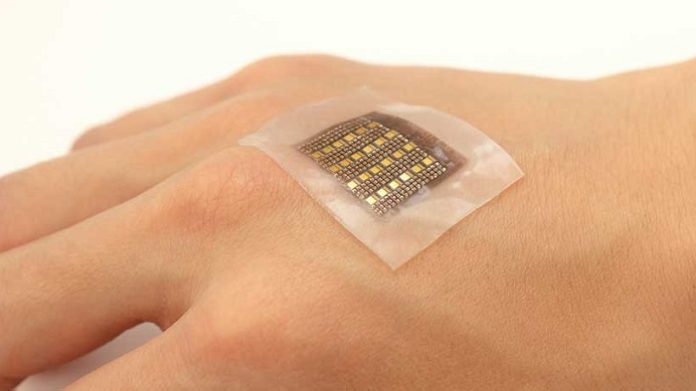
University of California San Diego (UCSD) researchers developed an electronic patch that can monitor biomolecules in deep tissues.

The technology can monitor hemoglobin, providing medical professionals with access to crucial information for spotting life-threatening conditions. This includes malignant tumors, organ dysfunction, cerebral or gut hemorrhages and more.

โ€œThe amount and location of hemoglobin in the body provide critical information about blood perfusion or accumulation in specific locations,โ€ said Sheng Xu, professor of nanoengineering at UC San Diego and corresponding author of the study. โ€œOur device shows great potential in close monitoring of high-risk groups, enabling timely interventions at urgent moments.โ€

MRI and X-ray methods to provide information on such conditions can be bulky and hard to procure, the UCSD researchers say. They also only provide information on the immediate status of the molecule. These methods fail to offer long-term biomolecule monitoring capabilities.

The sensor overcomes these limitations, the UCSD researchers say.ย โ€œContinuous monitoring is critical for timely interventions to prevent life-threatening conditions from worsening quickly,โ€ said study co-author Xiangjun Chen, a nanoengineering Ph.D. student in the Xu group. โ€œWearable devices based on electrochemistry for biomolecules detection, not limited to hemoglobin, are good candidates for long-term wearable monitoring applications. However, the existing technologies only achieve the ability of skin-surface detection.โ€

The flexible, low form-factor, wearable patch comfortably attaches to the skin, according to UCSD. It can perform three-dimensional mapping of hemoglobin with a submillimeter spatial resolution in deep tissues. This extends down to centimeters below the skin, while other wearable electrochemical devices only sense biomolecules on the skin surface.

Additionally, it can achieve high contrast to other tissues. Optical selectivity allows the sensor to expand the range of detectable molecules. It does so by integrating different laser diodes with different wavelengths, along with potential clinical applications.

The UCSD patch features arrays of laser diodes and piezoelectric transducers in its soft silicone polymer matrix. The diodes emit pulsed lasers into the tissues. Biomolecules in the tissue absorb the optical energy and radiate acoustic waves into surrounding media.

The researchers plan to develop the device in a number of ways, including shrinking the backend controlling system. This could create a portable device for laser diode driving and data acquisition. They also plan to explore the wearableโ€™s potential for core temperature monitoring.

Canon Medical Systems USA Inc. Announces a Strategic Partnership with ScImage

Canon Medical Introduces Aquilion ONE / PRISM Edition Combining Deep Learning Reconstruction and Wide-Area Spectral CT

Canon Medical Systems USA announced that it completed a strategic partnership with cloud-native enterprise image management company ScImage.

Los Altos, California-based ScImage also provides PACS and image exchange solutions for the healthcare industry.

The two companies plan to use the partnership to broaden and advance Canonโ€™s outreach in hemodynamics with its Fysicon QMAPP Hemo portfolio. As a result, Canon expects to increase its presence in the cardiac market. This includes offering innovative solutions and business models tailored to each clientโ€™s specific needs.

Canonโ€™s Fysicon subsidiary designed QMAPP Hemo as a user-friendly option mounted to a standard interventional X-ray or operating table. It offers efficiency in the interventional lab without losing patient or exam data, according to a news release.

ScImage founder and CEO Sai Raya noted that the companies have โ€œa shared vision and perfectly complementary products.โ€ The companies believe the partnership can โ€œdrive the future direction of cardiology and beyond,โ€ Raya added.

Bill Newsom, managing director of vascular systems for Canon Medical Systems USA, said โ€œScImage has been a trusted partner of Canonโ€™s for over five years, and itโ€™s because we hold the same foundational values of keeping our customers first and delivering the best in innovative products and solutions. Having ScImage partner with Canon Medical will only make our offerings that much better.โ€


University Hospitals in Cleveland Enters into Master Purchase Agreement with ViewRay for Multiple MRIdian Systems

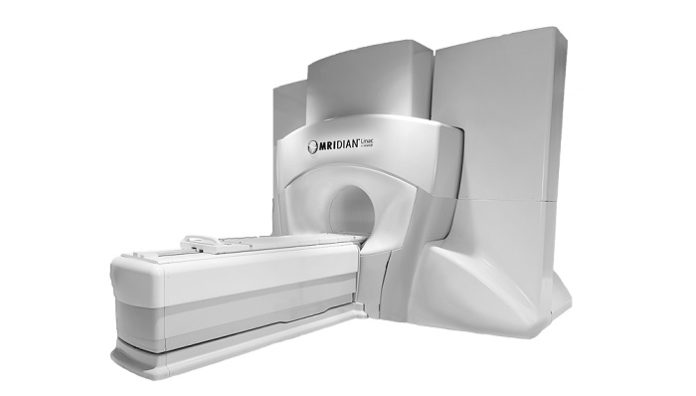
ViewRay, Inc announced that the University Hospitals (UH) Seidman Cancer Center in Cleveland has selected a MRIdian MR-Guided Radiation Therapy System as part of a master agreement for the purchase of up to four systems, and will be the first in Ohio at a research and teaching hospital to offer the precision of MRIdian’s advanced MRI-guided radiation therapy to cancer patients throughout the region for pancreas, prostate, kidney, gynecological, lung, liver, breast, brain, spine, and oligometastatic cancers.

UH Seidman Cancer Center is part of the NCI-designated Case Comprehensive Cancer Center at Case Western Reserve University School of Medicine. Through this program, the National Cancer Institute (NCI) recognizes centers around the country that meet rigorous standards for transdisciplinary, state-of-the-art research focused on developing new and better approaches to preventing, diagnosing, and treating cancer.

UH Seidman Cancer Center is at the forefront of clinical excellence and transformative innovation. There was unanimous multi-disciplinary support to bring ViewRay’s MRIdian MRI-guided radiotherapy to our center and provide our patients with the latest radiotherapeutic advancements. We aim to continue the advancement of MR-guided adaptive radiotherapy through cutting-edge clinical trials and research to improve patient outcomes. Our incredible team is excited to collaborate with ViewRay to test the non-invasive form of MR-guided radiosurgery versus traditional surgical methods or other invasive ablative modalities (i.e., HIFU, cryotherapy, radiofrequency ablation) for the treatment of cancer. The addition of the MRIdian system to our center will further elevate our radiation oncology and medical physics residency programs by having one of the greatest breadths of treatment modalities to offer at any center in the world, all under one roof,” said Dan Spratt, M.D., Chair of the Department of Radiation Oncology at University Hospitals Cleveland Medical Center, and Vincent K. Smith Chair in Radiation Oncology. “With MRIdian, we can offer cutting-edge, precise, and personalized treatment using soft-tissue tracking, automatic beam gating, on-table adaptive delivery, and build advanced tools to improve patient outcomes and minimize treatment-related side effects,” said Rojano Kashani, PhD, the Chief of Physics at UH Seidman Cancer Center.

With some of the most advanced technology available, dedicated and skilled clinicians, and participation in hundreds of clinical trials, UH Seidman Cancer Center is a leading resource in the nation in the fight against cancer, and consistently ranks among the top cancer hospitals in the country out of more than 4,750 medical centers, according to U.S. News & World Report.

“Because MRIdian enables delivery of ablative radiation doses with tighter margins, we will be able to treat complex cancer cases, including inoperable tumors and patients who aren’t good candidates for surgery,” said Jordan Winter, M.D., Chief of the Division of Surgical Oncology at University Hospitals Cleveland Medical Center, Director of Surgical Services at UH Seidman Cancer Center and John and Peggy Garson Family Endowed Chair in Pancreatic Cancer Research and Jerome A. and Joy Weinberger Family Master Clinician in Surgical Oncology. “MRIdian expands the treatment options available to our patients, particularly those with tough-to-treat cancers whose options may have previously been limited, such as pancreatic ultra-central lung cancer tumors.”

Lee Ponsky, M.D., Chair, Department of Urology, University Hospitals Cleveland Medical Center, Leo & Charlotte Goldberg Chair in Advanced Surgical Therapies and Master Clinician in Urologic Oncology shares in the excitement stating, “Our genitourinary program was already a premier center for the management of prostate, kidney, and bladder cancer. As a Urologic Oncologist who has helped pioneer the use of radiosurgery for prostate cancer and kidney cancers, I am thrilled that our patients will have access to MR-guided adaptive radiotherapy to further take these treatments to the next level, and we hope to expand the role of radiotherapy using this technology.”

The MRIdian system provides oncologists outstanding anatomical visualization through diagnostic-quality MR images and the ability to adapt a radiation therapy plan to the targeted cancer with the patient on the table. This combination allows physicians to define tight treatment margins to avoid unnecessary radiation exposure of vulnerable organs-at-risk and healthy tissue and allows the delivery of ablative radiation doses in five or fewer treatment sessions, without relying on implanted markers. By providing real-time continuous tracking of the target and organs-at-risk, MRIdian enables automatic gating of the radiation beam if the target moves outside the user-defined margins. This allows for delivery of the prescribed dose to the target, while sparing surrounding healthy tissue and critical structures, which results in minimizing toxicities typically associated with conventional radiation therapy.

Over 27,000 patients have been treated with MRIdian. Currently, 56 MRIdian systems are installed at hospitals around the world where they are used to treat a wide variety of solid tumors and are the focus of numerous ongoing research efforts. MRIdian has been the subject of hundreds of peer-reviewed publications, scientific meeting abstracts, and presentations.


SOPHiA GENETICS and Leading US Cancer Center Collaborate to Combine Cancer Analysis Technology for Liquid Biopsies

SOPHiA GENETICSโ„ข, a cloud-native software company in the healthcare space, has entered an agreement with Memorial Sloan Kettering Cancer Center (MSK) to offer clinicians and researchers new solutions to expand their testing and analytical capabilities. This includes incorporating proprietary Comprehensive Genomic Panel (CGP) sequencing tests such as MSK-ACCESSยฎ, which will be commercialized by SOPHiA GENETICS as the first comprehensive ctDNA liquid biopsy test powered by the SOPHiA DDMTM Platform. By combining predictive algorithms, the power of the global SOPHiA GENETICS network, and the clinical expertise of MSK in cancer genomics, experts hope to expand access to precision cancer analysis capabilities.

Together, SOPHiA GENETICS and MSK will collaborate to further develop MSK-ACCESSยฎ, ensuring the solution takes advantage of the sophisticated analytics of the SOPHiA DDMTM platform. The improved assay will be designed to align with the most recent guidelines and clinical trial data reflecting major actionable biomarkers.

โ€œWeโ€™ve already had great collaboration in our discussions with MSK and we see opportunity for building new solutions together that will drive access to important data,โ€ said Jurgi Camblong, Cofounder and CEO of SOPHiA GENETICS. โ€œBy raising the bar for more effective collective intelligence, we can create a new gold standard for cancer care.โ€

As part of this agreement, SOPHiA GENETICS intends to build a new clinico-genomic, cloud-native analytics platform that furthers the impact of MSKโ€™s extensive precision oncology data. This includes the use of advanced machine learning algorithms to analyze extensive multimodal data points to gain new insights. The goal of the new SOPHiA CarePathTM module, paired with MSKโ€™s CGP sequencing tests, is to help inform and improve cancer care globally.

โ€œWeโ€™re pleased to be collaborating with SOPHiA GENETICS to bring our advanced precision oncology tools to a more diverse, global population of people with cancer,โ€ said Kojo S. J. Elenitoba-Johnson, MD, Chair of the Department of Pathology and Lab Medicine at MSK. โ€œWe believe accelerating access to precision medicine, both in research and in patient care settings, can improve cancer care and yield a wealth of scientific data to advance our mission of reducing the burden of cancer worldwide.โ€


Penumbra Launches Latest Innovation in Mechanical Thrombectomy: Lightning Flash

Penumbra Launches Latest Innovation in Mechanical Thrombectomy: Lightning Flash

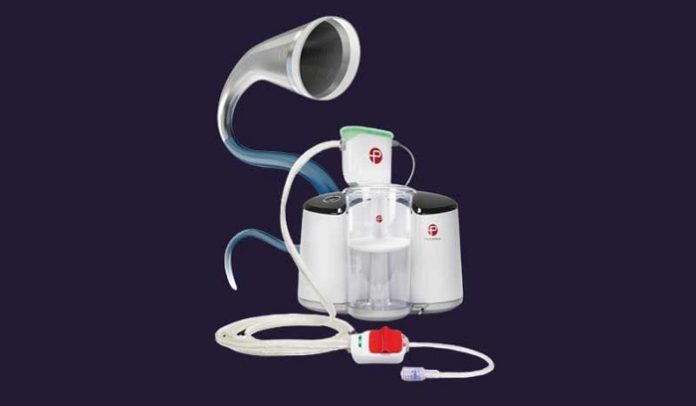
Penumbra, Inc., a global healthcare company focused on innovative therapies, announced the U.S. FDA clearance and launch of Lightning Flashโ„ข, the most advanced and powerful mechanical thrombectomy system on the market. Lightning Flash features Penumbra’s novel Lightning Intelligent Aspiration technology, now with dual clot detection algorithms. Together with innovative catheter engineering, Lightning Flash is designed to quickly remove large blood clots in the body, including venous thrombus and pulmonary emboli (PE).

“Penumbra’s Lightning Flash gives physicians a highly torqueable, larger catheter that is designed to remove a large clot burden in the pulmonary arteries or deep venous system more efficiently while maintaining an excellent safety profile because of Lightning’s computer-aided algorithms,” said James F. Benenati, M.D., FSIR, chief medical officer at Penumbra. “We believe that patients can have improved outcomes with this new technology because of the exceptional trackability and unique ability to distinguish flowing blood from clot.”

Lightning Flash, powered by the Penumbra ENGINEยฎ, uses both pressure and flow-based algorithms to detect blood clot and blood flow. The Lightning Flash catheter is made with MaxID hypotube technology, allowing an inner diameter similar to large-bore catheters while maintaining a lower profile and a soft, atraumatic tip designed to help navigate the complex and delicate anatomy of the body. When used together, the device is intended to help remove blood clots quickly while minimizing potential blood loss.

“Lightning Flash will fundamentally change how blood clots are removed from the body,” said Adam Elsesser, president and chief executive officer of Penumbra. “With this latest advancement, physicians are more likely to adopt mechanical thrombectomy because a broad spectrum of blood clots can be removed much quicker and less invasively than current interventional or surgical methods. This means that we are able to help even more patients with our technology, which is core to who we are as a company.”

Lightning Flash is part of Penumbra’s Indigo System with Lightning portfolio. Lightning products are the only computer-aided mechanical thrombectomy systems currently available in the U.S. and early data have shown improvement in clinical outcomes and quality of lifei.

“Penumbra’s commitment to innovation and clinical excellence enables us to pioneer interventional therapies that have a significant impact on patients,” said Sandra Lesenfants, president of interventional at Penumbra, Inc. “Innovations such as Lightning Flash will continue to transform the standard of care for these difficult conditions, ultimately improving patient outcomes and allowing patients to return home quickly.”

Medcura Receives Breakthrough Device Designation for its LifeGel Absorbable Surgical Hemostat

Medcura, Inc., a medical device company dedicated to transformatively improving the management of surgical bleeding, announces that the U.S. Food and Drug Administration (FDA) has granted the coveted Breakthrough Device Designation for its LifeGelโ„ข Absorbable Surgical Hemostat. LifeGelโ„ข is the first and only hemostatic agent to receive Breakthrough Device Designation seeking a new and highly differentiated indication: in surgical procedures (except in ophthalmic and urological) as an adjunctive hemostatic device when control of minimal, mild, and moderate bleeding by conventional procedures is ineffective or impractical. Due to its no-swell properties, LifeGel can be used in surgical procedures where swelling cannot be tolerated.

The FDA’s Breakthrough Devices Program is available to therapeutic devices that establish they have the potential to provide more effective treatment of life threatening or irreversibly debilitating diseases or conditions. Breakthrough designation provides several important benefits, including quicker and more collaborative review of future regulatory submissions with greater opportunity to interact with FDA experts throughout the review process.

“We’re very pleased for the opportunity to continue working closely with the FDA to improve a surgeon’s ability to control and stop the wide range of bleeding scenarios for which the Breakthrough Designation was awarded,” said Medcura President and CEO Jim Buck. “This designation provides for a more collaborative partnership with the FDA which should expedite patient access to LifeGel as a game-changing new solution to surgical bleeding management.”

Other hemostatic agents swell after application. When used in confined spaces like the spinal canal, where up to 60% of these products are applied, hemostatic agents have been documented to cause nerve compression that can lead to severe adverse events including paralysis. Medcura’s proprietary and patented formulation was designed not to swell upon application, eliminating the chance of spinal cord compression caused by swelling hemostatic agents. Unlike many other hemostatic agents, LifeGel contains no human or animal proteins, including thrombin, and requires no pre-mixing, preparation or cold chain storage. Being ready to use, LifeGel can help avoid costly delays, risks and complications associated with uncontrolled bleeding and reduce wastage of expensive hemostatic materials in the operating room. These differentiating features, along with the platform’s disruptive cost advantage, positions Medcura’s LifeGel to become a future standard of care for surgical bleeding management.

Over the past decade, there have not been meaningful advancements in the safe control of surgical bleeding using flowable technologies which are routinely used in many high-volume and high-value procedures,” said Medcura’s Chief Medical Officer, neurosurgeon Dr. Ken Renkens. “With the experience we’ve gained through extensive pre-clinical testing, LifeGel has shown to be easy and intuitive to use while demonstrating a remarkable ability to reliably control the wide range of challenging bleeding situations a surgeon often confronts.”


Translate ยป