













Close
Digital Health & Ai Innovation summit 2026
Medical Taiwan 2026

What To Look For In Healthy Drinks

There is nothing wrong with having a bottle of wine with the ladies during bonding night. The same goes for you as you indulge in galloons and galloons of Mountain Dew as you play Call of Duty with the boys during the weekend.

But like most things, there is a limit to how much your body can take. After all, too much of something is not the best for your mind and body.

That is why you might need to switch to healthier alternatives, especially if you are not getting younger. It is neat that these healthy options are available anywhere you go.

You can get such a drink from the convenience store up the block. Or you can shop for Halal wine online. However, it does not stop there. You need to be on the lookout for several factors for these drinks, and we will discuss them below.

What To Look For In A Healthy Drink?

Not because a product says it is healthy means you can rush it off the shelf. That is the mistake most consumers make. They do not look at other product information, only rant and complain about it later.

The same goes when shopping for healthy drinks online. For one point, you need to make sure the website is legitimate.

You want to avoid getting your hands on some shady grape juice from a website that does not have registration. You might have a bad stomach from consuming the drink, or worse.

The Source

One of the many things you have to check is the source of the product. Where is it coming from? Does your retail store make the drink themselves?

Do their products come from a reliable supplier? It might take you some time. But finding out about the supplier can make a difference to your healthy switch, and it allows you to know whether they use natural ingredients alone.

You will also know if they add other things, such as processed sugar, artificial flavors, etc.

Most of these add-ons take a chunk from any drink’s healthy part, which means it is wise to check first.

The fact that conducting research does not guarantee you results might be a bother to you.

However, you can access many resources that allow you to finish the task.

Ingredients

What is a healthy drink when you do not include natural ingredients? You have a recipe for disaster, meaning you are only indulging in a heavily commercialized product.

The healthy part only rests on the print or advertisement, and knowing the ingredients is the key.

The easy part is locating the ingredient panel in a so-called healthy drink. Checking the bottle, canister, or container will do the trick. Not all of us are experts with food and beverages.

But you will notice what ingredients are natural or otherwise. Ingredients, including soya, beans, fruit, and vegetables, do not need any explanation.

However, you might have to look for a different drink once you discover ingredients and compounds whose names you cannot pronounce.

That does not mean you have to fear BVO, Aspartame, Lactitol, etc. These compounds and ingredients still have something to do with drinks you know and love. However, being healthy is only one of their priorities.

The Process

The next part you need to check is the process of how these healthy drinks come from the source to an actual product. Many manufacturers and companies show their methods for transparency and fairness.

They have means to show you the process one step at a time. The neat thing is you can even find websites that allow you to watch the drink-making process live.

These are the types of products you can guarantee to be safe and healthy.

Once you see workers mixing and playing around with the fruits and vegetables, you will get a drink that means well once you get one from the shelves.

The other side of the spectrum showcases the manufacturers and corporate people who do not share their methods. They might not do so to protect something, such as a recipe, step, etc., and it might be their ace against rival companies.

However, that leads to consumers thinking they are only interested in profit rather than their product’s health. An undisclosed process also causes doubts that they only use natural ingredients.

Sure, it may be on the label that a drink only utilizes the best fresh grapes from Italy, and you might not know that the glass has tons of artificial flavor from the process.

Pricing

A drink’s price also might have a say on how healthy it is as you take a look. Many drinks are cheap โ€“ and unhealthy โ€“ due to the compounds and other ingredients they have.

Many legitimately healthy drinks use fruits, vegetables, and some sugar; everyone knows these ingredients are hard to obtain.

That is why you will find several healthy drink alternatives to be more costly than others.

But the price is not an obstacle to your journey to healthy living, and you can always find alternatives that cost less from a different shop or website.

Why Not Make One?

There is also an alternative to making a healthy drink. The best part is you can scour the internet or your local bookstore for recipe books and ideas for these products.

In addition, you can find ingredients as you see fit. See that watermelon over there? It works well with some ice and a hint of honey. That piece of apple on the shelf at the next shop? Blend it with the melon you have at home.

Nothing like a fresh and healthy smoothie after a day being busy.

It will be a fun learning experience, and you can also share the drink-making event with a friend or family member.

The Takeaway

You can enjoy healthy drinks whether you purchase them from the store or make them from scratch. It is the same should you research the product’s source, process, etc. The important aspect is you drink them to develop a healthy mind and body.


Telehealth Utilization Is Starting To Witness A Downtrend

After 3 months of relative stability, in October 2022, national telehealth saw a downtrend of 3.7% from 5.4% when it came to medical claim lines in September to 5.2% in October, as per the Monthly Telehealth Regional Tracker from FAIR Health. The slump in telehealth utilisation was greater than the national average, which was 6.8% in the South, 4.9% in the Midwest, and 4.1% in the West. Although there was an increase in utilisation in the northeast.

The data comes from a privately insured population that includes Medicare Advantage but excludes fee-for-service Medicare as well as Medicaid.

That was the same month that COVID-19 continued to be one of the top 5 telehealth diagnoses all across the nation. Nationally as well as in the Midwest, in October, the virus fell from third to fifth place in the rankings. When it came to Northwest, it fell from second to third place, whereas in South, it fell out of the rankings from fifth place. COVID-19 was already out of the top 5 diagnoses in the west ever since September.

Acute respiratory diseases as well as infections also climbed in October and jumped the telehealth rankings of the top five diagnoses. From September to October in the north east, these diagnoses saw a surge from third to second place, and in the west, it was a greater climb from fourth to second. It remained second nationally as well as in the Midwest and south. However, there was a percentage share increase in telehealth claim lines. For instance, it rose to 4.1% from 3.1%.

The national and regional rankings of the top five telehealth specialties did not see a change in September and October 2022. It was social workers who remained the top telehealth specialty across the nation and in every region.

Also the top five telehealth procedure code rankings did not change nationally or across any region as compared to the previous eight months. One hour psychotherapy remained at the top of the telehealth procedure code nationally and also across every other region.

To help the beneficiaries get access to care during stay-at-home orders placed in order to reduce the impact of COVID-19 or its related exposure, CMS put in place emergency waiver authorities brought in by Congress and also existing regulatory authorities so as to implement policies that helped expand telehealth as well as its services during the pandemic.

This had in it, numerous statutory limitations being waived like the geographic restrictions as well as allowing beneficiaries to get telehealth at their homes.

Telehealth and hospital at-home programmes were extended beyond the public emergency because of the omnibus package that got passed in December. This legislation extended waivers for both programs. Telehealth flexibilities shall now be into effect all through the end of 2024. Apparently, Medicare gets usually restricted to payment of telehealth services across rural areas mostly and also when the beneficiaries go to the clinic or any hospital to avail the service.

In the fee schedule of the physician rule, which was released in November, it was announced for the first time by the CMS that Medicare would pay for mental health visits through federally qualified health centres by way of audio-only telecalls outside the scope of COVID-19 PHE.

Hutano Launches Revolutionary New Service Connecting Patients to Healthcare Providers

Hutano Launches Revolutionary New Service Connecting Patients to Healthcare Providers

Hutano, a new service that connects patients to healthcare providers in a unique and efficient way, is now open for business. The traditional way of patients engaging with healthcare providers is often time-consuming and frustrating, but Hutano’s innovative app changes all of that.

With Hutano, patients can easily book appointments with healthcare providers in their local area using the app. The entire booking process is automated, saving patients time and hassle. In addition, patients can fill out interactive intake forms from the comfort of their own homes, eliminating the need for paperwork in offices. Whether a patient chooses to have healthcare care in a clinic, virtually, or have the healthcare provider come right up to their door, the Hutano app is the only platform that addresses making appointments on behalf of minor children and aging parents.

Hutano also benefits healthcare providers by saving them time and money. By outsourcing scheduling and booking, healthcare businesses can save tens of thousands of dollars per year in labor costs. Additionally, patient intake input is automatically transcribed and transferred to the patient note, saving providers at least 15% documentation time. The platform also makes it easy for healthcare providers to start a cash-based business, and share medical documents seamlessly on the app, eliminating the need for faxes and emails from other healthcare providers.

“Our mission is to simply find healthcare providers in your local neighborhood, book appointments, and share medical documents. However, it is the other features that make Hutano stand out from the rest,” said the CEO of Hutano.

5 Healthy Habits for children that will help prevent myopia

5 Healthy Habits for children that will help prevent myopia

Myopia, or short-sightedness, is an eye condition where the child’s eyeball becomes elongated from front to back.

However, it can also be caused when the eye’s cornea gets curved too deeply. As a result, light rays fall short of the retina, and the child can see things placed near them, but the faraway objects look blurred. As a result, nearly 20% of children suffer from myopia and require glasses or eye-correction treatments. However, you can prevent your children from having myopia with a few healthy tricks.

  1. Prepare a healthy diet

If you want to keep your children’s eyes healthy and sharp, then you have to make sure that their diet is rich in nutrients. For example, a variety of colorful fruits and vegetables, also known as the rainbow diet, will prevent myopia.

Make sure the food items are rich in vitamins C and E, zinc, and lutein. Some of the common items you can give your little ones every day are orange carrots, yellow squash, thick red peppers, and green broccoli.

For non-vegetarians, protein-rich food items like lean red meat, eggs, and poultry are considered to be great food sources.

  1. Encourage them to play outdoors

Along with a healthy body, a healthy mind will also keep your children’s eyes healthy! Believe it or not, spending just an hour or so every day outside will promote physical activity and social skills.

Most importantly, your little ones won’t stay home watching TV or looking at their smartphones all day. Blue light, the light emitted from electronic devices, heavily contributes to the cause of myopia in children.

So restricting blue light activity and encouraging them to engage with the world outside will indirectly help them to stay away from myopia.

  1. Protect their eyes

Another healthy habit you can ask your child to adopt is protecting their eyes as much as possible. Whether it’s from the UV rays of the sun or from sharp objects like scissors, your child should cover and protect their eyes from all sorts of harm.

After all, the eyes are the most sensitive part of anyone’s body. So the best way to prevent myopia, or even more serious eye conditions, is to wear goggles or shades outdoors.

Make them a pair of sunglasses that can block 100% of UV rays because children’s eyes allow much more sunlight, and hence UV rays, than those of adults.

  1. Cut down time spent on near-reading

While reading or typing are good habits, you should ask your young ones to reduce their time spent continuously reading or looking at screens. Ask them to take a break after every 30-40 minutes by looking at another object or taking a walk outdoors.

If there is any unnecessary near-sighted work, such as playing too many video games, make sure that this is as minimal as possible. For example, the minimum distance between their eyes and the book should be about 30 cm when they are reading.

The environment should also be well-lit and not stressful to the eyes.

  1. Take them for regular appointments

Even if your kid seems to have no eye conditions, it’s still best to take them to an ophthalmologist every once in a while.

A yearly comprehensive eye exam will let you know if there are any underlying eye problems your child might suffer from in the future. However, it’s also important to note that vision screenings or eye checkups conducted in schools aren’t a replacement for eye examinations at the doctor.

While eye checkups in your child’s school are fine, they don’t always have the best or the most advanced instrument a proper clinic has.

  1. Keep an eye out for symptoms

The moment you see that your child might be suffering from myopia, try to take active steps as soon as possible so that their condition doesn’t worsen.

For example, you should speak to the doctor if they keep complaining of frequent headaches or watery eyes. Some other common symptoms of myopia are blurry vision and redness in the eyes.

Additionally, if your child is constantly rubbing their eyes because they or can’t focus on the screen or book in front of them, this can clearly be a sign of myopia. Don’t waste any time and book an appointment.

Conclusion

These are some of the basic health tips you should teach your little ones, so they don’t have to suffer from myopia later.

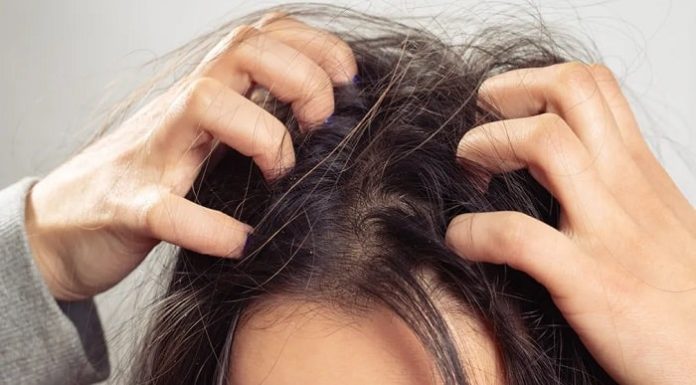
Suffering from various scalp problems? Here are a few things that might help

Winter is knocking at the door. And what does it bring along?

Not only Christmas holidays, baked goodies, and fantastic dry forest scenarios, but you can not deny the fact about diseases – they tend to increase substantially during winter.

And when we mention disease, that doesn’t mean just cold and cough or that regular viral fever, other different ailments such as skin diseases, hair problems, and a few infections also show quite a rise during these few frozen months. If you’re reading this, we guess you already know it or feel it very well.

Keep reading till the end to know everything you need about scalp diseases and some genius tricks to fight them.

Scalp: what is it actually?

The cranium, aka the bony skull that lodges your beautiful brain, is covered by a thick protective layer on the outside. Isn’t it? That’s what the scalp is.

It’s not just the skin under your hair. The scalp contains 5 layers, including – Skin, Connective tissue, a loose tissue layer, a muscle layer, and a thin plastic-like covering membrane of the skull bone.

The scalp is the part that’s affected first by head injuries, and bleeding is quite common in trauma as it is highly vascular. But that’s accidental. Generally, scalp problems mean a whole lot of other diseases and hair fall too. Let’s see.

What are the common scalp problems?

ย ย  1. Hair fall :

Hair fall is not an individual disease; rather, you can consider it an end result of almost all scalp and skin diseases. So it’s more of a symptom or manifestation. Hair fall occurs due to the weakening of the hair strands from the root, breaking, brittling of hair, and malnutrition. Most of the diseases mentioned below cause hair fall, along with other non-scalp conditions like – Hormonal imbalance, Lichen, Lupus, Celiac disease, Leishmaniasis, Scleroderma, Hashimoto’s thyroiditis, graft-versus-host disease, etc.

ย ย  2. Male pattern baldness

This is mostly a male body problem due to the male sex hormone testosterone and genetic predisposition.

ย ย  3. Psoriasis

It is a notorious skin disease that causes sharp, scaly, and dry whitish skin patches. Bleeding and crustation might happen as well. In addition, it often feels really itchy.

ย ย  4. Ringworm eczema

Ringworm, aka Tinea capitis, causes itchy, flaky patches and ring-shaped lesions with reddish margins. Hairs become brittle, loose, painful, etc.

ย ย  5. Lice infestation

Lice is an arthropod insect, small like a mite. It resides inside those amazing locks of your hair and lays eggs (nits). You’ll likely feel an itchy, extremely uneasy sensation on your scalp. Infections and inflammation might happen too.

ย ย  6. Alopecia areata

Alopecia means hair loss, but alopecia areata is quite special in appearance. Here, hair fall occurs from randomly scattered, multiple, quarter-shaped small lesions, which may join to form large areas without hair. This is an autoimmune condition where your own antibodies attack the hair follicle.

ย ย  7. Dermatitis

As the name suggests, dermatitis is your common skin infection. It may be simply an allergic reaction or due to infection of some fungus and worms.

Why do scalp problems occur?

Scalp problems greatly consist of general skin diseases. So these problems also have the same risk factors as that of dermatological diseases. These are –

  • Bad personal hygiene
  • Improper and infrequent hair washing
  • Malnutrition of hair
  • Not combing the hair
  • Genetic and autoimmune diseases in which hair follicles are spontaneously destroyed

How to stop scalp disease and infections

Scalp diseases might look dirty, but they’re not malicious. Here are some tips and tricks that will help you.

  • Look for symptoms from early on. Signs might vary from itching, hair fall, and rashes to tenderness, swelling, etc.


  • Don’t panic. Lots of scalp diseases don’t even need medicine or professional help. Proper hair care with good quality medicated shampoo to kill fungi, insects, and ringworms, along with additional care with cleanser and conditioners for a few days, will suffice. In case you’re looking for something like this, we recommend looking at Arkive head care range.

We’ve come across them only recently, but this customer-favorite brand has been making some amazing shampoos, conditioners, cleansers, whole care solutions, treatment masks, scalp scrubs, hair and scalp serum, and many more for years now.

  • Supplementary and dietary changes should be made in case of nutritional deficiencies. This can help avoid triggering substances (e.g., Gluten) in autoimmune conditions.


  • Surgical implants are available nowadays for long-term protection.

Don’t worry. Given time, your locks will look great again, as always, just with a bit of care and love.

Factors to consider before buying a treadmill

Let’s be real; buying a treadmill is not something you do every day, month, or even year. It is a massive one-time investment, and obviously, you will have questions. However, you are buying a treadmill to be fit, active, and healthy. It is a perfect choice for people who want to include strength training in their routine but don’t want to go to the gym. Also, it’s the best choice for people with limited walking space nearby or a hectic schedule. But since it is a massive investment, you want to buy the best treadmill. Thus, your mind will be asking you tons of questions, like what should the treadmill look like? Do I have enough space to put it in my home? What features should I look for?

Fortunately, the article below answers all these questions by explaining the factors you need to consider before buying a treadmill.

Factor 1: Types of treadmill

The first factor to consider is what type of treadmill you want, as there are four types of treadmills. They are:

  • Manual

It only moves when you start running on the treadmill. It runs on the energy you create, so if you run fast, it will move fast. The benefit of having a manual treadmill is that it is cheaper, and you don’t have to plug it into the treadmill. But there are no workout programs or emergency stops for this type of treadmill.

  • Folding

As the name suggests, this treadmill can be folded, which is its biggest perk because it can help you save space. Release a button when you want to work out on the folding treadmill, and then fold it back up.

  • Motorized

The motorized treadmill is what you imagine a treadmill to be like. A machine operates with the help of a motor, which you can control with the monitor.

  • Commercial

ย 

These are the ones you see in a gym. They are sturdy, massive, and robust treadmills. They are durable but expensive. If you go with this, it has other benefits, too, like WiFi, touchscreen monitors, and more. They are good for gyms but don’t go for commercial treadmills unless you want to open the house for multiple people.

Factor 2: Stability

The second factor to consider is the stability and safety of the treadmill. It shouldn’t shake or rattle if you start the incline treadmill feature on it. The one you buy should be stable enough when you run or walk on it for a smooth workout.

Factor 3: Check its running frame and surface

Before buying a treadmill, check its running surface’s width and length. It is imperative because a larger running area will offer comfort for walking and running. The ideal running surface length and width should be 1200 mm by 400 mm if you are an average runner.

The treadmill’s frame is the machine’s skeleton; the stronger it is, the better durability you will have. Examine the treadmill to ensure that the frame is of high quality and made of heavier gauge steel. If you use a bad frame, it will appear as if there is a lot of noise and instability. Thus, you should buy the best treadmill ever with a good running frame. Another feature to consider is whether or not it can absorb shock.

Factor 4: Budget

You know the four types of treadmills in the market. But your budget matters too. Even on a manual treadmill, you will have many options with a few differences in the features. So check the features and price, and go with one that suits your budget.

Factor 5: Cushioning

If you plan to use the treadmill for running every day, buy a machine that can go ten mph or higher. It should also have great cushioning and absorb shock without the belt shifting.

Factor 6: Where to put the treadmill?

It is an obvious point, but it is essential to mention it, as many people overlook it. First, it is essential to check whether you have enough space in your house to put on a treadmill or not. If you think the space is less, go with a folding treadmill. But before you come to this conclusion, check the other features too.

Considering these factors before buying a treadmill will help you make a good investment. Also, ensure that when you buy the treadmill, you use it to be healthy and not just as an ornamental piece.

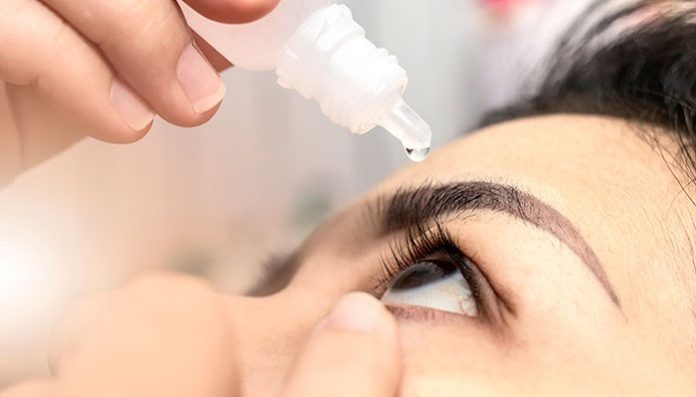
Dry Eyes: Causes, Symptoms and Treatment

Dry Eyes: Causes, Symptoms and Treatment

So what’s the most sensitive part of your body?

Is it skin, tongue, or brain the big boss?

Apparently not, at least in general.

How does it feel when a grain of sand or dust falls on your eye?

It burns and itches, and you suffer a lot for the next few minutes. Right? Similar is the dry eye, technically called ‘Xerophthalmia’ by doctors.

Keep reading to explore more about this condition.

Common symptoms

Most commonly, people with dry eyes face redness, pain, stinging or gritty sensations in one or, more likely, both eyes. The allergic symptoms will also exist if the dry eye has arisen due to some underlying infections or hypersensitivity.

Risk Factors

Dry eyes, aka Xerophthalmia, are a chronic condition in most patients. But it can precipitate as an acute disease as well. The main pathogenesis comprises excessive dryness of the eyes due to less secretion of tear fluid by the lacrimal glands or abnormally fast evaporation of tears from the eye surface, maybe due to dryness of the environment.

The most common etiologies behind this mechanism may vary. However, let’s see a few of the most prevalent ones in the clinics.

  1. Aging: Tear production declines with the advancement of age. Probably this is why dry eyes are most common among people over 50 years of age. To delay this situation, older individuals with already existing other risk factors are advised to use artificial tear drops for maintaining lubrication and humidity.
  2. Medications: Certain classes of drugs, like antihistamines, antidepressants, diuretics, beta-blockers, etc., decrease the secretion of mucus which is a vital component of tears. You should talk to your doctor if eye itching starts after taking any medications.
  3. Screen use: Prolonged screen time, especially the blue light emission from digital screens, is extremely harmful to our eyes. People forget to blink when staring at a screen, and thus, dryness of the eye follows.
  4. Laser surgery: Laser surgeries are great for restoring vision. But nerve damage may happen accidentally interfering with the production of tear fluids. This is usually temporary and heals spontaneously.
  5. Menopause: pregnancy, menopause, etc. events often manipulate the gonadal hormones, and this imbalance will affect the production of teardrops too. Hormone replacement therapy doesn’t work in this situation.
  6. Vitamin A deficiency: Vitamin A is vital for healthy, efficiently working eyes. Any dietary deficiency of vitamin A or metabolic disorders would lead to various ophthalmic syndromes like night blindness, dry eyes, etc.
  7. Wind exposure: Hard-blowing, cold winter winds lead to quick evaporation of tears, dryness of eyes, and chronic dry eye syndrome.
  8. Blepharitis: This is an inflammatory condition of small oil glands around your eyes. Oily secretions and small oily flakes might accompany dry eye symptoms.
  9. Autoimmune conditions: Sjogren Syndrome is a dangerous autoimmune syndrome where the patient’s white blood cells attack their own secretory glands like salivary glands and lacrimal glands, thus disrupting the tear production itself.
  10. Allergies: In allergies, eyes get red, itchy, watery, or dry alternatively. This is usually a chronic condition.
  11. Dehydration: Not drinking enough water might indirectly lead to dry eyes, dry mouth, dark-colored urine, etc.
  12. Smoke: Both direct/ active and secondhand/passive Smoking might lead to dry eyes.
  13. Weather factors: Dry air, low humidity, etc. weather factors may also contribute to developing dry eyes.
  14. Contact lens: Using a contact lens for the first time might feel irritating. And also, long-term use of contact lenses cuts the oxygen supply to the cornea, leading to chronic dry eyes.

What are the techniques used in treating Xerophthalmia?

Okay, now the treatment is largely based on symptomatic relief and general eye care. For example, the following strategies are implemented

  • Avoid Dry places like mountains, deserts, etc. Smoking (first-hand and passive alike)


  • Usual treatments include Eye drops and other meds: Artificial tear drops containing sugars and dry eye spray are used to humidify the eye.


  • Eye strain relief: Avoid looking at screens for a long time. Look away every 20 minutes and look at Greenery. Also, blink rapidly to increase tear secretion and spread the tear fluid across the surface.


  • Glass protection: Sunglasses and contact lenses infused with fluids are used for protection against high winds and cold.


  • Dietary supplement: Foods rich in Vitamin A (eggs, carrots, fish, spinach, broccoli, and peppers) are great for fighting dietary insufficiency. Omega 3 fatty acid supplements might also help in improving chronic dry eyes.


So that’s all. Visit your doctor as soon as you feel irritation in your eyes.

Stay healthy!

In 2022, Health System Mergers-Acquisitions Yielded $45B

According to recent Kaufman Hall research, the fourth quarter of 2022 was a record-setting time for healthcare merger and acquisition earnings, and the deals that transpired during the quarter increased M&A revenues for the entire year to $45 billion.

In Q4, there were seven announced transactions, and four of them fell under the category of mega mergers, according to Kaufman Hall, where the smaller party had annual revenues of at least $1 billion. A fifth party made between $500 million and $1 billion in revenue.

The average size of the smaller party in all disclosed transactions exceeded $800 million in the fourth quarter of 2022 for the third time in a row. Because of this, the average smaller party size for the year increased to $852 million, easily breaking the previous record of $619 million set in 2021.

In total, 53 deals were disclosed during 2022. Only slightly behind the historical peak of 16.3% in 2021, smaller party yearly sales exceeded $1 billion in more than 15% of the transactions.

Despite a minor increase from the 49 transactions reported in 2021, the number of transactions is still below pre-pandemic levels. However, the parties to the 2022 transactions collectively generated more than $45 billion in transactional revenue for the year. Despite accounting for less than half of the entire volume of transactions, that is greater than the most recent record level of $44 billion, which was achieved in 2017.

Although many hospitals and health systems had financial difficulties in 2022, the percentage of sellers that were in financial distress was slightly lower at 15% than it had been over the previous two years.

In 2022, 91% of all transactions were made between non-profit hospitals and health systems, up from 87% in 2021 and 81% in 2020. The rise in cross-market transactions, which link health systems spread across several areas with minimal to no overlap between markers, was a notable trend in 2022.

Cross-market mergers included agreements between Advocate-Aurora Health and Atrium Health; Sanford Health and Fairview Health; and the University of Michigan Health and Sparrow Health. Kaufman Hall noted a transition from market-based scale to capability-based scale in these deals.

According to Kaufman Hall, the need to disperse operating risks over numerous markets and various market types, such as rural or urban markets, may be the key to this move. However, other elements may also be at play, such as opening up new markets to the specialty services offered by academic medical centres.

This cross-marker consolidation, according to a November Health Affairs study, might hurt competitiveness. Economic theory predictsโ€”and there is growing evidence that this is the caseโ€”that hospital systems that operate in several marketplaces will raise prices by using their market power to their advantage when dealing with insurers and other common clients.

Despite a weak economy and concerns about a recession, PricewaterhouseCoopers’ December report indicated that healthcare mergers and acquisitions are predicted to continue with ever-increasing transaction volumes. According to analysts, transaction volumes will keep rising as a result of increased focus on private equity platform extensions and the industry’s ongoing resilience. Additionally, value-based care is anticipated to increase. According to PwC, players are adopting value-based care across the ecosystem and leaving fee-for-service models in the dust.

The forecast for deal volumes in the health services sector in 2023 is expected to be positive due to these reasons and the persistence of high levels of corporate cash.

5 Tips For a First-time Travel Nurse

5 Tips For a First-time Travel Nurse

Have you started a career as a travel nurse?

This is an excellent way to travel and help others while still earning a paycheck. And while exciting, this role can be challenging to get used to when you’re just starting.

Whether you’re still deciding where to go or have accepted your first assignment, here are some tips you’ll want to keep in mind.

1. Review & Sign Your Contract

We know you’re excited to move into those luxuryย Little Italy San Diego apartmentsย you read about online. However, before you get into your car and start driving, ensure you have a signed contract. Otherwise, if the assignment changes, you’ll be put in a stressful position.

As a first-time travel nurse, it would be best to keep this in mind. We know you’re excited about hitting the open road, but be 100% certain you’ve got a job waiting for you at your destination. A signed contract will guarantee this.

2. Travel Somewhere That You Will Be Comfortable

Being a travel nurse is a wonderful way to exit your comfort zone and go and experience things, people, and places that you otherwise wouldn’t be able to. However, with your first assignment, you want to make it enjoyable and highly successful. One way to ensure this is by selecting somewhere closer to home, just for your first time.

Doing this will likely find you near, or at least relatively close to, family and friends. Having a support system around you will aid in reducing any of the stressful factors that may come from your first assignment. In addition, you will feel safer and sleep better, knowing that there is familiarity around you.

3. Ensure That You Pack Light

As a travel nurse, you must travel lightly and take only the essentials. A mistake many first-time travel nurses make is taking too much with them. It is not limited to this profession alone. Still, because the average assignment length is roughly 13 weeks, one imagines that to be a lengthy stay.

Time will fly, and it is far better to pack versatile items and smaller things rather than take along more oversized items. Additionally, most of the necessities can be purchased at the shops where you are going.

4. First Impressions Count

Making a great first impression and then upholding your high standards will ensure you have an excellent time with the other staff. On top of this, be friendly to your fellow healthcare workers.

As you are aware, the job can often push one past their capacity, and showing that you care and are there to help, will go a long way. There is a growingย need for travel nurses, but do not neglect to acknowledge the importance of the other healthcare staff.

5. Stay in Contact With Your Recruiter

Being a travel nurse is a fantastic way to make a living and see places you would otherwise likely never visit. With that being said, though, not all assignments are going to be pleasant, and unfortunately, this may be the case with your first time.

If you have any issues, whether it be schedules, housing, or your paycheck, be sure to reach out to your recruiter, as they are the ones that can intervene and assist you.

Final Thoughts

If you are not yet aware, you will soon discover that being a travel nurse requires immense commitment and resilience. Once you arrive at your first assignment, ensure that you get settled in quickly and be prepared to give your best during your contract.

How to Access Support Services for Mesothelioma Patients

Mesothelioma is a rare and aggressive form of cancer that develops in the thin layers of tissue covering the body’s internal organs, known as the mesothelium. It most commonly affects the tissue surrounding the lungs, but it can also occur in the tissue around the abdomen and heart.

Exposure to asbestos is the main cause of mesothelioma, but studies show that it can take years for the disease to develop after initial contact with the mineral.

Unfortunately, this condition has a poor prognosis, with most patients surviving for less than two years after their mesothelioma diagnosis and staging. However, accessing support services can greatly improve the quality of life for those affected and their loved ones.

Several types of support services are available to mesothelioma patients, including medical care and treatment, financial assistance, emotional support, and practical support. This article will explore how to access these services and provide resources for finding help.

Letโ€™s dive in!

Medical care and treatment for mesothelioma

Mesothelioma treatment options include surgery, chemotherapy, radiation therapy, and palliative care. The best treatment plan will depend on the type and stage of cancer, as well as the health of the patient as a whole.

Before deciding what method to use, itโ€™s highly recommended that you seek out a specialist who is experienced in treating this type of cancer for advice.

Another option is to take part in a clinical trial, which gives you access to new and experimental treatments that may not be available through regular medical care. Taking part in these trials can also give you hope if you have tried all other treatments and have nothing left to try.

Finally, donโ€™t forget to seek a second opinion from another specialist, as different doctors may have different recommendations for treatment.

Financial assistance for mesothelioma patients

When insurance doesn’t cover it, treating mesothelioma can be very hard on a person’s finances. The good news is that people with mesothelioma and their families can get help paying for treatment and other costs through several financial assistance programs. Hospitals, charitable organizations, and government agencies are good places to start.

Patients with mesothelioma may also be able to get disability payments from the Social Security Administration (SSA). The SSA provides financial assistance to individuals unable to work due to a debilitating medical condition such as mesothelioma.

Another option for financial assistance is to file a mesothelioma lawsuit. Many of these cases are caused by exposure to asbestos in the workplace, which means it may be possible to seek compensation from the company responsible for the exposure. Talking to a lawyer with experience in similar cases could help you figure out your legal options and how to file a lawsuit.

Emotional support for mesothelioma patients

A mesothelioma diagnosis can be emotionally taxing, which explains why support is so important for patients looking to cope with this life-changing event.

Support groups are a great way to get help because they give people a sense of community and a safe place to talk about their thoughts and feelings. These groups may be held in person or online, with most now organized by hospitals, cancer centers, or advocacy organizations.

There are also a lot of online resources and support groups for people with mesothelioma and their family members. Use these resources to learn about treatment options, financial help, and ways to deal with a mesothelioma diagnosis, among other things.

In addition to support groups and online resources, therapy or counseling may be helpful for anyone struggling with their diagnosis and the challenges that come with it. A mental health professional can give a patient that safe and private place to work through their feelings and find healthy ways to deal with them.

Practical support for mesothelioma patients

During treatment, people with mesothelioma may need help with everyday tasks and chores around the house. This support can be provided by friends, family members, or professional caregivers.

Patients with mesothelioma may also have trouble getting to their medical appointments, especially if they are too sick to drive. Having someone to take care of this can mean a lot to them.

The support of a caregiver is another important part of practical help for someone with mesothelioma. Caregivers can be family members or people who get paid to help with things like bathing, getting dressed, and taking medications.

Lastly, you may also need help from a lawyer, especially if you are considering suing for money. A mesothelioma lawyer can guide you through the legal options available and help with the process of filing a lawsuit.

Conclusion

Managing mesothelioma is tough and the last thing you want to do is go it alone. Fortunately, a variety of support services are available to help patients, their families, and friends with emotional and practical support. Itโ€™s important to know how these services work so that you can access them when needed.

Hopefully, this article has helped you understand where to look for vital resources if and when they are required. Good luck!

Translate ยป